
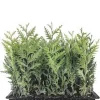
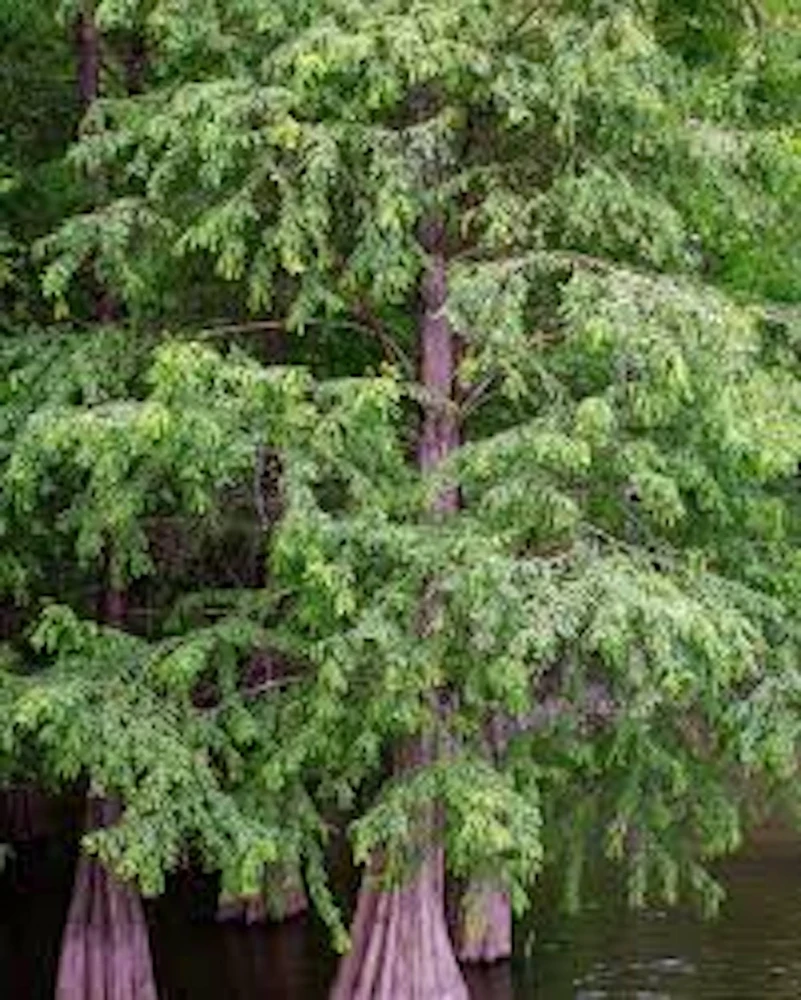
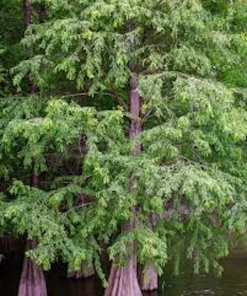
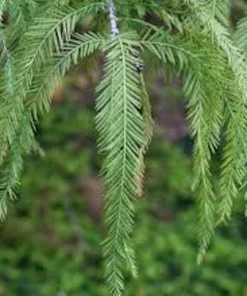
Bald Cypress Live Tree (Taxodium distichum) 12-24in Tall Quart Pot Outdoor Landscape Plant
Original price was: $101.99.$76.99Current price is: $76.99.
Enhance your landscape with a resilient Bald Cypress live tree (Taxodium distichum). This 12-24in tall deciduous conifer thrives in various conditions and offers beautiful seasonal foliage. Perfect for creating a distinctive outdoor feature.
Estimated arrival
Sep 29
Oct 04 - Oct 06
Oct 09 - Oct 13
Shop With Confidence
30-Day Plant Health Guarantee
Arrives damaged? We’ll replace it free — see our return policy.
Responsive Support
Email us anytime, we reply within 1 business day.
Expert Packaging
Temperature-controlled shipping to protect your plants in transit.
Secure Checkout
Pay safely with Visa, Mastercard, PayPal.
Plant Specifications
-
USDA Hardiness Zone
USDA zones 4-10 -
Soil Type
Well-draining, adaptable to wet or dry conditions -
Sunlight Exposure
Full sun to partial shade -
Expected Planting Period
Early spring or fall
Overview
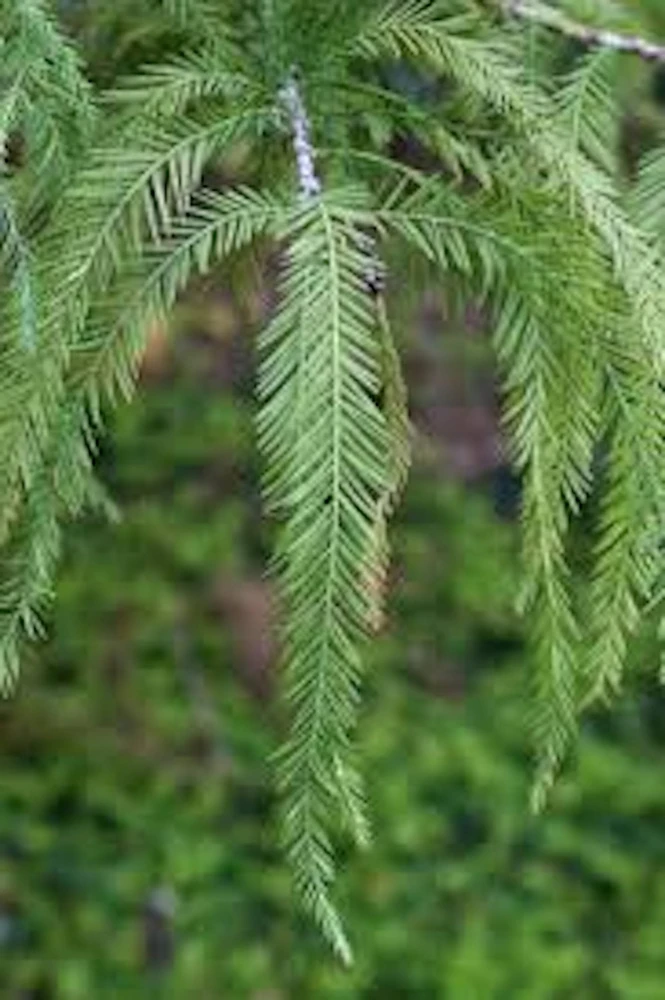
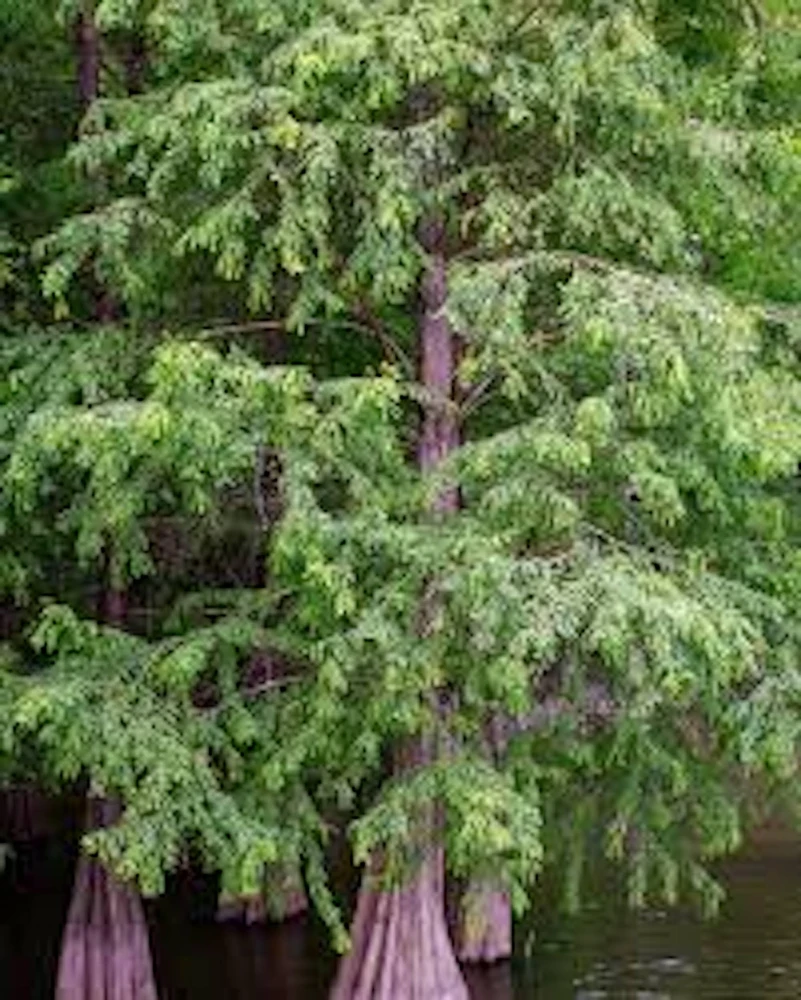
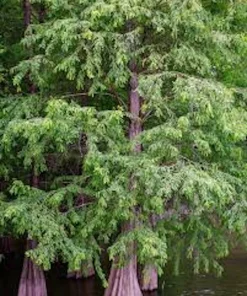
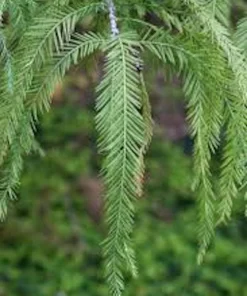
Introduce a majestic presence to your garden with the Bald Cypress live tree (Taxodium distichum). This remarkable deciduous conifer, native to the southeastern United States, is celebrated for its unique beauty and adaptability. Unlike most conifers, the bald cypress sheds its needles in the fall, revealing an attractive reddish-brown bark. Growing Taxodium distichum plant is an excellent choice for those seeking a resilient and visually striking tree for their landscape. Known for its feathery foliage that transitions from a vibrant green in spring and summer to a stunning russet or coppery-bronze in autumn, this tree provides year-round interest. Whether you’re looking to enhance a pond edge, a wet area, or simply add a grand specimen to your yard, the Bald Cypress live tree is an exceptional option that brings natural elegance and enduring character.
Key Benefits
The Bald Cypress live tree offers a multitude of benefits, making it a highly desirable addition to any landscape. Its unique characteristics contribute to both aesthetic appeal and ecological value.
- Exceptional Adaptability: The Taxodium distichum plant is incredibly versatile, thriving in a wide range of soil conditions from perpetually wet to well-drained, making it suitable for various landscape designs, including rain gardens and riparian zones.
- Stunning Seasonal Color: Enjoy the vibrant green foliage during warmer months, which transforms into breathtaking shades of russet, coppery-bronze, and cinnamon in the autumn before the needles drop, providing a spectacular fall display.
- Strong and Long-Lived: Known for its longevity, the bald cypress can live for hundreds of years, becoming a lasting legacy in your garden. Its sturdy structure makes it resistant to many common tree diseases and pests.
- Wildlife Habitat: The dense canopy and strong branches provide excellent nesting sites and shelter for various bird species, while its seeds offer a food source for local wildlife.
- Erosion Control: Its extensive root system helps to stabilize soil, making it an excellent choice for preventing erosion along water bodies or on slopes.
- Unique Form and Texture: The distinctive pyramidal shape when young, maturing to a broad, flat-topped crown, along with its feathery needles and fibrous bark, adds unique texture and architectural interest to any setting.
- Low Maintenance: Once established, a landscape cypress tree requires minimal care, making it a great choice for gardeners looking for a beautiful yet easy-to-manage specimen.
Plant Care & Growing Tips
Caring for your Bald Cypress live tree is relatively straightforward, thanks to its resilient nature. This tree adapts well to various conditions but thrives best with certain considerations. For optimal growth, plant your Taxodium distichum plant in a location that receives full sun to partial shade, meaning at least 6 hours of direct sunlight per day. While bald cypress is famous for growing in swamps, it is highly adaptable to drier, upland conditions once established. Young trees will benefit from consistent moisture.
When it comes to soil, the bald cypress is not particularly fussy. It tolerates a wide range of soil types, including clay, sand, and loam, as long as they are well-draining. However, it truly excels in consistently moist to wet soils, making it ideal for planting near ponds, streams, or in areas with poor drainage. The tree is hardy in USDA zones 4-10, showcasing its impressive cold tolerance. Fertilization is generally not necessary for established trees in healthy soil, but young trees can benefit from a balanced, slow-release fertilizer applied in early spring to encourage vigorous growth. Monitor for common pests or diseases, though the bald cypress is generally resistant. Proper planting and initial care will ensure your deciduous conifer grows into a magnificent specimen.
Size & Details
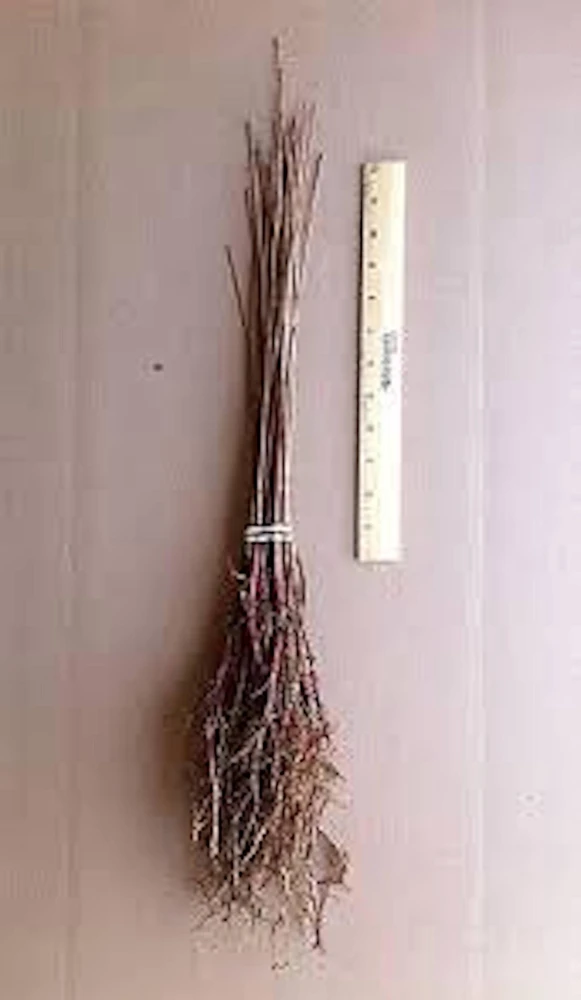
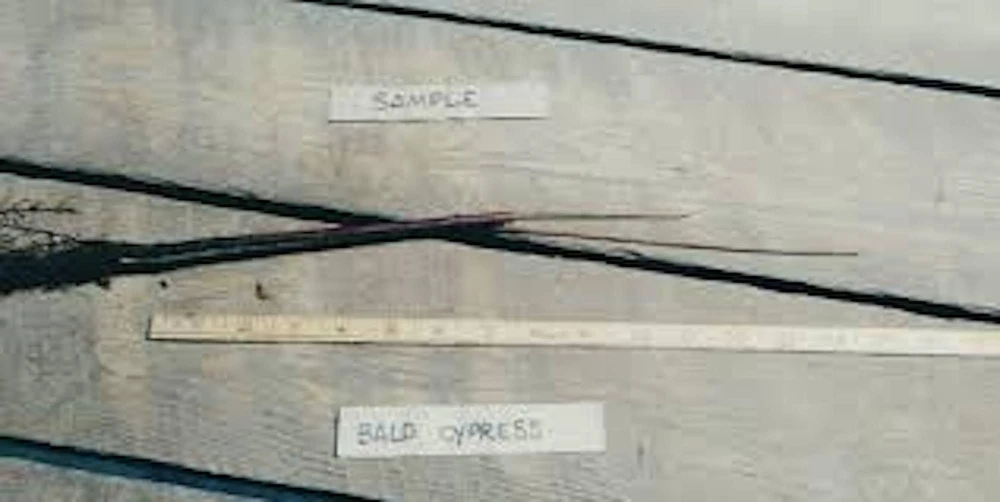
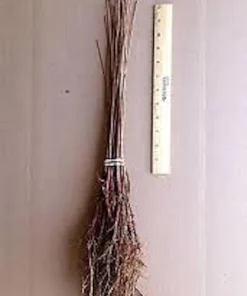
This offering includes a Bald Cypress live tree, typically measuring 12-24 inches tall at the time of shipment, provided in a quart-sized pot. These young trees are robust and ready to be planted in your landscape. The bald cypress is known for its moderate to fast growth rate, often adding 12-18 inches or more per year under ideal conditions. Mature specimens can reach impressive heights of 50-70 feet, with a spread of 20-30 feet, developing a broad, rounded crown over time. The tree ships in a pot during the growing season, ensuring a healthy root system. When dormant, it may ship bare root. Expect to see significant growth and the characteristic seasonal foliage changes as your landscape cypress tree establishes itself and matures.
Frequently Asked Questions
- Q: How big does this plant get? A: This Bald Cypress live tree typically ships 12-24 inches tall. When mature, it can reach heights of 50-70 feet with a spread of 20-30 feet, making it a grand presence in the landscape.
- Q: What size pot does it come in? A: The tree is shipped in a quart-sized pot during the growing season, providing a healthy root ball for successful transplanting.
- Q: Is this an indoor or outdoor plant? A: The Taxodium distichum plant is an outdoor tree, well-suited for various landscape applications in USDA zones 4-10. It is not suitable for long-term indoor cultivation.
- Q: How much sunlight does it need? A: For best growth, the bald cypress thrives in full sun (at least 6 hours of direct sunlight daily) but can also tolerate partial shade.
- Q: Is this plant easy to care for? A: Yes, the Bald Cypress live tree is considered low-maintenance once established, adapting to a wide range of soil and moisture conditions, making it a great choice for both novice and experienced gardeners.
- Q: What condition will it arrive in? A: During the growing season, your tree will arrive in its quart pot with soil. When dormant, it may be shipped bare root, carefully packaged to ensure its health upon arrival.
- Q: When is the best time to plant a bald cypress? A: The best time to plant a deciduous conifer like the bald cypress is in early spring or fall, allowing it to establish its root system before extreme temperatures.
- Q: Will it survive winter in my zone? A: The bald cypress is highly cold-hardy, thriving in USDA zones 4-10. It is well-equipped to handle cold winters within these zones, shedding its needles for winter dormancy.
- Q: What is the ideal soil for a bald cypress? A: While adaptable, the bald cypress prefers consistently moist to wet, well-draining acidic soils, though it can tolerate a variety of soil types, including clay and sandy soils.
- Q: What are the unique features of a bald cypress? A: The bald cypress care involves recognizing its unique characteristics, such as its feathery, deciduous needles, attractive fall color, and the development of ‘knees’ in very wet conditions, which are woody projections from its roots.
Be the first to review “Bald Cypress Live Tree (Taxodium distichum) 12-24in Tall Quart Pot Outdoor Landscape Plant”
People Also Viewed

Reviews
There are no reviews yet.