

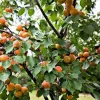

Dunstan Chestnut Trees – 5 Hybrid Bare Root Plants (12-24in Tall)
Original price was: $123.99.$98.99Current price is: $98.99.
Cultivate robust, nut-producing Dunstan Chestnut Trees with this 5-pack of 12-24 inch hybrid bare root chestnut plants. Known for their blight resistance and rapid growth, these trees are an excellent addition for both homesteads and wildlife food plots.
Estimated arrival
Sep 29
Oct 04 - Oct 06
Oct 09 - Oct 13
Shop With Confidence
30-Day Plant Health Guarantee
Arrives damaged? We’ll replace it free — see our return policy.
Responsive Support
Email us anytime, we reply within 1 business day.
Expert Packaging
Temperature-controlled shipping to protect your plants in transit.
Secure Checkout
Pay safely with Visa, Mastercard, PayPal.
Plant Specifications
-
USDA Hardiness Zone
USDA Zones 5-9 -
Soil Type
Well-draining, slightly acidic to neutral soil -
Sunlight Exposure
Full sun -
Expected Planting Period
Late winter to early spring
Overview
Bring the legacy of the American chestnut back to your landscape with our premium Dunstan Chestnut Trees. This offering includes five vigorous hybrid bare root chestnut plants, each measuring between 12-24 inches tall, ready to establish in your garden or orchard. Unlike traditional American chestnuts, Dunstan Chestnuts are celebrated for their exceptional resistance to the devastating chestnut blight, making them a reliable and rewarding choice for growers across the United States. These trees are a carefully developed hybrid, combining the disease resistance of Chinese chestnuts with the superior nut quality and growth habit of American chestnuts. Planting these bare root specimens offers an economical and effective way to grow a thriving stand of nut-producing trees, providing both aesthetic beauty and a valuable food source for wildlife and humans alike.
The Dunstan Chestnut Trees are live plant specimens, carefully cultivated to ensure strong root development and healthy growth upon planting. They are designed for outdoor cultivation and are known for their rapid establishment and impressive nut production within a few years. Whether you’re a seasoned arborist or a home gardener looking to add a unique and productive tree to your property, these chestnut trees offer a fantastic opportunity to enjoy the benefits of a robust, disease-resistant nut tree.
Key Benefits
Investing in Dunstan Chestnut Trees provides a multitude of benefits for your landscape and local ecosystem. These trees are not just plants; they are a long-term investment in sustainability and natural beauty.
- Blight Resistance: A primary advantage of the Dunstan Chestnut Trees is their strong resistance to chestnut blight, a fungal disease that decimated native American chestnut populations. This resilience ensures a higher survival rate and a more productive tree for decades to come.
- Rapid Growth & Production: These hybrid trees are known for their vigorous growth rate, often reaching significant sizes within a few years. They can begin producing nuts in as little as 3-5 years, providing a quicker return on your planting efforts compared to many other nut trees.
- High-Quality Nuts: Dunstan Chestnuts produce large, sweet, and easy-to-peel nuts that are highly prized for roasting, baking, and fresh consumption. They are a delicious and nutritious food source for both humans and wildlife.
- Wildlife Attraction: The abundant, high-energy nuts are a favorite food source for deer, turkeys, squirrels, and other wildlife, making these trees an excellent choice for improving hunting grounds or simply observing nature.
- Ecological Restoration: By planting these blight-resistant chestnuts, you contribute to the restoration of a vital native species, helping to re-establish the ecological role that American chestnuts once played in eastern North American forests.
- Landscape Value: Beyond their productivity, Dunstan Chestnut Trees are attractive shade trees with a broad, rounded canopy. Their leaves turn a beautiful golden-yellow in the fall, adding seasonal interest to any property.
- Adaptability: While specifically an American chestnut hybrid, these trees show good adaptability to a range of soil types and climates, making them a versatile choice for many regions.
Plant Care & Growing Tips
Proper care is essential for establishing healthy Dunstan Chestnut Trees and ensuring abundant nut production. These trees thrive with adequate sunlight, well-draining soil, and consistent moisture, particularly during their establishment phase. For optimal growth, choose a planting site that receives at least 6-8 hours of direct sunlight daily. While they are adaptable, a full sun location will yield the best results.
Regarding soil, Dunstan Chestnut Trees prefer well-draining, slightly acidic to neutral soil (pH 5.5-7.0). Avoid heavy clay soils that retain too much water, as this can lead to root rot. If your soil is heavy, consider amending it with organic matter like compost to improve drainage and aeration. When planting, dig a hole twice as wide as the root spread and just as deep as the root collar. Fan out the bare roots evenly and backfill with soil, gently tamping to remove air pockets. Water thoroughly immediately after planting.
Watering is crucial, especially during the first 2-3 years. Aim for consistent moisture, providing 1 inch of water per week through rainfall or irrigation. Reduce watering frequency once the trees are established, but ensure they receive water during dry spells. Fertilization can begin after the first year; use a balanced slow-release fertilizer or organic compost spread around the drip line in early spring. Protect young trees from deer and other browsing animals using tree shelters or fencing. Pruning is generally minimal, focusing on removing dead, damaged, or crossing branches to maintain a strong central leader. These trees are generally hardy in USDA zones 5-9, but it’s always good to check local conditions for specific chestnut tree care needs. Keep an eye out for common pests and diseases, though their blight resistance is a significant advantage.
Size & Details
This offering includes five Dunstan Chestnut Trees, provided as bare root plants. Each plant measures approximately 12-24 inches in height at the time of shipment, representing a healthy, young specimen ready for planting. Bare root plants are dormant when shipped, allowing for easier transport and planting. Upon arrival, it’s important to plant them as soon as possible, or keep the roots moist until planting. These trees exhibit a medium to fast growth rate, typically adding 1-3 feet per year under ideal conditions. You can expect them to reach a mature height of 30-50 feet with a spread of 20-30 feet, forming a stately, shade-producing canopy.
Nut production can begin in as little as 3-5 years, with significant yields increasing as the trees mature. The nuts typically ripen in early to mid-fall, falling naturally to the ground for easy collection. This 5-pack provides an excellent starting point for establishing a small grove or integrating them into a larger food plot. The ‘Quart Pot’ mentioned in the raw data typically refers to the size of the container they might have been grown in previously, but these are shipped as bare root to ensure vitality and ease of planting. The robust root systems of these Dunstan Chestnut Trees are primed for successful establishment in your chosen location.
Frequently Asked Questions
- Q: How big do these Dunstan Chestnut Trees get at maturity? A: Dunstan Chestnut Trees typically reach a mature height of 30-50 feet with a spread of 20-30 feet, creating a substantial shade tree and nut producer. Their size makes them a prominent feature in any landscape.
- Q: Is this an indoor or outdoor plant? A: These are outdoor trees, specifically bred for landscape and orchard planting. They require ample space and full sun exposure to thrive and produce nuts effectively.
- Q: How much sunlight do these trees need? A: Dunstan Chestnut Trees perform best in full sun, meaning at least 6-8 hours of direct sunlight per day. Adequate sunlight is crucial for strong growth and good nut production.
- Q: What condition will the bare root plants arrive in? A: The hybrid bare root chestnut plants will arrive dormant, with their roots carefully packaged to maintain moisture. This is the ideal state for planting to minimize shock and encourage successful establishment.
- Q: How long until these trees start producing nuts? A: You can typically expect these Dunstan Chestnut Trees to start producing nuts within 3-5 years after planting, with yields increasing significantly as the trees mature.
- Q: What’s the best time to plant bare root chestnut trees? A: The ideal time to plant bare root chestnut trees is in late winter or early spring, after the danger of hard frost has passed but before the trees break dormancy.
- Q: What USDA hardiness zones are suitable for Dunstan Chestnuts? A: These trees are generally hardy in USDA Zones 5-9, making them suitable for a wide range of climates across the United States. They are a resilient American chestnut hybrid.
- Q: Are these trees truly blight resistant? A: Yes, Dunstan Chestnut Trees are specifically bred to be highly resistant to the chestnut blight, a major advantage over traditional American chestnuts. This resistance ensures their long-term health and productivity.
- Q: What kind of soil do they prefer? A: They thrive in well-draining, slightly acidic to neutral soils. Good drainage is key, so avoid areas with standing water or heavy, compacted clay.
- Q: Do I need more than one tree for pollination? A: While Dunstan Chestnuts are partially self-fertile, planting at least two different varieties or multiple trees will significantly improve pollination and result in much larger nut yields.
Be the first to review “Dunstan Chestnut Trees – 5 Hybrid Bare Root Plants (12-24in Tall)”
People Also Viewed
Vegetable Seeds
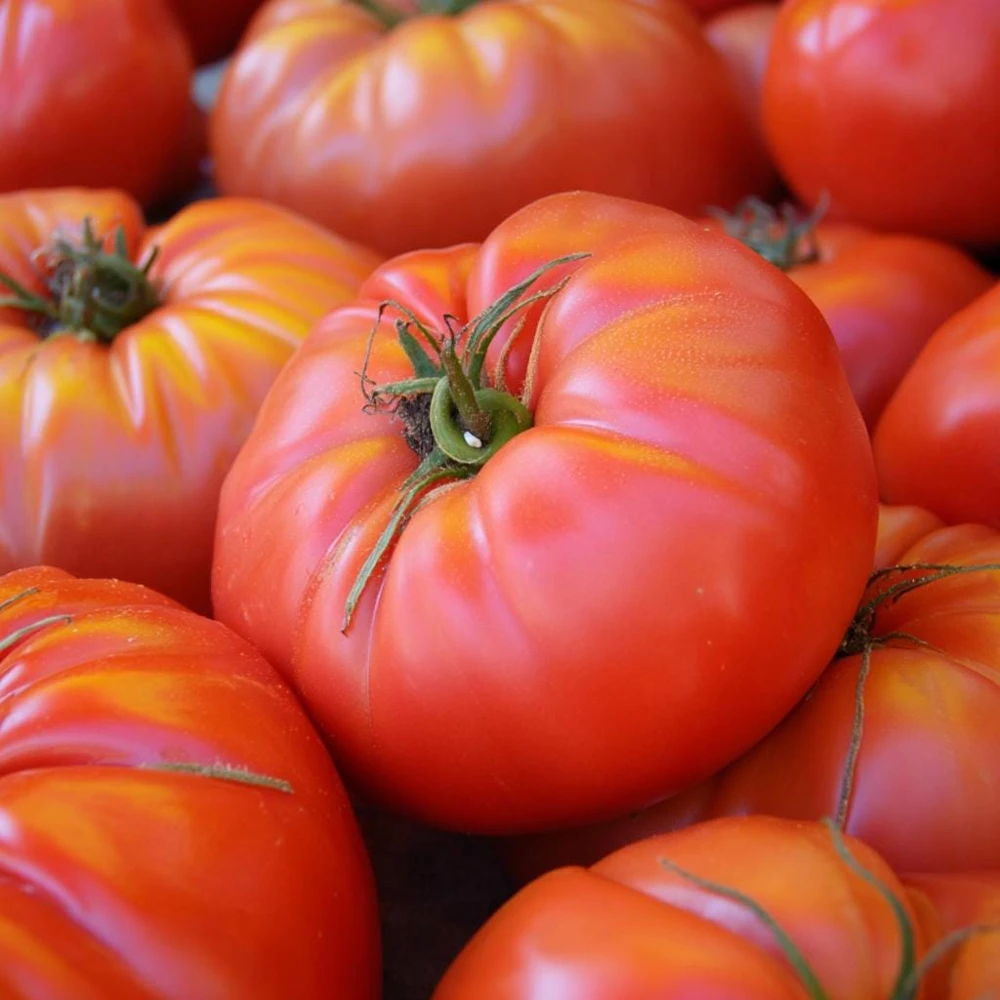
Brandywine Red Tomato Seeds – 30 Heirloom Beefsteak Tomato Seeds
Reviews
There are no reviews yet.