
3 Chickasaw Plum Tree Starter Plants 12-24″ Tall – Live Prunus angustifolia
Original price was: $101.99.$76.99Current price is: $76.99.
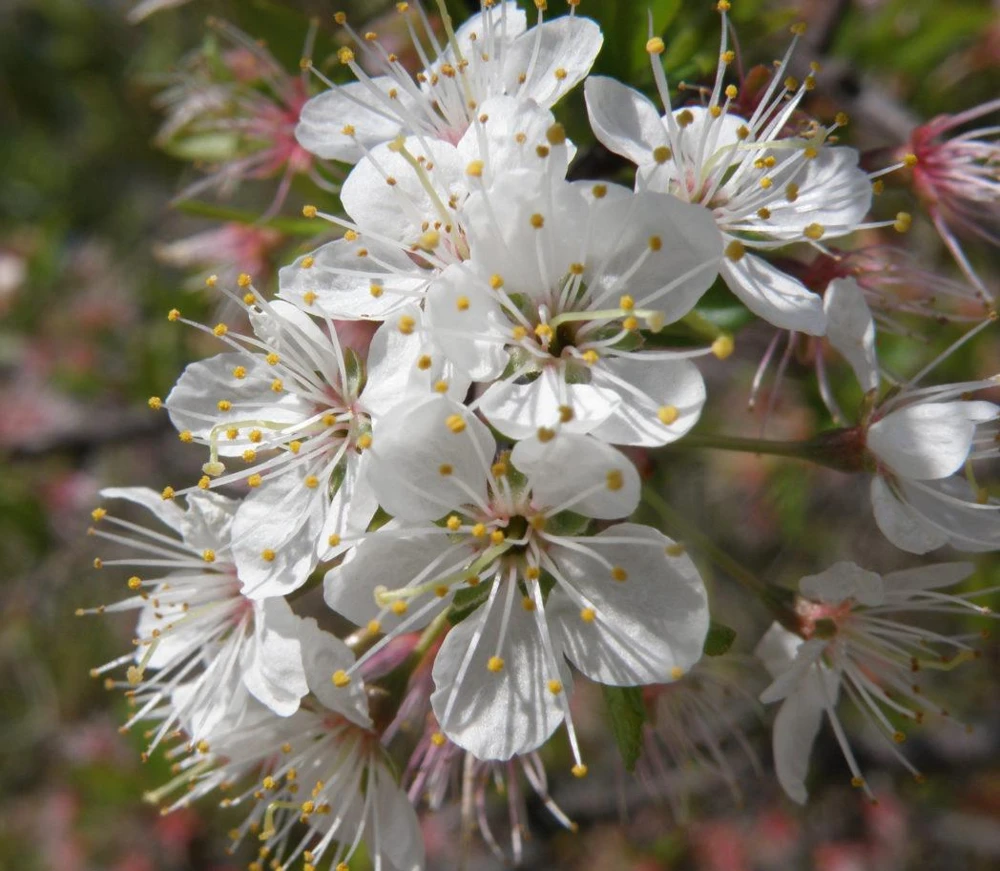
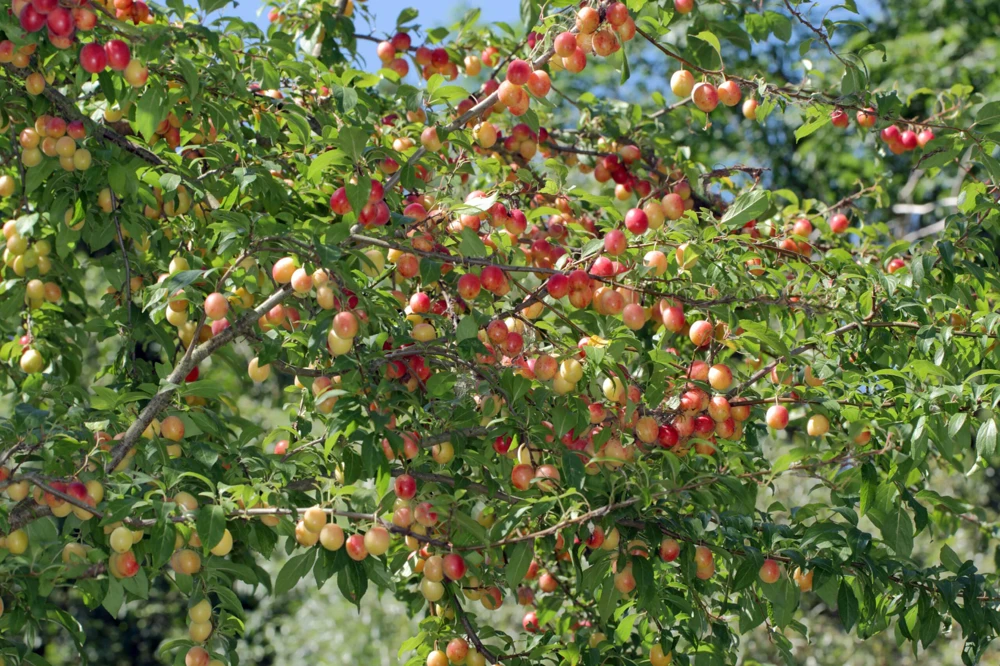
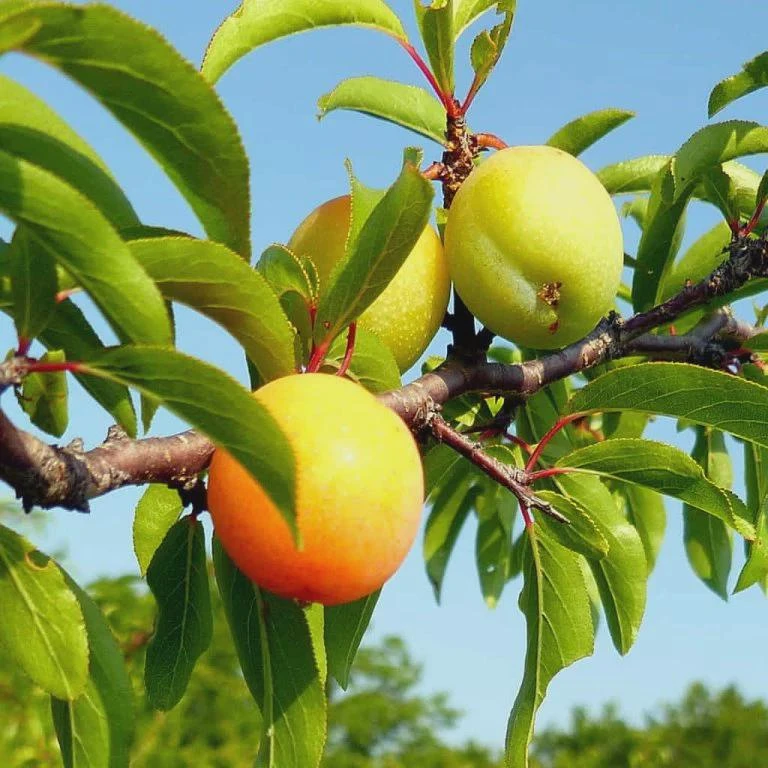
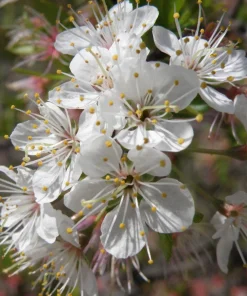
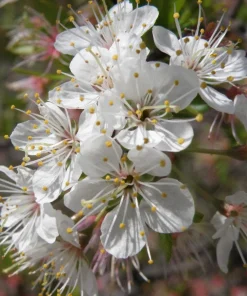
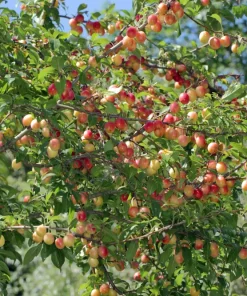
Cultivate your own delicious fruit and support local wildlife with our Chickasaw Plum Tree starter plants. This offer includes 3 live Prunus angustifolia trees, each 12-24 inches tall, ready to thrive in your landscape. Known for white, fragrant flowers and tart, edible fruit, these trees are hardy in USDA Zones 5-9.
Estimated arrival
Sep 29
Oct 04 - Oct 06
Oct 09 - Oct 13
Shop With Confidence
30-Day Plant Health Guarantee
Arrives damaged? We’ll replace it free — see our return policy.
Responsive Support
Email us anytime, we reply within 1 business day.
Expert Packaging
Temperature-controlled shipping to protect your plants in transit.
Secure Checkout
Pay safely with Visa, Mastercard, PayPal.
Plant Specifications
-
USDA Hardiness Zone
USDA Zones 5-9 -
Soil Type
Well-draining soil -
Sunlight Exposure
Full sun -
Expected Planting Period
Early spring to late fall
Overview
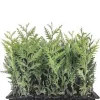
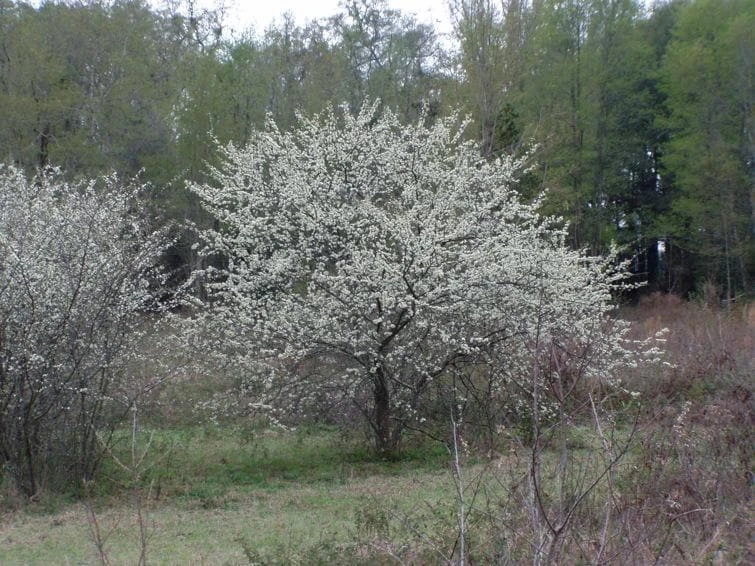
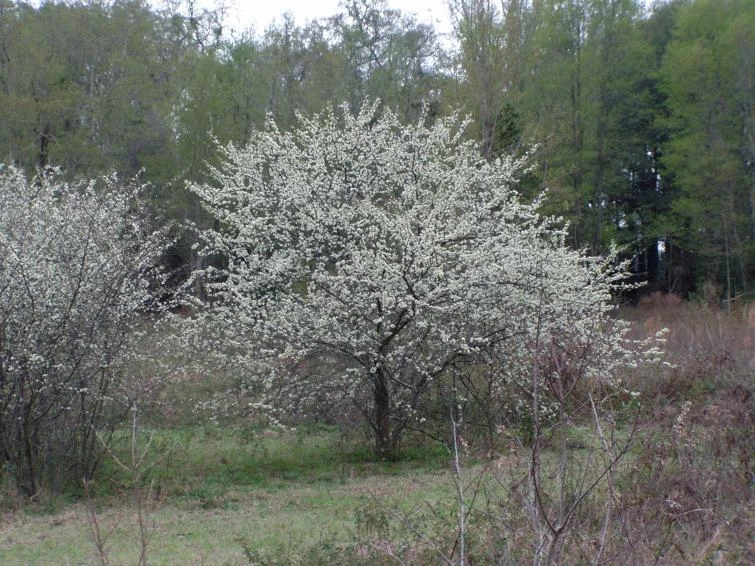
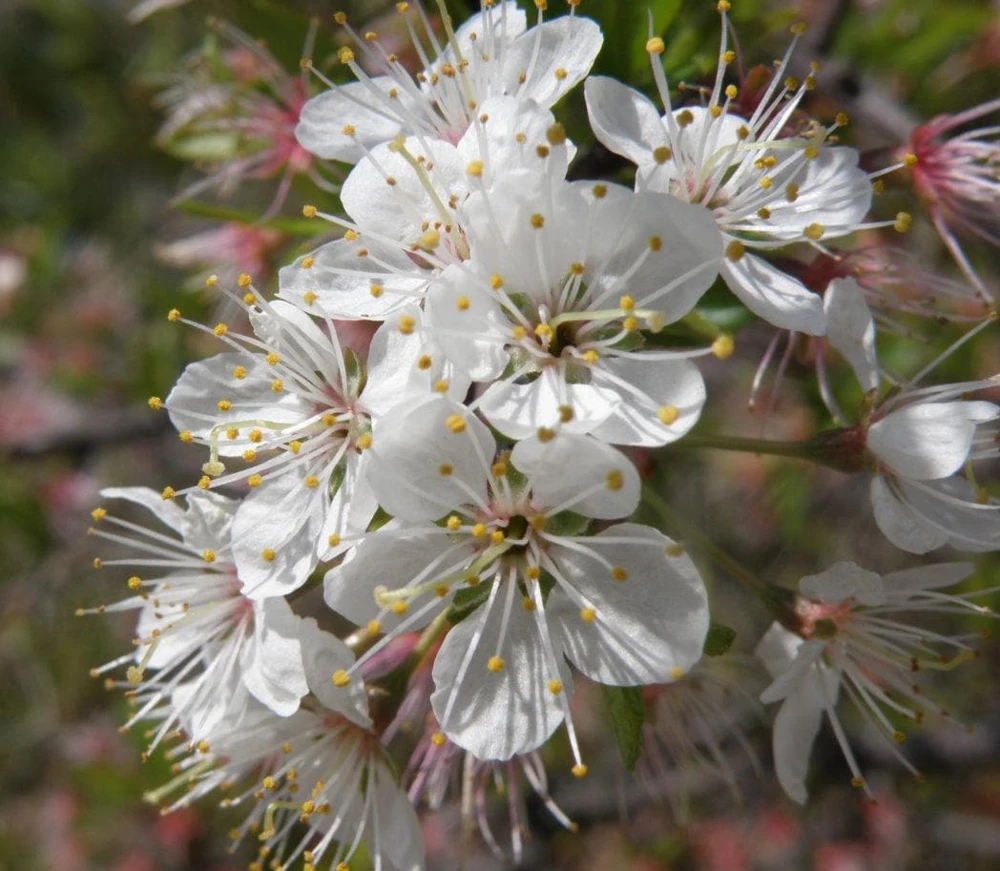
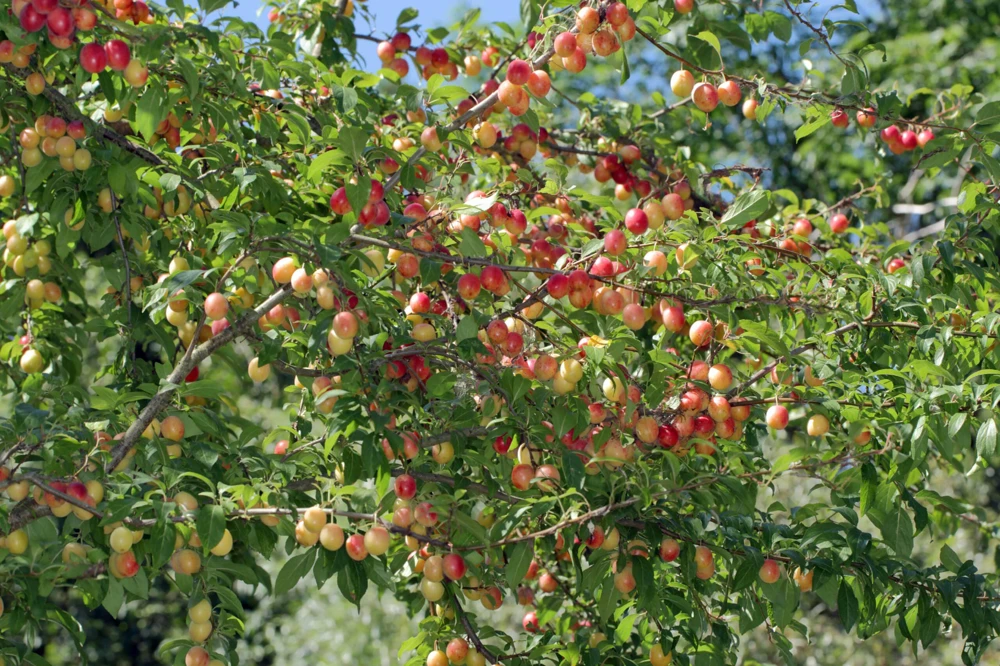
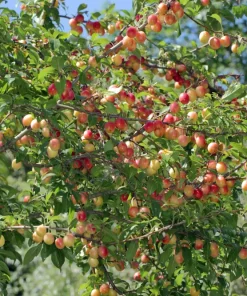
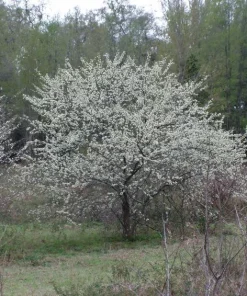
Bring the beauty and bounty of a native American species to your garden with our Chickasaw Plum Tree starter plants. These Prunus angustifolia specimens are vigorous, fast-growing small trees or shrubs, perfect for creating a natural habitat or enjoying their tart, edible fruits. Each order includes 3 healthy, live bare root plants, standing between 12-24 inches tall, ready for planting. The Chickasaw Plum Tree is celebrated for its early-spring display of delicate white, fragrant flowers, which transform into delicious plums by summer. Beyond its ornamental and culinary value, it serves as an excellent wildlife habitat plant, attracting pollinators and providing food and shelter for various species. Its natural tendency to form dense thickets makes it ideal for erosion control and creating naturalized areas.
Key Benefits
The Chickasaw Plum Tree offers a multitude of advantages for any landscape, combining aesthetic appeal with ecological benefits and practical uses. Choosing these native plum tree starter plants means investing in a resilient and rewarding addition to your property.
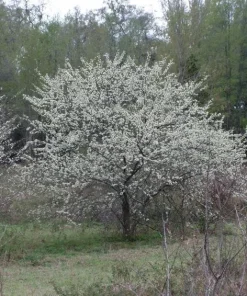
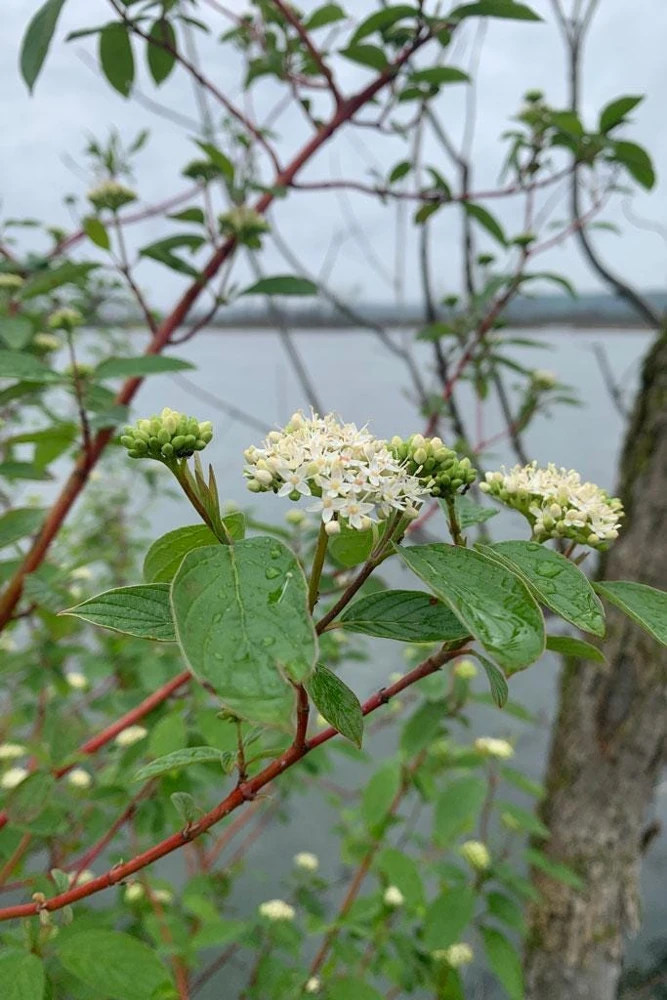
- Attractive Early Spring Blooms: Enjoy a stunning display of white, fragrant flowers that emerge before the leaves in early spring, signaling the arrival of warmer weather and attracting early pollinators.
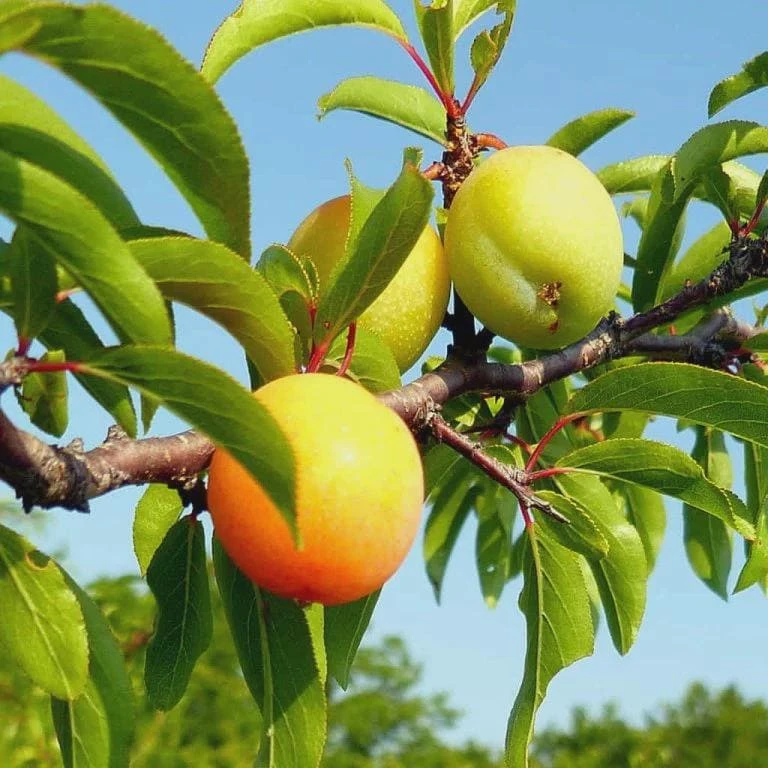
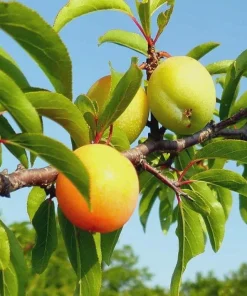
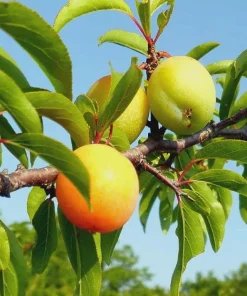
- Delicious Edible Fruit: Harvest tart, juicy plums that are perfect for fresh eating, jams, jellies, or preserves. These fruits are a delightful treat for both humans and wildlife.
- Exceptional Wildlife Support: Provide a vital food source and shelter for local wildlife, including birds, small mammals, and various insect pollinators. This makes it an excellent choice for a wildlife plum tree.
- Erosion Control & Thicket Formation: Its natural tendency to spread by root suckers creates dense thickets, which are highly effective for stabilizing soil and preventing erosion on slopes or disturbed areas.
- Hardy and Adaptable: Thrives across a wide range of climates, being hardy in USDA Zones 5 through 9, making it a versatile choice for many regions.
- Low Maintenance Growth: Once established, this fast-growing species requires minimal care, making it an ideal choice for gardeners seeking a productive yet easy-to-manage plant.
- Drought Tolerance: The Prunus angustifolia is known for its resilience, including a good tolerance to drought conditions once mature, reducing the need for frequent watering.
Plant Care & Growing Tips
Caring for your Chickasaw Plum Tree is straightforward, ensuring a healthy and productive plant for years to come. These resilient plants are relatively low-maintenance, especially once established. For optimal growth, plant your native plum tree in a location that receives full sun, meaning at least 6-8 hours of direct sunlight per day. While adaptable to various soil types, they prefer well-draining soil. Avoid waterlogged conditions, which can lead to root rot. If your soil is heavy clay, consider amending it with organic matter to improve drainage.
Water newly planted trees regularly to keep the soil consistently moist but not soggy, especially during dry spells in their first year. Once established, they are quite drought-tolerant and will only need supplemental watering during prolonged dry periods. Fertilization is generally not heavily required for the Chickasaw Plum Tree. A balanced, slow-release fertilizer can be applied in early spring if soil nutrients are poor, but avoid over-fertilizing. Pruning can be done in late winter or early spring to remove dead or diseased branches, shape the tree, and promote air circulation. Given its natural tendency to sucker, you may choose to manage these for a more tree-like form or allow them to create a dense, naturalized thicket, which is beneficial for wildlife.
Size & Details
You will receive 3 live Chickasaw Plum Tree starter plants, each measuring between 12 to 24 inches in height. These are shipped as bare root plants, which is an excellent method for ensuring vigorous growth once planted in your garden. The Prunus angustifolia is known for its fast growth rate and can typically reach a mature height of 6 to 12 feet, though some specimens can grow up to 25 feet under ideal conditions. It forms a rounded, somewhat ‘twiggy’ mass with slender, reddish, and occasionally thorny branches. This species naturally spreads by root suckers, creating dense thickets over time, which are perfect for erosion control and providing cover for wildlife. Expect to see significant growth and establishment within the first few years, with fruit production typically beginning after 3-5 years.
Frequently Asked Questions
- Q: How big will my Chickasaw Plum Tree get? A: Your Chickasaw Plum Tree can typically grow between 6 to 12 feet tall, but with optimal conditions, it may reach up to 25 feet. It also spreads by root suckers, forming thickets.
- Q: Is this an indoor or outdoor plant? A: The Chickasaw Plum Tree (Prunus angustifolia) is an outdoor plant, native to North America, and thrives when planted in the ground in USDA Zones 5-9.
- Q: How much sunlight does the native plum tree need? A: For the best growth and fruit production, your native plum tree requires full sun exposure, meaning at least 6-8 hours of direct sunlight daily.
- Q: Is this tree easy to care for? A: Yes, the Chickasaw Plum Tree is considered a low-maintenance plant. Once established, it is quite hardy and drought-tolerant, making it suitable for gardeners of various experience levels.
- Q: What condition will the plants arrive in? A: Your wildlife plum tree starter plants will arrive as healthy bare root specimens, carefully packaged to ensure they are ready for planting upon arrival.
- Q: When is the best time to plant a Chickasaw Plum Tree? A: The ideal time to plant your edible plum tree is in early spring or late fall, allowing the roots to establish before extreme temperatures.
- Q: Will the Chickasaw Plum Tree produce edible fruit? A: Yes, the Chickasaw Plum Tree produces small, tart, edible plums that are excellent for fresh eating, jams, jellies, and attracting wildlife.
- Q: What kind of soil does Prunus angustifolia prefer? A: While adaptable, Prunus angustifolia thrives in well-draining soil. Amending heavy clay soils with organic matter is recommended to improve drainage.
- Q: How long until my Chickasaw Plum Tree produces fruit? A: Typically, a Chickasaw Plum Tree grown from a starter plant will begin to produce fruit within 3 to 5 years after planting.
- Q: Is the Chickasaw Plum Tree good for erosion control? A: Absolutely! Its natural tendency to spread by root suckers makes it an excellent choice for forming dense thickets that help stabilize soil and prevent erosion.
Be the first to review “3 Chickasaw Plum Tree Starter Plants 12-24″ Tall – Live Prunus angustifolia”
People Also Viewed
Shrubs
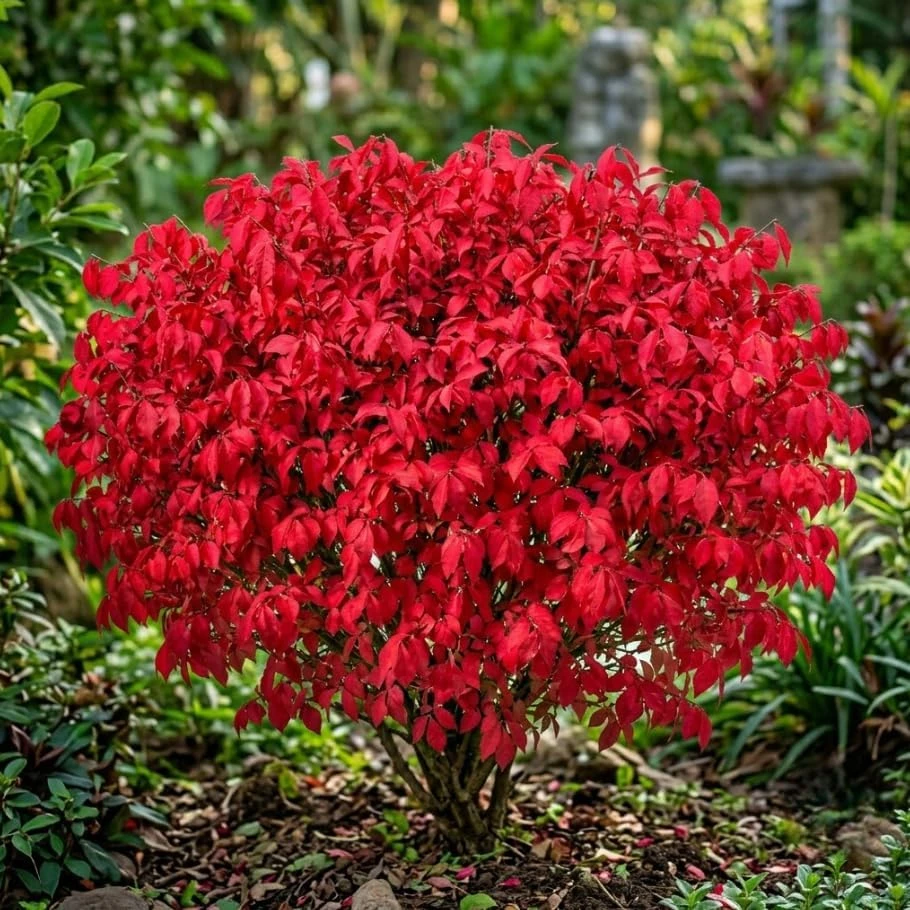
Dwarf Burning Bush Bare Root Plants – 5-Pack, 6-12 inches, Vibrant Red Fall Color, Outdoor Shrub

Reviews
There are no reviews yet.