

Fignomenal Dwarf Fig Tree Starter Plant – Self-Fertile Perennial Live Plant
Original price was: $88.99.$63.99Current price is: $63.99.
Bring the joy of fresh figs to your home with the Fignomenal Dwarf Fig Tree starter plant. This compact, self-fertile variety is ideal for patios, small gardens, or even indoors in colder climates, offering delicious fruit with minimal effort.
Estimated arrival
Sep 29
Oct 04 - Oct 06
Oct 09 - Oct 13
Shop With Confidence
30-Day Plant Health Guarantee
Arrives damaged? We’ll replace it free — see our return policy.
Responsive Support
Email us anytime, we reply within 1 business day.
Expert Packaging
Temperature-controlled shipping to protect your plants in transit.
Secure Checkout
Pay safely with Visa, Mastercard, PayPal.
Plant Specifications
-
USDA Hardiness Zone
USDA Zones 7-10 (outdoors), can be grown indoors in colder zones -
Soil Type
Well-draining potting mix or loamy soil -
Sunlight Exposure
Full sun (6-8+ hours direct sunlight daily) -
Expected Planting Period
Spring to early summer (outdoors), year-round indoors
Overview
Cultivate your own gourmet fruit with the Fignomenal Dwarf Fig Tree, a remarkable and compact variety perfect for home gardeners. This easy-to-grow, self-fertile perennial fig tree is designed to thrive in smaller spaces, making it an excellent choice for container gardening on patios, balconies, or even as an indoor plant in colder regions. The Fignomenal Dwarf Fig Tree produces abundant crops of sweet, flavorful figs, allowing you to enjoy fresh, homegrown fruit right from your backyard or windowsill. Its natural dwarf habit means less pruning and maintenance, providing a rewarding experience for both novice and experienced growers.
The Fignomenal fig is celebrated for its robust nature and ability to produce fruit without the need for a pollinator, thanks to its self-fertile characteristics. This ensures a reliable harvest of delicious figs. Whether you’re looking to add an edible landscape element or simply enjoy fresh figs, this dwarf variety offers an accessible and productive solution. Embrace the satisfaction of growing your own food with this versatile and charming fig tree.
Key Benefits
The Fignomenal Dwarf Fig Tree offers a multitude of benefits, making it a highly desirable addition to any garden or home. Its compact size and self-fertile nature are just a few reasons why this plant stands out:
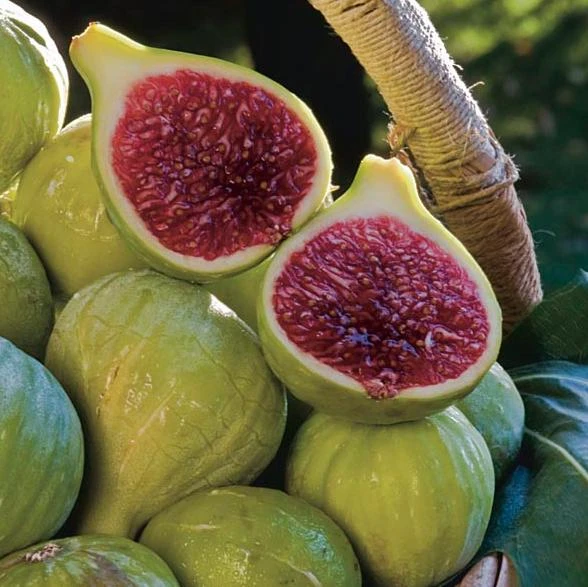
- Abundant Fruit Production: Enjoy a generous harvest of sweet, delectable figs from a relatively small plant. The Fignomenal Dwarf Fig Tree is known for its prolific fruiting, providing fresh treats for snacking, baking, or preserving.
- Self-Fertile Variety: No need for multiple trees or specific pollinators. This fig tree is self-fertile, meaning a single plant can produce fruit, simplifying the growing process and ensuring a reliable yield.
- Ideal for Small Spaces: With its dwarf growth habit, this fig tree is perfectly suited for container gardening on patios, balconies, or in compact garden beds. It allows anyone, regardless of garden size, to enjoy fresh figs.
- Low Maintenance: This robust perennial requires minimal care once established. Its natural compact form reduces the need for extensive pruning, making it an excellent choice for busy gardeners.
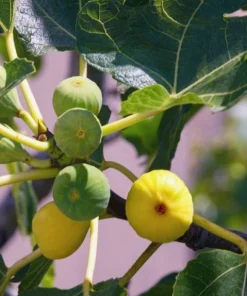
- Attractive Foliage: Beyond its fruit, the Fignomenal fig tree boasts attractive, deeply lobed green leaves, adding an ornamental touch to your outdoor or indoor space.
- Versatile Growing Options: Can be grown outdoors in warmer climates or brought indoors during winter in colder zones, offering flexibility and extending the growing season. Perfect for those looking for a resilient dwarf fig tree care solution.
- Homegrown Flavor: Experience the superior taste of fresh, sun-ripened figs, far surpassing store-bought options. Growing your own ensures peak freshness and flavor.
Plant Care & Growing Tips
Proper care is essential for a thriving Fignomenal Dwarf Fig Tree. Figs generally prefer warm, sunny conditions and well-draining soil. For optimal growth and fruit production, aim for at least 6-8 hours of direct sunlight per day. If growing in a container, choose a large pot (15-20 gallons) to allow for root development and ensure it has drainage holes. A good quality potting mix designed for edible plants or fruits is ideal. When it comes to watering, keep the soil consistently moist but not waterlogged, especially during fruiting season. Reduce watering in cooler months when the plant is dormant.
Figs are relatively hardy but will benefit from fertilization. During the growing season (spring through summer), feed your Fignomenal Dwarf Fig Tree with a balanced fertilizer every 4-6 weeks. Pruning is best done in late winter or early spring while the tree is dormant. Remove any dead, diseased, or crossing branches to improve air circulation and sunlight penetration. You can also prune to maintain a desirable size and shape, which is particularly useful for a fig tree for containers. In colder regions, protect outdoor plants with mulch or bring containerized plants indoors before the first hard frost. This helps ensure your edible fig plant continues to produce year after year.
Pest and disease issues are generally minimal for fig trees. Monitor for common garden pests like aphids or spider mites and address them with organic pest control methods if necessary. Ensuring good air circulation and appropriate watering practices can help prevent fungal diseases. With consistent dwarf fig tree care, you’ll be rewarded with a bountiful harvest.
Size & Details
This offering is for a Fignomenal Dwarf Fig Tree starter plant, typically shipped in a nursery pot, ready for transplanting. While specific dimensions can vary based on growth stage, starter plants are generally well-rooted and established, providing a strong foundation for future growth. The Fignomenal variety is known for its compact nature, usually reaching a mature height of 3-5 feet when grown in containers, making it an excellent choice for limited spaces. When planted directly in the ground in ideal conditions, it may reach slightly larger dimensions, but still maintains a manageable size compared to standard fig varieties.
Expected growth rate is moderate, with fruit production often beginning in the first or second year after planting. The plant is shipped with a healthy root system, ensuring a smooth transition to its new home. Its self-fertile nature means you won’t need a second tree for pollination, simplifying your gardening efforts. This self-fertile fig tree is perfect for those who want to enjoy fresh, delicious figs without the commitment of a large orchard.
Frequently Asked Questions
- Q: How big does this Fignomenal Dwarf Fig Tree get? A: When grown in a container, the Fignomenal Dwarf Fig Tree typically reaches a mature height of 3-5 feet. If planted in the ground, it can grow slightly larger but maintains a compact, manageable size, making it a true dwarf fig tree care success story.
- Q: Is this an indoor or outdoor plant? A: This fig tree is versatile. It can be grown outdoors in USDA Zones 7-10. In colder climates (Zones 6 and below), it’s best grown in a container and brought indoors during winter to protect it from frost.
- Q: How much sunlight does the edible fig plant need? A: For optimal growth and fruit production, the Fignomenal Dwarf Fig Tree requires at least 6-8 hours of direct sunlight per day. Choose a sunny location outdoors or a bright, south-facing window indoors.
- Q: Is this plant easy to care for? A: Yes, the Fignomenal Dwarf Fig Tree is considered relatively easy to care for, especially for a fruit-bearing plant. Its self-fertile nature and compact size reduce maintenance compared to larger fig varieties.
- Q: What condition will the starter plant arrive in? A: Your Fignomenal Dwarf Fig Tree starter plant will arrive well-rooted in a nursery pot, carefully packaged to ensure its health during transit. It will be ready for transplanting into its permanent home upon arrival.
- Q: When is the best time to plant this fig tree? A: The best time to plant is in spring after the last danger of frost has passed, allowing the plant to establish itself during the warmer growing season. Container-grown plants can be transplanted any time of year indoors.
- Q: Will this self-fertile fig tree survive winter in my zone? A: If you are in USDA Zones 7-10, it should be fine outdoors with some winter protection like mulch. In colder zones, it must be protected from freezing temperatures, either by bringing it indoors or providing significant insulation.
- Q: How long until it produces fruit? A: Many Fignomenal Dwarf Fig Trees can start producing fruit within the first year of planting, especially under optimal growing conditions. More substantial harvests typically begin in the second year.
- Q: What kind of soil does a fig tree for containers need? A: Use a well-draining potting mix that is rich in organic matter. A mix designed for fruit trees or general-purpose potting soil with added compost works well. Ensure the pot has excellent drainage.
- Q: Does it need a lot of water? A: Figs prefer consistent moisture, particularly during the growing and fruiting seasons. Allow the top inch or two of soil to dry out slightly between waterings, but avoid letting the soil become completely dry or waterlogged.
Be the first to review “Fignomenal Dwarf Fig Tree Starter Plant – Self-Fertile Perennial Live Plant”
People Also Viewed
Houseplants

Reviews
There are no reviews yet.