
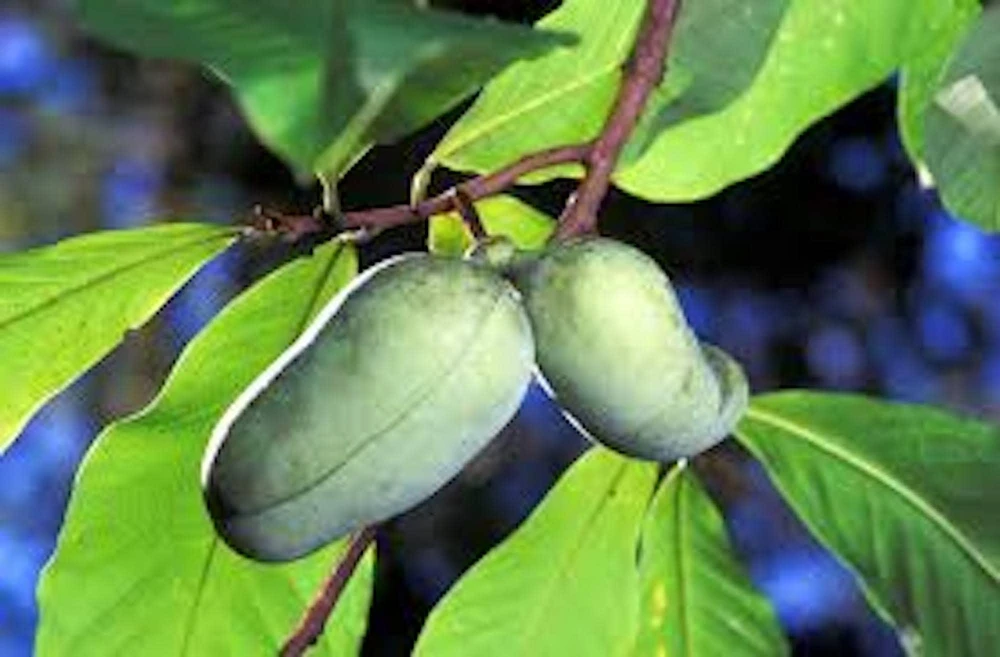
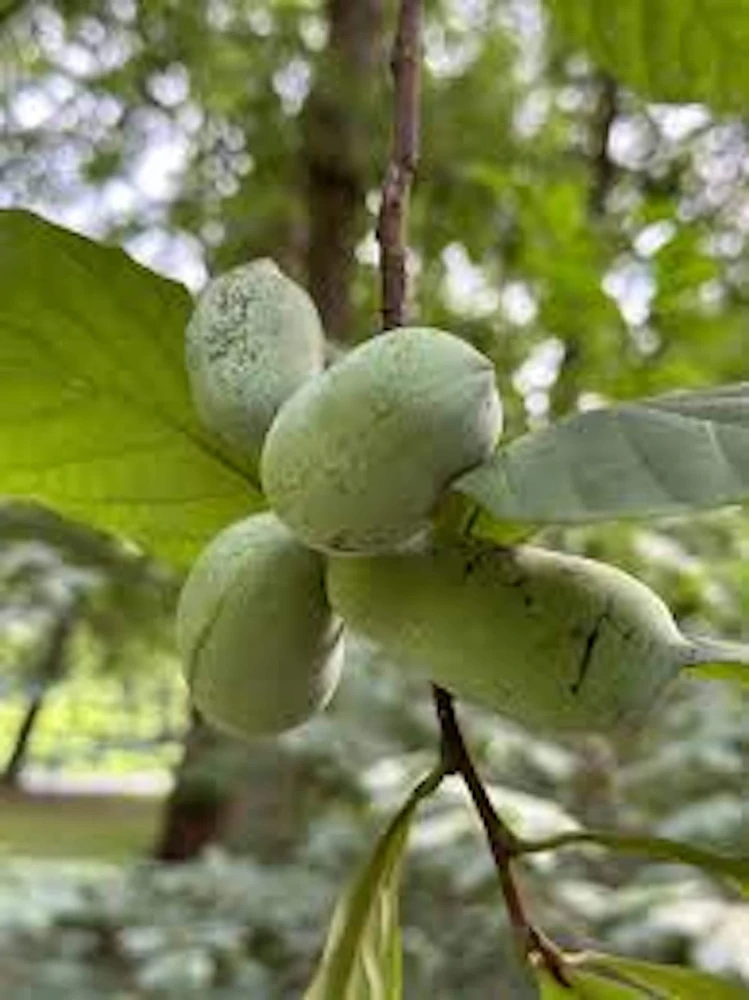

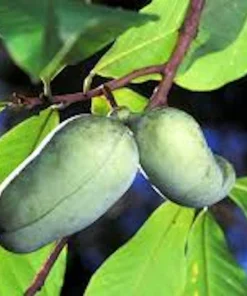
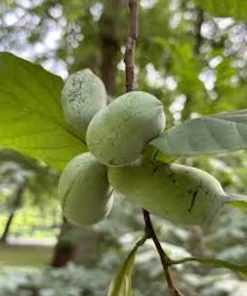
Pawpaw Tree Live Plant – Asimina triloba Native Fruit Tree – Quart Pot, 12-24in
Original price was: $93.99.$68.99Current price is: $68.99.
Cultivate a unique addition to your landscape with the pawpaw tree live plant. This native fruit tree, Asimina triloba, offers delicious, custard-like fruit and vibrant foliage, ideal for USDA zones 5-8. Perfect for gardeners seeking an unusual yet easy-to-grow fruit tree.
Estimated arrival
Sep 29
Oct 04 - Oct 06
Oct 09 - Oct 13
Shop With Confidence
30-Day Plant Health Guarantee
Arrives damaged? We’ll replace it free — see our return policy.
Responsive Support
Email us anytime, we reply within 1 business day.
Expert Packaging
Temperature-controlled shipping to protect your plants in transit.
Secure Checkout
Pay safely with Visa, Mastercard, PayPal.
Plant Specifications
-
USDA Hardiness Zone
USDA Zones 5-8 -
Soil Type
Well-drained, slightly acidic soil -
Sunlight Exposure
Partial shade (young trees), Full sun (mature trees) -
Expected Planting Period
Early spring
Overview
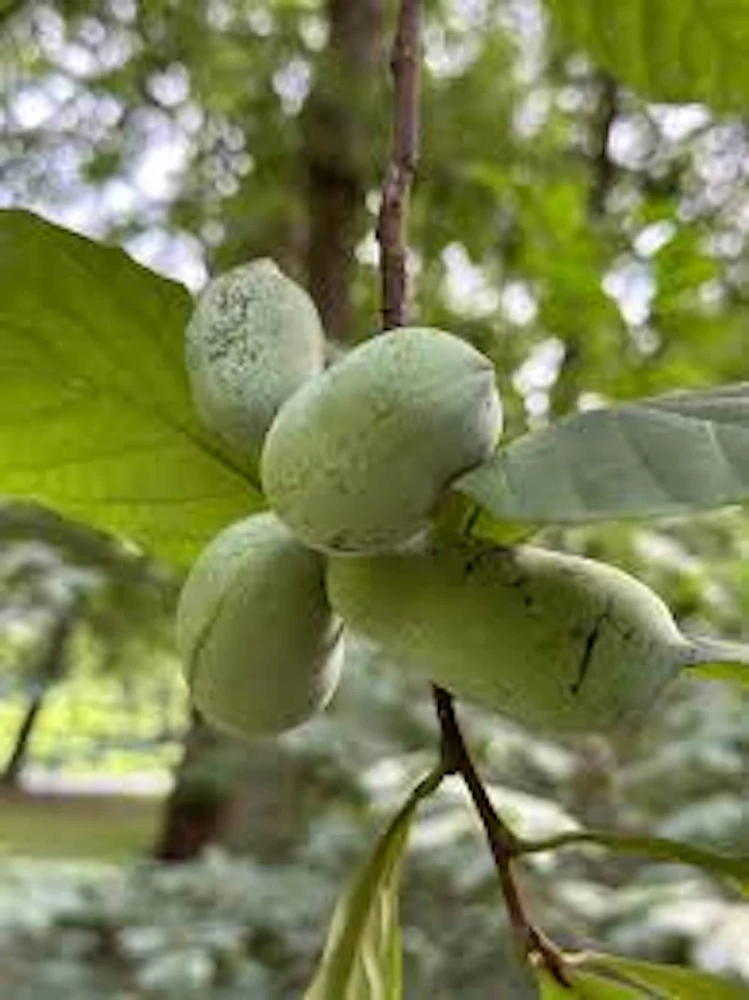
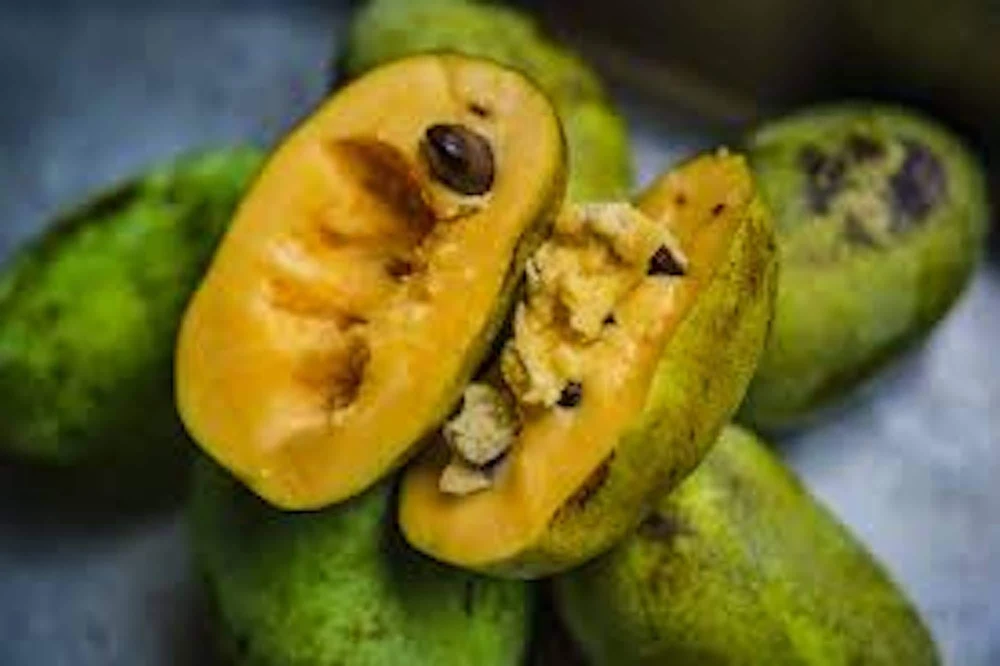
Introduce a taste of North American heritage to your garden with the pawpaw tree live plant. The Asimina triloba, commonly known as the pawpaw tree, is a fascinating native fruit tree prized for its large, tropical-like fruit and lush, vibrant foliage. This remarkable plant is a conversation starter and a delight for the palate, offering a sweet, custard-like flavor reminiscent of banana, mango, and pineapple. Growing a pawpaw tree live plant allows you to enjoy fresh, nutritious fruit right from your backyard, making it an excellent choice for gardeners looking to cultivate something truly special and delicious. Its unique characteristics and adaptability make it a rewarding addition to any landscape or orchard.
The pawpaw tree is a deciduous tree that adds ornamental value with its attractive leaves and often striking fall color. Beyond its delicious fruit, the tree itself is a robust and relatively low-maintenance option for temperate climates. It’s a wonderful way to connect with native flora and support local ecosystems, as it’s a host plant for the zebra swallowtail butterfly. Discover the joy of growing your own exotic-tasting fruit with this easy-to-care-for native.
Key Benefits
The pawpaw tree live plant offers a multitude of benefits for both the gardener and the environment. Its unique attributes make it a standout choice for diverse garden settings.
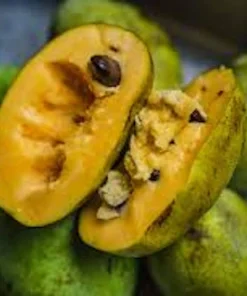
- Delicious, Unique Fruit: Enjoy the sweet, creamy, custard-like fruit with a flavor profile often described as a blend of banana, mango, and pineapple. This unusual fruit is a gourmet’s delight and provides a fresh, healthy snack.
- Native & Environmentally Friendly: As a native fruit tree of North America, the pawpaw supports local biodiversity, providing food for wildlife and serving as a host plant for the zebra swallowtail butterfly.
- Low Maintenance: Once established, the pawpaw tree requires minimal care, making it suitable for both beginner and experienced gardeners. It’s known for its resilience and adaptability.
- Hardy in Temperate Climates: Thriving in USDA zones 5-8, this tree is well-suited for a wide range of climates, tolerating cold winters and warm summers.
- Exceptional Nutritional Value: The fruit is packed with vitamins, minerals, and antioxidants, offering a healthy and delicious addition to your diet.
- Ornamental Value: With its large, attractive leaves and often beautiful fall foliage, the pawpaw tree adds significant aesthetic appeal to any garden or landscape.
- Pest and Disease Resistant: Generally, the pawpaw tree live plant is less prone to common pests and diseases compared to many other fruit trees, reducing the need for extensive treatments.
Plant Care & Growing Tips
Caring for your pawpaw tree live plant is relatively straightforward, especially once it’s established. Understanding its specific needs will ensure a healthy tree and bountiful fruit production. Pawpaws prefer a location with at least six hours of direct sunlight per day, though young trees (especially those under two years old) benefit from some partial shade to prevent sunscald on their tender leaves. This protection is crucial for establishing a strong root system without undue stress. As the tree matures, it can tolerate and even thrive in full sun, which is essential for optimal fruit development. Ensure your planting site has good air circulation but is also protected from strong winds that can damage branches.
The pawpaw tree thrives in well-drained, slightly acidic soil with a pH between 5.5 and 7.0. Amend heavy clay soils with organic matter to improve drainage and aeration. Consistent moisture is vital, especially during the first few years after planting and during fruit development. Water deeply and regularly, ensuring the soil remains consistently moist but not waterlogged. Mulching around the base of the tree with organic material like wood chips or compost can help retain soil moisture, suppress weeds, and regulate soil temperature. Fertilize annually in early spring with a balanced, slow-release fertilizer, or an organic option rich in nitrogen, phosphorus, and potassium, to support healthy growth and fruit production. Avoid over-fertilizing, especially with high nitrogen, which can lead to excessive foliage growth at the expense of fruit. This approach will help your grow pawpaw tree successfully.
Pawpaws are hardy in USDA zones 5-8. They are deciduous, shedding their leaves in fall and entering dormancy during winter. Minimal pruning is required, primarily to remove dead, damaged, or crossing branches to maintain a strong structure and improve air circulation. Prune in late winter or early spring before new growth begins. While generally resistant to many pests and diseases, monitor your asimina triloba fruit tree for any signs of trouble and address them promptly. Proper care will ensure your pawpaw tree care routine is effective and leads to a thriving plant.
Size & Details
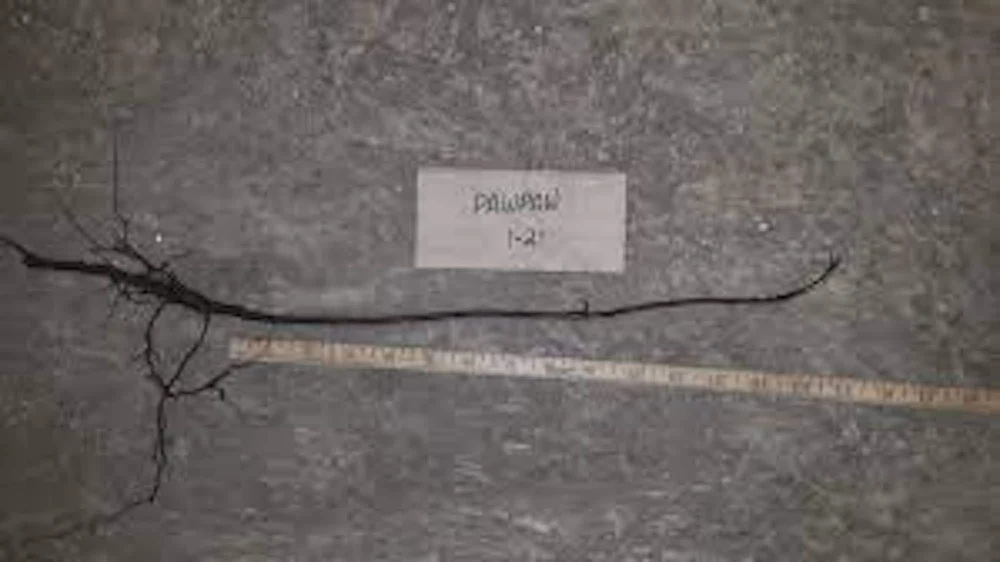
This offering includes 2 Pawpaw Tree live plants (Asimina triloba), each provided in a quart pot and standing approximately 12-24 inches tall. These young, healthy trees are ready for planting in your garden, offering a head start on establishing your native fruit orchard. The quart pot size ensures a well-developed root system, minimizing transplant shock. Pawpaw trees typically have a moderate growth rate, reaching a mature height of 15-30 feet with a similar spread. They usually begin bearing fruit within 3-5 years after planting, with peak production occurring after 7-10 years. While they are self-fertile to some extent, planting at least two genetically distinct pawpaw trees is highly recommended to ensure successful cross-pollination and a more abundant harvest of the delicious asimina triloba fruit.
Our pawpaw tree live plant specimens are carefully selected to provide you with robust starter plants. They are shipped as bare root plants, which is a common and effective method for deciduous trees, ensuring they are dormant and ready for planting upon arrival. This method reduces stress during transit and allows the plant to focus its energy on root development once planted. Expect these trees to establish quickly when provided with proper care and attention, growing into productive fruit bearers in the coming years. Consider companion planting with other native species to create a thriving ecosystem around your native fruit tree.
Frequently Asked Questions
- Q: How big does this pawpaw tree live plant get? A: This specific offering is for young plants 12-24 inches tall in quart pots. Mature pawpaw trees typically reach a height of 15-30 feet and can have a similar spread, depending on growing conditions and pruning.
- Q: What size pot does it come in? A: Each pawpaw tree in this listing comes in a quart-sized pot, providing a good foundation for its initial growth before transplanting.
- Q: Is this an indoor or outdoor plant? A: The pawpaw tree is an outdoor tree that requires a period of winter dormancy. It is not suitable for long-term indoor cultivation.
- Q: How much sunlight does it need? A: Young pawpaw trees (under two years old) benefit from partial shade, while mature trees thrive in full sun (at least 6 hours of direct sunlight daily) for best fruit production.
- Q: Is this plant easy to care for? A: Yes, once established, the pawpaw tree is considered relatively low-maintenance, making it a good choice for both novice and experienced gardeners.
- Q: What condition will it arrive in? A: The plants are shipped as bare root, which means they are dormant and ready for planting upon arrival, ensuring minimal stress during transit.
- Q: How long until it blooms and produces fruit? A: Pawpaw trees typically begin to bloom and produce fruit within 3-5 years after planting, with significant harvests usually starting around 7-10 years.
- Q: When is the best time to plant a grow pawpaw tree? A: The best time to plant bare root pawpaw trees is in early spring, after the last frost, allowing the tree ample time to establish its root system before summer heat.
- Q: Will it survive winter in my zone? A: The pawpaw tree is hardy in USDA zones 5-8, meaning it can withstand winter temperatures in these regions.
- Q: What type of soil does the asimina triloba fruit tree prefer? A: It prefers well-drained, slightly acidic soil (pH 5.5-7.0). Amending with organic matter can improve soil structure.
Be the first to review “Pawpaw Tree Live Plant – Asimina triloba Native Fruit Tree – Quart Pot, 12-24in”
People Also Viewed
Reviews
There are no reviews yet.