


Canby Thornless Red Raspberry Starter Plug – Rubus idaeus Live Plant, June-Bearing, Cold-Hardy
Original price was: $199.99.$174.99Current price is: $174.99.
Cultivate delicious, sweet red raspberries with the Canby Thornless Raspberry live plant. This vigorous, June-bearing variety features nearly thornless canes for easy harvesting. A cold-hardy selection, perfect for home gardeners in USDA zones 3-8, offering excellent fruit production and disease resistance.
Estimated arrival
Sep 29
Oct 04 - Oct 06
Oct 09 - Oct 13
Shop With Confidence
30-Day Plant Health Guarantee
Arrives damaged? We’ll replace it free — see our return policy.
Responsive Support
Email us anytime, we reply within 1 business day.
Expert Packaging
Temperature-controlled shipping to protect your plants in transit.
Secure Checkout
Pay safely with Visa, Mastercard, PayPal.
Plant Specifications
-
USDA Hardiness Zone
USDA zones 3 to 8 -
Soil Type
Well-draining, rich in organic matter -
Sunlight Exposure
Full sun (6-8 hours daily) -
Expected Planting Period
Spring to early summer
Overview
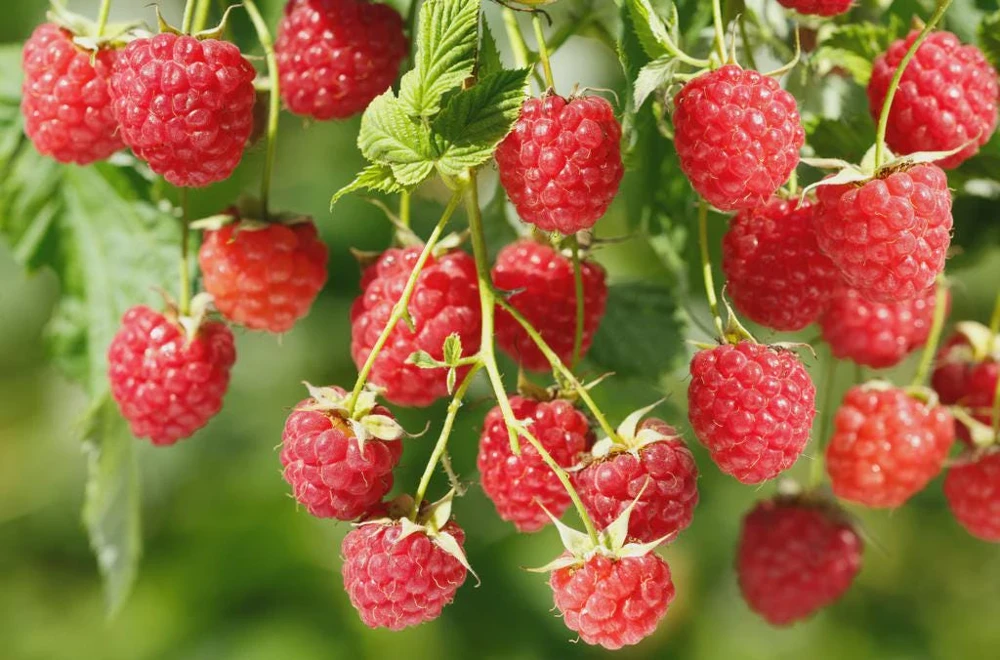
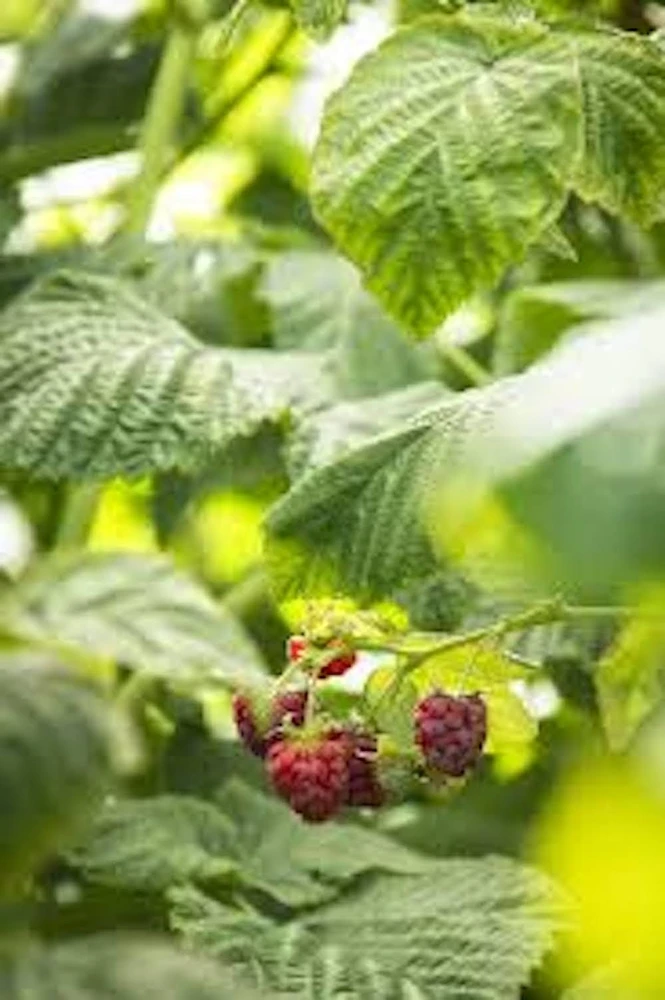
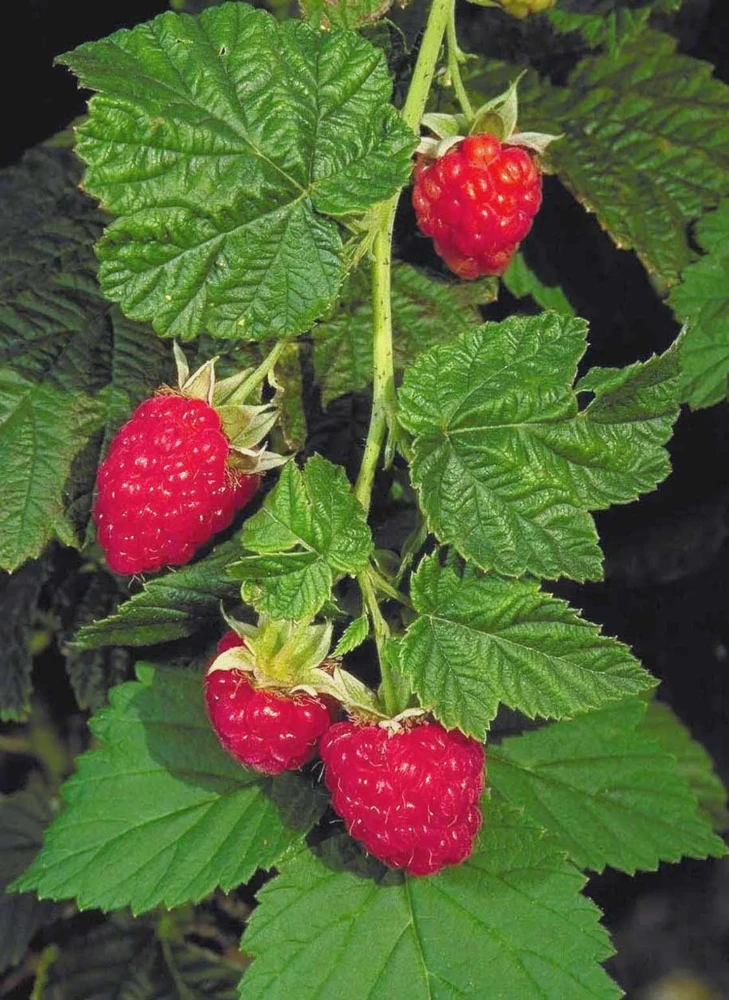
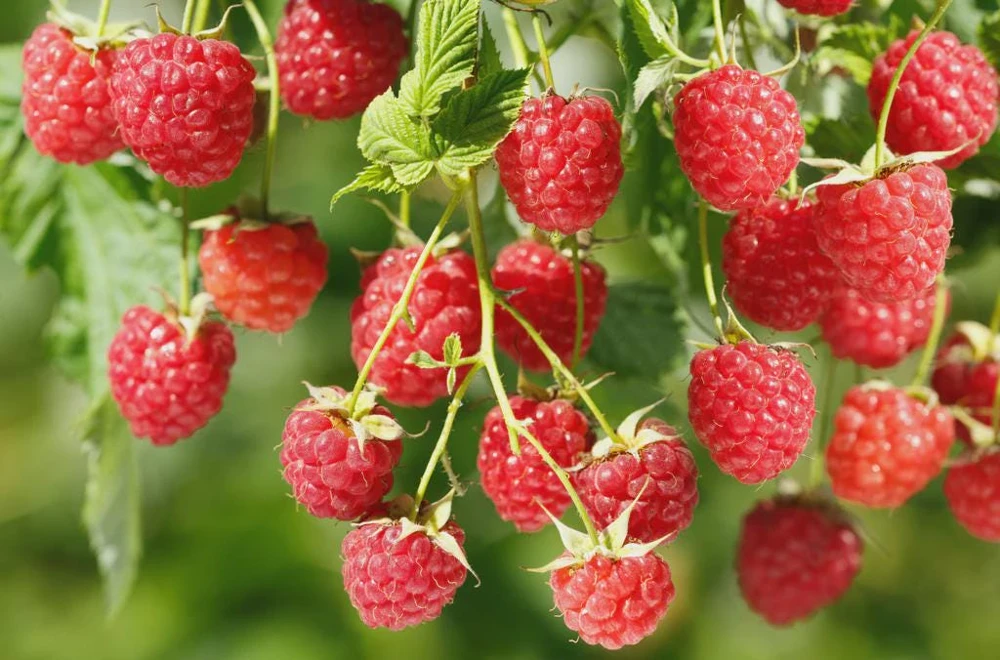
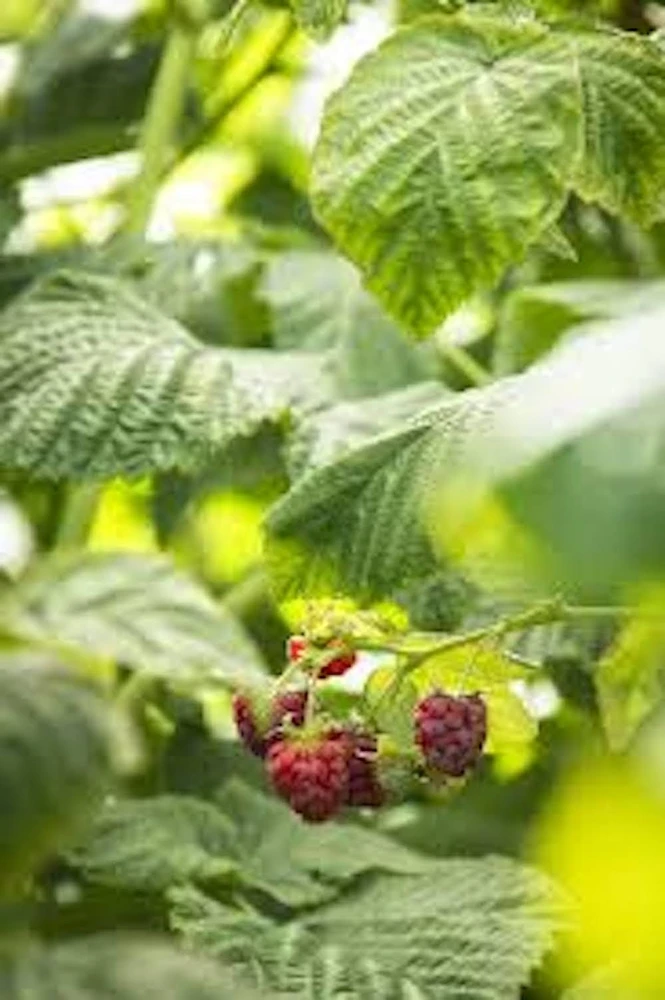
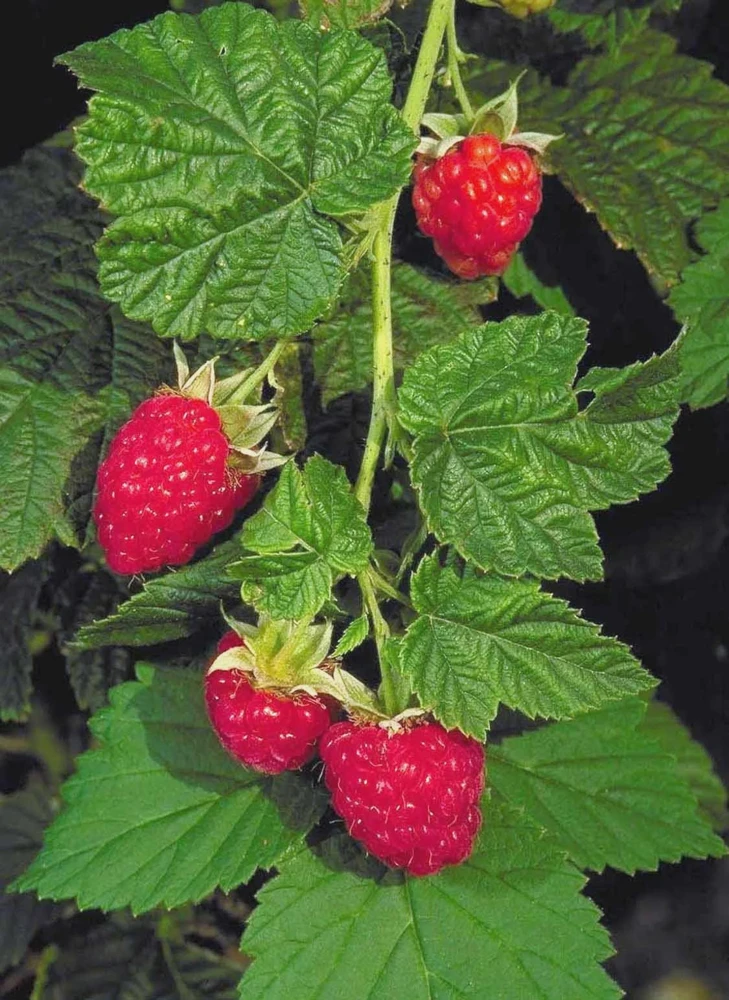
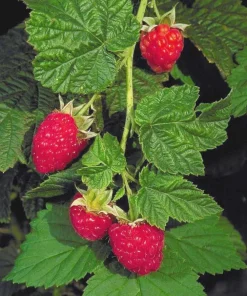
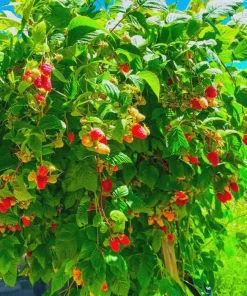
Bring the joy of fresh, homegrown fruit to your garden with the Canby Thornless Raspberry live plant. This exceptional variety, scientifically known as Rubus idaeus ‘Canby’, is a popular choice for both novice and experienced gardeners due to its ease of care and abundant harvest. The ‘Canby’ raspberry is renowned for its large, sweet, and vibrantly bright red fruit, making it a favorite for snacking, desserts, and preserves. As a June-bearing type, it produces a single, generous crop during the summer, ensuring a bountiful yield of delicious berries. Its nearly thornless canes are a significant advantage, simplifying the harvesting process and making gardening a more pleasant experience. This vigorous and cold-hardy plant thrives in cooler summer climates, making it suitable for a wide range of growing conditions.
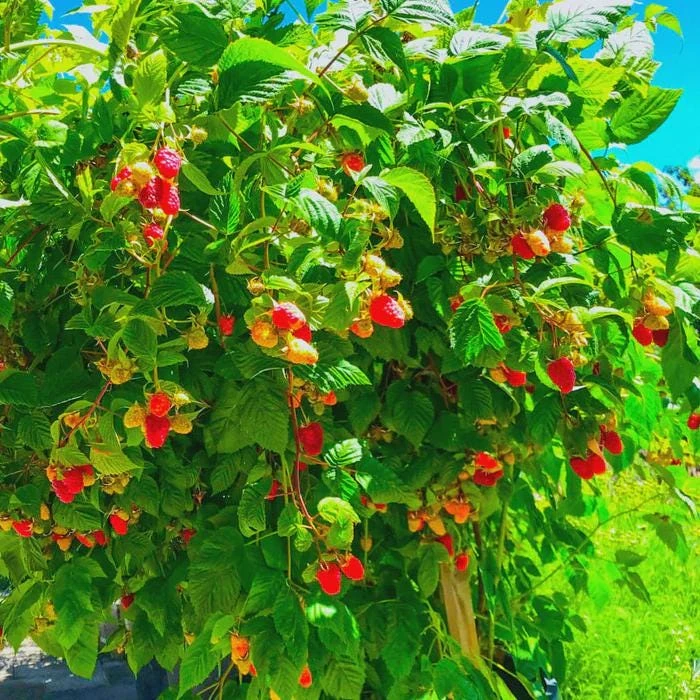
The ‘Canby’ raspberry is a self-pollinating variety, meaning you only need one plant to produce fruit, though planting multiple can increase yields. It’s an excellent addition to any edible landscape, providing not only tasty fruit but also attractive foliage. This thornless raspberry plant is known for its robust growth and upright habit, typically reaching a height of 4–6 feet. With its resistance to certain viruses and aphids, the ‘Canby’ offers a more resilient option for organic gardening. Enjoy the satisfaction of picking your own sweet raspberries directly from your backyard.
Key Benefits
The Canby Thornless Raspberry live plant offers numerous advantages for the home gardener, combining productivity with ease of maintenance. Its unique characteristics make it a standout choice for anyone looking to grow their own berries.
- Abundant Sweet Fruit: Produces a generous crop of large, sweet, bright red raspberries, perfect for fresh eating, baking, and preserves. The flavor is a classic raspberry taste that many gardeners cherish.
- Nearly Thornless Canes: Harvesting is a breeze thanks to the ‘Canby’s’ virtually thornless canes. This feature significantly reduces the risk of scratches, making it ideal for families and new gardeners.
- Cold-Hardy & Vigorous: This variety is exceptionally cold-hardy, thriving in USDA zones 3 to 8, and exhibits vigorous growth, ensuring a strong and healthy plant that establishes quickly in your garden. Its robustness contributes to a reliable harvest year after year.
- Self-Pollinating: As a self-pollinating plant, you only need one ‘Canby’ raspberry to produce fruit, simplifying planting and ensuring a harvest even with limited space.
- Disease & Pest Resistance: The Rubus idaeus Canby demonstrates good resistance to some common raspberry viruses and aphids, reducing the need for chemical treatments and promoting healthier growth. This natural resilience makes it a low-maintenance option.
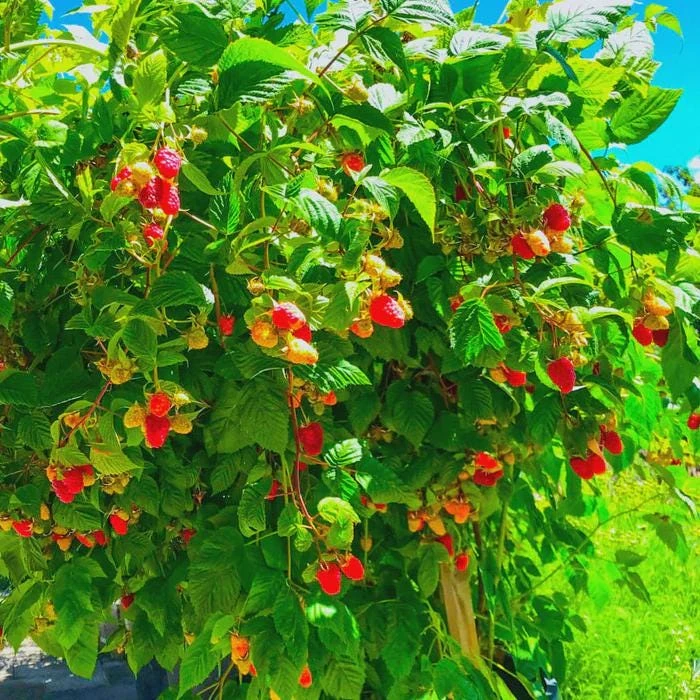
- Upright Growth Habit: Its naturally upright growth can reach 4–6 feet, making it relatively space-efficient for a berry plant. While it may benefit from trellis support as it matures and fruits, its growth habit is manageable.
- Excellent for Cooler Climates: Specifically suited for areas with cooler summers, ensuring optimal fruit development and plant health in these regions. This makes the June-bearing raspberry a reliable choice for northern gardens.
Plant Care & Growing Tips
Caring for your Canby Thornless Raspberry live plant is straightforward, ensuring a bountiful harvest with proper attention. These plants prefer a location that receives full sun, ideally 6-8 hours of direct sunlight per day, to maximize fruit production and sweetness. While they tolerate partial shade, fruit yield may be reduced. When planting, ensure the soil is well-draining and rich in organic matter. A slightly acidic to neutral pH (6.0-6.8) is ideal. Amend heavy clay soils with compost or peat moss to improve drainage and aeration. Dig a hole wide enough to accommodate the roots comfortably, and plant the bare root starter plug at the same depth it was previously growing or with the crown just below the soil surface.
Consistent watering is crucial, especially during the establishment phase and while the plant is fruiting. Aim for about 1 inch of water per week, either from rainfall or irrigation. Avoid overhead watering if possible to prevent fungal diseases; drip irrigation or soaker hoses are preferred. Mulching around the base of the plant with 2-4 inches of straw, wood chips, or shredded leaves helps retain soil moisture, suppress weeds, and regulate soil temperature. Fertilize your cold-hardy raspberry in early spring with a balanced granular fertilizer, following package instructions. Pruning is essential for raspberry production. Since ‘Canby’ is a June-bearing (floricane-fruiting) variety, prune out all canes that produced fruit after harvest, as these will not produce again. Leave the new canes (primocanes) to grow, as these will bear fruit the following year. Thin these new canes to about 4-6 strong canes per foot of row.
The ‘Canby’ raspberry is suitable for USDA zones 3 to 8, demonstrating excellent cold hardiness. In colder zones, ensure adequate winter protection, such as mulching or covering the canes. Watch for common pests like Japanese beetles or spider mites, and treat with organic insecticides or horticultural oil if necessary. Good air circulation and proper spacing between plants can help prevent fungal issues. Providing a trellis or support system can help manage the vigorous, upright growth of the Rubus idaeus Canby, keeping the canes off the ground and making harvesting easier. With these care tips, your thornless raspberry plant will thrive and provide years of delicious fruit.
Size & Details
This offering is for one Canby Thornless Raspberry live plant, provided as a starter plug. These plants are shipped bare root, meaning they arrive without a pot and with minimal soil around their roots, which is a standard and efficient way to transport dormant or semi-dormant plants, ensuring they establish well upon planting. The starter plug represents a young, vigorous plant ready for transplanting into your garden. Typically, these plants will grow to an upright height of 4–6 feet, providing a substantial framework for fruit production. While they have a strong upright habit, providing a trellis or wire support can be beneficial as the canes mature and become laden with fruit, preventing them from sprawling and making harvesting more accessible. The growth rate is vigorous, and with proper care, you can expect fruit production within one to two years after planting.
As a June-bearing variety, the ‘Canby’ raspberry produces its main crop of fruit in the summer. The plant’s cold-hardiness makes it a reliable choice for gardeners in USDA zones 3 through 8. Each starter plug is carefully prepared to ensure it arrives healthy and ready to plant, offering a fantastic opportunity to establish your own patch of delicious, nearly thornless raspberries. This June-bearing raspberry plant is an investment that will reward you with fresh, sweet berries for many seasons to come.
Frequently Asked Questions
- Q: How big does this Canby Thornless Raspberry live plant get? A: The ‘Canby’ raspberry typically grows to an upright height of 4–6 feet. While it has a sturdy growth habit, it may benefit from trellis support as it matures and produces fruit to help manage its vigorous canes.
- Q: Is this an indoor or outdoor plant? A: The ‘Canby’ raspberry is an outdoor plant, best suited for garden beds or large containers where it can receive full sun exposure. It is a deciduous shrub that requires outdoor conditions to thrive and fruit.
- Q: How much sunlight does it need? A: For optimal fruit production and plant health, the thornless raspberry plant requires at least 6-8 hours of direct sunlight per day. While it can tolerate partial shade, fruit yield and quality may be reduced.
- Q: Is this plant easy to care for? Is it good for beginners? A: Yes, the ‘Canby’ raspberry is considered relatively easy to care for, making it an excellent choice for beginners. Its thornless canes simplify harvesting, and its cold-hardiness and disease resistance contribute to its low-maintenance nature.
- Q: What condition will it arrive in? Is it shipped in soil? A: This Rubus idaeus Canby starter plug is shipped bare root, meaning it will arrive without a pot and with the roots carefully wrapped to retain moisture. This is a common and effective method for shipping dormant or semi-dormant plants, ensuring healthy establishment upon planting.
- Q: How long until it blooms or produces fruit? A: With proper care, you can generally expect your ‘Canby’ raspberry plant to begin producing fruit within one to two years after planting. As a June-bearing variety, it will yield fruit once a year in the summer.
- Q: Will it survive winter in my zone? What’s the minimum temperature? A: The ‘Canby’ raspberry is a very cold-hardy variety, suitable for USDA zones 3 to 8. It is well-adapted to surviving cold winters in these regions, making it a reliable choice for many climates.
- Q: Can I grow this cold-hardy raspberry in a container? A: Yes, you can grow ‘Canby’ raspberries in large containers, at least 15-20 gallons in size, to accommodate their root system and upright growth. Ensure the container has good drainage and use a high-quality potting mix.
- Q: Is this a self-pollinating raspberry? A: Yes, the ‘Canby’ raspberry is a self-pollinating variety, meaning you only need one plant to produce fruit. However, planting multiple plants can often lead to a more abundant harvest.
- Q: What kind of soil does this June-bearing raspberry prefer? A: It prefers well-draining soil that is rich in organic matter. A slightly acidic to neutral pH (6.0-6.8) is ideal for optimal growth and fruit production.
Be the first to review “Canby Thornless Red Raspberry Starter Plug – Rubus idaeus Live Plant, June-Bearing, Cold-Hardy”
People Also Viewed

Vegetable Seeds
500+ Chinese Cabbage Seeds – Pak Choi Kuai Cai – Fast Growing Non-GMO Vegetable Seeds
Reviews
There are no reviews yet.