
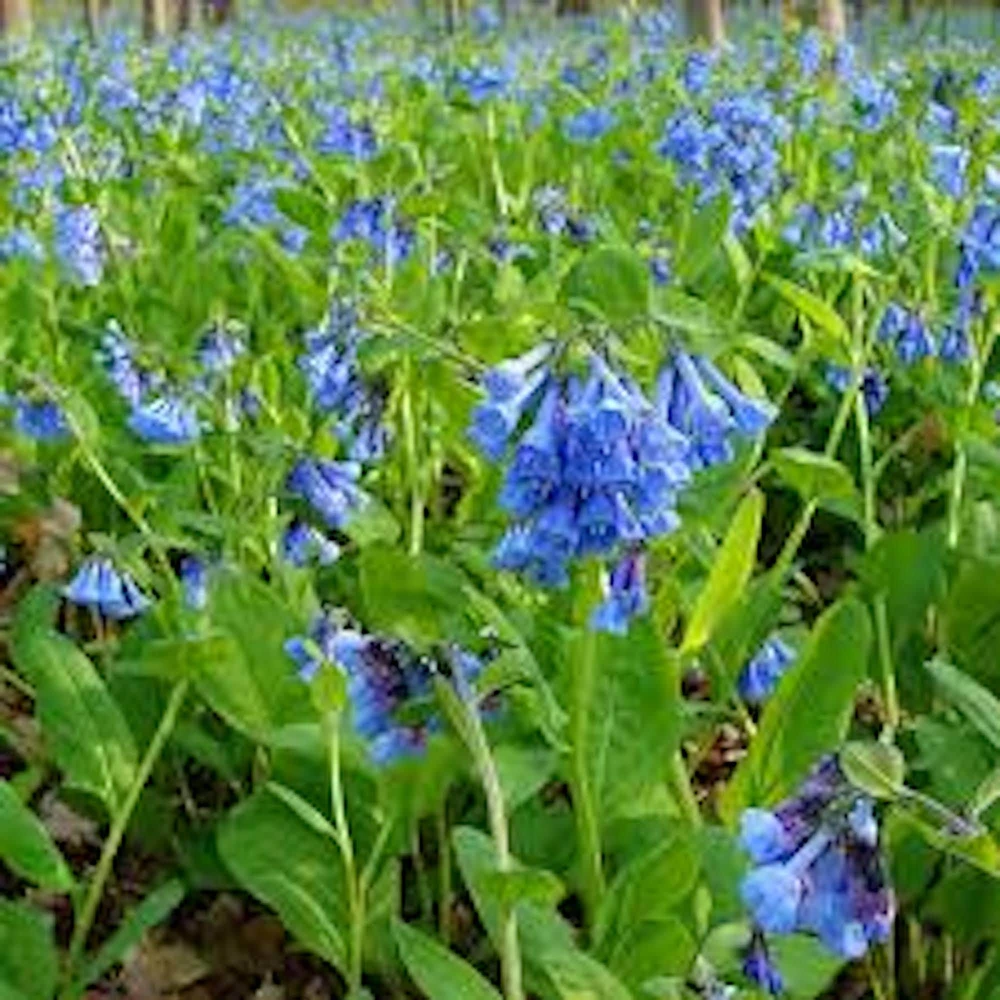
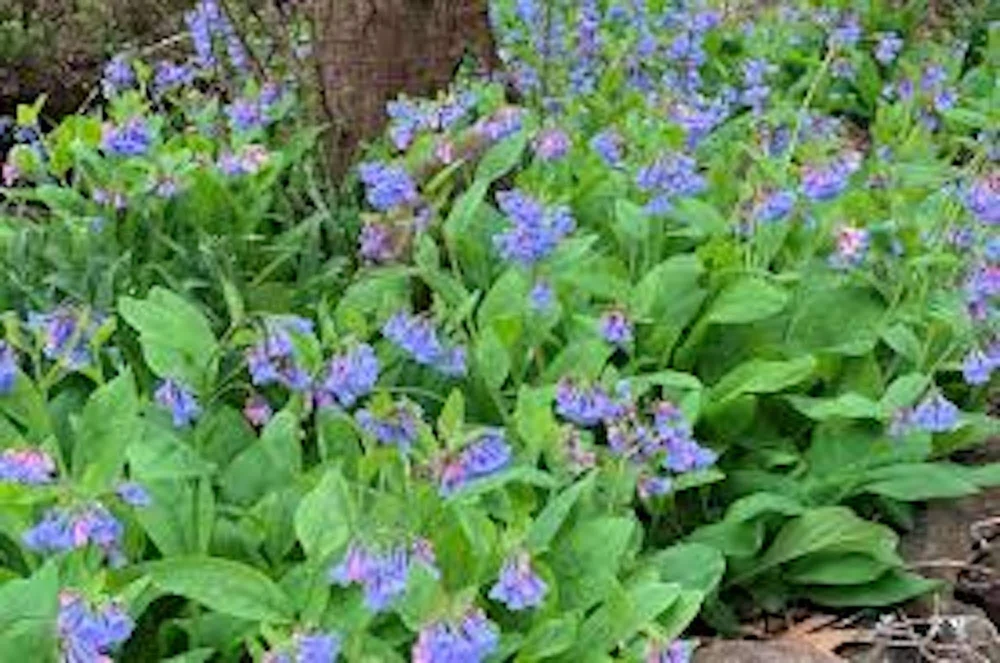
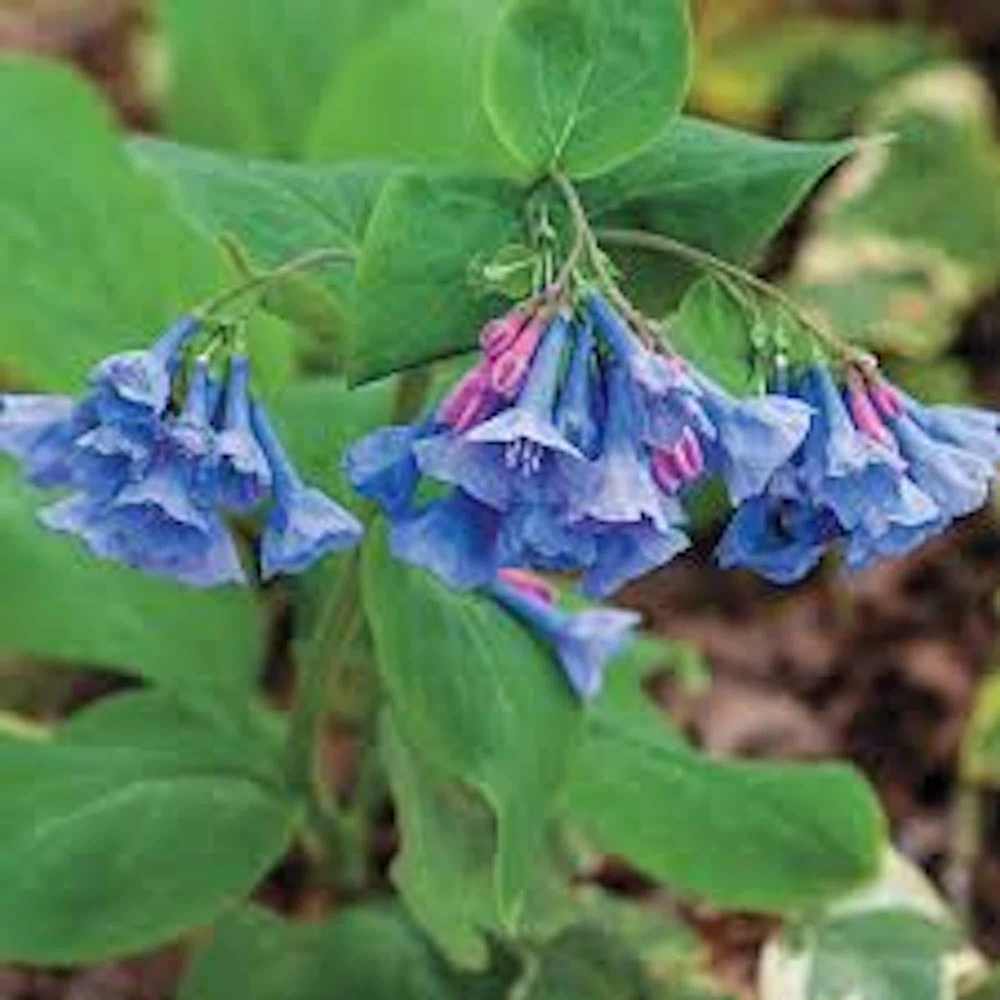
5 Virginia Bluebell Mertensia virginica Wildflower Bare Roots
Original price was: $69.99.$44.99Current price is: $44.99.
Estimated arrival
Sep 29
Oct 04 - Oct 06
Oct 09 - Oct 13
Shop With Confidence
30-Day Plant Health Guarantee
Arrives damaged? We’ll replace it free — see our return policy.
Responsive Support
Email us anytime, we reply within 1 business day.
Expert Packaging
Temperature-controlled shipping to protect your plants in transit.
Secure Checkout
Pay safely with Visa, Mastercard, PayPal.
Plant Specifications
“`json { “meta_title”: “5 Virginia Bluebell Mertensia virginica Wildflower Bare Roots”, “google_title”: “5 Virginia Bluebell Mertensia virginica Wildflower Bare Roots – Perennial”, “meta_description”: “Discover 5 Virginia Bluebell Mertensia virginica Wildflower Bare Roots. These native perennial wildflowers offer beautiful pink-to-blue blooms for shaded gardens. Easy to grow.”, “meta_focus_keyword”: “Virginia Bluebell bare roots, Mertensia virginica plants, native wildflower plants, shade garden perennials, bluebell plant care”, “categories”: “Flower Bulbs”, “google_product_category_path”: “Home & Garden> Plants> Seeds> Plant & Flower Bulbs”, “google_product_category_id”: “unknown”, “short_description”: “
Enhance your shade garden with 5 Virginia Bluebell bare roots (Mertensia virginica). These native perennial wildflowers produce stunning pink-to-blue, bell-shaped flowers in spring, perfect for naturalizing or woodland settings. Enjoy their unique ephemeral beauty and ease of care.
“, “long_description”: “
Overview
n
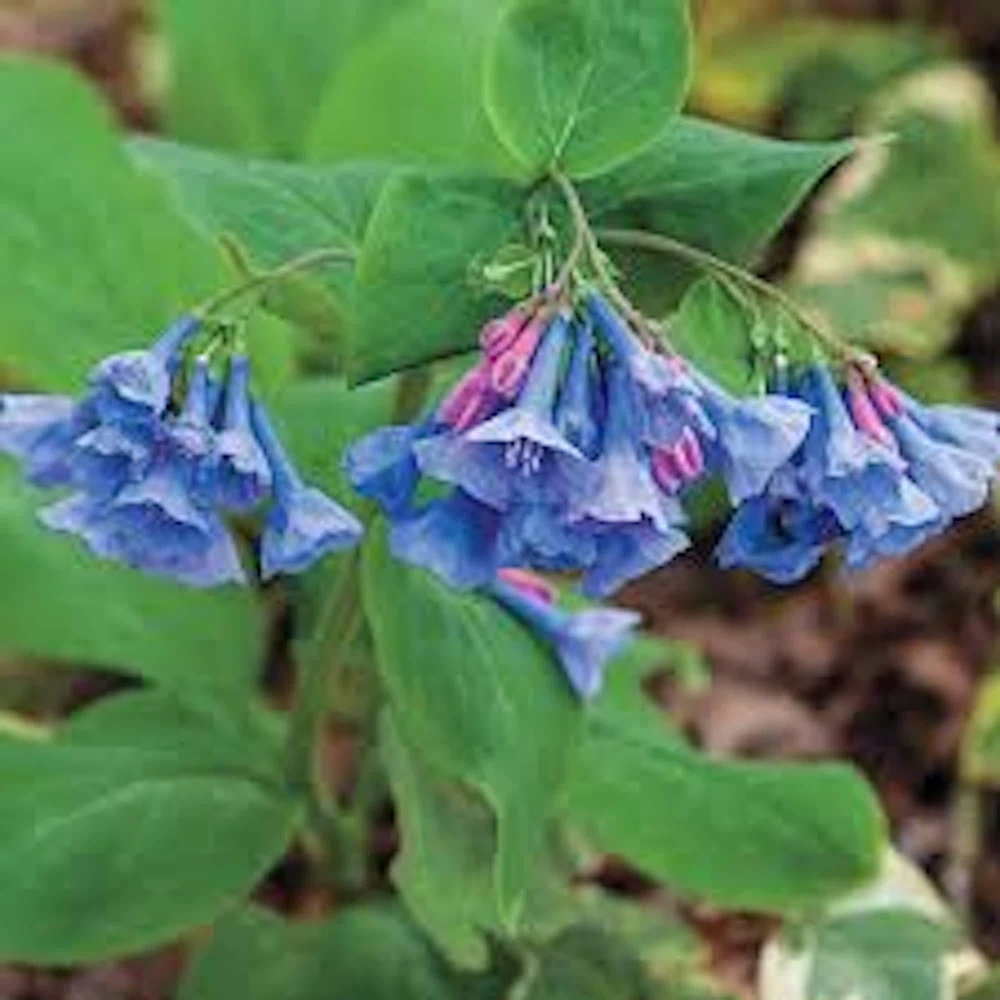
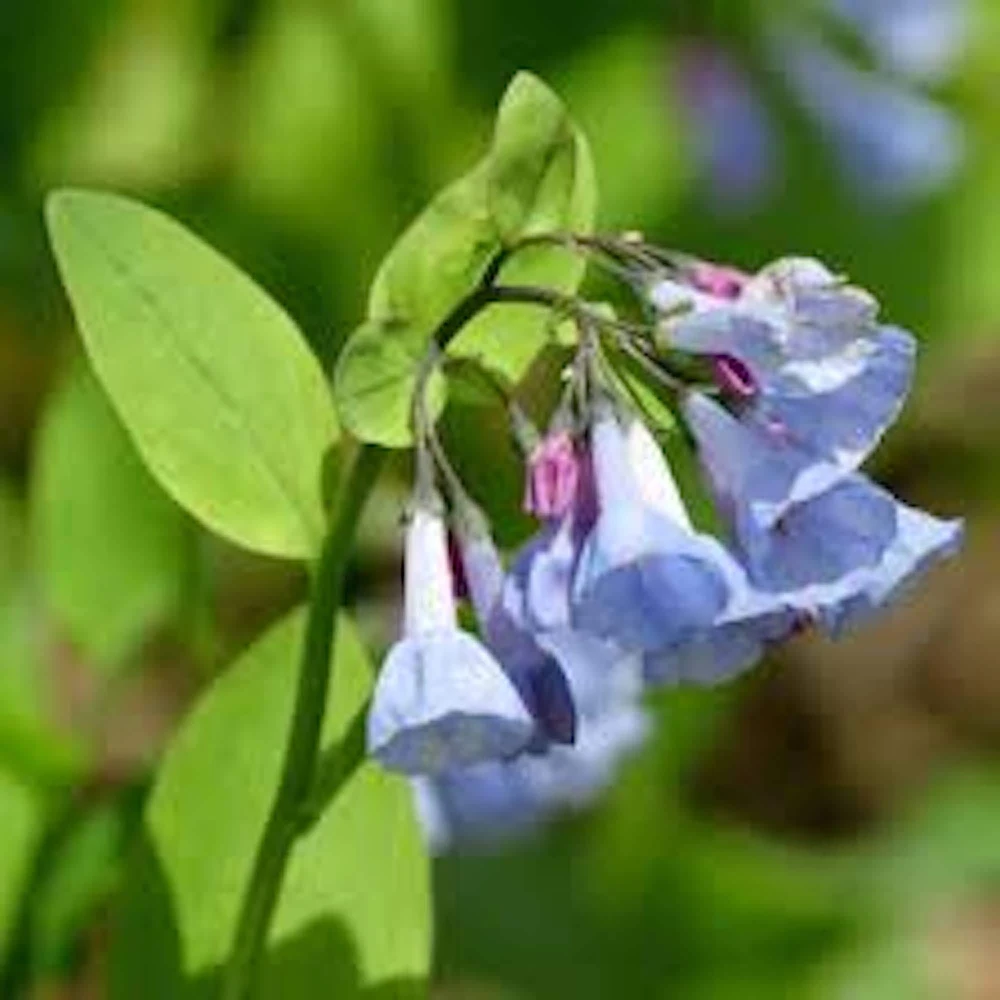
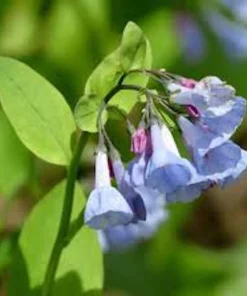
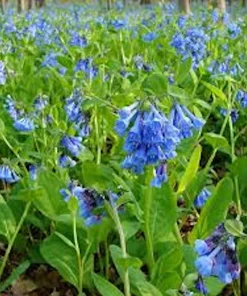
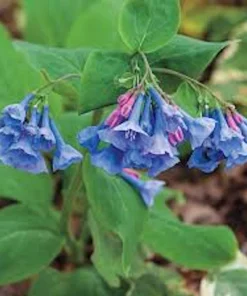
Introduce a touch of serene woodland beauty to your garden with these 5 Virginia Bluebell bare roots. Mertensia virginica, commonly known as Virginia Bluebells, are exquisite native herbaceous perennial wildflowers renowned for their delicate, bell-shaped flowers that undergo a captivating color transformation from soft pink buds to sky-blue blooms as they mature. These enchanting spring ephemerals emerge early in the season, creating a vibrant display before fading gracefully as summer approaches, making way for other shade-loving plants. Ideal for naturalizing in woodland gardens, along streams, or in shaded borders, Virginia Bluebell bare roots are a fantastic choice for gardeners seeking low-maintenance yet visually striking additions to their landscape. Their unique bluish-green foliage provides an attractive backdrop to the distinctive flowers, ensuring a memorable spring spectacle.
n
Each bare root is a dormant plant ready to awaken and thrive in your garden, offering a reliable start to these beloved native plants. Virginia Bluebells are not only beautiful but also play an important ecological role, attracting early pollinators like long-tongued bees, butterflies, and hummingbirds. Planting these Mertensia virginica plants contributes to local biodiversity and supports native insect populations. They are particularly well-suited for gardeners in the Eastern and Central United States, where they are indigenous, but can be successfully grown in various regions with suitable conditions. Their ephemeral nature means they will disappear by mid-summer, leaving space for other shade perennials to take center stage, making them excellent companions in a diverse shade garden.
n
Key Benefits
n
Adding Virginia Bluebell bare roots to your garden offers a multitude of benefits, from their aesthetic appeal to their ecological contributions. These native wildflowers are an excellent choice for creating a vibrant and dynamic spring landscape.
n
- n
- Stunning Spring Blooms: Enjoy a breathtaking display of bell-shaped flowers that transition from pink to blue, providing early-season color and charm to your garden. These unique color-changing blooms are a true spectacle.
- Attracts Pollinators: Virginia Bluebells are a vital early nectar source for various pollinators, including native bees, butterflies, and hummingbirds, supporting local ecosystems. Planting native wildflower plants helps sustain these beneficial insects.
- Low Maintenance & Easy Care: Once established, these perennials require minimal attention, thriving in their preferred conditions with little intervention. They are an ideal choice for gardeners seeking beautiful results without extensive effort.
- Ephemeral Beauty: Their unique ephemeral nature means they provide a glorious spring show and then recede, allowing other plants to flourish, creating dynamic seasonal interest in your garden. This characteristic is perfect for mixed perennial beds.
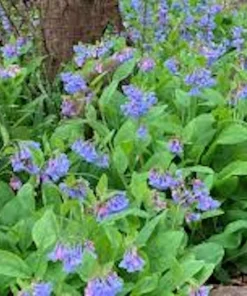
- Ideal for Shade Gardens: Perfectly suited for shaded or partially shaded areas, Virginia Bluebell bare roots thrive where many other flowering plants struggle, making them excellent for woodland settings or under deciduous trees. They are a cornerstone for any shade garden perennials collection.
- Native & Ecologically Beneficial: As native plants, they are well-adapted to local conditions and contribute to the health and biodiversity of your regional environment. Choosing native species helps support local wildlife.
- Naturalizing Capabilities: These plants readily self-seed and spread under optimal conditions, creating beautiful colonies over time for a naturalized woodland look. They will gradually fill out your desired planting areas.
n
n
n
n
n
n
n
n
Plant Care & Growing Tips
n
Caring for Virginia Bluebell bare roots is relatively straightforward, making them a rewarding addition to many gardens. These plants prefer specific conditions to thrive and produce their iconic spring blooms. When planting your bare roots, ensure the soil is consistently moist but well-drained. Virginia Bluebells are intolerant of overly dry or waterlogged conditions. A rich, organic soil with a slightly acidic to neutral pH is ideal. Incorporating compost or leaf mold into the planting area will greatly benefit their establishment and growth. Plant the bare roots with the “eye” or growing point just below the soil surface, spacing them about 6-12 inches apart to allow for future spread. After planting, water thoroughly to settle the soil around the roots.
n
Sunlight requirements are crucial for the success of Mertensia virginica plants. They are true shade garden plants, preferring full to partial shade. In their natural habitat, they often grow under deciduous trees, receiving full sun in early spring before the tree canopy leafs out, and then transitioning to dappled or full shade as the season progresses. Avoid planting them in areas with intense, direct afternoon sun, which can scorch their delicate foliage. These plants are cold hardy, generally thriving in USDA Zones 3-9. They require a period of winter dormancy to perform well. Fertilization is typically not heavily required if the soil is rich in organic matter, but a light application of a balanced, slow-release granular fertilizer in early spring can encourage vigorous growth. Watch out for slugs and snails, which can sometimes feed on the foliage; organic slug baits or hand-picking can help manage these pests. Understanding proper bluebell plant care will ensure a stunning display each spring.
n
Size & Details
n
This offering includes 5 Virginia Bluebell bare roots (Mertensia virginica), ready for planting in your garden. Each bare root is a dormant, living plant without soil, carefully packaged for safe transit and optimal establishment. Once planted and established, Virginia Bluebells typically grow to a height of 1-2 feet (30-60 cm) with a similar spread, forming attractive clumps. Their growth rate is moderate, and they will gradually expand their presence through self-seeding under favorable conditions, creating a naturalized look over several years. The plants will emerge in early spring, bloom for several weeks, and then their foliage will yellow and disappear by mid-summer, entering dormancy until the following spring. This ephemeral nature is a key characteristic, allowing space for other summer-blooming perennials.
n
The plants will produce their characteristic bluish-green foliage and clusters of pink-to-blue bell-shaped flowers. Expected bloom time is typically April to May, depending on your specific climate and USDA zone. These bare roots are an economical and effective way to establish a colony of these beautiful native wildflower plants, offering strong root systems that adapt well to new environments. They are delivered in a dormant state, which is the ideal time for planting to allow them to establish roots before the growing season begins. With proper care, these bare roots will transform into a breathtaking spring display for years to come.
n
Frequently Asked Questions
n
- n
- Q: How big do these Virginia Bluebell bare roots get when mature? A: Once established, Virginia Bluebell bare roots typically grow to a height of 1 to 2 feet (30-60 cm) with a similar spread. They form attractive clumps and can naturalize over time, creating a beautiful groundcover effect in shaded areas.
- Q: Is this an indoor or outdoor plant? A: Virginia Bluebells (Mertensia virginica) are strictly outdoor plants. They require a period of winter dormancy and thrive in woodland or shade garden settings. They are not suitable for indoor cultivation.
- Q: How much sunlight do Mertensia virginica plants need? A: These plants prefer full to partial shade. They do best in locations that receive early spring sun before deciduous trees leaf out, transitioning to dappled or full shade during the warmer months. Avoid direct afternoon sun.
- Q: Are these plants easy to care for, especially for beginners? A: Yes, Virginia Bluebell bare roots are considered relatively easy to care for once established. They require consistent moisture and suitable shade conditions but are otherwise low-maintenance, making them a good choice for beginner gardeners interested in native plants.
- Q: What condition will the bare roots arrive in? A: The bare roots will arrive dormant, which is their natural state for planting. They will be carefully packaged without soil, ready to be planted directly into your garden. This dormant state ensures they establish well.
- Q: When is the best time to plant these native wildflower plants? A: The best time to plant Virginia Bluebell bare roots is in the fall or very early spring, while they are still dormant. This allows their root systems to establish before the growing season begins, leading to stronger plants.
- Q: Will these shade garden perennials survive winter in my zone? A: Virginia Bluebells are hardy perennials, generally thriving in USDA Hardiness Zones 3 through 9. They require cold dormancy and are well-adapted to surviving winter in these regions.
- Q: How long until these bluebells bloom after planting? A: If planted in the fall, you can expect blooms the following spring. If planted in early spring, they may bloom in their first year, but a more robust display is often seen in their second growing season after establishment.
- Q: What kind of soil do bluebell plant care guidelines recommend? A: Virginia Bluebells prefer moist, rich, and well-draining soil with a slightly acidic to neutral pH. Amending your soil with organic matter like compost or leaf mold will provide ideal growing conditions.
- Q: Are Virginia Bluebells deer resistant? A: While no plant is entirely deer-proof, Virginia Bluebells are generally considered to be deer resistant. Deer tend to prefer other plants, making these a good choice for areas with deer pressure.
n
n
n
n
n
n
n
n
n
n
“, “key_features”: { “usda_zone”: “3-9”, “soil_type”: “Moist, rich, well-draining soil”, “sunlight_exposure”: “Full to partial shade”, “expected_planting_period”: “Fall to early spring” } } “`
Be the first to review “5 Virginia Bluebell Mertensia virginica Wildflower Bare Roots”
People Also Viewed
Vegetable Seeds
500 Sweet Yellow Spanish Onion Seeds – Allium Cepa Vegetable
Reviews
There are no reviews yet.