
Barbados Cherry Live Plant Malpighia Glabra 4-6 Inch Tall for Garden
Original price was: $46.99.$31.99Current price is: $31.99.
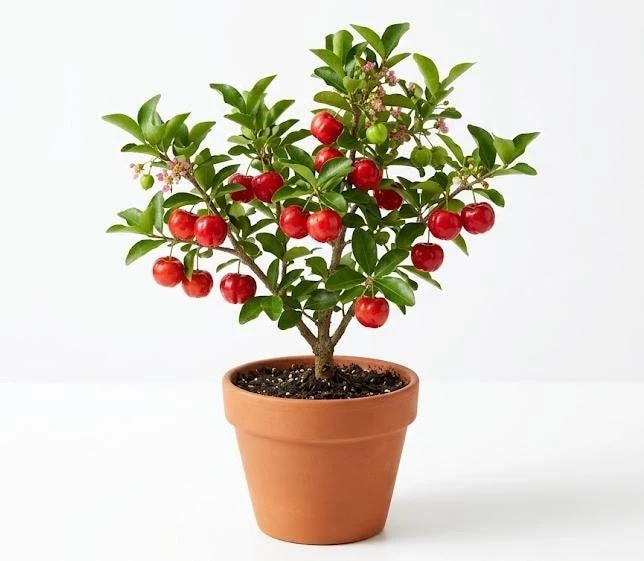
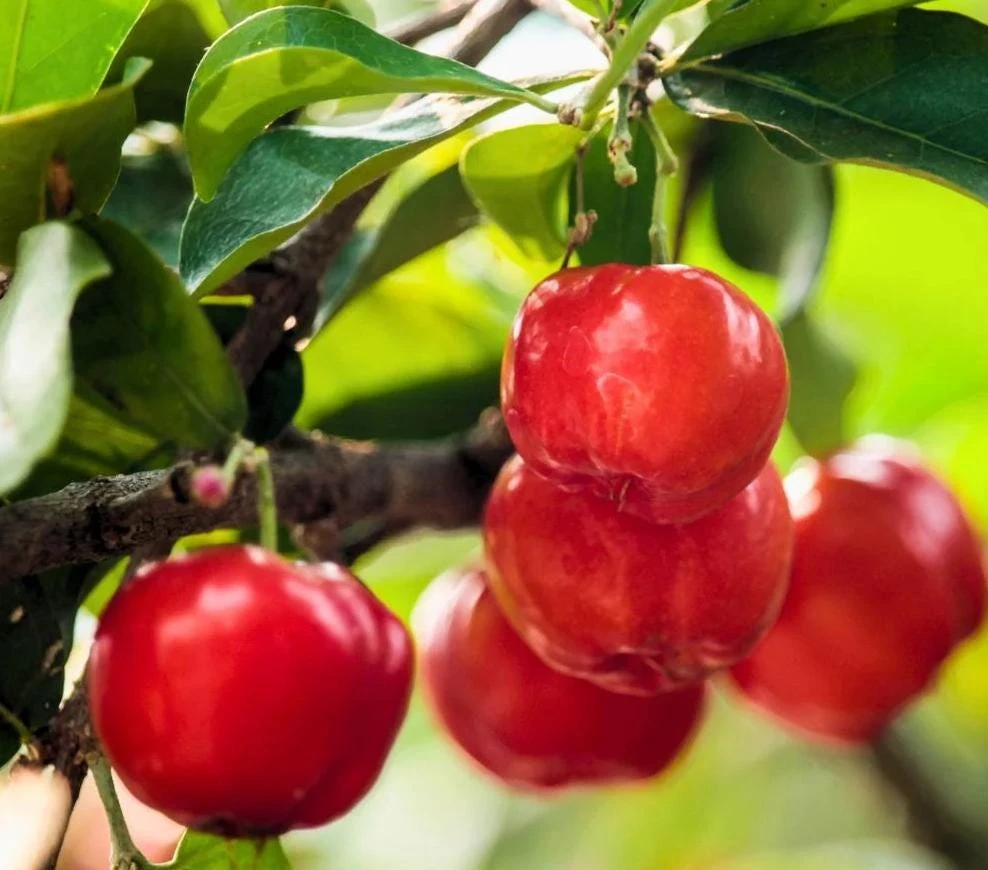
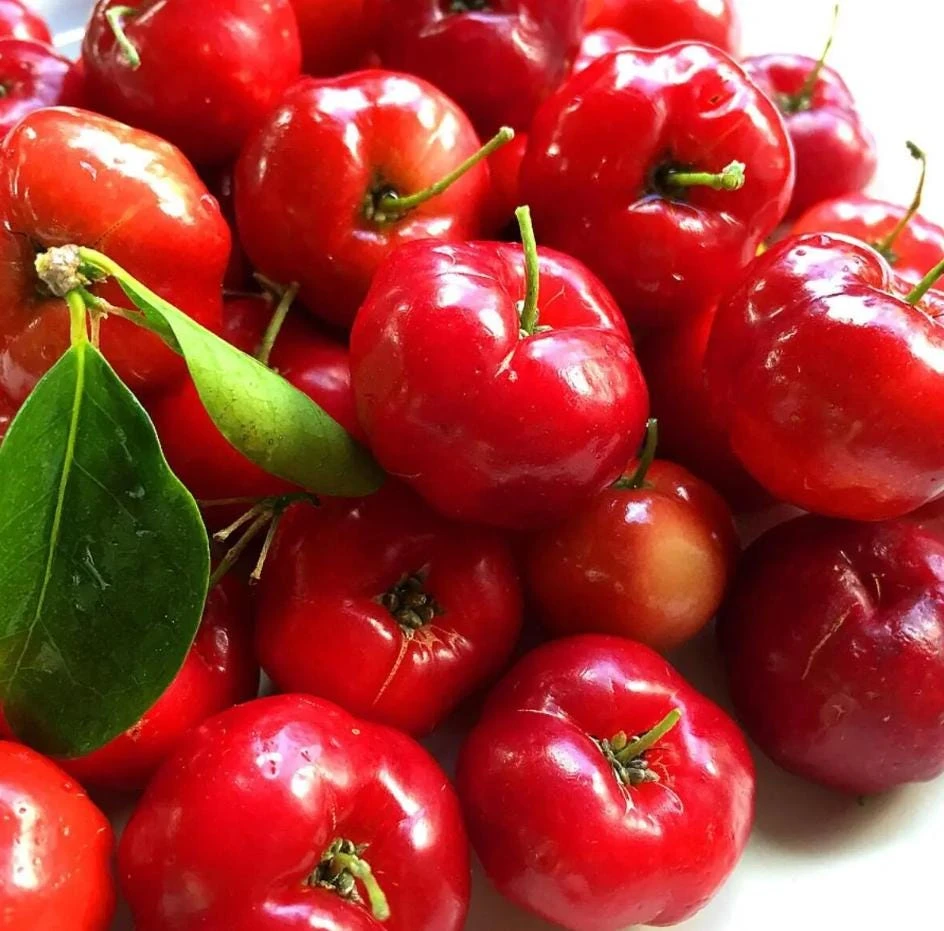
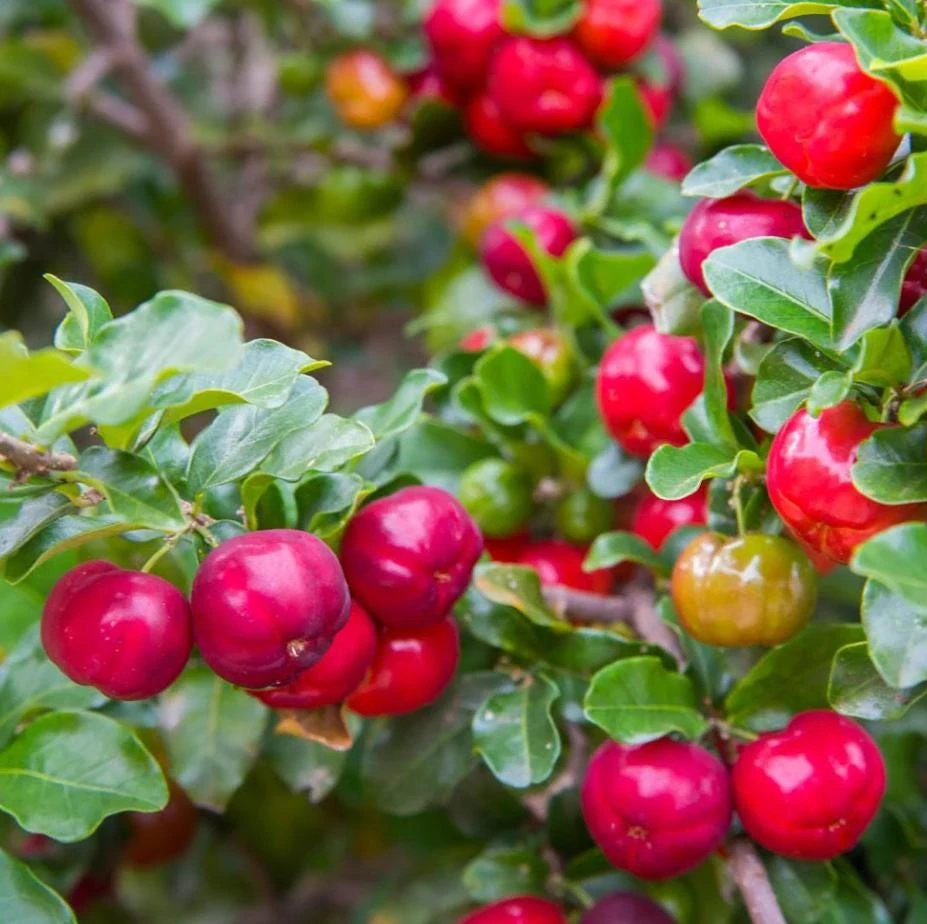
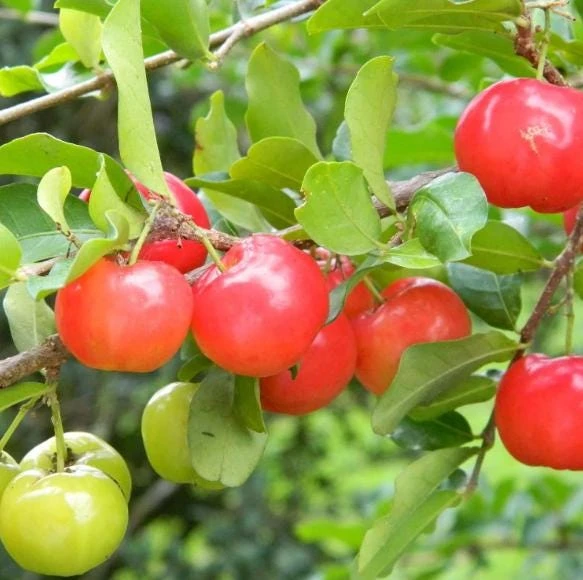
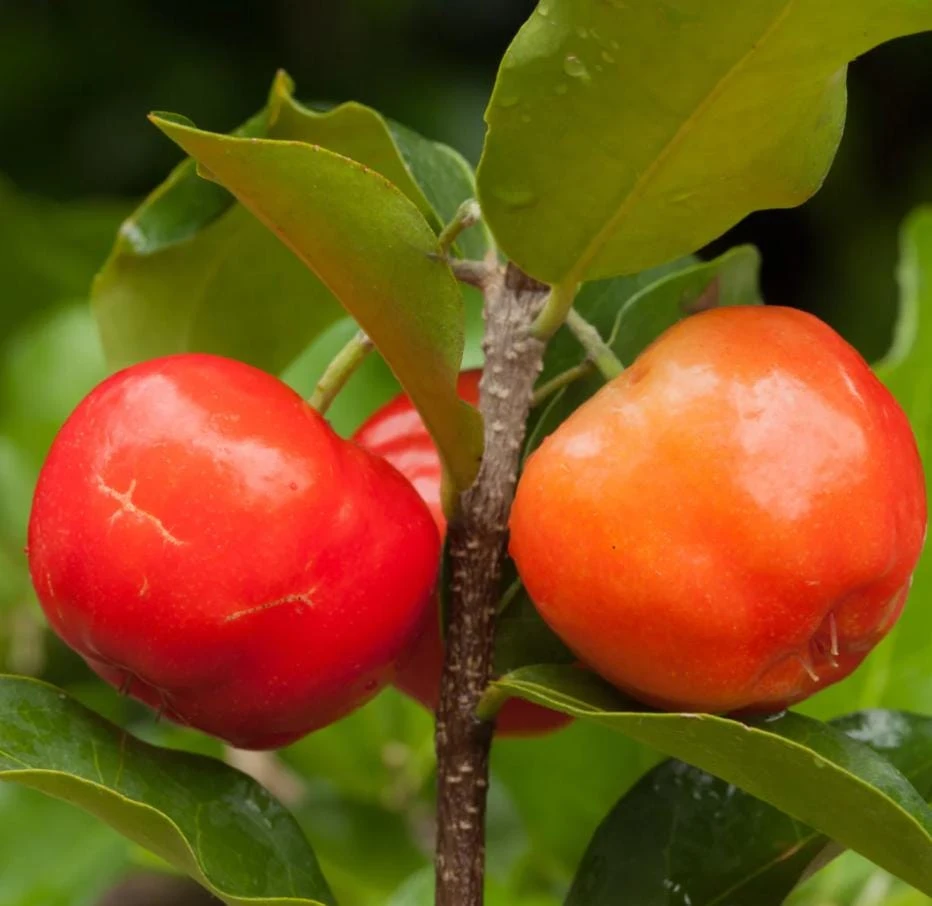
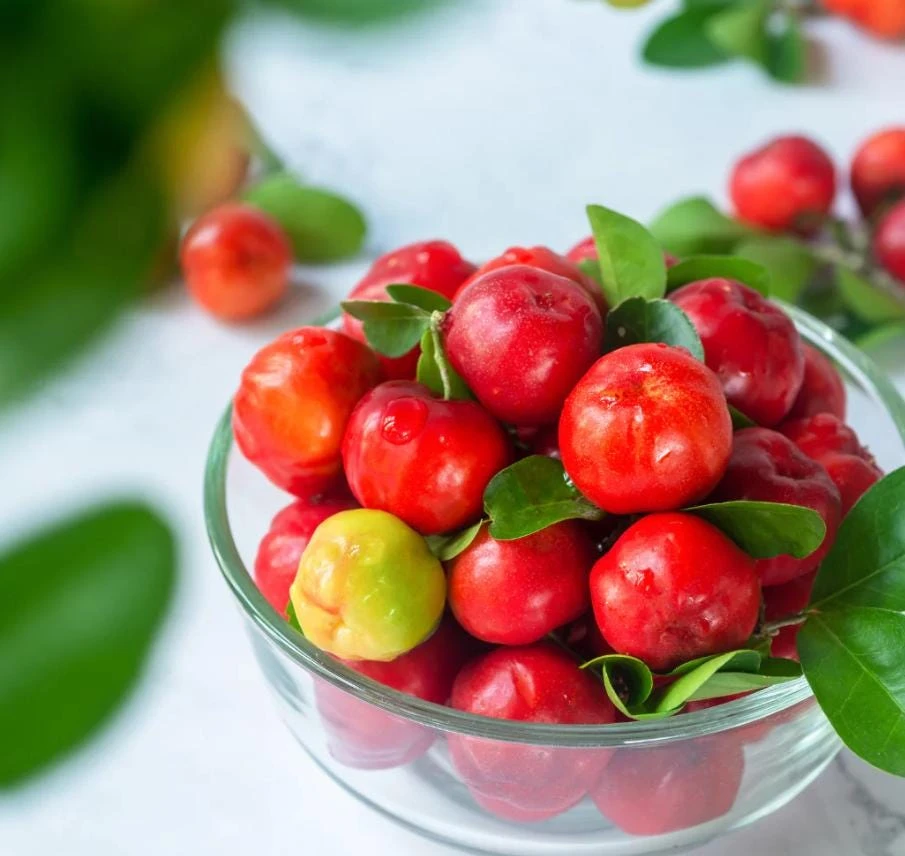
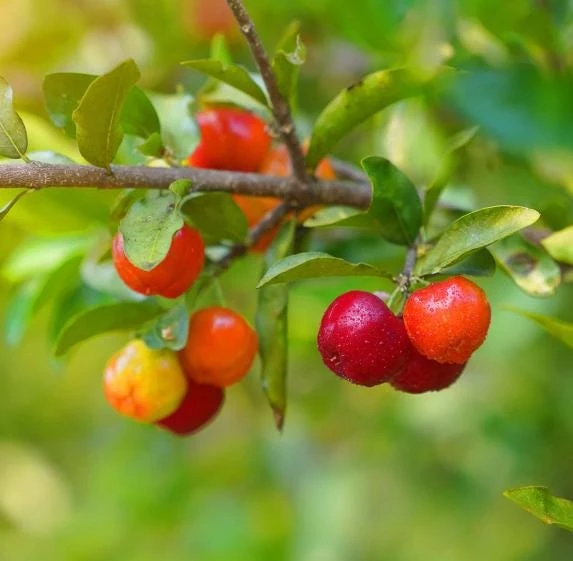
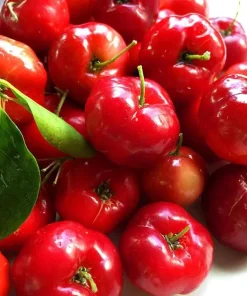
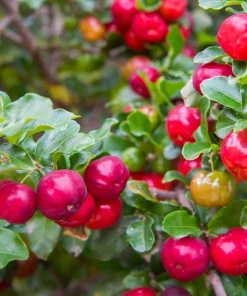
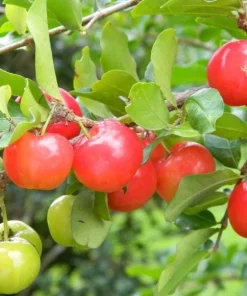
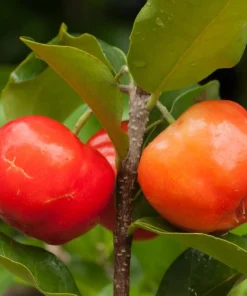
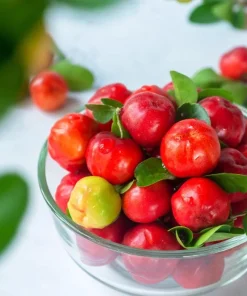
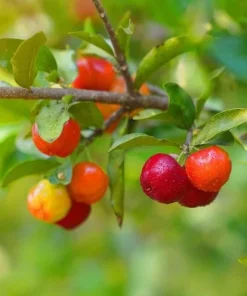
Cultivate your own sweet and tart fruit with this barbados cherry live plant. Also known as Malpighia Glabra, this tropical shrub produces glossy green leaves, delicate pink flowers, and abundant bright red cherries. Perfect for warm climate gardens, it’s a beautiful and productive addition to any landscape.
Estimated arrival
Oct 14
Oct 19 - Oct 21
Oct 24 - Oct 28
Shop With Confidence
30-Day Plant Health Guarantee
Arrives damaged? We’ll replace it free — see our return policy.
Responsive Support
Email us anytime, we reply within 1 business day.
Expert Packaging
Temperature-controlled shipping to protect your plants in transit.
Secure Checkout
Pay safely with Visa, Mastercard, PayPal.
Plant Specifications
-
USDA Hardiness Zone
USDA Zones 9 to 11 -
Soil Type
Well-drained sandy or loamy soil -
Sunlight Exposure
Full sun (at least 6–8 hours daily) -
Expected Planting Period
Spring to fall (blooming season); year-round in warm climates
Overview
Bring the tropics to your garden with a vibrant barbados cherry live plant. This exquisite shrub, scientifically known as Malpighia Glabra, is cherished for its rapid growth and prolific fruiting. Originating from the Caribbean and Central America, the Barbados Cherry is not only a source of delicious, vitamin C-rich fruit but also a stunning ornamental plant. Its compact size, typically reaching 4 to 6 inches tall when shipped, makes it an ideal choice for various garden settings or even container growing in colder climates. Enjoy its year-round beauty and bountiful harvests in warm environments. This live plant will add a touch of exotic charm and practicality to your outdoor space, offering both visual appeal and a healthy snack directly from your garden.
The barbados cherry live plant is a versatile addition to edible landscapes, producing fruit multiple times a year in favorable conditions. Its bright red cherries are tart yet sweet, perfect for fresh eating, juices, jams, or jellies. Beyond its culinary uses, the plant’s delicate pink to lavender flowers are attractive to pollinators, enhancing the biodiversity of your garden.
Key Benefits
Adding a barbados cherry live plant to your garden offers numerous advantages, from its aesthetic appeal to its health-boosting fruits. This plant is a true multi-tasker, providing beauty, nourishment, and ecological benefits.
- Abundant Edible Fruit: Enjoy a continuous supply of bright red, vitamin C-packed cherries. The plant produces fruit multiple times a year in warm climates, offering a fresh, healthy snack or ingredient for various culinary creations.
- Attractive Ornamental Features: With glossy green leaves, delicate pink to lavender flowers, and vibrant red fruit, this shrub provides year-round visual interest, making it a beautiful focal point in any garden or patio.
- Pollinator Friendly: The charming flowers of the Malpighia Glabra attract bees and other beneficial pollinators, contributing to a healthy garden ecosystem and supporting local wildlife.
- Adaptable Growth: While preferring warm climates, this tropical fruit plant can be grown in containers and brought indoors during winter in cooler regions, making it accessible to a wider range of gardeners.
- Easy to Grow: Known for its relatively low maintenance requirements, the Barbados Cherry is a rewarding plant for both novice and experienced gardeners. Proper care ensures a lush, productive shrub.
- Edible Landscaping Potential: Integrate this plant into your landscape design for a functional and beautiful garden. It serves as an excellent hedge, border, or specimen plant that provides both shade and food.
- Health Benefits: The cherries are renowned for their exceptionally high Vitamin C content, along with other antioxidants, supporting overall health and well-being directly from your garden. Knowing how to grow barbados cherry can lead to a healthier lifestyle.
Plant Care & Growing Tips
Caring for your barbados cherry live plant is straightforward and rewarding, especially when you understand its specific needs. To ensure a thriving shrub that produces abundant fruit, attention to sunlight, soil, water, and temperature is crucial. The Barbados Cherry thrives in warm, sunny conditions. It requires full sun, meaning at least 6–8 hours of direct sunlight daily, to promote vigorous growth and optimal fruit production. In extremely hot climates, some afternoon shade can be beneficial to prevent leaf scorch. If growing indoors, place it near a south-facing window or use supplemental grow lights to meet its light requirements. Understanding malpighia glabra care is key to a successful harvest.
When it comes to soil and water, the Barbados Cherry prefers well-drained sandy or loamy soil. Good drainage is essential to prevent root rot. While it tolerates a range of soil types, amending heavy clay soils with organic matter can improve drainage and aeration. During the growing season, regular watering is necessary to keep the soil consistently moist but not soggy. Allow the top inch or two of soil to dry out slightly between waterings. Reduce watering frequency during cooler, dormant periods, especially if the plant loses its leaves in winter. Proper watering is vital if you want to successfully grow barbados cherry.
Temperature and humidity play a significant role in the health of your tropical fruit plant. Ideal temperatures for the Barbados Cherry are between 75°F and 95°F. It is hardy in USDA Zones 9 to 11, where it can be grown outdoors year-round. In colder zones, it must be protected from frost or grown in containers and moved indoors during winter. The plant will lose its leaves in winter if temperatures drop too low, entering a dormant state. Fertilize during the growing season with a balanced, slow-release fertilizer or a liquid feed every 2-4 weeks. Pruning can be done to maintain shape, encourage bushier growth, and improve air circulation, which helps prevent fungal diseases.
Size & Details
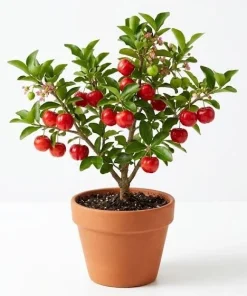
This offering is for a healthy barbados cherry live plant, which will arrive at approximately 4 to 6 inches tall. It is shipped ready for planting, typically in a small nursery pot or with its root ball carefully wrapped to ensure safe transit. The plant is in its juvenile stage, allowing you to cultivate it from a young age and shape its growth according to your garden’s needs. Given proper care and suitable conditions, this fast-growing shrub can reach mature heights of 6 to 10 feet in the ground, or be maintained smaller in a container. It will begin to produce its characteristic glossy green leaves, delicate pink flowers, and eventually the bright red cherries within its first few years, making it an excellent choice for edible landscaping plant enthusiasts.
The Barbados Cherry’s growth rate is moderate to fast, allowing you to enjoy its benefits relatively quickly. Expect blooming from spring to fall in warm climates, followed by multiple fruit sets. While the plant may lose its leaves in winter in cooler zones, it will typically rebound with new growth in the spring. This resilient Malpighia Glabra is an adaptable addition to various garden styles, from tropical themes to productive kitchen gardens.
Frequently Asked Questions
- Q: How big does this plant get? A: This barbados cherry live plant typically arrives 4 to 6 inches tall. With optimal growing conditions, it can grow into a shrub 6 to 10 feet tall and wide when planted in the ground, or be kept smaller in containers with regular pruning.
- Q: Is this an indoor or outdoor plant? A: The Barbados Cherry is primarily an outdoor plant suitable for USDA Zones 9-11. In colder climates, it can be grown outdoors during warm months and brought indoors as a container plant for winter protection, allowing you to continue your malpighia glabra care.
- Q: How much sunlight does it need? A: This tropical fruit plant thrives in full sun, requiring at least 6-8 hours of direct sunlight daily for best growth and fruit production. In very hot climates, some afternoon shade can be beneficial.
- Q: Is this plant easy to care for? A: Yes, the Barbados Cherry is considered relatively easy to care for, making it suitable for gardeners of various experience levels. Providing adequate sunlight, well-drained soil, and consistent watering are the main requirements.
- Q: What condition will it arrive in? A: Your barbados cherry live plant will arrive alive and healthy, typically in a small nursery pot or with its roots carefully protected. It will be ready for immediate planting or transplanting into a larger container.
- Q: How long until it blooms and fruits? A: With proper care, your Barbados Cherry can begin blooming and producing fruit within 1-2 years of planting. In warm climates, it can bloom from spring to fall and produce multiple harvests.
- Q: Will it survive winter in my zone? A: The Barbados Cherry is hardy in USDA Zones 9 to 11. In zones below 9, it will need winter protection, either by being brought indoors or by heavy mulching and covering if temperatures are only slightly below freezing.
- Q: What is the best soil type for this plant? A: This plant prefers well-drained sandy or loamy soil. Good drainage is crucial to prevent root issues. Amending heavy clay soils with organic matter is recommended for optimal growth.
- Q: Can I use the fruit from this plant? A: Absolutely! The bright red cherries produced by this edible landscaping plant are delicious and highly nutritious. They are excellent for fresh eating, juices, jams, jellies, or smoothies.
- Q: Why is my plant dormant in winter? A: The Barbados Cherry is deciduous or semi-deciduous in cooler climates or when exposed to lower temperatures, meaning it will naturally lose its leaves and enter a dormant state during winter. This is a normal protective mechanism.
Be the first to review “Barbados Cherry Live Plant Malpighia Glabra 4-6 Inch Tall for Garden”
People Also Viewed

Reviews
There are no reviews yet.