
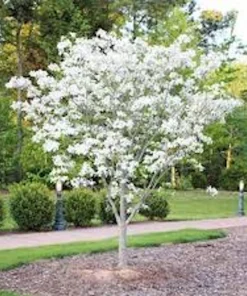


White Dogwood Tree Live Plant – Cornus florida – 12-24″ Tall – Quart Pot
Original price was: $101.99.$76.99Current price is: $76.99.
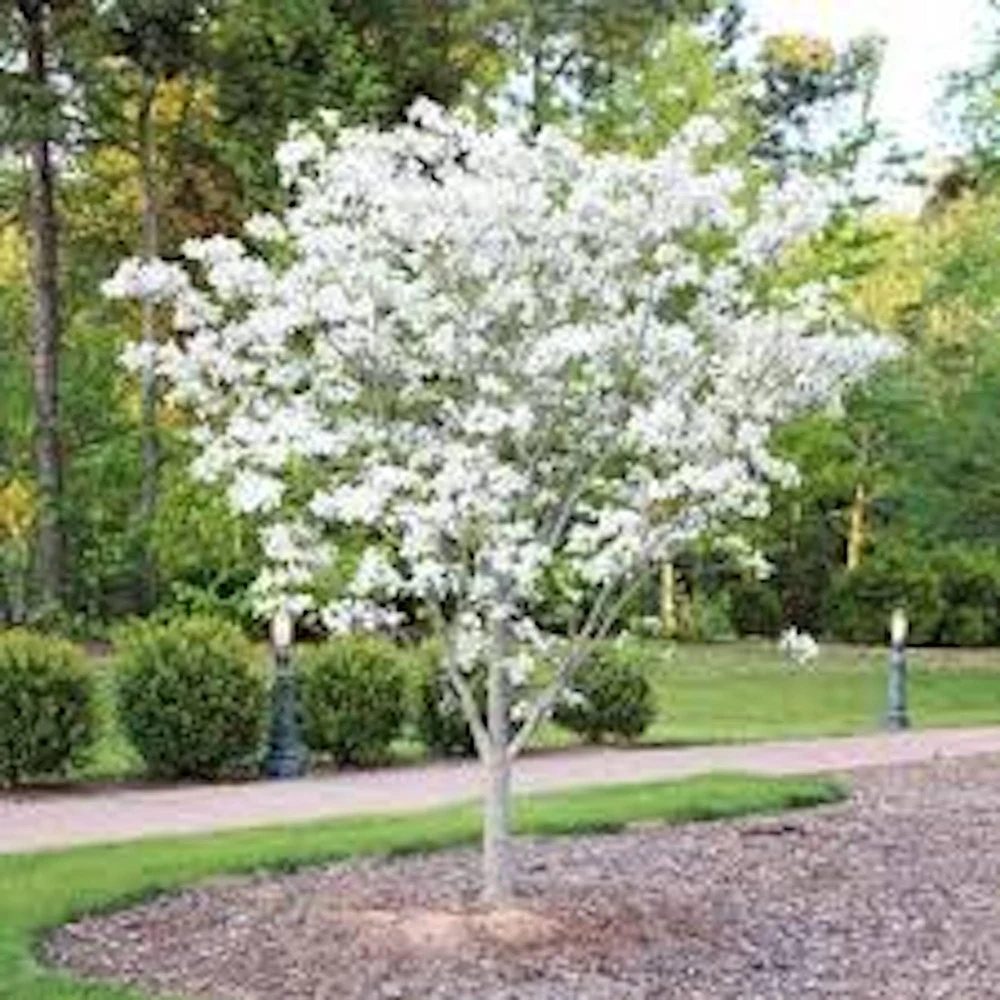
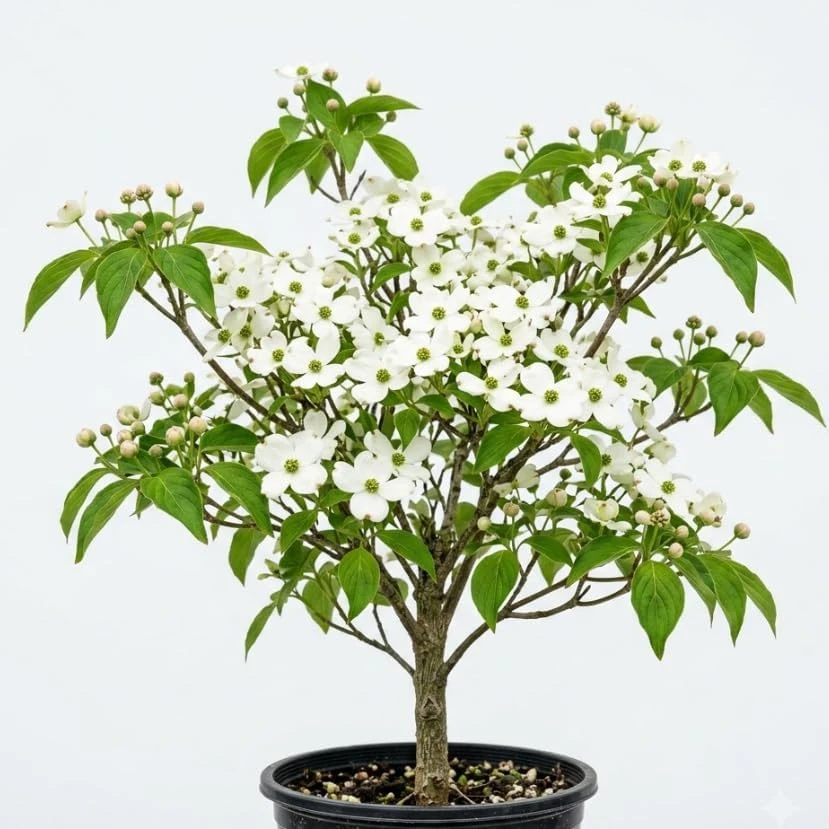
Add elegance to your garden with a white dogwood tree. This flowering dogwood tree (Cornus florida) is known for its exquisite white spring blooms and attractive red berries. Perfect for zones 5-9, it brings year-round interest.
Estimated arrival
Sep 29
Oct 04 - Oct 06
Oct 09 - Oct 13
Shop With Confidence
30-Day Plant Health Guarantee
Arrives damaged? We’ll replace it free — see our return policy.
Responsive Support
Email us anytime, we reply within 1 business day.
Expert Packaging
Temperature-controlled shipping to protect your plants in transit.
Secure Checkout
Pay safely with Visa, Mastercard, PayPal.
Plant Specifications
-
USDA Hardiness Zone
5-9 -
Soil Type
Well-draining, acidic to neutral soil, rich in organic matter -
Sunlight Exposure
Partial shade to full sun -
Expected Planting Period
Early spring or fall
Overview
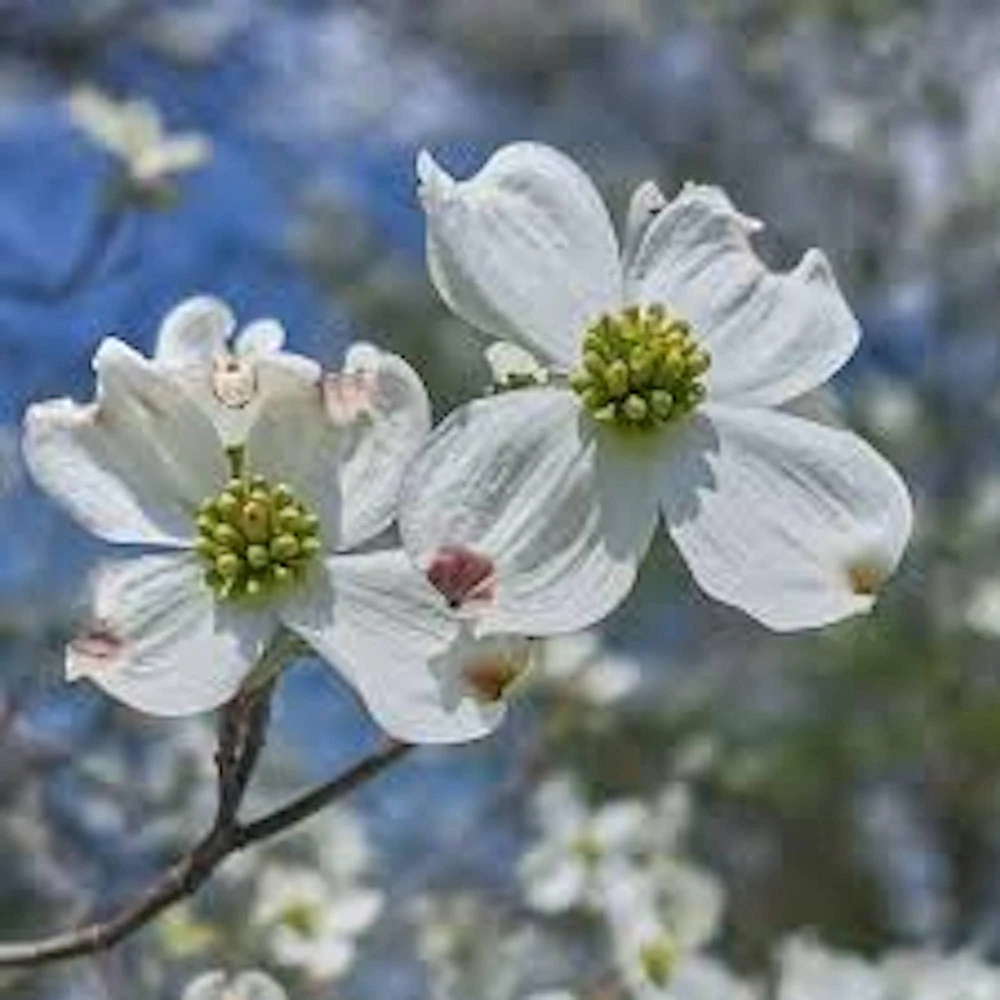
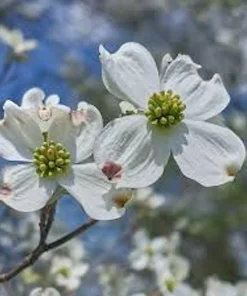
Introduce timeless beauty to your landscape with the magnificent white dogwood tree, scientifically known as Cornus florida. This iconic native American species is celebrated for its breathtaking display of white, four-petaled bracts that emerge in early spring, often before its leaves fully unfurl. The flowering dogwood tree is not just a seasonal wonder; it offers year-round appeal with its lush green foliage in summer, vibrant red and purple hues in autumn, and distinctive bark and branching structure in winter. Grown in a convenient quart pot, this live plant is ready to establish itself in your garden, promising years of natural elegance and charm. Whether you’re aiming to create a focal point, add a specimen tree, or enhance a woodland garden, the cornus florida plant is an excellent choice for its ornamental value and ecological benefits.
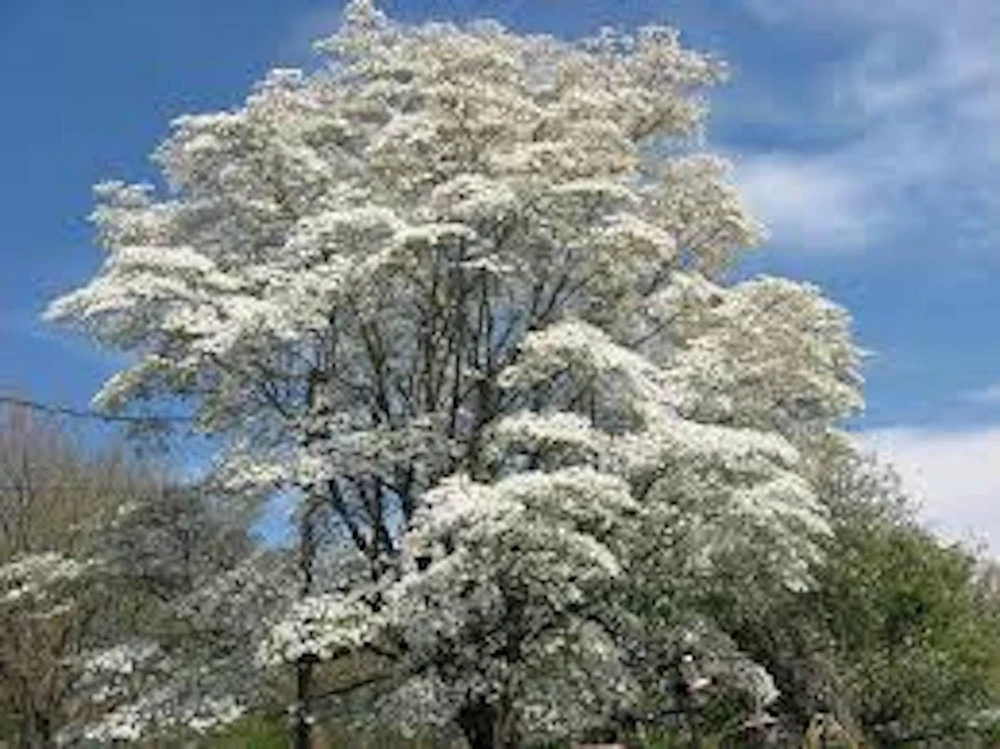
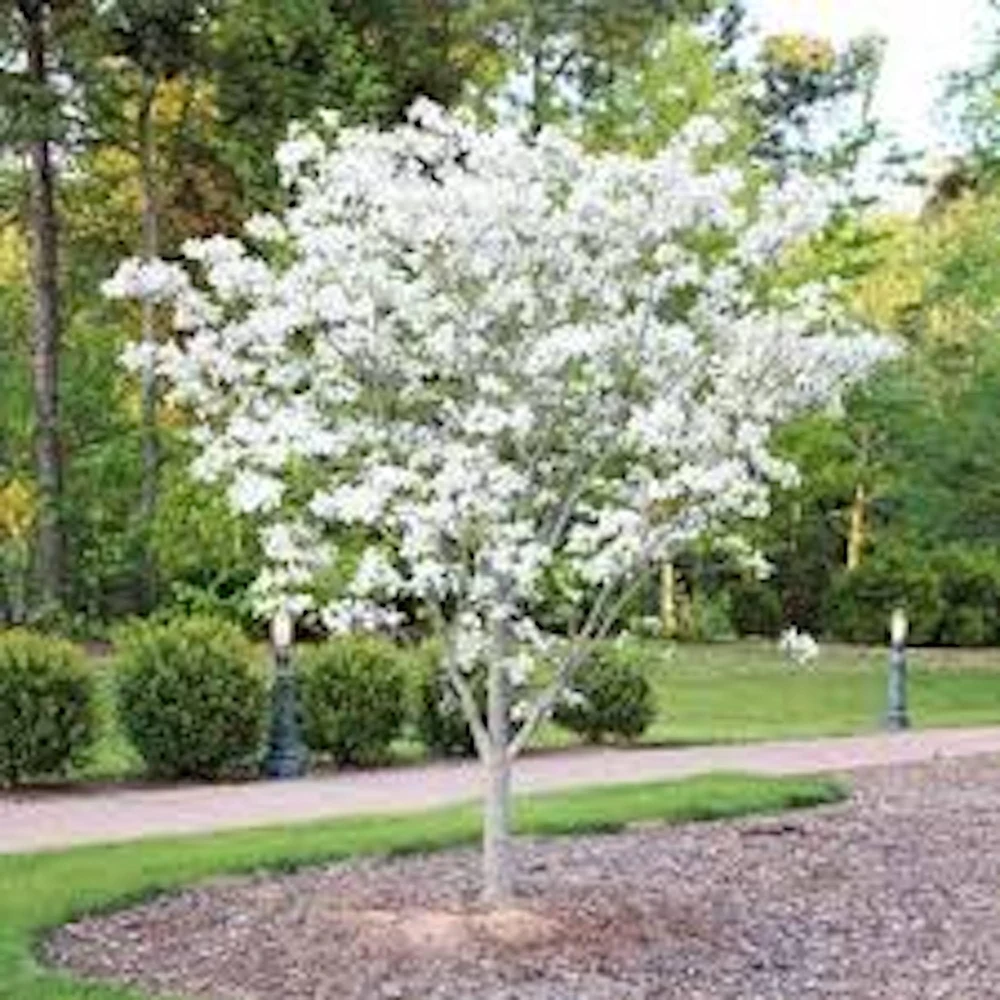
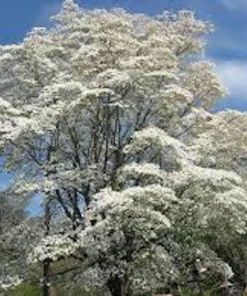
The White Dogwood is a medium-sized deciduous tree, typically reaching a mature height of 15-40 feet with a spread of 12-20 feet. It exhibits a medium growth rate, adding about 13-24 inches per year. This makes it a rewarding tree for gardeners who appreciate both immediate impact and long-term development. Its adaptability to various soil types and climates within its hardiness zones makes it a popular and reliable selection for many American gardens. The delicate appearance of its flowers belies its robust nature, making it a beloved staple in temperate landscapes.
Key Benefits
The white dogwood tree offers a multitude of benefits, making it a highly desirable addition to any garden or landscape. Its aesthetic appeal and ecological value contribute to a thriving outdoor space.
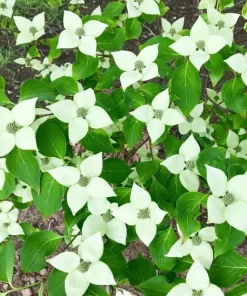
- Stunning Spring Blooms: Enjoy a spectacular show of white, star-like flowers (bracts) in early to mid-spring, creating a striking visual impact that announces the arrival of warmer weather. These blooms are a true highlight of the garden season.
- Vibrant Fall Color: As summer transitions to autumn, the foliage of the flowering dogwood tree transforms into brilliant shades of red, purple, and orange, providing a dramatic splash of color before the leaves drop.
- Attractive Berries for Wildlife: Following the flowers, bright red, glossy berries develop in late summer and persist into fall. These berries are a crucial food source for various bird species and other wildlife, attracting them to your garden.
- Distinctive Form and Bark: Even in winter, the cornus florida plant offers visual interest with its attractive, often layered branching pattern and unique, blocky bark that adds texture to the dormant landscape.
- Versatile Landscape Use: Ideal as a specimen tree, understory tree, or in mixed borders, its moderate size and graceful habit make it suitable for a variety of garden designs and spaces.
- Moderate Growth Rate: With a medium growth rate of 13-24 inches per year, this tree matures at a pleasant pace, allowing you to enjoy its development without an excessively long wait.
- Ecological Value: Beyond its beauty, the american dogwood tree supports local ecosystems by providing food and shelter for birds and pollinators, making your garden a haven for nature.
Plant Care & Growing Tips
Caring for your white dogwood tree is relatively straightforward, ensuring it thrives and provides years of beauty. Understanding its specific needs for sunlight, water, and soil will help it flourish. The dogwood tree care involves a balance of proper site selection and consistent maintenance.
Sunlight Requirements: The White Dogwood (Cornus florida) prefers a location with partial shade to full sun. In hotter climates, afternoon shade is beneficial to protect the tree from intense heat and prevent leaf scorch. Aim for at least 4-6 hours of direct sunlight, preferably morning sun, with some protection during the hottest parts of the day. This balance ensures good flowering and healthy foliage. Watering Schedule & Soil Moisture: Consistent moisture is key for a healthy flowering dogwood tree, especially during its establishment period and dry spells. Water deeply and regularly, ensuring the soil remains moist but not waterlogged. Avoid letting the soil dry out completely between waterings. During hot, dry periods, supplemental watering may be necessary. Mulching around the base of the tree helps retain soil moisture and regulate soil temperature.
Soil Type & Drainage: This tree thrives in well-draining, acidic to neutral soil (pH 5.5-7.0) that is rich in organic matter. Heavy clay soils that retain too much water should be amended with compost or other organic materials to improve drainage. Good drainage is crucial to prevent root rot, a common issue for dogwoods in poorly drained conditions. Temperature Range & USDA Hardiness Zone: The cornus florida plant is hardy in USDA Zones 5-9. It can tolerate a range of temperatures, from cold winters to warm summers, as long as its other cultural requirements are met. Protect young trees from extreme winter winds in colder zones. Fertilization: Fertilize your dogwood in early spring before new growth appears, using a balanced, slow-release granular fertilizer formulated for acid-loving trees and shrubs. Follow package directions for application rates. Avoid over-fertilizing, which can burn the roots. Common Problems & Solutions: Dogwoods can be susceptible to anthracnose, powdery mildew, and dogwood borer. Ensure good air circulation, avoid overhead watering, and select resistant varieties if possible. Promptly remove and destroy infected plant parts. Consult a local arborist or extension office for severe pest or disease issues.
Size & Details
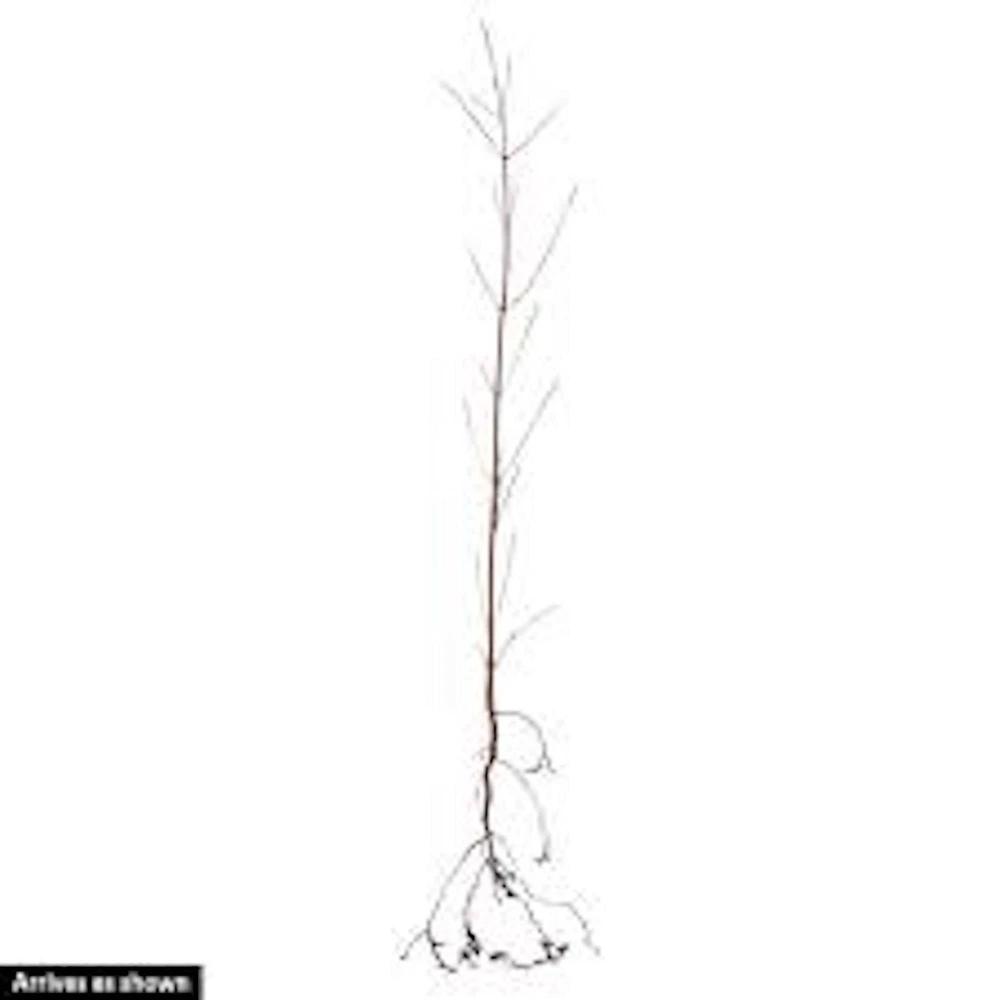
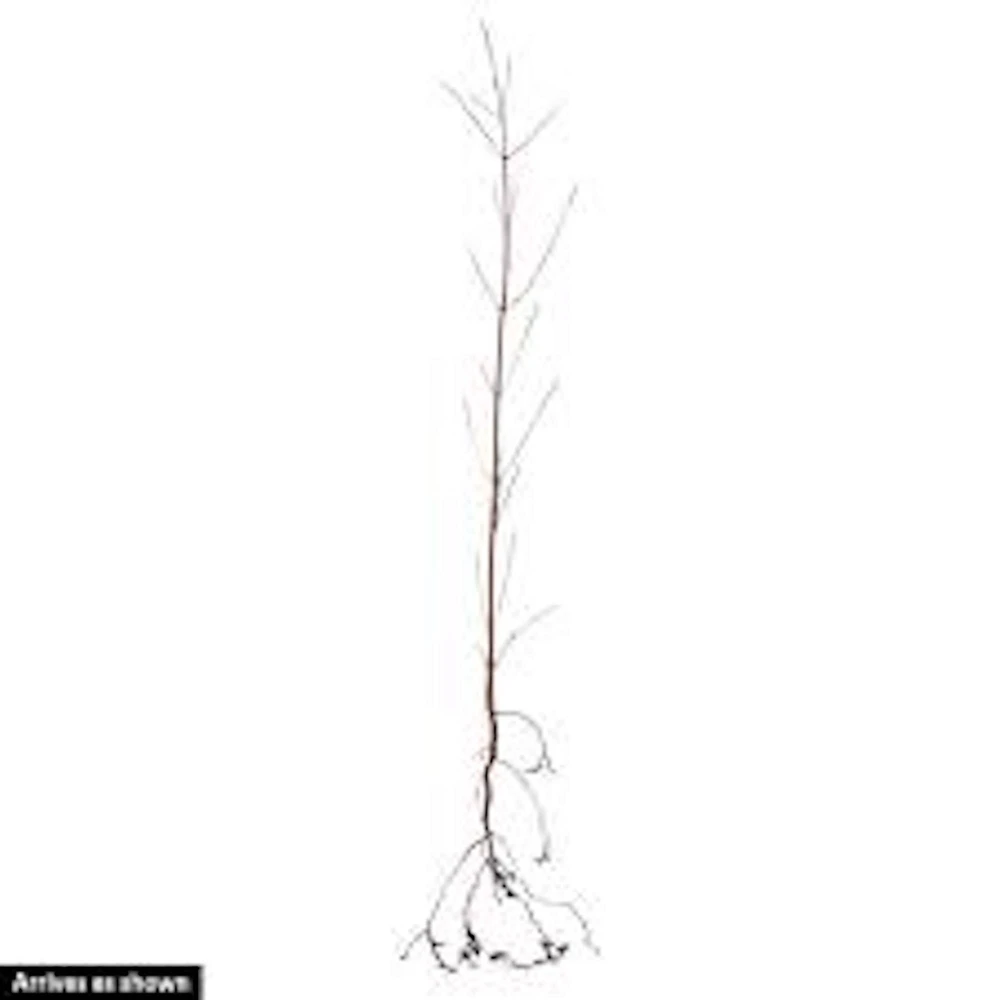
This offering includes 3 white dogwood tree live plants, each grown in a quart pot. Upon arrival, the plants will typically range from 12-24 inches tall, with a minimum height of 6-12 inches, providing a robust start for your garden. The White Dogwood (Cornus florida) is a medium-sized deciduous tree, known for its medium growth rate of 13-24 inches per year. It will eventually reach a mature height of 15-40 feet with a spread of 12-20 feet, forming a beautiful, broad, and somewhat flat-topped crown.
When dormant, these trees may ship bare root, ensuring they arrive healthy and ready for planting. During the growing season, they will be shipped in their quart pots to maintain root integrity. The flowering dogwood tree will typically begin flowering within a few years of planting, offering its signature white blooms in early spring. Its impressive mature size makes it an excellent choice for a long-term landscape investment, providing seasonal interest and ecological benefits for decades.
Frequently Asked Questions
- Q: How big does this plant get? A: The white dogwood tree typically reaches a mature height of 15-40 feet with a spread of 12-20 feet. It has a medium growth rate, adding 13-24 inches per year, so you’ll see steady progress.
- Q: What size pot does it come in? A: This offering includes 3 live plants, each provided in a quart pot. The plants themselves will be 12-24 inches tall upon shipment, with a minimum of 6-12 inches.
- Q: Is this an indoor or outdoor plant? A: The flowering dogwood tree (Cornus florida) is an outdoor deciduous tree, best suited for planting in garden landscapes within USDA Hardiness Zones 5-9. It is not suitable for long-term indoor growth.
- Q: How much sunlight does it need? A: The cornus florida plant thrives in partial shade to full sun. In hotter climates, it benefits from some afternoon shade to protect its foliage from intense heat. Aim for 4-6 hours of sun daily.
- Q: Is this plant easy to care for? A: Yes, with proper site selection and consistent watering, the White Dogwood is considered moderately easy to care for. It requires well-draining, acidic soil and benefits from annual fertilization. Following basic dogwood tree care guidelines will ensure success.
- Q: What condition will it arrive in? A: During dormant seasons, the tree may ship bare root. During the growing season, it will ship in its quart pot. Both methods ensure the plant arrives in optimal condition for planting.
- Q: When is the best time to plant a dogwood tree? A: The best times to plant a american dogwood tree are in early spring or fall, when temperatures are moderate. This allows the tree to establish its root system before the stress of summer heat or winter cold.
- Q: Will it survive winter in my zone? A: The White Dogwood is hardy in USDA Zones 5-9. If you are within these zones, your tree should successfully survive winter, especially once established. Protecting young trees in the first winter can be beneficial in colder regions.
- Q: Does this tree attract wildlife? A: Absolutely! The red berries produced by the white dogwood tree in late summer and fall are a valuable food source for many bird species, adding vibrant activity to your garden.
- Q: How long until it blooms? A: While younger trees may take a few years to establish and begin flowering vigorously, a healthy flowering dogwood tree will typically start producing its characteristic white blooms within 2-5 years of planting.
Be the first to review “White Dogwood Tree Live Plant – Cornus florida – 12-24″ Tall – Quart Pot”
People Also Viewed

Flower Seeds
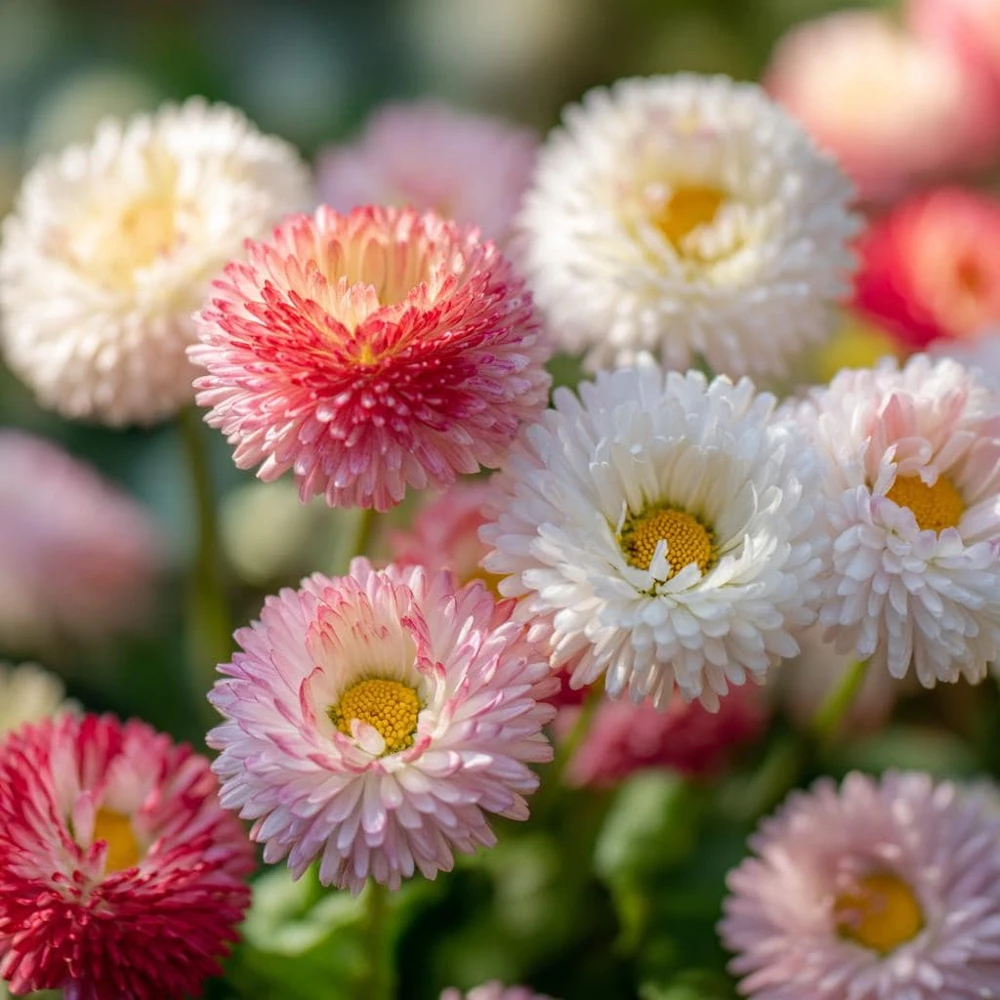
Bellis English Daisy Seeds – Pink, White & Red Mix – 200 Seed Pack – Cottage Garden Blooms


Reviews
There are no reviews yet.