

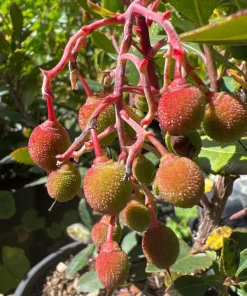
Dwarf Marina Strawberry Tree Live Plant – 1ft Tall – 6 inch Pot
$49.76
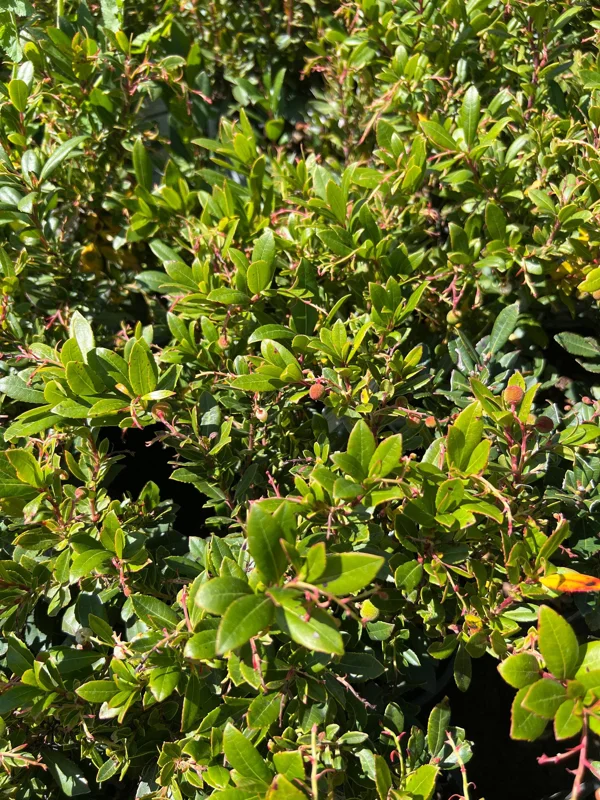
Bring a touch of evergreen beauty to your landscape with the dwarf marina strawberry tree. This compact, unique tree is shipped as a strawberry tree plant, approximately 1ft tall in a 6-inch pot, ready to thrive in your garden or a decorative container.
Estimated arrival
Sep 14
Sep 19 - Sep 21
Sep 24 - Sep 28
Shop With Confidence
30-Day Plant Health Guarantee
Arrives damaged? We’ll replace it free — see our return policy.
Responsive Support
Email us anytime, we reply within 1 business day.
Expert Packaging
Temperature-controlled shipping to protect your plants in transit.
Secure Checkout
Pay safely with Visa, Mastercard, PayPal.
Plant Specifications
-
USDA Hardiness Zone
USDA Zones 7-10 -
Soil Type
Well-draining soil -
Sunlight Exposure
Full sun to partial shade -
Expected Planting Period
Spring or Fall
Overview
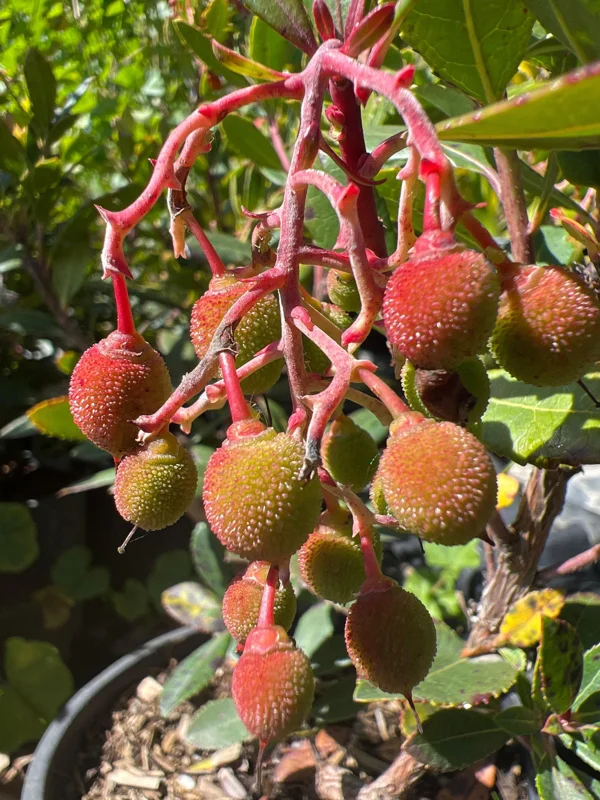
Introduce a distinctive and charming specimen to your garden with the dwarf marina strawberry tree. This unique small evergreen tree, also known by its botanical name Arbutus ‘Marina’, is renowned for its attractive reddish-brown peeling bark, delicate bell-shaped flowers, and edible, strawberry-like fruit that ripens in the fall. Unlike its larger cousins, this particular variety maintains a more compact size, making it an excellent choice for smaller gardens, urban landscapes, or as a striking container plant. Our strawberry tree plant arrives as a healthy, vibrant specimen, approximately 1 foot tall and ready to establish itself in its new home. It offers year-round visual interest and a delightful harvest, making it a truly rewarding addition for any gardening enthusiast.
The ‘Marina’ cultivar is a hybrid of Arbutus unedo and Arbutus andrachne, combining the best traits of both. It’s a robust and adaptable plant, offering both ornamental appeal and practical benefits. Whether you’re looking to add a unique focal point, create natural screening, or enjoy homegrown fruit, the dwarf marina strawberry tree is an exceptional choice that promises beauty and bounty for years to come.
Key Benefits
The dwarf marina strawberry tree offers a multitude of advantages for both gardeners and the environment. Its unique characteristics make it a standout choice for various landscape designs and personal enjoyment.
- Year-Round Visual Interest: As an evergreen, this tree provides lush foliage throughout the year, ensuring your garden remains vibrant even in colder months. Its reddish-brown bark also adds significant textural interest.
- Edible & Ornamental Fruit: Enjoy the unique, strawberry-like fruits that mature from fall into winter. While they have a somewhat mealy texture, they are edible and can be used in jams, jellies, or simply enjoyed fresh, making this a truly versatile strawberry tree plant.
- Attractive Flowers: Delicate, bell-shaped white to pinkish flowers appear simultaneously with the ripening fruit, creating a stunning visual display of multiple seasons at once. These flowers also attract pollinators to your garden.
- Compact & Manageable Size: Reaching up to 10 feet tall and wide, this dwarf variety is perfect for smaller spaces, urban gardens, or as a large container specimen, offering significant impact without overwhelming its surroundings.
- Drought Tolerance: Once established, the arbutus unedo marina is remarkably drought-tolerant, making it a sustainable and low-maintenance option for water-wise landscapes.
- Wildlife Attraction: The flowers provide nectar for bees and other pollinators, while the fruits offer a food source for birds and other wildlife, enhancing biodiversity in your garden.
- Versatile Landscaping Use: Ideal as a specimen tree, part of a mixed border, an informal hedge, or even espaliered against a wall, its adaptability allows for creative garden design.
Plant Care & Growing Tips
Caring for your dwarf marina strawberry tree is relatively straightforward, ensuring it thrives and provides years of beauty and fruit. This resilient evergreen prefers a Mediterranean climate but can adapt to various conditions with proper attention.
For optimal growth, plant your evergreen strawberry tree in a location that receives full sun to partial shade, ideally at least 6 hours of direct sunlight per day. While it tolerates a range of soil types, well-draining soil is crucial to prevent root rot. Amend heavy clay soils with organic matter to improve drainage. Once established, the tree is quite drought-tolerant, but during its first year, consistent watering is important to help it develop a strong root system. Water deeply when the top few inches of soil feel dry, typically once or twice a week depending on weather conditions. Reduce watering frequency in cooler months.
The arbutus unedo marina is hardy in USDA zones 7-10. In colder regions, it can be grown in a large container and moved indoors during winter. Fertilization is generally not heavily required; a balanced, slow-release fertilizer applied in early spring can support healthy growth, but avoid over-fertilizing. Pruning should be done sparingly to maintain its natural shape and remove any dead or crossing branches. The best time to prune is after the fruit harvest. This particular variety is quite resistant to most pests and diseases, making it a low-maintenance choice for a beautiful and productive garden. Keep an eye out for common issues like leaf spot, though they are rare. Ensuring good air circulation and proper watering practices will help prevent most fungal problems. Growing a small garden tree like this can be a truly rewarding experience.
Size & Details
This dwarf marina strawberry tree is shipped as a robust live plant, approximately 1 foot (30 cm) in height from the top of the soil, nestled in a 6-inch nursery pot. This size is ideal for transplanting directly into your garden or a larger decorative container. While it is a dwarf variety, expect it to mature into a substantial specimen, reaching an average height and spread of 8 to 10 feet (2.4 to 3 meters) over several years. Its growth rate is moderate, allowing you to enjoy its evolving beauty without it becoming unruly too quickly. The tree will arrive with established roots, ready for continued growth.
The ‘Marina’ cultivar is known for its attractive reddish-brown, exfoliating bark, which adds significant ornamental value, particularly as the tree matures. The unique fruits typically mature from fall through winter, offering a delightful treat during cooler months. This evergreen strawberry tree is a long-lived plant, providing decades of enjoyment with proper care. The 6-inch pot provides a good foundation for its initial journey, ensuring the plant is well-protected during transit and ready for a successful transition to its permanent home. It’s truly a wonderful small garden tree option.
Frequently Asked Questions
- Q: How big does this dwarf marina strawberry tree get? A: This dwarf variety typically grows to about 8-10 feet tall and wide at maturity, making it a compact yet impactful tree for various garden sizes. Its size makes it an excellent choice for a small garden tree.
- Q: What size pot does it come in? A: The strawberry tree plant is shipped in a 6-inch nursery pot, perfectly sized for safe transport and immediate planting in your garden or a larger container.
- Q: Is this an indoor or outdoor plant? A: The dwarf marina strawberry tree is primarily an outdoor plant, thriving in full sun to partial shade. In colder climates (below USDA Zone 7), it can be grown in a large container and moved indoors during winter.
- Q: How much sunlight does it need? A: For optimal growth and fruit production, this tree prefers full sun, meaning at least 6 hours of direct sunlight per day. It can tolerate partial shade, but flowering and fruiting may be reduced.
- Q: Is this plant easy to care for? A: Yes, once established, the arbutus unedo marina is relatively low-maintenance. It’s drought-tolerant and generally resistant to most pests and diseases, making it a good choice for both beginner and experienced gardeners.
- Q: What condition will it arrive in? A: Your evergreen strawberry tree will arrive as a healthy, live plant, approximately 1 foot tall, with an established root system in its 6-inch nursery pot, carefully packaged to ensure its safe journey.
- Q: Are the fruits of the strawberry tree plant edible? A: Yes, the fruits are edible. They have a unique, somewhat mealy texture and a mild flavor. They can be eaten fresh, or used to make jams, jellies, or even wine.
- Q: When is the best time to plant a dwarf marina strawberry tree? A: The best times to plant are in the spring or fall when temperatures are moderate. This allows the tree to establish its root system before the stress of extreme heat or cold.
- Q: Will it survive winter in my zone? A: The dwarf marina strawberry tree is hardy in USDA Zones 7-10. If you are in a colder zone, consider protecting it during winter or growing it in a container that can be moved indoors.
- Q: What type of soil does the arbutus unedo marina prefer? A: It thrives in a variety of well-draining soils. While adaptable, it performs best in slightly acidic to neutral soil. Good drainage is key to preventing root issues.
Be the first to review “Dwarf Marina Strawberry Tree Live Plant – 1ft Tall – 6 inch Pot”
People Also Viewed
Houseplants
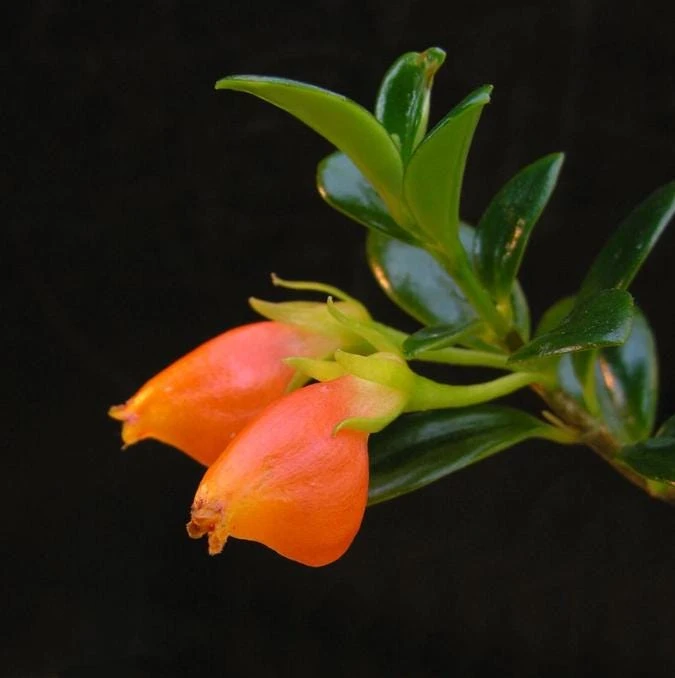
Goldfish Plant Live – Orange Nematanthus Gregarius – 3-6″ Tall in 3-4″ Pot – Trailing Houseplant

Reviews
There are no reviews yet.