
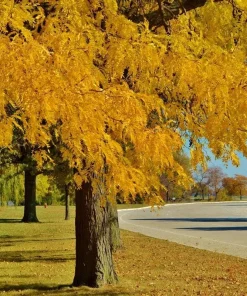
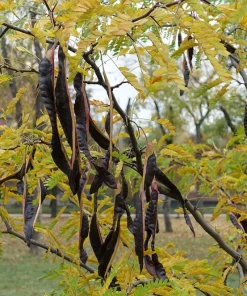
Thornless Honeylocust Tree Live Plant 12-24″ Tall Gleditsia inermis Quart Pot
Original price was: $129.99.$104.99Current price is: $104.99.
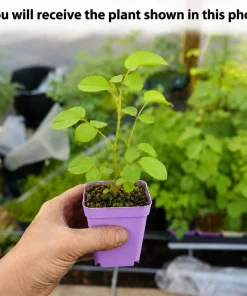
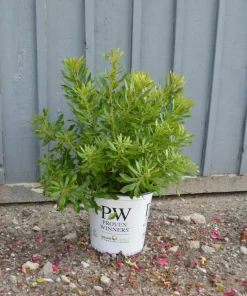
Cultivate a resilient thornless honeylocust tree, a 12-24″ tall live plant in a quart pot. This Gleditsia triacanthos inermis is a fast-growing, deciduous shade tree known for its delicate foliage and exceptional adaptability to diverse conditions, including urban environments and poor soils. Enhance your landscape with this robust and low-maintenance tree.
Estimated arrival
Sep 29
Oct 04 - Oct 06
Oct 09 - Oct 13
Shop With Confidence
30-Day Plant Health Guarantee
Arrives damaged? We’ll replace it free — see our return policy.
Responsive Support
Email us anytime, we reply within 1 business day.
Expert Packaging
Temperature-controlled shipping to protect your plants in transit.
Secure Checkout
Pay safely with Visa, Mastercard, PayPal.
Plant Specifications
-
USDA Hardiness Zone
USDA zones 4-9 -
Soil Type
Adaptable to various well-draining soils (clay, sandy, loamy) -
Sunlight Exposure
Full sun -
Expected Planting Period
Spring or Fall
Overview
Introduce an elegant and robust addition to your landscape with the thornless honeylocust tree. This offering includes a live plant, typically 12-24 inches tall, provided in a convenient quart pot, ready for planting. Scientifically known as Gleditsia triacanthos inermis, this deciduous shade tree is highly prized for its rapid growth rate and distinctive, fern-like foliage that casts a dappled shade, perfect for lawns and patios. Unlike its wild counterparts, this cultivar is thornless, making it a safer and more manageable choice for residential and public spaces. Its exceptional adaptability to a wide range of environmental stresses, including drought, pollution, and various soil types, makes it an ideal selection for urban gardeners and those seeking a low-maintenance yet impactful landscape feature. Create a stunning focal point in your garden with this resilient and beautiful tree.
The thornless honeylocust tree is a popular choice for its aesthetic appeal and practical benefits. Its open canopy allows sunlight to filter through, supporting underplantings, while its deep root system contributes to its drought tolerance once established. Whether you’re looking to establish a new shade tree or add a specimen with unique texture, the Gleditsia triacanthos inermis is an excellent option.
Key Benefits
The thornless honeylocust tree offers numerous advantages for any landscape. Its robust nature and attractive appearance make it a top choice for both novice and experienced gardeners. Here are some of the key benefits:
- Exceptional Adaptability: This tree thrives in a wide array of conditions, tolerating drought, urban pollution, salt spray, and various soil types including clay, sandy, or loamy, and even temporary flooding. This makes it an incredibly resilient choice for challenging environments.
- Fast Growth Rate: Enjoy a quickly maturing shade tree that will establish itself and provide significant canopy cover in a relatively short period, transforming your outdoor space efficiently.
- Thornless Variety: Unlike the wild species, this cultivar lacks the large, sharp thorns, providing a safer and more pleasant experience for people and pets in your garden.
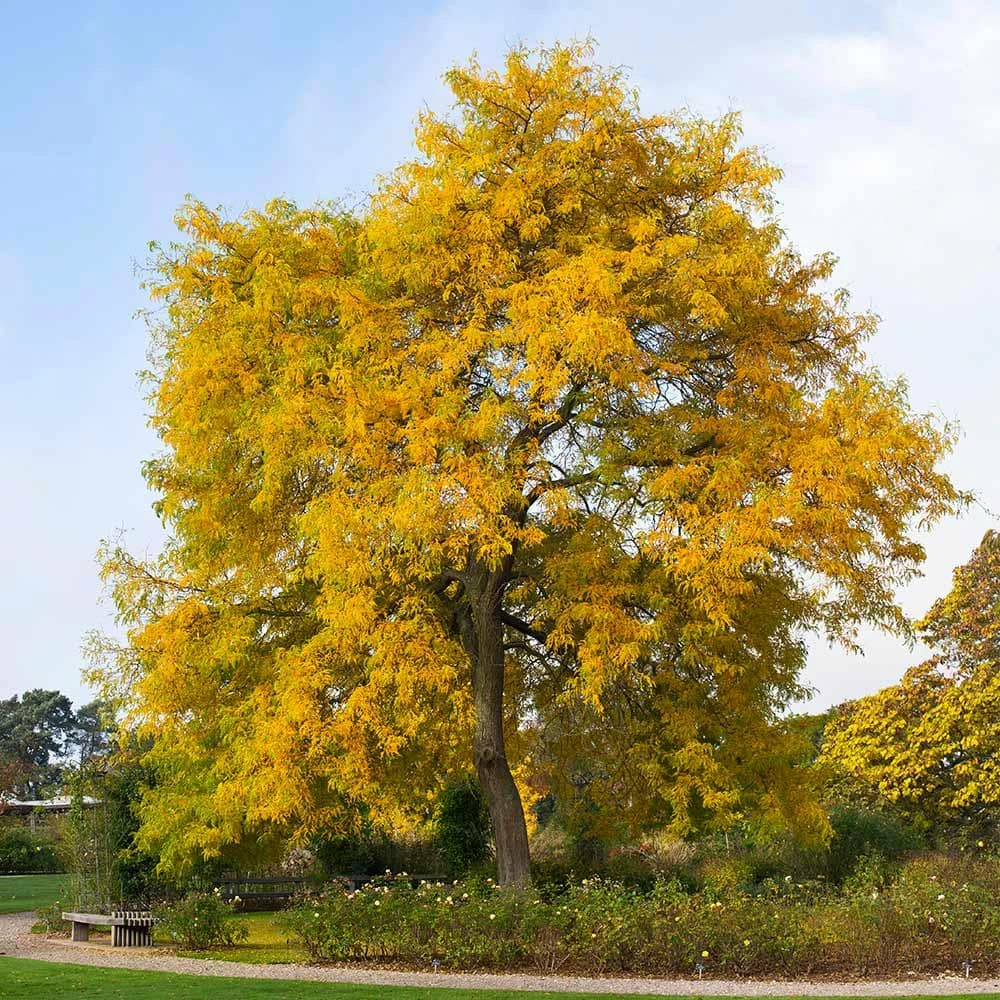
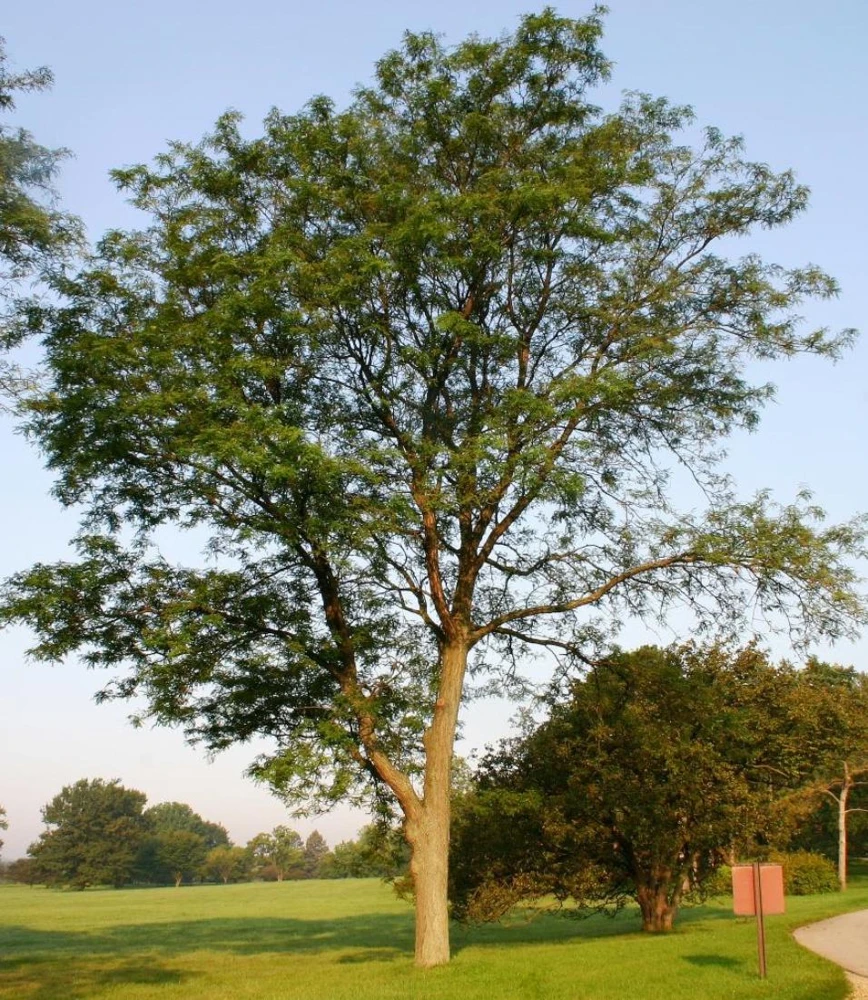
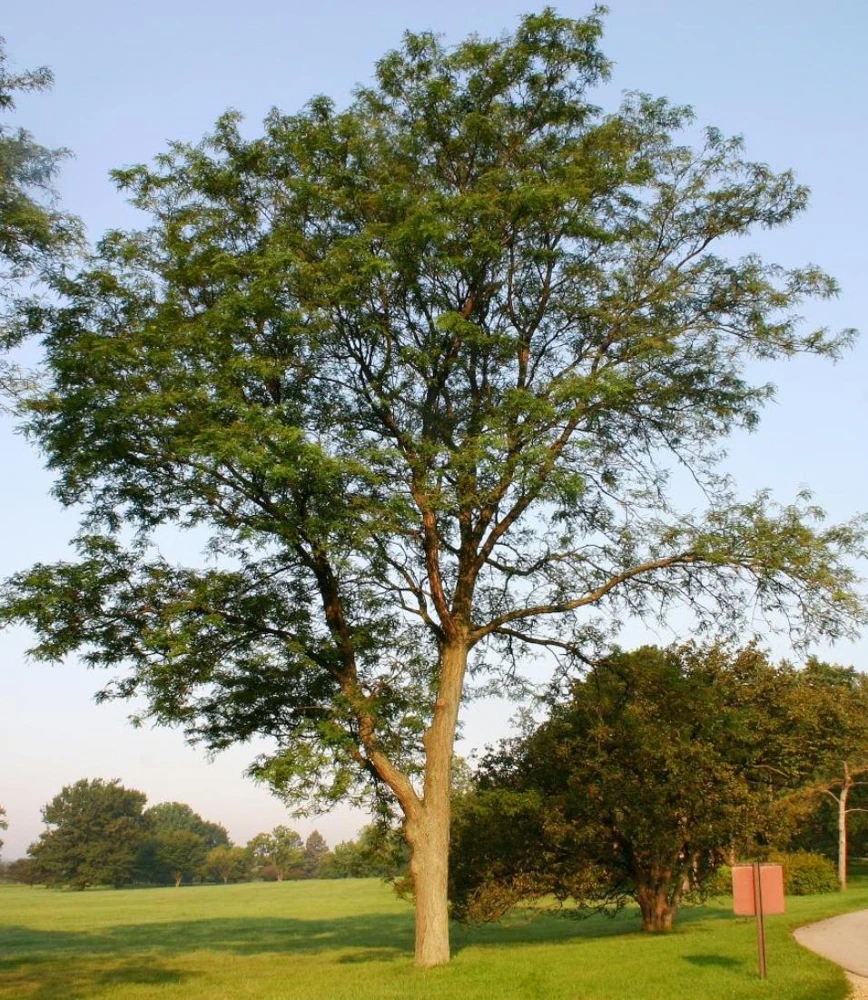
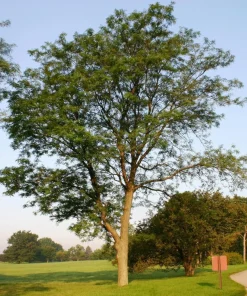
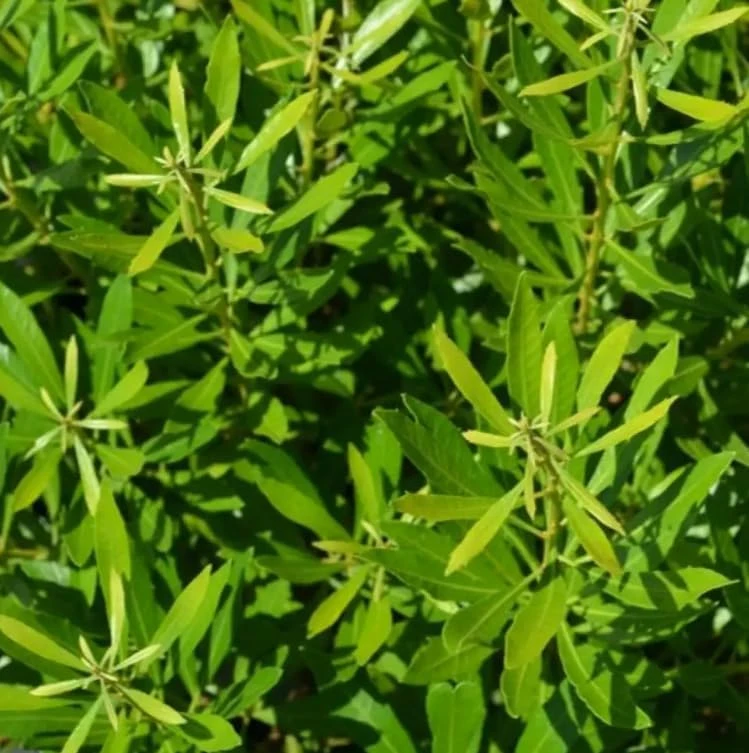
- Delicate, Fern-like Foliage: The finely textured, compound leaves create a light, airy canopy that offers dappled shade, allowing for underplanting and adding an elegant aesthetic to your yard.
- Low Maintenance: Once established, the thornless honeylocust tree requires minimal care, making it an excellent option for those seeking a beautiful tree without extensive upkeep. Its adaptability means less worry about specific soil amendments or constant watering.
- Urban Tolerance: This tree is particularly well-suited for urban environments, able to withstand the stresses of city life, making it a common sight in parks and street plantings.
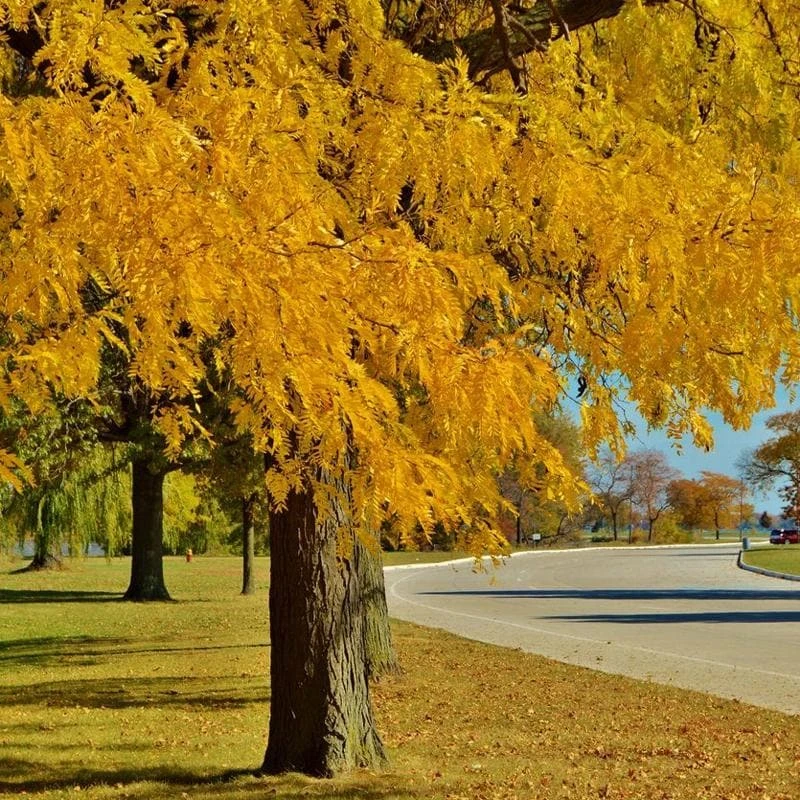
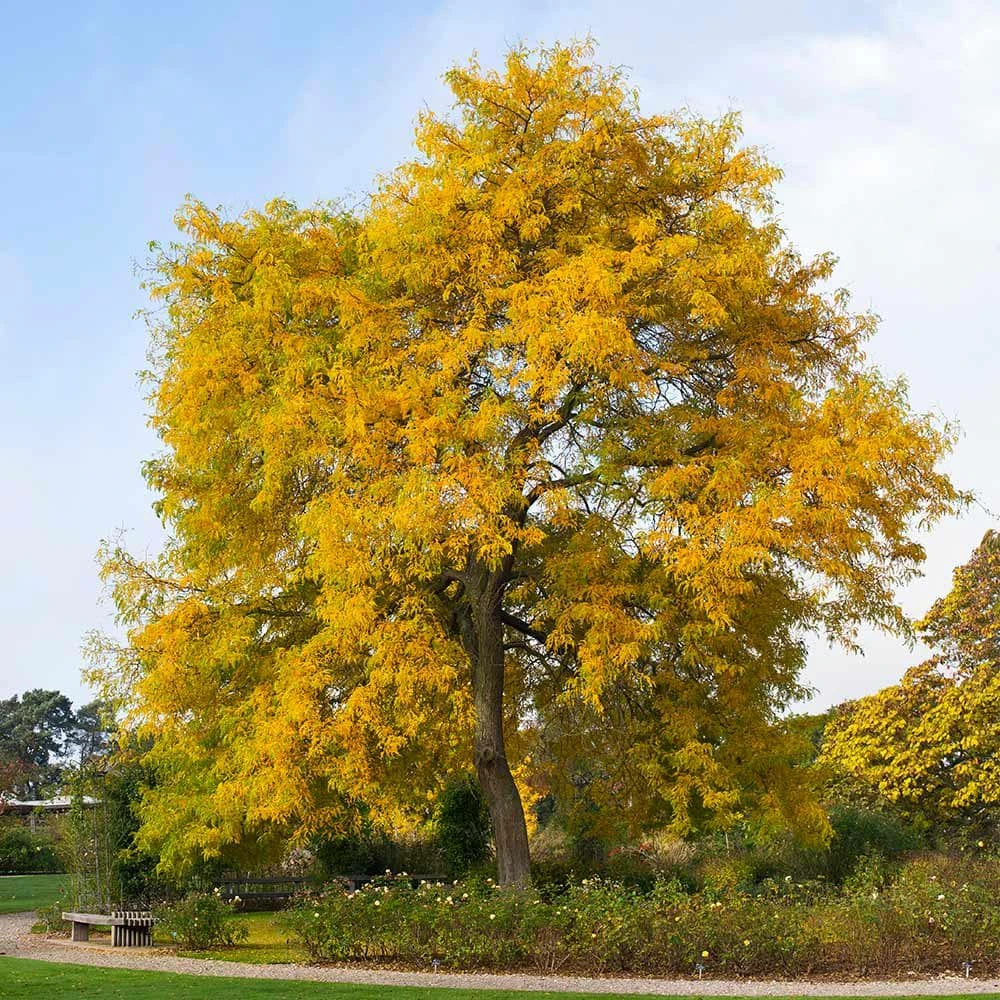
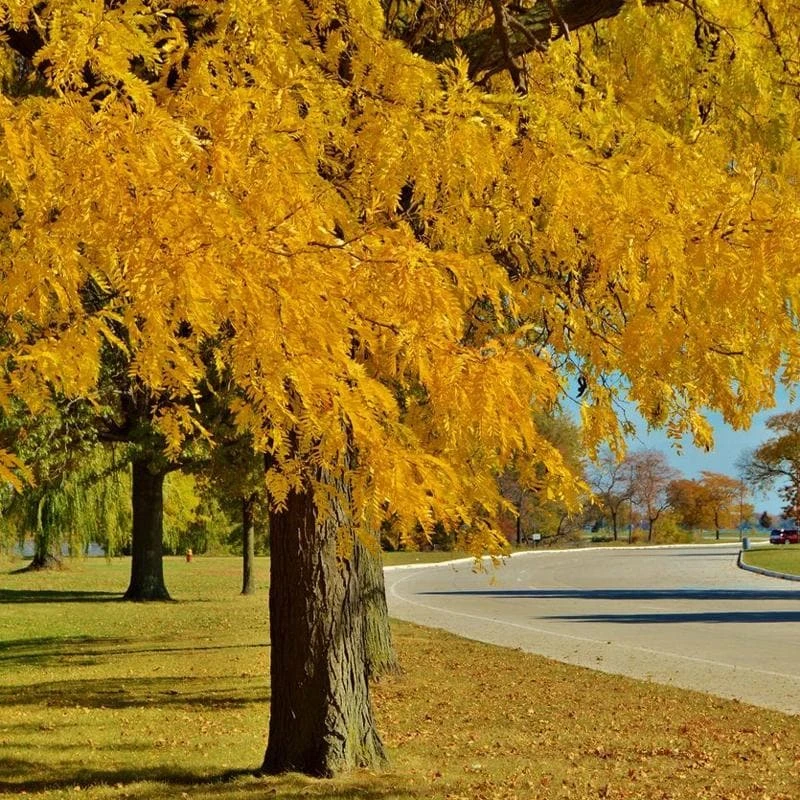
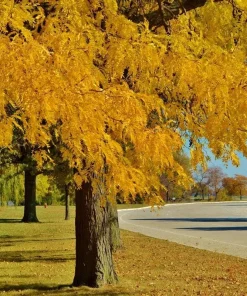
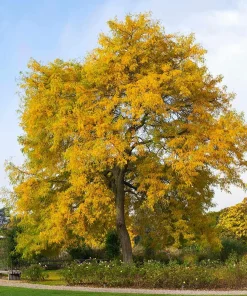
- Attractive Fall Color: While primarily known for its summer foliage, the leaves often turn a lovely yellow in the autumn, adding seasonal interest to your landscape.
Plant Care & Growing Tips
Caring for your thornless honeylocust tree (Gleditsia triacanthos inermis) is relatively straightforward due to its resilient nature. For optimal growth, plant it in a location that receives full sun, meaning at least six hours of direct sunlight per day. While it can tolerate partial shade, full sun promotes the best growth and overall health. When planting, ensure the soil is well-draining, although this tree is highly adaptable to various soil types, including poor, compacted, clay, sandy, or loamy soils. Good drainage is crucial to prevent root rot, especially in younger plants.
Watering requirements for the thornless honeylocust tree are moderate. Young trees will need regular watering to establish their root system, typically once or twice a week, especially during dry periods. Once established, this tree is remarkably drought-tolerant and will only require supplemental watering during extended dry spells. Overwatering should be avoided. Fertilization is generally not necessary for established trees, particularly if planted in reasonably fertile soil. If growth appears slow or leaves are discolored, a balanced slow-release fertilizer can be applied in early spring. Pruning should be done in late winter or early spring to remove any dead, damaged, or crossing branches, and to shape the canopy. This also helps maintain the tree’s health and aesthetic appeal. This adaptable shade tree is generally pest and disease resistant, but monitoring for common tree issues is always a good practice. Understanding proper honeylocust care will ensure a thriving tree for years to come.
Size & Details
This offering provides five thornless honeylocust tree live plants, each standing approximately 12-24 inches tall. The plants are shipped in quart pots, providing a healthy root system ready for transplanting into your garden or a larger container. These starter plants, scientifically known as Gleditsia triacanthos inermis, are at an ideal stage for establishing in your landscape. They are known for their fast growth rate, typically adding 1-2 feet per year once established, eventually reaching a mature height of 30-70 feet with a spread of 20-50 feet, depending on growing conditions and specific cultivar. The delicate foliage contributes to a relatively open canopy, allowing for a filtered shade effect. Expect these trees to begin forming their characteristic canopy structure within a few years of planting.
Frequently Asked Questions
- Q: How big does this thornless honeylocust tree get? A: The thornless honeylocust tree can grow to a mature height of 30-70 feet with a spread of 20-50 feet. These starter plants are 12-24 inches tall and will grow rapidly once established.
- Q: Is this an indoor or outdoor plant? A: The Gleditsia triacanthos inermis is an outdoor deciduous shade tree, best suited for planting in gardens, parks, or as a street tree. It is not intended for indoor cultivation.
- Q: How much sunlight does it need? A: This adaptable shade tree thrives in full sun, requiring at least six hours of direct sunlight per day for optimal growth and health. It can tolerate partial shade but may have slower growth.
- Q: Is this plant easy to care for? A: Yes, the thornless honeylocust tree is considered a low-maintenance and easy-to-care-for tree, especially once established. Its tolerance to various conditions makes honeylocust care relatively simple.
- Q: What condition will it arrive in? A: Your order includes five live thornless honeylocust plants, each 12-24 inches tall and securely rooted in a quart pot, carefully packaged for safe transit.
- Q: When is the best time to plant a thornless honeylocust tree? A: The best time to plant a thornless honeylocust tree is in the spring or fall, allowing the roots to establish before extreme summer heat or winter cold.
- Q: Will it survive winter in my zone? A: The thornless honeylocust is generally hardy in USDA zones 4-9, making it suitable for a wide range of climates. Ensure your local zone falls within this range for successful overwintering.
- Q: What type of soil does the thornless honeylocust prefer? A: This tree is highly adaptable and can tolerate a wide range of soil types, including clay, sandy, or loamy, as long as it is well-draining.
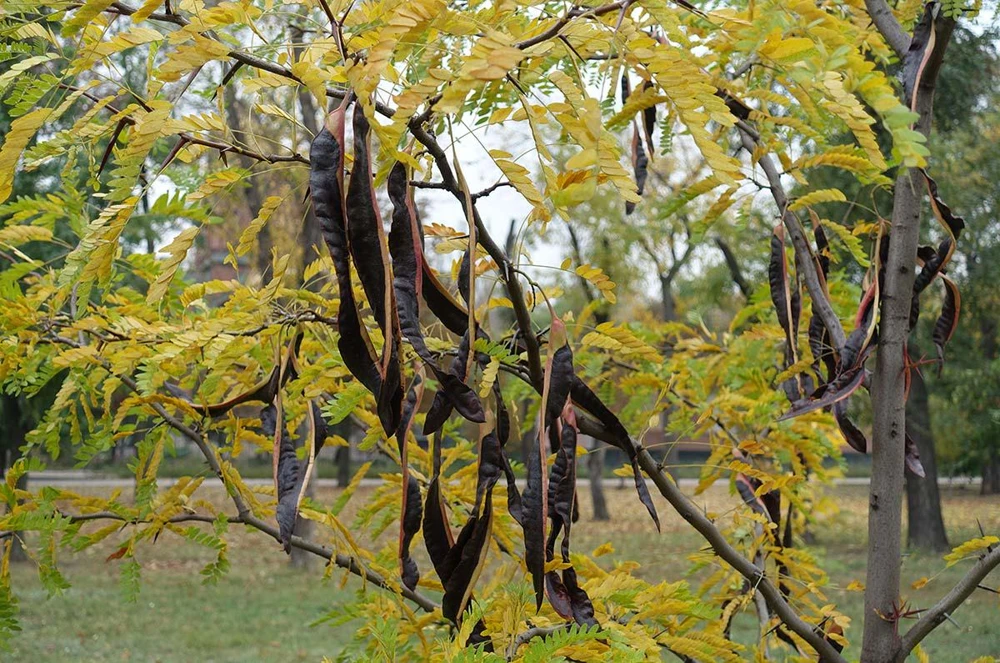
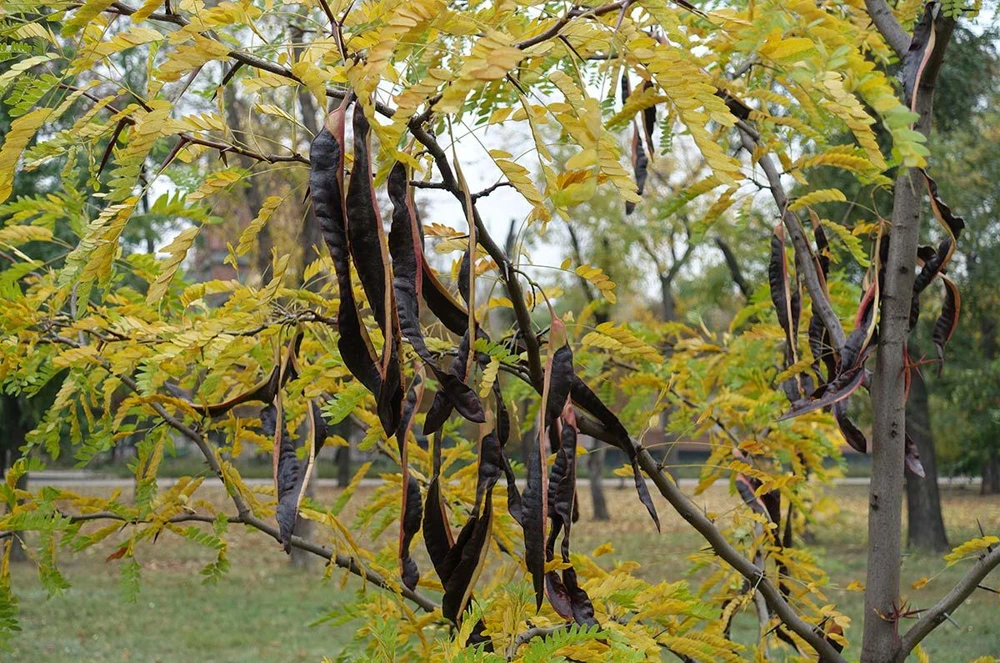
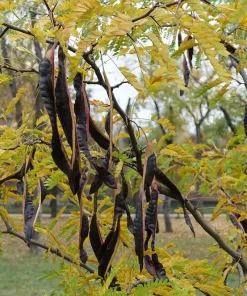
- Q: Does this tree produce any fruit or pods? A: While the wild species produces large seed pods, thornless honeylocust cultivars often produce fewer or no pods, contributing to its lower maintenance appeal.
- Q: What are the benefits of a fast-growing tree? A: A fast growing tree like the thornless honeylocust quickly provides shade, improves air quality, and enhances landscape aesthetics in a shorter timeframe compared to slower-growing species.
Be the first to review “Thornless Honeylocust Tree Live Plant 12-24″ Tall Gleditsia inermis Quart Pot”
People Also Viewed
Flower Plants
Climbing Roses Live Plant – Fragrant Perennial Rose Bush, 1 Plant, Random Color, 2-4 Inch Tall
Reviews
There are no reviews yet.