
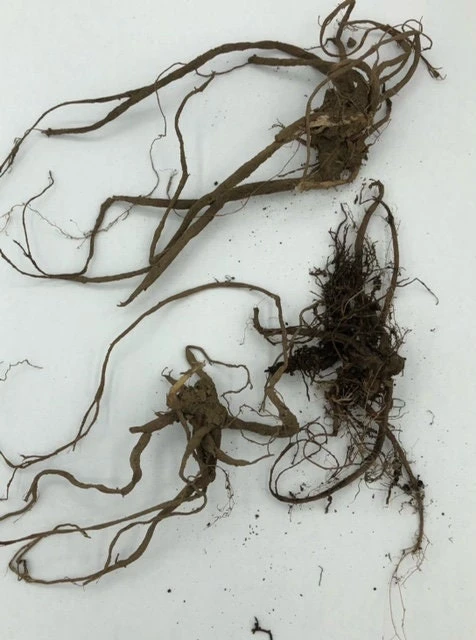
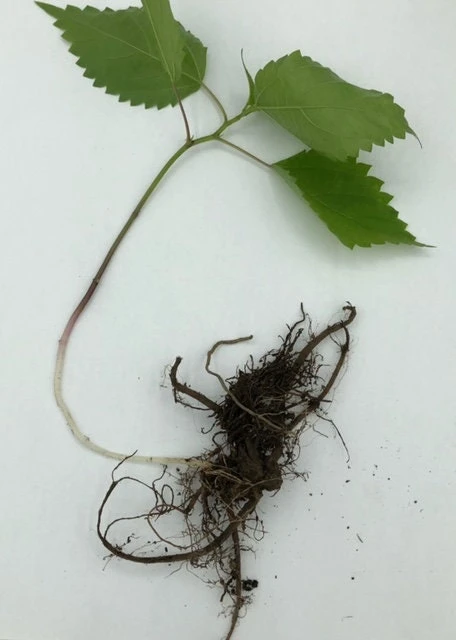
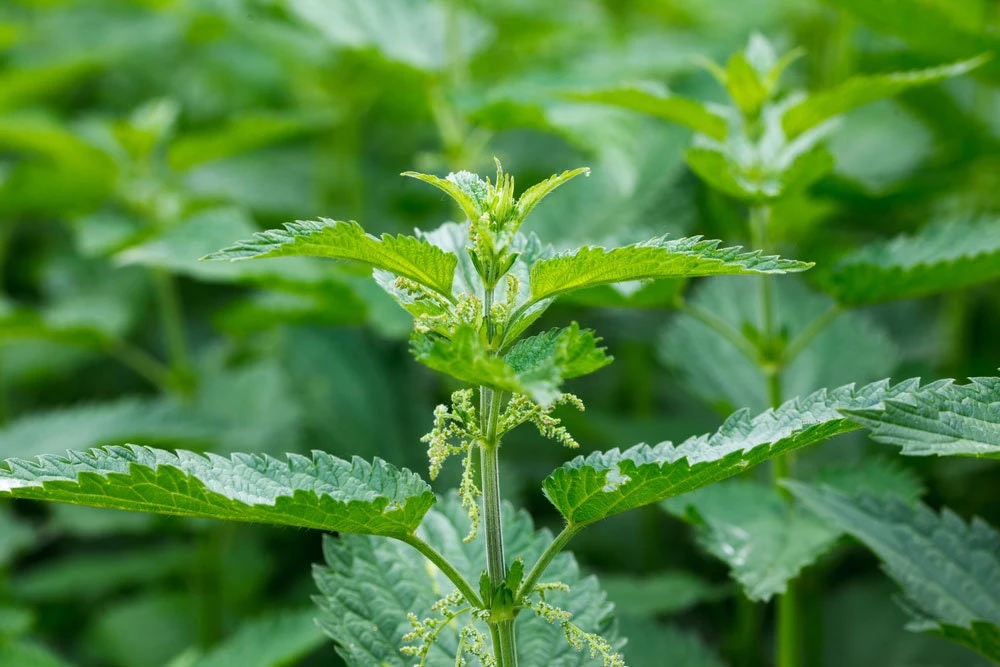
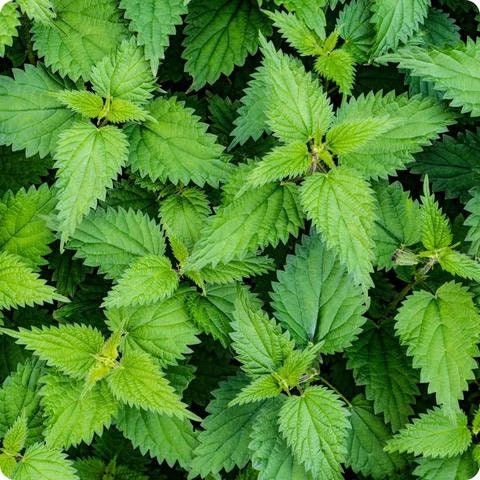
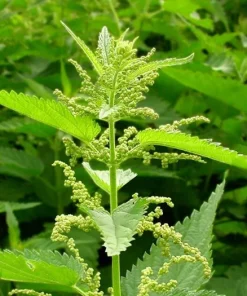
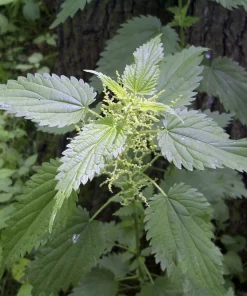
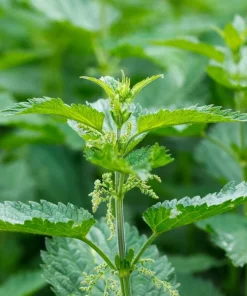
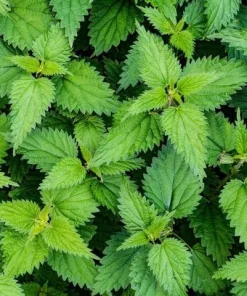
15 Stinging Nettle Bare Root Plants – Organic Urtica dioica Transplants
Original price was: $76.99.$51.99Current price is: $51.99.
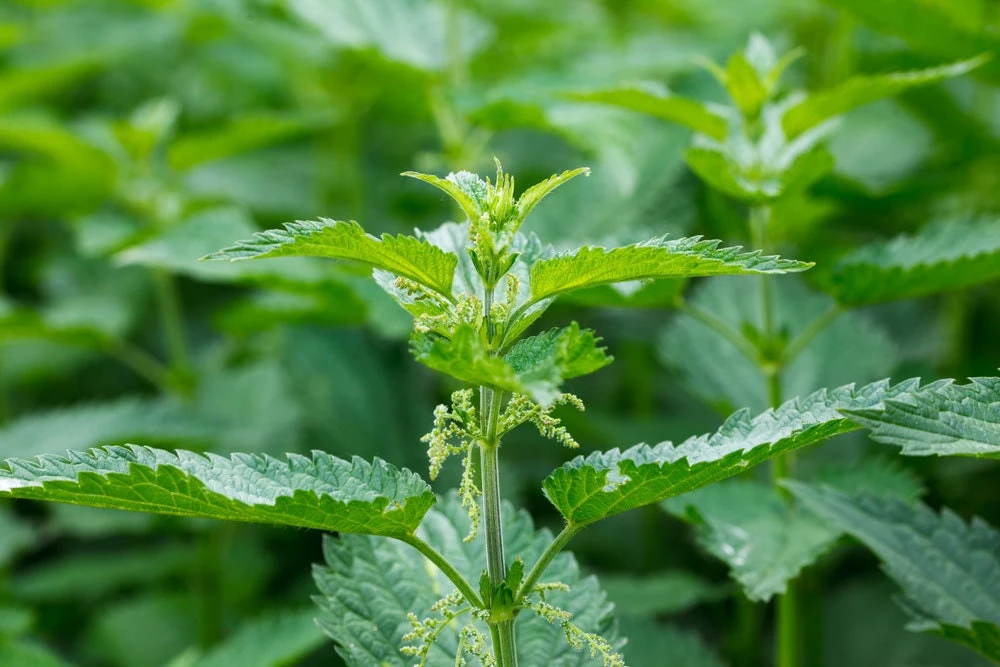
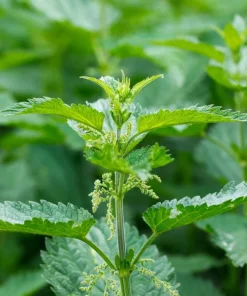
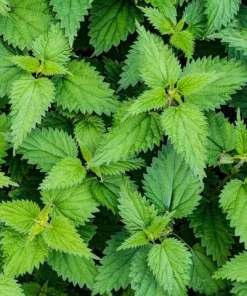
Cultivate your own beneficial herbs with 15 Stinging Nettle Bare Root Plants. These organic nettle plants (Urtica dioica) are ready for transplanting, offering a sustainable way to grow stinging nettle for various uses.
Estimated arrival
Sep 29
Oct 04 - Oct 06
Oct 09 - Oct 13
Shop With Confidence
30-Day Plant Health Guarantee
Arrives damaged? We’ll replace it free — see our return policy.
Responsive Support
Email us anytime, we reply within 1 business day.
Expert Packaging
Temperature-controlled shipping to protect your plants in transit.
Secure Checkout
Pay safely with Visa, Mastercard, PayPal.
Plant Specifications
-
USDA Hardiness Zone
USDA zones 3-10 -
Soil Type
Rich, moist, well-draining soil -
Sunlight Exposure
Partial shade to full sun -
Expected Planting Period
Early spring or fall
Overview
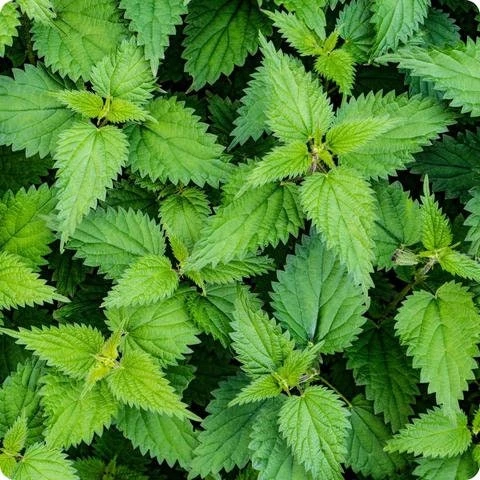
Discover the versatility and natural benefits of stinging nettle bare roots. This package includes 15 Stinging Nettle Bare Root Plants, ready to be transplanted into your garden or chosen growing space. Stinging Nettle, scientifically known as Urtica dioica, is a perennial herbaceous plant widely recognized for its nutritional and traditional uses. Our bare roots are organically grown, ensuring you receive healthy, vigorous plant material that is free from synthetic pesticides and fertilizers. These young plants are an excellent way to establish a thriving patch of nettle, allowing you to enjoy its unique properties right from your backyard. Whether you’re a seasoned gardener or new to cultivating herbs, these bare roots provide a straightforward and rewarding planting experience.
Starting with urtica dioica plants from bare roots offers a robust foundation for growth. Each root is carefully harvested and prepared for shipment, ensuring optimal vitality upon arrival. Stinging Nettle is a resilient plant that, once established, can provide a continuous supply of leaves for culinary, medicinal, or ecological purposes. Embrace the opportunity to grow stinging nettle with these high-quality, organically produced bare roots, perfect for creating a sustainable and beneficial addition to your home garden.
Key Benefits
Growing your own stinging nettle bare roots offers a multitude of advantages, from culinary applications to supporting local ecosystems. These benefits make organic nettle plants a worthwhile addition to any garden.
- Nutritional Powerhouse: Stinging Nettle leaves are rich in vitamins (A, C, K), minerals (iron, calcium, magnesium), and antioxidants. Incorporating them into your diet can boost overall health and well-being.
- Traditional Medicinal Uses: For centuries, Urtica dioica has been used in herbal remedies to address various ailments, including joint pain, allergies, and urinary tract issues. Growing your own ensures a fresh supply for these traditional practices.
- Ecological Support: Nettle plants serve as a host plant for several butterfly species, including the Red Admiral and Small Tortoiseshell. By cultivating them, you contribute to local biodiversity and support beneficial insect populations.
- Culinary Versatility: The young leaves of stinging nettle bare roots can be cooked like spinach, added to soups, stews, teas, or even made into pesto. Cooking or drying removes the sting, making them safe and delicious to consume.
- Soil Improvement: As a dynamic accumulator, nettle can draw nutrients from deep within the soil, making them available to other plants when used as a compost activator or mulch. This enhances garden fertility naturally.
- Ease of Growth: Once established, stinging nettle bare roots are quite hardy and low-maintenance. They thrive in various conditions and can be a reliable perennial in many climates, making it easy to grow stinging nettle.
- Sustainable Harvesting: Having your own patch of organic nettle plants allows for sustainable harvesting, ensuring you always have a fresh supply without impacting wild populations.
Plant Care & Growing Tips
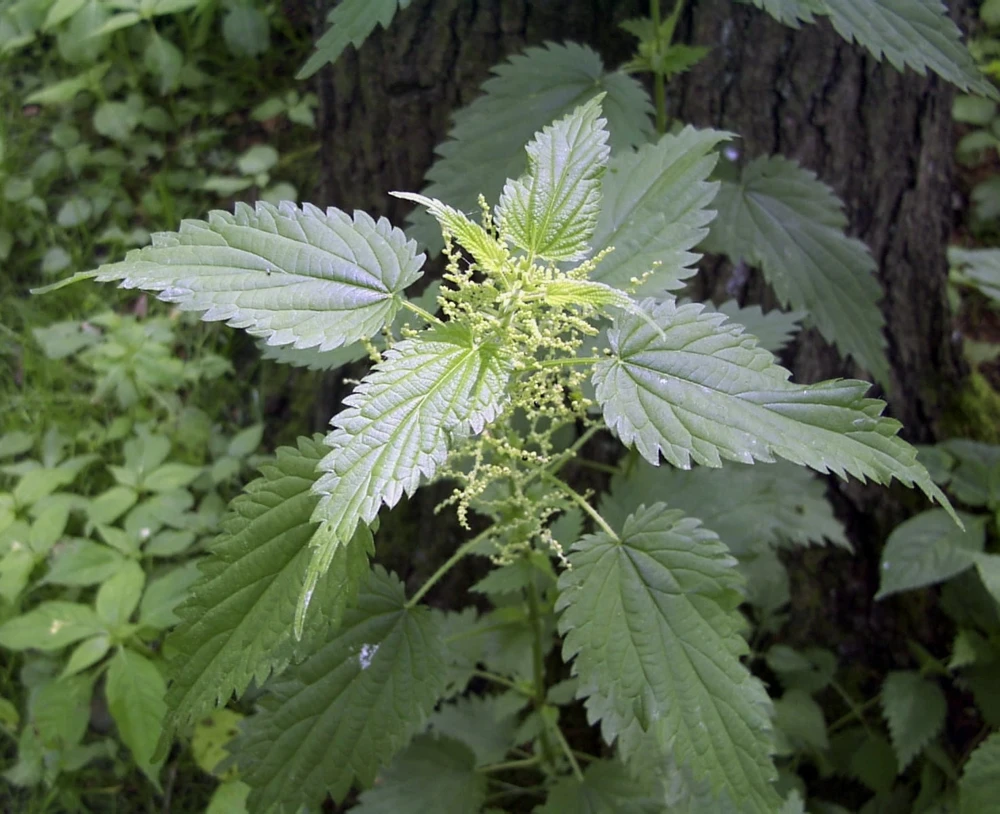
To successfully cultivate your stinging nettle bare roots, understanding their preferred growing conditions is key. Stinging Nettle (Urtica dioica) is a relatively easy plant to grow, but providing the right environment will ensure vigorous growth and abundant harvests. Start by selecting a location that receives partial shade to full sun. While nettle can tolerate full sun, it often prefers some afternoon shade in hotter climates to prevent wilting. Aim for at least 4-6 hours of sunlight daily for optimal growth. These organic nettle plants are quite adaptable but will perform best in rich, moist, well-draining soil. They prefer a slightly acidic to neutral pH (6.0-7.0).
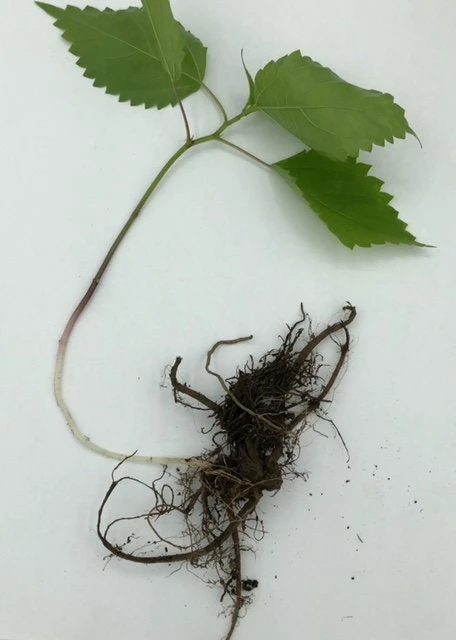
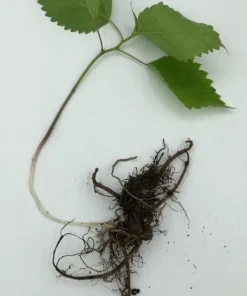
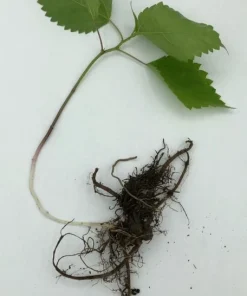
When planting your stinging nettle bare roots, dig a hole large enough to accommodate the root system comfortably. Place the root in the hole, ensuring the crown (where the stem meets the root) is just below the soil surface. Backfill with soil and water thoroughly. Consistent moisture is crucial, especially during the establishment phase and dry spells. Do not let the soil dry out completely. While nettle is a hardy plant, a layer of mulch can help retain soil moisture and suppress weeds. Fertilization is generally not necessary if planted in rich soil, but a balanced organic fertilizer can be applied in spring if growth appears sluggish. These urtica dioica plants are hardy in USDA zones 3-10, making them suitable for a wide range of climates. Watch out for common pests like aphids, which can be managed with organic insecticidal soaps. Understanding how to grow stinging nettle effectively will lead to a thriving and productive patch.
Size & Details
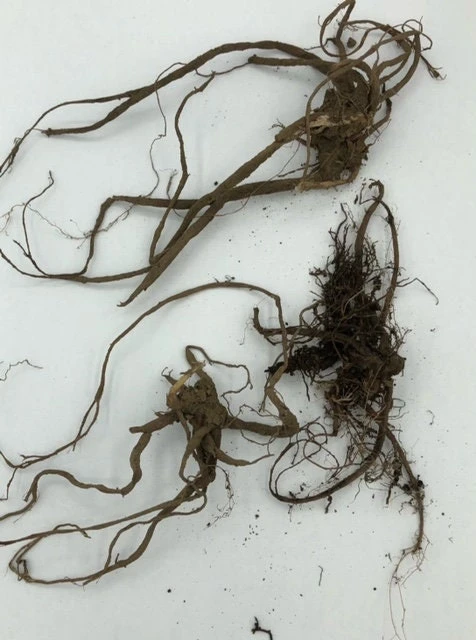
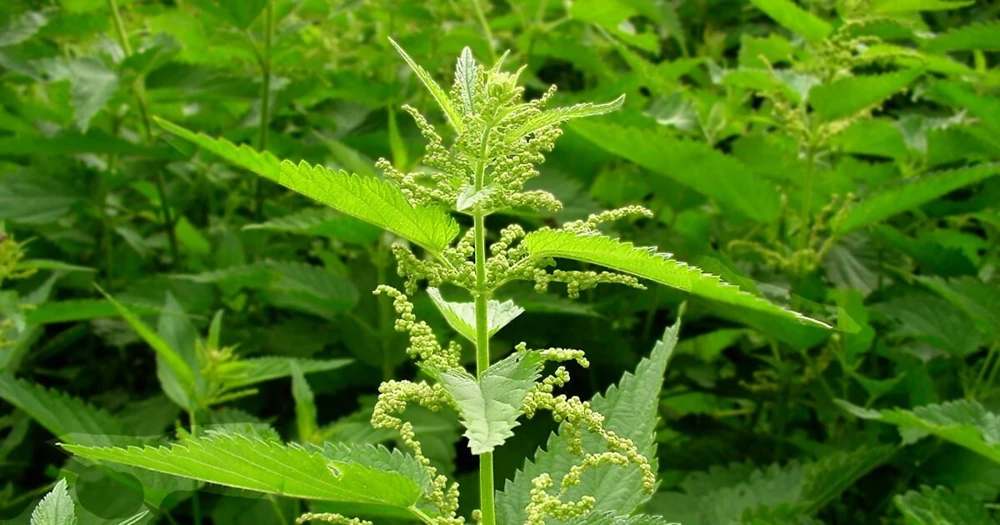
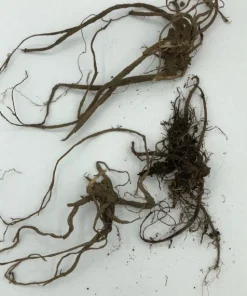
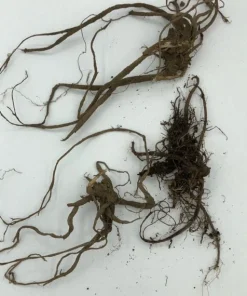
This offering includes 15 Stinging Nettle Bare Root Plants. Each bare root is carefully selected and harvested to ensure viability and health. Bare roots are dormant plant sections, typically roots and a small portion of the stem, without soil. This method of shipping minimizes transplant shock and allows for easy establishment in your garden. Upon planting, these stinging nettle bare roots will begin to develop foliage and a robust root system, eventually growing into mature organic nettle plants. Stinging Nettle typically reaches a height of 2 to 7 feet (60-210 cm) with a spread of 1 to 3 feet (30-90 cm) once fully mature.
The growth rate of urtica dioica plants is relatively fast, especially in ideal conditions with consistent moisture and rich soil. You can expect to see new shoots emerge within a few weeks of planting. Harvesting can begin once the plants are established and have produced a good amount of foliage, typically in late spring or early summer. These stinging nettle bare roots are designed for direct planting into your garden beds or large containers, providing an efficient way to establish a productive nettle patch.
Frequently Asked Questions
- Q: How big do these stinging nettle bare roots get once mature? A: Once established, stinging nettle bare roots can grow into mature plants ranging from 2 to 7 feet tall and 1 to 3 feet wide. Their size can vary depending on growing conditions and available nutrients.
- Q: What condition will the stinging nettle bare roots arrive in? A: Your 15 Stinging Nettle Bare Root Plants will arrive dormant, carefully packaged without soil, ready for immediate planting. They are harvested fresh to ensure optimal health and vigor upon delivery.
- Q: Is this an indoor or outdoor plant? A: Stinging Nettle (Urtica dioica) is primarily an outdoor plant, thriving in garden beds. While it can be grown in large containers, it generally prefers the space and natural environment of an outdoor setting to fully mature.
- Q: How much sunlight do these organic nettle plants need? A: These organic nettle plants prefer partial shade to full sun, ideally receiving 4-6 hours of sunlight per day. In very hot climates, some afternoon shade is beneficial to prevent stress.
- Q: Is this plant easy to care for? A: Yes, once established, stinging nettle bare roots are relatively low-maintenance. They are hardy and adaptable, requiring consistent moisture and good soil, making them suitable for gardeners of all experience levels.
- Q: Can I use the leaves from these urtica dioica plants for cooking? A: Absolutely! The young leaves of urtica dioica plants are highly nutritious and can be used in various culinary applications. Cooking or drying them removes the stinging hairs, making them safe and delicious to consume in teas, soups, or as a leafy green.
- Q: When is the best time to plant stinging nettle bare roots? A: The best time to plant stinging nettle bare roots is typically in early spring, after the last frost, or in the fall. This allows the roots to establish themselves before extreme weather conditions.
- Q: Will these nettle plants survive winter in my zone? A: Stinging Nettle (Urtica dioica) is a hardy perennial and is known to survive winters in USDA Hardiness Zones 3-10. The plant will die back to the ground in colder climates but will re-emerge in spring.
- Q: What kind of soil is best for growing stinging nettle? A: Stinging nettle bare roots thrive in rich, moist, well-draining soil with a slightly acidic to neutral pH (6.0-7.0). Amending your soil with organic compost can greatly benefit their growth.
- Q: What are some of the main nettle plant benefits? A: The main nettle plant benefits include its rich nutritional content (vitamins, minerals), its traditional use in herbal medicine for various ailments, its role in supporting local ecosystems as a host plant for butterflies, and its versatility in culinary applications.
Be the first to review “15 Stinging Nettle Bare Root Plants – Organic Urtica dioica Transplants”
People Also Viewed
Vegetable Seeds
400 Cosmic Purple Carrot Seeds – Daucus Carota Vegetable Seeds
Reviews
There are no reviews yet.