
10 Heartleaf Ginger Bare Roots – Organic Hexastylis Arifolia Wildflower Plants
Original price was: $73.99.$48.99Current price is: $48.99.
Cultivate a beautiful shade garden with these 10 Heartleaf Ginger Bare Roots. Organically grown, these Hexastylis Arifolia plants are perfect for woodland settings, offering attractive foliage and unique flowers. Easy to plant and low-maintenance.
Estimated arrival
Sep 29
Oct 04 - Oct 06
Oct 09 - Oct 13
Shop With Confidence
30-Day Plant Health Guarantee
Arrives damaged? We’ll replace it free — see our return policy.
Responsive Support
Email us anytime, we reply within 1 business day.
Expert Packaging
Temperature-controlled shipping to protect your plants in transit.
Secure Checkout
Pay safely with Visa, Mastercard, PayPal.
Plant Specifications
-
USDA Hardiness Zone
USDA Zones 4-8 -
Soil Type
Rich, well-draining, consistently moist soil -
Sunlight Exposure
Full to partial shade -
Expected Planting Period
Early spring or fall
Overview
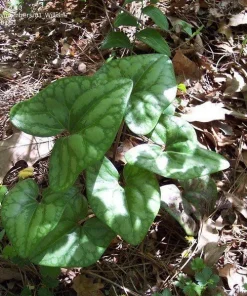
Introduce natural charm and unique beauty to your garden with our 10 Heartleaf Ginger Bare Roots. These organically grown Hexastylis Arifolia wildflowers are a fantastic choice for those looking to create a lush, shade-loving landscape. Known for their distinctive heart-shaped leaves and intriguing, ground-level flowers, Heartleaf Ginger adds an elegant touch to woodland gardens, shaded borders, and naturalized areas. Each order provides 10 healthy bare roots, ready for planting, ensuring a robust start for these captivating perennials. Heartleaf Ginger, also sometimes referred to as Wild Ginger, is a native North American plant that thrives in conditions often challenging for other flora, making it a valuable addition to your botanical collection.
Our commitment to organic growing practices means you receive plants free from harmful chemicals, promoting a healthier environment for your garden and local wildlife. These organic ginger plants are a joy to behold, offering year-round interest with their evergreen to semi-evergreen foliage. The intricate, jug-shaped flowers, often hidden beneath the leaves, bloom in early spring, adding an element of surprise and delight. Planting these bare roots allows for direct establishment in your chosen location, minimizing transplant shock and encouraging strong root development.
Key Benefits
Integrating heartleaf ginger bare roots into your garden offers numerous advantages, enhancing both aesthetic appeal and ecological value. These resilient plants are a wonderful investment for any gardener, from novice to expert.
- Exceptional Shade Performance: Heartleaf Ginger thrives in low-light conditions, making it an ideal solution for challenging shaded areas where many other plants struggle. Its ability to flourish under canopies of trees creates a vibrant understory.
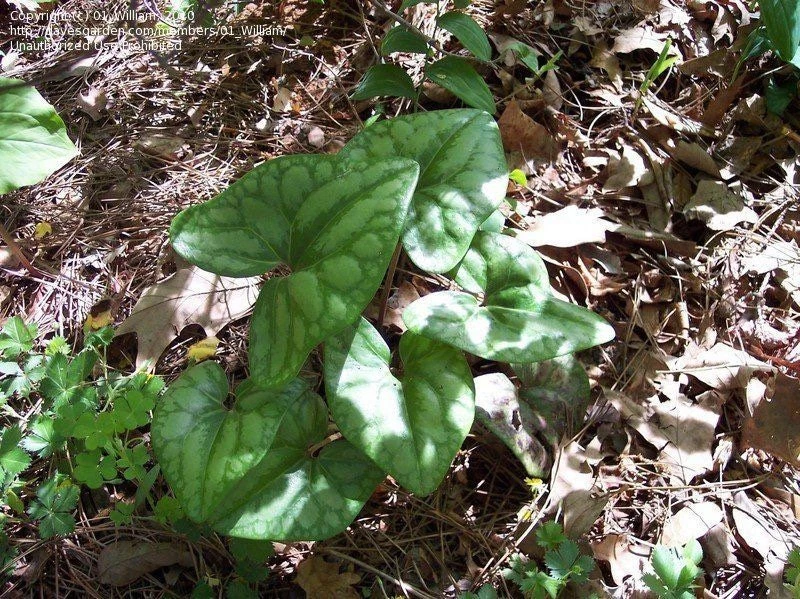
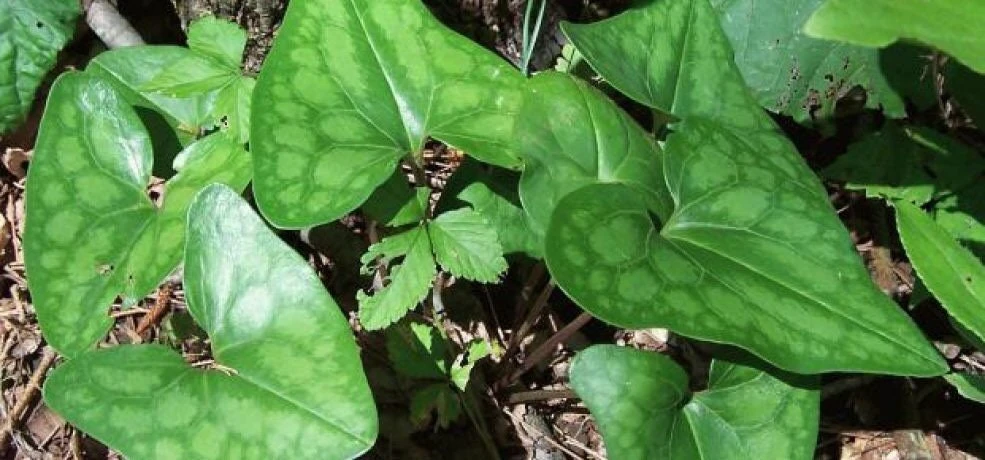
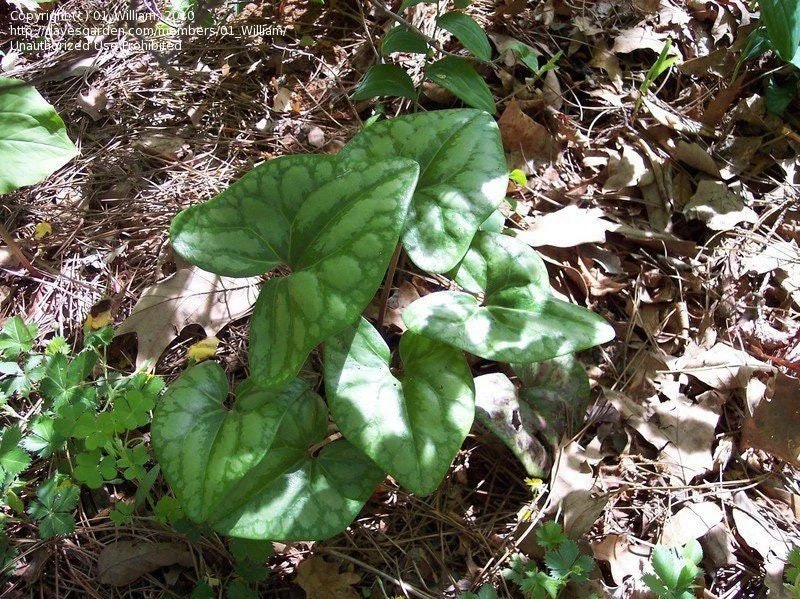
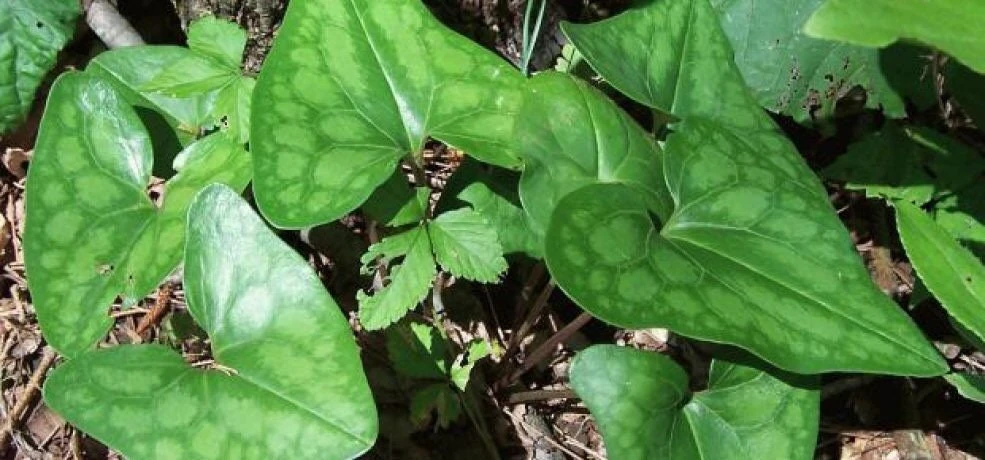
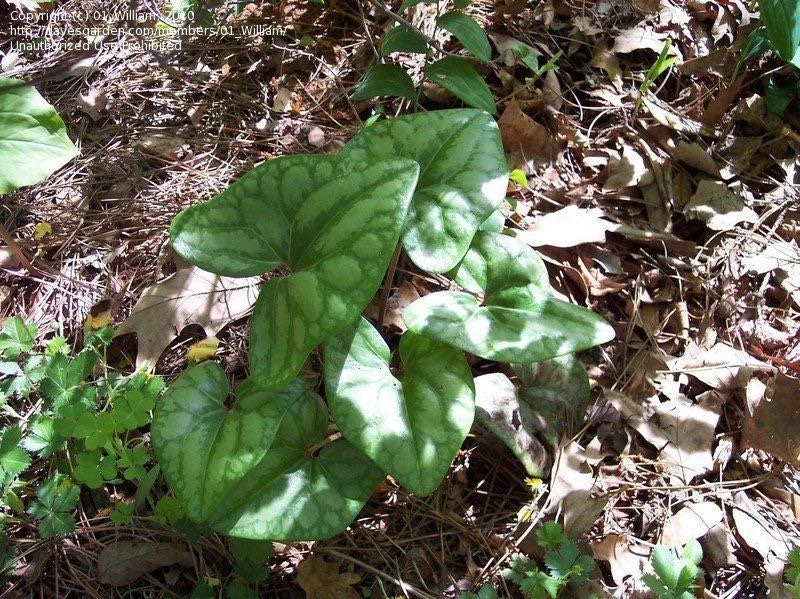
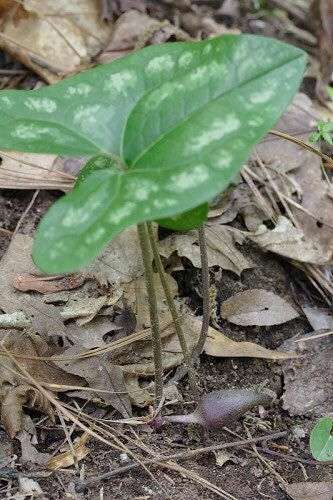
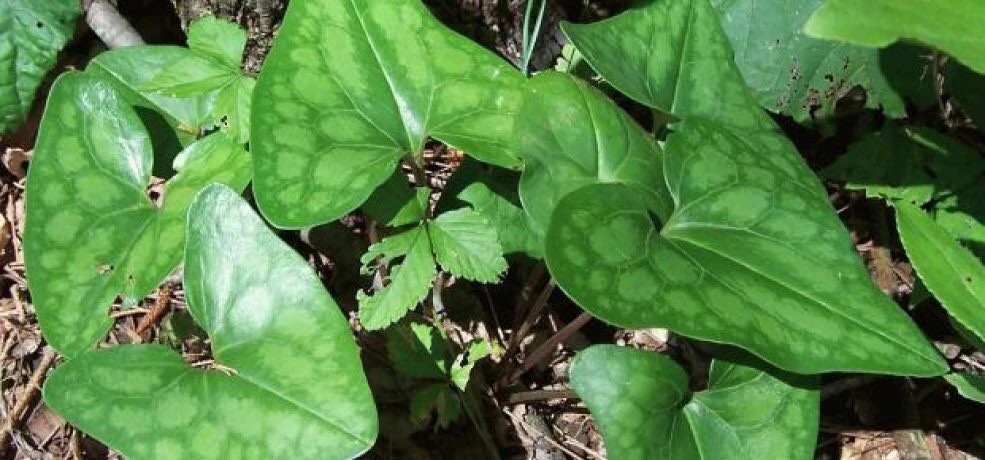
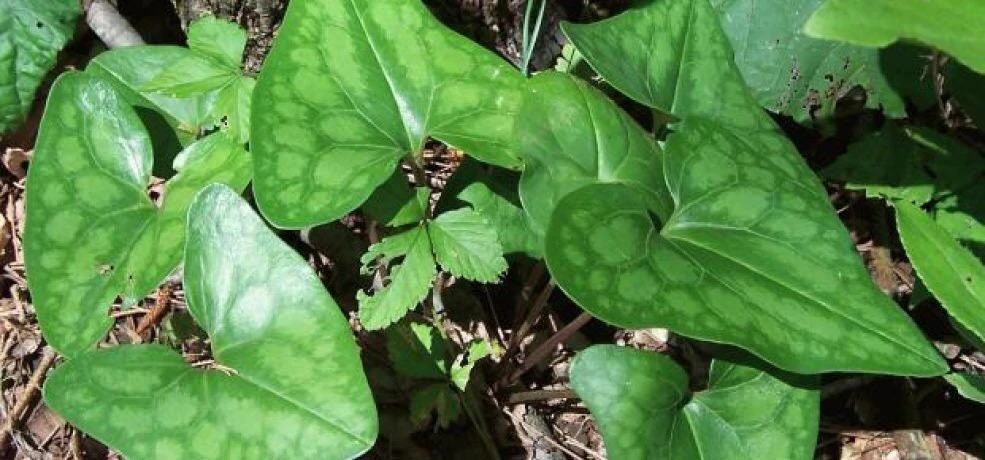
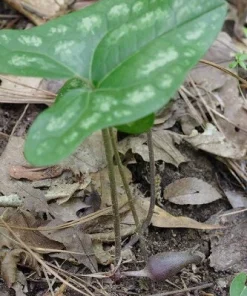
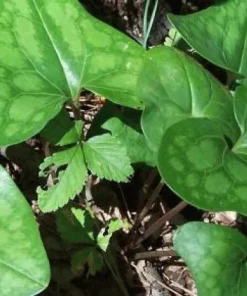
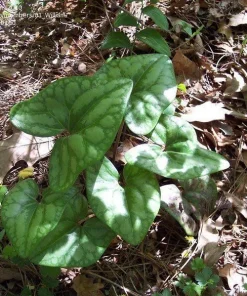
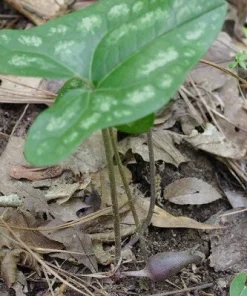
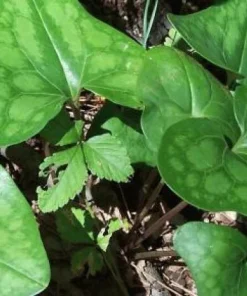
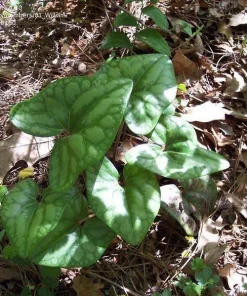
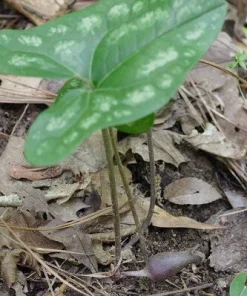
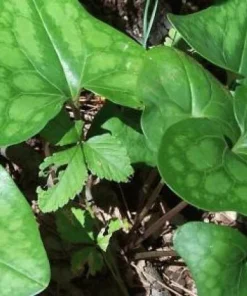
- Attractive Foliage: The glossy, dark green, heart-shaped leaves, often mottled with silver, provide consistent groundcover and visual interest throughout the growing season, and often remain semi-evergreen in milder climates. This distinctive foliage creates a lush carpet effect.
- Low Maintenance: Once established, these Hexastylis Arifolia plants require minimal care. They are naturally adapted to woodland environments and are quite drought-tolerant once mature, reducing the need for frequent watering.
- Deer Resistant: A significant benefit for many gardeners, Heartleaf Ginger is typically ignored by deer and other common garden pests, allowing your plants to grow undisturbed and beautiful. This makes them perfect for areas prone to wildlife browsing.
- Erosion Control: Their spreading habit and fibrous root system help to stabilize soil, making them excellent choices for slopes or areas prone to erosion, contributing to a healthier landscape.
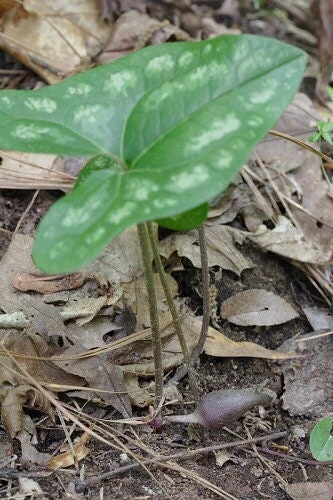
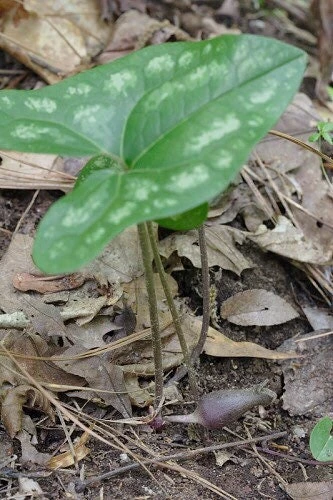
- Unique Flowers: Though often hidden, the intriguing, brownish-purple, jug-shaped flowers that bloom at ground level in early spring are a fascinating botanical curiosity, adding a subtle charm to your garden.
- Supports Local Ecosystems: As a native wildflower, Heartleaf Ginger provides habitat and sustenance for native insects, contributing to biodiversity and supporting a healthy local ecosystem. These organic ginger plants are a natural choice for sustainable gardening.
Plant Care & Growing Tips
Caring for your heartleaf ginger bare roots is straightforward, especially when you understand their preferred natural environment. These plants are accustomed to the conditions found in deciduous forests, making them quite resilient once established. For optimal growth, choose a location with full to partial shade. They prefer consistent shade, especially during the hottest parts of the day. Too much direct sun can scorch their leaves, leading to stress and reduced vigor. Mimicking their native habitat, under the canopy of trees, is ideal.
Soil quality is crucial for these shade garden wildflowers. Heartleaf Ginger thrives in rich, well-draining, and consistently moist soil. Amend heavy clay soils with organic matter like compost or leaf mold to improve drainage and fertility. A slightly acidic to neutral pH (5.5-7.0) is generally preferred. While they appreciate consistent moisture, avoid waterlogged conditions, which can lead to root rot. During dry spells, especially in their first year, provide supplemental watering to keep the soil evenly moist. Once established, they exhibit good drought tolerance, but a deep watering during prolonged dry periods will help them thrive.
These plants are generally hardy and do not require heavy fertilization. An annual application of a balanced, slow-release organic fertilizer in early spring can promote healthy growth. Alternatively, top-dressing with compost provides a natural nutrient boost. Hexastylis Arifolia plants are relatively pest and disease-free. Ensure good air circulation and proper drainage to prevent fungal issues. Mulching with shredded leaves or pine needles helps retain soil moisture, suppress weeds, and enrich the soil as it decomposes, further mimicking their natural woodland floor environment. Expect these plants to establish and spread gradually, forming attractive colonies over time.
Size & Details
This offering includes 10 Heartleaf Ginger Bare Roots, ready for immediate planting upon arrival. Each bare root is carefully harvested to ensure viability and robust establishment in your garden. Heartleaf Ginger typically grows to a modest height of 6 to 12 inches, with a similar spread, forming a dense groundcover over time. The mature plants will develop their characteristic heart-shaped leaves, which can reach 3 to 6 inches across. These plants have a moderate growth rate, establishing well within the first year and gradually expanding their footprint in subsequent seasons. The unique, jug-shaped flowers are small, usually 0.5 to 1 inch wide, and bloom at ground level in early spring, often hidden beneath the foliage. They ship as dormant bare roots, which is the ideal state for transplanting and minimizing shock, ensuring they are ready to burst into growth when planted in suitable conditions.
Frequently Asked Questions
- Q: How big does this plant get? A: Heartleaf Ginger typically grows to a height of 6 to 12 inches with a similar spread, forming a low, dense groundcover. It will gradually colonize an area over several years.
- Q: What condition will the bare roots arrive in? A: You will receive 10 healthy, dormant heartleaf ginger bare roots. They are carefully packaged to ensure they arrive in good condition, ready for planting.
- Q: Is this an indoor or outdoor plant? A: Heartleaf Ginger is primarily an outdoor plant, ideally suited for woodland gardens, shaded borders, and naturalized areas. It thrives in conditions found under deciduous trees.
- Q: How much sunlight does it need? A: This plant prefers full to partial shade. It is crucial to protect it from direct afternoon sun, which can scorch its delicate leaves. Dappled light or consistent shade is best.
- Q: Is this plant easy to care for? A: Yes, once established, Heartleaf Ginger is a relatively low-maintenance plant. It’s an excellent choice for gardeners looking for resilient shade garden wildflowers.
- Q: When is the best time to plant these bare roots? A: The best time to plant organic ginger plants is in early spring or fall when the soil is workable and temperatures are mild, allowing the roots to establish before extreme weather.
- Q: Is it pet-safe? A: While Heartleaf Ginger is generally considered deer-resistant, it is important to note that all parts of the plant contain aristolochic acid, which can be toxic if ingested in large quantities by pets or humans. It’s best to keep pets from consuming the foliage.
- Q: How long until it blooms? A: Heartleaf Ginger typically blooms in early spring, often in April or May, depending on your climate. The flowers are small and grow at ground level, often hidden beneath the foliage.
- Q: Will it survive winter in my zone? A: Heartleaf Ginger is a hardy perennial and is generally suitable for USDA Zones 4-8. It is well-adapted to cold winters and will return each spring.
- Q: Can I use heartleaf ginger in cooking? A: While historically some species of wild ginger were used for culinary purposes, it is strongly advised against consuming Hexastylis Arifolia plants due to the presence of aristolochic acid, which is toxic.
Be the first to review “10 Heartleaf Ginger Bare Roots – Organic Hexastylis Arifolia Wildflower Plants”
People Also Viewed

Reviews
There are no reviews yet.