
3 Virginia Bluebell Bare Root Plants – Mertensia virginica Wildflower
Original price was: $70.99.$45.99Current price is: $45.99.
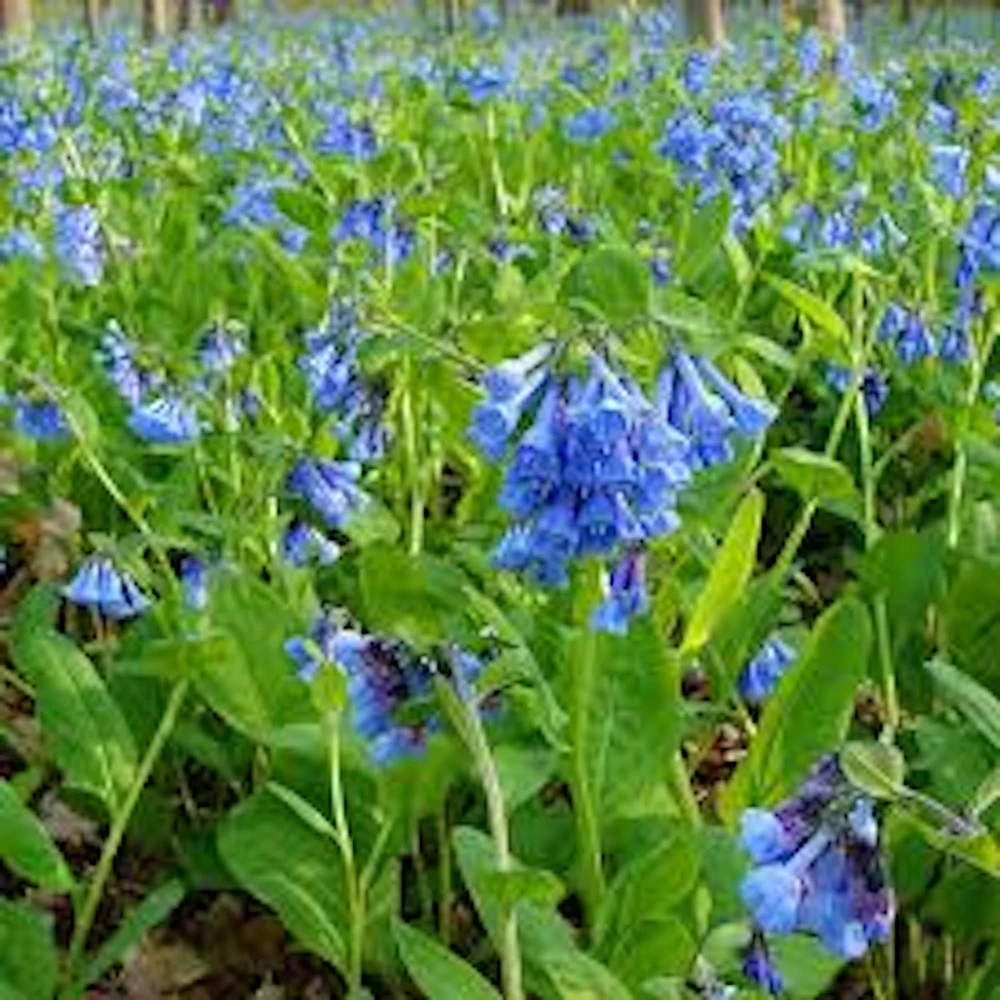
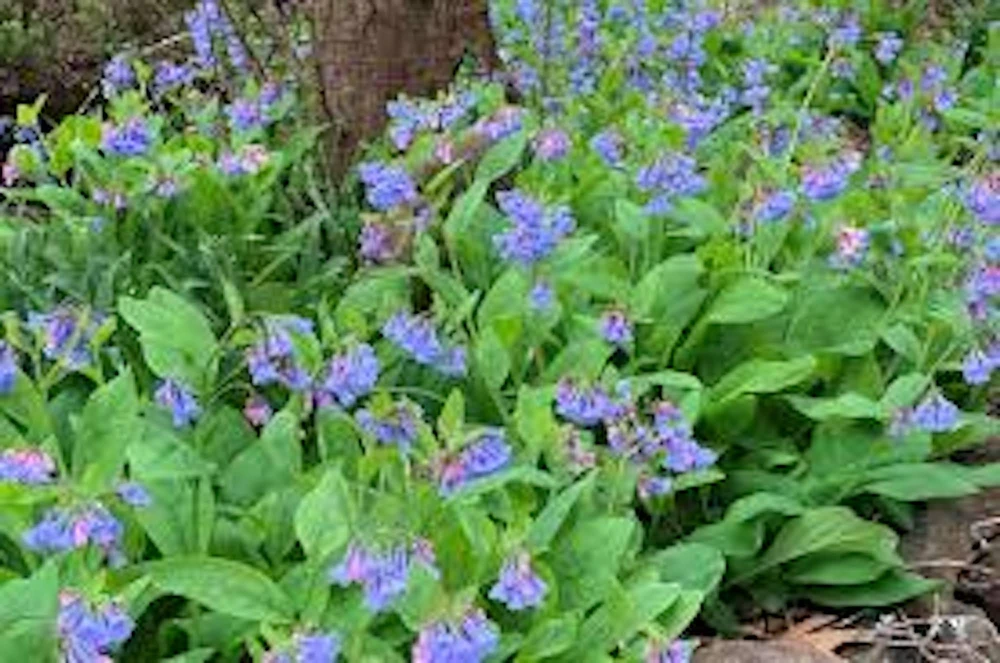
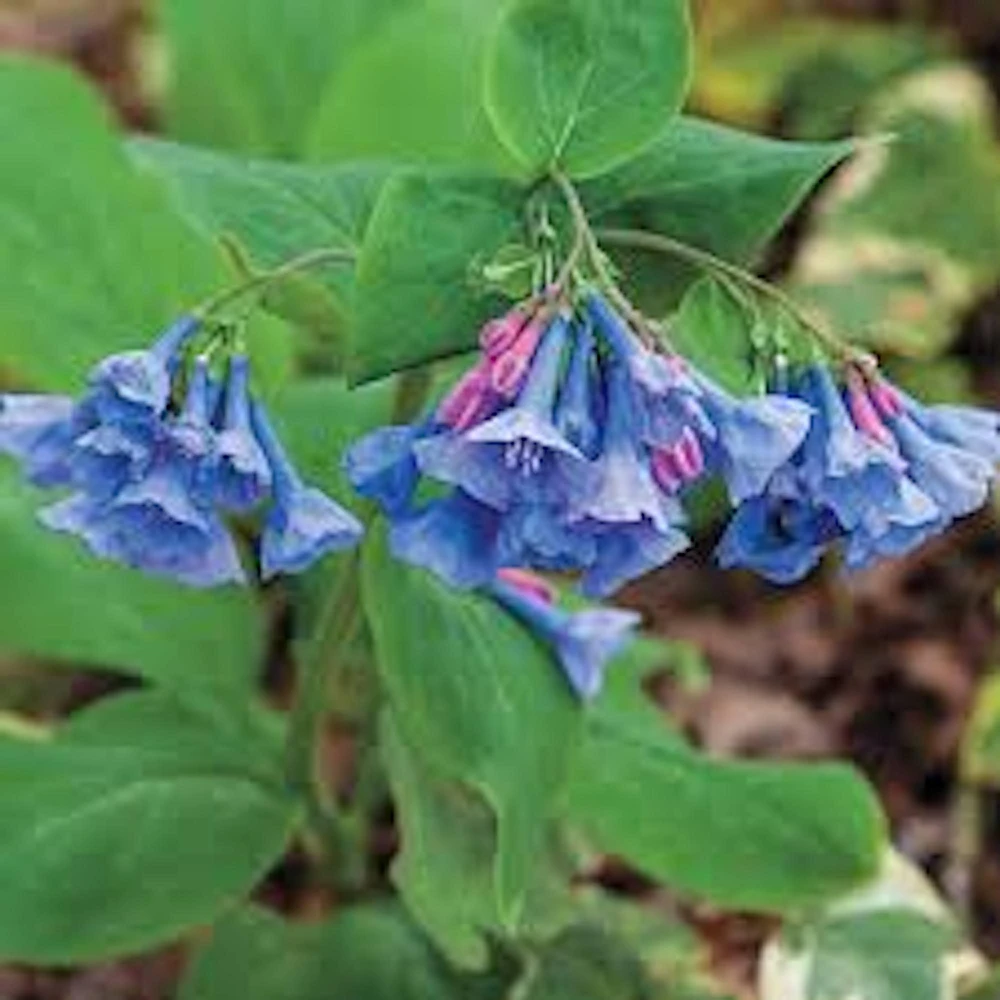
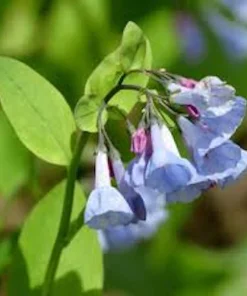
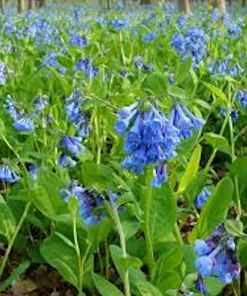
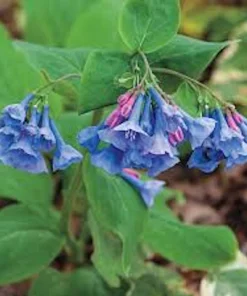
Introduce natural beauty to your landscape with 3 Virginia Bluebell bare root plants. These stunning Mertensia virginica plants are ideal for shade gardens, offering delicate bell-shaped flowers that transition from pink to a vibrant blue. Enjoy these captivating Virginia Bluebell wildflowers that thrive in moist, rich soil.
Estimated arrival
Sep 29
Oct 04 - Oct 06
Oct 09 - Oct 13
Shop With Confidence
30-Day Plant Health Guarantee
Arrives damaged? We’ll replace it free — see our return policy.
Responsive Support
Email us anytime, we reply within 1 business day.
Expert Packaging
Temperature-controlled shipping to protect your plants in transit.
Secure Checkout
Pay safely with Visa, Mastercard, PayPal.
Plant Specifications
-
USDA Hardiness Zone
USDA Zones 3-8 -
Soil Type
Moist, rich, well-draining, slightly acidic to neutral soil -
Sunlight Exposure
Full shade to partial shade -
Expected Planting Period
Late fall or early spring
Overview
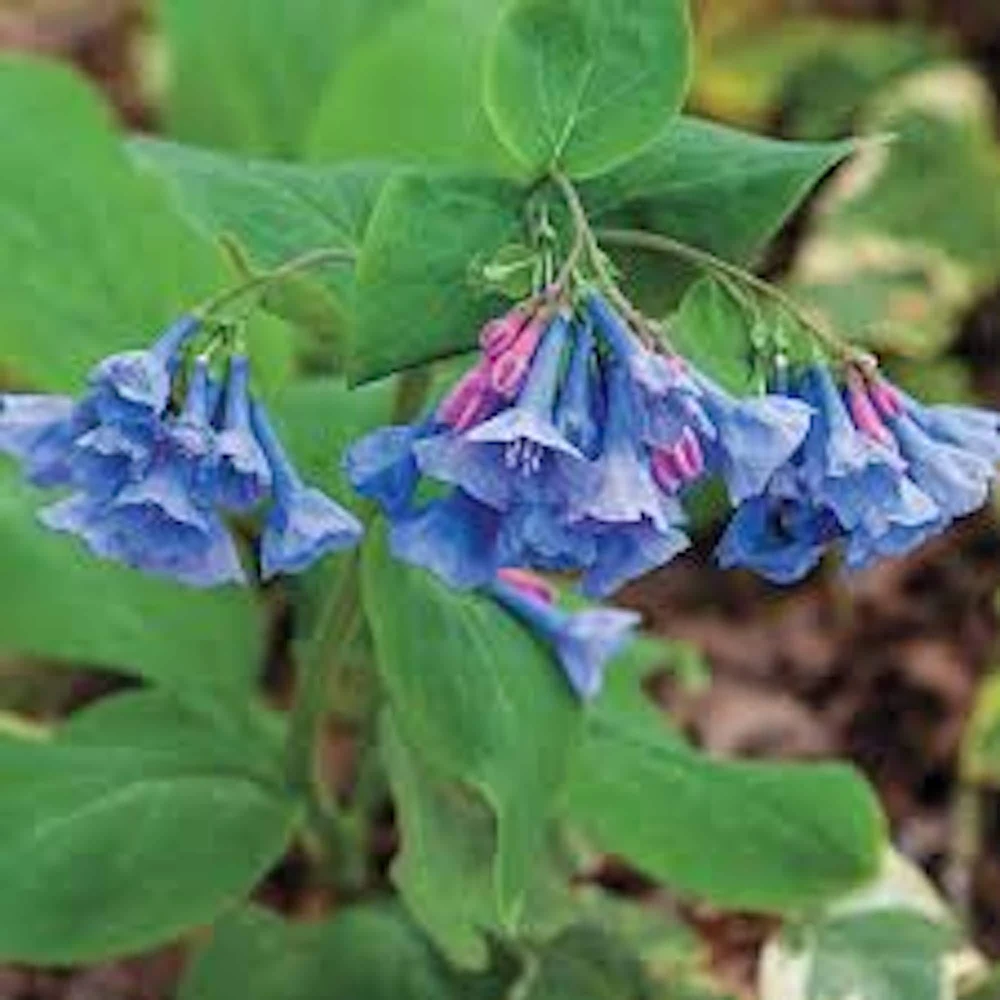
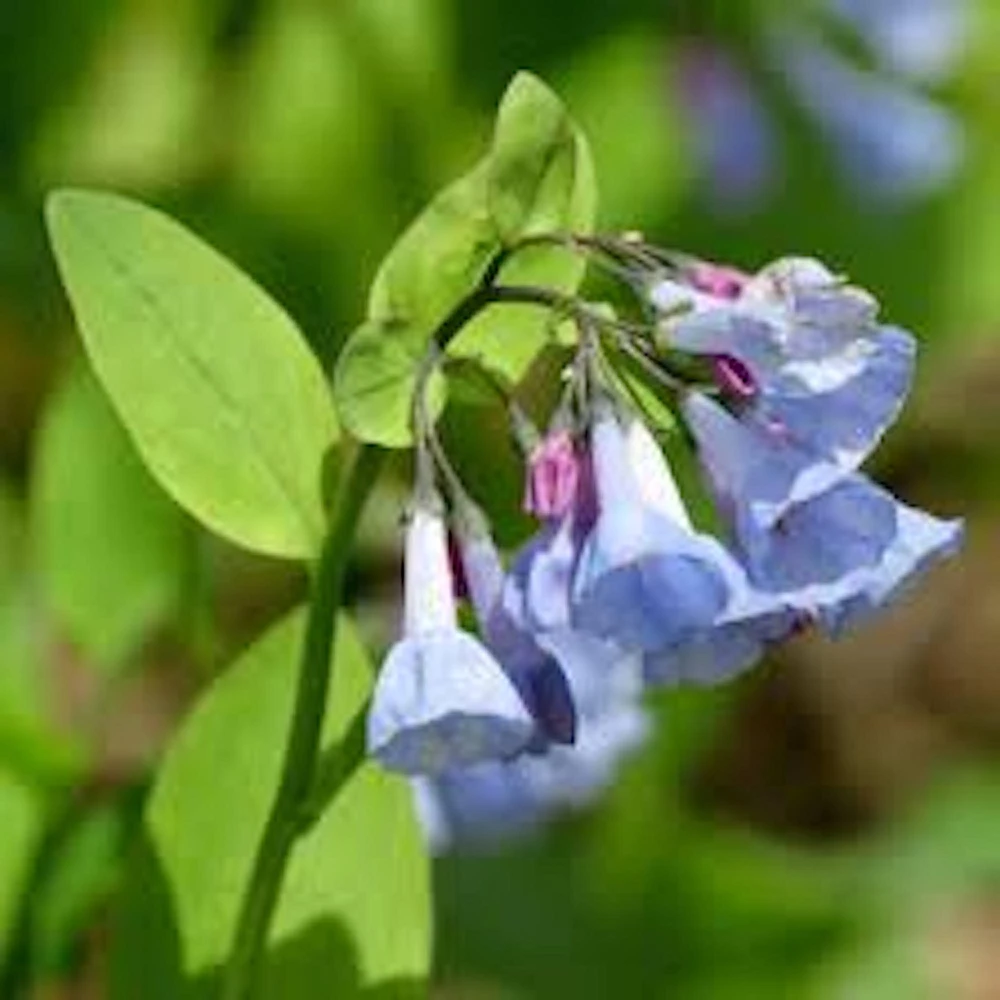
Transform your garden into a serene woodland retreat with our 3 Virginia Bluebell bare root plants. These captivating perennials, scientifically known as Mertensia virginica, are celebrated for their enchanting clusters of bell-shaped flowers that undergo a fascinating color transformation from soft pink buds to brilliant blue blooms as they mature. As native herbaceous wildflowers, they bring a touch of natural elegance and vibrant color to any shaded or partially shaded garden space. These spring ephemerals emerge early in the season, providing a spectacular show before typically going dormant in the summer heat. Their distinctive bluish-green foliage adds to their appeal, making them a delightful addition for gardeners seeking unique and low-maintenance plants. Whether you’re creating a native plant garden or simply adding interest to a shaded border, the Mertensia virginica plant is an excellent choice.
Our offering includes 3 healthy Virginia Bluebell bare root specimens, carefully prepared for planting. Bare root plants establish quickly once planted, allowing you to enjoy their beauty sooner. These plants are known for their resilience and ability to naturalize, creating charming colonies over time. They are particularly well-suited for woodland gardens, naturalized areas, or shaded borders where they can thrive in conditions mimicking their native habitat. The unique color-changing flowers are a conversation starter and a favorite among pollinators, attracting bees and butterflies to your garden.
Key Benefits
Adding Virginia Bluebell bare root plants to your garden offers a multitude of advantages, enhancing both the aesthetic appeal and ecological value of your outdoor space. These wildflowers are truly a gem for any gardener.
- Stunning Floral Display: Enjoy a breathtaking show of bell-shaped flowers that beautifully transition from pink to blue, creating a dynamic and captivating visual interest in your spring garden. The delicate hues of the Mertensia virginica plant are truly unique.
- Attracts Pollinators: These native wildflowers are a magnet for early spring pollinators, including bees and butterflies, contributing to the biodiversity and health of your local ecosystem. They are an essential early food source.
- Ideal for Shade Gardens: Perfectly suited for shaded or partially shaded areas, Virginia Bluebells thrive where many other flowering plants struggle, making them an excellent choice for woodland settings or under mature trees. They are one of the best shade garden plants available.
- Low Maintenance Perennial: Once established, these plants require minimal care, returning year after year with their charming blooms. Their ephemeral nature means less summer upkeep.
- Native and Resilient: As native wildflowers, they are well-adapted to local conditions, making them robust and resistant to many common pests and diseases. The Virginia Bluebell wildflower is a hardy choice.
- Unique Foliage: Beyond their flowers, the distinctive bluish-green foliage provides an attractive texture and color contrast in the garden before the blooms even appear.
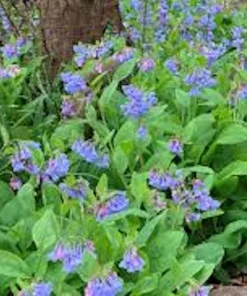
- Naturalizes Easily: Over time, Virginia Bluebells can naturalize and spread, forming beautiful colonies that enhance the naturalistic feel of your garden.
Plant Care & Growing Tips
Caring for your Virginia Bluebell bare root plants is relatively straightforward, especially when planted in their preferred environment. To ensure a thriving display of these beautiful pink to blue flowers, consider the following guidelines. Virginia Bluebells prefer moist, rich, and well-draining soil with a slightly acidic to neutral pH. Incorporating organic matter, such as compost or leaf mold, into the planting area will greatly benefit their growth and provide the necessary nutrients. Good drainage is crucial to prevent root rot, especially during dormant periods.
When it comes to sunlight, these plants are true lovers of shade. They perform best in full shade to partial shade, particularly in areas that receive morning sun and afternoon shade. Too much direct, hot afternoon sun can scorch their delicate foliage and shorten their blooming period. Watering should be consistent, especially during dry spells in spring. The soil should remain consistently moist but not waterlogged. Once the plants go dormant in summer, they require less water, as they are resting underground. Fertilization is generally not heavily required; a light application of a balanced, slow-release granular fertilizer in early spring can be beneficial, but over-fertilizing should be avoided. The Mertensia virginica plant is quite self-sufficient once established.
These resilient plants are generally pest and disease-free. Slugs and snails might occasionally nibble on young foliage, but significant damage is rare. Deer typically avoid Virginia Bluebells. After the blooming period, the foliage will yellow and eventually die back, which is a natural part of their ephemeral cycle. Do not be alarmed; the plant is simply conserving energy for the next spring’s display. Marking their location can be helpful to avoid disturbing them during summer gardening activities. For an impressive display of shade garden plants, consistent care in the spring is key.
Size & Details
This offering includes 3 Virginia Bluebell bare root plants, providing a robust start for your garden. Each bare root is a dormant plant, carefully harvested and packed without soil, ready for immediate planting upon arrival. When mature, Mertensia virginica plants typically reach a height of 18 to 24 inches and spread about 12 to 18 inches, forming attractive clumps. They have a moderate growth rate, establishing well within their first year and expanding their presence over successive seasons. The charming pink to blue flowers emerge in early to mid-spring, offering a beautiful spectacle for several weeks.
These plants are shipped in their dormant state, which is the ideal time for planting to ensure successful establishment. Expect to see new growth and blooms in the spring following their planting. The ephemeral nature of Virginia Bluebells means their foliage will naturally die back by mid-summer, leaving space for other shade-loving perennials to take center stage. They are an excellent companion for hostas, ferns, and other woodland plants. The Virginia Bluebell wildflower is a fantastic choice for creating a dynamic and evolving garden landscape.
Frequently Asked Questions
- Q: How big do these Virginia Bluebell bare root plants get? A: Mature Virginia Bluebell bare root plants typically reach a height of 18 to 24 inches and spread 12 to 18 inches. They form lovely clumps over time.
- Q: Are these an indoor or outdoor plant? How much sunlight do they need? A: These are outdoor plants, specifically excellent shade garden plants. They thrive in full shade to partial shade, preferring areas with morning sun and afternoon shade.
- Q: Is this plant easy to care for? Is it good for beginners? A: Yes, Mertensia virginica plants are relatively easy to care for once established. They are an excellent choice for beginners looking to add native wildflowers to their garden.
- Q: What condition will the plants arrive in? Is it shipped in soil? A: Your order will include 3 Virginia Bluebell bare root plants, meaning they are shipped dormant and without soil, carefully packaged for safe transit.
- Q: What is the best time to plant Virginia Bluebells? A: The best time to plant Virginia Bluebell bare roots is in late fall or early spring, during their dormant period, to allow them to establish before the growing season.
- Q: How long until these Virginia Bluebell wildflowers bloom? A: If planted in the fall, you can expect blooms the following spring. If planted in early spring, they may bloom in their first year, or more robustly in their second year.
- Q: What USDA zones are suitable for the Mertensia virginica plant? A: The Mertensia virginica plant is typically hardy in USDA Zones 3-8, making it suitable for a wide range of climates.
- Q: What kind of soil do Virginia Bluebells prefer? A: They prefer moist, rich, well-draining soil with a slightly acidic to neutral pH. Amending the soil with organic matter is highly beneficial.
- Q: Can I grow these in containers? A: While primarily suited for in-ground planting, Virginia Bluebells can be grown in large containers with appropriate shade and consistent moisture, though they may not naturalize as effectively.
- Q: Do the flowers really change color? A: Yes, one of the most charming features of the Virginia Bluebell wildflower is that its bell-shaped flowers emerge as pink buds and gradually turn a beautiful blue as they open and mature.
Be the first to review “3 Virginia Bluebell Bare Root Plants – Mertensia virginica Wildflower”
People Also Viewed
Reviews
There are no reviews yet.