
Northern Spicebush Live Plant – 6-16″ Tall Shrub – Fragrant Garden Bush
Original price was: $53.98.$29.99Current price is: $29.99.
Bring native beauty and fragrance to your landscape with this Northern Spicebush live plant. Standing 18-24″ tall, this fragrant spice bush is perfect for wildlife gardens, attracting butterflies and birds. It’s a low-maintenance, shade tolerant shrub that adds seasonal interest.
Estimated arrival
Oct 14
Oct 19 - Oct 21
Oct 24 - Oct 28
Shop With Confidence
30-Day Plant Health Guarantee
Arrives damaged? We’ll replace it free — see our return policy.
Responsive Support
Email us anytime, we reply within 1 business day.
Expert Packaging
Temperature-controlled shipping to protect your plants in transit.
Secure Checkout
Pay safely with Visa, Mastercard, PayPal.
Plant Specifications
-
USDA Hardiness Zone
USDA zones 4-9 -
Soil Type
Moist, well-draining soil -
Sunlight Exposure
Partial to full shade -
Expected Planting Period
Early spring or fall
Overview
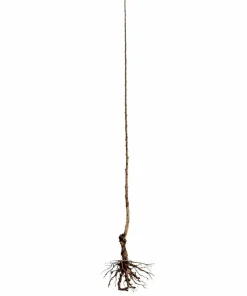
Discover the charm and ecological benefits of the Northern Spicebush live plant (Lindera Benzoin), a remarkable native shrub that adds year-round interest to any garden. This 18-24″ tall bare-root plant arrives in a dormant state, ready to awaken and flourish in your landscape. Celebrated for its versatile nature and aromatic qualities, the Northern Spicebush live plant is an excellent choice for gardeners looking to introduce native flora, support local wildlife, and enjoy a touch of natural elegance. Its fragrant foliage and stems, especially when gently crushed, release a sweet, spicy scent that is truly captivating. As a host plant for the Spicebush Swallowtail butterfly, it plays a crucial role in supporting pollinators and biodiversity, making it a valuable addition to any ecological garden design.
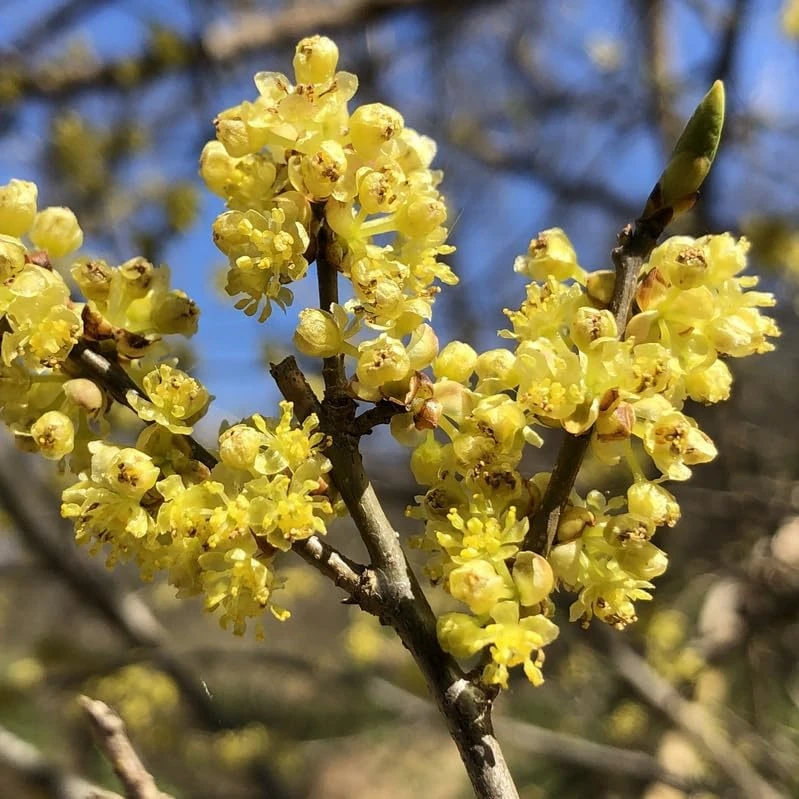
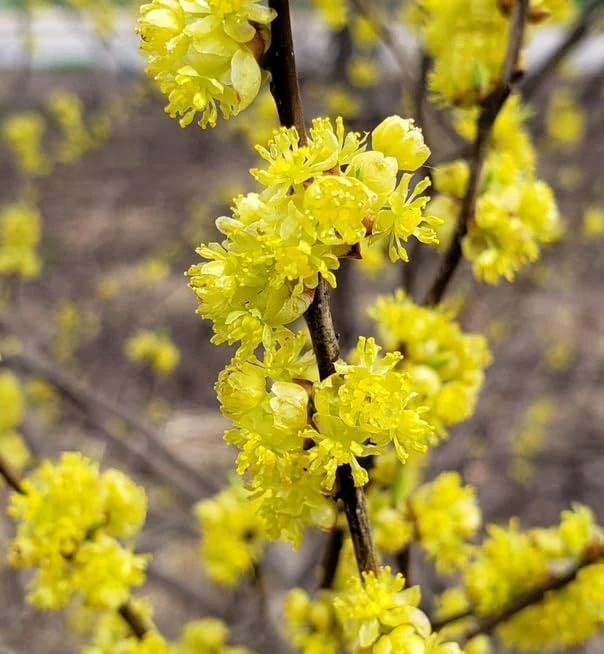
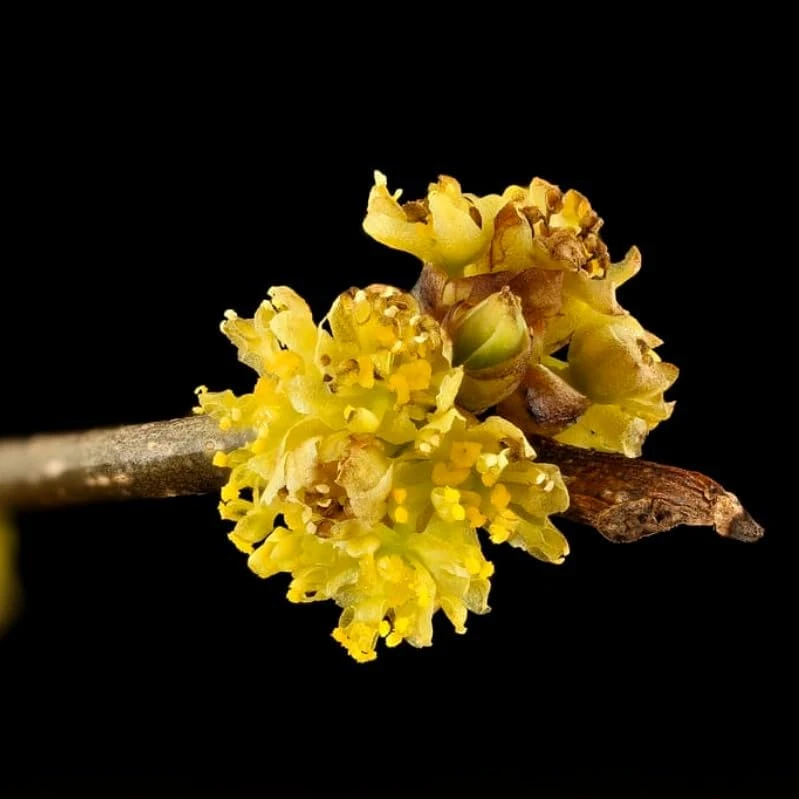
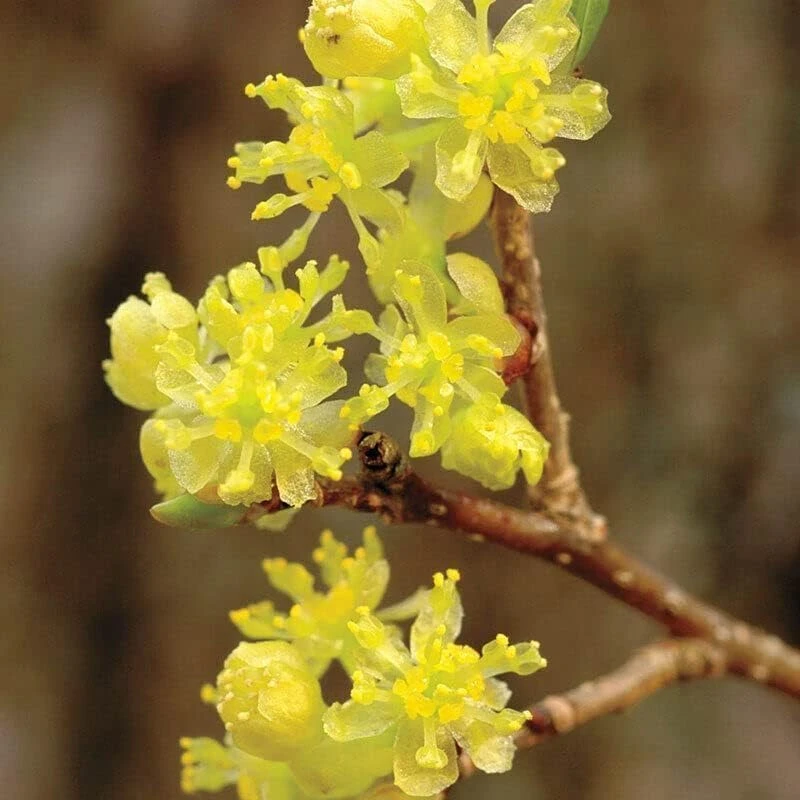
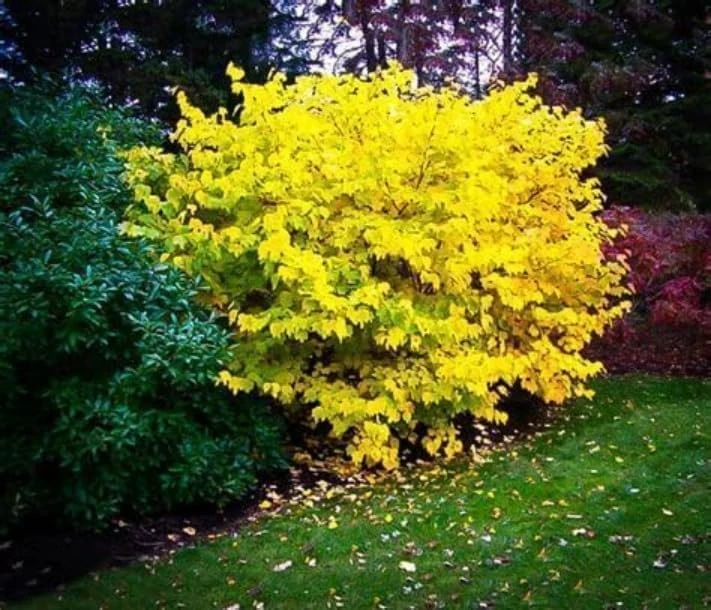
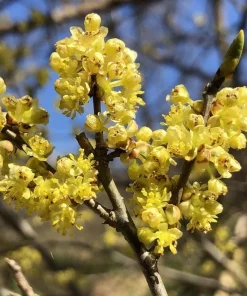
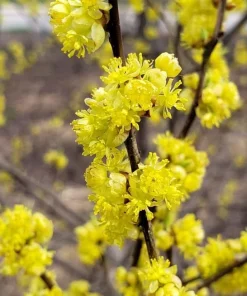
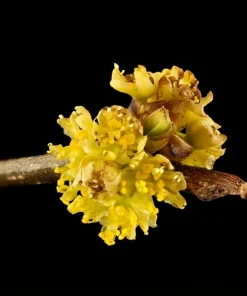
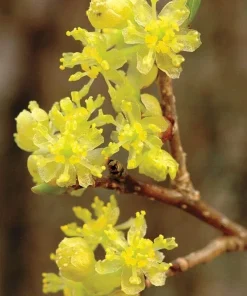
The Spicebush offers visual appeal throughout the seasons. In early spring, before its leaves emerge, clusters of small, bright yellow flowers adorn its branches, providing a much-needed splash of color and an early nectar source for emerging insects. These are followed in late summer and fall by vibrant red berries, which are a favorite food source for many bird species, further enhancing its wildlife appeal. Its adaptability to various light conditions, particularly its preference for partial to full shade, makes it an ideal understory plant for woodland gardens or shaded borders. When considering a Lindera Benzoin care regimen, you’ll find it surprisingly low-maintenance and robust, making it suitable for both experienced gardeners and beginners alike.
Key Benefits
The Northern Spicebush live plant offers a wealth of benefits, transforming your garden into a vibrant ecosystem and a sensory delight. Its ecological value combined with its aesthetic appeal makes it a standout choice for sustainable landscaping:
- Aromatic Foliage and Stems: Enjoy the distinct sweet and spicy fragrance released from the leaves and stems, especially when brushed or crushed. This unique scent adds an immersive sensory experience to your garden.
- Crucial Wildlife Host: This shrub is a vital host plant for the Spicebush Swallowtail butterfly, supporting their life cycle and contributing to local pollinator populations. It’s an essential component for any wildlife garden plant strategy.
- Bird Attraction: The bright red berries produced in the fall are a highly prized food source for numerous bird species, providing essential sustenance during cooler months and bringing lively activity to your outdoor space.
- Early Spring Blooms: Cheerful clusters of small, yellow flowers emerge in early spring, offering a welcome burst of color when few other plants are in bloom and providing an early nectar source for pollinators.
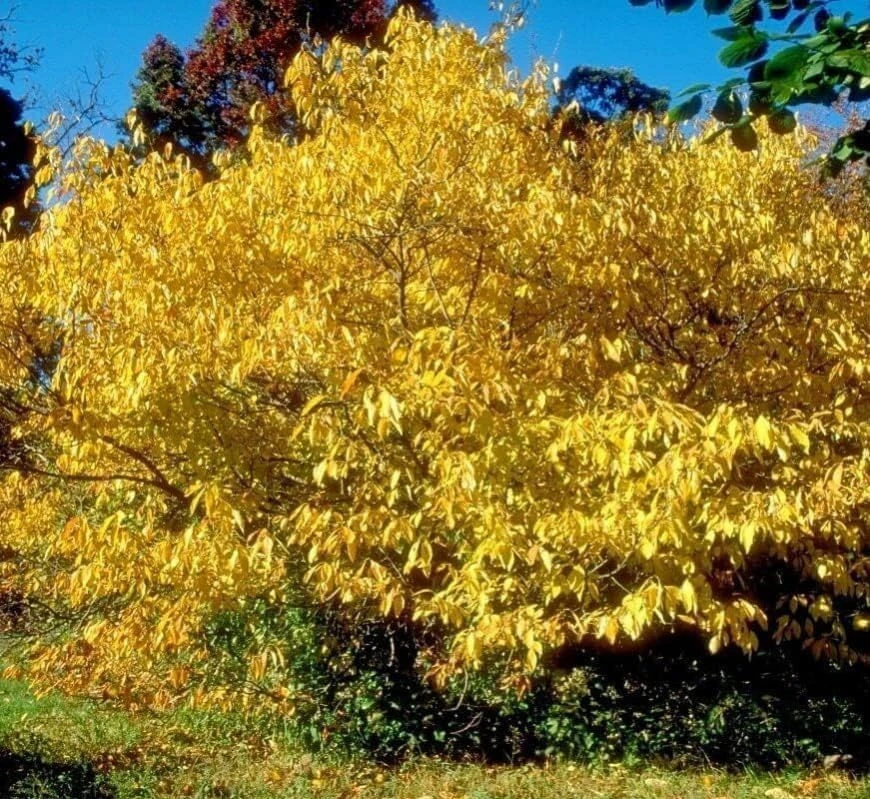
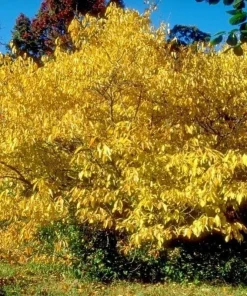
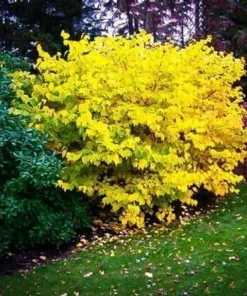
- Vibrant Fall Color: Beyond its berries, the foliage often turns a beautiful golden-yellow in autumn, adding seasonal interest and extending the visual appeal of your garden.
- Adaptable and Low-Maintenance: Known for its resilience, the Northern Spicebush live plant is easy to grow and requires minimal care once established, making it perfect for busy gardeners.
- Shade Tolerance: Thrives in partial to full shade, making it an excellent choice for challenging areas in your landscape where other plants might struggle, solidifying its reputation as a reliable shade tolerant shrub.
Plant Care & Growing Tips
Caring for your Northern Spicebush live plant is straightforward, ensuring its healthy establishment and vigorous growth. Upon arrival, as a bare-root plant, it’s crucial to plant it as soon as possible. Choose a location that receives partial to full shade; while it can tolerate some sun, excessive direct sunlight, particularly in hot climates, can scorch its leaves. Aim for a spot with moist, well-draining soil. This plant is not overly particular about soil type but prefers a slightly acidic to neutral pH. Incorporating organic matter, such as compost, into the planting hole will provide a good start and improve soil structure and moisture retention.
Watering is key, especially during its first year of establishment. Keep the soil consistently moist but not waterlogged. Once established, the Spicebush is moderately drought-tolerant but will perform best with regular moisture, particularly during dry spells. Mulching around the base of the plant with 2-3 inches of organic material like wood chips or shredded leaves will help retain soil moisture, regulate soil temperature, and suppress weeds. Fertilization is generally not necessary in rich garden soils, but if growth appears sluggish, a slow-release, balanced fertilizer can be applied in early spring. This plant typically falls within USDA Hardiness Zones 4-9, making it a hardy choice for a wide range of climates. Understanding Lindera Benzoin care means appreciating its resilience and providing conditions that mimic its natural woodland habitat.
Pruning is minimal and usually involves removing any dead, damaged, or crossing branches to maintain a healthy structure. This should be done in late winter or early spring before new growth begins. Pests and diseases are generally not a major concern for the Spicebush, further contributing to its low-maintenance appeal. However, keeping an eye out for common garden pests and addressing them promptly will ensure the plant remains robust. Remember that providing the right environment, particularly sufficient moisture and appropriate light, is the foundation for a thriving fragrant spice bush.
Size & Details
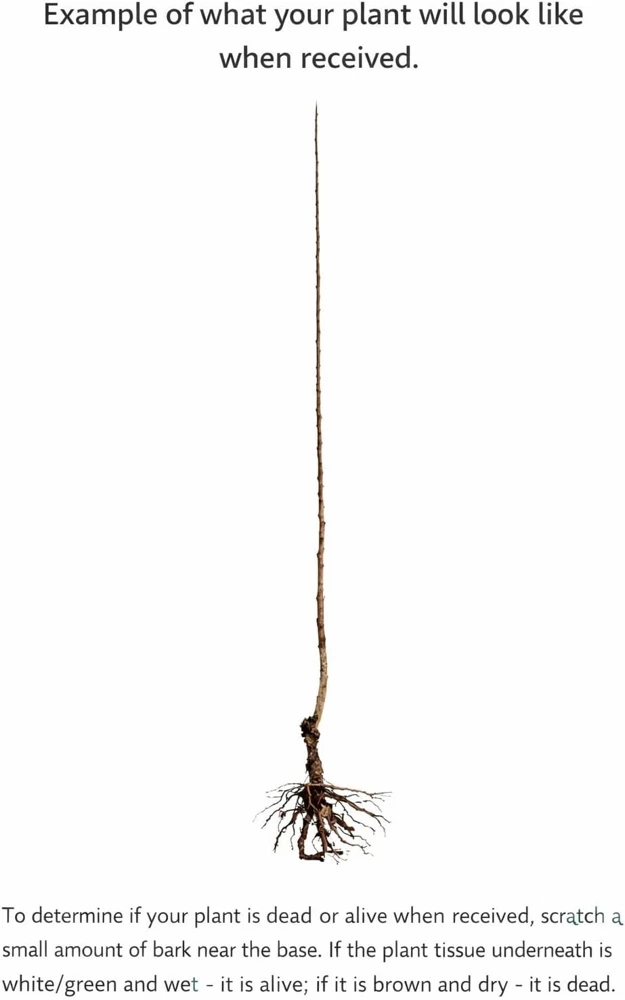
This offering is for a Northern Spicebush live plant that typically measures between 6 to 16 inches in height upon arrival. It is shipped as a bare-root plant, meaning it will arrive without soil around its roots and in a dormant state, which is optimal for transplanting and reduces transplant shock. Once established, the Northern Spicebush can reach a mature height of 6-12 feet and a similar spread, forming a handsome, multi-stemmed shrub. Its growth rate is moderate, adding about 12-24 inches per year under ideal conditions. This plant is perfect for naturalized areas, woodland gardens, or as a specimen shrub where its seasonal interest can be appreciated. Expect to see initial leaf-out and flowering in its first year, with more robust displays as it matures. Its ultimate size makes it an excellent choice for a substantial shade tolerant shrub in your landscape design.
Frequently Asked Questions
- Q: How tall will the Northern Spicebush get? A: The Northern Spicebush live plant typically reaches a mature height of 6-12 feet with a similar spread. It grows at a moderate rate, adding about 1-2 feet per year once established.
- Q: What condition will the plant arrive in? A: Your fragrant spice bush will arrive as a bare-root plant, meaning it is shipped without soil around its roots and in a dormant state. This is normal and helps the plant acclimate to its new environment.
- Q: Does the Northern Spicebush need full sun? A: No, the Northern Spicebush thrives in partial to full shade. It is an excellent shade tolerant shrub, making it ideal for understory planting or shaded garden areas.
- Q: Is this plant good for wildlife? A: Absolutely! The Northern Spicebush live plant is a vital host plant for the Spicebush Swallowtail butterfly and its red berries provide a crucial food source for many bird species, making it a perfect wildlife garden plant.
- Q: What kind of soil does it prefer? A: It prefers moist, well-draining soil, ideally slightly acidic to neutral. Amending the soil with organic matter will help ensure good drainage and moisture retention for optimal Lindera Benzoin care.
- Q: When is the best time to plant a bare-root Spicebush? A: The best time to plant a bare-root Spicebush is in early spring, as soon as the ground can be worked, or in the fall after the leaves have dropped and before the ground freezes.
- Q: Is the Northern Spicebush easy to care for? A: Yes, once established, the Northern Spicebush live plant is considered low-maintenance and quite resilient. It requires consistent moisture during its first year but is otherwise an easy-to-grow shrub.
- Q: Will it survive winter in my zone? A: The Northern Spicebush is hardy in USDA Zones 4-9, meaning it can withstand cold winters within this range. It is well-adapted to various climates.
Be the first to review “Northern Spicebush Live Plant – 6-16″ Tall Shrub – Fragrant Garden Bush”
People Also Viewed
Uncategorized
Reviews
There are no reviews yet.