


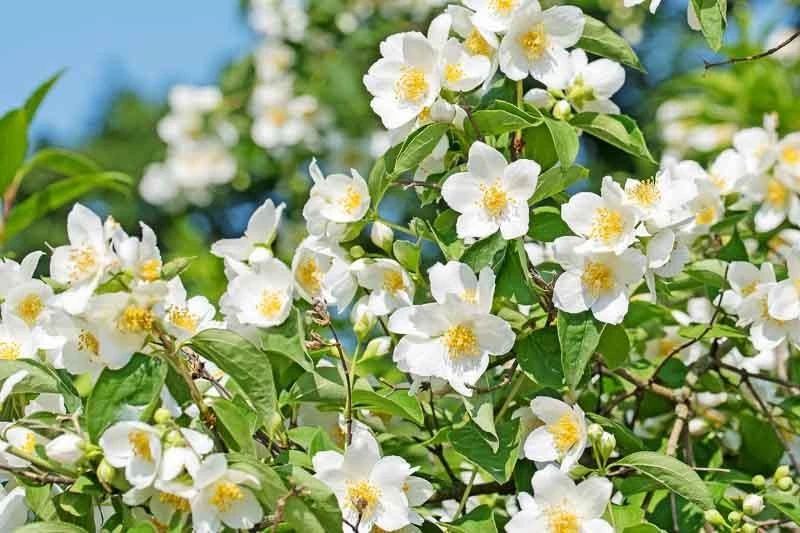
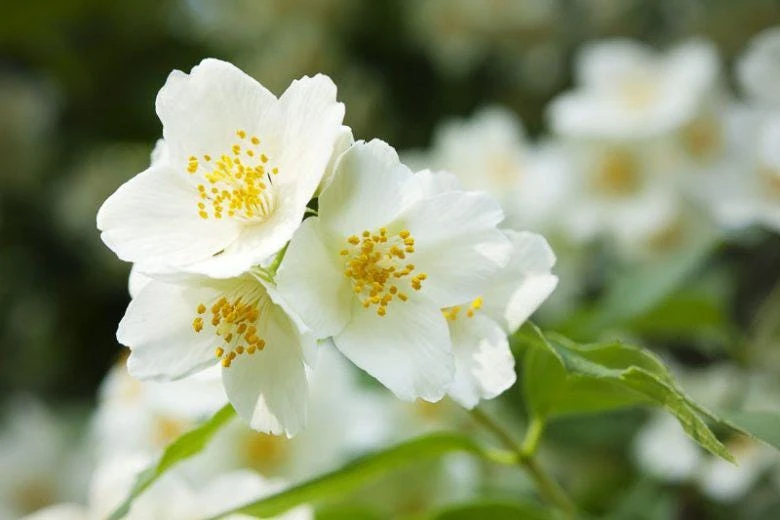
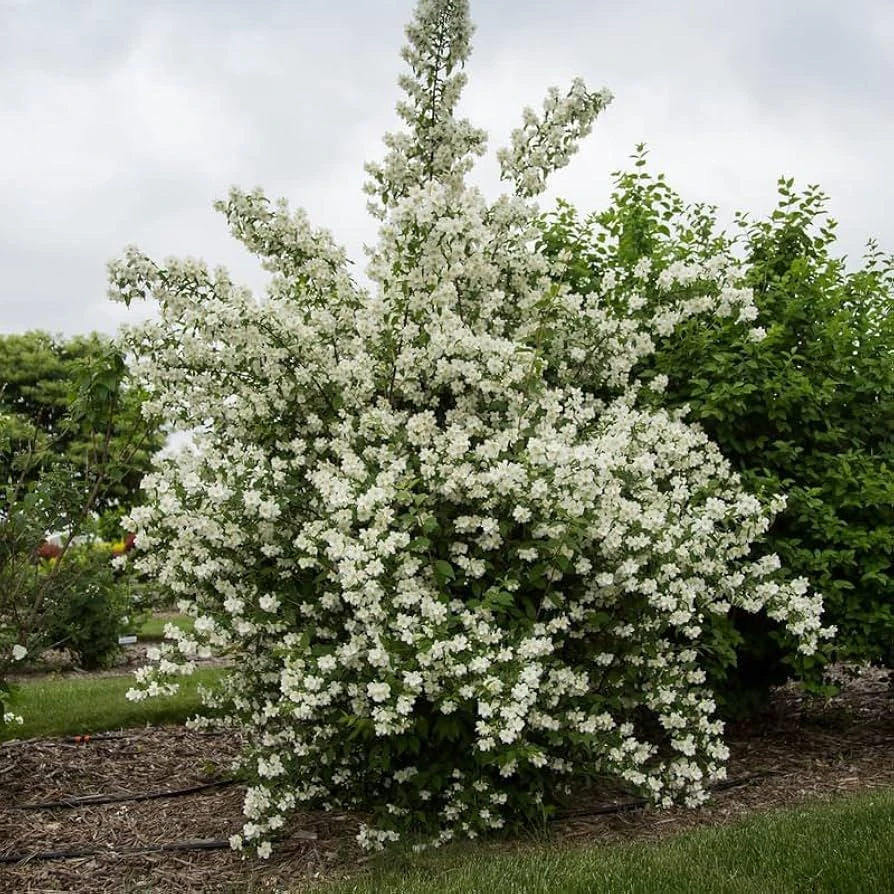
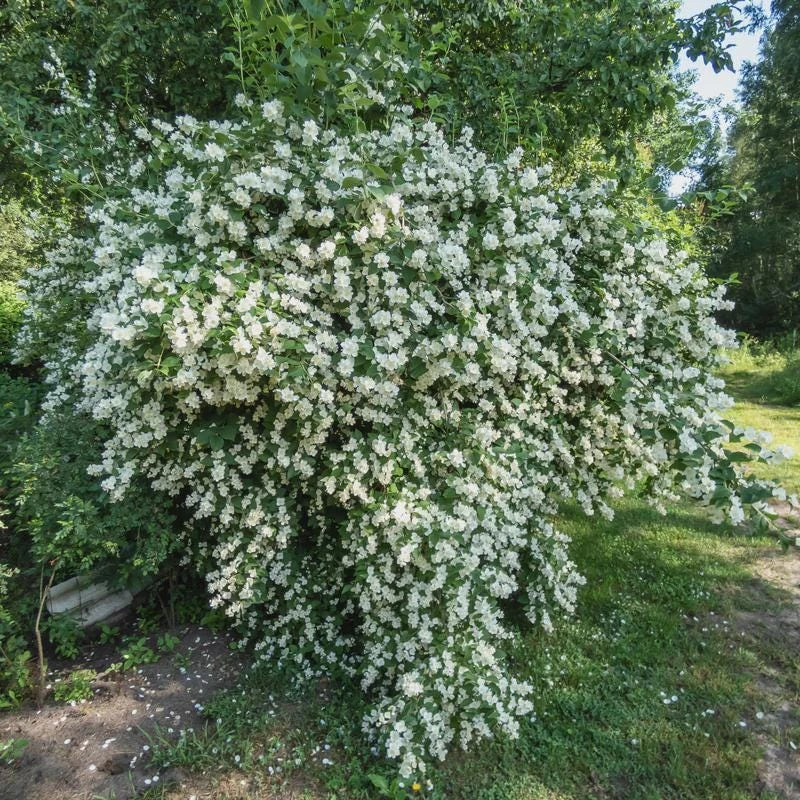
Sweet Mock Orange Bare Root Plant – Philadelphus coronarius 12-24″ Tall
Original price was: $109.99.$84.99Current price is: $84.99.
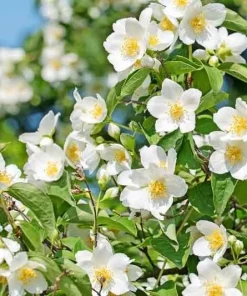
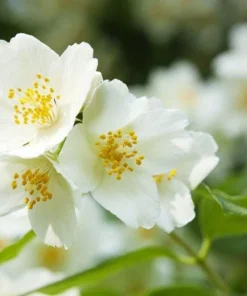
Bring classic charm and intoxicating fragrance to your garden with a sweet mock orange bare root plant. This Philadelphus coronarius plant is a deciduous shrub known for its profusion of intensely fragrant white flowers, perfect for hedges or accent planting. Ships as a 12-24 inch bare root starter.
Estimated arrival
Sep 29
Oct 04 - Oct 06
Oct 09 - Oct 13
Shop With Confidence
30-Day Plant Health Guarantee
Arrives damaged? We’ll replace it free — see our return policy.
Responsive Support
Email us anytime, we reply within 1 business day.
Expert Packaging
Temperature-controlled shipping to protect your plants in transit.
Secure Checkout
Pay safely with Visa, Mastercard, PayPal.
Plant Specifications
-
USDA Hardiness Zone
USDA zones 4-8 -
Soil Type
Well-draining soil -
Sunlight Exposure
Full sun to partial shade -
Expected Planting Period
Early spring
Overview
Introduce timeless beauty and an enchanting aroma to your landscape with the sweet mock orange bare root plant. Known scientifically as Philadelphus coronarius, this classic deciduous shrub is celebrated for its abundant, intensely fragrant white flowers that bloom from late spring to early summer. A robust and long-standing favorite in gardens since the 16th century, the fragrant mock orange shrub is an excellent choice for gardeners seeking both visual appeal and a delightful sensory experience. This offering provides you with a healthy bare root starter plant, ready to establish itself and flourish in your outdoor space, bringing generations of charm and sweet perfume.
The Philadelphus coronarius plant, often referred to as English Dogwood, is a versatile and hardy specimen. Its elegant form and captivating scent make it a standout feature in any garden design. Whether you’re aiming to create a natural privacy screen, enhance a rustic garden border, or simply enjoy its intoxicating fragrance near a patio or walkway, this plant delivers. Our sweet mock orange bare root plants are carefully prepared for shipping, ensuring they arrive in optimal condition for successful planting and growth.
Key Benefits
The sweet mock orange bare root plant offers a multitude of benefits, making it a highly desirable addition to various garden settings. Its combination of aesthetic appeal, fragrance, and hardiness ensures it will be a cherished part of your outdoor sanctuary.
- Exquisite Fragrance: The primary allure of the Philadelphus coronarius plant is its powerful, sweet, and citrus-like fragrance, reminiscent of orange blossoms. This intoxicating scent fills the air, especially in the evenings, creating a truly magical garden experience.
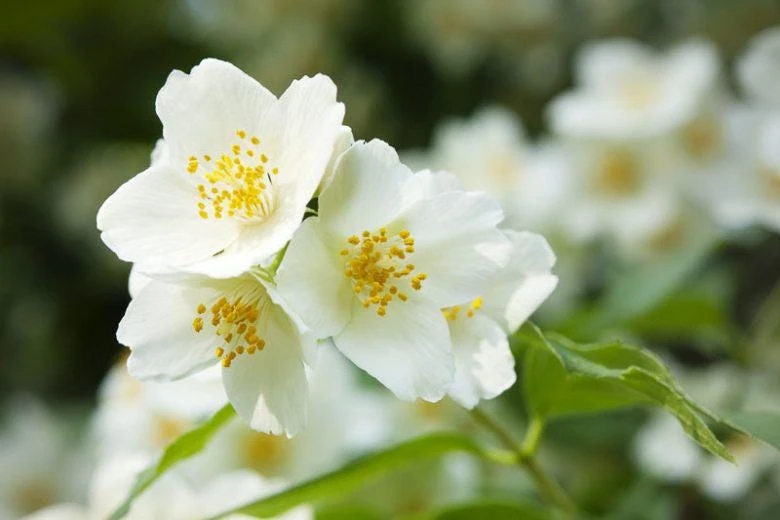
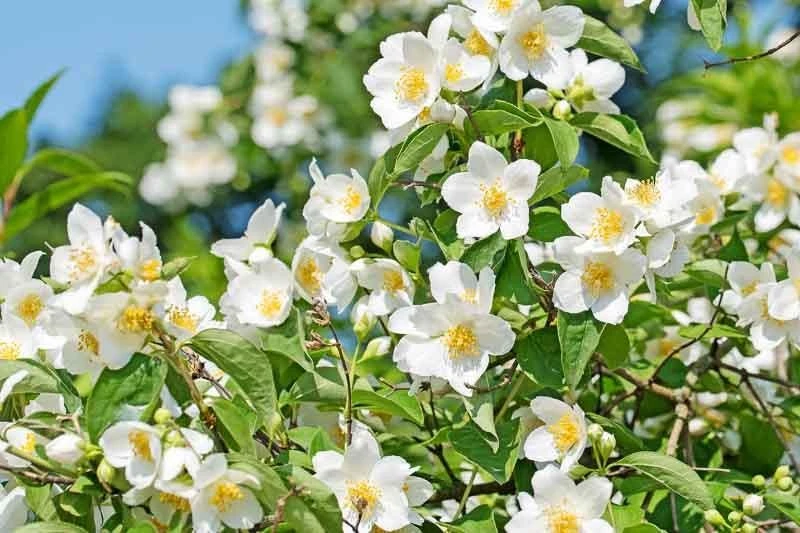
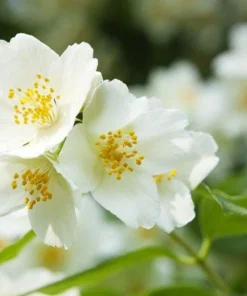
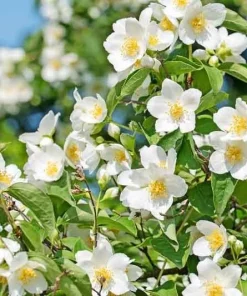
- Abundant White Flowers: From late spring to early summer, the shrub is covered in a profusion of pure white, cup-shaped flowers that create a stunning visual display. These blooms contrast beautifully with the green foliage.
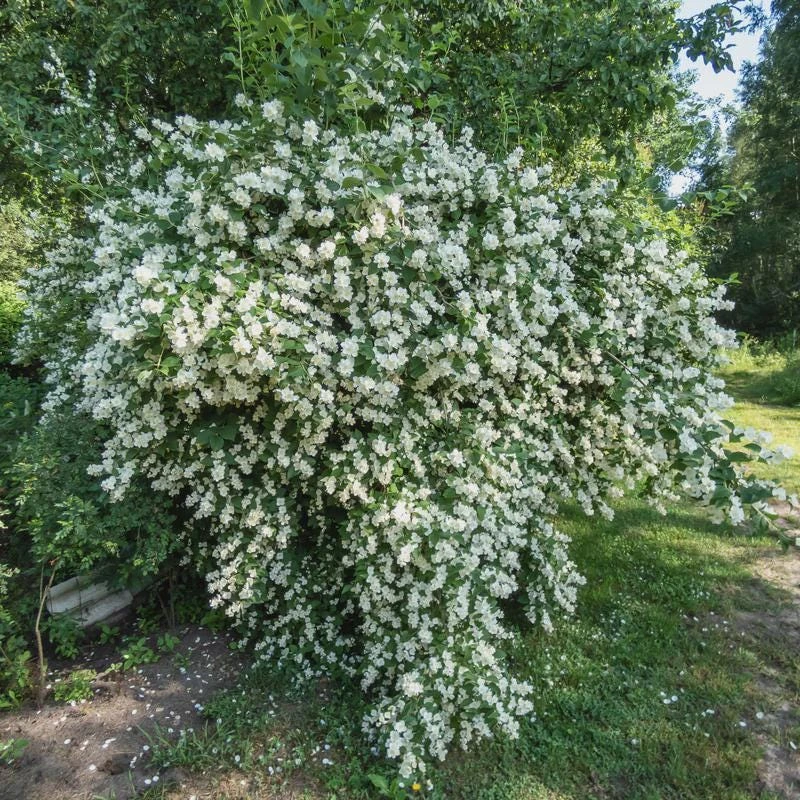
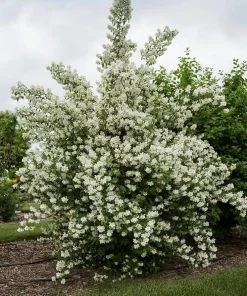
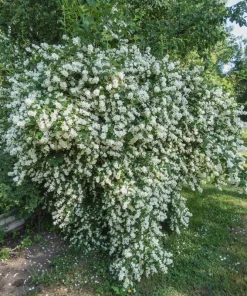
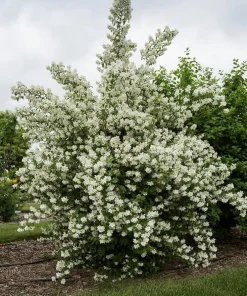
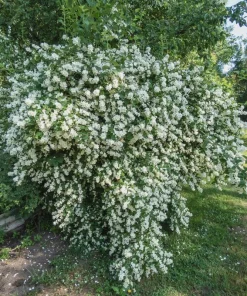
- Versatile Landscaping: Its robust size and growth habit make it ideal for various uses, including informal hedges, privacy screens, foundation plantings, or as a focal point in cottage gardens and shrub borders.
- Hardy and Resilient: This is a very tough and adaptable shrub, tolerant of a wide range of soil conditions and climates once established. It is a reliable performer that requires minimal fuss.
- Attracts Pollinators: The fragrant flowers are a magnet for bees and other beneficial pollinators, contributing to the biodiversity and health of your garden ecosystem.
- Historical Charm: With a history in gardens dating back centuries, planting an English dogwood plant brings a sense of traditional charm and heritage to your landscape.
- Low Maintenance: Once established, the sweet mock orange bare root requires relatively little care, making it an excellent choice for busy gardeners or those new to gardening.
Plant Care & Growing Tips
Caring for your sweet mock orange bare root plant is straightforward, ensuring years of beautiful blooms and fragrance. Understanding its basic needs will help your Philadelphus coronarius plant thrive and reach its full potential. While generally robust, a little attention to detail during establishment and ongoing care will yield the best results.
For optimal growth, plant your fragrant mock orange shrub in a location that receives full sun to partial shade. Full sun (at least 6 hours of direct sunlight daily) will encourage the most prolific flowering. While it tolerates some shade, too much will reduce bloom production. Ensure the soil is well-draining, as mock orange does not like to sit in waterlogged conditions. It is adaptable to various soil types, including clay, loam, and sand, but performs best in fertile, moist, and well-drained soil with a slightly acidic to neutral pH. Amend heavy clay soils with organic matter to improve drainage and aeration. The English dogwood plant is hardy in USDA zones 4-8, making it suitable for a wide range of climates.
Water your newly planted bare root regularly to keep the soil consistently moist, especially during its first growing season. Once established, it is relatively drought-tolerant but will benefit from supplemental watering during prolonged dry spells. Fertilize in early spring with a balanced, slow-release granular fertilizer formulated for flowering shrubs. Pruning is best done immediately after flowering in late spring or early summer. Remove any dead, damaged, or crossing branches, and thin out about one-third of the oldest stems to the ground to encourage new growth and maintain a shapely form. This also helps to ensure abundant blooms the following year. Watch out for common pests like aphids or spider mites, and treat with organic insecticidal soap if necessary. Diseases are generally not a major concern for this resilient shrub, contributing to its reputation as a reliable and easy-to-grow white flowering shrub.
Size & Details
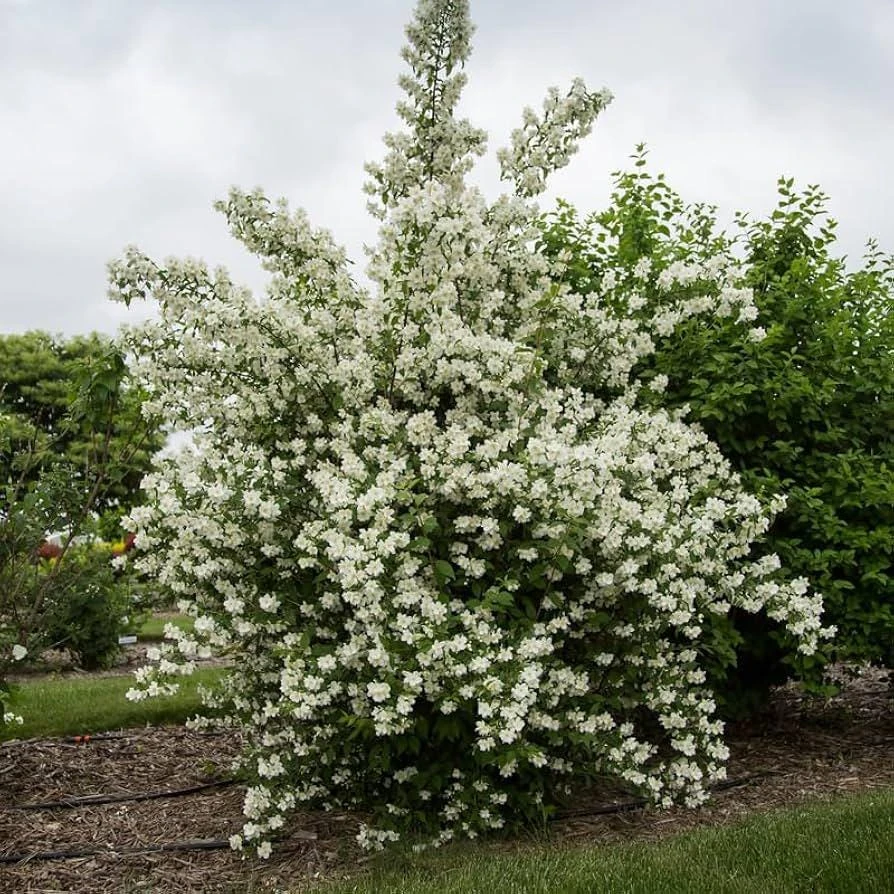
This offering includes 3 sweet mock orange bare root starter plants. Each plant measures approximately 12-24 inches in height upon arrival, providing a substantial foundation for vigorous growth. As a bare root specimen, the plant is shipped without soil or a pot, which minimizes transplant shock and allows for easy establishment in your garden bed. Expect these plants to grow into a large, upright shrub, typically reaching a mature height and spread of 5-10 feet, depending on growing conditions and pruning practices. The growth rate is moderate, with noticeable development occurring within the first few years after planting.
The Philadelphus coronarius plant will develop its characteristic intensely fragrant white flowers in late spring to early summer, generally within one to two seasons after planting, once it has established a strong root system. These plants are ideal for immediate planting upon arrival to ensure successful establishment. The mature size makes it an excellent choice for creating significant visual impact and fragrance in your garden. The deciduous nature means it will shed its leaves in winter, preparing for a spectacular spring display.
Frequently Asked Questions
- Q: How big does this plant get? A: The sweet mock orange bare root plant typically grows into a large shrub, reaching a mature height and spread of 5 to 10 feet. Its size can be managed with proper pruning after flowering.
- Q: What size is the plant when it arrives? A: Each plant is a bare root starter, measuring approximately 12-24 inches tall upon shipment. This size is ideal for establishing a healthy root system in your garden.
- Q: Is this an indoor or outdoor plant? A: The Philadelphus coronarius plant is an outdoor deciduous shrub, best suited for garden beds, hedges, or as a landscape specimen where it can receive adequate sunlight and space.
- Q: How much sunlight does it need? A: This fragrant mock orange shrub thrives in full sun (at least 6 hours of direct sunlight daily) to partial shade. Full sun exposure will encourage the most abundant flowering.
- Q: Is this plant easy to care for? A: Yes, the English dogwood plant is considered a low-maintenance and hardy shrub. Once established, it is quite resilient and tolerant of various conditions, making it suitable for gardeners of all experience levels.
- Q: What condition will it arrive in? A: Your plants will arrive as bare roots, meaning they are shipped without soil or a pot. This method ensures they are dormant and ready for planting, minimizing transplant shock.
- Q: When is the best time to plant a bare root mock orange? A: The ideal time to plant a sweet mock orange bare root is in early spring, after the last frost, allowing it ample time to establish its roots before the summer heat.
- Q: Will it survive winter in my zone? A: The white flowering shrub is hardy in USDA zones 4 through 8, making it very tolerant of cold winters in these regions. It is deciduous and will lose its leaves in colder months.
- Q: Does this mock orange attract bees? A: Yes, the intensely fragrant white flowers of the Philadelphus coronarius plant are very attractive to bees and other pollinators, contributing to a healthy garden ecosystem.
- Q: What type of soil does it prefer? A: It prefers well-draining soil but is adaptable to various soil types, including loamy, sandy, or clay soils, as long as drainage is good. It performs best in fertile, moist conditions.
Be the first to review “Sweet Mock Orange Bare Root Plant – Philadelphus coronarius 12-24″ Tall”
People Also Viewed



Reviews
There are no reviews yet.