
American Bittersweet Vine Live Plant – Celastrus scandens Starter Plug – 1 Quart Pot – Deciduous Woody Vine
Original price was: $74.99.$49.99Current price is: $49.99.
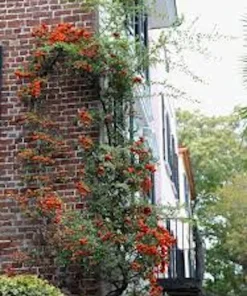
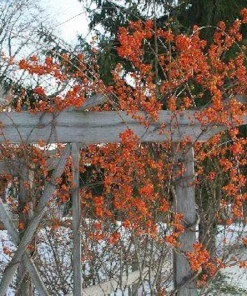
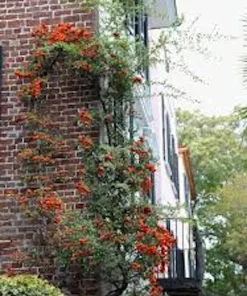
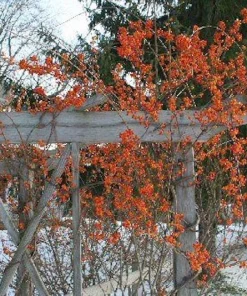
Cultivate the stunning American Bittersweet Vine (Celastrus scandens), a vigorous deciduous woody vine. This Celastrus scandens live plant starter plug will bring vibrant autumn color and provide essential food for birds with its bright red berries. Ideal for naturalizing and landscaping, this native woody vine is a beautiful addition to any garden.
Estimated arrival
Sep 29
Oct 04 - Oct 06
Oct 09 - Oct 13
Shop With Confidence
30-Day Plant Health Guarantee
Arrives damaged? We’ll replace it free — see our return policy.
Responsive Support
Email us anytime, we reply within 1 business day.
Expert Packaging
Temperature-controlled shipping to protect your plants in transit.
Secure Checkout
Pay safely with Visa, Mastercard, PayPal.
Plant Specifications
-
USDA Hardiness Zone
USDA Zones 3-8 -
Soil Type
Well-draining soil -
Sunlight Exposure
Full sun to partial shade -
Expected Planting Period
Spring or fall
Overview
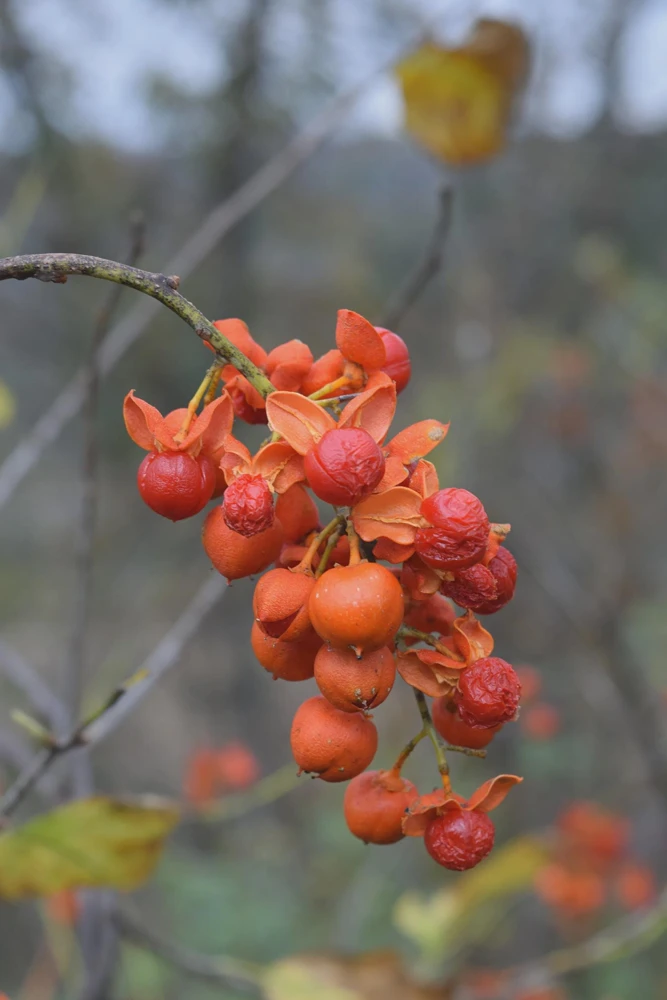
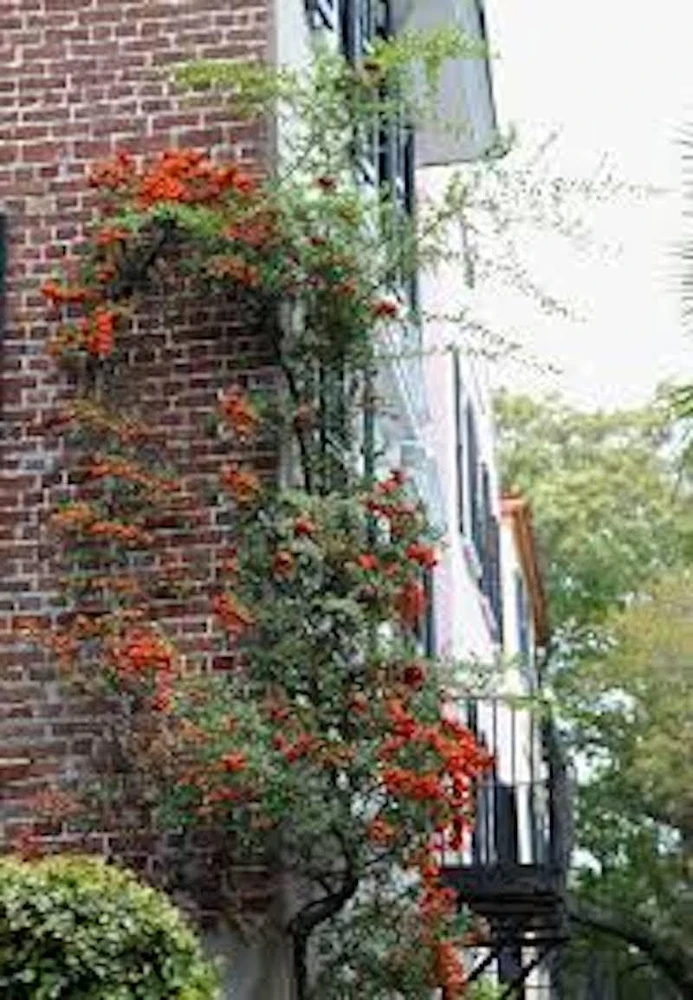
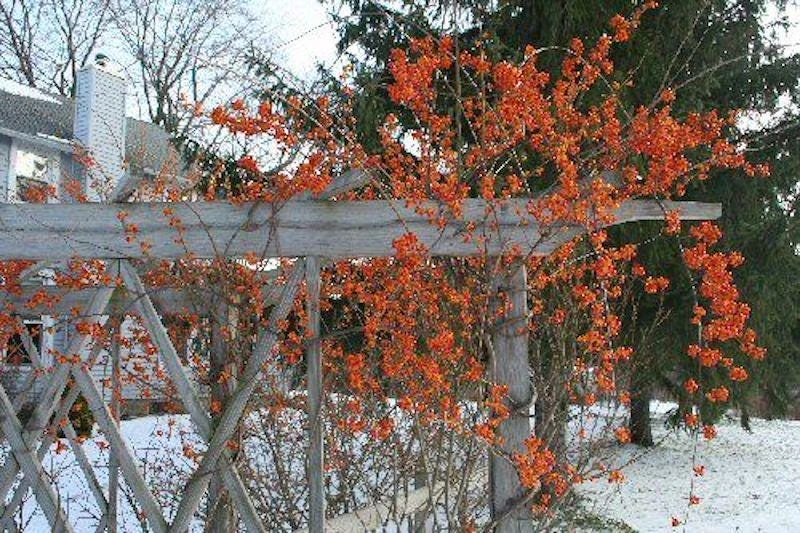
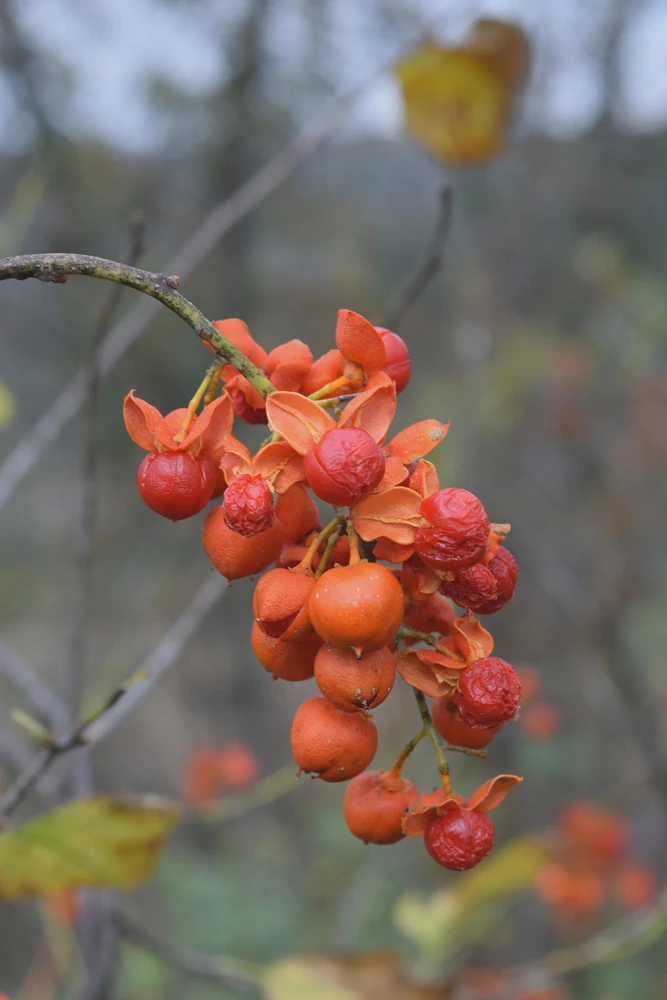
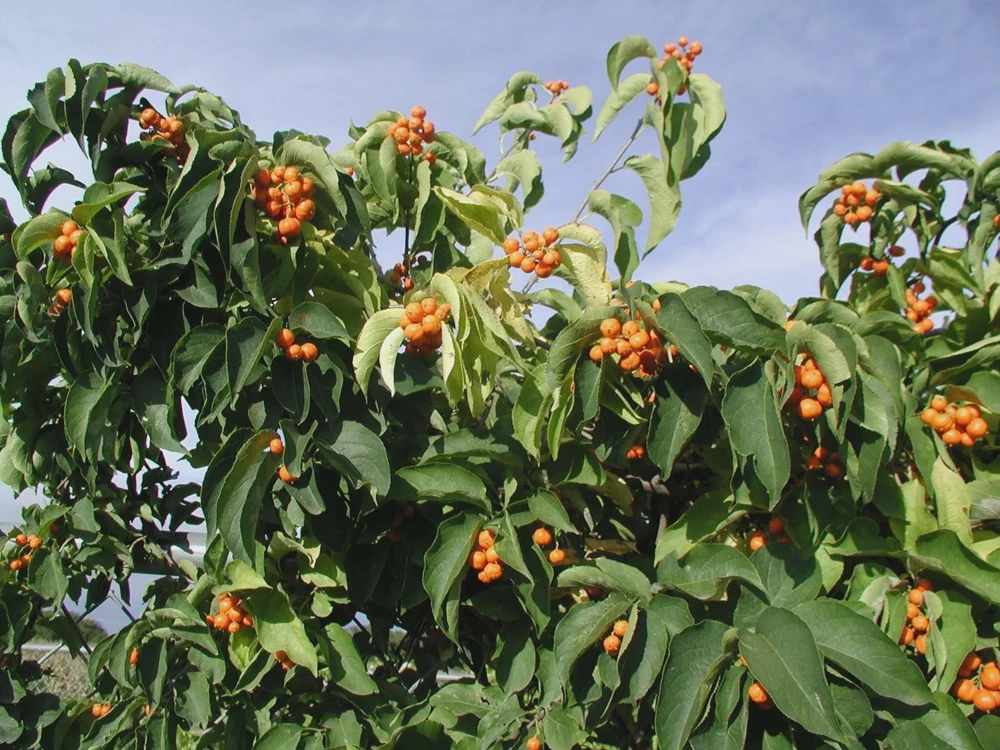
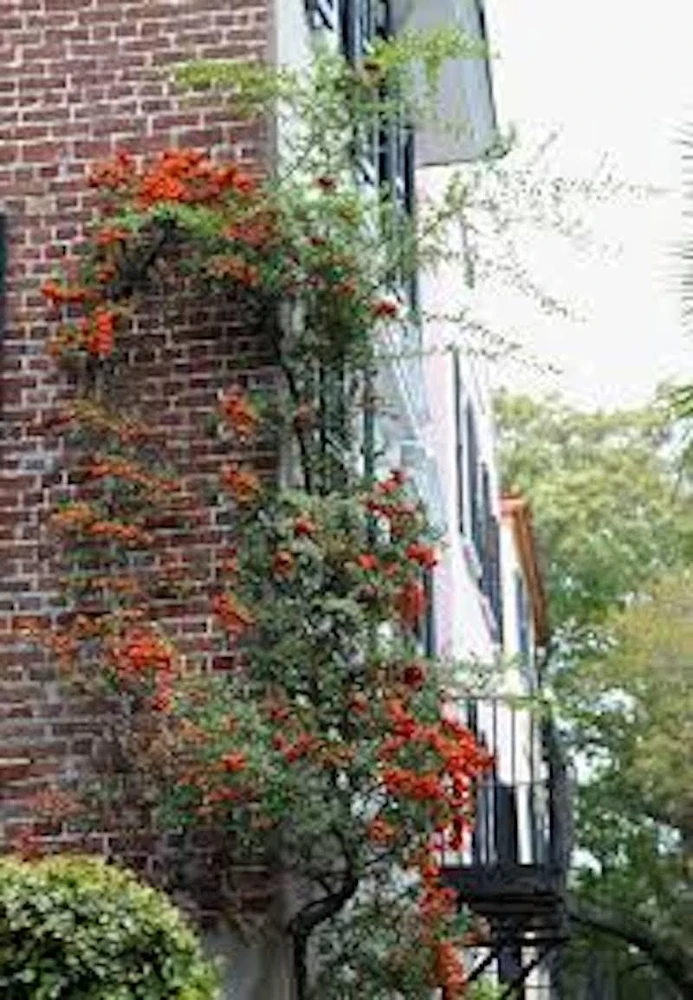
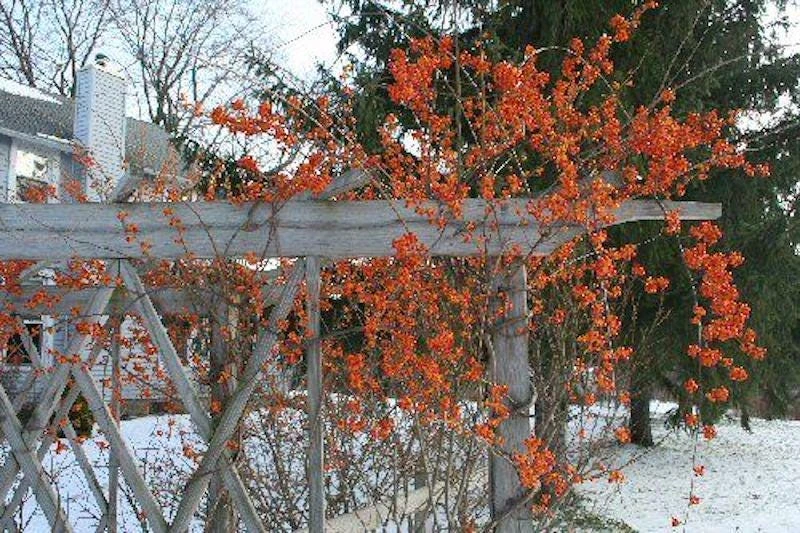
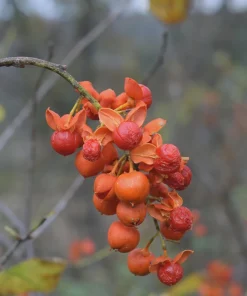
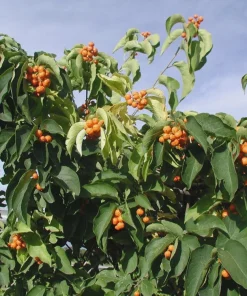
Transform your garden with the captivating American Bittersweet Vine. This vigorous deciduous woody vine, scientifically known as Celastrus scandens, is a true North American native, celebrated for its stunning ornamental value, particularly in the cooler months. You will receive a healthy starter plug, ready to establish itself and bring vibrant autumn and winter interest to your landscape. The American bittersweet is renowned for its showy fruit – bright red berries encased in orange capsules that gracefully split open in the fall, creating a spectacular display. Beyond its aesthetic appeal, this Celastrus scandens live plant plays a crucial ecological role, providing a vital late-winter food source for various bird species, including bluebirds, wild turkeys, and ruffed grouse. Its robust growth habit makes it an excellent choice for covering fences, arbors, or climbing up trees, adding vertical interest and natural beauty.
The American Bittersweet Vine is a highly adaptable and resilient plant, making it suitable for a wide range of garden settings across central and eastern North America. Its ability to thrive in diverse conditions, coupled with its striking seasonal changes, ensures that it remains a focal point in any garden design. Whether you’re looking to attract wildlife, add architectural interest, or simply enjoy the vivid colors of autumn, this native woody vine is an exceptional choice. This starter plug provides a fantastic foundation for growing a mature, fruit-laden vine that will be admired for years to come.
Key Benefits
The American Bittersweet Vine offers a multitude of benefits for both gardeners and local ecosystems. Its unique characteristics make it a standout choice for those seeking a beautiful, low-maintenance, and wildlife-friendly plant.
- Stunning Autumn & Winter Interest: The most prominent feature of the American Bittersweet Vine is its dazzling display of bright red berries, which emerge from orange capsules in the fall and persist through winter, adding essential color to a dormant landscape.
- Attracts Wildlife: These vibrant berries are a critical late-winter food source for numerous bird species, including bluebirds, wild turkeys, and ruffed grouse, making it an excellent plant for supporting local fauna.
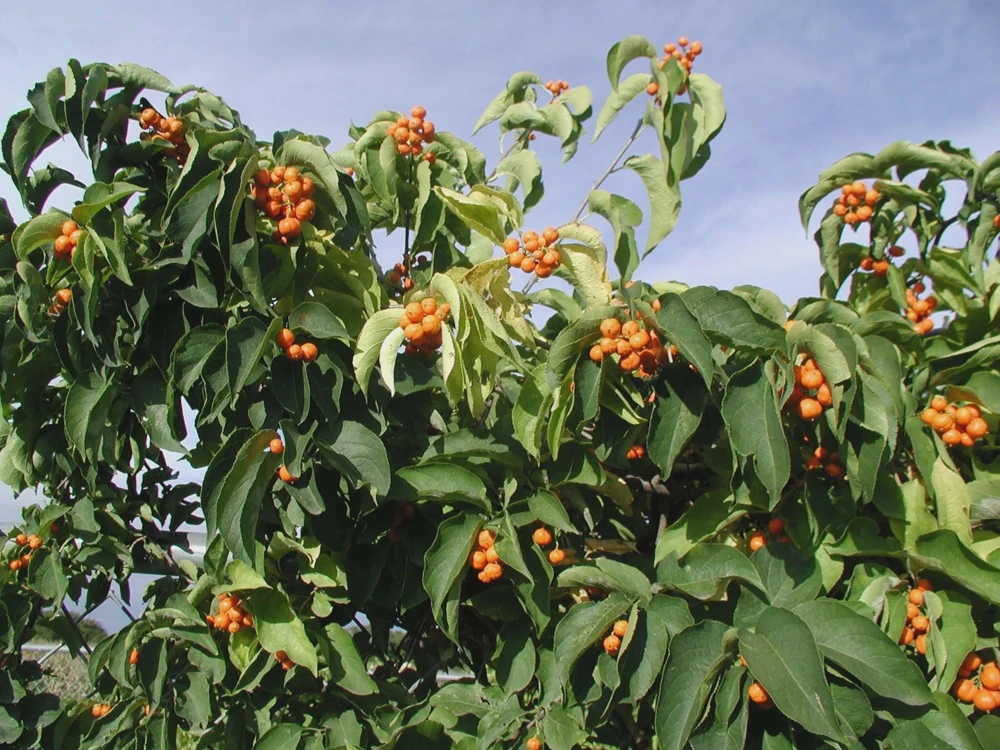
- Vigorous Climber: As a robust woody vine, it can reach impressive heights of 15–30 feet, or even up to 60 feet in the wild, providing excellent coverage for trellises, fences, arbors, or existing trees.
- Native Plant Benefits: Being a native woody vine, it is well-adapted to local climates and soils, requiring less intervention and contributing to the biodiversity of your garden ecosystem.
- Erosion Control: Its extensive root system and vigorous growth can help stabilize soil on slopes and prevent erosion, making it functional as well as beautiful.
- Low Maintenance: Once established, the Celastrus scandens live plant is relatively easy to care for, tolerant of a range of conditions, and generally resistant to pests and diseases.
- Versatile Landscaping Use: Perfect for naturalizing, creating screens, adding vertical elements, or simply providing a splash of color, its versatility makes it a valuable asset in many garden designs.
Plant Care & Growing Tips
Caring for your American Bittersweet Vine is straightforward, ensuring a thriving plant that will provide years of enjoyment. This hardy Celastrus scandens live plant is quite adaptable, but optimal conditions will encourage the best growth and fruit production. It prefers a location with full sun to partial shade; at least 6 hours of direct sunlight per day is ideal for abundant fruiting. While it can tolerate some shade, less sun typically results in fewer berries. Ensure good air circulation around the plant to prevent fungal issues.
When it comes to soil, the American Bittersweet Vine is not overly particular, but it thrives in well-draining soil. It can tolerate a range of soil types from sandy to clay, as long as they are not waterlogged. Amend heavy clay soils with organic matter to improve drainage. Water regularly during the first growing season to help establish a strong root system, especially during dry spells. Once established, it is relatively drought-tolerant, though occasional watering during prolonged dry periods will be beneficial. Fertilization is generally not necessary in rich soils; however, if your soil is poor, a balanced, slow-release fertilizer in spring can promote healthy growth. Pruning is best done in late winter or early spring to shape the vine, control its size, and remove any dead or crossing branches. Be mindful that this is a vigorous grower, so regular pruning may be needed to keep it in check.
The bittersweet plant care routine also includes monitoring for male and female plants. For successful fruit production, you will need at least one male plant to pollinate female plants. If you are planting multiple vines, ensure you have both sexes. The American Bittersweet Vine is hardy in USDA zones 3-8, making it suitable for a wide range of climates. In colder zones, ensure adequate mulching around the base of young plants for winter protection. This native woody vine is generally pest and disease resistant, but keep an eye out for common vine issues and address them promptly.
Size & Details
This offering is for one American Bittersweet Vine starter plug, provided in a quart pot. Upon arrival, the plant will typically measure a minimum of 6-12 inches in height, ready for planting and establishment. Please note that these vines ship bare root when dormant, ensuring they are well-prepared for transplanting and quick establishment in your garden. The Celastrus scandens live plant is a vigorous grower, capable of reaching mature lengths of 15–30 feet in cultivated settings, and even up to 60 feet in ideal wild conditions. It is a deciduous woody vine, meaning it will lose its leaves in the fall, revealing the stunning, persistent berries throughout the winter. Expect a medium to fast growth rate, allowing it to quickly cover desired structures or areas in your landscape. With proper bittersweet plant care, your vine will begin producing its characteristic fruit within a few years of planting.
Frequently Asked Questions
- Q: How big does this American Bittersweet Vine get? A: The American Bittersweet Vine is a vigorous climber, typically reaching 15–30 feet in cultivated gardens, but can grow up to 60 feet in the wild under optimal conditions. Its spread depends on the support it is given.
- Q: Is this an indoor or outdoor plant? A: This is an outdoor plant, a hardy native woody vine that thrives in garden settings. It is not suitable for indoor cultivation.
- Q: How much sunlight does the Celastrus scandens live plant need? A: For the best fruiting and growth, your Celastrus scandens live plant requires full sun to partial shade, ideally at least 6 hours of direct sunlight per day.
- Q: What condition will the American Bittersweet Vine arrive in? A: You will receive one American Bittersweet Vine starter plug in a quart pot. During its dormant season, it will ship bare root, which is a healthy and common practice for establishing woody vines.
- Q: Is this bittersweet plant care difficult for beginners? A: No, bittersweet plant care is relatively easy. Once established, it is a low-maintenance plant, making it suitable for gardeners of all experience levels.
- Q: When is the best time to plant the American Bittersweet Vine? A: The best time to plant the American Bittersweet Vine is in spring or fall when temperatures are moderate, allowing the plant to establish its roots before extreme weather sets in.
- Q: Will this native woody vine survive winter in my zone? A: The native woody vine, Celastrus scandens, is hardy in USDA Zones 3-8, meaning it is well-equipped to survive winters within this range.
- Q: Do I need more than one plant for berries? A: Yes, for the best fruit production, you will need at least one male American Bittersweet Vine to pollinate female plants. If you’re unsure of the sex of your plant, planting multiple can increase your chances of having both.
- Q: What kind of soil does this plant prefer? A: The American Bittersweet Vine prefers well-draining soil but is adaptable to various soil types, from sandy to clay. Good drainage is key to preventing root issues.
- Q: How quickly does the bittersweet plant grow? A: This is a vigorous vine with a medium to fast growth rate, meaning it can establish itself and grow quite quickly, especially after its first year in the ground.
Be the first to review “American Bittersweet Vine Live Plant – Celastrus scandens Starter Plug – 1 Quart Pot – Deciduous Woody Vine”
People Also Viewed
Vegetable Seeds
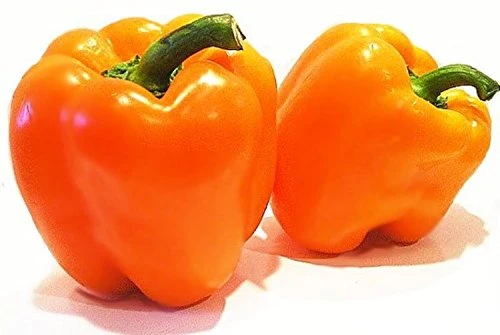
Ariene Orange Dutch Pepper Seeds – Sweet Bell Pepper, 10 Seeds
Reviews
There are no reviews yet.