
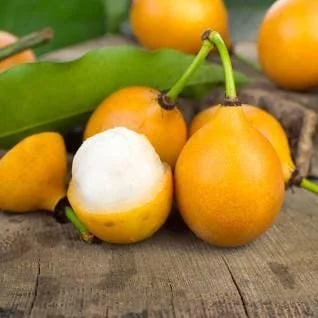
Achacha Live Plant – 1 to 2 feet tall – 3 Gallon Pot – Tropical Fruit Tree
$137.76
Cultivate your own exotic fruit with this Achacha live plant, also known as Bolivian mangosteen. Standing 1 to 2 feet tall and shipped in a 3-gallon pot, this Garcinia humilis tree is ready to thrive in your home garden, offering delicious tropical fruit and a unique addition to your landscape.
Estimated arrival
Sep 14
Sep 19 - Sep 21
Sep 24 - Sep 28
Shop With Confidence
30-Day Plant Health Guarantee
Arrives damaged? We’ll replace it free — see our return policy.
Responsive Support
Email us anytime, we reply within 1 business day.
Expert Packaging
Temperature-controlled shipping to protect your plants in transit.
Secure Checkout
Pay safely with Visa, Mastercard, PayPal.
Plant Specifications
-
USDA Hardiness Zone
USDA zones 10-11 -
Soil Type
Rich, well-draining, slightly acidic to neutral soil -
Sunlight Exposure
Full sun to partial shade -
Expected Planting Period
Year-round in tropical climates; spring to early summer in containers for cooler zones
Overview
Bring the taste of the tropics to your backyard with the Achacha live plant. This vibrant specimen, botanically known as Garcinia humilis, is a fascinating tropical fruit tree often referred to as the Bolivian mangosteen due to its close relation to the famed mangosteen. Originating from the Amazon basin, the Achacha produces attractive, oval-shaped fruits with a bright orange-red rind and a deliciously sweet, tangy, and slightly effervescent white pulp. Our Achacha live plant is between 1 to 2 feet tall and comes ready to plant in a 3-gallon pot, providing a robust start for your home orchard. This plant is a fantastic choice for those looking to expand their edible landscape with unique and flavorful fruits, offering both ornamental beauty and a bountiful harvest.
The Achacha tree is relatively easy to care for once established, making it a rewarding project for both experienced gardeners and enthusiastic beginners aiming to grow Achacha at home. Its glossy green leaves add an attractive, lush appearance to any garden or patio. As a young plant, it can be grown in a container, allowing for flexibility in placement and protection in cooler climates. With proper care, this Garcinia humilis tree will mature into a productive and beautiful addition, yielding its distinctive and refreshing fruits.
Key Benefits
The Achacha live plant offers a multitude of benefits, from its unique fruit to its aesthetic appeal. Growing this tropical gem is a rewarding experience that enriches your garden and your palate:
- Exotic Fruit Production: Enjoy the unique taste of homegrown Achacha fruit. The sweet, tangy, and slightly fizzy pulp is a delightful treat, perfect for fresh eating, desserts, or tropical drinks. Knowing you can grow Achacha at home provides a sense of accomplishment and fresh, organic produce.
- Ornamental Value: With its lush, deep green foliage and attractive form, the Achacha tree adds significant tropical beauty to your landscape. It serves as an excellent focal point in a garden or a stunning patio plant.
- Nutritional Richness: Achacha fruits are not only delicious but also packed with vitamins and antioxidants, contributing to a healthy diet. This makes the Bolivian mangosteen a healthy choice for your family.
- Adaptable Growth: While a tropical plant, young Achacha trees can be successfully grown in containers in non-tropical zones, allowing them to be moved indoors during colder months. This adaptability makes it easier for many gardeners to cultivate a Garcinia humilis tree.
- Unique Garden Addition: Stand out from typical fruit trees with this less common but highly desirable species. It’s a conversation starter and a testament to adventurous gardening.
- Relatively Low Maintenance: Once established, Achacha trees are quite resilient and require moderate care, making them suitable for gardeners who appreciate a rewarding plant without constant fuss.
- Sustainable Living: Growing your own fruit reduces reliance on store-bought produce and provides a fresh, organic source directly from your garden, enhancing your sustainable lifestyle with a tropical fruit plant.
Plant Care & Growing Tips
Caring for your Achacha live plant ensures a healthy, productive tree. This tropical species thrives in specific conditions, but with attention, it can flourish in many environments. Sunlight is crucial; Achacha trees prefer full sun to partial shade. In very hot climates, some afternoon shade can prevent leaf scorch, especially for younger plants. Aim for at least 6-8 hours of direct sunlight daily for optimal fruit production. If growing indoors, place the plant near a south-facing window or use supplemental grow lights to provide adequate illumination.
Watering should be consistent, especially during dry periods and for young trees. Keep the soil consistently moist but never waterlogged. Good drainage is essential to prevent root rot. Allow the top inch or two of soil to dry out slightly between waterings. Reduce watering in cooler months. The ideal soil for a Garcinia humilis tree is rich, well-draining, and slightly acidic to neutral (pH 6.0-7.0). A good quality potting mix amended with compost will work well for container-grown plants. For in-ground planting, ensure the soil is loose and drains freely.
Achacha trees are tropical and prefer warm temperatures, ideally between 65-90°F (18-32°C). They are not frost-tolerant and should be protected from temperatures below 40°F (4°C). In USDA hardiness zones 10-11, they can be grown outdoors year-round. In cooler zones, they must be grown in containers and moved indoors during winter. Fertilize your Achacha live plant with a balanced, slow-release fertilizer designed for fruit trees, applied every 2-3 months during the growing season. Pruning is generally minimal, focusing on removing dead or diseased branches and shaping the tree for aesthetic appeal and air circulation. Watch out for common pests like aphids or scale; treat with horticultural oil or insecticidal soap if necessary. By following these guidelines, you can successfully grow Achacha at home and enjoy its exotic fruits.
Size & Details
This Achacha live plant is currently 1 to 2 feet tall, measured from the base of the pot to the top of the foliage. It is shipped in a sturdy 3-gallon nursery pot, providing a healthy root system for successful transplanting into your garden or a larger container. The plant is a young, vigorous specimen, ready to establish itself and begin its journey towards fruit production. Achacha trees are moderate growers, and with optimal conditions, they can reach heights of 15-25 feet in their native habitat, though they can be kept smaller with pruning in cultivation. Expect this Bolivian mangosteen to begin bearing fruit within 3-5 years under ideal growing conditions. The robust size of the tropical fruit plant upon arrival ensures a good head start for gardeners eager to enjoy fresh Achacha.
Frequently Asked Questions
- Q: How big does this Achacha live plant get? A: This plant is currently 1 to 2 feet tall and shipped in a 3-gallon pot. In optimal outdoor conditions, a mature Achacha live plant can reach heights of 15-25 feet, but it can be maintained at a smaller size with regular pruning, especially when grown in containers.
- Q: Is this an indoor or outdoor plant? A: The Achacha is a tropical plant best suited for outdoor cultivation in USDA Zones 10-11. In cooler climates, it thrives as a container plant that can be moved indoors during colder months to protect it from frost.
- Q: How much sunlight does the Achacha need? A: Your Garcinia humilis tree prefers full sun to partial shade, ideally receiving at least 6-8 hours of direct sunlight daily for good fruit production. In extremely hot climates, some afternoon shade can be beneficial for young plants.
- Q: How often should I water my Achacha plant? A: Keep the soil consistently moist but ensure excellent drainage. Allow the top inch or two of soil to dry out between waterings. Overwatering can lead to root rot, so monitor soil moisture carefully, especially when you grow Achacha at home.
- Q: What type of soil is best for this tropical fruit plant? A: The Achacha thrives in rich, well-draining soil with a slightly acidic to neutral pH (6.0-7.0). A high-quality potting mix amended with organic compost is ideal for container growing.
- Q: When can I expect my Achacha live plant to produce fruit? A: Under optimal growing conditions, you can typically expect your Bolivian mangosteen to begin bearing fruit within 3-5 years from planting, rewarding your patience with delicious produce.
- Q: Is the Achacha fruit difficult to harvest or prepare? A: Harvesting Achacha fruit is straightforward; they are picked when fully ripe and orange-red. The fruit is easy to open by hand, and the sweet, white pulp is readily enjoyed fresh, similar to its relative, the mangosteen.
- Q: What is the minimum temperature this plant can tolerate? A: Being a tropical plant, the Achacha live plant is sensitive to cold and should not be exposed to temperatures below 40°F (4°C). Protection or moving indoors is crucial in areas with colder winters.
- Q: How do I protect my Achacha plant from pests? A: Regular inspection for common pests like aphids or scale is key. If found, treat with organic solutions such as horticultural oil or insecticidal soap, ensuring the health of your tropical fruit plant.
- Q: Can I grow Achacha at home in a small space? A: Yes, especially when young, the Achacha live plant can be successfully grown in a large container on a patio or balcony. Regular pruning can help manage its size even as it matures.
Be the first to review “Achacha Live Plant – 1 to 2 feet tall – 3 Gallon Pot – Tropical Fruit Tree”
People Also Viewed
Reviews
There are no reviews yet.