

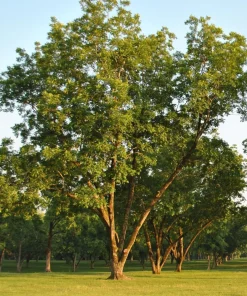
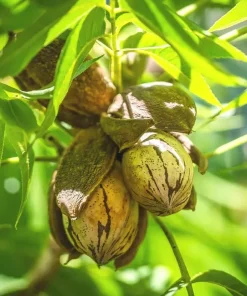
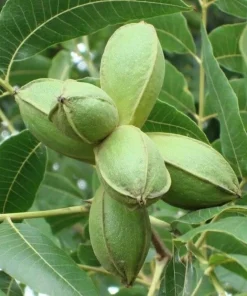
Pecan Tree Live Plant 6-12″ Tall – Hardy Carya illinoinensis Seedling for Nuts
Original price was: $39.98.$21.99Current price is: $21.99.
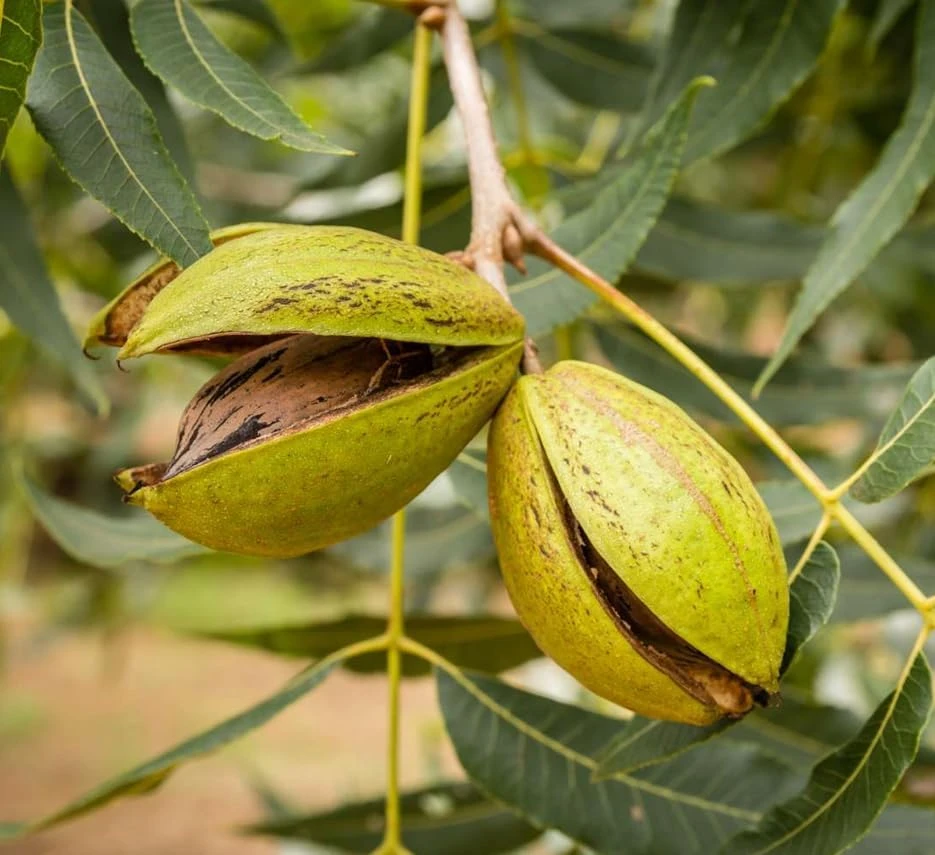
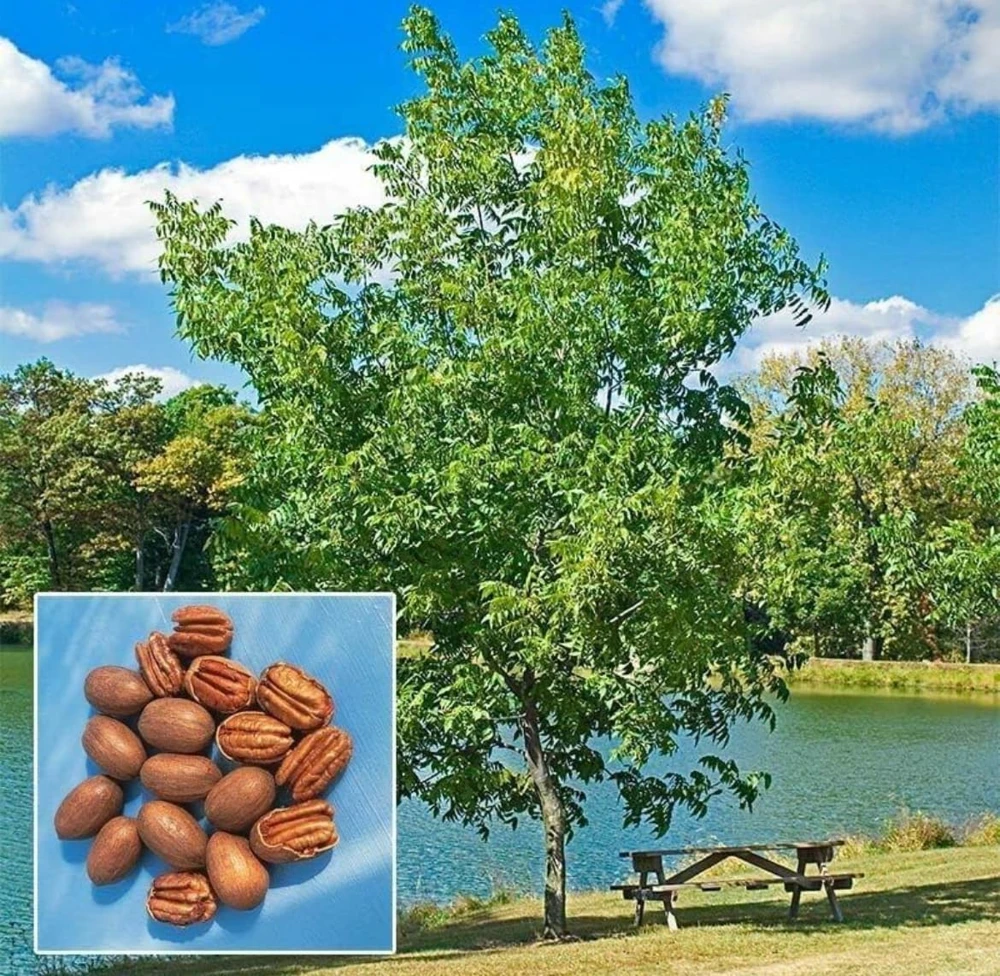
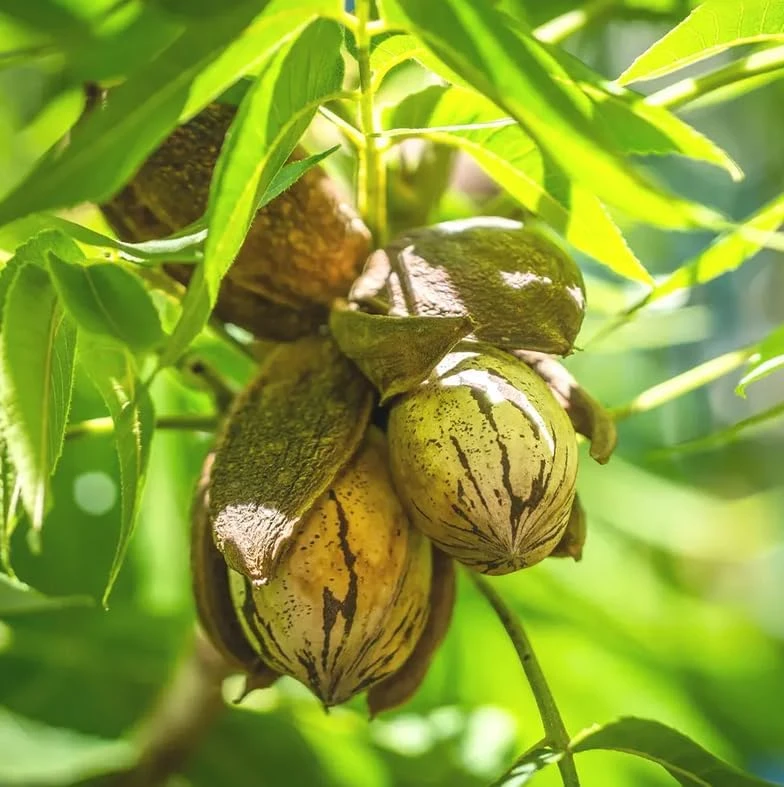
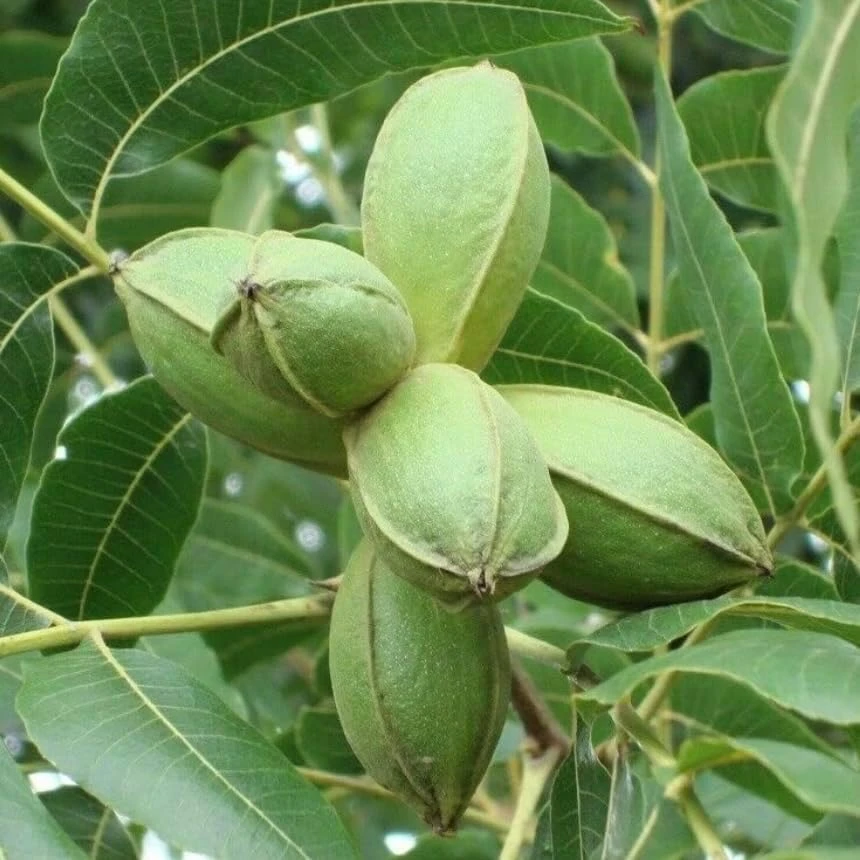
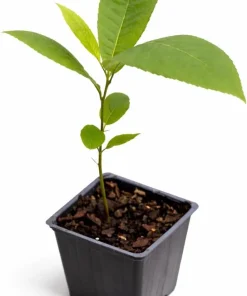
Cultivate your own harvest with a pecan tree live plant, approximately 6-12″ tall. This pecan nut tree (Carya illinoinensis) offers delicious nuts, ample shade, and beautiful fall color, making it a rewarding addition to any landscape. Ideal for those interested in growing pecan trees for fresh, nutritious pecans.
Estimated arrival
Oct 14
Oct 19 - Oct 21
Oct 24 - Oct 28
Shop With Confidence
30-Day Plant Health Guarantee
Arrives damaged? We’ll replace it free — see our return policy.
Responsive Support
Email us anytime, we reply within 1 business day.
Expert Packaging
Temperature-controlled shipping to protect your plants in transit.
Secure Checkout
Pay safely with Visa, Mastercard, PayPal.
Plant Specifications
-
USDA Hardiness Zone
USDA Zones 5-9 -
Soil Type
Deep, well-draining, fertile loamy soil -
Sunlight Exposure
Full sun -
Expected Planting Period
Late winter to early spring
Overview
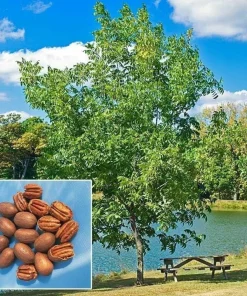
Embark on a rewarding journey of home gardening with our premium pecan tree live plant. This particular offering is a healthy, young specimen, standing approximately 6-12 inches tall, ready to be nurtured into a majestic, nut-producing tree. Scientifically known as Carya illinoinensis, the pecan tree is renowned for its delicious, buttery nuts and its impressive stature, providing both shade and aesthetic appeal to any property. Our pecan tree live plant is a hardy seedling, ensuring a robust start for your future orchard or garden centerpiece. These trees are known for their longevity, often producing nuts for many decades, making your planting choice a true legacy for future generations. For successful pollination and fruit set, it is generally recommended to plant at least two pecan trees.
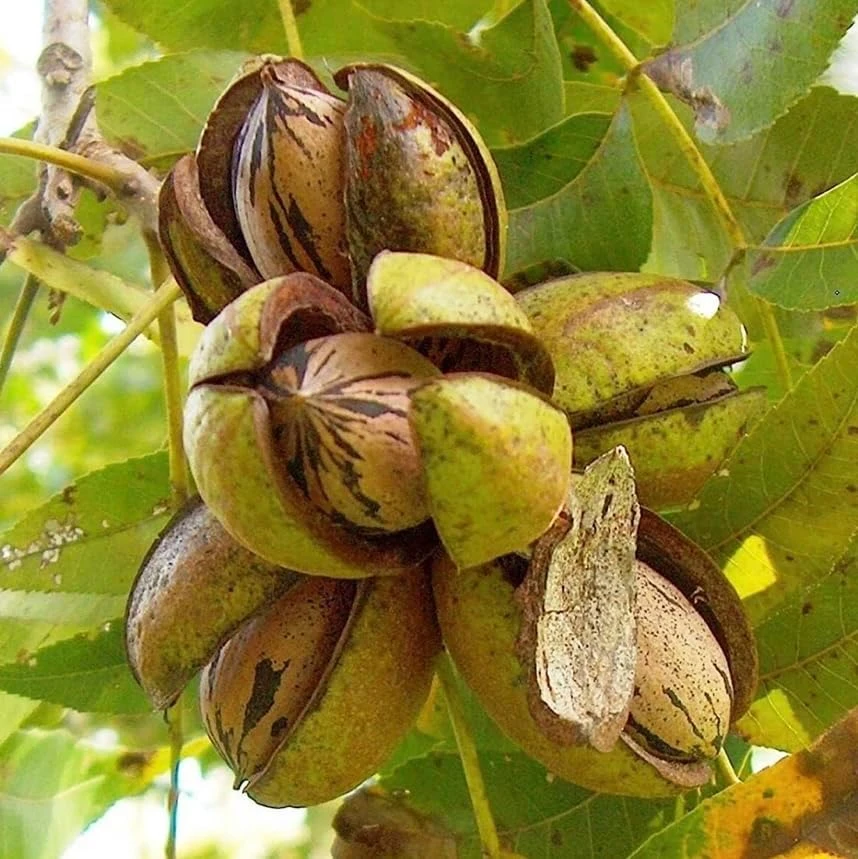
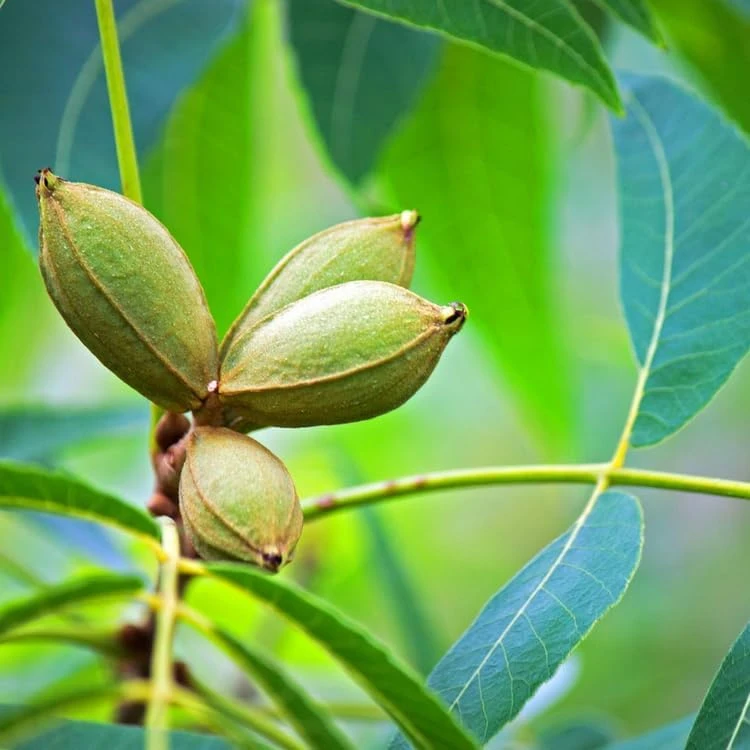
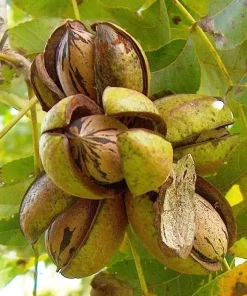
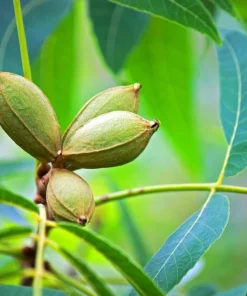
Cultivating a pecan nut tree at home provides the unparalleled satisfaction of harvesting your own fresh, high-quality pecans. These versatile nuts are perfect for snacking, baking, and a myriad of culinary creations. Beyond their edible bounty, pecan trees contribute significantly to the landscape with their graceful form and vibrant fall foliage, which transforms into stunning shades of gold and bronze. Our Carya illinoinensis seedling is carefully grown to ensure it arrives healthy and ready to thrive in your garden.
Key Benefits
Investing in a pecan tree live plant brings numerous advantages to your home and garden, offering both practical and aesthetic rewards. From delicious harvests to ecological contributions, these trees are a valuable asset.
- Abundant & Nutritious Harvest: Enjoy the freshest, most flavorful pecans straight from your own garden. These nuts are packed with healthy fats, protein, and antioxidants, perfect for snacking, baking, and enhancing countless recipes. Growing your own ensures a superior quality and taste compared to store-bought options.
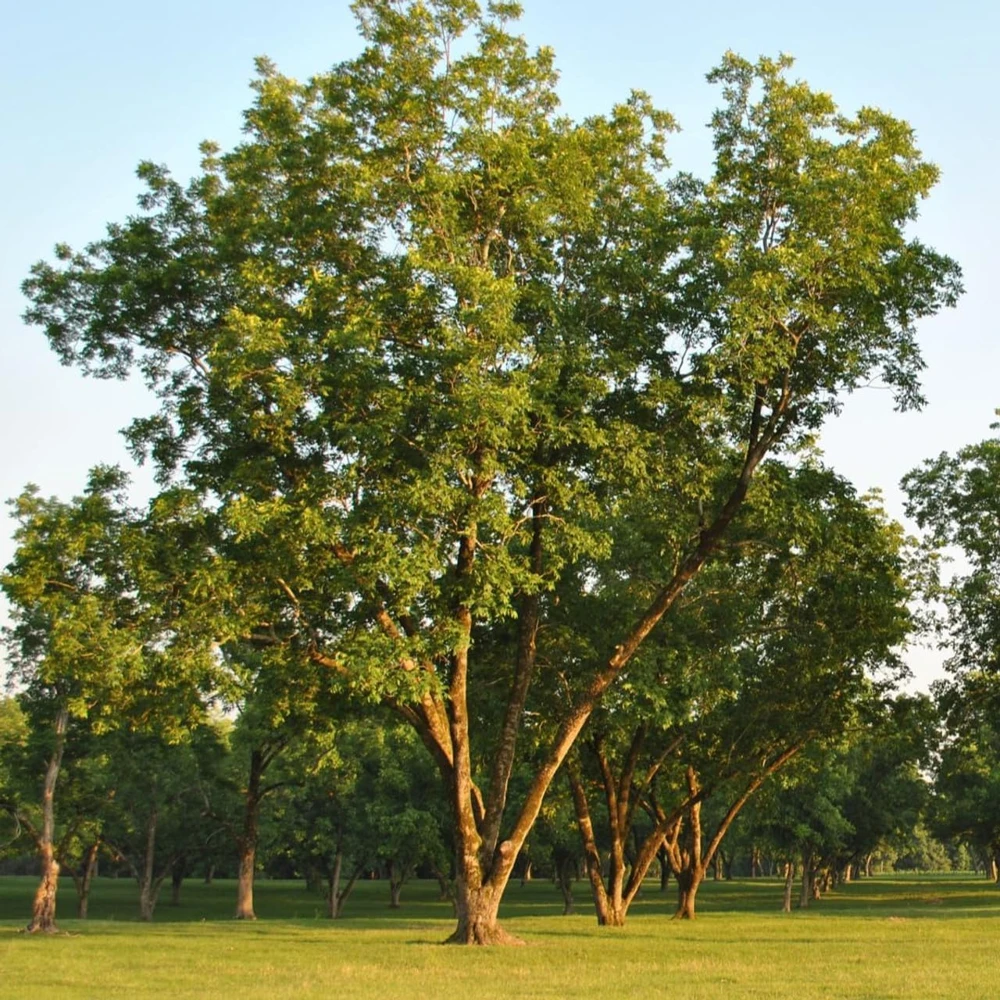
- Exceptional Shade Provider: As your pecan tree live plant matures, it will develop into a large, stately tree, providing extensive shade during hot summer months. This can significantly reduce cooling costs for your home and create a comfortable outdoor living space for relaxation and entertaining.
- Striking Ornamental Value: Beyond its practical benefits, the pecan tree offers significant aesthetic appeal. Its elegant branching structure and lush green leaves provide beautiful scenery throughout the spring and summer. In autumn, the foliage transforms into a spectacular display of golden-yellow hues, adding vibrant color to your landscape.
- Low Maintenance Once Established: While initial care is important, once established, growing pecan trees are relatively low-maintenance. They are adaptable to various soil types and become quite resilient, requiring less intensive care than many other fruit-bearing trees, making them suitable for both experienced and novice gardeners.
- Long-Term Investment & Legacy: A pecan tree is a long-term investment that can produce nuts for 70 years or more. Planting a hardy pecan tree today means creating a living legacy for your family, providing fresh produce and beauty for generations to come.
- Supports Local Wildlife: Pecan trees provide food and shelter for various wildlife, including squirrels and birds, contributing to the biodiversity of your garden ecosystem. This natural interaction enhances the overall health and vitality of your outdoor space.
- Adaptable & Resilient: Our Carya illinoinensis seedling is selected for its hardiness and adaptability, capable of thriving in a range of climates once properly established. This resilience ensures a greater chance of success for your planting efforts.
Plant Care & Growing Tips
Caring for your pecan tree live plant properly from the start will ensure a strong foundation for its future growth and productivity. While pecan trees are known for their hardiness, understanding their specific needs is crucial for optimal health and nut production. Proper initial planting and consistent care in the early years will lead to a thriving pecan nut tree that provides bountiful harvests for decades.
Sunlight requirements: Pecan trees thrive in full sun, requiring at least 6-8 hours of direct sunlight per day to produce a healthy crop of nuts. Choose a planting location that receives ample unobstructed sunlight throughout the day. While young trees can tolerate some partial shade, mature trees will be significantly more productive in full sun. Watering schedule and soil moisture preferences: Young Carya illinoinensis seedlings need consistent moisture, especially during dry periods. Water deeply 2-3 times a week for the first few years, ensuring the soil is moist but not waterlogged. Once established, pecan trees are quite drought-tolerant but will benefit from deep watering during extended dry spells, particularly when nuts are forming. Ensure good drainage to prevent root rot.
Soil type and drainage requirements: Pecan trees prefer deep, well-draining, fertile loamy soils with a pH between 6.0 and 7.0. Avoid heavy clay soils that retain too much water or sandy soils that drain too quickly. If your soil is not ideal, amend it with organic matter to improve structure and fertility. Temperature range and USDA hardiness zone: Most pecan varieties are hardy in USDA Zones 5-9, though specific varieties may vary. They require a long growing season with hot summers for nuts to mature properly. Protect young trees from extreme winter cold in their first few years. Fertilization schedule and type: Fertilize your hardy pecan tree annually in late winter or early spring before new growth begins. Use a balanced fertilizer or one specifically formulated for nut trees, following package directions. As the tree matures, a soil test can help determine specific nutrient deficiencies. Common problems and solutions: Watch out for common pests like pecan weevils and diseases such as scab. Regular inspection and appropriate organic or chemical treatments can help manage these issues. Proper air circulation and sanitation can also prevent fungal diseases. Ensure good cultural practices to promote a strong, disease-resistant pecan tree live plant.
Size & Details
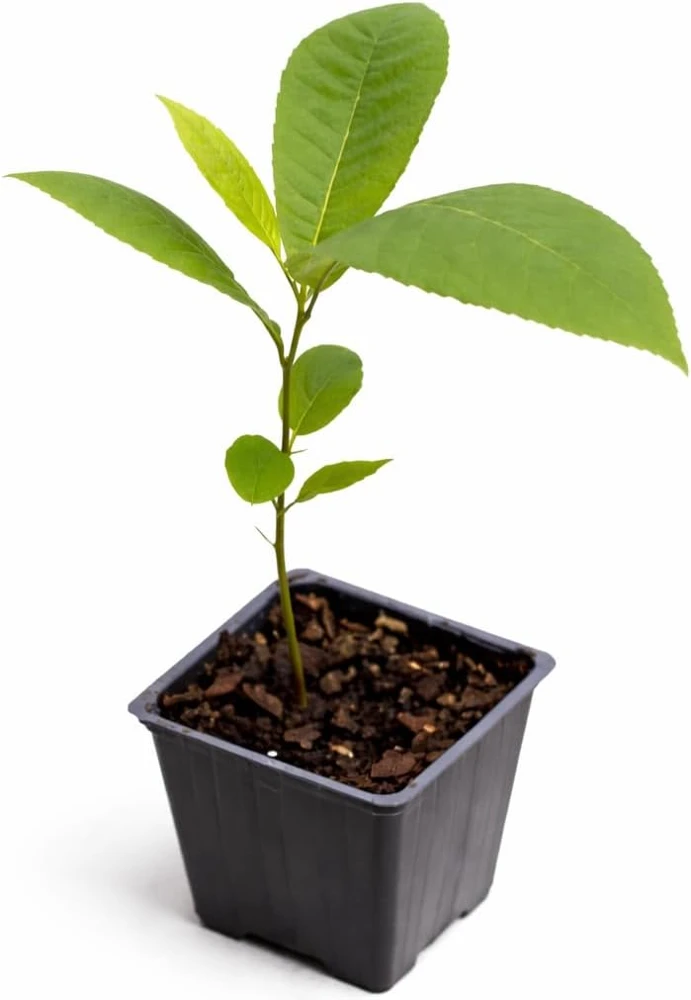
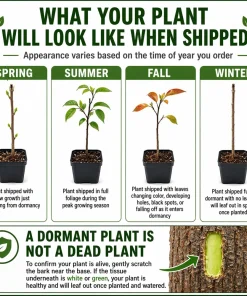
This offering is for one healthy pecan tree live plant, which will arrive as a young seedling approximately 6-12 inches tall. This size is ideal for planting, allowing the tree to establish its root system effectively in its new environment. Pecan trees are known for their vigorous growth rate once established, quickly developing into impressive shade trees. While the initial height is modest, these trees can eventually reach heights of 70-100 feet or more, with a spread of 40-75 feet, making them a significant landscape feature. The seedling is typically shipped in a small nursery pot or as a bare-root specimen, ready for immediate planting upon arrival.
The time to first harvest for a pecan nut tree can vary, but generally, expect nuts within 7-10 years, with significant production beginning around 12-15 years. This long-term commitment is well worth the wait for the delicious and abundant harvests. The ultimate size and productivity of your Carya illinoinensis seedling will depend on proper care, climate, and soil conditions. With good management, your hardy pecan tree will become a cherished part of your property for decades.
Frequently Asked Questions
- Q: How big does this pecan tree live plant get? A: This young plant is 6-12 inches tall upon arrival. Once mature, pecan trees can grow to be very large, typically reaching heights of 70-100 feet with a spread of 40-75 feet, providing significant shade and a majestic presence in the landscape.
- Q: Is this an indoor or outdoor plant? A: This is an outdoor tree. Pecan trees require ample space and full sun exposure to thrive and produce nuts effectively. They are not suitable for indoor cultivation.
- Q: How much sunlight does a pecan nut tree need? A: Pecan trees require full sun, meaning at least 6-8 hours of direct sunlight per day, especially for optimal nut production. Choose a location in your yard that receives plenty of unobstructed sun.
- Q: Is this plant easy to care for? Is it good for beginners? A: While initial care involves consistent watering and proper planting, established pecan trees are relatively low-maintenance. They can be a good choice for beginners who are prepared for the long-term commitment and have suitable space and sunlight.
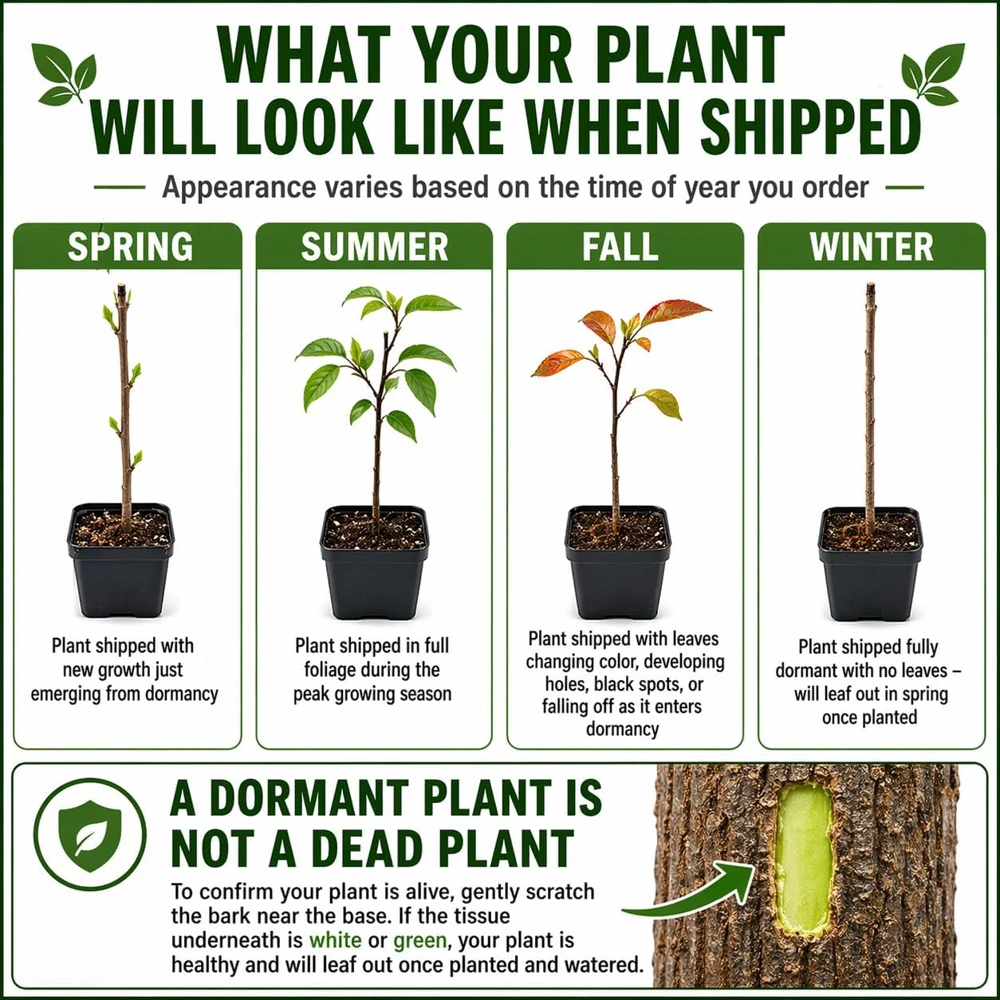
- Q: What condition will the Carya illinoinensis seedling arrive in? A: Your pecan tree seedling will be carefully packaged and arrive healthy, typically in a small nursery pot with soil or as a bare-root plant, ready for planting. We take great care to ensure safe transit.
- Q: When is the best time to plant a hardy pecan tree? A: The best time to plant pecan trees is typically in late winter or early spring, after the last hard frost but before new growth begins. This allows the tree to establish its root system before the stress of summer heat.
- Q: How long until this pecan tree live plant produces nuts? A: Pecan trees generally begin to produce nuts within 7-10 years after planting, with significant harvests usually starting around 12-15 years. Patience is key, but the reward is fresh, delicious pecans for many years.
- Q: Will this pecan tree survive winter in my zone? A: Most common pecan varieties are hardy in USDA Zones 5-9. It’s important to know your specific USDA Hardiness Zone to ensure the variety you choose is suitable for your local climate. Young trees may need winter protection in colder zones.
- Q: Do I need to plant more than one pecan tree for nuts? A: Yes, for successful pollination and abundant nut production, it is highly recommended to plant at least two different pecan varieties. This cross-pollination significantly increases yields.
- Q: What kind of soil is best for growing pecan trees? A: Pecan trees prefer deep, well-draining, fertile loamy soils with a slightly acidic to neutral pH (6.0-7.0). Good drainage is essential to prevent root issues.
Be the first to review “Pecan Tree Live Plant 6-12″ Tall – Hardy Carya illinoinensis Seedling for Nuts”
People Also Viewed
Houseplants
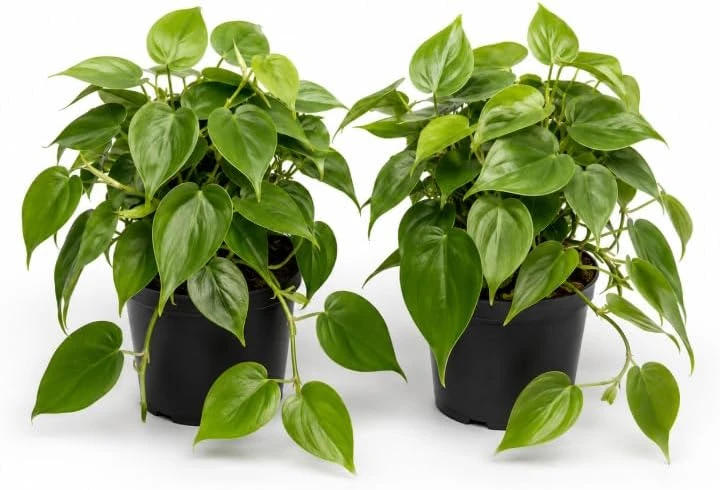
Set of 2 Heartleaf Philodendron Live Plants – Green Trailing Potted Houseplant – Indoor & Outdoor

Reviews
There are no reviews yet.