
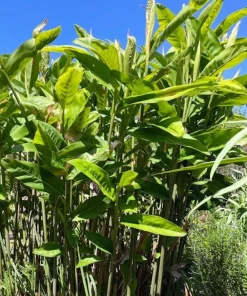
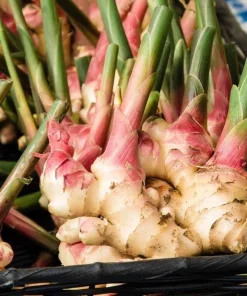
5 Galangal Thai Ginger Bare Root Plant Plugs – Alpiniagalanga
Original price was: $119.99.$94.99Current price is: $94.99.
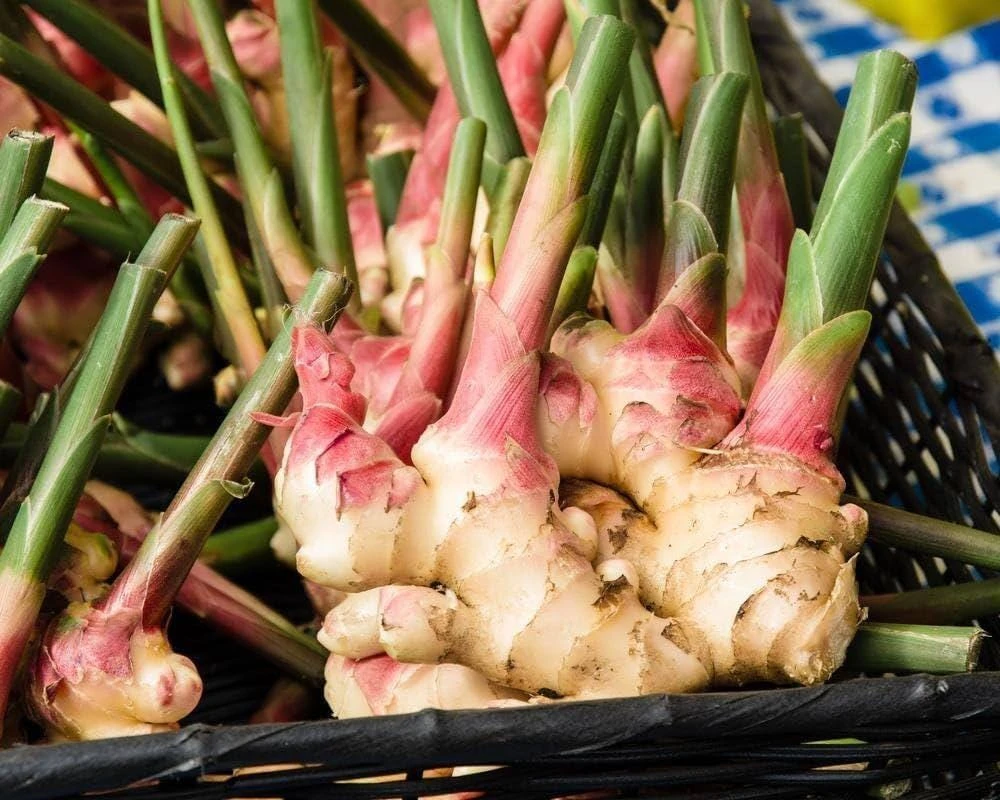
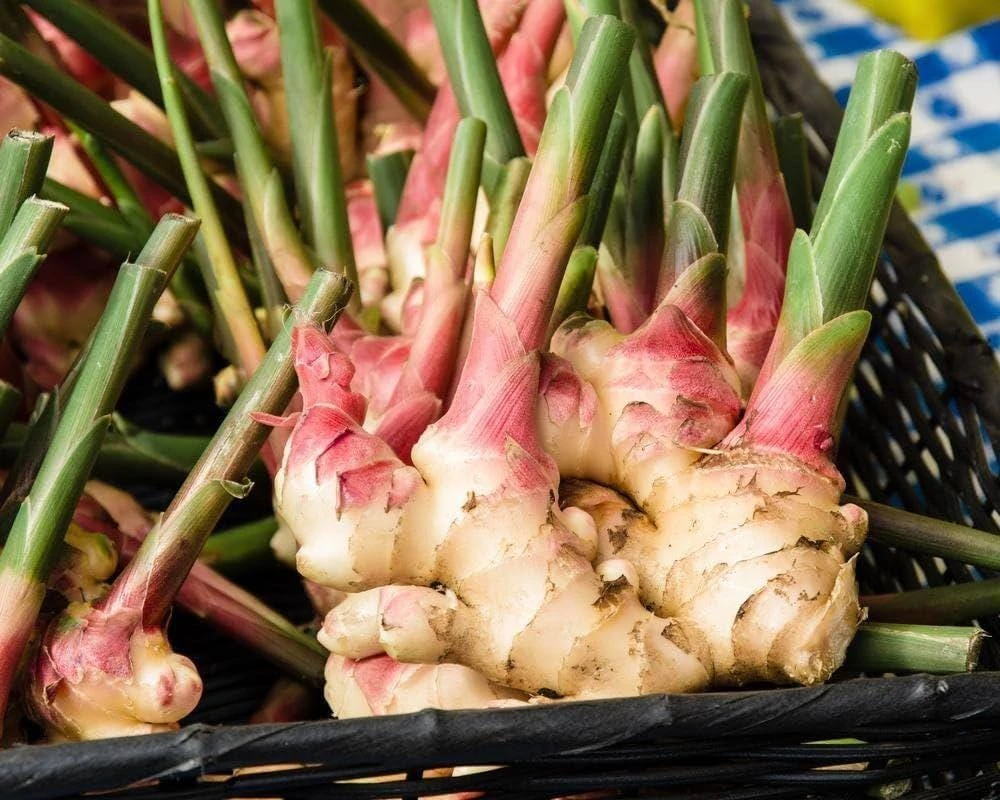
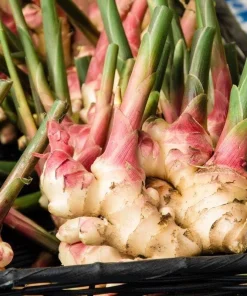
Cultivate your own exotic flavors with this 5-pack of galangal bare root starter plugs. Also known as thai ginger plant (Alpinia galanga), these tropical rhizomes are essential for Southeast Asian cuisine. Thrives in warm climates or containers.
Estimated arrival
Sep 29
Oct 04 - Oct 06
Oct 09 - Oct 13
Shop With Confidence
30-Day Plant Health Guarantee
Arrives damaged? We’ll replace it free — see our return policy.
Responsive Support
Email us anytime, we reply within 1 business day.
Expert Packaging
Temperature-controlled shipping to protect your plants in transit.
Secure Checkout
Pay safely with Visa, Mastercard, PayPal.
Plant Specifications
-
USDA Hardiness Zone
USDA zones 9-12 (as perennial), 7-8 (as annual), 5-11 (in containers) -
Soil Type
Well-draining, rich, loamy soil with organic matter -
Sunlight Exposure
Partial shade -
Expected Planting Period
Spring to early summer
Overview
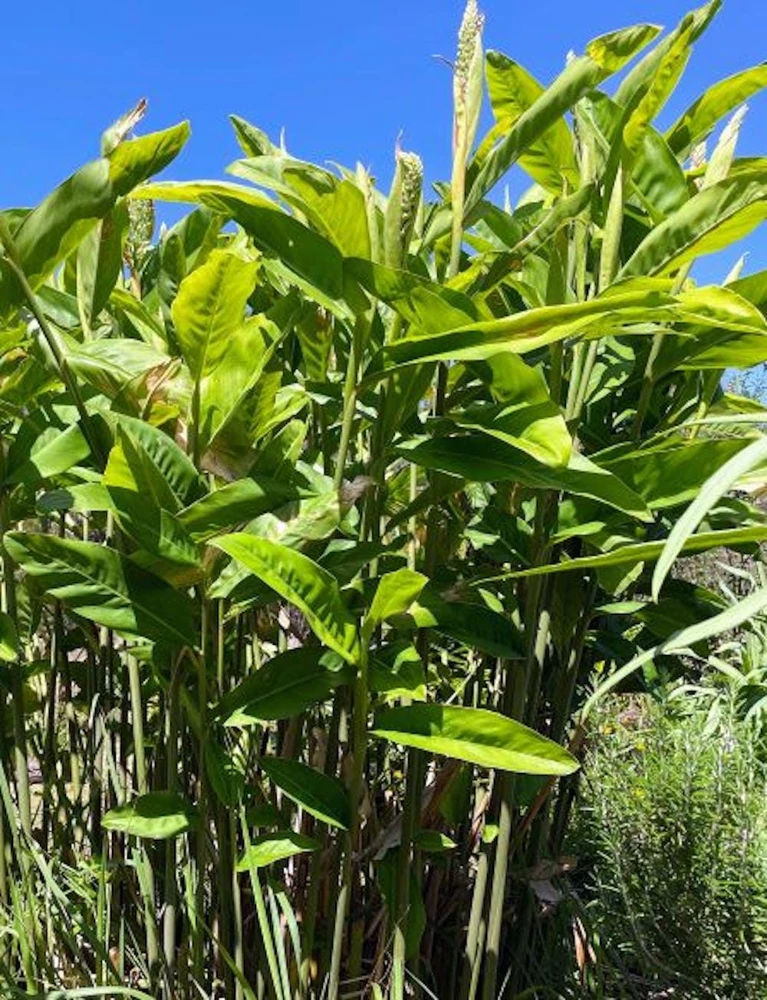
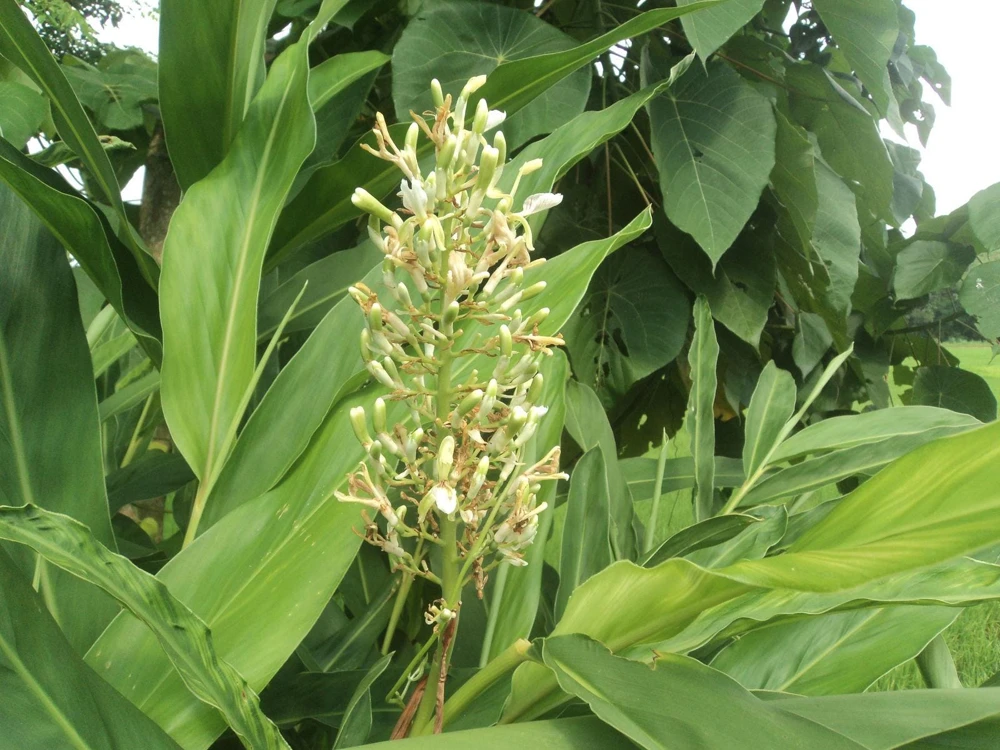
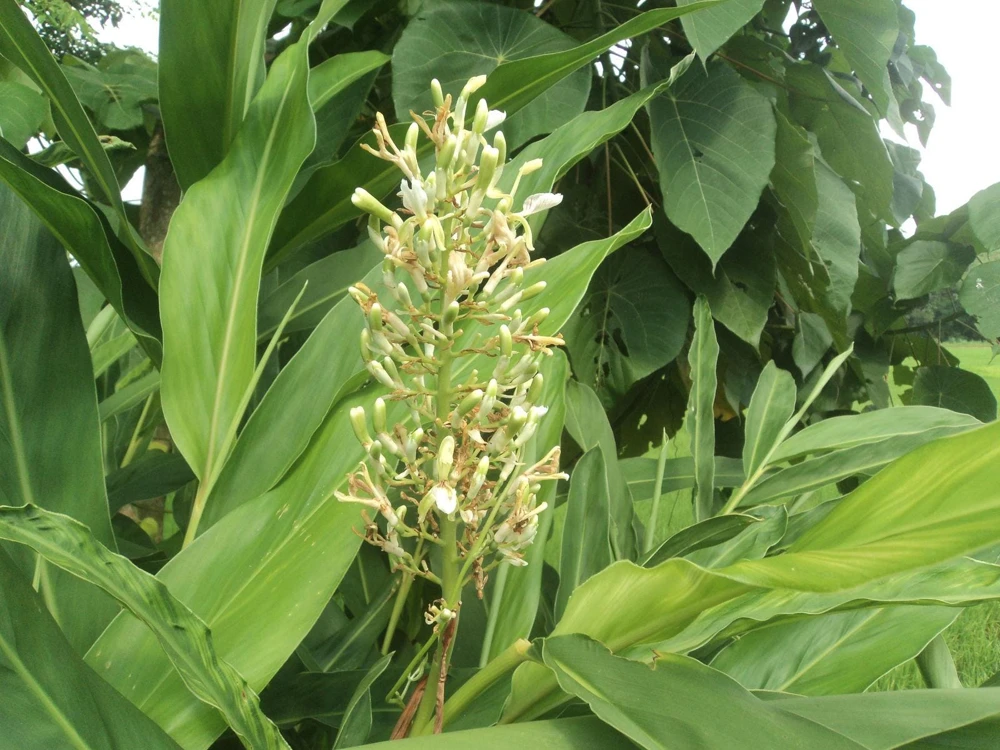
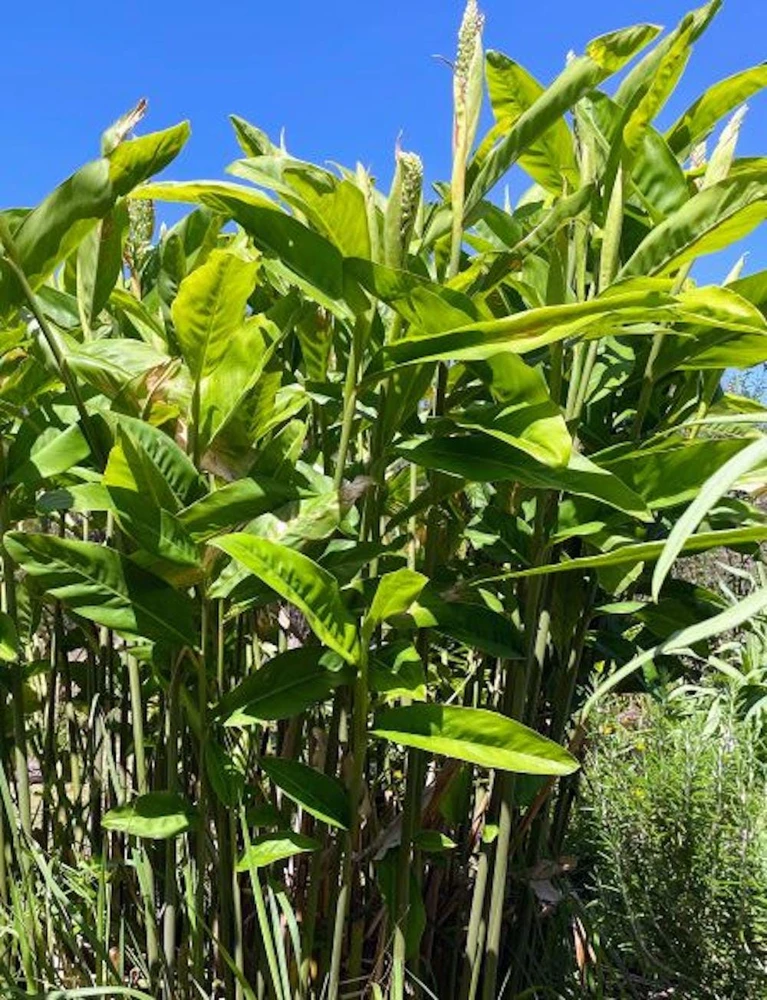
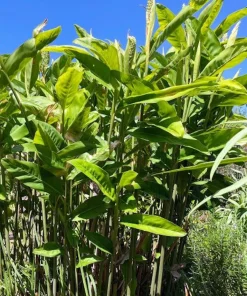
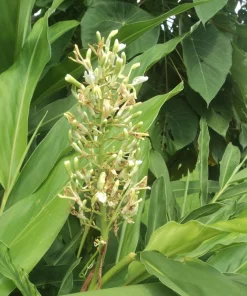
Embark on a culinary adventure with our premium 5-pack of galangal bare root starter plugs. Often referred to as thai ginger plant, the Alpina galanga is a tropical evergreen known for its aromatic, pungent rhizomes that are a cornerstone of Southeast Asian cooking. These vibrant plants will grow to a height of 4–6 feet, featuring lush green leaves and producing showy yellowish-white flowers, adding an exotic touch to your garden or patio. Our bare root plugs are a cost-effective and efficient way to establish this unique herb, allowing you to enjoy fresh galangal right from your home garden. Whether you’re a seasoned chef or a gardening enthusiast, growing your own galangal ensures the freshest ingredients for your culinary creations.
The alpinia galanga, or greater galangal, is distinct from common ginger (Zingiber officinale) with its sharper, more citrusy, and piney flavor profile. This makes it an indispensable ingredient for authentic Thai curries, soups like Tom Yum and Tom Kha, and various marinades. Our starter plugs provide a healthy foundation for robust growth, ensuring you can successfully grow galangal with proper care. These plants are tropical by nature, but with adaptable growing tips, they can thrive in a variety of environments, bringing a taste of the tropics to your kitchen.
Key Benefits
Growing your own galangal bare root offers numerous advantages, from enhancing your cooking to beautifying your garden. These benefits make it a worthwhile addition for any plant lover:
- Authentic Culinary Ingredient: Harvest fresh thai ginger plant rhizomes directly from your garden to infuse your dishes with genuine Southeast Asian flavors. Its unique taste cannot be replicated by common ginger, making it essential for specific recipes.
- Aromatic Garden Addition: The lush green foliage and potential for beautiful yellowish-white flowers add a tropical aesthetic and delightful aroma to your outdoor or indoor space, creating a serene and exotic atmosphere.
- Medicinal Properties: Beyond its culinary uses, galangal has been traditionally used in herbal medicine for its anti-inflammatory and antioxidant properties, making it a valuable plant to have on hand for holistic wellness.
- Container Growing Versatility: For those in cooler climates, the alpinia galanga can be successfully grown in containers, allowing you to move it indoors during colder months and enjoy fresh galangal year-round. This flexibility makes it accessible to a wider range of gardeners.
- Sustainable & Fresh Supply: Enjoy a continuous supply of fresh galangal without relying on grocery stores. Growing your own is a sustainable choice that reduces your carbon footprint and ensures pesticide-free produce.
- Educational Experience: Learn the rewarding process of cultivating a unique tropical herb. Observing the growth cycle from a galangal bare root to a mature plant is an enriching experience for gardeners of all levels.
- Easy to Grow: While tropical, these plants are relatively low-maintenance once established, requiring consistent moisture and partial shade to thrive, making it easy to grow galangal in suitable conditions.
Plant Care & Growing Tips
To ensure your galangal bare root starter plugs flourish into healthy plants, understanding their specific care requirements is crucial. The thai ginger plant is a tropical evergreen that prefers warm, humid conditions. When planting, choose a location with well-draining soil that retains consistent moisture. A rich, loamy soil amended with organic matter is ideal. For optimal growth, ensure the plant receives partial shade, especially during the hottest parts of the day. While it enjoys warmth, direct, intense sunlight can scorch its leaves.
Watering is key for alpinia galanga. The soil should be kept consistently moist but never waterlogged, as this can lead to rhizome rot. During dry spells or in warmer climates, you may need to water more frequently. Fertilize your galangal plant every 2-3 months during the growing season (spring and summer) with a balanced liquid fertilizer to support vigorous growth. These plants thrive in USDA zones 9-12 outdoors. In zones 7-8, it can be grown as an annual, and in zones 5-11, it can be successfully grown in containers and brought indoors before the first frost. Protecting it from cold temperatures is vital if you want your tropical ginger to survive year after year.
Common problems often involve improper watering or insufficient warmth. Yellowing leaves can indicate either overwatering or nutrient deficiency. Ensure good drainage and regular feeding. Pests are generally not a major issue for galangal, but occasional checks for spider mites or aphids are recommended. Harvesting the rhizomes typically occurs around 10–12 months after planting. You can gently dig up a portion of the rhizome from the side of the plant, allowing the rest to continue growing. This ensures a continuous supply of fresh galangal.
Size & Details
This offering includes 5 healthy galangal bare root starter plugs, ready for planting. Each bare root is carefully selected to ensure viability and vigorous growth upon arrival. These plugs are in their initial growth stage, making them easy to plant and establish in your garden or preferred container. The thai ginger plant typically grows to an impressive height of 4–6 feet, with a spread of 2–3 feet when mature, creating a lush, tropical display. The rhizomes are ready for harvest approximately 10–12 months after planting, providing a sustained yield.
Our alpinia galanga bare roots are shipped without soil or a pot, minimizing shipping stress and allowing you to plant them directly into your chosen growing medium. This method promotes quicker establishment and root development. With proper care, these plants have a moderate to fast growth rate, quickly developing into mature specimens capable of producing flavorful rhizomes. They are ideal for gardeners looking to grow galangal for culinary use, ornamental appeal, or both. The mature plants will produce showy yellowish-white flowers, adding an extra layer of beauty to your garden.
Frequently Asked Questions
- Q: How big will the galangal plant get? A: A mature thai ginger plant typically reaches a height of 4–6 feet with a spread of 2–3 feet, creating a substantial and beautiful tropical presence in your garden or large container.
- Q: Is this an indoor or outdoor plant? A: This galangal bare root plant thrives outdoors in USDA zones 9-12. In cooler climates (zones 5-11), it can be grown in containers and brought indoors during the colder months to protect it from frost.
- Q: How much sunlight does it need? A: Alpinia galanga prefers partial shade, especially in hot climates. It needs bright, indirect light for several hours a day to grow well, but direct afternoon sun can be too intense.
- Q: Is this plant easy to care for? A: Yes, once established, the tropical ginger is relatively easy to care for. It requires consistent moisture, well-draining soil, and protection from frost if grown outside its hardiness zones.
- Q: What condition will it arrive in? A: Your order will contain 5 healthy galangal bare root starter plugs, shipped without soil or a pot, ready for immediate planting upon arrival to ensure freshness.
- Q: Can I use galangal in cooking? A: Absolutely! The rhizomes of the thai ginger plant are a prized ingredient in Southeast Asian cuisine, used extensively in curries, soups, and stir-fries for their distinctive pungent, citrusy flavor.
- Q: How long until I can harvest the galangal rhizomes? A: You can typically begin to harvest the galangal rhizomes about 10–12 months after planting the galangal bare root plugs. This allows the plant sufficient time to establish and develop substantial rhizomes.
- Q: When is the best time to plant these bare roots? A: The best time to plant your galangal bare root plugs is in the spring after the last threat of frost, or early summer, to give them a full growing season to establish.
- Q: Will it survive winter in my zone? A: The alpinia galanga is hardy in USDA zones 9-12. If you are in a colder zone (5-8), you will need to grow it as an annual or in a container that can be moved indoors for winter protection.
- Q: What type of soil is best for growing galangal? A: Grow galangal in rich, well-draining, loamy soil that is consistently moist. Amending the soil with compost or other organic matter will greatly benefit its growth.
Be the first to review “5 Galangal Thai Ginger Bare Root Plant Plugs – Alpiniagalanga”
People Also Viewed

Reviews
There are no reviews yet.