
4 Pack Hawaiian Awapuhi Shampoo Ginger Rhizomes – Zingiber Zerumbet Tubers
Original price was: $38.99.$13.99Current price is: $13.99.
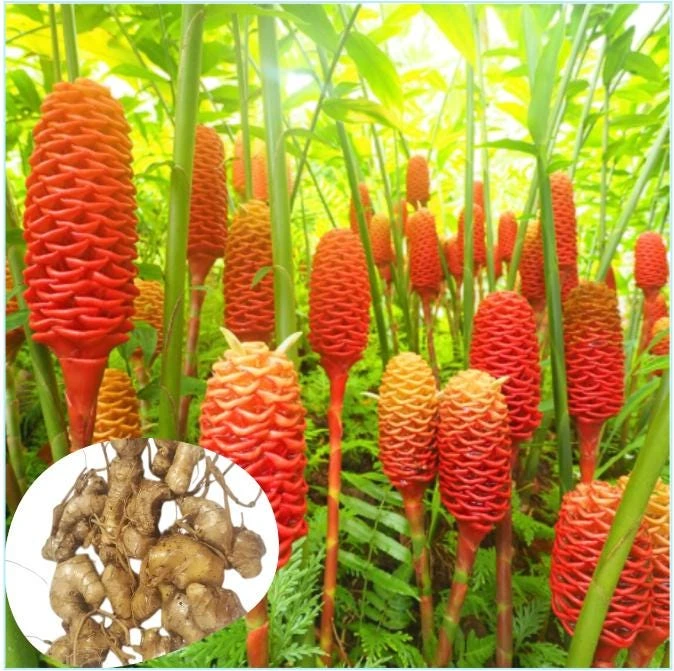
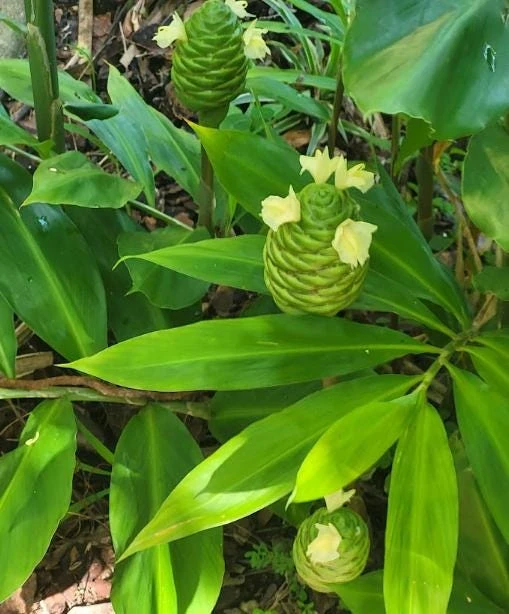
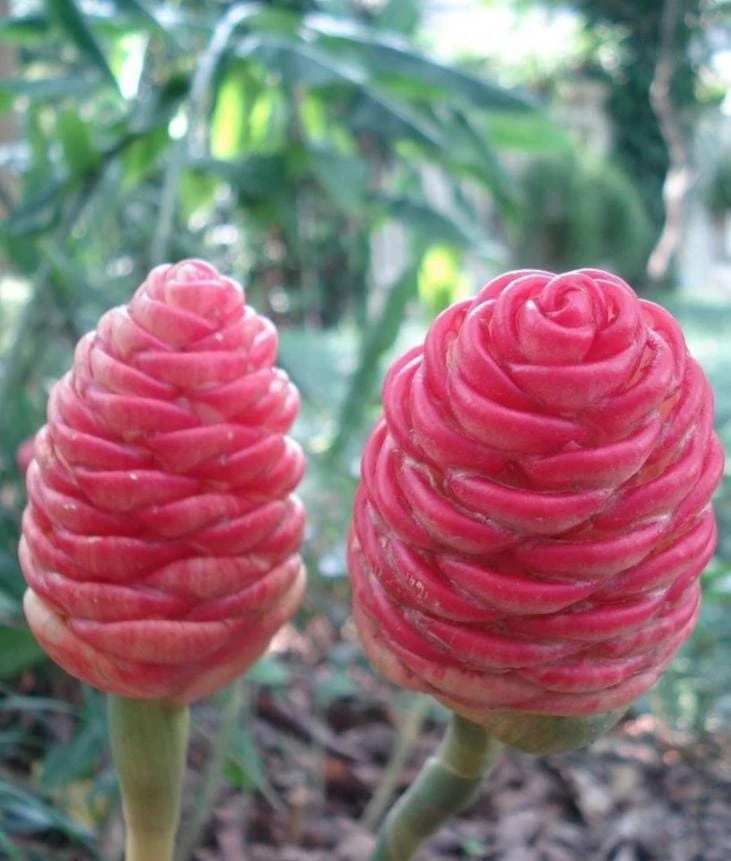
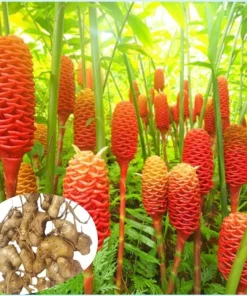
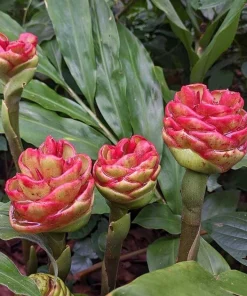
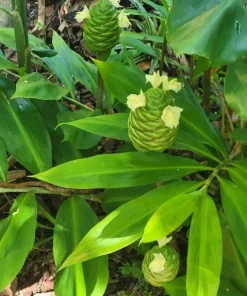
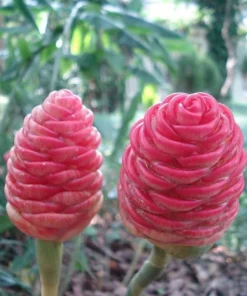
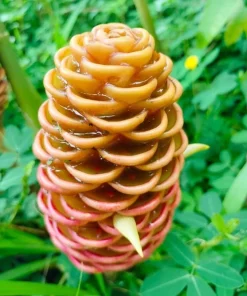
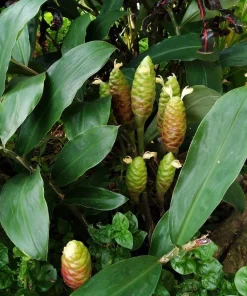
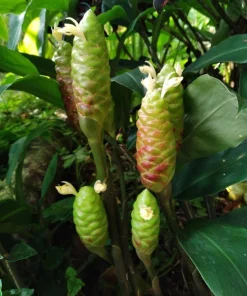
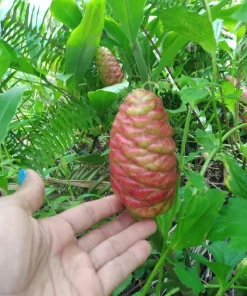
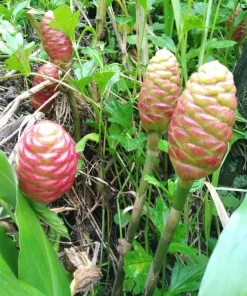
Cultivate your own exotic beauty with this 4 pack Hawaiian Awapuhi ginger rhizomes. Also known as Zingiber zerumbet tubers, these unique ‘pinecone’ gingers produce striking red blooms and are traditionally used for their fragrant, shampoo-like sap.
Estimated arrival
Oct 14
Oct 19 - Oct 21
Oct 24 - Oct 28
Shop With Confidence
30-Day Plant Health Guarantee
Arrives damaged? We’ll replace it free — see our return policy.
Responsive Support
Email us anytime, we reply within 1 business day.
Expert Packaging
Temperature-controlled shipping to protect your plants in transit.
Secure Checkout
Pay safely with Visa, Mastercard, PayPal.
Plant Specifications
-
USDA Hardiness Zone
USDA zones 9–11 (outdoors), otherwise grown as annual or indoors -
Soil Type
Rich, well-draining, slightly acidic soil -
Sunlight Exposure
Partial shade to full sun (4-6 hours direct sun) -
Expected Planting Period
Spring, after last frost
Overview
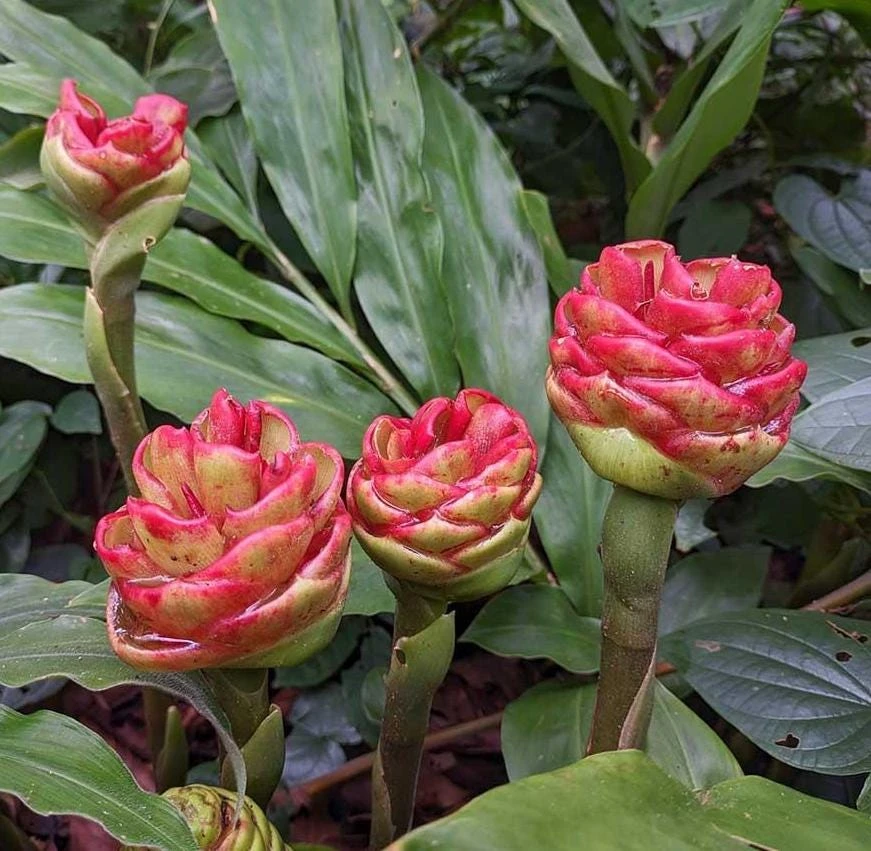
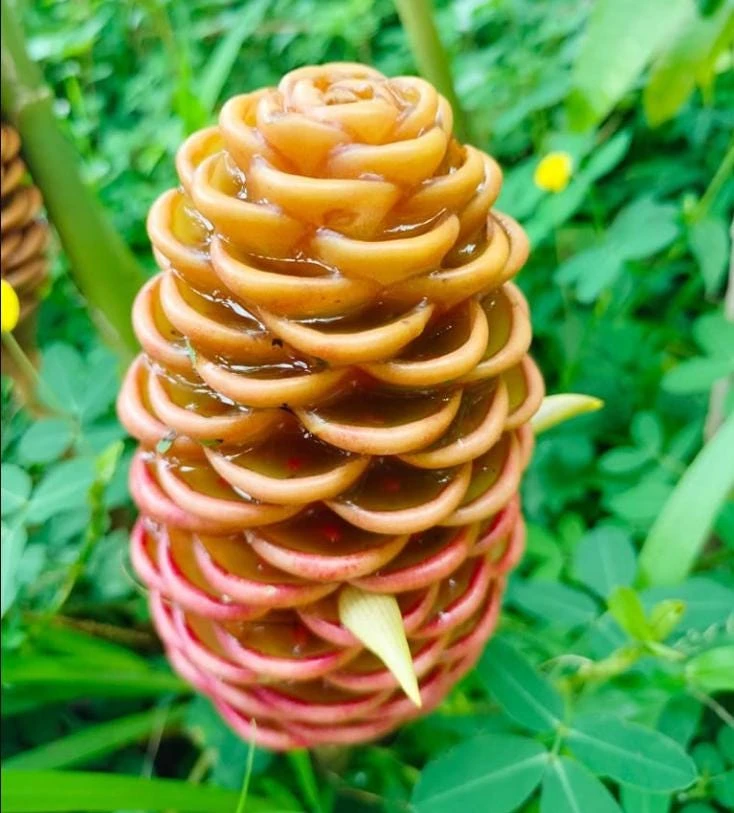
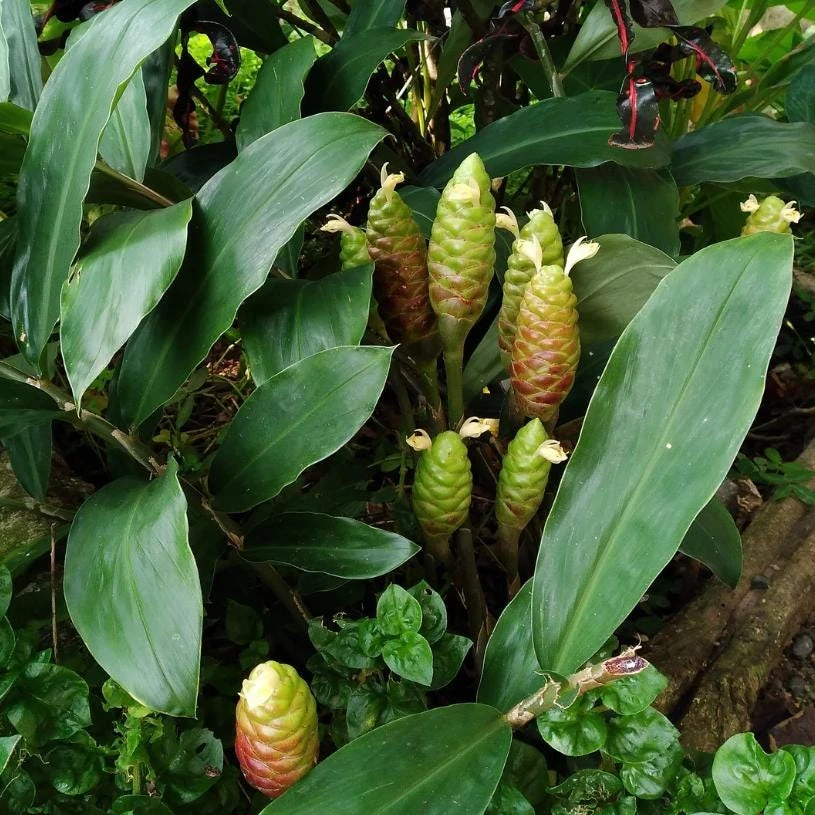
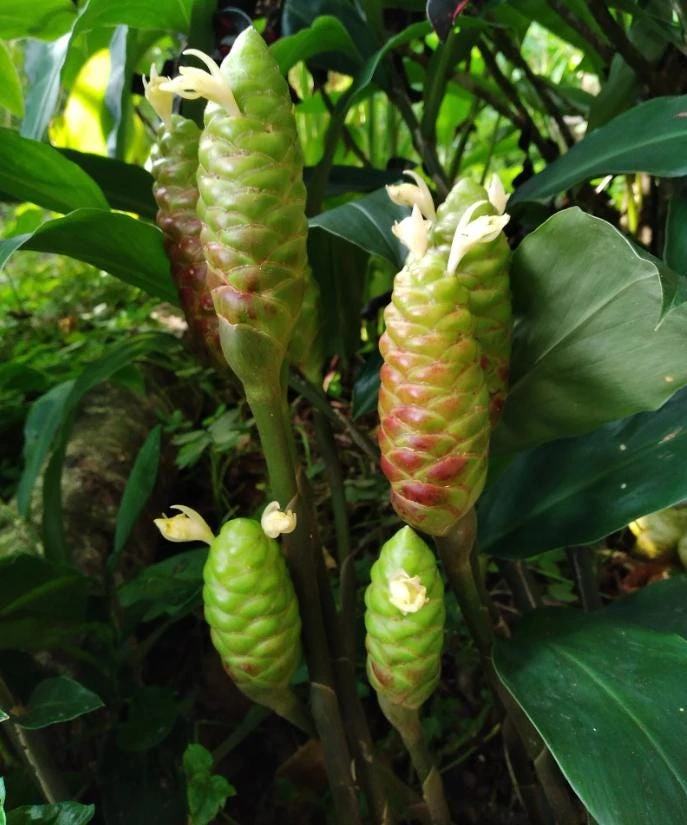
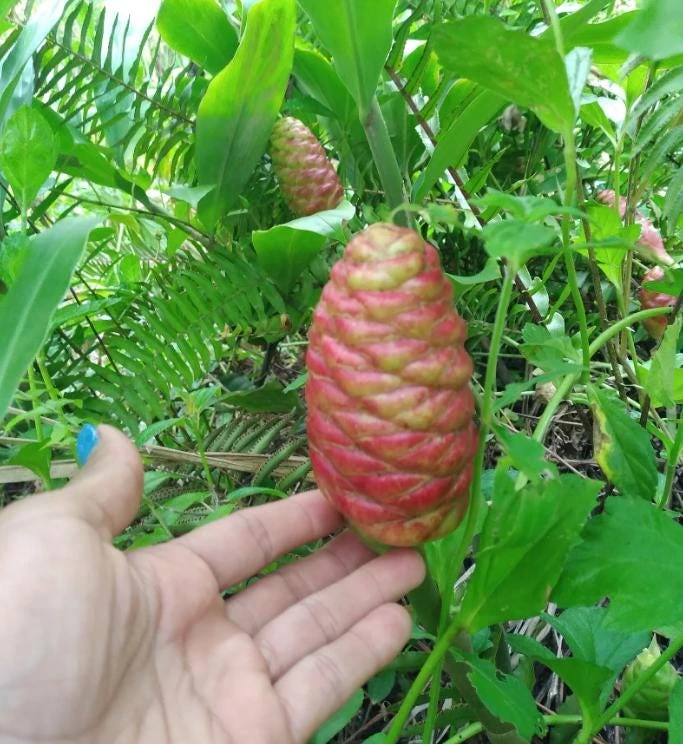
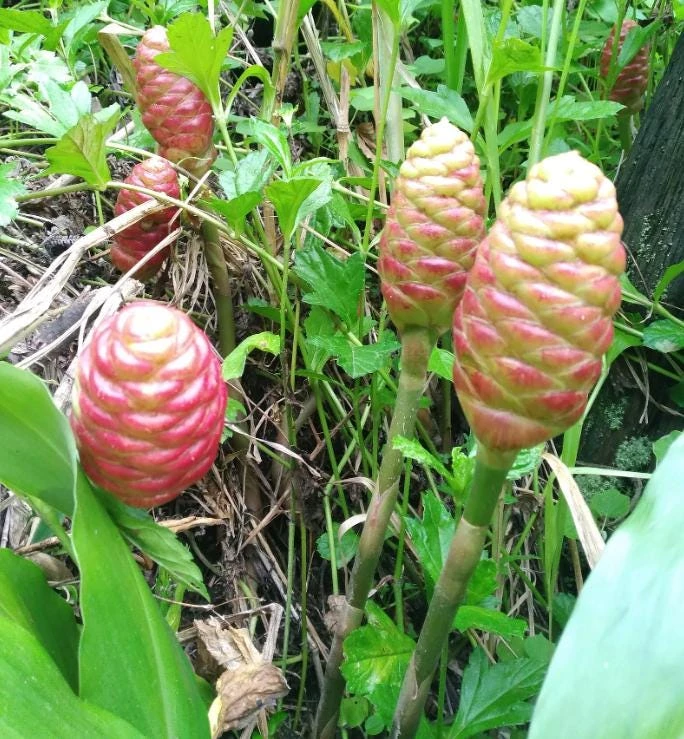
Introduce an exotic touch to your garden or indoor space with this 4 pack Hawaiian Awapuhi ginger rhizomes. These fascinating botanicals, scientifically known as Zingiber zerumbet tubers, are renowned for their distinctive pinecone-shaped inflorescences that transition from green to a vibrant red as they mature. Often called Shampoo Ginger, Pinecone Ginger, or Red Ginger Lily, the plant releases a fragrant, conditioning sap from its mature cones, traditionally used in hair care and as a natural cleanser. Growing your own Awapuhi ginger is a rewarding experience, offering both ornamental beauty and a connection to ancient Hawaiian traditions. These rhizomes are ready to sprout, bringing a slice of the tropics to your home.
The Awapuhi ginger is a deciduous perennial, meaning its foliage dies back in colder months but regrows from the underground rhizomes. This makes it a resilient and long-lasting addition to your plant collection. Its lush, tropical foliage provides a beautiful backdrop for the unique flower heads, ensuring year-round interest in warmer climates or as a seasonal showpiece elsewhere. Experience the joy of cultivating this unique and versatile plant.
Key Benefits
Cultivating Hawaiian Awapuhi ginger rhizomes offers a multitude of benefits, from aesthetic appeal to practical uses and a unique sensory experience. These plants are not just beautiful; they are also a conversation starter and a source of natural goodness.
- Exotic Ornamental Beauty: The striking green foliage and unique pinecone-like inflorescences of the Zingiber zerumbet tubers add a distinct tropical flair to any garden or container. The vibrant red color of the mature cones is particularly eye-catching.
- Natural Fragrance and Hair Care: The mature flower cones produce a fragrant, conditioning liquid, traditionally used in Hawaii as a natural shampoo and conditioner. Enjoy the subtle, sweet scent and natural benefits directly from your garden.
- Low Maintenance Perennial: Once established, Awapuhi ginger is relatively easy to care for. It’s a deciduous perennial that returns year after year, offering consistent beauty with minimal effort.
- Versatile Growing Options: Suitable for both garden beds in warm climates (USDA zones 9-11) and as a potted plant that can be brought indoors during cooler months, making it accessible to a wide range of gardeners.
- Unique Conversation Starter: The unusual appearance and traditional uses of the shampoo ginger plant make it a fascinating specimen that will intrigue guests and spark interesting discussions.
- Fast Growing and Prolific: Under ideal conditions, these rhizomes grow quickly and can produce numerous flower stalks, providing an abundance of beautiful blooms and fragrant sap.
- Traditional Medicinal Uses: Beyond its use as shampoo, the Awapuhi ginger has been historically utilized in various traditional remedies for its anti-inflammatory properties, adding another layer of interest to this remarkable plant.
Plant Care & Growing Tips
Caring for your Hawaiian Awapuhi ginger rhizomes is straightforward, especially when you understand its tropical origins. These rhizomes thrive in warm, humid environments and appreciate consistent moisture. The first step to successful growth is selecting the right location. Awapuhi ginger prefers partial shade to full sun, ideally receiving 4-6 hours of direct sunlight, especially in the morning, followed by some afternoon shade to protect it from intense heat. In very hot climates, more shade is beneficial. If growing indoors, place it near a bright window with indirect light.
The ideal soil for Zingiber zerumbet tubers is rich, well-draining, and slightly acidic to neutral (pH 6.0-7.0). Incorporate plenty of organic matter, such as compost or well-rotted manure, to improve fertility and drainage. When planting the rhizomes, lay them horizontally about 1-2 inches deep with any ‘eyes’ or growth buds facing upwards. Space them about 6-12 inches apart to allow for spread. Keep the soil consistently moist, but not waterlogged, especially during the active growing season. Reduce watering once the foliage begins to die back in late fall or early winter. Fertilize every 4-6 weeks during the growing season with a balanced liquid fertilizer to encourage robust growth and flowering. Protecting your shampoo ginger plant from frost is crucial; in colder zones, either grow it in containers to move indoors or mulch heavily to protect the rhizomes.
Common issues can include root rot if the soil is too wet, or stunted growth if light is insufficient. Ensure good air circulation to prevent fungal problems. The red ginger lily bulbs are generally pest-resistant, but occasional aphids or spider mites can be managed with organic insecticidal soap. With proper care, your pinecone ginger will reward you with lush foliage and its unique, fragrant blooms. Pay attention to consistent watering and feeding to ensure the best results for your pinecone ginger care.
Size & Details
Each purchase includes a 4 pack Hawaiian Awapuhi ginger rhizomes, ready for planting. These rhizomes are typically 2-4 inches in length, with visible growth buds (eyes) indicating their readiness to sprout. When mature, the Awapuhi ginger plant generally reaches a height of 3-5 feet with a spread of 2-3 feet, creating a substantial tropical display. The distinctive pinecone-shaped inflorescences emerge on separate stalks from the foliage and can grow to 4-8 inches tall. Expect the first blooms to appear in late summer to early fall, approximately 3-6 months after planting, depending on growing conditions and climate. The plant is deciduous and will die back in winter, regrowing from the Zingiber zerumbet tubers in spring.
These rhizomes will be shipped carefully packaged to ensure their health and viability upon arrival. They are suitable for container growing, making them ideal for gardeners in cooler climates who wish to bring the plants indoors during winter, or for those with limited garden space. For optimal growth, consider planting in a pot that is at least 8-12 inches in diameter initially, upgrading as the plant matures. The fast growth rate means you’ll soon enjoy the lush foliage and unique blooms of your shampoo ginger plant.
Frequently Asked Questions
- Q: How big does this plant get? A: The Hawaiian Awapuhi ginger rhizomes typically grow into plants that are 3-5 feet tall and 2-3 feet wide. The flower stalks themselves can reach 4-8 inches in height.
- Q: Is this an indoor or outdoor plant? A: It can be both! In USDA zones 9-11, it can be grown outdoors year-round. In colder climates, it’s best grown in containers and brought indoors before the first frost.
- Q: How much sunlight does it need? A: Awapuhi ginger thrives in partial shade to full sun, ideally receiving 4-6 hours of direct morning sun with afternoon shade. Too much intense, direct afternoon sun can scorch the leaves.
- Q: Is this plant easy to care for? A: Yes, once established, the Zingiber zerumbet tubers are relatively low maintenance. Consistent watering and rich, well-draining soil are key to success.
- Q: What condition will it arrive in? A: Your 4 pack Hawaiian Awapuhi ginger rhizomes will arrive as dormant or sprouting rhizomes, carefully packaged to ensure they are healthy and ready for planting.
- Q: When is the best time to plant? A: The best time to plant is in spring after all danger of frost has passed, when soil temperatures begin to warm up. This allows the rhizomes ample time to establish before the heat of summer.
- Q: Can I use the sap for my hair? A: Yes, the clear, fragrant liquid that accumulates in the mature red ‘pinecone’ inflorescences is traditionally used as a natural shampoo and conditioner. Gently squeeze the cone to extract the liquid.
- Q: What is the ideal soil type for pinecone ginger care? A: Awapuhi ginger prefers rich, well-draining soil with plenty of organic matter. A slightly acidic to neutral pH is ideal.
- Q: How long until it blooms? A: Under optimal conditions, you can expect the first blooms from your red ginger lily bulbs to appear about 3-6 months after planting, typically in late summer to early fall.
- Q: Will it survive winter in my zone? A: In USDA zones 9-11, it will survive outdoors. In colder zones, the foliage will die back, but the rhizomes can survive if heavily mulched or if the plant is brought indoors.
Be the first to review “4 Pack Hawaiian Awapuhi Shampoo Ginger Rhizomes – Zingiber Zerumbet Tubers”
People Also Viewed
Flower Plants
Pow Wow Wild Berry Coneflower – Echinacea Live Plant – 1 Gallon Pot – Outdoor Perennial
Reviews
There are no reviews yet.