
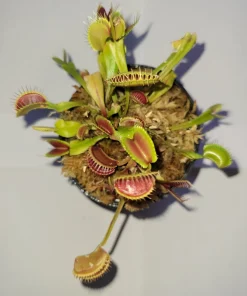
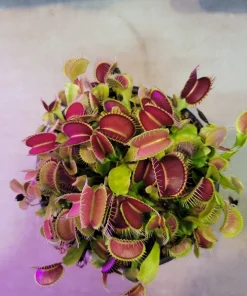
3 Small ‘Giant’ Venus Flytrap Live Plants – Dionaea Muscipula – Indoor/Outdoor
Original price was: $80.99.$55.99Current price is: $55.99.
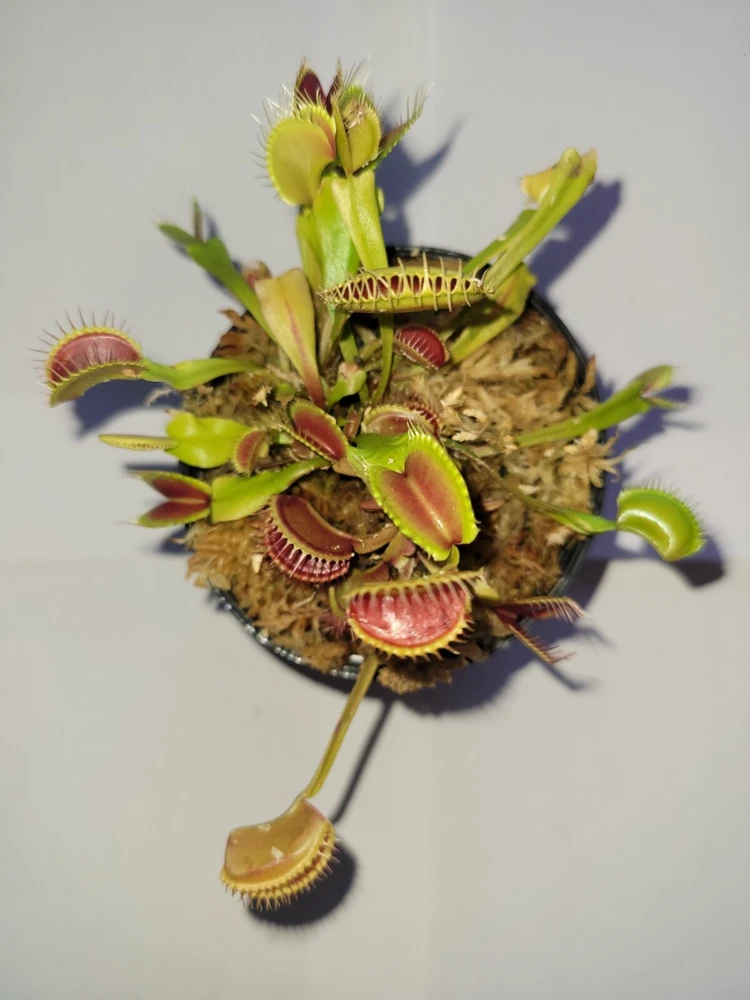
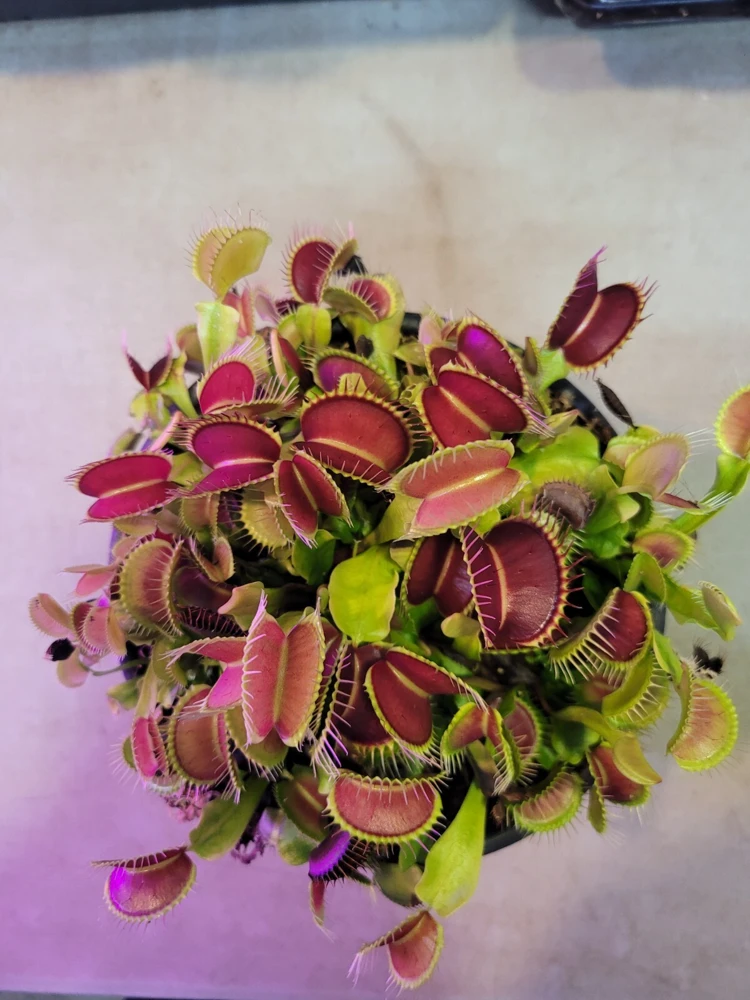
Bring home 3 small ‘Giant’ Venus Flytrap live plant specimens, scientifically known as Dionaea Muscipula for sale. These captivating carnivorous plants are ideal for both indoor and outdoor settings, offering natural pest control and a unique addition to your plant collection. Perfect for enthusiasts looking for a distinctive and interactive plant experience.
Estimated arrival
Sep 29
Oct 04 - Oct 06
Oct 09 - Oct 13
Shop With Confidence
30-Day Plant Health Guarantee
Arrives damaged? We’ll replace it free — see our return policy.
Responsive Support
Email us anytime, we reply within 1 business day.
Expert Packaging
Temperature-controlled shipping to protect your plants in transit.
Secure Checkout
Pay safely with Visa, Mastercard, PayPal.
Plant Specifications
-
USDA Hardiness Zone
9 (20 to 30 °F) -
Soil Type
Peat moss and perlite/sand mix (acidic) -
Sunlight Exposure
Full Sun -
Expected Planting Period
Year-round (indoors), Spring to Summer (outdoors)
Overview
Introduce a fascinating element to your plant collection with this offering of 3 small ‘Giant’ Venus Flytrap live plant specimens. Scientifically known as Dionaea muscipula, these iconic carnivorous plants are renowned for their distinctive, jaw-like traps that actively capture insects. Each plant is a healthy, live specimen, ready to thrive in your care. The ‘Giant’ cultivar is celebrated for its impressively large traps, making the act of insect capture even more dramatic and captivating. Perfect for both seasoned carnivorous plant enthusiasts and curious beginners, these Venus Flytraps offer a unique blend of natural beauty and biological wonder. They are excellent for natural pest control and provide an engaging, educational experience for all ages. Whether you’re creating a bog garden or simply want an intriguing houseplant, these giant venus flytrap live plant specimens are an exceptional choice.
Key Benefits
Owning a Venus Flytrap brings a multitude of unique benefits, making it more than just a decorative plant. These fascinating plants offer natural pest control and an engaging visual experience that sets them apart from typical greenery. Experience the wonder of nature with these remarkable carnivorous plants.
- Natural Pest Control: The primary benefit of a giant venus flytrap live plant is its ability to naturally catch and digest common household pests like flies, gnats, and spiders. This provides an eco-friendly alternative to chemical insecticides, keeping your home environment healthier.
- Educational and Engaging: Watching a Venus Flytrap snap shut on an insect is an awe-inspiring natural phenomenon. They are fantastic educational tools for children and adults alike, offering a glimpse into the unique adaptations of carnivorous plants and stimulating interest in botany.
- Unique Aesthetic Appeal: With their vibrant green and often reddish-tinged traps, Venus Flytraps add an exotic and striking visual element to any plant collection. Their unusual form and active nature make them a constant conversation starter and a focal point in any room or garden.
- Relatively Low Maintenance: Despite their exotic appearance, venus flytrap plant care can be surprisingly straightforward once their specific needs for water, light, and soil are understood. They thrive on a consistent routine, making them rewarding plants for dedicated enthusiasts.
- Compact Size: The small size of these particular ‘Giant’ Venus Flytraps makes them perfect for windowsills, desks, terrariums, or small bog gardens. They don’t require extensive space, allowing you to enjoy their unique beauty even in confined areas.
- Hardy and Resilient: When provided with the correct conditions, growing venus flytraps can be quite resilient. They are adapted to survive in nutrient-poor soils and can withstand a range of temperatures, particularly if allowed a proper dormancy period.
- Conversation Starter: These intriguing plants are guaranteed to spark curiosity and conversation among guests. Their active trapping mechanism and unique biology make them a fascinating topic, enhancing any social gathering.
Plant Care & Growing Tips
Proper venus flytrap plant care is crucial for the health and longevity of your carnivorous plants. These plants have specific environmental requirements that differ significantly from typical houseplants. The most important factors are water quality, light exposure, and soil composition. Always use distilled water, rainwater, or reverse osmosis water, as tap water often contains minerals that can harm the plant over time. Never allow the soil to dry out completely; Venus Flytraps prefer consistently moist, but not waterlogged, conditions.
For optimal growth, growing venus flytraps require plenty of sunlight. They thrive in full sun, which means at least 6-8 hours of direct sunlight per day. If grown indoors, a bright south-facing window is ideal, or you may need to supplement with a grow light. The soil should be a nutrient-poor mix, typically a blend of peat moss and perlite or horticultural sand, without any added fertilizers. Fertilizing is unnecessary and harmful, as they obtain nutrients from the insects they catch. During winter, Venus Flytraps enter a dormancy period where growth slows, and some leaves may die back. This is a natural and necessary part of their life cycle. Maintain cooler temperatures during dormancy, ideally between 35-50°F (2-10°C), and reduce watering slightly. The USDA Hardiness Zone for Venus Flytraps is generally 9 (20 to 30 °F), making them suitable for outdoor bog gardens in milder climates.
Avoid triggering the traps unnecessarily, as each trap has a limited number of closures before it dies. Only feed insects that are small enough to fit completely inside the trap. If a trap closes without catching anything, it expends energy needlessly. Ensure good air circulation to prevent fungal issues. With consistent attention to these specific needs, your giant venus flytrap live plant will flourish, providing years of fascinating observation.
Size & Details
This offering includes 3 small ‘Giant’ Venus Flytrap live plant specimens, each carefully cultivated to ensure health and vitality. These plants are typically shipped as live, rooted plants, often in a small nursery pot or with their roots carefully wrapped to protect them during transit. Each individual plant generally measures around 3.5 inches in width, referring to the span of its leaves and traps. While considered ‘small’ for shipping, these are young, healthy plants with the potential to grow into mature specimens with larger traps characteristic of the ‘Giant’ cultivar. Venus Flytraps have a slow growth rate but can reach a mature size of approximately 5-6 inches in diameter, with individual traps growing up to 1.5-2 inches long under ideal conditions. They exhibit a clumping growth habit and are deciduous, meaning their foliage may die back during their natural dormancy period in winter. These plants are suitable for both indoor and outdoor cultivation, provided their specific environmental needs are met. Each set includes the live plants, ready for you to transplant and begin your journey of growing venus flytraps.
Frequently Asked Questions
- Q: How big will these ‘Giant’ Venus Flytraps get? A: While shipped as small plants, each giant venus flytrap live plant has the potential to grow to a mature size of 5-6 inches in diameter, with individual traps reaching up to 1.5-2 inches long under optimal care. Their growth rate is naturally slow.
- Q: Are these plants suitable for beginners in carnivorous plant care? A: Yes, Venus Flytraps are often recommended for beginners as long as their specific care requirements, especially regarding water quality and sunlight, are strictly followed. Consistent care makes venus flytrap plant care manageable.
- Q: What kind of water should I use for my Venus Flytraps? A: You must use distilled water, rainwater, or reverse osmosis water. Tap water contains minerals that are harmful to Venus Flytraps and can lead to their decline over time.
- Q: Can these Venus Flytraps be grown indoors? A: Absolutely! These plants can thrive indoors with adequate light. A bright, south-facing window is usually sufficient, but supplemental grow lights may be necessary to ensure they receive at least 6-8 hours of direct light daily.
- Q: What condition will the plants arrive in? A: The plants are shipped as live, healthy specimens, often rooted in a small pot or with their roots carefully protected. They are packaged to ensure safe transit and arrive ready for planting.
- Q: How do I ensure my Venus Flytraps go through dormancy? A: To induce dormancy, typically in late fall or early winter, reduce watering slightly and ensure the plant experiences cooler temperatures, ideally between 35-50°F (2-10°C). This period is crucial for the long-term health of your dionaea muscipula for sale.
- Q: Are these Venus Flytraps safe for children and pets? A: While not toxic, it’s best to supervise children and keep pets from playing with the traps, as unnecessary triggering can weaken the plant. The plant itself is considered child-safe.
- Q: What type of soil is best for these carnivorous plants? A: Venus Flytraps require a nutrient-poor, acidic soil mix. A common and effective blend is peat moss mixed with perlite or horticultural sand, without any added fertilizers. This specialized soil is essential for successful growing venus flytraps.
- Q: How often should I feed my Venus Flytrap? A: If grown outdoors, they will catch their own prey. Indoors, you can feed them 1-2 small live insects (like flies or crickets) per month per plant. Do not feed them human food or dead insects unless you manually stimulate the trap after feeding.
- Q: What is the USDA Hardiness Zone for Venus Flytraps? A: The USDA Hardiness Zone for Venus Flytraps is 9 (20 to 30 °F). This means they can be grown outdoors year-round in zones 9 and above, but may require protection or indoor relocation in colder climates.
Be the first to review “3 Small ‘Giant’ Venus Flytrap Live Plants – Dionaea Muscipula – Indoor/Outdoor”
People Also Viewed
Trees
American Plum Tree Live Plant – 6-12″ Tall Wild Plum Shrub – Edible Fruit Bush, Prunus americana
Reviews
There are no reviews yet.