

Aurora Honeyberry Live Plant – Edible Shrub, Zones 2-8, Sweet Blue Berries
Original price was: $64.99.$49.99Current price is: $49.99.
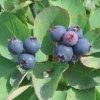
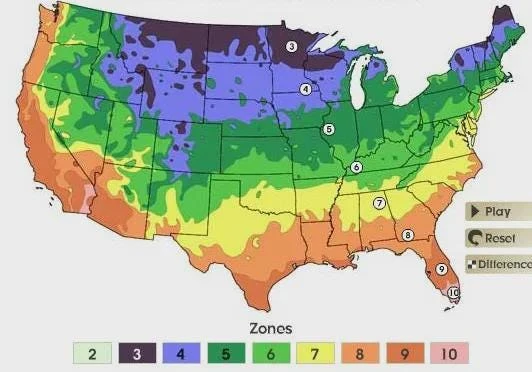
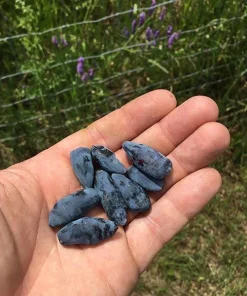
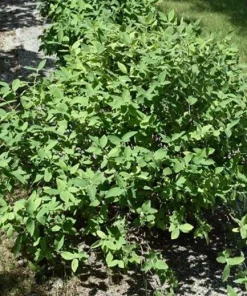
Bring home an Aurora Honeyberry live plant, a hardy and productive edible shrub. Known for its sweet, blue, blueberry-raspberry-like fruit, this plant is perfect for gardeners in USDA Zones 2-8. Enjoy fresh berries that ripen early in the season.
Estimated arrival
Sep 17
Sep 22 - Sep 24
Sep 27 - Oct 01
Shop With Confidence
30-Day Plant Health Guarantee
Arrives damaged? We’ll replace it free — see our return policy.
Responsive Support
Email us anytime, we reply within 1 business day.
Expert Packaging
Temperature-controlled shipping to protect your plants in transit.
Secure Checkout
Pay safely with Visa, Mastercard, PayPal.
Plant Specifications
-
USDA Hardiness Zone
USDA Zones 2-8 -
Soil Type
Well-draining soil -
Sunlight Exposure
Full sun to partial shade -
Expected Planting Period
Spring to early summer
Overview
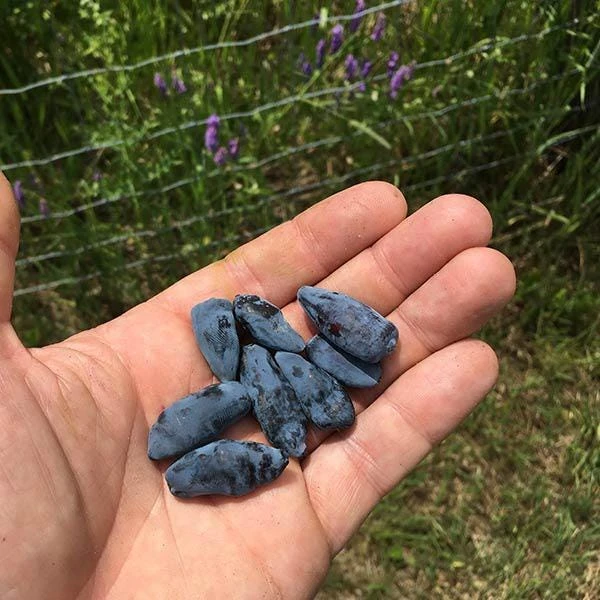
Discover the joy of growing your own delicious fruit with the Aurora Honeyberry live plant. This exceptional edible shrub, scientifically known as Lonicera caerulea ‘Aurora’, is celebrated for its abundant harvest of sweet, elongated blue berries. Often described as having a flavor profile similar to a blend of blueberries and raspberries, the Aurora Honeyberry is a true garden delight. Unlike blueberries, these honeyberries do not require acidic soil, making them a versatile and easy-to-grow option for many gardeners. This edible honeyberry shrub is a fantastic addition to any garden, providing early-season fruit and an attractive landscape presence. You’ll receive a rooted starter plant, ready to thrive in your garden.
The Aurora Honeyberry is a cold-hardy plant, making it suitable for a wide range of climates, specifically thriving in USDA Zones 2-8. It’s an excellent choice for those looking to extend their berry-picking season, as it ripens earlier than most other berries. With its robust nature and delicious fruit, the Aurora Honeyberry live plant promises years of bountiful harvests for you and your family.
Key Benefits
The Aurora Honeyberry live plant offers numerous advantages for both seasoned gardeners and beginners alike. Its ease of care and delicious yield make it a standout choice for edible landscaping. Here are some of the key benefits you can expect from this remarkable plant:
- Early Season Fruit: Be among the first to harvest fresh berries in early spring, often ripening before strawberries and blueberries. This extends your fresh fruit season significantly.
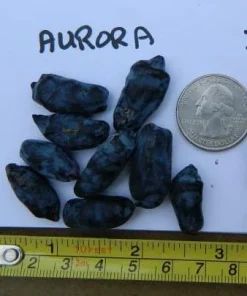
- Delicious Flavor Profile: Enjoy sweet, large, and flavorful blue berries with a unique blueberry-raspberry-like taste, often considered one of the best-tasting honeyberries. Perfect for fresh eating, cooking, juicing, and making drinks.
- Adaptable Soil Requirements: Unlike blueberries, these plants do not require acidic soils. They thrive in normal garden soils, including clay, making them suitable for a broader range of growing conditions. This makes growing honeyberries much simpler for many.
- Cold Hardy and Resilient: The Aurora Honeyberry is incredibly cold hardy, flourishing in USDA Zones 2-8, and can withstand harsh winter conditions, ensuring reliable fruiting year after year.
- Low Maintenance: This shrub is relatively low maintenance, requiring basic care like watering, sunlight, and occasional fertilization. It’s a great option for gardeners seeking productive plants without extensive effort.
- Pesticide-Free Growing: Many growers find that honeyberries are naturally resistant to many common pests, allowing for successful cultivation without the need for pesticides.
- Pollinator Friendly: While it needs a pollinator for optimal fruit set (such as Czech 17, Gem, Treat, or Tundra), the flowers attract beneficial insects to your garden.
Plant Care & Growing Tips
Caring for your Aurora Honeyberry live plant is straightforward, ensuring a healthy and productive shrub. These plants are quite resilient and adaptable, making them a great choice for various garden settings. For optimal growth and fruit production, understanding their basic needs is crucial. This edible honeyberry shrub is a rewarding plant to cultivate.
When it comes to sunlight, Aurora Honeyberries prefer full sun to partial shade. Aim for at least 6-8 hours of direct sunlight daily for the best fruiting. While they can tolerate some shade, fruit production may decrease. They are hardy in USDA Zones 2-8, meaning they can withstand very cold winter temperatures. Watering should be consistent, especially during dry spells and when the plant is establishing. Keep the soil consistently moist but not waterlogged. Well-draining soil is essential to prevent root rot. While they are not particular about soil pH like blueberries, a fertile, loamy soil with good organic matter will promote vigorous growth. Fertilize in early spring with a balanced slow-release fertilizer or an organic compost to support healthy development and fruit set. Pruning is generally minimal in the first few years, focusing on removing dead or crossing branches to maintain good air circulation. Look out for common garden pests, though honeyberries are generally quite resistant. Ensuring proper spacing and airflow can help prevent fungal issues. Successful honeyberry plant care will lead to abundant harvests.
Size & Details
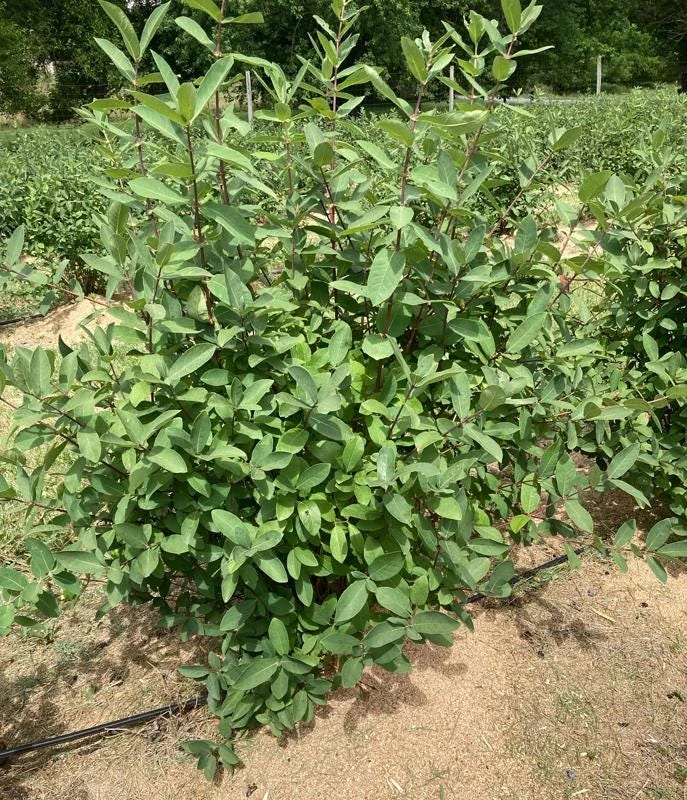
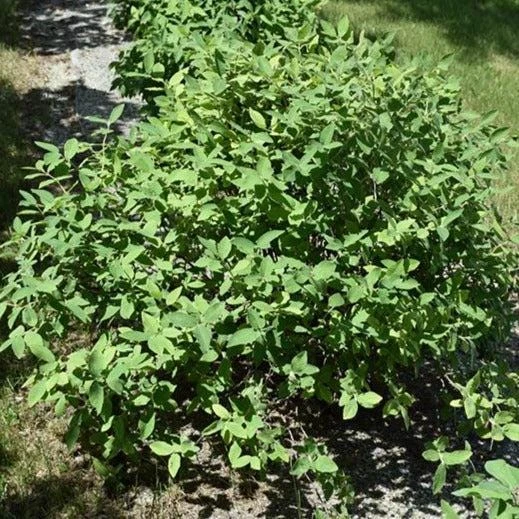
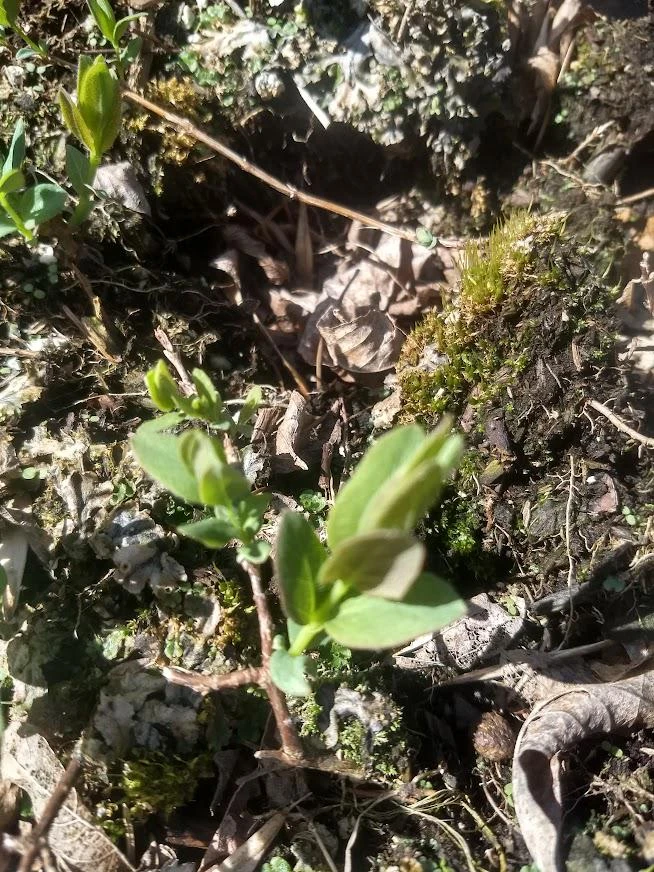
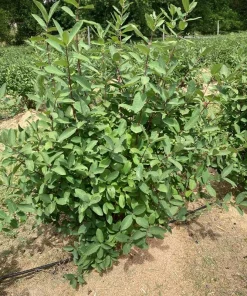
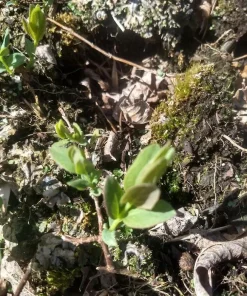
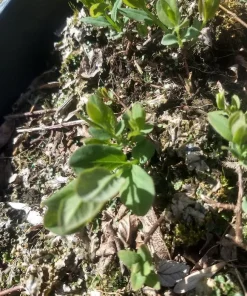
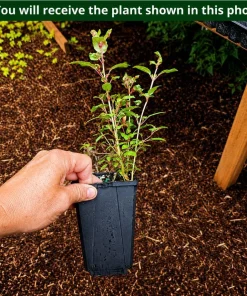
You will receive one rooted starter plant of the Aurora Honeyberry live plant. These plants are shipped carefully, often taken out of their growing pot to protect them during transit. Upon arrival, your plant will be ready for planting and will quickly establish itself with proper care. This particular variety, Lonicera caerulea ‘Aurora’, is known for its vigorous growth. The shrub will typically reach a mature height of 4-6 feet and a similar spread, forming a small, attractive bush. It produces large, elongated blue berries that ripen mid to late season, typically from mid-June to mid-July, depending on your climate zone. You can expect your plant to start fruiting next year after planting, providing years of delicious harvests.
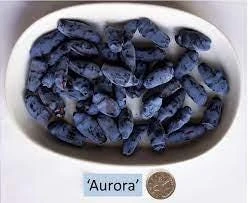
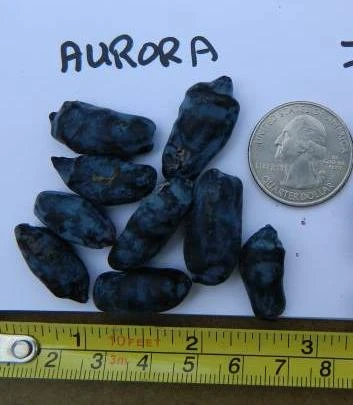
The berries themselves are approximately 1 inch long, blue-purple, and seedless, offering a delightful texture along with their sweet flavor. This edible honeyberry shrub is a long-lived perennial, making it a valuable investment for your edible landscape. Ensure you have a suitable pollinator nearby, such as Czech 17, Gem, Treat, or Tundra, to maximize fruit production. The plants are grown without pesticides, ensuring a natural and healthy start for your garden.
Frequently Asked Questions
- Q: How big does this Aurora Honeyberry plant get? A: The Aurora Honeyberry live plant typically grows into a small bush, reaching a mature height of 4-6 feet tall with a similar spread. Its compact size makes it suitable for various garden spaces.
- Q: Is this an indoor or outdoor plant? A: The Aurora Honeyberry is an outdoor plant, highly cold-hardy and best suited for garden beds or large containers in USDA Zones 2-8. It requires outdoor conditions to thrive and produce fruit.
- Q: How much sunlight does it need? A: For optimal fruit production, the Aurora Honeyberry needs at least 6-8 hours of direct sunlight per day. It can tolerate partial shade, but fruiting may be reduced.
- Q: Is this plant easy to care for? A: Yes, the Aurora Honeyberry is considered a low-maintenance plant. It’s adaptable to various soil types (not requiring acidic soil) and is quite resilient, making growing honeyberries relatively easy for beginners.
- Q: What condition will it arrive in? A: You will receive one rooted starter plant. It is carefully prepared and shipped in a box to protect it, often taken out of its growing pot to ensure safe transit.
- Q: How long until it blooms and fruits? A: Your Aurora Honeyberry live plant should begin to fruit the year after planting. The berries ripen early in the season, typically from mid-June to mid-July, depending on your climate.
- Q: Will it survive winter in my zone? A: The Aurora Honeyberry is exceptionally cold-hardy and thrives in USDA Zones 2-8, meaning it is well-suited to survive cold winters in these regions.
- Q: Does this plant need a pollinator? A: Yes, for the best fruit set, the Aurora Honeyberry needs a pollinator. Recommended varieties include Czech 17, Gem, Treat, or Tundra.
- Q: Can I use the honeyberries for cooking? A: Absolutely! The sweet and flavorful blue berries from your Aurora Honeyberry live plant are excellent for fresh eating, baking, making jams, sauces, juices, and other culinary creations.
- Q: What kind of soil is best for honeyberries? A: Honeyberries are adaptable and do not require acidic soil like blueberries. They thrive in normal, well-draining garden soil, including clay. Enriching with organic matter is always beneficial.
Be the first to review “Aurora Honeyberry Live Plant – Edible Shrub, Zones 2-8, Sweet Blue Berries”
People Also Viewed
Flower Seeds

Reviews
There are no reviews yet.