
Hinnomaki Red Gooseberry Live Plant – Self-Pollinating Shrub, Zones 3-7
Original price was: $62.99.$47.99Current price is: $47.99.
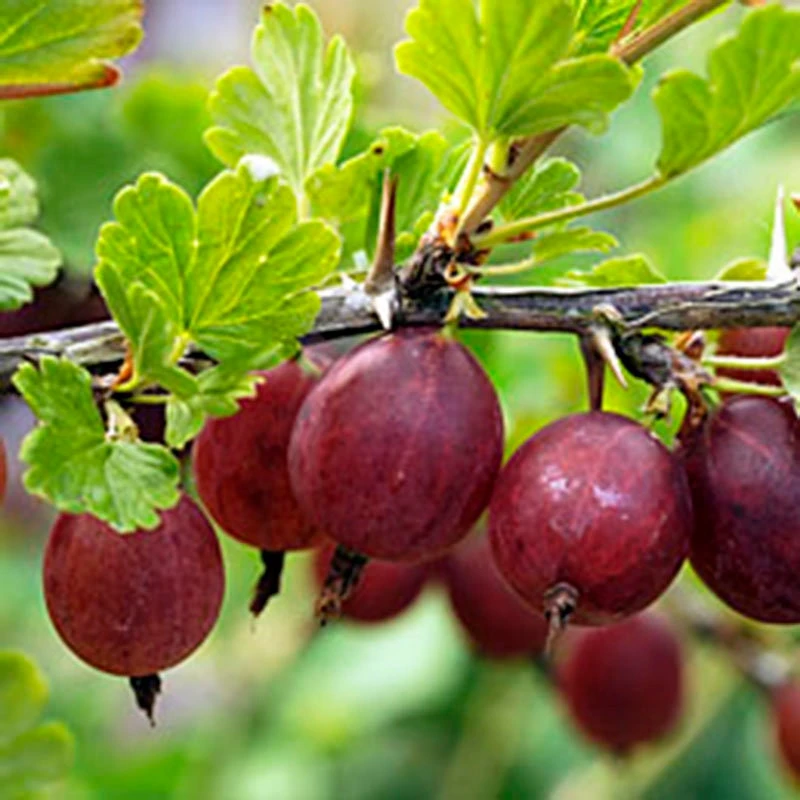
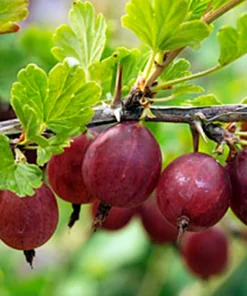
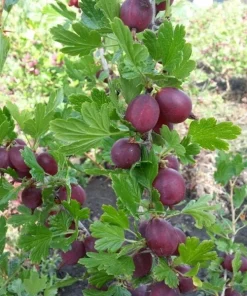
Cultivate your own flavorful berries with the Hinnomaki Red Gooseberry plant. This hardy, self-pollinating gooseberry shrub thrives in USDA Zones 3-7, producing beautiful, high-yielding red fruit with a tangy skin and sweet flesh. Perfect for fresh eating, baking, or juicing, this variety is also mildew resistant and adaptable to various garden settings.
Estimated arrival
Sep 17
Sep 22 - Sep 24
Sep 27 - Oct 01
Shop With Confidence
30-Day Plant Health Guarantee
Arrives damaged? We’ll replace it free — see our return policy.
Responsive Support
Email us anytime, we reply within 1 business day.
Expert Packaging
Temperature-controlled shipping to protect your plants in transit.
Secure Checkout
Pay safely with Visa, Mastercard, PayPal.
Plant Specifications
-
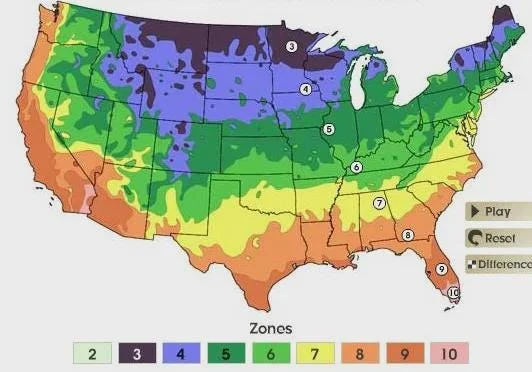
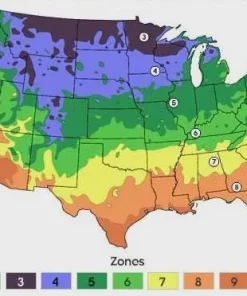
USDA Hardiness Zone
3-7 -
Soil Type
Well-draining, fertile soil -
Sunlight Exposure
Full sun to partial shade -
Expected Planting Period
Spring to early summer
Overview
Embark on a rewarding gardening journey with the exceptional Hinnomaki Red Gooseberry plant. This offering includes one live rooted starter plant, ready to establish itself in your garden and provide years of bountiful harvests. Originating from Finland, the Hinnomaki Red gooseberry (Ribes uva-crispa ‘Hinnomaki Red’) is renowned for its superb flavor profile, combining a tangy outer skin with a delightfully sweet interior flesh. This vigorous shrub is an excellent choice for both novice and experienced gardeners, promising high yields of beautiful red fruit. As a self-pollinating variety, you only need one plant to ensure a successful harvest, making it a convenient and productive addition to any edible landscape.
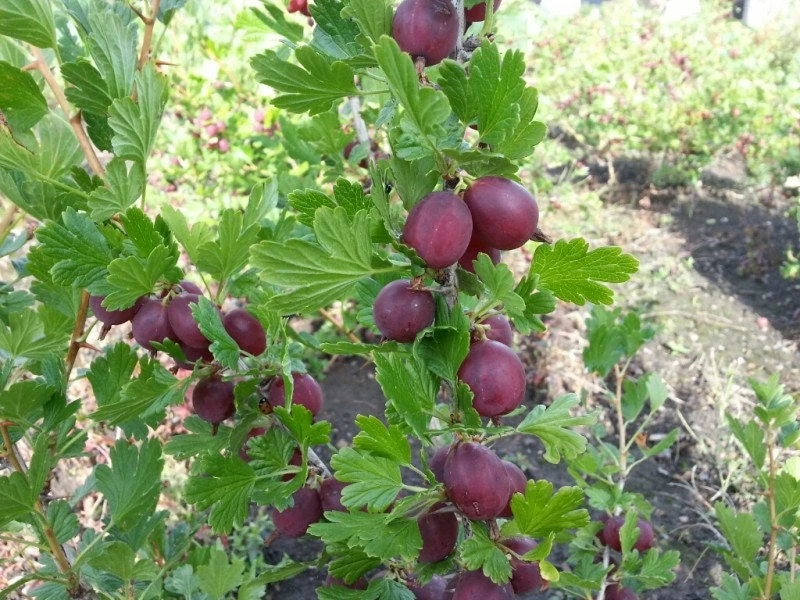
The Hinnomaki Red Gooseberry plant is celebrated not only for its delicious fruit but also for its robust growth habit and disease resistance. It grows upright, reaching a mature height of 6-8 feet, and exhibits strong mildew resistance, simplifying maintenance. Whether you’re looking to create an edible hedge, add an ornamental touch to your garden, or simply enjoy fresh, homegrown berries, this variety offers versatility and reliability. Expect your plant to begin fruiting next year, transforming your garden into a source of fresh, flavorful gooseberries.
This particular Red Gooseberry shrub is a truly outstanding variety, known for its adaptability to various growing systems. It can be a focal point in a mixed border or integrated into a dedicated fruit-producing area. The berries are incredibly versatile, perfect for eating fresh off the bush, baking into pies, making jams, or juicing. The ease of care and abundant production make this Hinnomaki Red Gooseberry plant a must-have for anyone seeking to enhance their home garden with a reliable and delicious fruit-bearing shrub.
Key Benefits
The Hinnomaki Red Gooseberry plant offers a multitude of advantages for the home gardener, blending ornamental appeal with practical fruit production. Its robust nature and delicious fruit make it a standout choice for edible landscapes.
- Delicious & Versatile Fruit: Enjoy the unique tangy-sweet flavor of fresh red gooseberries. Perfect for eating raw, baking pies, making preserves, or juicing, offering endless culinary possibilities. The Hinnomaki Red Gooseberry plant provides a consistent supply of these delightful berries.
- High Yields: This productive variety ensures a plentiful harvest of fruit, allowing you to enjoy an abundance of gooseberries from a single plant. You’ll be amazed at the quantity of fruit produced by this vigorous Red Gooseberry shrub.
- Self-Pollinating: No need for multiple plants to ensure fruit set. This self-pollinating gooseberry variety simplifies gardening, making it ideal for smaller spaces or those who want a single, reliable fruit producer.
- Disease Resistant: The Hinnomaki Red is naturally mildew resistant, reducing the need for chemical treatments and making it an easier plant to maintain organically. This resilience contributes to the overall health and longevity of your Hinnomaki Red Gooseberry plant.
- Hardy & Adaptable: Thriving in USDA Zones 3-7, this shrub is well-suited to a wide range of climates. Its upright growth habit and adaptability allow it to fit into various garden designs, from hedges to ornamental plantings.
- Low Maintenance: Once established, this gooseberry plant requires minimal care, making it an excellent choice for busy gardeners. Its robust nature means less fuss and more enjoyment of its delicious fruit.
- Long-Term Production: With proper care, your Hinnomaki Red Gooseberry plant will provide years of delicious fruit, becoming a cherished and productive part of your garden for seasons to come.
Plant Care & Growing Tips
Caring for your Hinnomaki Red Gooseberry plant is straightforward, ensuring a healthy and productive shrub. These plants are quite resilient and, with a few key considerations, will thrive in your garden. For optimal growth and fruiting, it’s crucial to understand their specific needs regarding sunlight, soil, and watering. This robust Red Gooseberry shrub is known for its hardiness, but consistent care will yield the best results.
Sunlight & Location: Hinnomaki Red gooseberries prefer a location that receives full sun to partial shade. In hotter climates, some afternoon shade can be beneficial to protect the plant from intense heat. Aim for at least 6 hours of direct sunlight daily for the best fruit production. When considering the best location, remember that a healthy self-pollinating gooseberry will grow to be 6-8 feet tall, so ensure adequate space. Soil & Watering: These plants thrive in well-draining, fertile soil with a pH between 6.0 and 7.0. Amend heavy clay soils with organic matter like compost to improve drainage. Keep the soil consistently moist, especially during dry periods and when the plant is fruiting. Avoid waterlogging, as this can lead to root rot. A layer of mulch around the base of the plant can help retain soil moisture and suppress weeds, which is beneficial for gooseberry care.
Temperature & Fertilization: The Hinnomaki Red Gooseberry plant is hardy in USDA Zones 3-7, tolerating cold winters. Fertilize in early spring with a balanced slow-release fertilizer or organic compost to support vigorous growth and fruit development. Pruning is best done in late winter or early spring while the plant is dormant, removing any dead, diseased, or crossing branches to encourage air circulation and new growth. This helps maintain the plant’s health and productivity. While the plant may enter a semi-dormant period in summer where it loses leaves, new growth typically appears in the fall, which is a natural part of its cycle. Understanding growing gooseberries means recognizing these natural rhythms.
Size & Details
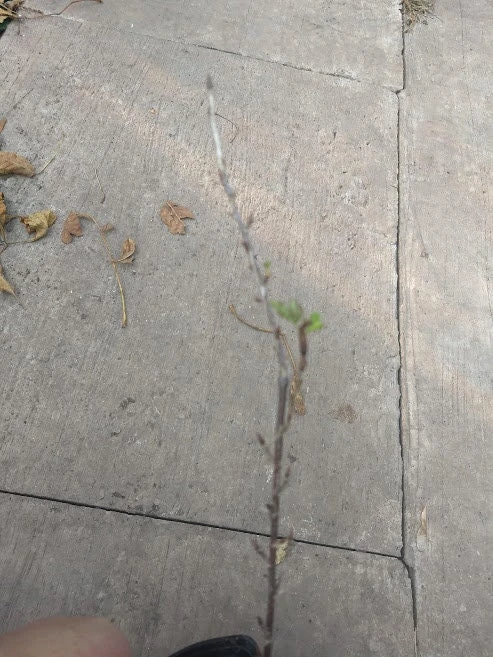
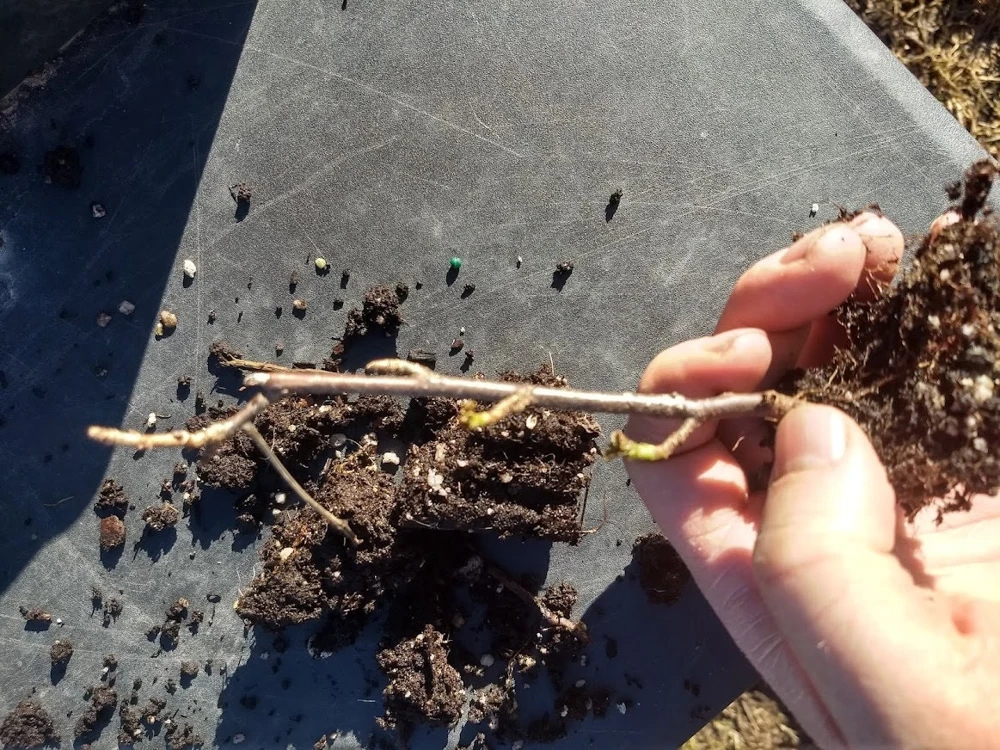
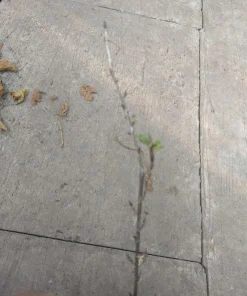
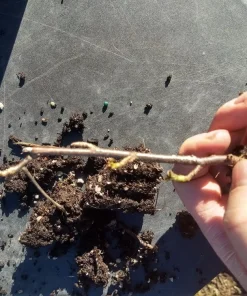
This offering provides one live rooted starter plant of the Hinnomaki Red Gooseberry plant. While the exact size may vary upon arrival, these are healthy, established starters ready for planting. The mature shrub typically reaches a height of 6-8 feet, developing an upright growth habit. It will arrive carefully packaged in a box to protect the plant during transit, taken out of its growing pot for shipping efficiency. You can expect your plant to begin fruiting in the year following planting, providing a delicious harvest for years to come. This particular Red Gooseberry shrub is known for its vigorous growth, so it will quickly establish itself in your garden.
The Hinnomaki Red is a robust and productive variety, adaptable to various growing systems. Its mildew resistance and ability to thrive in USDA Zones 3-7 make it a reliable choice for many regions. With proper gooseberry care, this plant will become a long-lasting and fruitful addition to your landscape. The berries are typically ready for harvest in mid-summer, offering a delightful treat. This self-pollinating gooseberry ensures a harvest even with a single plant, making it an efficient use of garden space.
Frequently Asked Questions
- Q: How big does this Hinnomaki Red Gooseberry plant get? A: The Hinnomaki Red Gooseberry plant typically grows into an upright shrub reaching a mature height of 6-8 feet. Its size makes it suitable for various garden applications, including hedges or stand-alone ornamental plantings.
- Q: Is this an indoor or outdoor plant? A: This is primarily an outdoor shrub. The Hinnomaki Red Gooseberry plant is hardy in USDA Zones 3-7, meaning it can withstand cold winters and is best suited for planting directly in the garden.
- Q: How much sunlight does the Red Gooseberry shrub need? A: The Red Gooseberry shrub thrives in full sun, requiring at least 6 hours of direct sunlight per day for optimal fruit production. In regions with intense summer heat, a location with some afternoon shade can be beneficial.
- Q: Is this plant easy to care for? A: Yes, the Hinnomaki Red gooseberry is considered relatively easy to care for. It’s mildew resistant and self-pollinating, reducing the need for extensive intervention, making gooseberry care manageable for most gardeners.
- Q: What condition will the plant arrive in? A: You will receive one rooted starter plant, carefully packaged to ensure its protection during shipping. It will be taken out of its growing pot for transit but will be ready for planting upon arrival.
- Q: How long until it fruits? A: Your Hinnomaki Red Gooseberry plant should begin producing fruit in the year following planting, given proper care and ideal growing conditions. You can look forward to your first harvest next season.
- Q: Will it survive winter in my zone? A: Yes, this self-pollinating gooseberry is very cold-hardy and is suitable for USDA Zones 3-7, meaning it can tolerate winter temperatures in these regions.
- Q: What kind of soil is best for growing gooseberries? A: For growing gooseberries, well-draining, fertile soil with a pH between 6.0 and 7.0 is ideal. Amending with organic matter will improve soil structure and nutrient content.
- Q: Can I use the berries for cooking? A: Absolutely! The Hinnomaki Red gooseberries are incredibly versatile. They can be eaten fresh, baked into pies, used for jams and jellies, or juiced, offering a delightful flavor for various culinary uses.
- Q: What does ‘self-pollinating’ mean for this plant? A: ‘Self-pollinating’ means that the Hinnomaki Red Gooseberry plant does not require another gooseberry plant for pollination to produce fruit. A single plant is sufficient to ensure a harvest.
Be the first to review “Hinnomaki Red Gooseberry Live Plant – Self-Pollinating Shrub, Zones 3-7”
People Also Viewed
Grasses
5 Hay Scented Fern Clumps – Dennstaedtia punctilobula – Live Plant – 1.5-2 ft Tall – Hardy Zones 3-8
Reviews
There are no reviews yet.