
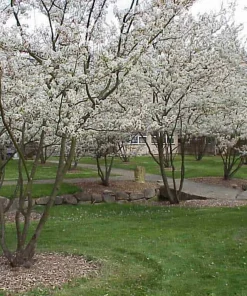
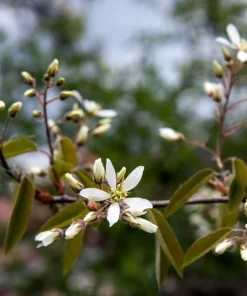
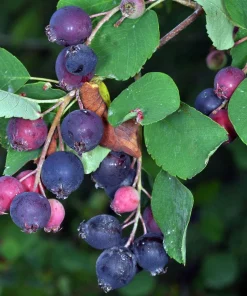
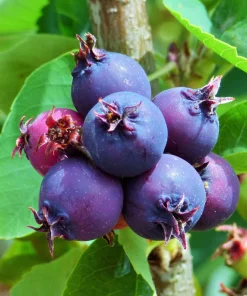

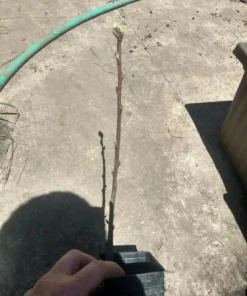
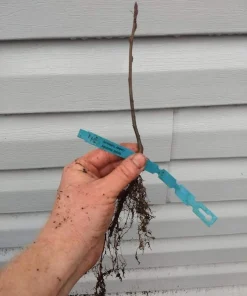

Saskatoon Serviceberry Live Plant – Amelanchier alnifolia Edible Berries 12 Inches Tall
Original price was: $62.99.$47.99Current price is: $47.99.
Cultivate your own Saskatoon Serviceberry live plant (Amelanchier alnifolia), a hardy, native shrub renowned for its delicious, edible berries. This self-pollinating plant grows up to 10-15 feet tall, offering sweet, almond-flavored fruit ideal for pies, jams, and fresh eating. Attracts birds and butterflies to your garden.
Estimated arrival
Sep 17
Sep 22 - Sep 24
Sep 27 - Oct 01
Shop With Confidence
30-Day Plant Health Guarantee
Arrives damaged? We’ll replace it free — see our return policy.
Responsive Support
Email us anytime, we reply within 1 business day.
Expert Packaging
Temperature-controlled shipping to protect your plants in transit.
Secure Checkout
Pay safely with Visa, Mastercard, PayPal.
Plant Specifications
-
USDA Hardiness Zone
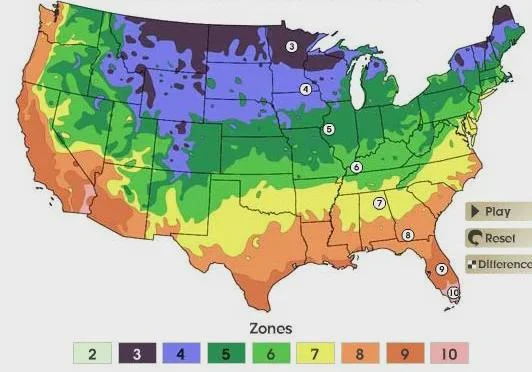
USDA Zones 4-7 -
Soil Type
Well-draining soil -
Sunlight Exposure
Full sun to partial shade -
Expected Planting Period
Early spring to fall
Overview
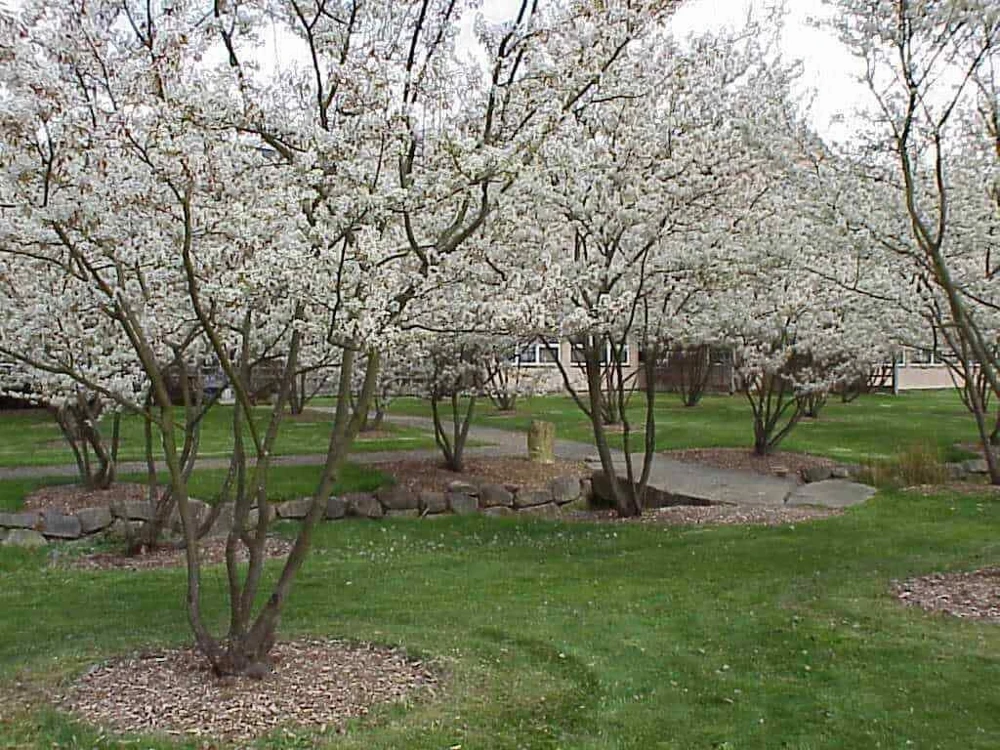
Bring the joy of homegrown, delicious fruit to your garden with this Saskatoon Serviceberry live plant. Scientifically known as Amelanchier alnifolia, this native deciduous shrub or small tree is celebrated for its abundant, sweet, and nutty berries. These plants are shipped dormant for the season and will burst into vibrant life in the spring, ready to establish themselves in your landscape. The Saskatoon Serviceberry is a versatile and attractive addition, providing ornamental beauty with its spring flowers and fall foliage, alongside the highly prized, edible fruit. This particular offering is a 12-inch rooted plant, ready for planting.
The Amelanchier alnifolia is a resilient species, perfectly suited for a wide range of climates and known for its low-maintenance nature. Its rich history of use by indigenous peoples for both culinary and medicinal purposes speaks to its enduring value. Imagine harvesting your own berries for pies, jams, or simply enjoying them fresh from the bush. This Amelanchier alnifolia plant is not just a food source; it’s an ecological asset, attracting local wildlife and contributing to biodiversity.
Key Benefits
The Saskatoon Serviceberry live plant offers a multitude of advantages for both the gardener and the environment. Its ease of care and generous harvest make it a rewarding choice for any garden. Here are some of the standout benefits:
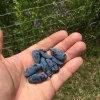
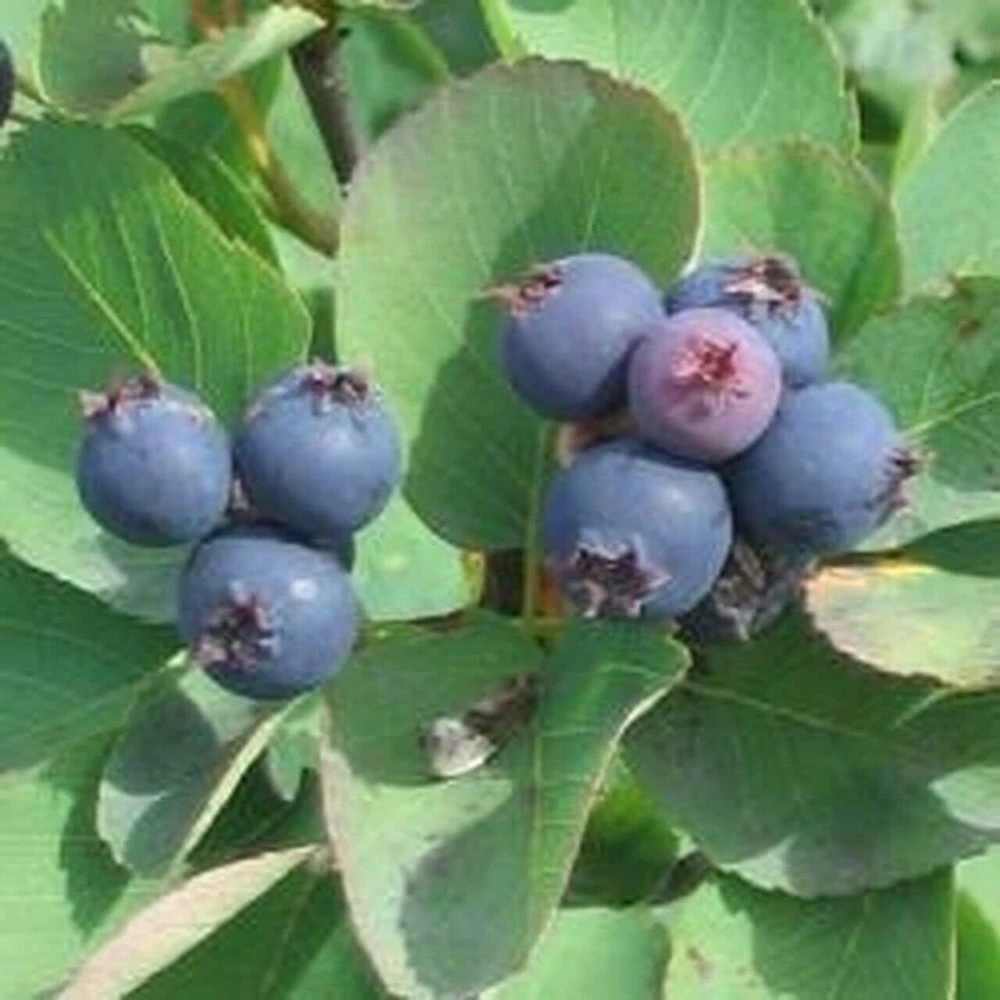
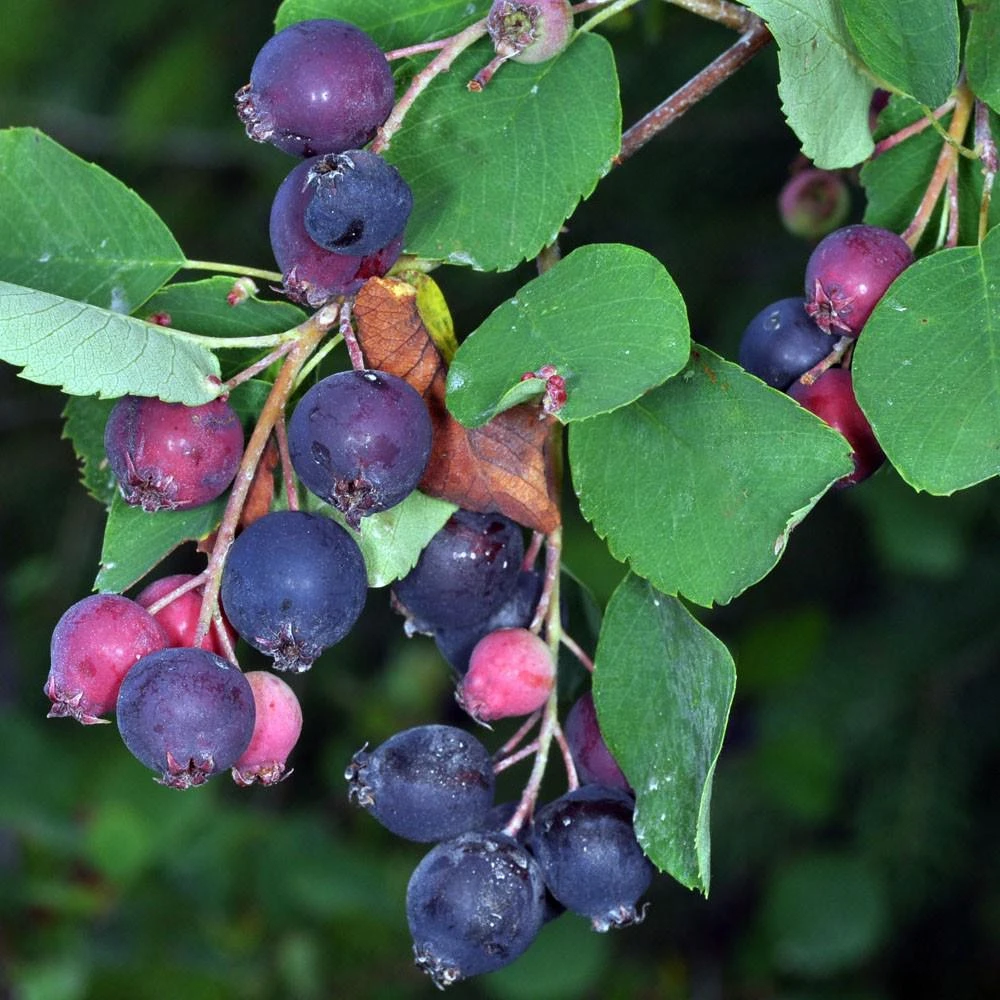
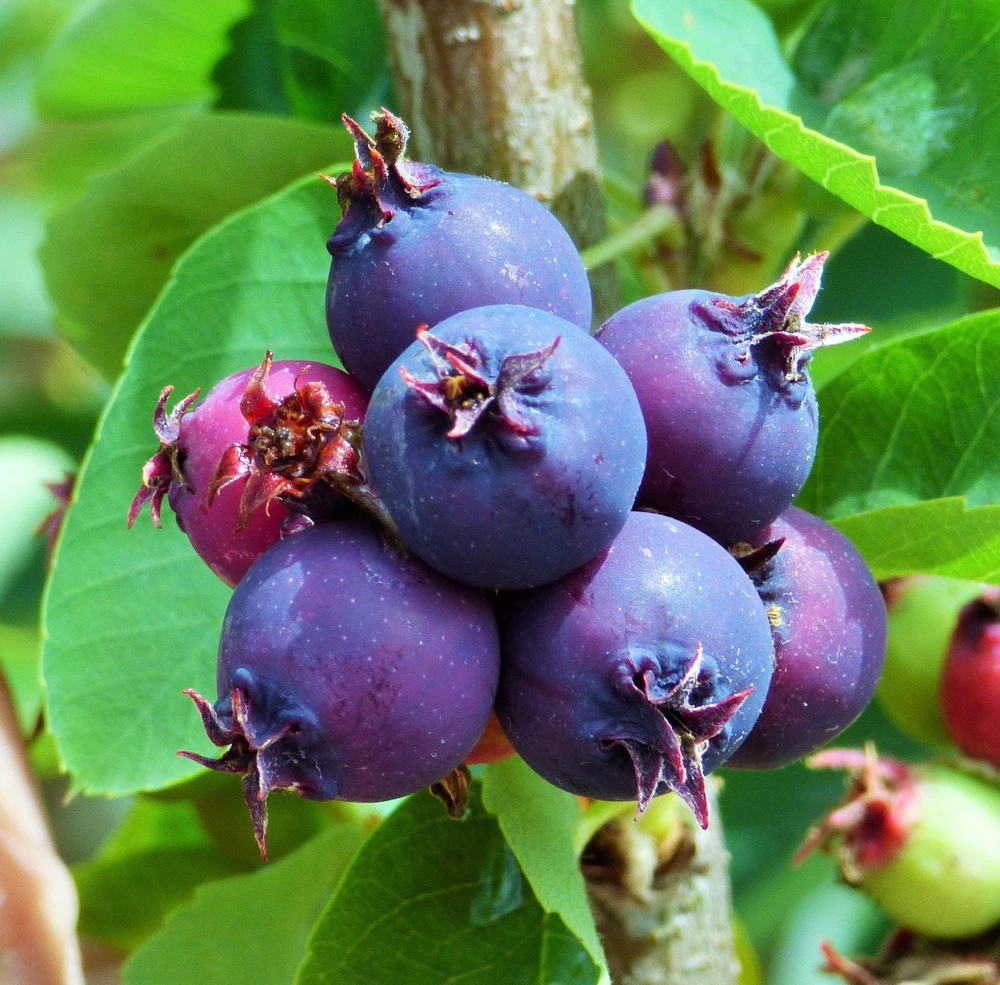
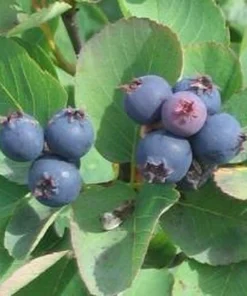
- Abundant Edible Fruit: Enjoy a prolific harvest of sweet, almond-flavored berries, perfect for fresh eating, baking, preserves, and drinks. The medium-sized, blue berries are juicy and have a unique taste.
- Native & Hardy: This plant is a native species, making it well-adapted to local conditions and highly resilient. It’s a robust choice for various climates, thriving in USDA Zones 4-7.
- Self-Pollinating: You only need one plant to produce fruit, making it an excellent choice for smaller gardens or those new to fruit growing.
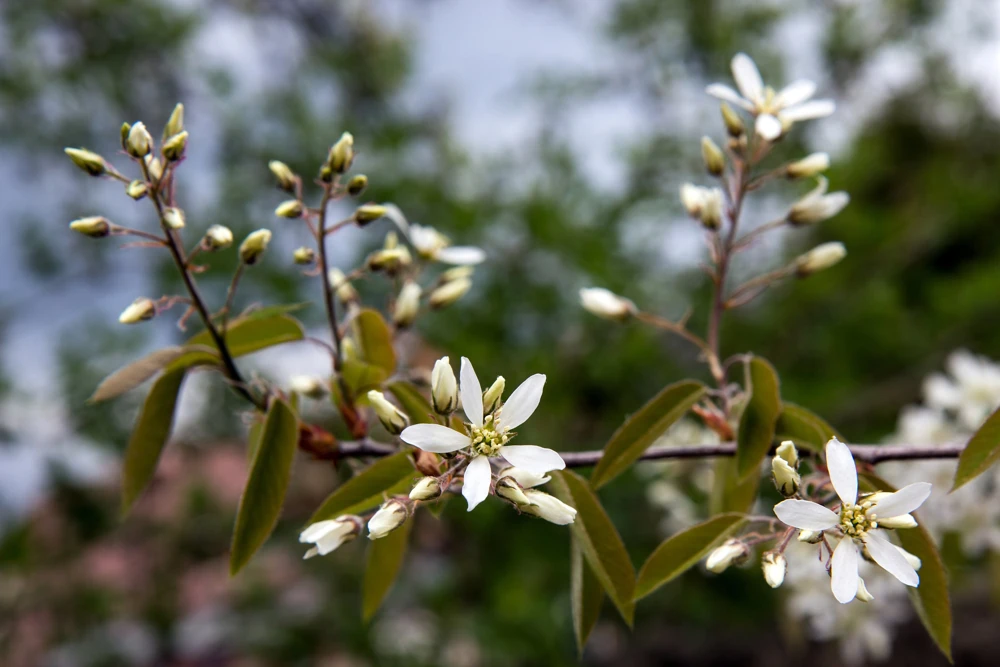
- Wildlife Attraction: The beautiful spring flowers attract butterflies, and the delicious berries are a favorite food source for many songbirds, enhancing your garden’s ecosystem.
- Low Maintenance: This thornless shrub requires minimal care once established, making it an ideal choice for busy gardeners seeking a rewarding plant without constant fuss.
- Versatile Culinary Use: The berries are incredibly versatile, suitable for pies, jams, wines, ciders, and even sugar-infused like cranberries for cereals and trail mix. Learning about growing serviceberry provides a direct path to these culinary delights.
- Nutritional Value: Saskatoon berries are naturally high in fiber, protein, and antioxidants, offering a healthy boost directly from your garden.
Plant Care & Growing Tips
Ensuring the success of your Saskatoon Serviceberry live plant is straightforward with a few key care practices. This hardy shrub is generally forgiving, making it suitable for both novice and experienced gardeners. Proper establishment and ongoing care will lead to a healthy, productive plant.
For optimal growth, plant your Amelanchier alnifolia plant in a location that receives full sun to partial shade. Full sun (at least 6 hours of direct sunlight daily) will result in the best fruit production. While tolerant of various soil types, well-draining soil is crucial. Amend heavy clay soils with organic matter to improve drainage, or sandy soils to improve water retention. A slightly acidic to neutral pH (6.0-7.0) is preferred. Once established, the Saskatoon Serviceberry is relatively drought-tolerant, but consistent moisture during dry spells and especially during fruit development will improve yield and berry quality. Water deeply once or twice a week, allowing the top inch or two of soil to dry out between waterings.
This species is well-suited for USDA Zones 4-7, indicating its excellent cold hardiness. Fertilize annually in early spring with a balanced, slow-release granular fertilizer formulated for fruit-bearing shrubs. Avoid over-fertilizing, which can promote leafy growth at the expense of fruit. Pruning should be done in late winter or early spring while the plant is dormant. Focus on removing dead, damaged, or crossing branches, and thin out older, less productive stems to encourage new growth and better air circulation. While generally pest and disease resistant, monitor for common issues like powdery mildew or rust, addressing them with appropriate organic or chemical treatments if necessary. Understanding growing serviceberry involves knowing these basic care steps.
Size & Details
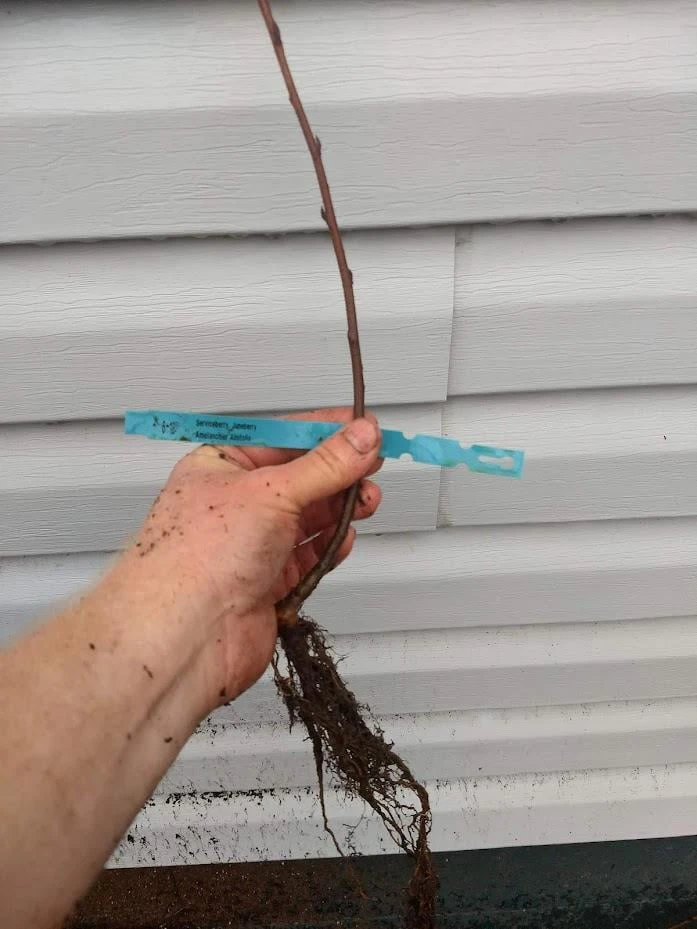
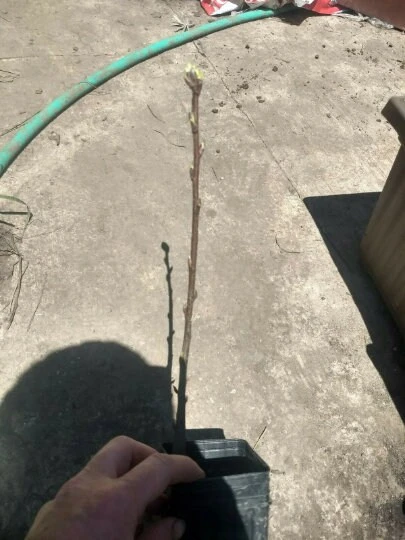
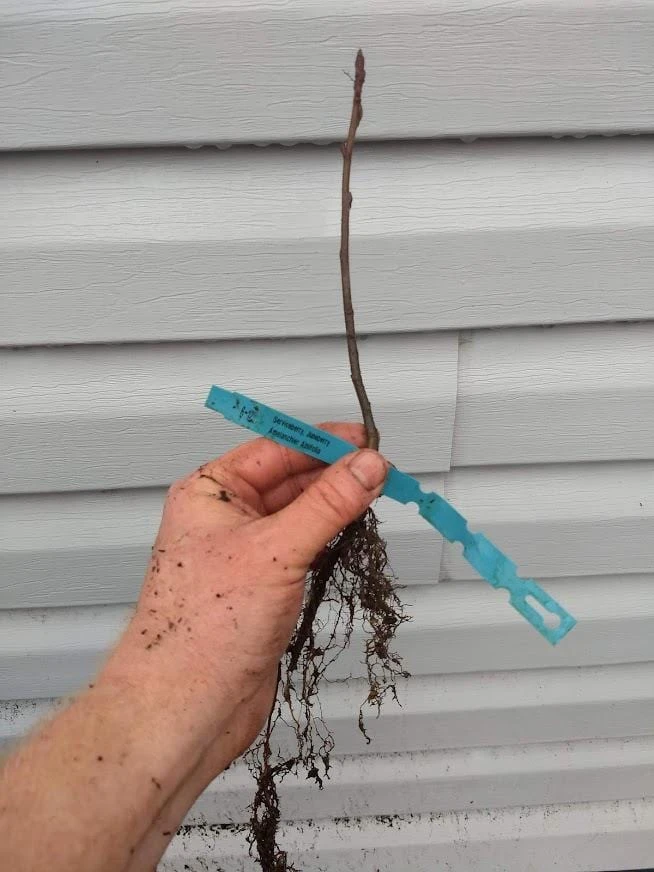
This offering includes one Saskatoon Serviceberry live plant, measuring approximately 12 inches tall when shipped. It is a rooted plant, carefully prepared for transport to ensure a successful transition to your garden. These plants are shipped dormant for the season, a natural state that allows them to acclimate easily to their new environment and ensures vigorous growth in the spring. The Saskatoon Serviceberry is a thornless shrub/tree that typically reaches a mature height of 10-15 feet with a similar spread, creating a beautiful focal point or a productive hedge in your landscape. The berries are medium-sized, about 1/4-inch bluish-purple, and ripen in early summer. Expect fruit production to begin within 2-3 years after planting. This native fruit shrub will quickly establish itself and become a cherished part of your home orchard or edible landscape.
Frequently Asked Questions
- Q: How big does this plant get? A: The Saskatoon Serviceberry live plant typically grows into a thornless shrub or small tree, reaching a mature height of 10-15 feet with a similar spread. Its size can be managed with proper pruning.
- Q: What size is the plant when it arrives? A: You will receive one rooted plant that measures approximately 12 inches tall. It is shipped dormant, ready for spring growth.
- Q: Is this an indoor or outdoor plant? A: The Saskatoon Serviceberry is an outdoor plant, best suited for garden beds, hedges, or as a specimen tree in USDA Zones 4-7. It requires outdoor conditions to thrive and produce fruit.
- Q: How much sunlight does it need? A: For the best fruit production and overall health, this Amelanchier alnifolia plant requires full sun, meaning at least 6 hours of direct sunlight per day. It can tolerate partial shade but may produce fewer berries.
- Q: Is this plant easy to care for? A: Yes, the Saskatoon Serviceberry is considered a low-maintenance plant. Once established, it is quite hardy and drought-tolerant, making it suitable for beginners and busy gardeners alike.
- Q: What condition will it arrive in? A: Your plant will arrive as a dormant, rooted plant, carefully packaged to protect it during transit. It will appear to be a bare stick, but it is alive and ready to bud out in spring.
- Q: Can I use Saskatoon berries in cooking? A: Absolutely! These berries are incredibly versatile for culinary uses, including pies, jams, jellies, wines, ciders, and can be enjoyed fresh, frozen, or dried. This is a key benefit of growing serviceberry.
- Q: When is the best time to plant? A: The best time to plant dormant Saskatoon Serviceberry plants is in early spring, after the danger of hard frost has passed, or in the fall before the ground freezes.
- Q: Will it survive winter in my zone? A: This plant is very cold hardy and thrives in USDA Hardiness Zones 4-7, making it well-suited to survive cold winters in many regions.
- Q: Is this a self-pollinating plant? A: Yes, the Saskatoon Serviceberry live plant is self-pollinating, meaning you only need one plant to get a good fruit harvest.
Be the first to review “Saskatoon Serviceberry Live Plant – Amelanchier alnifolia Edible Berries 12 Inches Tall”
People Also Viewed


Uncategorized
Houseplants
Flower Seeds
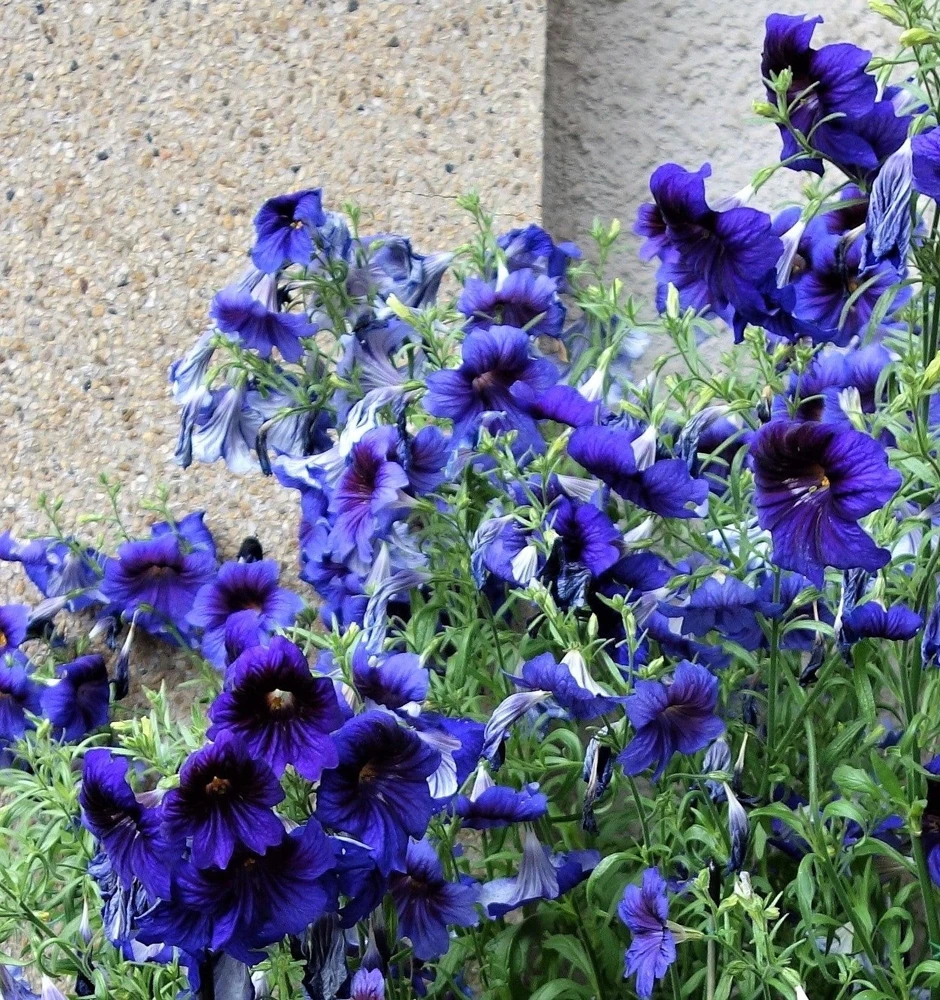
50 Organic Kew Blue Painted Tongue Seeds – Velvet Trumpet Flower – Salpiglossis Sinuata
Reviews
There are no reviews yet.