
Honey Jar Jujube Live Tree – Grafted – 3 ft Tall – Ship in 3 Gallon Pot
$145.76
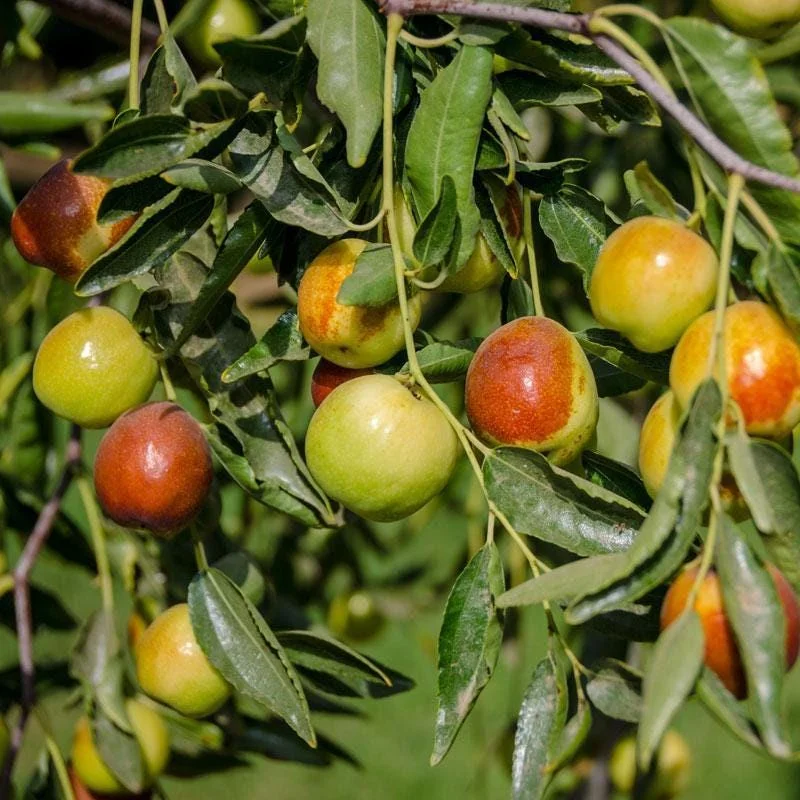
Cultivate a delightful harvest with this honey jar jujube tree. This grafted jujube plant stands 3 feet tall, promising extremely sweet fruit with an apple-like texture. Perfect for home orchards and garden enthusiasts looking for a unique, productive tree.
Estimated arrival
Sep 14
Sep 19 - Sep 21
Sep 24 - Sep 28
Shop With Confidence
30-Day Plant Health Guarantee
Arrives damaged? We’ll replace it free — see our return policy.
Responsive Support
Email us anytime, we reply within 1 business day.
Expert Packaging
Temperature-controlled shipping to protect your plants in transit.
Secure Checkout
Pay safely with Visa, Mastercard, PayPal.
Plant Specifications
-
USDA Hardiness Zone
USDA zones 6-9 -
Soil Type
Well-draining soil -
Sunlight Exposure
Full sun -
Expected Planting Period
Spring to early summer
Overview
Bring the joy of home-grown, exotic fruit to your garden with the honey jar jujube tree. This exceptional live plant is a grafted specimen, ensuring robust growth and early fruit production. Known for its distinctively sweet flavor and crisp, apple-like texture, the ‘Honey Jar’ cultivar is a favorite among jujube enthusiasts. Originating from China, the jujube (Ziziphus jujuba) has been cultivated for thousands of years and is gaining popularity in the US for its adaptability and delicious fruit. This 3-foot tall tree is ready to establish itself in your landscape, offering both ornamental beauty and a bountiful harvest. Whether you’re an experienced gardener or just starting your fruit tree journey, this grafted jujube plant provides a rewarding experience.
The ‘Honey Jar’ variety is particularly prized for its small, round fruits that ripen to a reddish-brown hue. Unlike some other jujube varieties, it maintains a crisp texture even when fully ripe, making it an excellent choice for fresh eating, drying, or culinary applications. This live tree is a fantastic addition to any edible landscape, providing a unique fruit that is both delicious and nutritious. Enjoy the anticipation of watching your honey jar jujube tree grow and produce its delightful harvest.
Key Benefits
The honey jar jujube tree offers a multitude of benefits, from its unique fruit to its resilient nature, making it a valuable addition to your garden:
- Exceptional Fruit Quality: Produces small, round fruits with an incredibly sweet flavor and a satisfyingly crisp, apple-like texture. These fruits are perfect for fresh eating, drying, or incorporating into various recipes.
- Grafted for Superior Performance: As a grafted jujube plant, this tree benefits from the best characteristics of both the scion and rootstock, leading to stronger growth, earlier fruiting, and improved disease resistance.
- Drought and Heat Tolerant: Jujube trees are renowned for their hardiness and ability to thrive in challenging conditions, including hot, dry climates, once established. This makes them an excellent low-maintenance choice for many regions.
- Easy to Grow: Known for being relatively pest and disease-free, jujubes are a beginner-friendly fruit tree. They require minimal care once settled, allowing you to enjoy their bounty with less effort.
- Ornamental Value: Beyond its fruit, the jujube tree boasts attractive glossy green foliage and a somewhat weeping growth habit, adding aesthetic appeal to your landscape throughout the growing season.
- Nutrient-Rich Fruit: Jujubes are packed with vitamins, minerals, and antioxidants, offering a healthy and delicious snack directly from your garden.
- Long Harvest Season: Depending on your climate, jujubes can offer a harvest that extends over several weeks, providing a continuous supply of fresh fruit.
Plant Care & Growing Tips
Caring for your honey jar jujube tree is relatively straightforward, as these trees are known for their resilience and adaptability. To ensure optimal growth and fruit production, understanding their specific needs is key. Jujubes thrive in full sun, requiring at least 6-8 hours of direct sunlight per day. Choose a location in your garden that receives ample sun exposure throughout the day. While tolerant of various soil types, they prefer well-draining soil with a neutral to slightly alkaline pH. Avoid heavy, waterlogged soils, as this can lead to root rot. If your soil is heavy clay, consider amending it with organic matter or planting in a raised bed to improve drainage.
Watering is crucial during the establishment phase. After planting your 3 foot jujube tree, water it regularly to keep the soil consistently moist but not soggy. Once established, typically after the first year, jujube trees are remarkably drought-tolerant and will require less frequent watering, especially in regions with natural rainfall. However, supplemental watering during prolonged dry spells or during fruit development can significantly improve fruit size and yield. Fertilize your jujube tree sparingly. A balanced, slow-release fertilizer in early spring is usually sufficient. Avoid over-fertilizing, which can promote leafy growth at the expense of fruit production. Pruning should be done in late winter or early spring while the tree is dormant. Focus on removing dead, damaged, or crossing branches, and thin out overcrowded areas to improve air circulation and sunlight penetration. This maintenance helps maintain the tree’s shape and encourages better fruit set.
Jujube trees are generally hardy and resistant to most pests and diseases. They can tolerate a wide range of temperatures and are suitable for many USDA hardiness zones. Protecting young trees from harsh winter winds in colder zones can be beneficial. With proper care, your honey jar jujube tree will provide many years of delicious fruit.
Size & Details
This offering is for a healthy honey jar jujube tree, approximately 3 feet tall from the base of the root ball to the top of the plant. It is a grafted specimen, meaning it has been propagated to combine the desirable fruiting characteristics of the ‘Honey Jar’ cultivar with a strong, disease-resistant rootstock. The tree is shipped in a 3-gallon nursery pot, providing a well-established root system ready for transplanting into your garden or a larger container. Jujube trees are known for their moderate growth rate, typically adding 1-2 feet of height per year under ideal conditions. While this tree arrives at 3 feet, mature jujube trees can reach heights of 15-30 feet, though they can be kept smaller with proper pruning. Expect to see fruit production within 1-2 years of planting, with increasing yields as the tree matures. This 3 foot jujube tree is a perfect starter size for quick establishment and enjoyment.
Frequently Asked Questions
- Q: How big does this plant get? A: This particular honey jar jujube tree is approximately 3 feet tall upon arrival. Mature trees can reach 15-30 feet tall, but can be maintained at a smaller size with regular pruning.
- Q: What size pot does it come in? A: The tree is shipped in a 3-gallon nursery pot, providing a robust root system ready for planting.
- Q: Is this an indoor or outdoor plant? A: This is an outdoor fruit tree. While young trees can be overwintered indoors in colder climates, they require significant sunlight and space to thrive and produce fruit.
- Q: How much sunlight does it need? A: The honey jar jujube tree requires full sun exposure, meaning at least 6-8 hours of direct sunlight per day for optimal growth and fruit production.
- Q: Is this tree easy to care for? A: Yes, jujube trees are considered low-maintenance once established. They are drought-tolerant and generally resistant to pests and diseases, making them a great choice for both novice and experienced gardeners.
- Q: What condition will it arrive in? A: Your grafted jujube plant will arrive as a healthy, live tree, carefully packaged in its 3-gallon pot to ensure its safe journey to your home.
- Q: Can I use the fruit in cooking? A: Absolutely! The extremely sweet fruit of the honey jar jujube tree can be enjoyed fresh, dried, or used in various culinary applications like jams, jellies, and desserts.
- Q: How long until it produces fruit? A: Grafted jujube trees typically begin to produce fruit within 1-2 years after planting, with yields increasing as the tree matures.
- Q: What’s the best time to plant a 3 foot jujube tree? A: The best time to plant is in spring or early summer after the last frost, giving the tree ample time to establish its root system before winter.
- Q: Will it survive winter in my zone? A: Jujube trees are quite cold hardy, generally thriving in USDA Zones 6-9. They can tolerate temperatures well below freezing once established. For specific jujube tree care in your zone, consult local extension resources.
Be the first to review “Honey Jar Jujube Live Tree – Grafted – 3 ft Tall – Ship in 3 Gallon Pot”
People Also Viewed
Reviews
There are no reviews yet.