
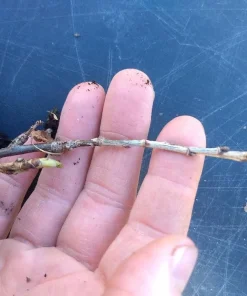

Thimbleberry Raspberry Live Plant – Thornless Berry Bush – Zones 3-8
Original price was: $62.99.$47.99Current price is: $47.99.
Bring the unique taste of the wild to your garden with this thimbleberry raspberry live plant. This thornless berry bush is vigorous and self-pollinating, perfect for zones 3-8. Enjoy intense, tart-sweet berries that ripen in summer, ideal for eating fresh or preserves.
Estimated arrival
Sep 17
Sep 22 - Sep 24
Sep 27 - Oct 01
Shop With Confidence
30-Day Plant Health Guarantee
Arrives damaged? We’ll replace it free — see our return policy.
Responsive Support
Email us anytime, we reply within 1 business day.
Expert Packaging
Temperature-controlled shipping to protect your plants in transit.
Secure Checkout
Pay safely with Visa, Mastercard, PayPal.
Plant Specifications
-
USDA Hardiness Zone
3-8 -
Soil Type
Moist, well-draining soil -
Sunlight Exposure
Full sun to partial shade -
Expected Planting Period
Spring to early summer
Overview
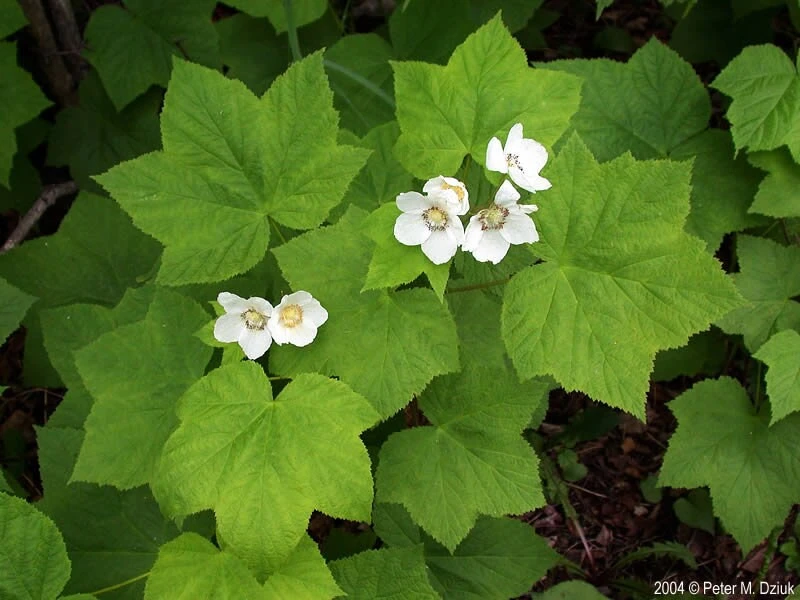
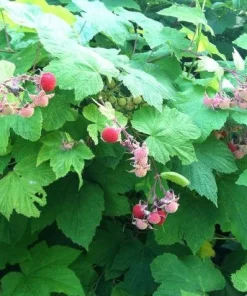
Discover the unique charm and delicious flavor of the thimbleberry raspberry live plant, a fantastic addition to any garden. Known botanically as Rubus parviflorus, the Thimbleberry is a native North American plant cherished for its distinctive, fuzzy leaves and intensely flavored berries. Unlike traditional raspberries, this variety is completely thornless, making harvesting a pleasure. Our starter plants are rooted from fruiting mother plants, ensuring you receive a healthy specimen ready to establish itself. With its vigorous growth and low maintenance needs, the thimbleberry raspberry live plant is an excellent choice for both novice and experienced gardeners looking to cultivate a unique, edible landscape.
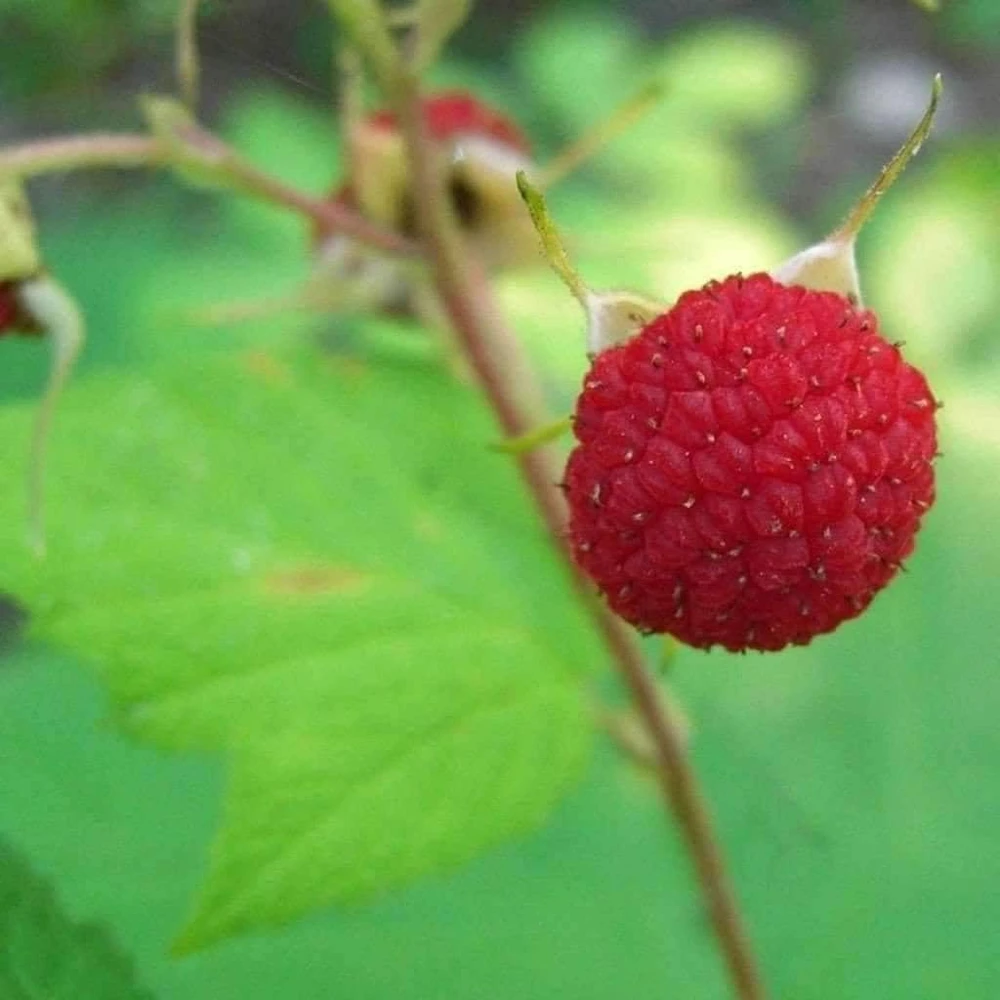
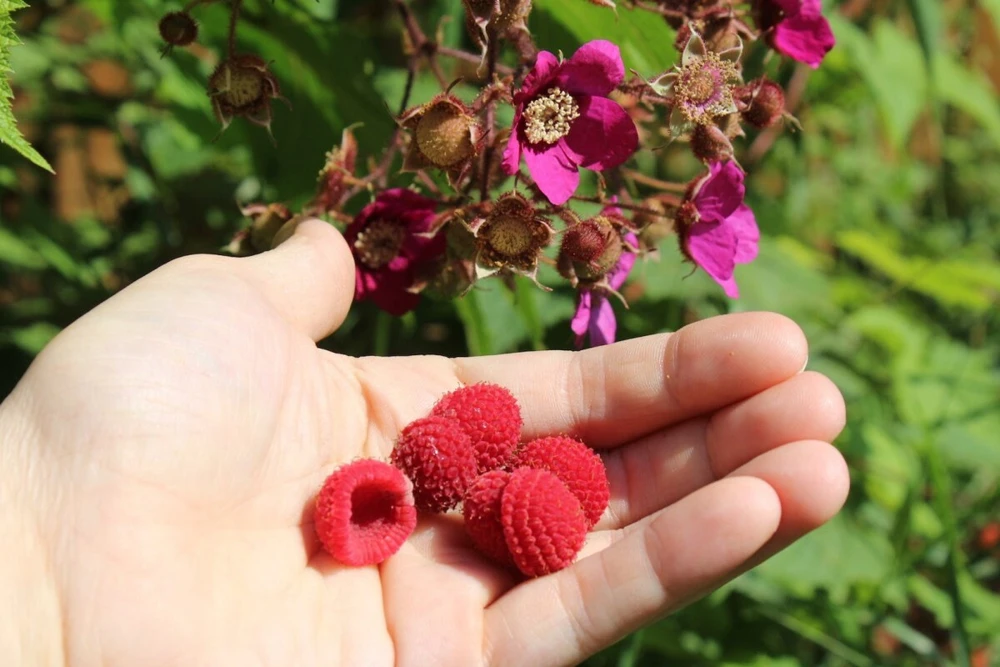
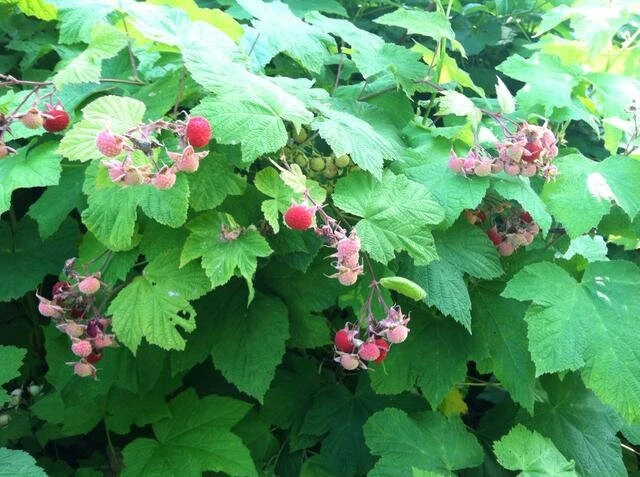
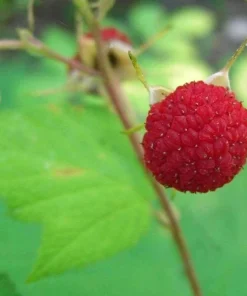
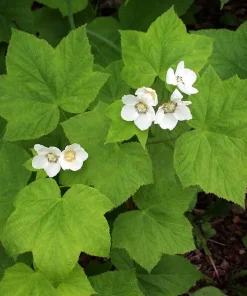
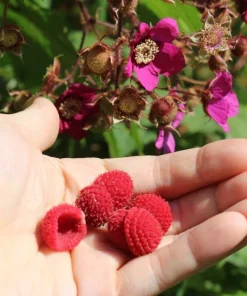
This deciduous shrub offers beautiful white flowers in spring, followed by bright red, cap-shaped berries that ripen throughout the summer. The taste is truly unforgettable – a complex blend of tart and sweet that some describe as a cross between a raspberry and a strawberry, with its own unique character. Whether you’re looking to attract pollinators, enjoy fresh berries, or simply add a resilient native plant to your outdoor space, this thornless berry bush is a superb selection that will thrive in USDA Zones 3-8.
Key Benefits
Cultivating a thimbleberry raspberry live plant in your garden offers a wealth of advantages, from its delicious fruit to its ecological benefits and ease of care. This hardy shrub is a rewarding plant to grow:
- Delicious, Unique Berries: Enjoy an abundance of bright red, medium-sized berries with an intense, tart-sweet flavor that stands out from other common berries. Perfect for fresh eating, cooking, making jams, juices, or freezing.
- Thornless Canes: Harvest your bounty without the worry of painful thorns, making this a family-friendly plant for all ages to enjoy. The smooth canes can reach 6-8 feet tall, providing a substantial yield.
- Self-Pollinating: This thornless berry bush does not require a companion plant for fruit production, simplifying your gardening efforts and ensuring a harvest from a single plant.
- Vigorous & Low-Maintenance: Thimbleberries are known for their resilience and adaptability. They are very low-maintenance, especially when planted in moist, sunny areas, and are naturally pest-resistant.
- Attracts Pollinators: The white, rose-like flowers provide an early nectar source for bees and other beneficial insects, enhancing the biodiversity of your garden.
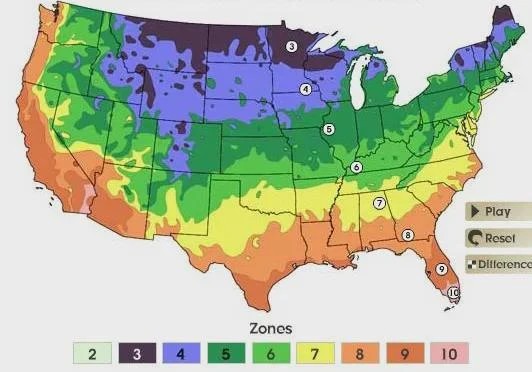
- USDA Hardiness Zones 3-8: This plant is incredibly cold-hardy, thriving in a wide range of climates and making it suitable for many regions across the United States.
- Organic Growth: Our plants are grown naturally without pesticides or non-organic fertilizers, ensuring a healthy, chemical-free start for your garden. You can feel good about growing and consuming the fruit from your thimbleberry raspberry live plant.
Plant Care & Growing Tips
Caring for your thimbleberry raspberry live plant is straightforward, as these plants are naturally robust and adaptable. Thimbleberries prefer a location with full sun to partial shade; ideally, they should receive at least 4-6 hours of direct sunlight daily for optimal fruit production. While they can tolerate some shade, more sun generally leads to more berries. They are accustomed to growing along forest edges and disturbed areas, indicating their preference for a somewhat sheltered yet bright environment.
When it comes to watering, consistent moisture is key, especially during dry spells and while the plant is establishing. Thimbleberries thrive in moist, well-draining soil. Avoid waterlogged conditions, but don’t let the soil dry out completely. A layer of organic mulch around the base of the plant can help retain soil moisture and suppress weeds. These plants are not particularly fussy about soil type but will benefit from rich, organic matter. For best results, plant in a loamy soil with a slightly acidic to neutral pH. Pruning can be done in late winter or early spring to remove dead or weak canes and to encourage new growth and better air circulation. The rubus parviflorus care routine is minimal, making it an excellent choice for busy gardeners.
Fertilization is generally not heavily required, especially if planted in rich soil. An annual application of a balanced organic fertilizer in early spring can boost growth and fruit yield. Thimbleberries are remarkably hardy and generally disease-resistant. They are also known to be naturally resistant to many pests, reducing the need for chemical interventions. This makes the process to grow thimbleberry an eco-friendly endeavor. Remember that plants grown in colder climates like Wisconsin will go dormant in the fall and winter, losing their leaves, and will emerge with new growth in the spring.
Size & Details
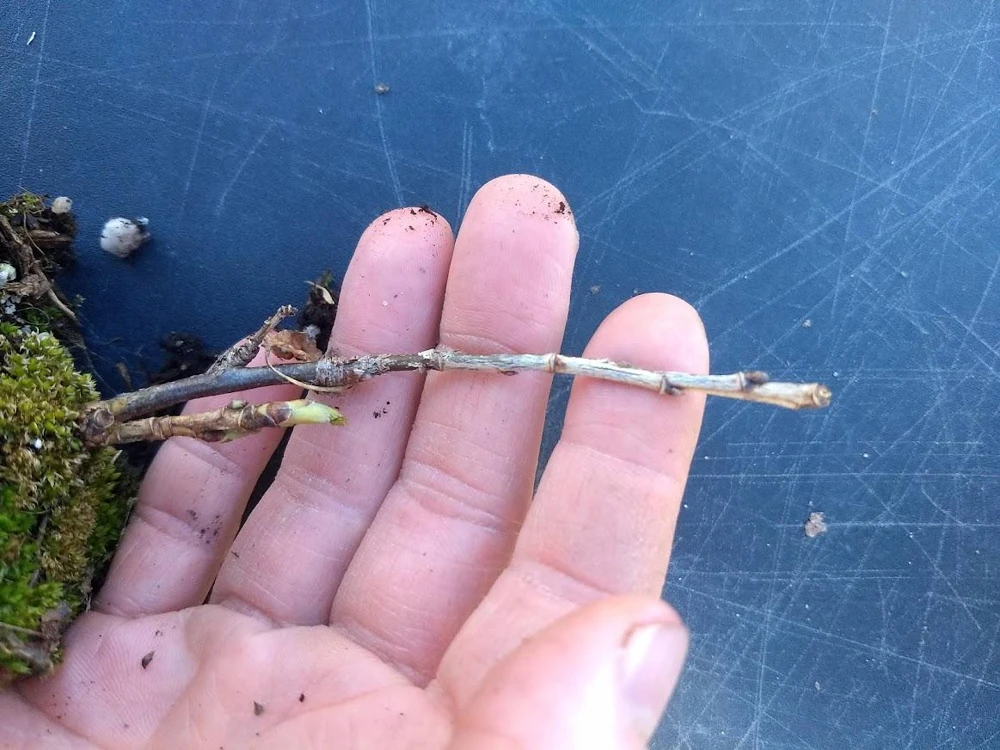
You will receive one healthy, rooted thimbleberry raspberry live plant starter, carefully nurtured from a fruiting mother plant. These starter plants are robust and ready for transplanting into your garden. While the exact size may vary depending on the season, each plant is well-rooted and established. The canes of the mature thornless berry bush can reach an impressive height of 6-8 feet, creating a substantial presence in your landscape. The berries are medium-sized, bright red, and ripen in the summer season, offering a bountiful harvest. Expect your plant to begin fruiting next year after planting, providing a quick turnaround for delicious homegrown produce.
This self-pollinating raspberry plant is shipped out of its growing pot to ensure safe transit and reduce stress during shipping. It will be carefully packaged in a box designed to protect the live plant. Thimbleberries are known for their vigorous growth rate, quickly establishing themselves and spreading to form attractive thickets if given space. They prefer moist areas but are adaptable, making them a versatile choice for various garden settings. With proper care, your thimbleberry raspberry live plant will provide years of enjoyment and delicious, unique berries.
Frequently Asked Questions
- Q: How big does this plant get? A: The canes of a mature thimbleberry raspberry live plant can reach a height of 6-8 feet. It forms a bush-like structure and can spread over time if not managed.
- Q: Is this an indoor or outdoor plant? A: This is an outdoor plant, highly suitable for garden beds, hedgerows, or naturalized areas. It thrives in various outdoor conditions within its hardiness zones.
- Q: How much sunlight does it need? A: The thornless berry bush prefers full sun to partial shade, meaning at least 4-6 hours of direct sunlight per day for optimal growth and fruit production.
- Q: Is this plant easy to care for? A: Yes, the Thimbleberry is considered very low-maintenance and vigorous, making it an excellent choice for beginners and experienced gardeners alike. Its natural hardiness simplifies rubus parviflorus care.
- Q: What condition will it arrive in? A: You will receive one rooted starter plant, shipped out of its growing pot and carefully packaged in a protective box to ensure it arrives safely and ready for planting.
- Q: How long until it fruits? A: Your thimbleberry raspberry live plant should begin to fruit in the summer season of the year following its planting.
- Q: Is it self-pollinating? A: Yes, this is a self-pollinating raspberry, meaning you only need one plant to produce berries.
- Q: What are the best uses for Thimbleberries? A: Thimbleberries are versatile and can be enjoyed fresh, used in cooking, made into drinks or juice, frozen for later, or canned for preserves. The unique flavor makes them a culinary delight.
- Q: Will it survive winter in my zone? A: This plant is very cold-hardy, thriving in USDA Hardiness Zones 3-8, and will go dormant in winter in colder regions, returning with new growth in spring.
- Q: What kind of soil does it prefer? A: Thimbleberries prefer moist, well-draining soil, ideally rich in organic matter. They are quite adaptable but will perform best in these conditions.
Be the first to review “Thimbleberry Raspberry Live Plant – Thornless Berry Bush – Zones 3-8”
People Also Viewed

Reviews
There are no reviews yet.