
Midwest Crabapple Tree – Flowering Fruit Tree Live Plant – Zones 4-8
Original price was: $62.99.$47.99Current price is: $47.99.
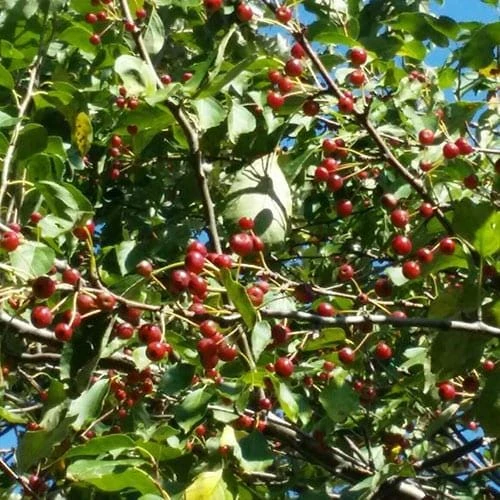
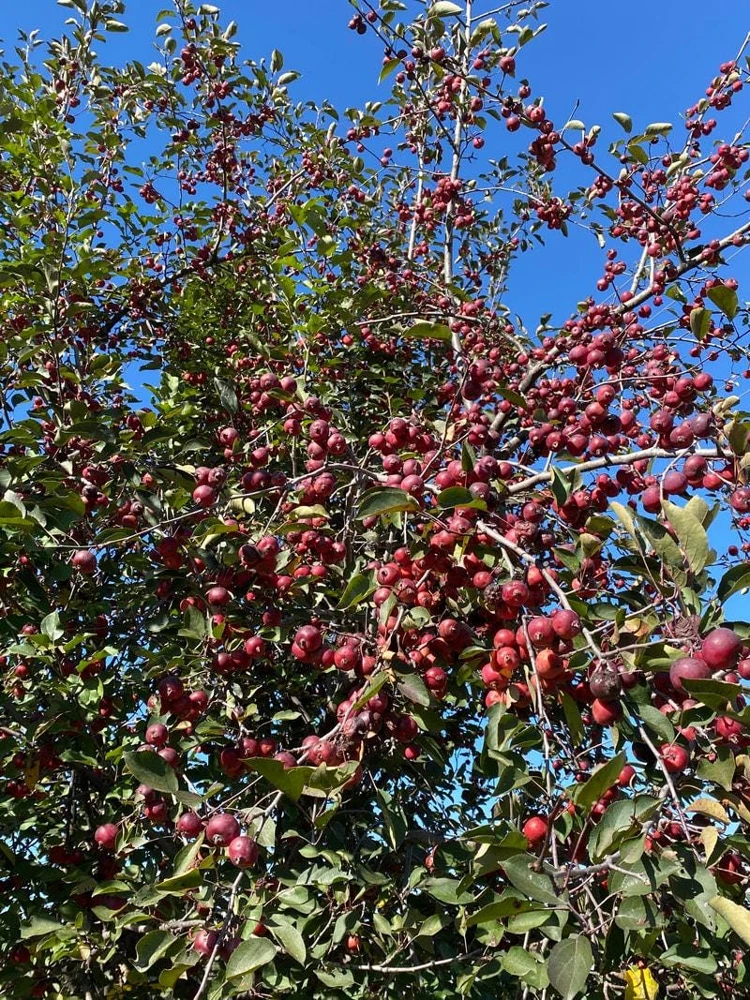
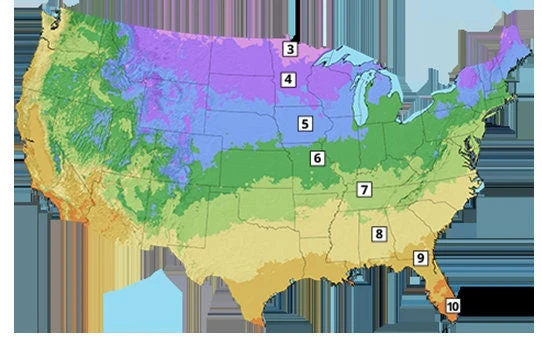
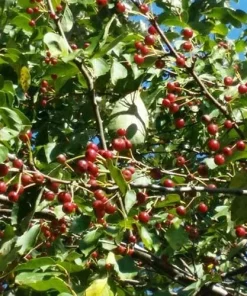
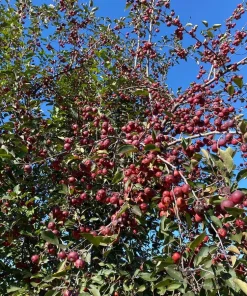
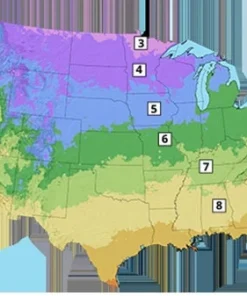
Bring natural beauty and wildlife to your garden with a Midwest Crabapple tree. This flowering fruit tree is known for its beautiful spring blossoms and small red fruits that provide a vital food source for local wildlife. Thriving in USDA Zones 4-8, it’s a hardy and disease-resistant addition to any landscape.
Estimated arrival
Sep 17
Sep 22 - Sep 24
Sep 27 - Oct 01
Shop With Confidence
30-Day Plant Health Guarantee
Arrives damaged? We’ll replace it free — see our return policy.
Responsive Support
Email us anytime, we reply within 1 business day.
Expert Packaging
Temperature-controlled shipping to protect your plants in transit.
Secure Checkout
Pay safely with Visa, Mastercard, PayPal.
Plant Specifications
-
USDA Hardiness Zone
USDA Zones 4-8 -
Soil Type
Well-draining soil -
Sunlight Exposure
Full sun -
Expected Planting Period
Spring or Fall
Overview
Introduce a robust and captivating addition to your landscape with the Midwest Crabapple tree. This exceptional flowering fruit tree, scientifically known as Malus baccata var. mandshurica, is a medium-sized, hardy live plant renowned for its resilience and aesthetic appeal. Originating from the upper Midwest and Great Plains, this tree is perfectly suited for challenging climates, offering both beauty and ecological benefits. It’s an ideal choice for gardeners looking to support local ecosystems, as its small, persistent red fruits are a valuable food source for wildlife, especially during the harsh fall and winter months. Beyond its ecological contribution, the Midwest Crabapple boasts attractive spring blossoms, adding a touch of elegance to any garden. This wildlife crabapple is a low-maintenance option that provides significant visual interest throughout the seasons, making it a favorite among both novice and experienced gardeners.
As a hardy crabapple variety, it exhibits excellent winter hardiness and remarkable disease resistance, ensuring a thriving presence in your garden for years to come. Whether you’re aiming to create a natural habitat or simply enjoy its ornamental qualities, the Midwest Crabapple tree delivers. It’s a testament to nature’s ability to combine function with beauty, providing a living, breathing focal point that evolves with the seasons. Plant a Midwest Crabapple and watch your garden transform into a vibrant haven for both you and local fauna.
Key Benefits
The Midwest Crabapple tree offers a multitude of benefits, making it an excellent choice for a variety of landscapes. Its hardy nature ensures it can withstand challenging conditions while providing year-round interest.
- Attracts Wildlife: The small, persistent red fruits are a vital food source for birds and other wildlife, particularly during the colder months, making it an excellent wildlife crabapple.
- Stunning Spring Blossoms: Enjoy a spectacular display of white flowers in spring, adding significant ornamental value to your garden and making it a true flowering fruit tree.
- Exceptional Hardiness: Thrives in USDA Zones 4-8, demonstrating superior winter hardiness and adaptability to diverse climates, ensuring a resilient hardy crabapple.
- Disease Resistant: This variety is highly resistant to common crabapple diseases, reducing the need for extensive care and treatments.
- Pollination Benefits: Acts as a pollinator for other apple trees, contributing to better fruit production in nearby apple orchards.
- Versatile Fruit Use: While sour for human consumption, the fruit can be used for jellies, jams, or as a natural food source for animals.
- Low Maintenance: Once established, the Midwest Crabapple tree requires minimal care, making it a great choice for busy gardeners.
Plant Care & Growing Tips
Caring for your Midwest Crabapple tree is straightforward, thanks to its robust nature. This hardy crabapple thrives with basic attention, ensuring it remains a beautiful and beneficial part of your garden. For optimal growth, plant your tree in a location that receives at least 6 hours of direct sunlight per day. While it tolerates a range of soil types, well-draining soil is crucial to prevent root issues. Amend heavy clay soils with organic matter to improve drainage and aeration. Once established, the Midwest Crabapple is relatively drought-tolerant, but consistent watering during dry spells, especially in its first few years, will encourage strong root development.
Pruning should be done in late winter or early spring while the tree is dormant. Focus on removing any dead, damaged, or crossing branches to maintain good air circulation and shape. Fertilize annually in early spring with a balanced slow-release fertilizer designed for trees and shrubs. Monitor for pests and diseases, though this variety is known for its resistance. The Malus baccata var. mandshurica is particularly suited for USDA Zones 4-8, making it a reliable choice for regions with cold winters. Ensure proper spacing if planting multiple trees, allowing for its mature spread of up to 20 feet. With these simple care tips, your Midwest Crabapple tree will flourish and provide years of beauty and ecological benefit.
Size & Details
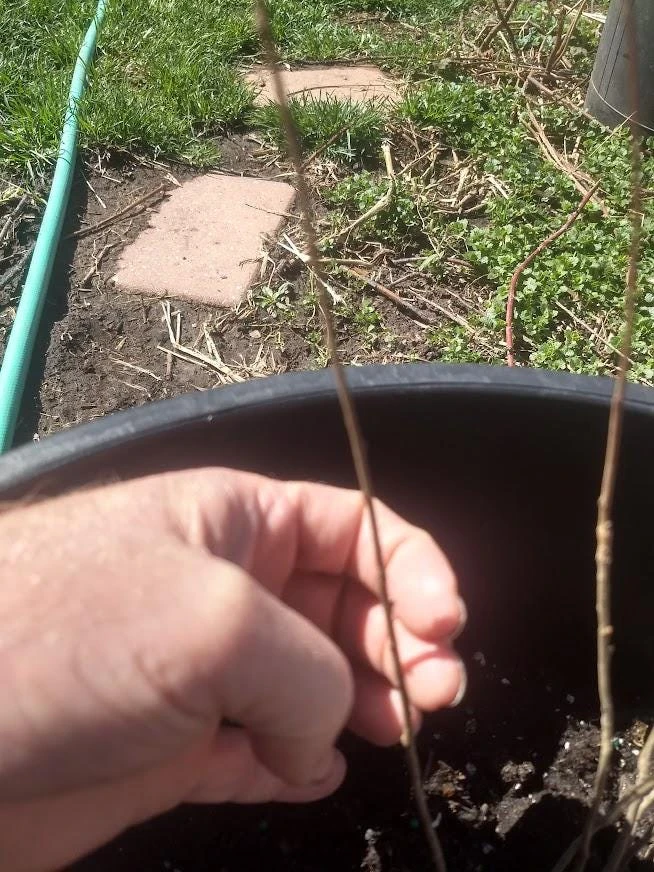
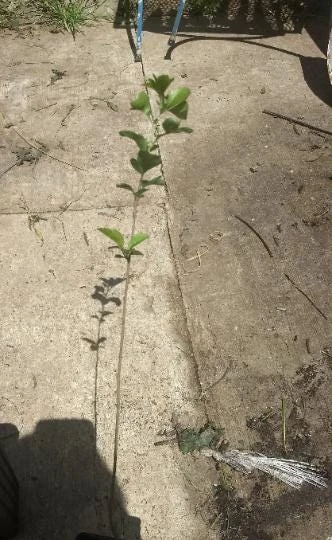
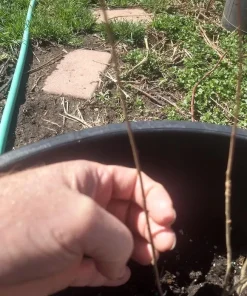
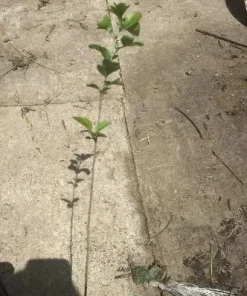
You will receive one rooted plant from a fruiting mother plant, ready to establish itself in your garden. This Midwest Crabapple tree is a live plant that will grow into a medium-sized tree, typically reaching a height of up to 20 feet tall at maturity. It features small red fruits and attractive white flowers in the spring. The fruit, though sour for human taste, is an excellent food source for wildlife. This particular variety, Malus baccata var. mandshurica, is known for its extreme cold-hardiness and disease resistance, making it perfectly suited for the harsh climates of the Midwest and Great Plains. It is shipped bare-root, carefully taken out of its growing pot and packaged to protect the plant during transit. Expect a moderate growth rate, with the tree beginning to produce fruit within a few years.
Frequently Asked Questions
- Q: How big does this plant get? A: The Midwest Crabapple tree is a medium-sized tree that typically reaches up to 20 feet tall at maturity, providing a substantial presence in your landscape.
- Q: What condition will it arrive in? A: You will receive one rooted live plant, carefully taken out of its growing pot and shipped in a box designed to protect the plant during transit.
- Q: Is this an indoor or outdoor plant? A: This is an outdoor tree, specifically a hardy crabapple, well-suited for planting in garden landscapes and open areas.
- Q: How much sunlight does it need? A: The Midwest Crabapple tree thrives in full sun, requiring at least 6 hours of direct sunlight per day for optimal growth and flowering.
- Q: Is this plant easy to care for? A: Yes, this flowering fruit tree is known for its hardiness and disease resistance, making it a relatively low-maintenance option for most gardeners.
- Q: When is the best time to plant? A: The best time to plant a Midwest Crabapple is typically in spring or fall, allowing the roots to establish before extreme temperatures.
- Q: Will it survive winter in my zone? A: Absolutely. This Malus baccata var. mandshurica is extremely cold-hardy and thrives in USDA Zones 4-8, making it ideal for regions with cold winters.
- Q: Can I eat the fruit from this crabapple? A: The fruit is generally considered sour for direct human consumption but is excellent for wildlife and can be used for making jellies, jams, or juices.
- Q: Does it pollinate other apple trees? A: Yes, the Midwest Crabapple tree is known to pollinate other apple trees, which can help improve fruit set in nearby orchards.
- Q: Is this a good choice for attracting birds? A: Yes, the persistent red fruits are a valuable food source for birds and other wildlife, making it an excellent choice for a wildlife crabapple.
Be the first to review “Midwest Crabapple Tree – Flowering Fruit Tree Live Plant – Zones 4-8”
People Also Viewed
Vegetable Seeds
Reviews
There are no reviews yet.