
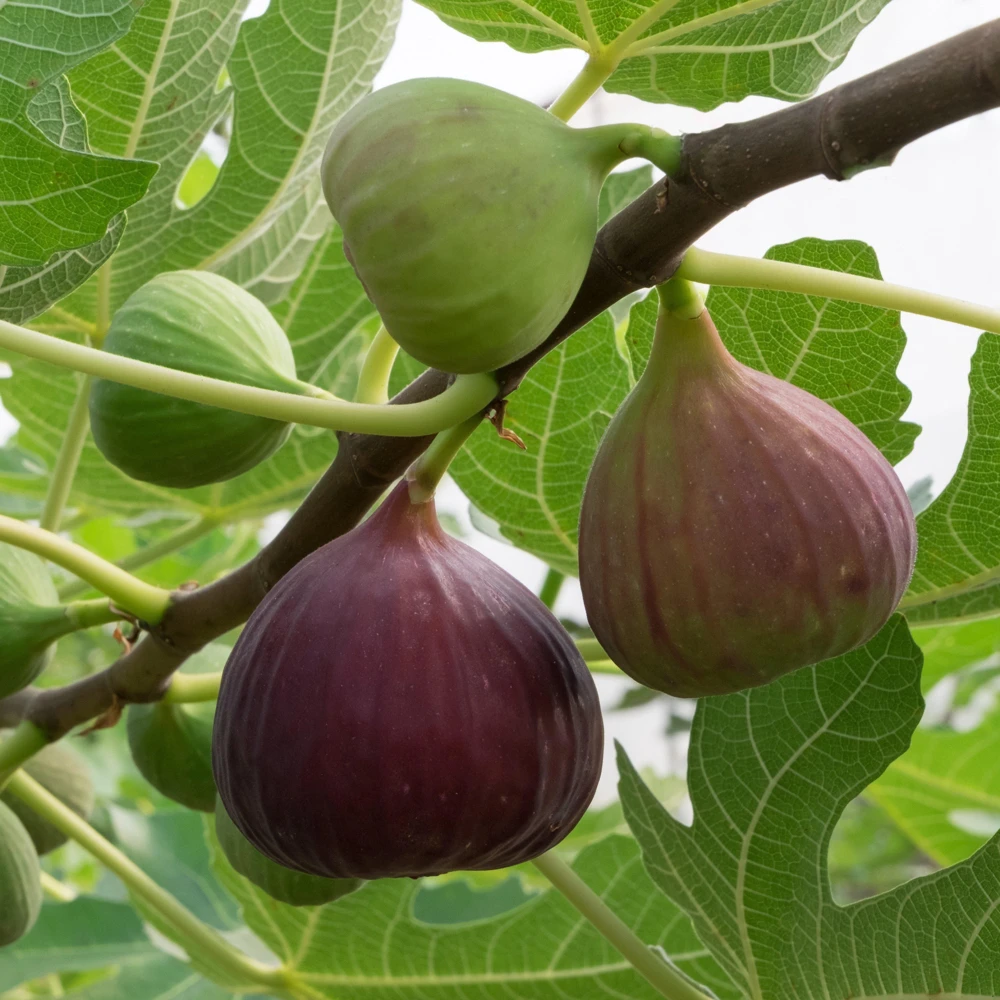
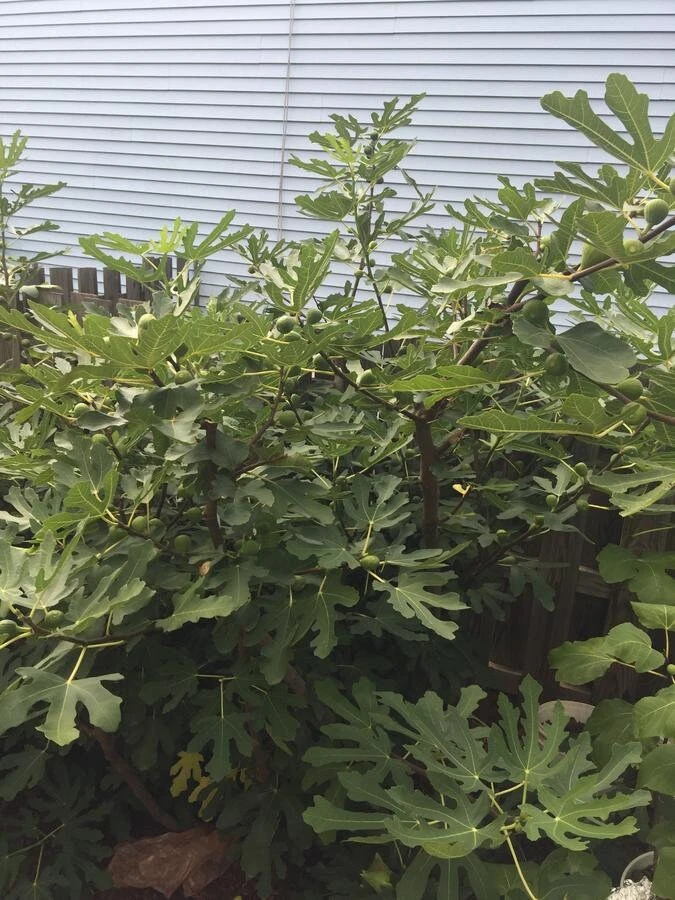
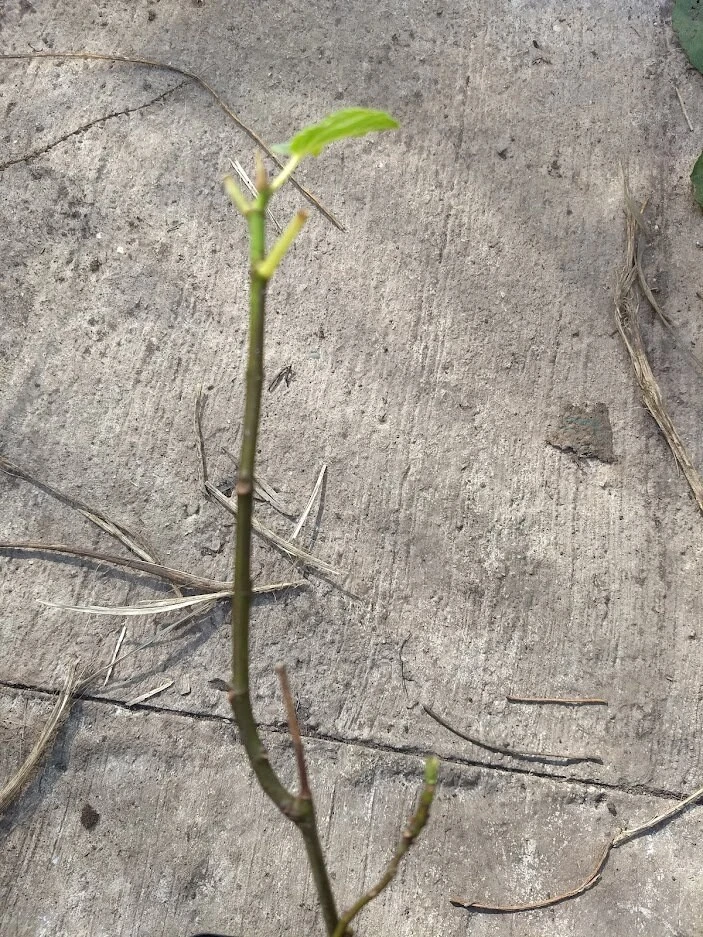
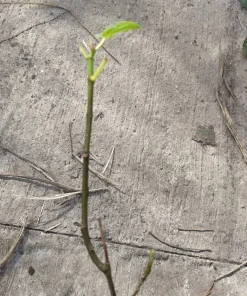
Magnolia Large Fig Live Plant – Self-Pollinating Ficus Carica, Zones 7-9, Potted
Original price was: $62.99.$47.99Current price is: $47.99.
Cultivate your own flavorful fruit with the magnolia large fig live plant. This self-pollinating fig tree, a robust Ficus carica variety, is perfect for zones 7-9 and thrives as a potted plant or in the ground, producing exceptionally large, sweet figs. Enjoy fresh, homegrown fruit from this impressive large fig variety.
Estimated arrival
Sep 17
Sep 22 - Sep 24
Sep 27 - Oct 01
Shop With Confidence
30-Day Plant Health Guarantee
Arrives damaged? We’ll replace it free — see our return policy.
Responsive Support
Email us anytime, we reply within 1 business day.
Expert Packaging
Temperature-controlled shipping to protect your plants in transit.
Secure Checkout
Pay safely with Visa, Mastercard, PayPal.
Plant Specifications
-
USDA Hardiness Zone
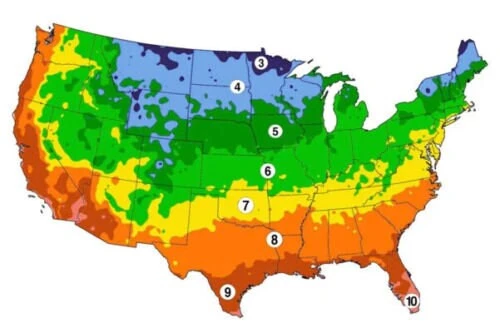
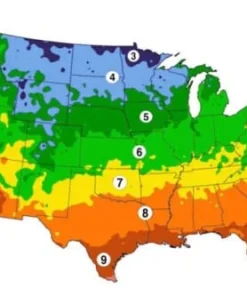
USDA Zones 7-9 -
Soil Type
Well-draining, rich soil -
Sunlight Exposure
Full sun -
Expected Planting Period
Spring to early summer
Overview
Introduce a taste of the Mediterranean to your garden with the exceptional magnolia large fig live plant. This robust and highly sought-after Ficus carica cultivar is renowned for its impressive fruit size and dependable yields. Originating from regions where figs are a culinary staple, this variety stands out for its adaptability and self-pollinating nature, making it an excellent choice for both experienced gardeners and those new to growing fruit trees. Our live rooted starter plants are carefully cultivated to ensure a strong beginning, ready to establish quickly in your landscape or as a cherished potted specimen. The magnolia large fig live plant is a deciduous shrub that will mature into a beautiful and productive addition to any garden, providing both aesthetic appeal and delicious, healthy fruit.
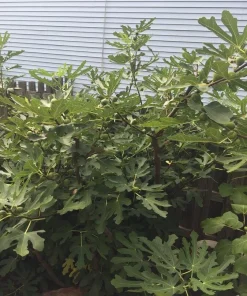
This particular self-pollinating fig tree is celebrated for its ease of care and generous production, eliminating the need for a second fig tree for cross-pollination. It’s a fantastic option for home gardeners looking to enjoy fresh, organic figs directly from their backyard. The plant is known for its vigor and resilience, thriving in a range of conditions within its recommended hardiness zones. With its broad, lobed leaves and charming growth habit, it also serves as an attractive ornamental plant, offering lush greenery throughout the growing season before its leaves drop in the fall, revealing the developing fruits.
Key Benefits
The magnolia large fig live plant offers numerous advantages for the home gardener, blending ornamental beauty with bountiful harvests. Its ease of cultivation and delicious fruit make it a highly rewarding choice.
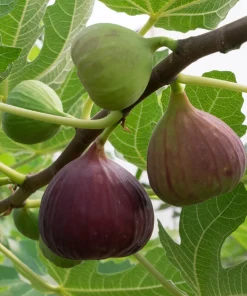
- Exceptional Fruit Size and Flavor: This variety produces some of the largest figs available, often exceeding the size of a golf ball, with a sweet, rich flavor perfect for fresh eating, cooking, or preserving. Enjoy the satisfaction of harvesting your own substantial, juicy figs.
- Self-Pollinating Nature: As a self-pollinating fig tree, it does not require another fig plant for fruit production, making it ideal for smaller gardens or those with limited space. This ensures a consistent yield of delicious fruit without extra effort.
- Versatile Growing Options: Thrives both in the ground in appropriate climates (USDA Zones 7-9) and as a potted plant, offering flexibility for gardeners in colder regions who can bring it indoors for winter protection. Its adaptability makes it suitable for various garden designs.
- Relatively Quick to Fruit: With proper care, this fig can begin fruiting within approximately two years, allowing you to enjoy your first harvest relatively soon after planting. Experience the delight of homegrown figs sooner.
- Cold Hardy Characteristics: This particular large fig variety exhibits good cold tolerance for a fig, hardy down to approximately 50 degrees Fahrenheit, making it a reliable choice for its designated hardiness zones.
- Pest and Disease Resistance: Figs are generally robust plants, and this variety is known for its natural resistance, thriving without the need for harsh pesticides. Cultivate a healthier garden environment.
- Ornamental Appeal: Beyond its fruit, the fig plant offers attractive foliage and a pleasing growth habit, adding a touch of Mediterranean charm to your landscape or patio.
Plant Care & Growing Tips
Caring for your magnolia large fig live plant is relatively straightforward, ensuring a healthy and productive shrub. Understanding its basic needs for sunlight, water, and soil will set you up for success. This deciduous shrub prefers a location that receives ample sunlight, ideally full sun for at least 6-8 hours a day, especially during the fruiting season. In hotter climates, some afternoon shade can be beneficial to prevent scorching of leaves and fruit. When grown in a pot, ensure it’s placed in the sunniest spot available, rotating it occasionally for even growth.
Watering is crucial, especially during the establishment phase and when the plant is actively producing fruit. Figs prefer consistently moist, but not waterlogged, soil. Allow the top inch or two of soil to dry out between waterings. Overwatering can lead to root rot, so good drainage is essential. For potted plants, ensure the container has drainage holes and water until it flows from the bottom. In terms of soil, the ficus carica plant thrives in rich, well-draining soil with a slightly acidic to neutral pH (6.0-7.0). Amending garden soil with compost or well-rotted manure will improve fertility and drainage. For potted figs, a high-quality potting mix designed for fruit trees or general-purpose use is ideal.
The magnolia large fig live plant is hardy in USDA Zones 7-9. In colder zones (6 and below), it’s best grown in a container and brought indoors or provided significant winter protection. If growing in the ground in zone 7, apply a thick layer of mulch around the base of the plant to insulate the roots. Fertilize your fig plant in early spring and mid-summer with a balanced, slow-release fertilizer or an organic option rich in phosphorus and potassium to encourage fruit development. Pruning should be done in late winter or early spring while the plant is dormant, focusing on removing dead, damaged, or crossing branches and shaping the plant for better air circulation and fruit production. For a robust and fruitful self-pollinating fig tree, consistent care is key.
Size & Details
Your order includes one healthy, rooted starter plant of the magnolia large fig live plant, ready for transplanting. While the initial size may vary, these vigorous plants grow quickly with proper care, typically reaching a mature height of 12-15 feet when planted in the ground, and a similar spread, forming a substantial shrub or small tree. When grown in containers, their size can be managed through pruning and pot size, making them adaptable to various spaces, including patios and balconies. This large fig variety is known for its rapid growth rate under optimal conditions, allowing you to enjoy substantial fruit production within a few years.
The plant is shipped carefully packaged to ensure its safe arrival, typically without its growing pot to minimize shipping stress and weight, with roots protected. Expect fruiting to begin approximately two years after planting, depending on growing conditions and care. The fruits of this cold hardy fig are notably large, often exceeding the size of a golf ball, and ripen throughout the summer and early fall, providing a continuous harvest. While the plant shows good cold tolerance for a fig (down to 50°F), winter protection or indoor relocation is recommended for climates at the colder end of its hardiness range or below.
Frequently Asked Questions
- Q: How big does this plant get? A: When planted in the ground, the magnolia large fig live plant can reach a mature height of 12-15 feet with a similar spread. Its size can be controlled with pruning if grown in a container.
- Q: Is this an indoor or outdoor plant? A: This fig plant can be grown outdoors in USDA Zones 7-9. In colder climates, it’s best grown in a container and moved indoors for winter protection, making it a versatile choice.
- Q: How much sunlight does it need? A: The magnolia large fig live plant thrives in full sun, requiring at least 6-8 hours of direct sunlight per day for optimal growth and fruit production.
- Q: Is this plant easy to care for? A: Yes, this self-pollinating fig tree is considered relatively easy to care for, especially once established. It requires consistent watering, good drainage, and adequate sunlight.
- Q: What condition will it arrive in? A: Your ficus carica plant will arrive as a live, rooted starter plant, carefully packaged to ensure its health during transit. It will be ready for immediate planting.
- Q: How long until it fruits? A: With proper care and growing conditions, you can expect this large fig variety to begin producing fruit within approximately two years after planting.
- Q: Will it survive winter in my zone? A: The magnolia large fig live plant is cold hardy down to about 50°F and is suitable for USDA Zones 7-9. In colder zones, winter protection or bringing it indoors is necessary.
- Q: What type of soil is best for this fig? A: Figs prefer rich, well-draining soil with a slightly acidic to neutral pH. For potted plants, use a high-quality potting mix.
- Q: Can I grow this fig in a pot? A: Absolutely! This fig variety is an excellent choice for container growing, especially beneficial for those in colder climates who need to move the plant indoors during winter.
- Q: Is this fig truly self-pollinating? A: Yes, the magnolia large fig live plant is a self-pollinating variety, meaning you only need one plant to get a good harvest of delicious figs.
Be the first to review “Magnolia Large Fig Live Plant – Self-Pollinating Ficus Carica, Zones 7-9, Potted”
People Also Viewed
Flower Seeds
Reviews
There are no reviews yet.