
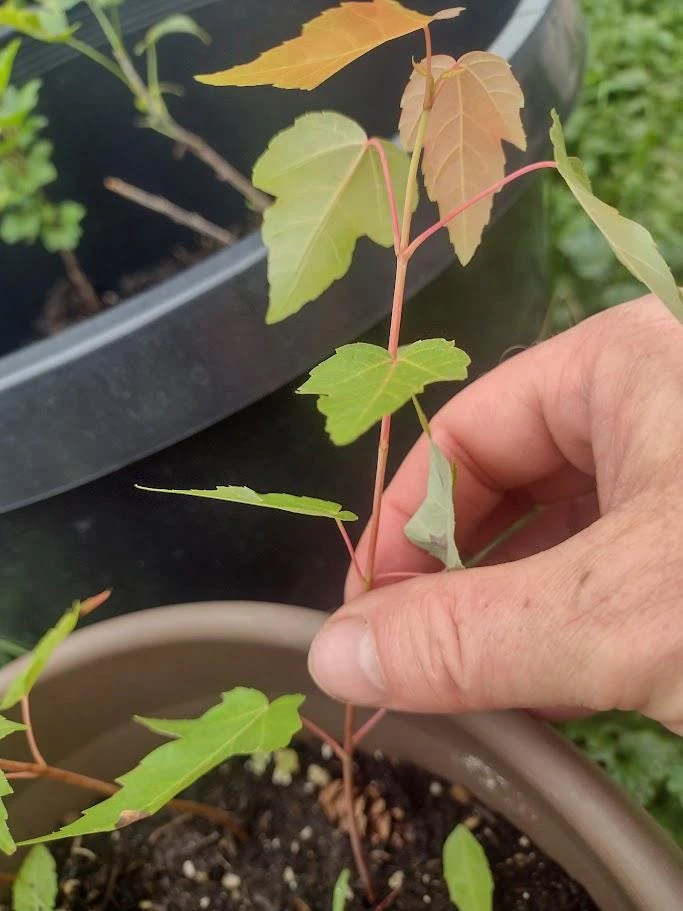
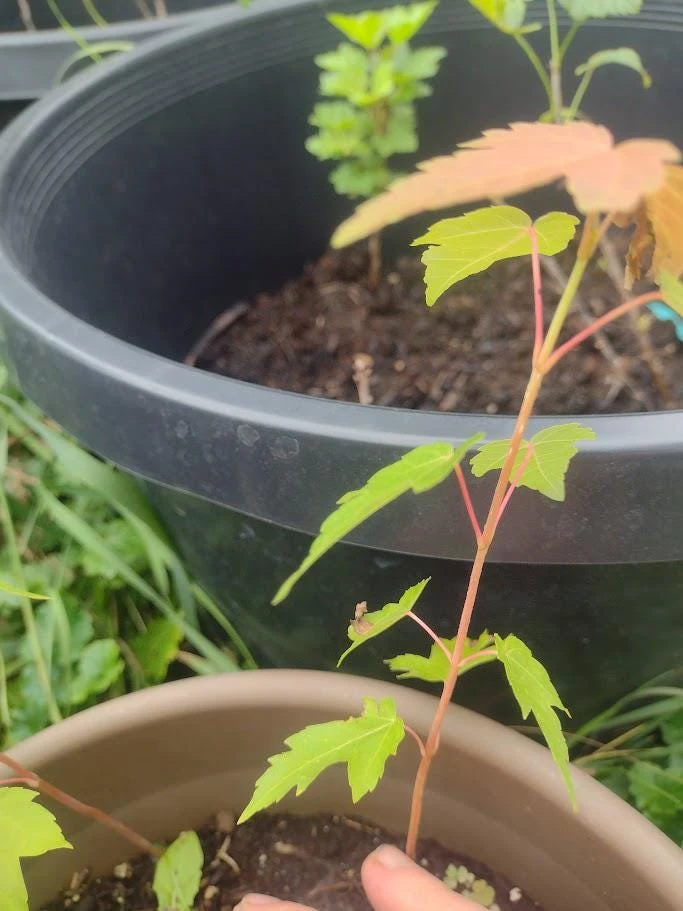
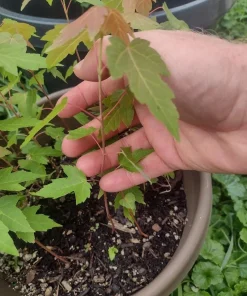
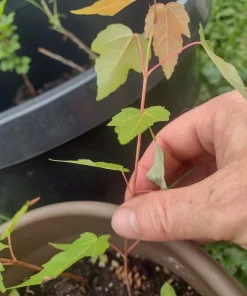
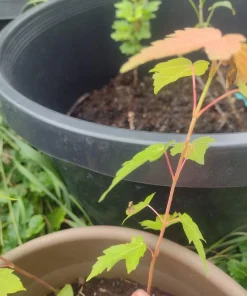
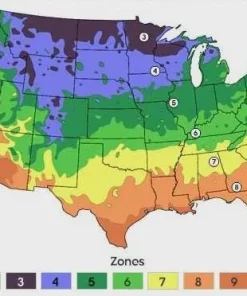
Maple Tree Live Plant – Organic & Rooted, Zones 3-9 for Syrup Production
Original price was: $60.99.$45.99Current price is: $45.99.
Cultivate your own delicious, organic maple syrup with this robust maple tree live plant. This rooted specimen is ideal for home growers in USDA Zones 3-9, offering a sustainable source for healthy, homemade syrup. Enjoy the beauty of a mature maple tree while producing your own natural sweetener.
Estimated arrival
Sep 17
Sep 22 - Sep 24
Sep 27 - Oct 01
Shop With Confidence
30-Day Plant Health Guarantee
Arrives damaged? We’ll replace it free — see our return policy.
Responsive Support
Email us anytime, we reply within 1 business day.
Expert Packaging
Temperature-controlled shipping to protect your plants in transit.
Secure Checkout
Pay safely with Visa, Mastercard, PayPal.
Plant Specifications
-
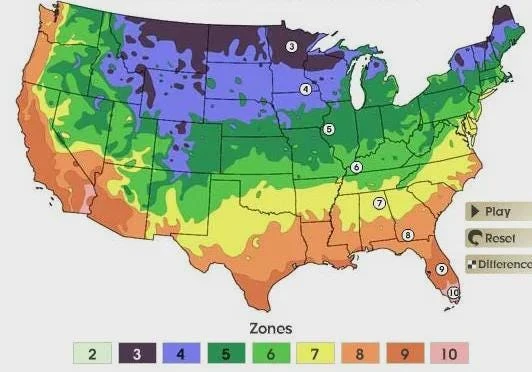
USDA Hardiness Zone
3-9 -
Soil Type
Well-draining, fertile soil -
Sunlight Exposure
Full sun to partial shade -
Expected Planting Period
Early spring or fall
Overview
Embark on a journey of sustainable living and delicious self-sufficiency with your very own maple tree live plant. This organically grown, rooted specimen provides an exceptional opportunity to cultivate a beautiful landscape tree that also serves a practical purpose: producing the sweet sap essential for homemade maple syrup. Imagine tapping your own trees and enjoying the rich, natural flavor of syrup made right in your backyard. This particular maple tree is well-suited for a wide range of climates, thriving in USDA Hardiness Zones 3-9. Whether you’re an experienced arborist or a budding enthusiast, this tree promises both aesthetic appeal and a rewarding harvest. It’s not just a plant; it’s an investment in a greener lifestyle and a healthier pantry.
Known for their vibrant fall foliage and their invaluable sap, maple trees are a cornerstone of North American forests and a cherished symbol of autumn. This offering is a robust, ready-to-plant young tree, carefully cultivated without pesticides to ensure an organic start to your syrup production. Investing in an organic maple tree means you are choosing a product that supports ecological balance and provides a pure, unadulterated food source for years to come. Start your personal syrup farm today with this exceptional tree.
Key Benefits
Bringing a maple tree into your garden or homestead offers a multitude of benefits, extending beyond its natural beauty to practical and sustainable advantages. This particular maple tree live plant is an excellent choice for those seeking both ornamental value and a productive harvest.
- Sustainable Syrup Production: Enjoy the unique satisfaction of producing your own organic maple syrup directly from your backyard. A mature maple tree can provide sap for many years, offering a renewable resource for a natural sweetener.
- Stunning Seasonal Beauty: Maple trees are renowned for their spectacular fall foliage, transforming your landscape with vibrant hues of red, orange, and yellow. Even outside of autumn, their stately form and lush green leaves contribute significant aesthetic value.
- Organic & Pesticide-Free: This tree is grown without the use of pesticides, ensuring an organic start for your syrup production and contributing to a healthier environment around your home. You can be confident in the purity of your harvest.
- Wildlife Habitat & Ecosystem Support: Maple trees provide valuable shelter and food sources for local wildlife, including birds and squirrels, contributing to the biodiversity of your garden. They also play a role in carbon sequestration, enhancing air quality.
- Long-Term Investment: A well-cared-for maple tree can live for decades, even centuries, growing into a magnificent specimen that increases property value and provides a legacy for future generations. It’s a truly lasting addition to your home.
- Educational Opportunity: Growing a maple syrup tree can be a fantastic educational experience for families, teaching about nature, sustainable food sources, and the process of turning sap into syrup.
- Adaptable & Hardy: This maple tree is well-suited for a broad range of climates, thriving in USDA Zones 3-9, making it a reliable choice for many regions across the United States.
Plant Care & Growing Tips
Proper care is crucial for ensuring your maple tree live plant establishes successfully and grows into a healthy, productive specimen. Maple trees generally prefer a site with full sun to partial shade, meaning at least 4-6 hours of direct sunlight per day. Adequate sunlight is vital for strong growth and good sap production. When choosing a location, consider the mature size of the tree and ensure it has ample space to grow without crowding other structures or plants. They thrive in well-draining, fertile soil with a slightly acidic to neutral pH (6.0-7.0). Avoid heavy clay soils that retain too much water, as this can lead to root rot. If your soil is poor, amend it with organic matter like compost before planting to improve drainage and nutrient content.
Watering is particularly important during the first few years after planting. The tree should receive consistent moisture, especially during dry spells. Deep watering is preferred over frequent shallow watering, encouraging the roots to grow deeper into the soil. Once established, maple trees are relatively drought-tolerant, but supplemental watering during extended dry periods will benefit their health and sap yield. Fertilization is not always necessary, especially if planted in rich soil. However, if growth appears slow, a balanced, slow-release tree fertilizer can be applied in early spring. Always follow package instructions to avoid over-fertilization. Protect young trees from pests and diseases by maintaining good air circulation and promptly addressing any signs of trouble. This maple tree for syrup is naturally robust, but vigilance helps ensure its long-term health. Remember, the healthier the tree, the better the sap production.
Size & Details
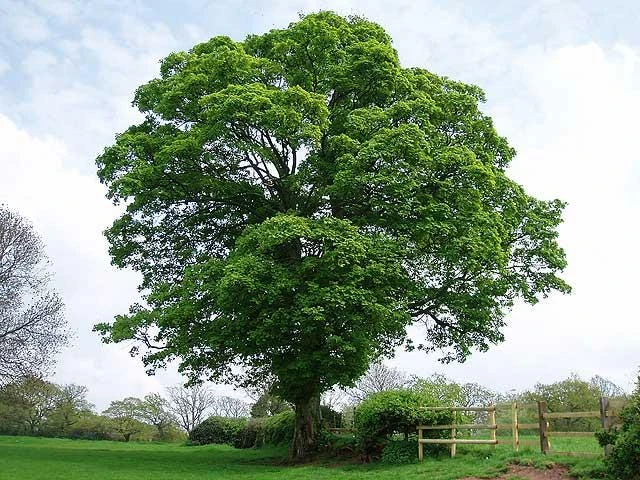
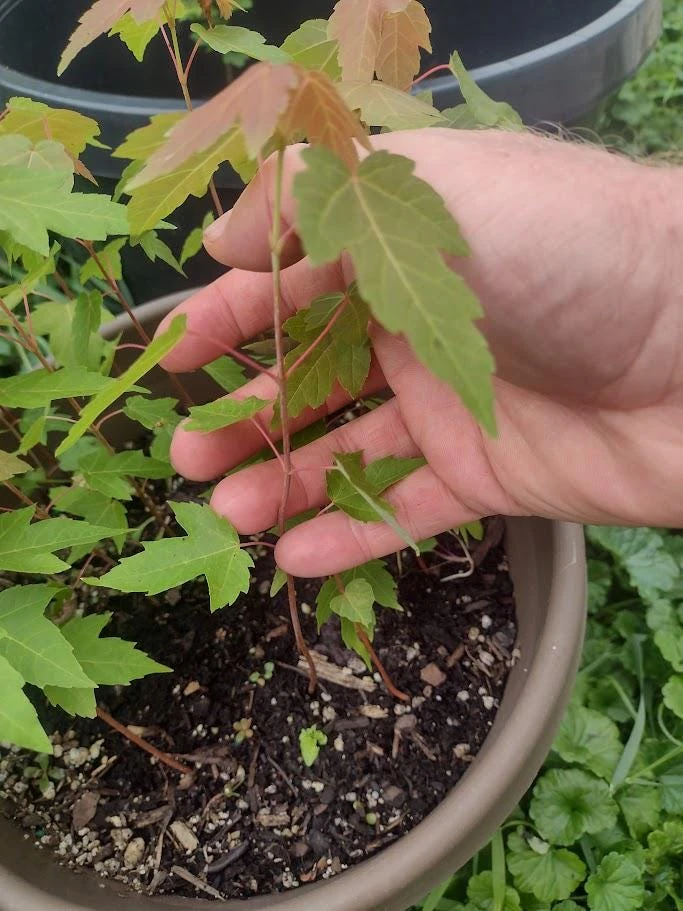
This offering is for one live, rooted maple tree live plant, ready for planting and establishment in your garden or homestead. The exact height of the young plant may vary but is typically in a manageable range for safe shipping and easy transplanting, often between 12-24 inches tall. It is shipped as a rooted plant, carefully packaged to ensure its health upon arrival. Maple trees are known for their moderate to fast growth rate, and with proper care, your tree will gradually mature into a stately specimen capable of producing sap for syrup. The tree is suitable for USDA Hardiness Zones 3-9, indicating its resilience to various winter temperatures. While specific mature dimensions depend on variety and growing conditions, a typical sugar maple tree can reach heights of 50-80 feet with a spread of 30-50 feet over many years, so plan your planting location accordingly. Expect several years of growth before the tree is mature enough for tapping, typically when the trunk reaches at least 10-12 inches in diameter.
Frequently Asked Questions
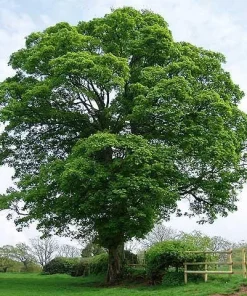
- Q: How big does this maple tree get? A: A mature maple tree, depending on the specific variety, can typically reach heights of 50-80 feet with a spread of 30-50 feet. It’s important to choose a planting location that can accommodate its mature size, ensuring it has plenty of room to grow.
- Q: Is this an indoor or outdoor plant? A: This maple tree live plant is an outdoor tree, designed to be planted directly in the ground. It requires natural sunlight, seasonal changes, and ample space to thrive and produce sap.
- Q: How much sunlight does it need? A: Maple trees generally prefer a location with full sun to partial shade, meaning they should receive at least 4-6 hours of direct sunlight per day. Good light exposure is crucial for healthy growth and sap production.
- Q: Is this plant easy to care for? A: Maple trees are relatively easy to care for once established. Young trees require consistent watering and protection, but mature trees are quite hardy. This makes it a good option for those interested in a maple tree for syrup production.
- Q: What condition will it arrive in? A: Your maple tree will arrive as a live, rooted plant, carefully packaged to ensure its health during transit. It will be ready for immediate planting upon arrival.
- Q: When is the best time to plant this maple tree? A: The best time to plant a maple tree is typically in early spring or fall when temperatures are moderate. This allows the tree to establish its root system before the stress of summer heat or winter cold.
- Q: Will it survive winter in my zone? A: This maple tree is suitable for USDA Hardiness Zones 3-9. If your location falls within this range, the tree is expected to survive winter conditions for your area.
- Q: How long until it can be tapped for syrup? A: A maple tree typically needs to grow for at least 30-40 years, or until its trunk reaches a diameter of 10-12 inches, before it can be tapped for syrup production. This ensures the tree is mature enough to withstand tapping without harm.
- Q: What type of soil does it prefer? A: Maple trees thrive in well-draining, fertile soil with a slightly acidic to neutral pH. Amending heavy clay soils with organic matter can improve drainage and provide essential nutrients for growth.
- Q: Is this a Sugar Maple tree? A: While many maple varieties produce sap, Sugar Maple is traditionally the most common for syrup. This offering is a general maple tree live plant suitable for syrup production, cultivated for its sap-producing qualities and hardiness.
Be the first to review “Maple Tree Live Plant – Organic & Rooted, Zones 3-9 for Syrup Production”
People Also Viewed
Houseplants
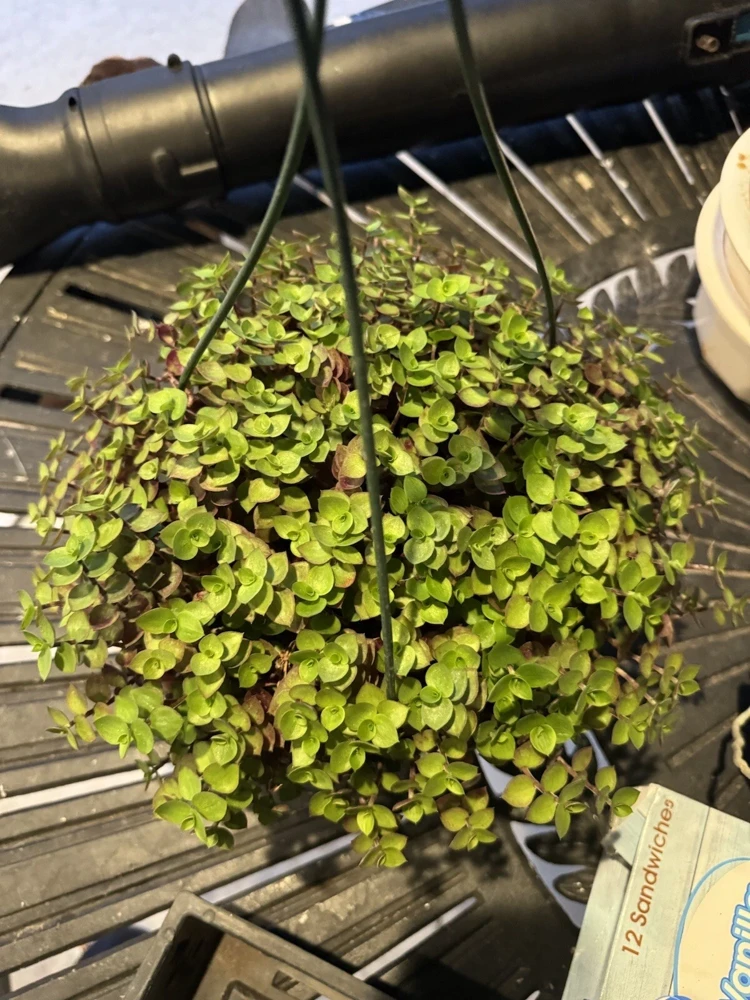
Set of 2 Callisia Live Plants – Pink Lady Turtle Vine, 5-8 Inch Tall, 4 Inch Pot, Indoor Houseplant
Houseplants
Reviews
There are no reviews yet.