





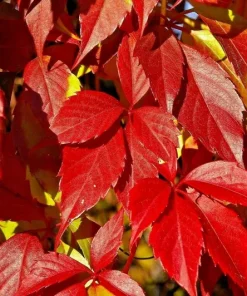
Virginia Creeper Live Plant – Perennial Hardy Wall Cover Vine – Rooted Cuttings
Original price was: $36.99.$11.99Current price is: $11.99.
Cultivate a beautiful, low-maintenance landscape with the Virginia Creeper plant. This fast-growing, hardy perennial vine is ideal for covering walls, fences, or trellises, offering lush green foliage that transforms into stunning red in fall. Perfect for adding natural beauty to your garden.
Estimated arrival
Oct 23
Oct 28 - Oct 30
Nov 02 - Nov 06
Shop With Confidence
30-Day Plant Health Guarantee
Arrives damaged? We’ll replace it free — see our return policy.
Responsive Support
Email us anytime, we reply within 1 business day.
Expert Packaging
Temperature-controlled shipping to protect your plants in transit.
Secure Checkout
Pay safely with Visa, Mastercard, PayPal.
Plant Specifications
-
USDA Hardiness Zone
USDA Zones 3-9 -
Soil Type
Well-draining soil (sandy, loamy, or clay) -
Sunlight Exposure
Full sun to partial shade -
Expected Planting Period
Spring to early summer
Overview
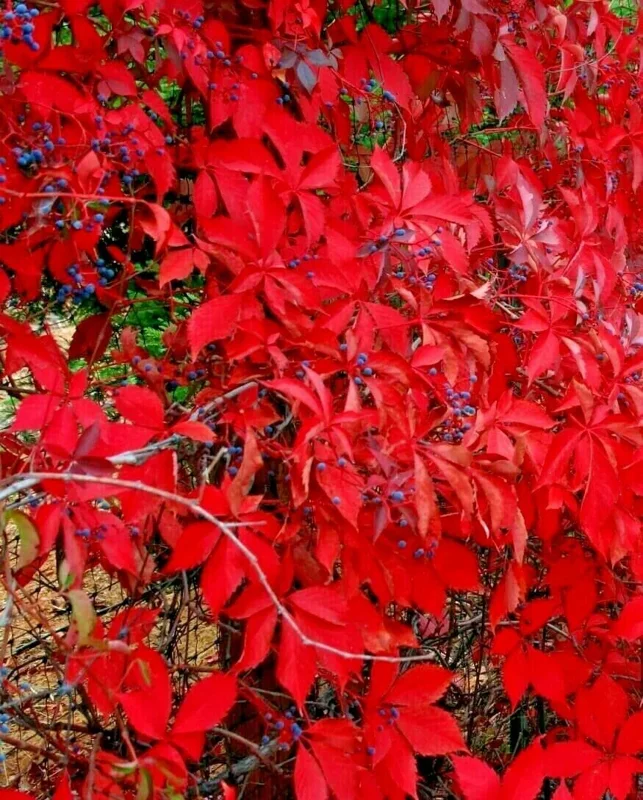
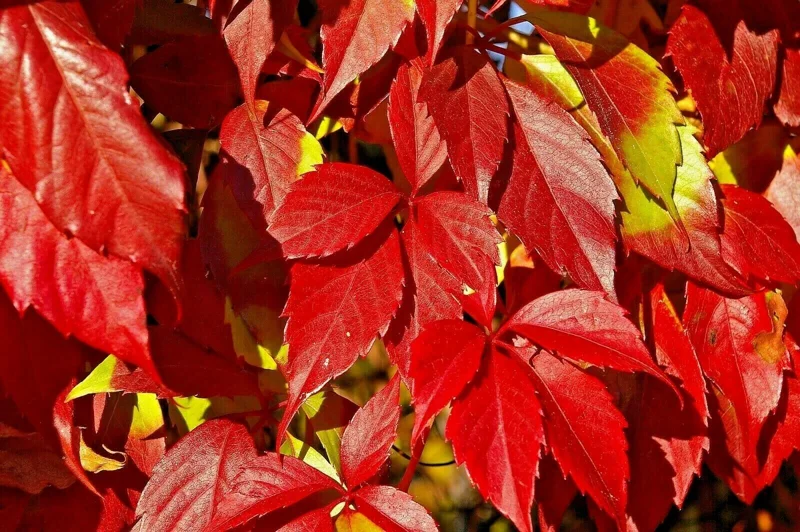
Transform your outdoor space with the resilient and beautiful Virginia Creeper plant. This vigorous perennial vine, scientifically known as Parthenocissus quinquefolia, is celebrated for its rapid growth and striking seasonal foliage. Native to eastern and central North America, it’s a popular choice for gardeners seeking a low-maintenance solution for wall coverage, ground cover, or climbing structures. The Virginia Creeper is a deciduous vine that produces lush green leaves throughout spring and summer, which then transition into breathtaking shades of red, purple, and crimson in the autumn, creating a spectacular display. Whether you’re looking to add vertical interest, control erosion, or simply enjoy its natural charm, this hardy vine plant offers an exceptional blend of aesthetic appeal and robust performance.
Rooted cuttings of the Virginia Creeper plant provide an excellent starting point for establishing this versatile climber in your garden. These young plants are ready to be planted and will quickly begin to grow, establishing a strong root system. Its ability to adapt to a wide range of growing conditions makes it a favorite among both novice and experienced gardeners. Embrace the natural elegance and easy care of the Virginia Creeper to enhance your landscape.
Key Benefits
The Virginia Creeper plant offers a multitude of advantages for your garden, combining visual appeal with practical benefits. Its robust nature ensures it thrives with minimal intervention, making it an excellent choice for various landscaping needs.
- Stunning Seasonal Color: Enjoy vibrant green foliage that transitions into brilliant hues of red, purple, and crimson in the fall, providing dramatic visual interest to your landscape. This makes the Virginia Creeper plant a standout feature.
- Excellent Wall & Ground Cover: This fast-growing vine is perfect for quickly covering unsightly walls, fences, or arbors, or for use as an effective ground cover to suppress weeds and prevent erosion.
- Hardy and Adaptable: Known for its resilience, the hardy vine plant tolerates a wide range of soil types and environmental conditions, including varying light exposures and temperatures.
- Low Maintenance: Once established, Virginia Creeper care is minimal, requiring little more than occasional pruning to maintain its desired shape and size.
- Wildlife Attraction: The plant produces small, dark berries that are a food source for various bird species, adding to your garden’s biodiversity.
- Erosion Control: Its extensive root system helps to stabilize soil on slopes and embankments, effectively preventing soil erosion.
- Natural Aesthetic: Creates a lush, natural backdrop or focal point, blending seamlessly into informal and formal garden designs.
Plant Care & Growing Tips
Proper Virginia Creeper care ensures a healthy and vigorous vine that will flourish in your garden. This adaptable plant is generally low-maintenance, but understanding its basic needs will help maximize its growth and aesthetic appeal. For sunlight, Virginia Creeper thrives in a range from full sun to partial shade. While it can tolerate full shade, its most vibrant fall colors are achieved with at least a few hours of direct sunlight daily. In hotter climates, some afternoon shade can protect it from scorching. Ensure your chosen location receives adequate light for optimal growth and color development.
When it comes to watering, the Virginia Creeper prefers consistently moist, but not waterlogged, soil, especially during its establishment phase. Once mature, it is quite drought-tolerant and can withstand periods of dryness. Water deeply when the top inch of soil feels dry to the touch. For soil, it is not particularly fussy, growing well in most soil types, including sandy, loamy, and clay, as long as there is good drainage. A slightly acidic to neutral pH is ideal. Fertilization is typically not necessary for established plants, as this perennial wall cover is quite self-sufficient. If growth appears stunted or leaves are pale, a balanced, all-purpose fertilizer applied in spring can provide a boost. Pruning is essential for managing its vigorous growth and can be done in late winter or early spring to remove dead or unwanted stems, or to control its spread. This helps maintain the desired form and prevents it from overtaking other plants.
The Virginia Creeper plant is remarkably cold hardy, typically thriving in USDA zones 3 through 9. It can withstand significant temperature drops, making it a reliable choice for many regions. While generally robust, keep an eye out for common pests like leafhoppers or scale insects, and diseases such as powdery mildew, especially in humid conditions. Good air circulation and proper watering practices can help prevent these issues. With these simple care guidelines, your Virginia Creeper will provide years of beautiful, vibrant foliage.
Size & Details
This offering includes live, rooted cuttings of the Virginia Creeper plant, providing a ready-to-grow start for your garden. Each cutting is carefully selected to ensure viability and healthy development. When established, this vigorous vine can reach impressive lengths, typically growing 30 to 50 feet or more, with a spread of 5 to 10 feet, depending on support and growing conditions. Its growth rate is considered fast, allowing for quick coverage of walls, fences, or ground areas. The plant ships as a small, healthy rooted cutting, usually between 5-8 inches in height, ready for immediate planting upon arrival. Expect vigorous growth in its first season, with mature size and full coverage achieved within a few years.
The Parthenocissus quinquefolia is a deciduous plant, meaning it will shed its leaves in winter and regrow them in spring. Its adaptability makes it suitable for both indoor (in very large containers with significant support) and outdoor environments, though it truly thrives outdoors where it can climb freely. The plant’s foliage consists of distinctive palmate leaves, typically with five leaflets, which are the source of its scientific name ‘quinquefolia’. These cuttings are an economical and effective way to introduce this beautiful and functional hardy vine plant into your landscape design.
Frequently Asked Questions
- Q: How big does this Virginia Creeper plant get? A: The Virginia Creeper plant is a vigorous grower. When mature, it can typically reach lengths of 30 to 50 feet or more, with a spread of 5 to 10 feet, depending on the support structure and growing conditions.
- Q: Is this an indoor or outdoor plant? A: While it can be grown indoors in very large containers with substantial support, the Virginia Creeper plant is primarily an outdoor plant. It thrives when allowed to climb walls, fences, or trellises in garden settings.
- Q: How much sunlight does the Virginia Creeper need? A: Virginia Creeper is adaptable and performs well in a range from full sun to partial shade. For the most vibrant fall colors, it benefits from at least a few hours of direct sunlight daily.
- Q: Is this plant easy to care for? A: Yes, Virginia Creeper care is generally considered very easy. It is a robust and low-maintenance plant once established, tolerating a wide variety of conditions.
- Q: What condition will the rooted cuttings arrive in? A: Your Virginia Creeper plant rooted cuttings will arrive as small, healthy, live plants, typically 5-8 inches tall, ready for planting. They are carefully packaged to ensure safe transit.
- Q: When is the best time to plant Virginia Creeper? A: The best time to plant Virginia Creeper care rooted cuttings is in spring or early summer after the last frost, allowing them ample time to establish before winter.
- Q: Will this hardy vine plant survive winter in my zone? A: Yes, the Virginia Creeper is a very cold-hardy vine, typically thriving in USDA Zones 3 through 9, making it suitable for a wide range of climates and able to withstand cold winters.
- Q: Can the Virginia Creeper be used as ground cover? A: Absolutely! This hardy vine plant is an excellent choice for ground cover, helping to suppress weeds and prevent soil erosion on slopes or open areas.
- Q: Does Virginia Creeper attract wildlife? A: Yes, the small, dark berries produced by the Virginia Creeper serve as a food source for various bird species, adding to the ecological diversity of your garden.
- Q: Is Parthenocissus quinquefolia the same as Virginia Creeper? A: Yes, Parthenocissus quinquefolia is the botanical name for the common Virginia Creeper plant.
| Tracking info | Tracking # |
|---|---|
| Options | 10 Seeds, 100 Seeds, 25 Seeds, 50 Seeds, Sample 5 Seeds, Small Plant (5-8 Inches) |
Be the first to review “Virginia Creeper Live Plant – Perennial Hardy Wall Cover Vine – Rooted Cuttings”
People Also Viewed

Vegetable Seeds
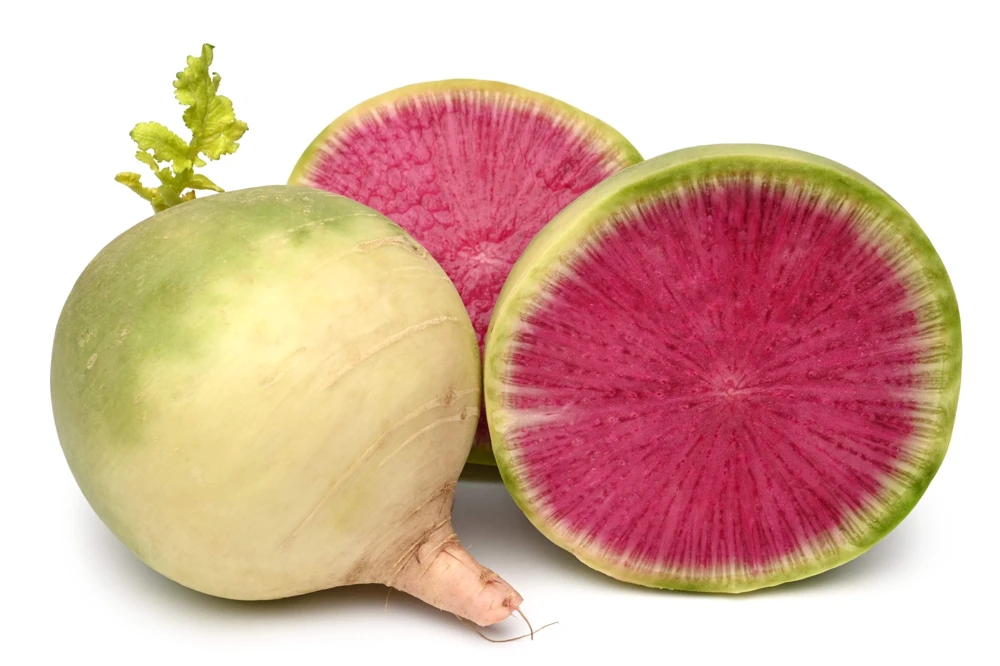
300 Watermelon Radish Seeds – Beauty Heart Pink White Vegetable
Shrubs
Large Orange Jasmine in 10″ Pot, Murraya paniculata No ship to CA, Hi, Az, La, TX, Pr, Al, VI
Reviews
There are no reviews yet.