


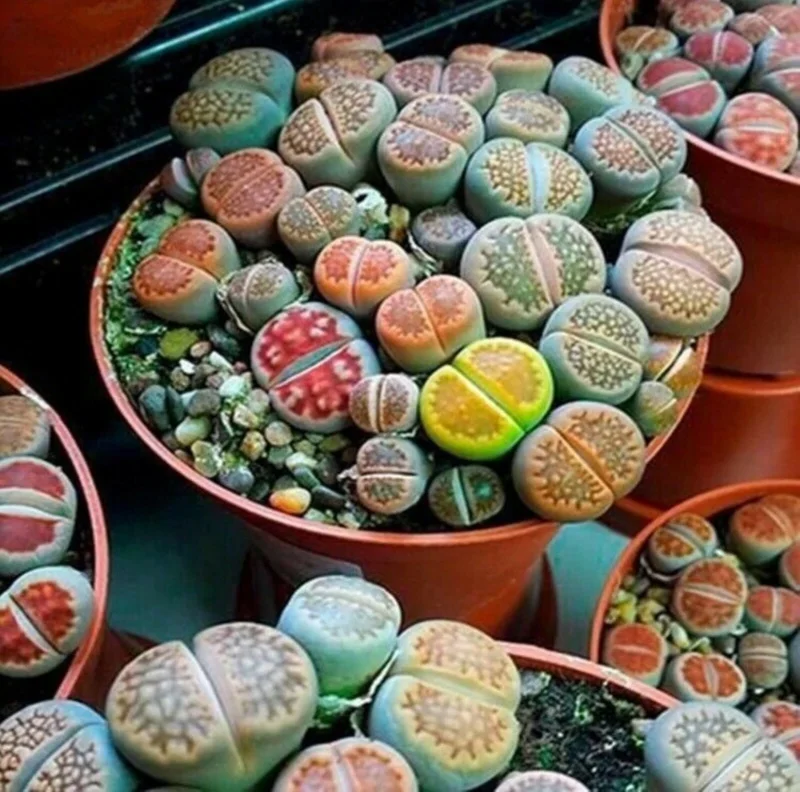
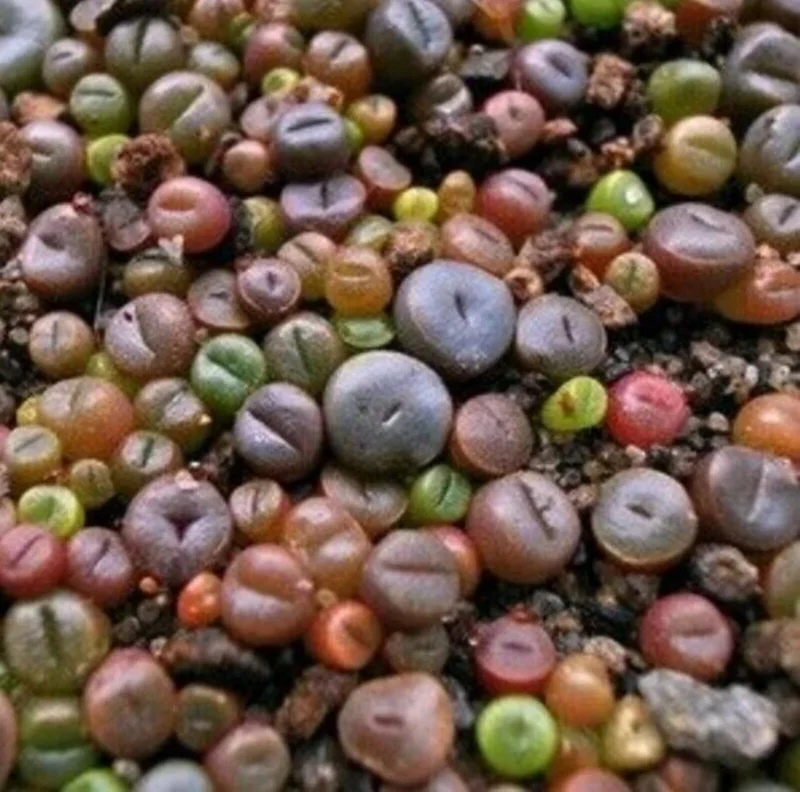
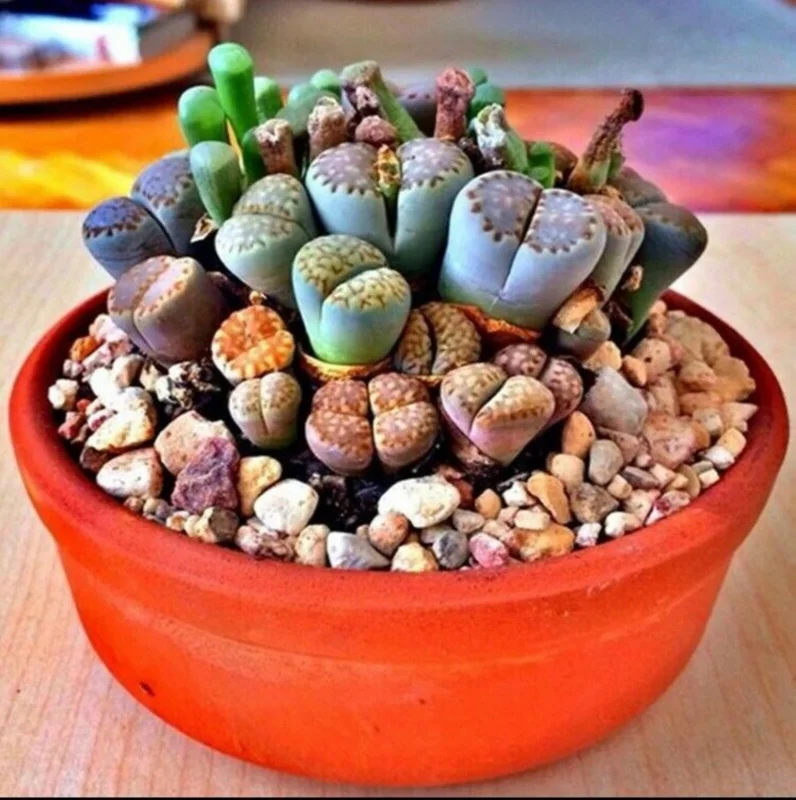
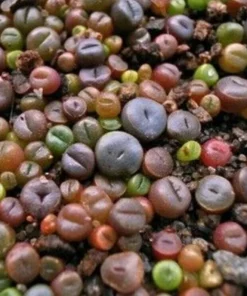
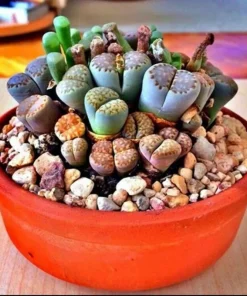
Lithops Mix Seeds – Living Stones Succulent Cactus Seeds – 50 Count
Original price was: $37.99.$12.99Current price is: $12.99.
Cultivate a fascinating collection of Lithops mix seeds, also known as living stones seeds. These unique succulent cactus seeds are perfect for creating a miniature desert landscape indoors or in arid outdoor environments. Enjoy the surprising diversity of colors and patterns these rare Lithops seeds offer.
Estimated arrival
Oct 15
Oct 20 - Oct 22
Oct 25 - Oct 29
Shop With Confidence
30-Day Plant Health Guarantee
Arrives damaged? We’ll replace it free — see our return policy.
Responsive Support
Email us anytime, we reply within 1 business day.
Expert Packaging
Temperature-controlled shipping to protect your plants in transit.
Secure Checkout
Pay safely with Visa, Mastercard, PayPal.
Plant Specifications
-
USDA Hardiness Zone
USDA zones 9-11 (outdoors) or year-round indoors -
Soil Type
Well-draining succulent/cactus mix -
Sunlight Exposure
Full sun to bright indirect light -
Expected Planting Period
Year-round indoors, spring to early summer outdoors
Overview
Embark on an exciting horticultural adventure with our premium Lithops mix seeds. These remarkable succulent seeds, often referred to as ‘living stones’ due to their uncanny resemblance to pebbles and rocks, offer a truly unique addition to any plant collection. Each packet contains a diverse assortment of living stones seeds, promising a vibrant array of colors and patterns as they grow. Ideal for both seasoned succulent enthusiasts and curious beginners, these seeds provide the opportunity to cultivate your own miniature desert landscape. Discover the joy of nurturing these intriguing plants from tiny seeds into mature, captivating specimens. Our Lithops mix seeds are carefully selected to ensure a good germination rate and a wide variety of forms.
Key Benefits
Growing Lithops mix seeds offers a multitude of benefits, from their unique aesthetic appeal to their surprisingly simple care requirements once established. These ‘living stones’ are more than just plants; they are living sculptures that bring a touch of the extraordinary to your home or garden.
- Unique Aesthetic Appeal: Lithops are renowned for their incredible mimicry, blending seamlessly with their rocky surroundings. Each plant develops distinct patterns and colors, making every specimen a miniature work of art. Growing a Lithops mix seeds ensures a diverse and visually stunning collection.
- Low Maintenance: Once established, these succulents are incredibly drought-tolerant and require minimal watering, making them perfect for busy individuals or those new to gardening. They thrive on neglect, making them ideal low-effort plants.
- Space-Saving: Due to their compact size, Lithops are perfect for small spaces, windowsills, terrariums, or rock gardens. A collection of living stones seeds can transform a small area into an intriguing botanical display.
- Educational Experience: Growing Lithops from seed provides a rewarding and educational experience, allowing you to observe their unique growth cycle and adaptation to harsh environments firsthand. It’s a fascinating journey from a tiny seed to a fully formed ‘stone’.
- Drought-Tolerant: As desert plants, Lithops are exceptionally well-adapted to arid conditions, requiring very little water and thriving in dry environments. This makes them highly resilient and suitable for various climates.
- Conversation Starter: The unusual appearance of Lithops often sparks curiosity and admiration. They are truly distinctive plants that will be a talking point among your friends and family. Explore the world of rare Lithops seeds.
- Indoor & Outdoor Versatility: While often grown indoors, Lithops can also thrive outdoors in suitable arid climates or in protected rock gardens, offering flexibility in display.
Plant Care & Growing Tips
Successfully growing Lithops mix seeds requires attention to specific conditions that mimic their natural desert habitat. The most critical factors are light, watering, and soil. Lithops need abundant light to thrive and maintain their compact, stone-like appearance. Place them in a location where they can receive at least 4-5 hours of direct sunlight daily, ideally from a south-facing window if grown indoors. If natural light is insufficient, consider using a grow light. Proper watering is paramount; Lithops have a unique seasonal growth cycle, and overwatering is the most common cause of their demise. They require very little water, especially during their dormancy periods. Water deeply but infrequently, allowing the soil to dry out completely between waterings. During their active growth phases (typically late summer to early winter), water more regularly, but always err on the side of underwatering. Avoid watering when the old leaves are splitting and new leaves are emerging, as they are absorbing moisture from the old leaves.
The right soil composition is crucial for these succulent cactus seeds. Lithops require extremely well-draining soil to prevent root rot. A mix specifically formulated for cacti and succulents, often containing a high percentage of inorganic materials like pumice, perlite, or coarse sand, is ideal. Avoid heavy organic soils that retain too much moisture. Ensure pots have drainage holes. Lithops prefer warm temperatures, ideally between 65-80°F (18-27°C) during their active growth. They can tolerate cooler temperatures down to 50°F (10°C) during winter dormancy but should be protected from frost. They are generally suited for USDA zones 9-11 if grown outdoors. Fertilization is rarely needed for Lithops; if you do fertilize, use a highly diluted, low-nitrogen succulent fertilizer once a year during their active growth period. Common problems include overwatering (leading to rot), insufficient light (causing etiolation or stretching), and pests like mealybugs. Proper care for your living stones seeds will ensure beautiful, healthy plants.
Size & Details
This offering includes a packet of Lithops mix seeds, containing approximately 50 seeds, allowing for a generous opportunity to germinate a diverse collection of these fascinating plants. When mature, individual Lithops plants typically range from 0.5 to 1.5 inches in diameter, though some varieties can grow slightly larger. Their compact size makes them ideal for small pots, shallow dishes, or integrated into intricate succulent arrangements. The growth rate is generally slow, with plants taking several months to a year to reach a noticeable size from seed, and several years to reach full maturity. They are shipped as dry seeds, ensuring viability and ease of storage until you are ready to plant. This seed mix promises a delightful assortment of colors and patterns, typical of various Lithops species, making each plant a unique discovery. These desert rock seeds are a fantastic way to start a new succulent collection.
Frequently Asked Questions
- Q: How big do these Lithops plants get? A: Mature Lithops plants typically range from 0.5 to 1.5 inches in diameter, making them very compact and suitable for small spaces. The size can vary slightly depending on the specific variety in the Lithops mix seeds.
- Q: Is this an indoor or outdoor plant? A: Lithops can be grown both indoors and outdoors. Indoors, they require a very bright, sunny location. Outdoors, they thrive in arid climates in USDA zones 9-11 or in protected rock gardens.
- Q: How much sunlight do Lithops seeds need? A: Once germinated, young Lithops and mature plants require strong, direct sunlight for at least 4-5 hours daily. Insufficient light can lead to stretching and poor growth, impacting your living stones seeds.
- Q: Is this plant easy to care for? A: While germinating Lithops mix seeds requires some patience and specific conditions, established Lithops are relatively easy to care for due to their drought-tolerant nature. The key is to avoid overwatering and provide ample light.
- Q: What condition will the seeds arrive in? A: The product consists of dry succulent cactus seeds, packaged to ensure their viability upon arrival. You will receive a seed packet ready for planting.
- Q: How long until Lithops bloom? A: Lithops typically bloom in late summer to fall, but plants grown from seed may take 2-3 years to reach maturity and produce their first flowers.
- Q: What is the best time to plant Lithops mix seeds? A: While they can be started indoors year-round with proper light and temperature control, many growers find success planting in spring or early summer to align with their natural growing season.
- Q: What type of soil is best for Lithops? A: Lithops require extremely well-draining soil, such as a specialized cactus or succulent mix that contains a high percentage of inorganic materials like pumice or perlite. This is crucial for healthy growth of your desert rock seeds.
- Q: Are these Lithops seeds rare? A: While Lithops are generally considered unique and somewhat rare among common houseplants, this mix contains a selection of varieties, some of which may be considered rare Lithops seeds, offering a diverse and exciting growing experience.
- Q: Can I grow these in a terrarium? A: Yes, Lithops are excellent candidates for open terrariums or dish gardens, provided there is adequate drainage and sufficient light. Avoid closed terrariums due to high humidity.
| Options | 15 Seeds, 25 Seeds, 50 Seeds, Sample 5 Seeds |
|---|
Be the first to review “Lithops Mix Seeds – Living Stones Succulent Cactus Seeds – 50 Count”
People Also Viewed
Flower Seeds
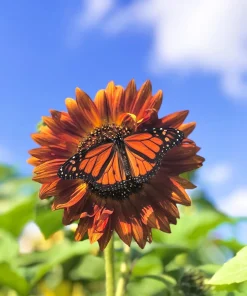
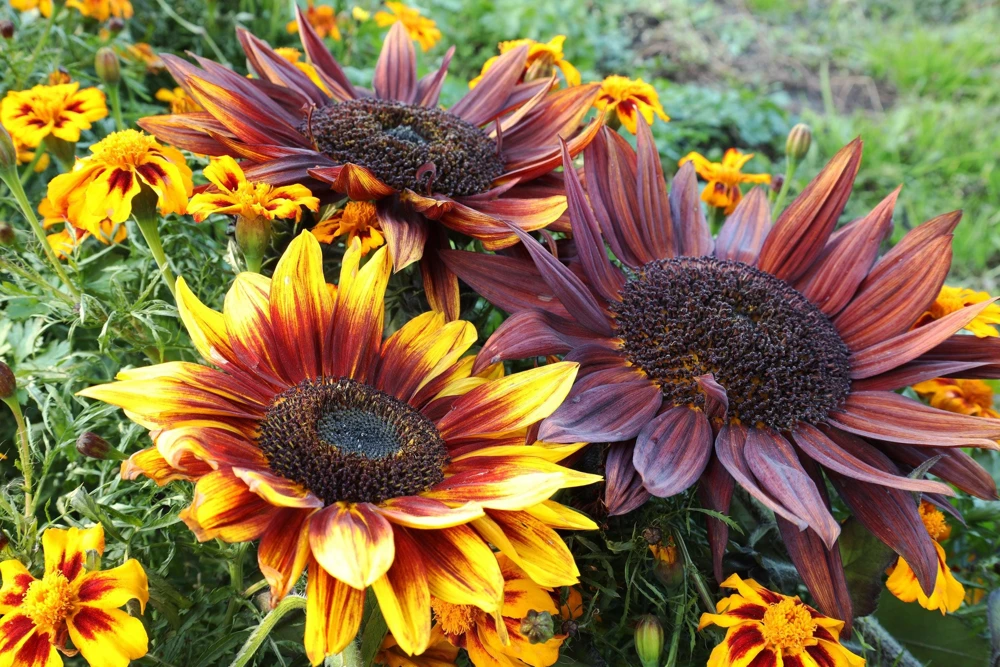
Evening Colors Sunflower Seeds – 100 Count, Mixed Gold & Orange Blooms, Helianthus Annuus
Seeds
Colorful Echeveria Mix Succulent Seeds – Rare Exotic Hen & Chicks – 50 Seed Pack – Indoor/Outdoor
Reviews
There are no reviews yet.