


Stevia Seeds – Sweet Herb Plant Seeds – 15 Pcs – Natural Sugar Substitute – Outdoor
Original price was: $41.99.$16.99Current price is: $16.99.
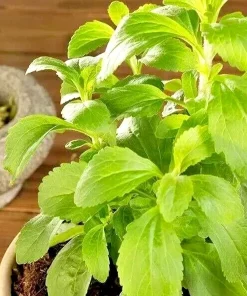
Cultivate your own natural sugar substitute with this packet of 15 stevia seeds. Perfect for outdoor gardens, these sweet herb seeds grow into perennial plants, offering a healthy alternative to processed sugars. Easy to grow and maintain, they are ideal for any gardener looking for a unique and beneficial addition to their herb collection.
Estimated arrival
Oct 15
Oct 20 - Oct 22
Oct 25 - Oct 29
Shop With Confidence
30-Day Plant Health Guarantee
Arrives damaged? We’ll replace it free — see our return policy.
Responsive Support
Email us anytime, we reply within 1 business day.
Expert Packaging
Temperature-controlled shipping to protect your plants in transit.
Secure Checkout
Pay safely with Visa, Mastercard, PayPal.
Plant Specifications
-
USDA Hardiness Zone
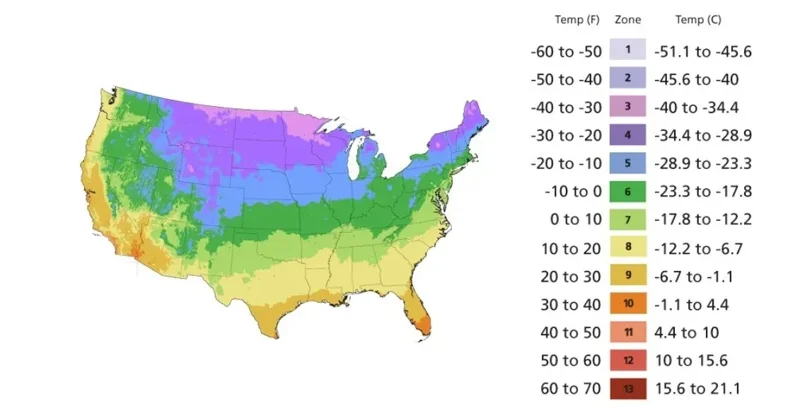
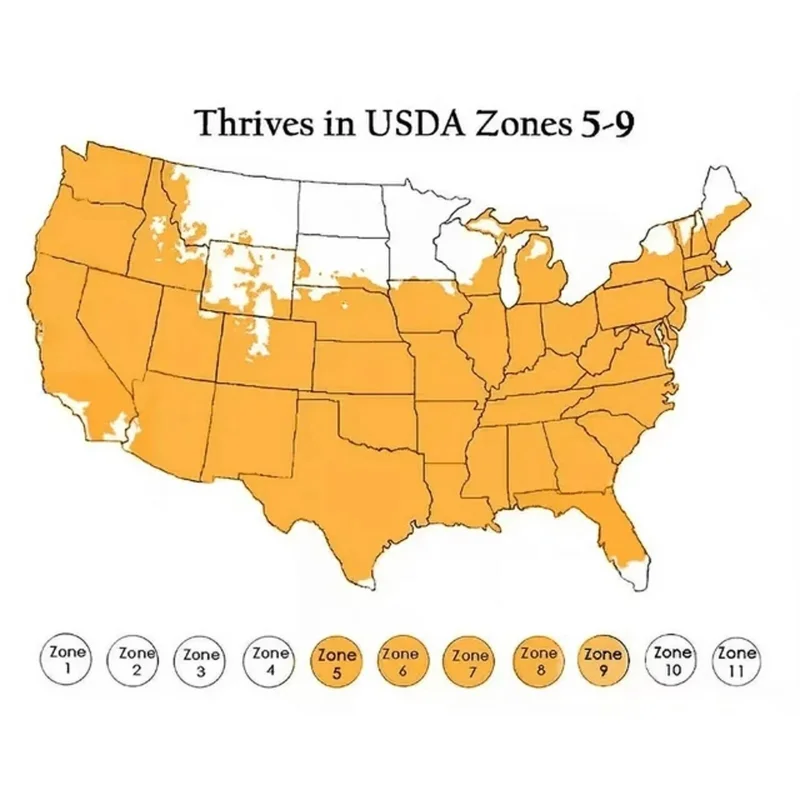
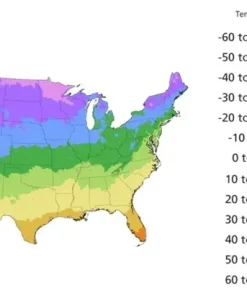
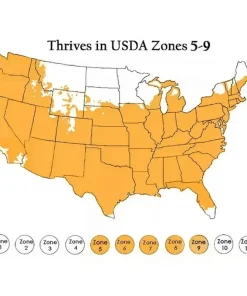
USDA zones 8-11 (as perennial), all zones (as annual) -
Soil Type
Well-draining, rich, slightly acidic to neutral soil -
Sunlight Exposure
Full sun (6-8 hours direct light) -
Expected Planting Period
Spring to early summer (after last frost)
Overview
Discover the joy of growing your own natural sweetener with these premium stevia seeds. Each packet contains 15 high-quality seeds, ready to be sown and cultivated into healthy, vibrant stevia plant outdoor. Stevia, scientifically known as Stevia rebaudiana, is a remarkable perennial herb celebrated for its intensely sweet leaves, which can be up to 300 times sweeter than sugar without the calories. This makes it an excellent and healthy alternative for sweetening beverages and foods. Originating from South America, stevia has gained global popularity as a natural sugar substitute. Growing your own sweet herb seeds ensures a fresh, organic supply of this beneficial plant right from your garden. These seeds are perfect for gardeners of all levels, offering a rewarding experience as you watch your stevia plants flourish and provide a sustainable source of natural sweetness.
Whether you’re an experienced gardener or just starting, these stevia seeds provide an exciting opportunity to add a unique and functional herb to your outdoor space. The resulting plants are not only practical for culinary use but also add a lush green texture to your herb garden. Imagine plucking fresh stevia leaves directly from your garden to sweeten your morning tea or enhance your homemade desserts. This packet of 15 seeds is an ideal quantity for starting a modest patch of this wonderful herb, allowing you to enjoy its benefits throughout the growing season and beyond.
Key Benefits
Growing stevia seeds offers a multitude of advantages, making it a highly desirable addition to any garden. The primary benefit is access to a natural, calorie-free sweetener, but the advantages extend much further:
- Natural Sugar Substitute: Stevia leaves provide a potent, natural sweetness without the calories or carbohydrates of sugar. This makes it an ideal choice for those managing blood sugar levels or looking to reduce calorie intake. Enjoy guilt-free sweetness from your homegrown sweet herb seeds.
- Perennial Growth: As a perennial, stevia plants can return year after year in suitable climates, providing a continuous harvest of sweet leaves. This means less replanting and more enjoyment from your initial efforts to grow stevia.
- Versatile Culinary Use: Fresh or dried stevia leaves can be used in a wide variety of culinary applications, including teas, coffees, smoothies, baked goods, and other desserts. Its versatility makes it a kitchen staple for healthy cooking.
- Easy to Grow: Stevia is relatively easy to cultivate from stevia seeds, especially in warm, sunny conditions. With basic care, even beginner gardeners can successfully grow this rewarding herb.
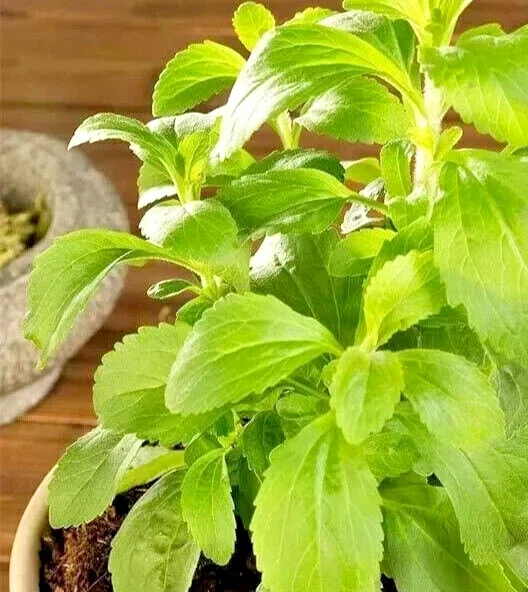
- Ornamental Appeal: Beyond its practical uses, the stevia plant has attractive green foliage that can enhance the beauty of your herb garden, raised beds, or containers. A thriving stevia plant outdoor adds a touch of natural elegance.
- Health-Conscious Choice: For those seeking a healthier lifestyle, growing your own natural sweetener seeds is a step towards self-sufficiency and control over the ingredients you consume.
- Supports Pollinators: While primarily grown for its leaves, stevia plants can produce small white flowers that attract beneficial pollinators to your garden.
Plant Care & Growing Tips
Successfully cultivating stevia seeds into a thriving stevia plant outdoor requires attention to a few key care aspects. Stevia thrives in conditions that mimic its native subtropical environment. For optimal growth, choose a location that receives full sun, meaning at least 6-8 hours of direct sunlight per day. While it can tolerate partial shade, too little sun may reduce leaf sweetness. When starting from sweet herb seeds, it’s often best to sow them indoors 6-8 weeks before the last frost, as they can be slow to germinate and require consistent warmth.
Stevia prefers well-draining, slightly acidic to neutral soil (pH 6.0-7.0). A rich, loamy soil amended with compost or other organic matter will provide the necessary nutrients and drainage. Ensure the soil remains consistently moist but not waterlogged. Overwatering can lead to root rot, while underwatering can stunt growth. Water deeply when the top inch of soil feels dry to the touch. Fertilize your stevia plants every 2-4 weeks during the growing season with a balanced liquid fertilizer, or incorporate a slow-release granular fertilizer into the soil at planting time. As a perennial, stevia can be harvested regularly once the plants are established, typically when they are about 6-8 inches tall. Pinch back the tips to encourage bushier growth and more leaf production.
While stevia is a perennial, it is sensitive to frost. In regions with cold winters, it’s best to treat it as an annual or bring potted plants indoors before the first frost. If left outdoors, the plant may die back to the ground but can resprout from the roots in spring if the winter is mild enough. Protecting your stevia plant outdoor from extreme temperatures will ensure a better yield. Keep an eye out for common garden pests, though stevia is generally quite resistant. Regular inspection and prompt action can prevent any significant issues, allowing you to continually harvest your homegrown natural sweetener seeds. Learning how to grow stevia successfully will provide a rewarding supply of this valuable herb.
Size & Details
This offering includes a packet of 15 high-quality stevia seeds, ready for planting. Each seed has the potential to grow into a robust stevia plant, typically reaching a height of 1 to 2 feet (30-60 cm) and a similar spread, depending on growing conditions and pruning. The plants are usually shipped as seeds, providing you with the full experience of nurturing them from germination. Stevia plants have a moderate growth rate, and you can expect to begin harvesting leaves within 2-3 months after germination. The leaves are the primary part of the plant used, and regular harvesting encourages continuous growth and a bushier habit.
As a perennial herb, stevia will continue to produce leaves throughout the warm seasons. In optimal conditions, a single plant can provide a substantial amount of natural sweetener. The leaves are best used fresh or can be dried and powdered for long-term storage, offering a convenient way to enjoy your homegrown sweetness year-round. These sweet herb seeds are an excellent choice for creating a sustainable source of natural sugar substitute in your home garden, whether you’re planting in garden beds or containers.
Frequently Asked Questions
- Q: How big does this stevia plant get? A: A mature stevia plant outdoor typically grows to about 1 to 2 feet tall and wide, although its size can be influenced by growing conditions, climate, and how frequently it is harvested. Regular pinching encourages a bushier, more compact form.
- Q: What is the best time to plant stevia seeds? A: It is generally best to start stevia seeds indoors 6-8 weeks before the last expected frost date in your area. This gives them a head start, as germination can be slow. Transplant them outdoors once all danger of frost has passed.
- Q: How much sunlight does stevia need? A: Stevia thrives in full sun, requiring at least 6-8 hours of direct sunlight daily for the sweetest leaves and most vigorous growth. While it can tolerate some partial shade, too little light may result in less sweet foliage.
- Q: Is this an indoor or outdoor plant? A: Stevia is primarily grown as an stevia plant outdoor in warm climates. In colder regions, it can be grown as an annual or brought indoors during winter to overwinter as a potted plant.
- Q: Is this plant easy to care for? A: Yes, stevia is considered relatively easy to care for once established. The main requirements are consistent moisture, plenty of sunlight, and well-draining soil. It’s a great choice for those looking to grow stevia.
- Q: Can I use stevia leaves fresh? A: Absolutely! Fresh stevia leaves can be plucked directly from the plant and used to sweeten teas, coffees, smoothies, and other beverages or foods. They offer a unique, potent sweetness.
- Q: How do I harvest stevia leaves? A: You can start harvesting leaves once the plant is about 6-8 inches tall. Simply snip off individual leaves or cut entire stems, leaving at least 4-6 inches of growth to encourage new foliage. Regular harvesting of your natural sweetener seeds will promote a healthier, bushier plant.
- Q: What kind of soil is best for stevia? A: Stevia prefers well-draining, fertile soil with a slightly acidic to neutral pH (6.0-7.0). Amending the soil with organic compost will provide a good foundation for your sweet herb seeds.
- Q: Will these seeds produce a true stevia plant? A: Yes, these are genuine stevia seeds (Stevia rebaudiana) that will grow into plants known for their sweet-tasting leaves, providing a natural sugar substitute.
- Q: How long do stevia seeds take to germinate? A: Stevia seeds can be slow to germinate, often taking 7-21 days, and sometimes longer, depending on conditions. Warmth and consistent moisture are key for successful germination.
Be the first to review “Stevia Seeds – Sweet Herb Plant Seeds – 15 Pcs – Natural Sugar Substitute – Outdoor”
People Also Viewed
Shrubs
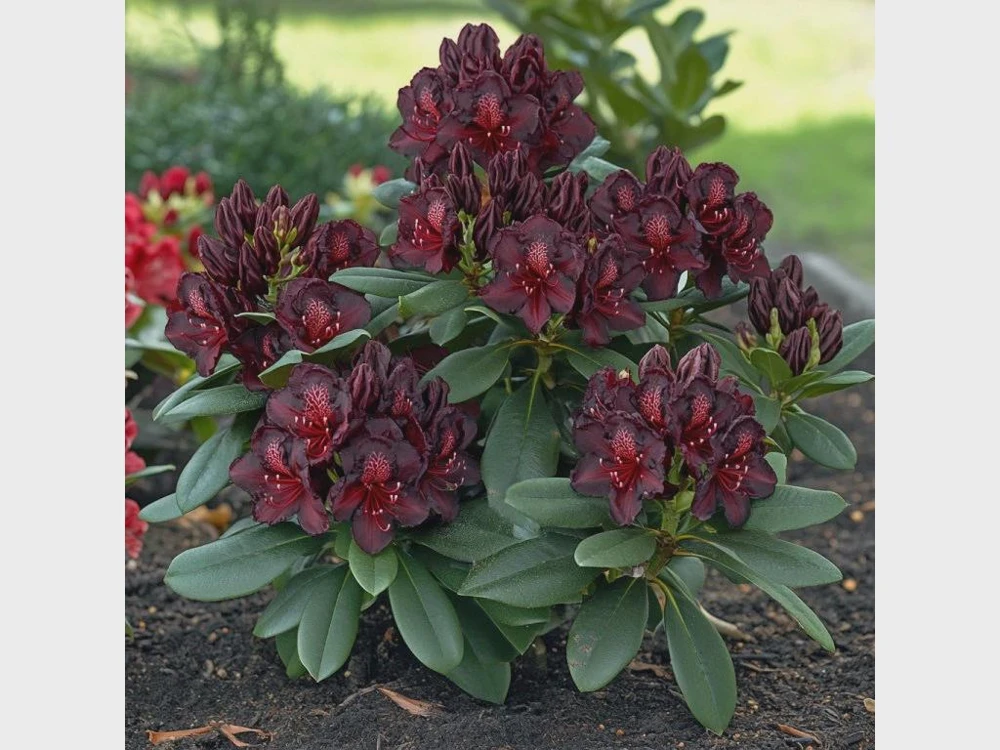
Rhododendron ‘Black Widow’ Live Plant – Dark Red, Almost Black Blooms – #2 Container – Outdoor Shrub
Flower Bulbs
5 Fresh Tiger Lily Bulbs – Turk’s Cap Lily Lilium – Bare Root Orange Lilies for Spring Planting
Vegetable Seeds
Ancho San Luis Pepper Seeds – 20 Seeds – Mildly Hot, High Yield
Reviews
There are no reviews yet.