




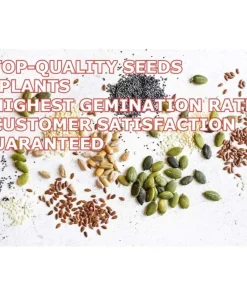

Echeveria Variety Mix Succulent Seeds – 100+ Exotic Flowering Seeds
Original price was: $43.99.$18.99Current price is: $18.99.
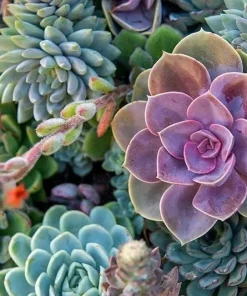
Cultivate a vibrant collection of succulents with our Echeveria succulent seeds variety mix. This pack contains 100+ exotic succulent seeds, offering a diverse range of colors and forms. Ideal for both novice and experienced gardeners, these seeds will grow into beautiful, drought-tolerant plants perfect for indoor pots or outdoor rock gardens. Discover the joy of growing rare Echeveria seeds from scratch.
Estimated arrival
Oct 15
Oct 20 - Oct 22
Oct 25 - Oct 29
Shop With Confidence
30-Day Plant Health Guarantee
Arrives damaged? We’ll replace it free — see our return policy.
Responsive Support
Email us anytime, we reply within 1 business day.
Expert Packaging
Temperature-controlled shipping to protect your plants in transit.
Secure Checkout
Pay safely with Visa, Mastercard, PayPal.
Plant Specifications
-
USDA Hardiness Zone
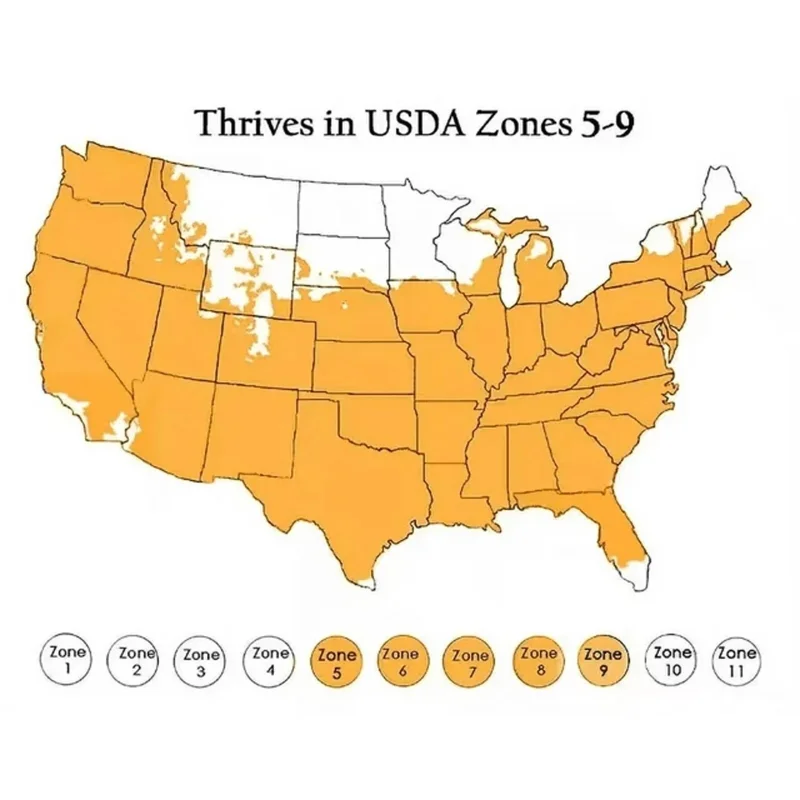
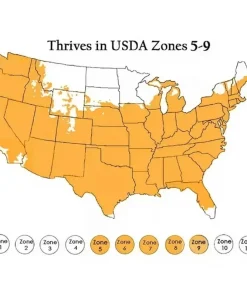
USDA zones 9-11 (or indoors) -
Soil Type
Well-draining succulent/cactus mix -
Sunlight Exposure
Bright indirect to full sun -
Expected Planting Period
Year-round indoors; spring outdoors in suitable climates
Overview
Embark on an exciting gardening adventure with our premium selection of Echeveria succulent seeds. This carefully curated variety mix offers over 100 individual seeds, promising a diverse and breathtaking collection of these popular succulents. Echeverias are renowned for their stunning rosette shapes, vibrant colors, and fascinating textures, making them a favorite among plant enthusiasts and collectors alike. Each seed holds the potential to grow into a unique and beautiful plant, adding an artistic touch to any home or garden. Whether you’re a seasoned succulent grower or just starting your journey, these exotic succulent seeds provide an accessible and rewarding way to expand your plant family. Imagine the satisfaction of watching tiny seedlings transform into mature, captivating Echeveria specimens.
Echeverias belong to the Crassulaceae family and are native to semi-desert areas of Central America, Mexico, and northwestern South America. Their adaptability and striking appearance have made them globally popular. This mix includes seeds from various Echeveria species and hybrids, ensuring a wide array of leaf shapes, colors, and growth patterns. From compact rosettes to larger, more dramatic forms, you’ll be delighted by the variety that emerges. Growing Echeveria succulent seeds is not only a fun project but also an opportunity to cultivate truly unique plants that are rarely found in local nurseries. The process of growing rare Echeveria seeds is incredibly rewarding.
Key Benefits
Cultivating Echeveria succulents from seed offers numerous advantages, from the aesthetic appeal they bring to your space to the personal satisfaction of nurturing life. These plants are celebrated for their beauty and resilience, making them an excellent choice for various environments.
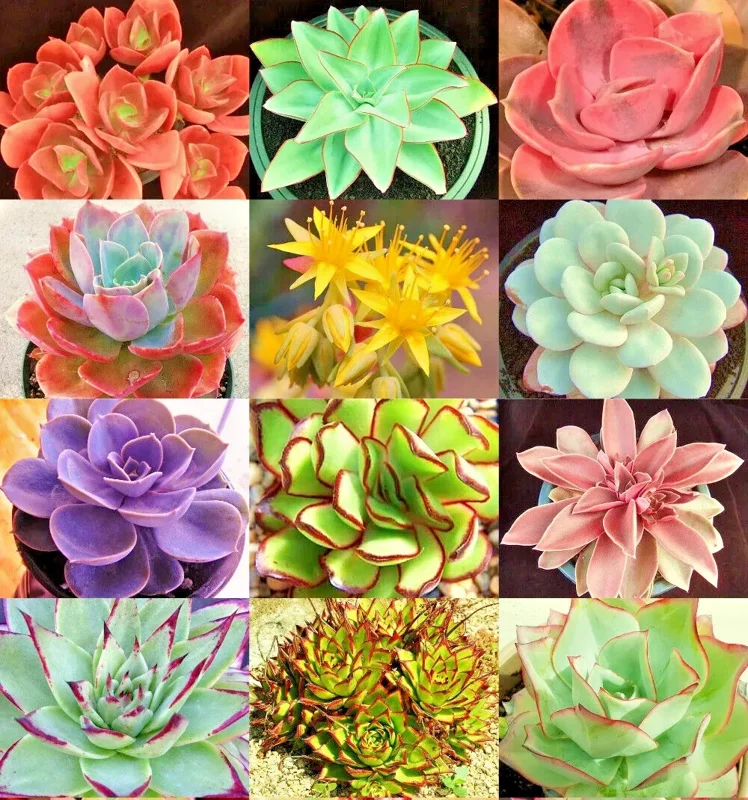
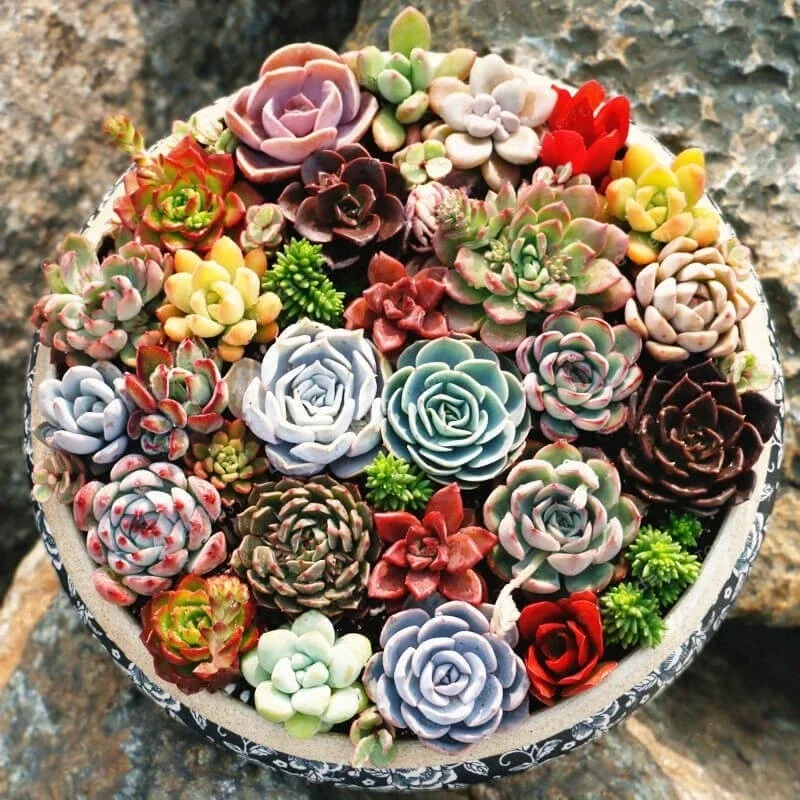
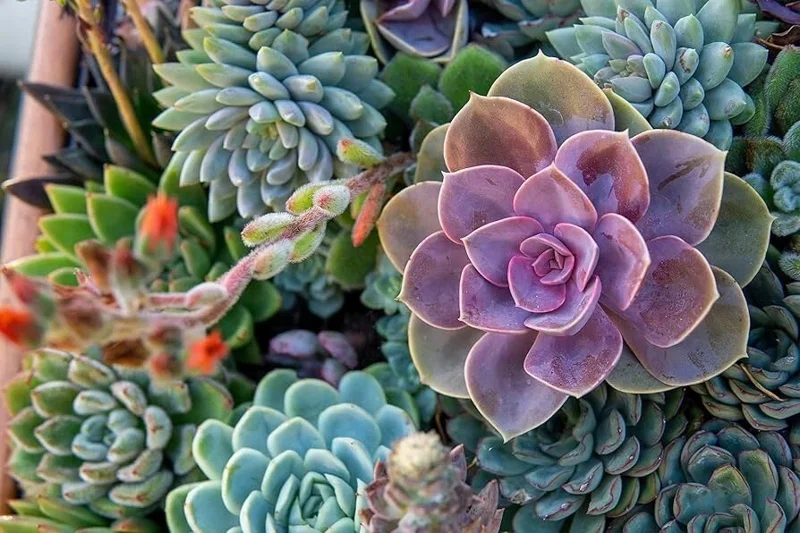
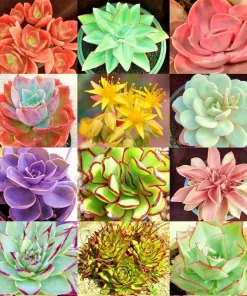
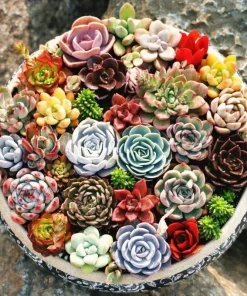
- Stunning Aesthetic Appeal: Echeverias are famous for their symmetrical rosette forms and a spectrum of colors, including greens, blues, pinks, reds, and purples. They make excellent focal points in arrangements, terrariums, or as standalone potted plants. Growing from Echeveria succulent seeds allows you to witness the full development of these beautiful shapes.
- Drought Tolerance: As succulents, Echeverias are naturally adapted to dry conditions, requiring minimal watering once established. This makes them perfect for busy individuals or those looking for low-maintenance greenery.
- Versatile Decor: These plants thrive both indoors as charming houseplants and outdoors in suitable climates, adding a touch of elegance to windowsills, desks, patios, and rock gardens.
- Rewarding Growing Experience: The process of growing exotic succulent seeds from tiny specks to mature plants is incredibly fulfilling and provides a unique connection to nature.
- Unique Collection Expansion: A variety mix ensures you’ll get a diverse range of Echeveria types, potentially including rare forms that are not easily found as mature plants, making it ideal for those who love to collect rare Echeveria seeds.
- Space-Saving: Seeds take up very little space initially, allowing you to grow many different varieties even if you have limited room.
- Potential for Flowering: Many Echeveria varieties produce beautiful, bell-shaped flowers on tall stalks, adding another layer of charm to these already captivating plants. You can anticipate beautiful flowering Echeveria seeds.
Plant Care & Growing Tips
Growing Echeveria succulent seeds requires patience and attention to detail, but the results are well worth the effort. Here’s a comprehensive guide to help you succeed in cultivating these beautiful plants from seed:
Sunlight Requirements: Echeverias thrive in bright, indirect light. When germinating seeds, provide consistent light for 12-14 hours a day. A grow light is highly recommended for consistent results, especially indoors. Once seedlings are established, gradually introduce them to brighter conditions. Mature Echeverias prefer full sun to partial shade, meaning at least 4-6 hours of direct sunlight per day to maintain their vibrant colors and compact form. Too little light can cause them to stretch and lose their characteristic rosette shape.
Watering Schedule and Soil Moisture: Proper watering is crucial, especially during germination and early seedling stages. Keep the soil consistently moist but not waterlogged for seeds. Once seedlings are established and have developed a few true leaves, transition to the ‘soak and dry’ method. Water thoroughly until water drains from the bottom of the pot, then allow the soil to dry out completely before watering again. Overwatering is the most common cause of succulent death. Reduce watering significantly during winter months when the plant is dormant. This careful approach is key to successfully growing Echeveria succulent seeds.
Soil Type and Drainage: A well-draining soil mix is paramount for Echeverias. A good succulent or cactus potting mix is ideal, or you can create your own by mixing equal parts potting soil, perlite, and coarse sand. Excellent drainage is essential to prevent root rot. Ensure your planting containers have drainage holes. Shallow trays or pots are often best for germinating exotic succulent seeds.
Temperature Range and USDA Hardiness Zone: Echeverias prefer warm temperatures between 65-80°F (18-27°C). They are generally not frost-hardy and should be protected from temperatures below 40°F (4°C). Most Echeverias are suited for USDA Hardiness Zones 9-11 when grown outdoors. If you live in a colder climate, they are best grown as indoor houseplants or brought inside before the first frost. Consistent warmth is beneficial for germinating flowering Echeveria seeds.
Fertilization: Echeverias are not heavy feeders. Fertilize sparingly, if at all, during their active growing season (spring and summer). Use a balanced, water-soluble fertilizer diluted to half strength, typically once every 2-4 weeks. Avoid fertilizing during fall and winter. Over-fertilization can harm these plants.
Common Problems and Solutions: Watch out for common succulent pests like mealybugs and aphids, which can be treated with insecticidal soap or neem oil. Root rot is a major concern, usually caused by overwatering; ensure proper drainage and allow soil to dry between waterings. Legginess (stretching) indicates insufficient light, so move your plant to a brighter location. Growing rare Echeveria seeds successfully means being proactive about these issues.
Size & Details
This package contains 100+ Echeveria succulent seeds, offering a generous quantity to start a diverse collection. When mature, individual Echeveria plants can vary significantly in size depending on the specific variety, typically forming rosettes that range from 2 to 12 inches in diameter. The growth rate is moderate, with seedlings taking several months to reach a noticeable size and 1-2 years to mature fully. These seeds are shipped in a protective packet, ready for planting. While some Echeverias remain compact, others can produce offsets, creating beautiful clusters over time. Expect your flowering Echeveria seeds to produce plants that will eventually bloom, adding seasonal interest. The exact mature size will depend on growing conditions and the specific genetics of each seed.
Frequently Asked Questions
- Q: How big do these Echeveria plants get? A: The mature size of Echeverias grown from these Echeveria succulent seeds varies by variety, typically ranging from 2 to 12 inches in diameter. Factors like light, water, and pot size will also influence their final dimensions.
- Q: Is this an indoor or outdoor plant? A: Echeverias are versatile and can be grown both indoors and outdoors. They make excellent houseplants and can thrive outdoors in warmer climates (USDA Zones 9-11) or as seasonal annuals in colder regions.
- Q: How much sunlight do Echeveria seeds and plants need? A: For germination, seeds require bright, indirect light for 12-14 hours daily. Mature Echeveria plants prefer at least 4-6 hours of direct sunlight to maintain their vibrant colors and compact form.
- Q: Is this plant easy to care for? Is it good for beginners? A: Once established, Echeverias are relatively low-maintenance, making them suitable for beginners who can provide adequate light and avoid overwatering. Growing exotic succulent seeds from scratch requires a bit more care initially but is very rewarding.
- Q: What condition will the seeds arrive in? A: The Echeveria succulent seeds will arrive in a sealed, protective packet to ensure their viability and safe transport. They are ready for immediate planting upon arrival.
- Q: How long until the Echeveria seeds germinate and bloom? A: Germination typically occurs within 1-3 weeks under ideal conditions. It can take 1-2 years for the plants to reach maturity and begin to produce flowers, allowing you to enjoy beautiful flowering Echeveria seeds.
- Q: What’s the minimum temperature these plants can tolerate? A: Echeverias are not frost-hardy. They should be protected from temperatures below 40°F (4°C). If grown outdoors in colder zones, they must be brought indoors for winter.
- Q: Do these plants require a special soil type? A: Yes, Echeverias require a well-draining soil mix, such as a commercial succulent or cactus blend, or a homemade mix of potting soil, perlite, and coarse sand.
- Q: What makes these Echeveria succulent seeds rare? A: This mix contains a variety of seeds, some of which may be from less common Echeveria species or hybrids, offering a chance to grow unique specimens not readily available as mature plants. This is why they are considered rare Echeveria seeds.
- Q: Can I grow these Echeveria from seed year-round? A: Yes, if grown indoors under controlled conditions with adequate light and warmth, you can start your Echeveria succulent seeds at any time of the year.
Be the first to review “Echeveria Variety Mix Succulent Seeds – 100+ Exotic Flowering Seeds”
People Also Viewed
Reviews
There are no reviews yet.