
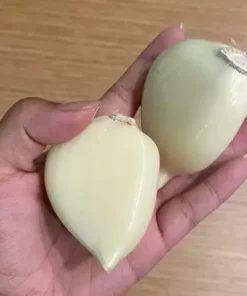
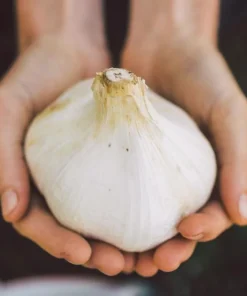
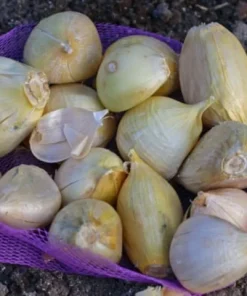
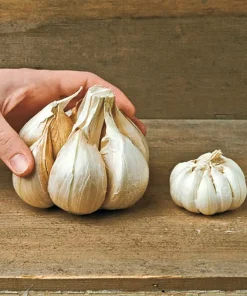
Elephant Garlic Seeds & Bulbs – Fresh Harvest, Easy to Grow, USA
Original price was: $36.99.$11.99Current price is: $11.99.
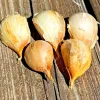
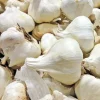
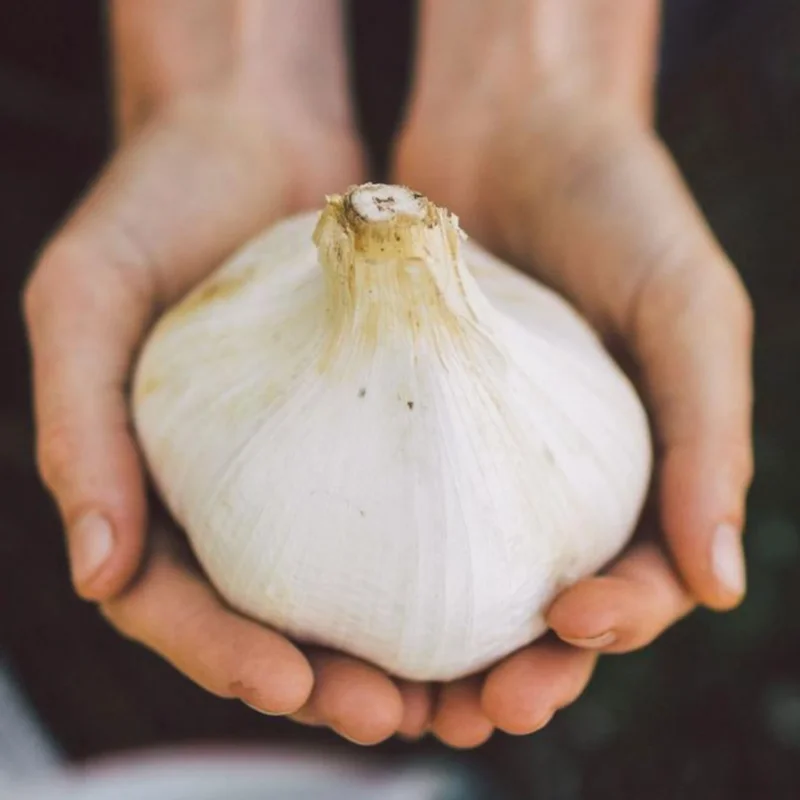
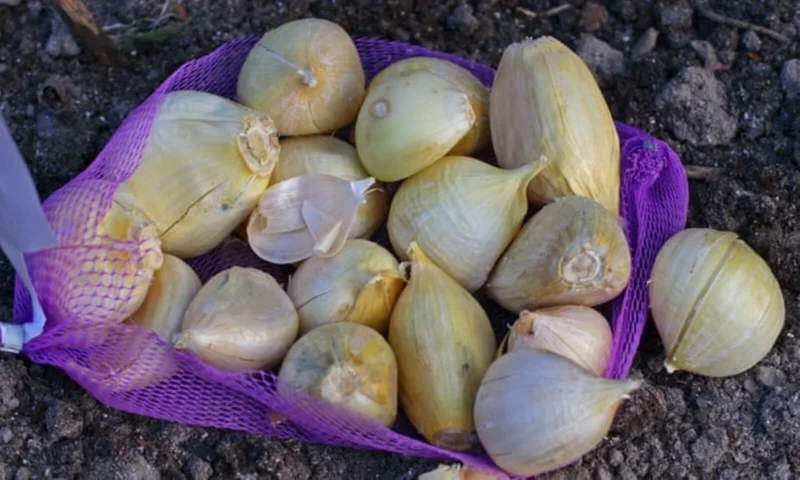
Cultivate your own delicious and robust elephant garlic with our fresh harvest options. Choose from elephant garlic seeds, cloves, or whole bulbs to start your garden. This easy-to-grow variety thrives indoors and outdoors, producing large, flavorful bulbs for culinary use.
Estimated arrival
Oct 27
Nov 01 - Nov 03
Nov 06 - Nov 10
Shop With Confidence
30-Day Plant Health Guarantee
Arrives damaged? We’ll replace it free — see our return policy.
Responsive Support
Email us anytime, we reply within 1 business day.
Expert Packaging
Temperature-controlled shipping to protect your plants in transit.
Secure Checkout
Pay safely with Visa, Mastercard, PayPal.
Plant Specifications
-
USDA Hardiness Zone
USDA Zones 3-9 -
Soil Type
Well-draining, rich, fertile soil (pH 6.0-7.5) -
Sunlight Exposure
Full Sun -
Expected Planting Period
Fall (for summer harvest) or Early Spring
Overview
Embark on a rewarding gardening journey with our premium selection of elephant garlic seeds and bulbs. Known for its impressively large cloves and milder flavor compared to traditional garlic, elephant garlic (Allium ampeloprasum) is a culinary delight and a gardener’s favorite. Whether you’re a seasoned gardener or just starting, our fresh harvest options provide everything you need to successfully grow elephant garlic. We offer various choices, including individual seeds, cloves, and whole bulbs, allowing you to select the perfect starting material for your growing method. This robust plant is celebrated not only for its generous bulb size but also for its adaptability, making it an excellent addition to almost any garden. Experience the satisfaction of harvesting your own healthy, homegrown elephant garlic.
Our fresh elephant garlic is sourced to ensure optimal quality and viability, providing you with the best chance for a bountiful yield. Elephant garlic is technically a leek, producing large, mild-flavored cloves that are fantastic roasted, sautéed, or used raw in salads for a subtle garlic punch. Its impressive size also makes it a striking ornamental plant in the garden, with tall flower stalks topped by purple globe-like blooms. Choose your preferred planting option today and prepare to enjoy the unique taste and easy cultivation of this exceptional vegetable.
Key Benefits
Growing elephant garlic offers numerous advantages for both the home gardener and the culinary enthusiast. Here are some of the key benefits:
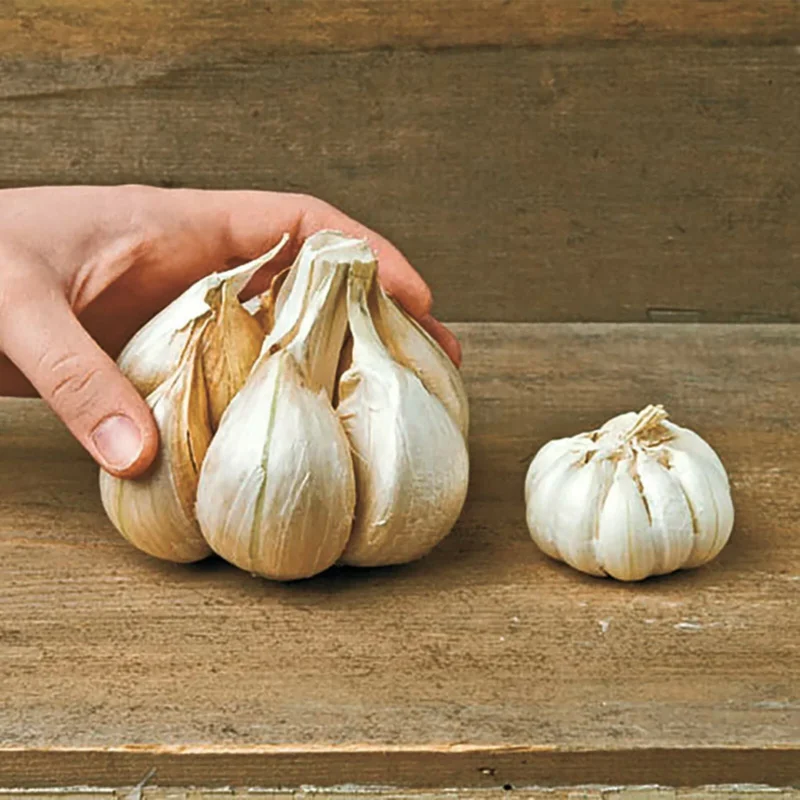
- Impressive Size: Elephant garlic produces significantly larger cloves than regular garlic, making preparation easier and providing a substantial yield from each plant. This makes it a visually appealing and practical crop for any garden.
- Mild Flavor Profile: Enjoy a milder, more delicate garlic flavor, perfect for those who find traditional garlic too strong. It’s versatile enough for a wide range of dishes without overpowering other ingredients.
- Easy to Grow: Elephant garlic is known for its resilience and ease of cultivation, making it an ideal choice for beginner gardeners. It adapts well to various climates and soil types, requiring minimal fuss once established.
- Versatile Use: Our elephant garlic bulbs can be used in countless culinary applications, from roasting whole to slicing thinly for salads, adding a unique and subtle garlic essence to your meals.
- Long Shelf Life: When properly cured, elephant garlic stores well for several months, allowing you to enjoy your harvest long after the growing season. This ensures a steady supply of fresh, homegrown flavor.
- Ornamental Value: Beyond its culinary uses, elephant garlic produces beautiful, tall flower stalks with purple blooms, adding an attractive element to your garden landscape.
- Pest Repellent: Like other alliums, elephant garlic can help deter common garden pests, contributing to a healthier garden ecosystem.
Plant Care & Growing Tips
Successfully growing elephant garlic is relatively straightforward, provided you meet its basic needs. This robust plant thrives in a sunny location with well-draining soil. Plant your elephant garlic seeds or bulbs in the fall for a summer harvest, typically about 3 weeks before the first hard frost, allowing roots to establish before winter dormancy. For spring planting, do so as soon as the soil can be worked. Space individual cloves or bulbs about 6-8 inches apart and 3-4 inches deep, ensuring the pointed end faces upwards. A general rule for planting depth is twice the height of the clove.
Sunlight requirements: Elephant garlic needs at least 6-8 hours of direct sunlight per day to produce large, healthy bulbs. Choose a south-facing spot in your garden or a location that receives full sun throughout the day. While it can tolerate some partial shade, too little sun will result in smaller bulbs. Watering schedule: Keep the soil consistently moist, especially during active growth in spring and early summer. Aim for about 1 inch of water per week, either from rain or irrigation. Reduce watering as the leaves begin to yellow in late summer, indicating the bulbs are maturing. Avoid overwatering, as this can lead to rot. Soil type and drainage: Elephant garlic prefers rich, fertile, well-draining soil with a pH between 6.0 and 7.5. Amend heavy clay soils with organic matter like compost to improve drainage and fertility. Good drainage is crucial to prevent fungal diseases and root rot. Temperature range and USDA hardiness zone: Elephant garlic is hardy in USDA Zones 3-9. It requires a cold period (vernalization) to form large bulbs, making fall planting ideal in most regions. It tolerates a wide range of temperatures, from cold winters to warm summers. Fertilization schedule: Incorporate compost or a balanced slow-release fertilizer into the soil before planting. During the growing season, a nitrogen-rich fertilizer can be applied in early spring to promote leafy growth, followed by a phosphorus and potassium-rich fertilizer as bulbs begin to swell. Common problems: Watch out for fungal diseases like white rot, especially in poorly drained soil. Crop rotation helps prevent disease buildup. Pests are generally not a major issue for elephant garlic planting, but keep an eye out for onion thrips or nematodes.
Size & Details
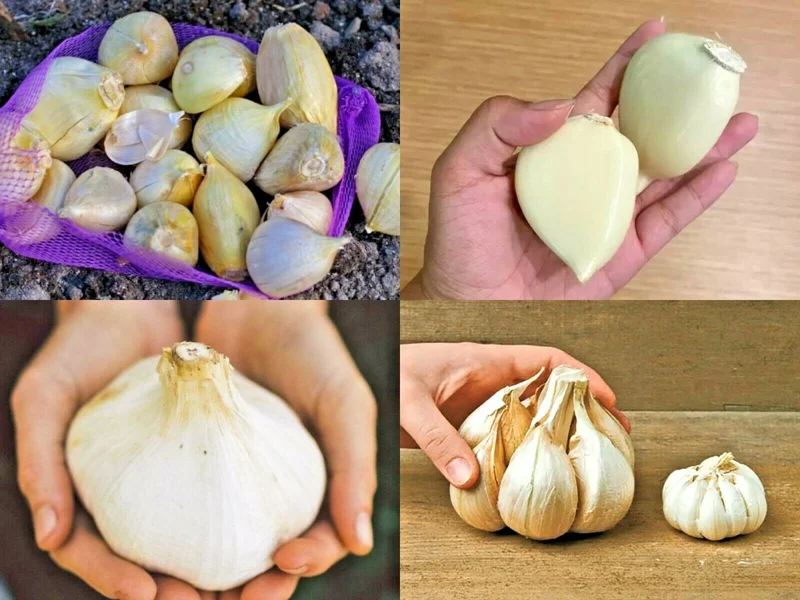
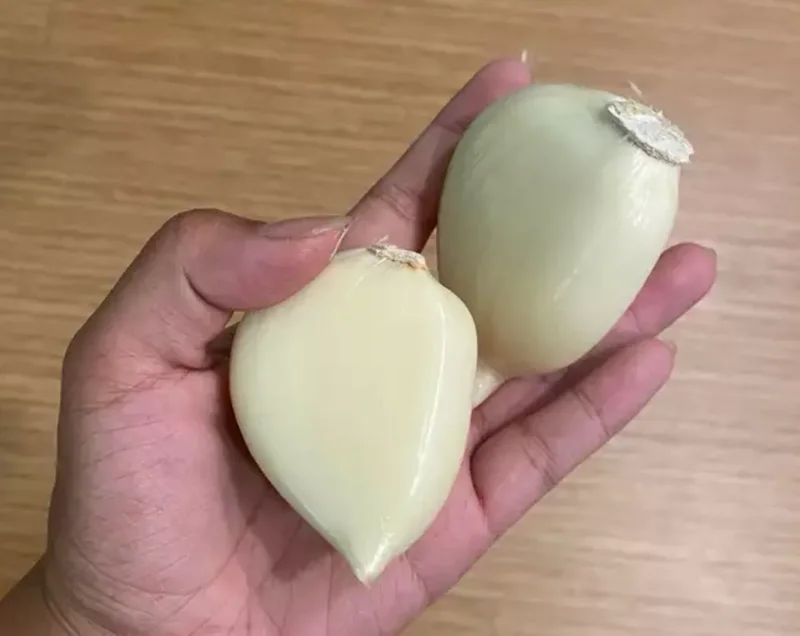
Our elephant garlic seeds, cloves, and bulbs provide a fantastic opportunity to cultivate this impressive vegetable in your garden. When mature, elephant garlic plants typically reach a height of 2-3 feet, with a spread of about 1 foot. The flower stalks can soar even higher, often reaching 4-5 feet, adding a dramatic vertical element to your landscape. Each bulb can contain 4-6 large cloves, with individual cloves often being as large as a small apple. The size of the harvested bulb can vary depending on growing conditions and care, but generally, you can expect substantial yields.
This product is offered as fresh harvest material, ensuring viability and vigor for planting. Whether you choose seeds for starting from scratch or bulbs for a quicker crop, you’ll receive healthy, ready-to-plant specimens. Elephant garlic is a perennial, meaning if left undisturbed, it can return year after year, though many gardeners choose to replant annually for optimal bulb size. Expect to harvest your bulbs in late summer, typically 8-9 months after fall planting. The leaves will begin to yellow and fall over when the bulbs are ready for harvest. Proper curing after harvest will extend their storage life significantly, allowing you to enjoy your fresh elephant garlic for months.
Frequently Asked Questions
- Q: How big does this plant get? A: Elephant garlic plants typically grow 2-3 feet tall, with flower stalks reaching up to 4-5 feet. The bulbs themselves can be quite large, often weighing several ounces, and contain 4-6 massive cloves.
- Q: What size pot does it come in? A: This product is offered as seeds, individual cloves, or whole bulbs, not potted plants. You will receive them ready for direct planting into your garden soil or chosen containers.
- Q: Is this an indoor or outdoor plant? A: While primarily an outdoor garden plant due to its size and need for a cold dormancy period, elephant garlic can be grown in large containers outdoors. It is not typically grown as an indoor houseplant.
- Q: How much sunlight does it need? A: Elephant garlic planting requires full sun, meaning at least 6-8 hours of direct sunlight per day for optimal growth and bulb development.
- Q: Is this plant easy to care for? A: Yes, elephant garlic is considered very easy to cultivate. It’s forgiving and resilient, making it an excellent choice for gardeners of all experience levels, even those new to growing vegetables.
- Q: What condition will it arrive in? A: Your elephant garlic seeds, cloves, or bulbs will arrive fresh and healthy, carefully packaged to ensure they are in optimal condition for immediate planting.
- Q: When is the best time to plant elephant garlic? A: The best time to plant elephant garlic bulbs is in the fall, approximately 3 weeks before the first hard frost. This allows the roots to establish before winter, leading to larger bulbs the following summer. Spring planting is also possible in some regions.
- Q: Can I use elephant garlic in cooking? A: Absolutely! Fresh elephant garlic has a delightful, mild garlic flavor, making it perfect for roasting, sautéing, grilling, or even eating raw in salads for a more subtle taste.
- Q: What’s the minimum temperature it can withstand? A: Elephant garlic is quite cold-hardy and requires a cold period to develop large bulbs. It can tolerate winter temperatures down to USDA Zone 3, which can be as low as -40°F (-40°C) with sufficient mulch.
- Q: Is it good for beginners? A: Yes, its ease of cultivation and robust nature make elephant garlic an excellent choice for beginner gardeners looking for a rewarding and relatively low-maintenance crop.
Be the first to review “Elephant Garlic Seeds & Bulbs – Fresh Harvest, Easy to Grow, USA”
People Also Viewed
Vegetable Seeds
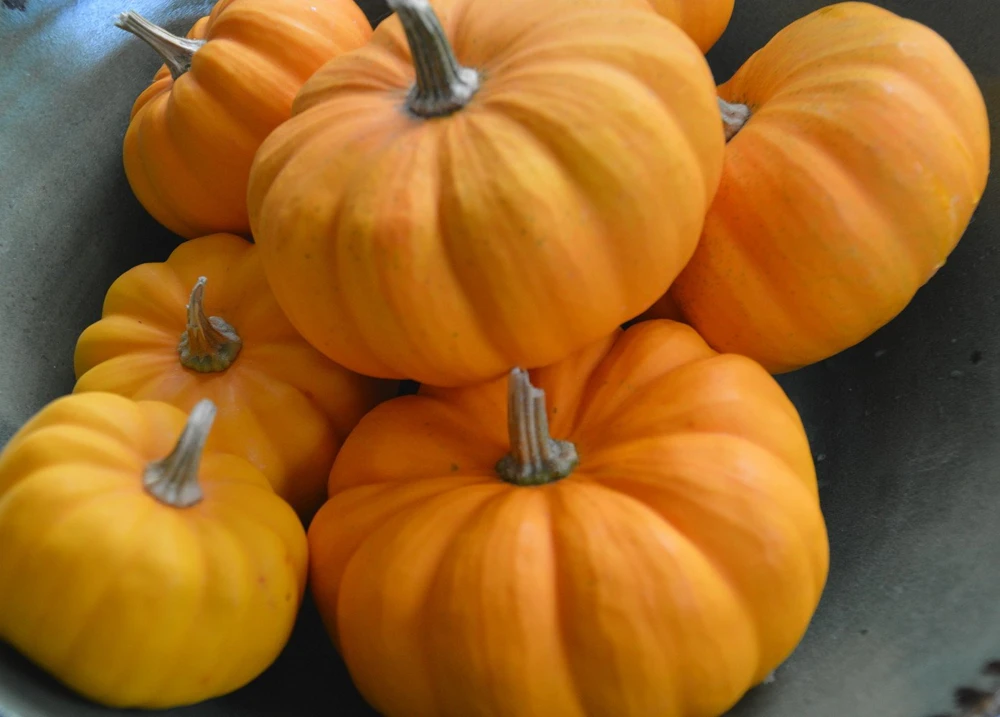
Jack Be Little Pumpkin Seeds – 15 Seeds for Miniature Pumpkins
Flower Seeds
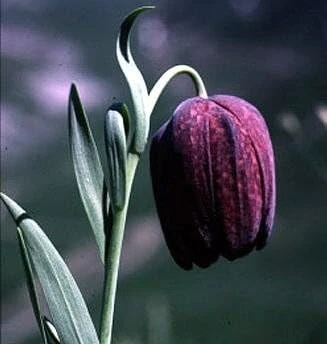
Tube Checkered Lily Seeds – Fritillaria tubaeformis – Perennial Flower Seeds – 10 Seeds
Shrubs
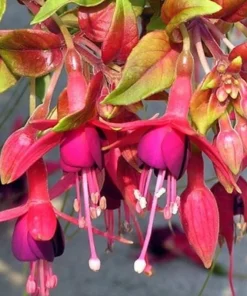
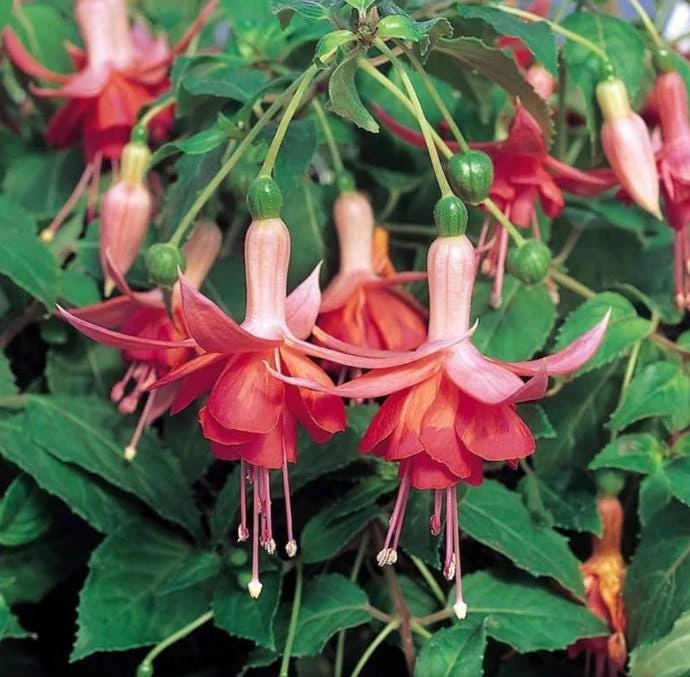
Autumnale Fuchsia Live Plants – Set of 2, 5″ Pots, 10-14″ Tall, Red-Gold Foliage, Outdoor Shrub
Reviews
There are no reviews yet.