
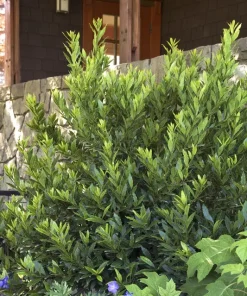
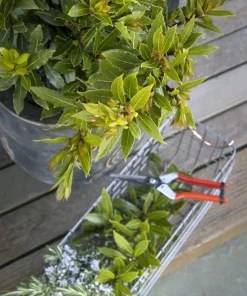
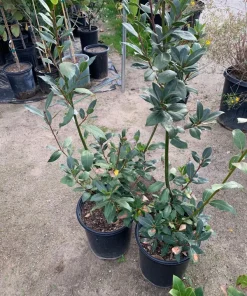
Sweet Bay Live Plant – Culinary Bay Laurel – 1 ft Tall in 6 inch Pot – Indoor/Outdoor
$57.76
Cultivate your own aromatic herbs with this sweet bay live plant. Standing 1 ft tall in a 6 inch pot, this culinary bay laurel is perfect for adding classic flavor to soups and sauces. An easy-care upright shrub, it thrives both indoors and outdoors.
Estimated arrival
Sep 14
Sep 19 - Sep 21
Sep 24 - Sep 28
Shop With Confidence
30-Day Plant Health Guarantee
Arrives damaged? We’ll replace it free — see our return policy.
Responsive Support
Email us anytime, we reply within 1 business day.
Expert Packaging
Temperature-controlled shipping to protect your plants in transit.
Secure Checkout
Pay safely with Visa, Mastercard, PayPal.
Plant Specifications
-
USDA Hardiness Zone
USDA Zones 8-10 (can be grown indoors in colder zones) -
Soil Type
Well-draining potting mix -
Sunlight Exposure
Full sun to partial shade -
Expected Planting Period
Year-round indoors; spring to early summer outdoors (in appropriate zones)
Overview
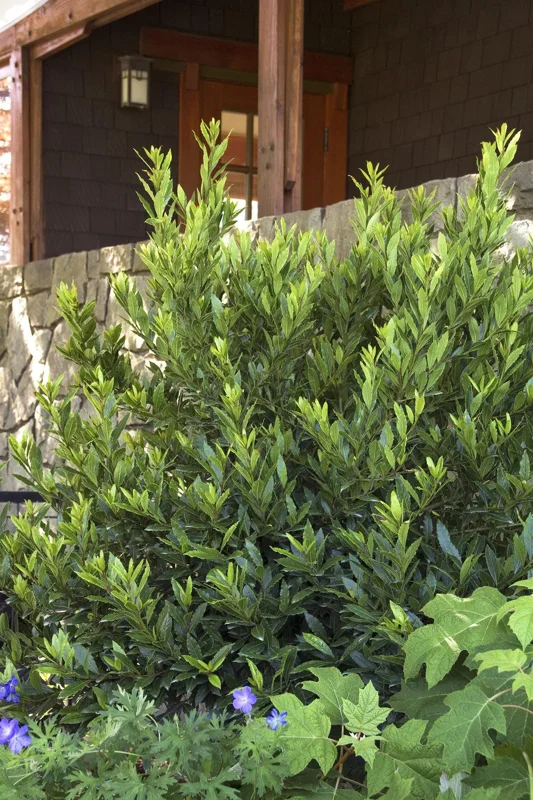
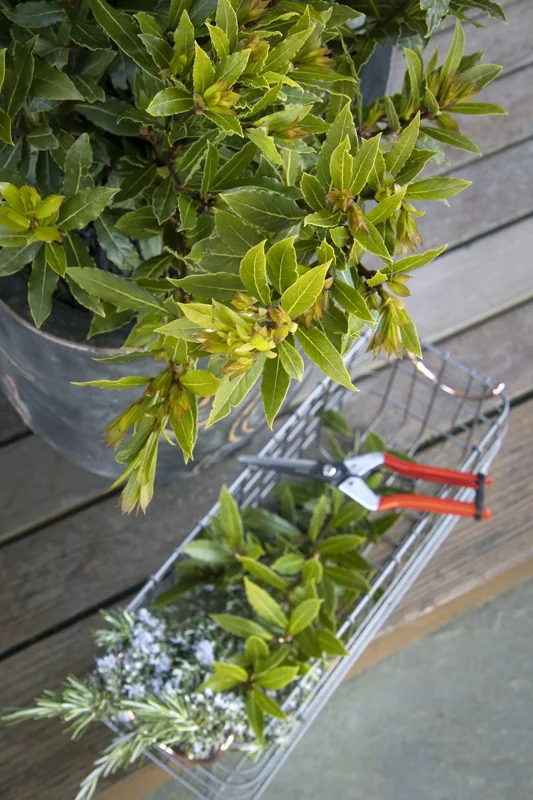
Bring the timeless flavor of fresh bay leaves to your home with this exquisite sweet bay live plant. Known botanically as Laurus nobilis, this versatile plant is a must-have for any culinary enthusiast or gardener. Our sweet bay live plant arrives approximately 1 ft tall in a 6-inch pot, ready to thrive in your kitchen, patio, or garden. Its highly aromatic foliage is prized for its ability to impart a classic, subtle flavor to a wide variety of dishes, from stews and roasts to sauces and marinades. This compact variety is perfect for those seeking a manageable yet productive herb plant. It’s an evergreen shrub or small tree that offers year-round beauty and utility, making it a fantastic addition to any plant collection. Enjoy the convenience of fresh, home-grown bay leaves whenever your recipes call for them.
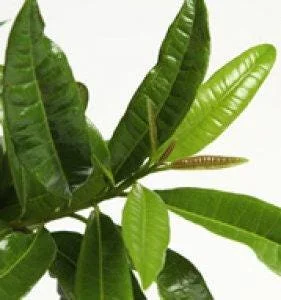
The culinary bay laurel is celebrated not only for its practical uses but also for its attractive, glossy green leaves that add a touch of elegance to any setting. Whether you are an experienced gardener or just starting, caring for this plant is straightforward, providing a rewarding experience as you watch it grow and produce fragrant leaves for your culinary adventures. This particular variety is chosen for its robust nature and excellent aromatic qualities, ensuring you get the best possible flavor for your cooking.
Key Benefits
Growing your own sweet bay live plant offers a multitude of advantages beyond just fresh herbs. Here are some of the key benefits you’ll enjoy:
- Fresh Culinary Herb: Provides a continuous supply of fresh, aromatic bay leaves for cooking, far superior in flavor to dried alternatives. You’ll always have this essential ingredient on hand for your favorite recipes.
- Compact & Manageable Growth: This variety is more compact, making it ideal for container gardening on patios, balconies, or even indoors in a sunny spot. It maintains an upright, attractive form, perfect for smaller spaces.
- Aromatic Foliage: The glossy green leaves are not only beautiful but also release a wonderful fragrance, enhancing the ambiance of your home or garden. The scent is subtle yet distinctly pleasant.
- Easy Care: Known for its resilience and low-maintenance requirements, this sweet bay live plant is suitable for gardeners of all experience levels. It tolerates a range of conditions once established.
- Versatile Use: Can be grown as a charming potted plant, an elegant upright shrub, or even trained into a small tree, offering flexibility in how you incorporate it into your landscape or home decor.
- Evergreen Beauty: Retains its lush green leaves throughout the year, providing continuous visual appeal even during colder months. This ensures your garden or indoor space always has a touch of greenery.
- Long-Term Investment: A well-cared-for culinary bay laurel can live for many years, becoming a long-lasting source of fresh herbs and a beautiful specimen plant.
Plant Care & Growing Tips
Caring for your sweet bay live plant is relatively simple, ensuring a healthy and productive herb for years to come. For optimal growth, provide proper sunlight, watering, and soil conditions. This plant thrives in a location where it can receive plenty of light. If growing outdoors, choose a spot with full sun to partial shade, meaning at least 4-6 hours of direct sunlight per day. When grown indoors, place it near a bright window, preferably south or west-facing, to ensure it gets adequate light. Insufficient light can lead to sparse foliage and reduced aroma, so ensure your aromatic herb plant gets the light it needs.
Watering should be consistent but not excessive. Allow the top inch or two of soil to dry out completely between waterings. Overwatering can lead to root rot, which is detrimental to the plant’s health. Ensure your pot has good drainage holes to prevent waterlogging. During warmer months, you may need to water more frequently, while in winter, reduce the frequency. The ideal soil for a sweet bay live plant is a well-draining potting mix. A slightly acidic to neutral pH (6.0-7.0) is preferred. You can amend your potting mix with perlite or sand to improve drainage if needed. This will help prevent issues like the common problem of root rot.
The culinary bay laurel is generally hardy in USDA Zones 8-10. In colder climates (Zones 7 and below), it’s best to grow it in a container so it can be brought indoors during winter. Protect it from hard freezes. Indoors, maintain average room temperatures and avoid sudden temperature fluctuations. Fertilize your bay leaf plant care routine with a balanced liquid fertilizer every 2-4 weeks during the growing season (spring and summer). Reduce fertilization in fall and winter. Pruning can be done to maintain shape and size, and to encourage bushier growth. You can also harvest leaves as needed throughout the year, which naturally promotes new growth.
Size & Details
This sweet bay live plant is supplied as a thriving specimen, approximately 1 foot (12 inches) tall, measured from the base of the pot to the top of the foliage. It comes nestled in a 6-inch diameter nursery pot, providing a stable and ready-to-grow environment. The plant is well-rooted and established, ensuring a smooth transition to its new home. Its growth rate is moderate, allowing you to enjoy its development without it quickly outgrowing its space. With proper care, it can reach a mature height of 6-10 feet as an upright shrub or small tree, though it can be kept much smaller through regular pruning, especially when grown in a container. The dense, evergreen foliage provides year-round interest and a steady supply of fresh bay leaves. Expect this beautiful aromatic herb plant to become a long-lasting and cherished part of your culinary garden or indoor plant collection.
Frequently Asked Questions
- Q: How big does this plant get? A: This sweet bay live plant arrives approximately 1 foot tall in a 6-inch pot. With proper care, it can grow into an upright shrub or small tree, reaching 6-10 feet tall, but it can be easily maintained at a smaller size with regular pruning, especially when grown in containers.
- Q: Is this an indoor or outdoor plant? A: The culinary bay laurel is versatile and can be grown both indoors and outdoors. In USDA Zones 8-10, it can thrive outdoors year-round. In colder zones, it is best grown in a pot and brought indoors during winter months to protect it from frost.
- Q: How much sunlight does it need? A: Your sweet bay live plant prefers full sun to partial shade, meaning at least 4-6 hours of direct sunlight daily. If grown indoors, place it near a bright, sunny window to ensure it receives adequate light for healthy growth and aromatic foliage.
- Q: Is this plant easy to care for? A: Yes, this aromatic herb plant is considered relatively easy to care for. It’s quite resilient and tolerant of various conditions, making it suitable for both beginner and experienced gardeners. Consistent watering and adequate light are key.
- Q: What condition will it arrive in? A: Your sweet bay live plant will arrive as a healthy, well-rooted live plant in its 6-inch nursery pot, fresh from our garden. It is carefully packaged to ensure it reaches you in excellent condition, ready to thrive.
- Q: Can I use the leaves for cooking right away? A: Absolutely! The leaves of your culinary bay laurel are ready for harvest and use in cooking as soon as the plant arrives. Simply pluck a few leaves as needed to add their classic flavor to your dishes.
- Q: What’s the minimum temperature this plant can tolerate? A: This sweet bay live plant is generally hardy down to about 20-25°F (-6 to -3°C) for short periods. If temperatures in your area regularly drop below freezing, it’s essential to bring potted plants indoors or provide significant winter protection for outdoor specimens.
- Q: When is the best time to prune my bay leaf plant? A: You can prune your bay leaf plant care any time of year to maintain its shape and size, or to harvest leaves. However, general shaping and heavier pruning are often best done in late winter or early spring before new growth begins, or after flowering.
- Q: Is this plant pet-safe? A: While many plants can be toxic, bay laurel leaves are commonly used in cooking. However, large quantities ingested by pets might cause digestive upset. It’s always best to keep plants out of reach of curious pets.
- Q: How often should I fertilize my sweet bay? A: During the active growing season (spring and summer), fertilize your sweet bay live plant with a balanced liquid fertilizer every 2-4 weeks. Reduce or stop fertilizing during fall and winter when the plant’s growth slows down.
Be the first to review “Sweet Bay Live Plant – Culinary Bay Laurel – 1 ft Tall in 6 inch Pot – Indoor/Outdoor”
People Also Viewed
Reviews
There are no reviews yet.