
Pumpkin Plant Live – Winter Squash Vegetable for Home Garden, 2-4 Inch Tall
Original price was: $43.99.$18.99Current price is: $18.99.
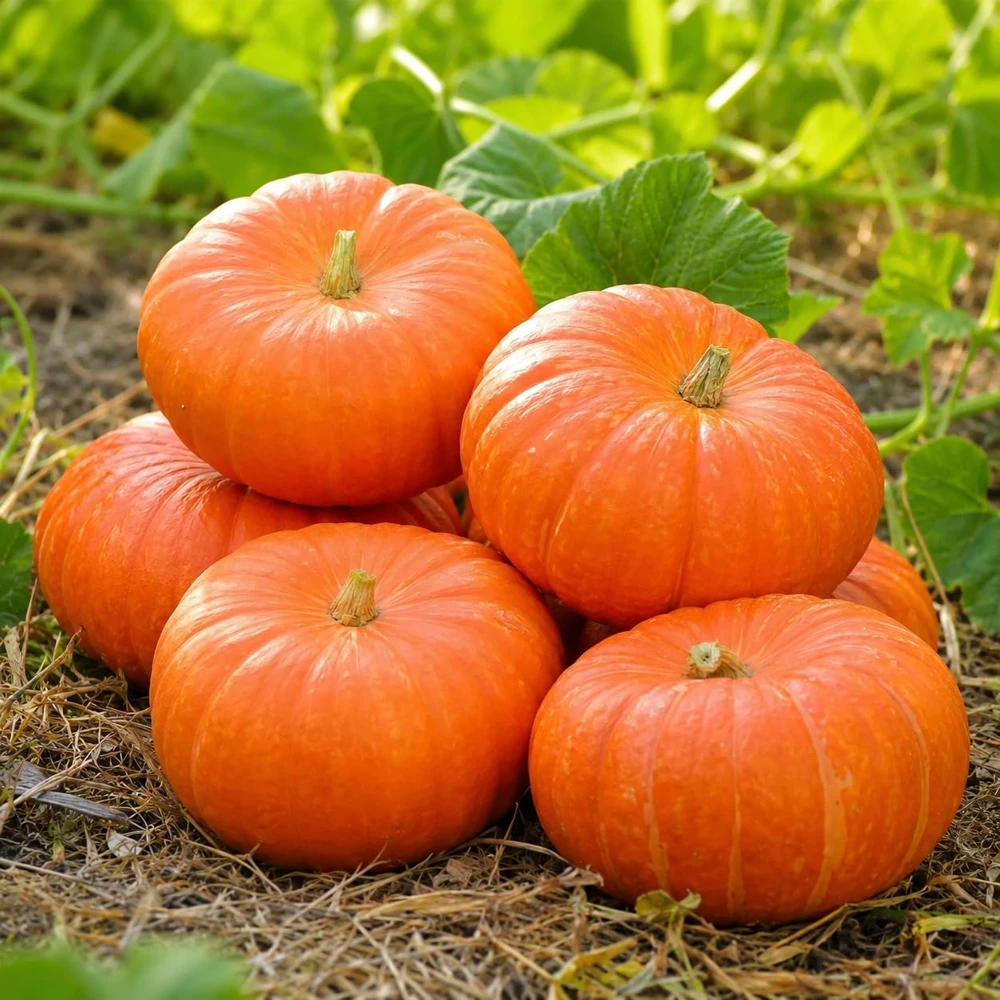
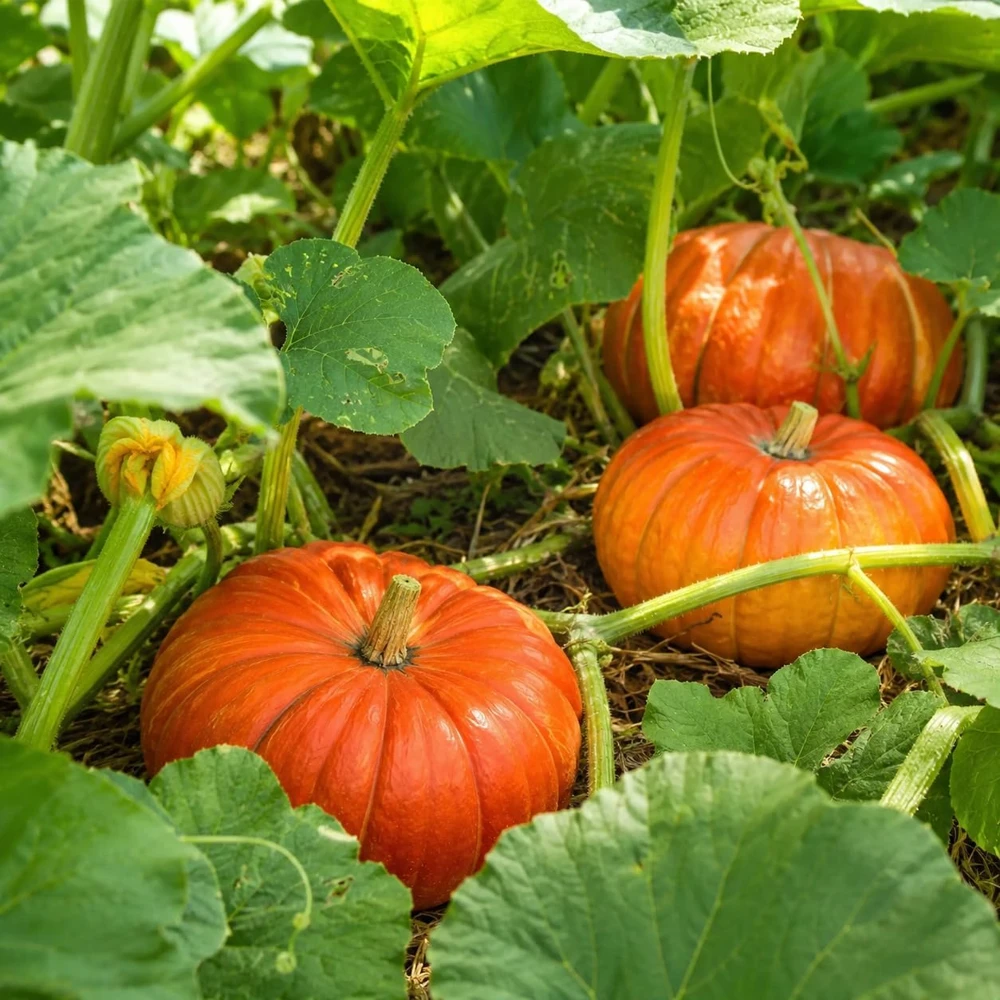
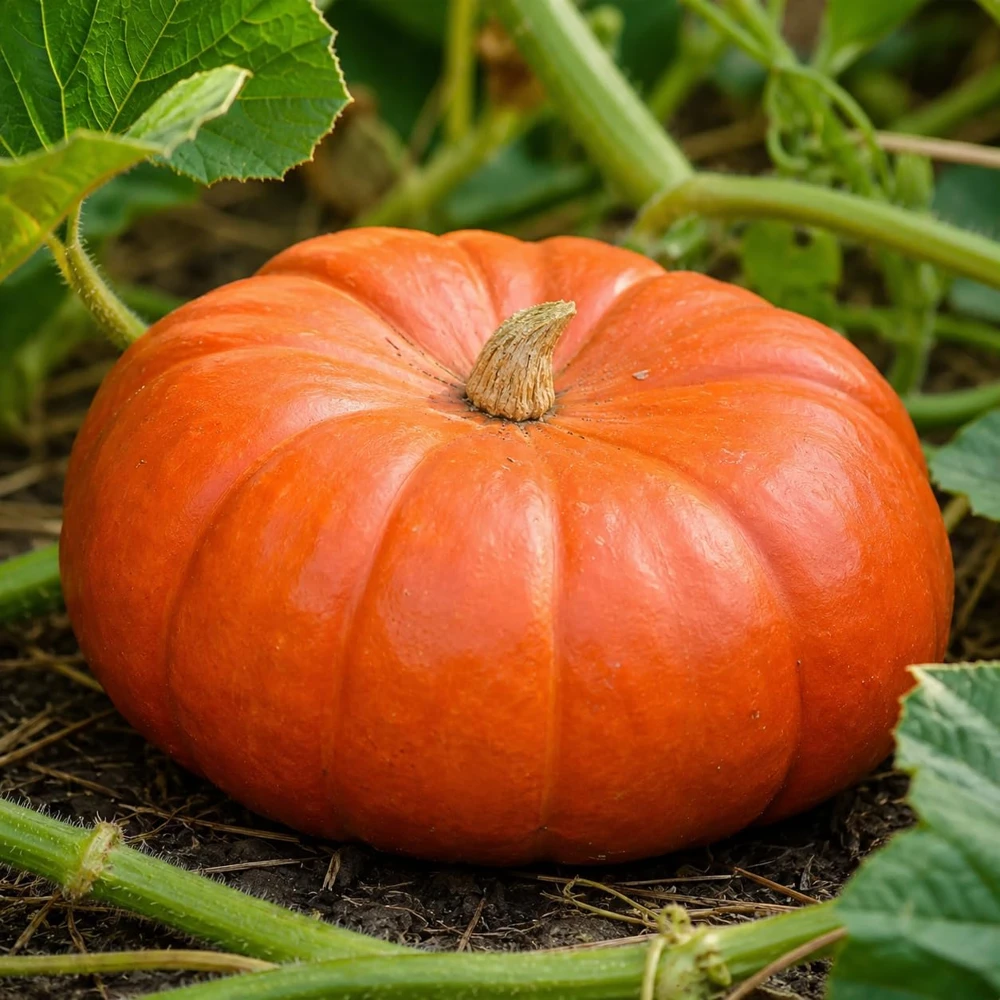
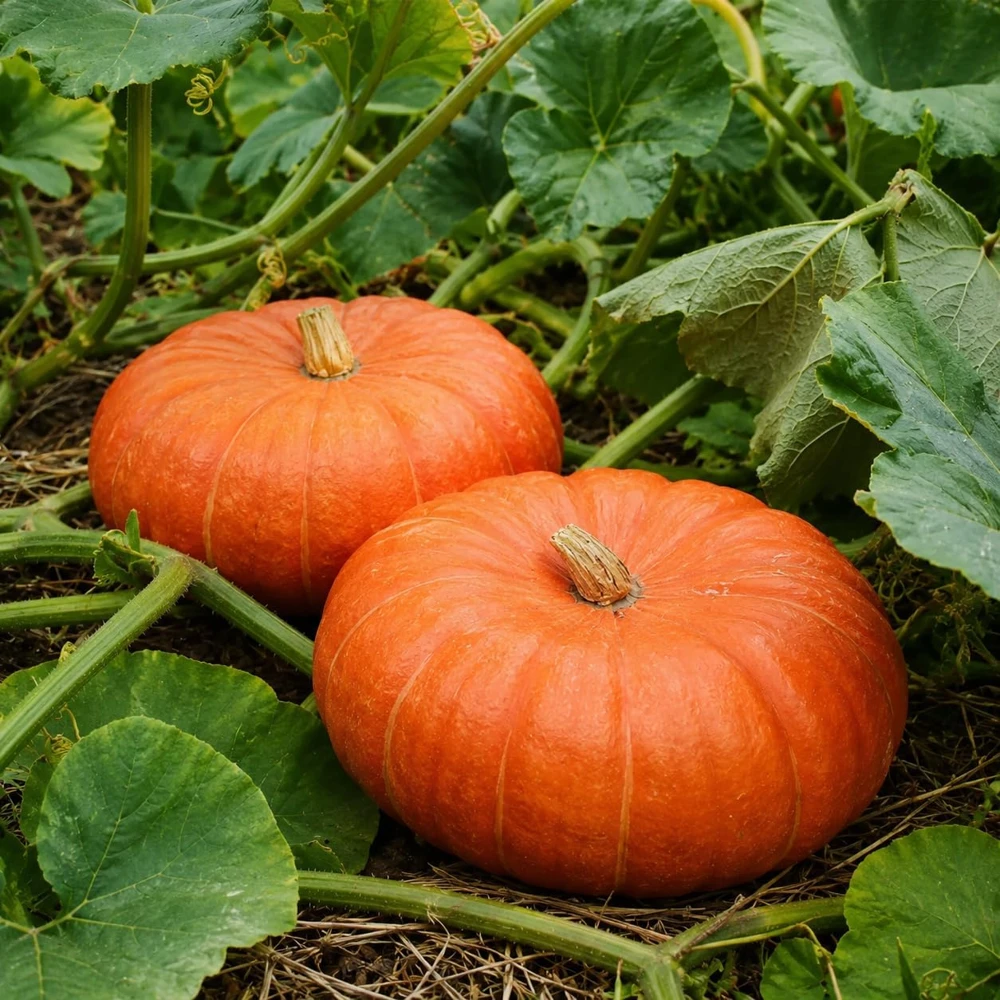
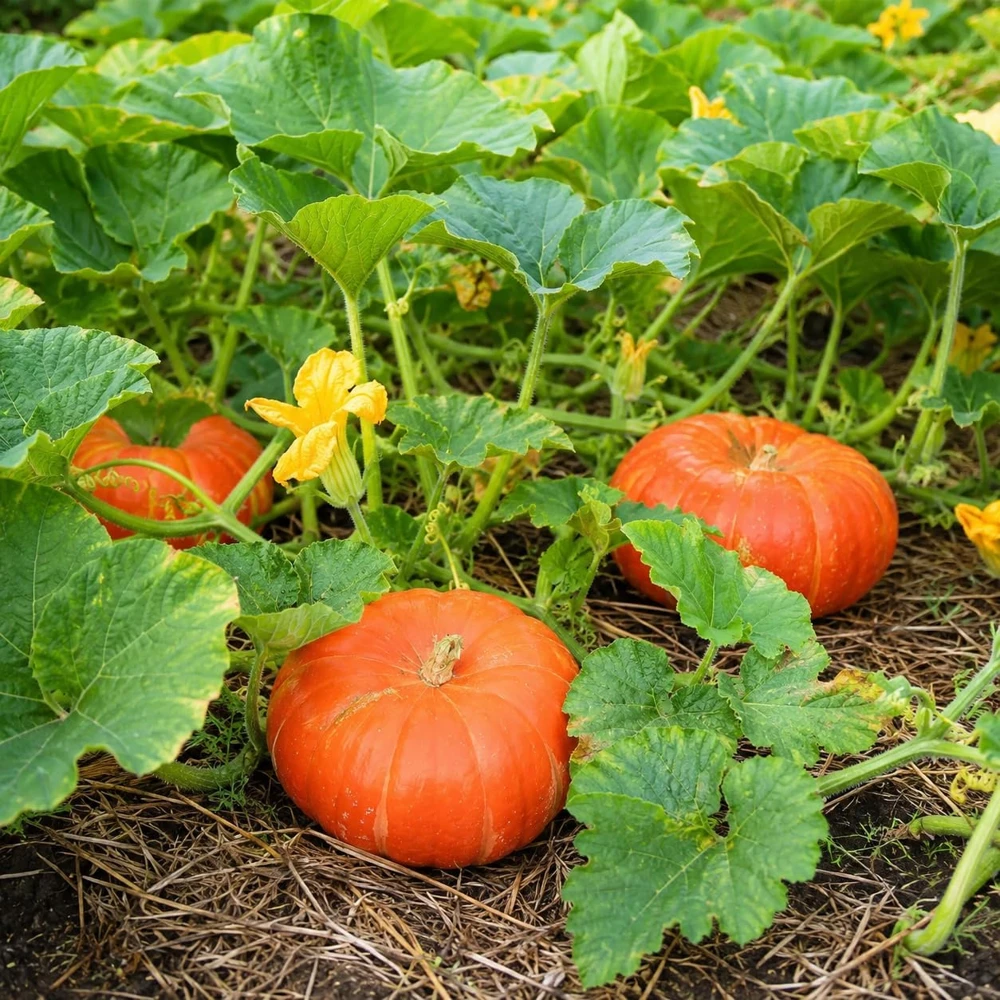
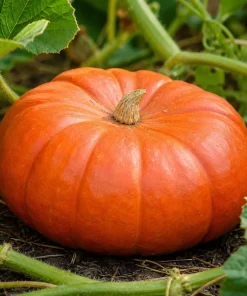
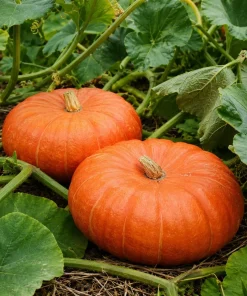
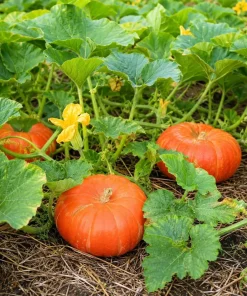
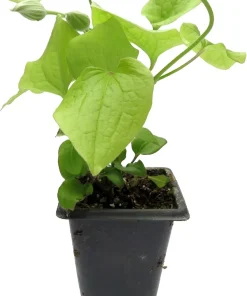
Bring the joy of autumn to your backyard with this premium pumpkin plant live. Standing 2-4 inches tall, this vigorous starter is ready for your home garden, promising a bountiful harvest of delicious winter squash plant. Ideal for creating festive decor or enjoying fresh, wholesome produce. Grow your own pumpkin vegetable garden with ease.
Estimated arrival
Oct 10
Oct 15 - Oct 17
Oct 20 - Oct 24
Shop With Confidence
30-Day Plant Health Guarantee
Arrives damaged? We’ll replace it free — see our return policy.
Responsive Support
Email us anytime, we reply within 1 business day.
Expert Packaging
Temperature-controlled shipping to protect your plants in transit.
Secure Checkout
Pay safely with Visa, Mastercard, PayPal.
Plant Specifications
-
USDA Hardiness Zone
USDA zones 3-9 (as an annual) -
Soil Type
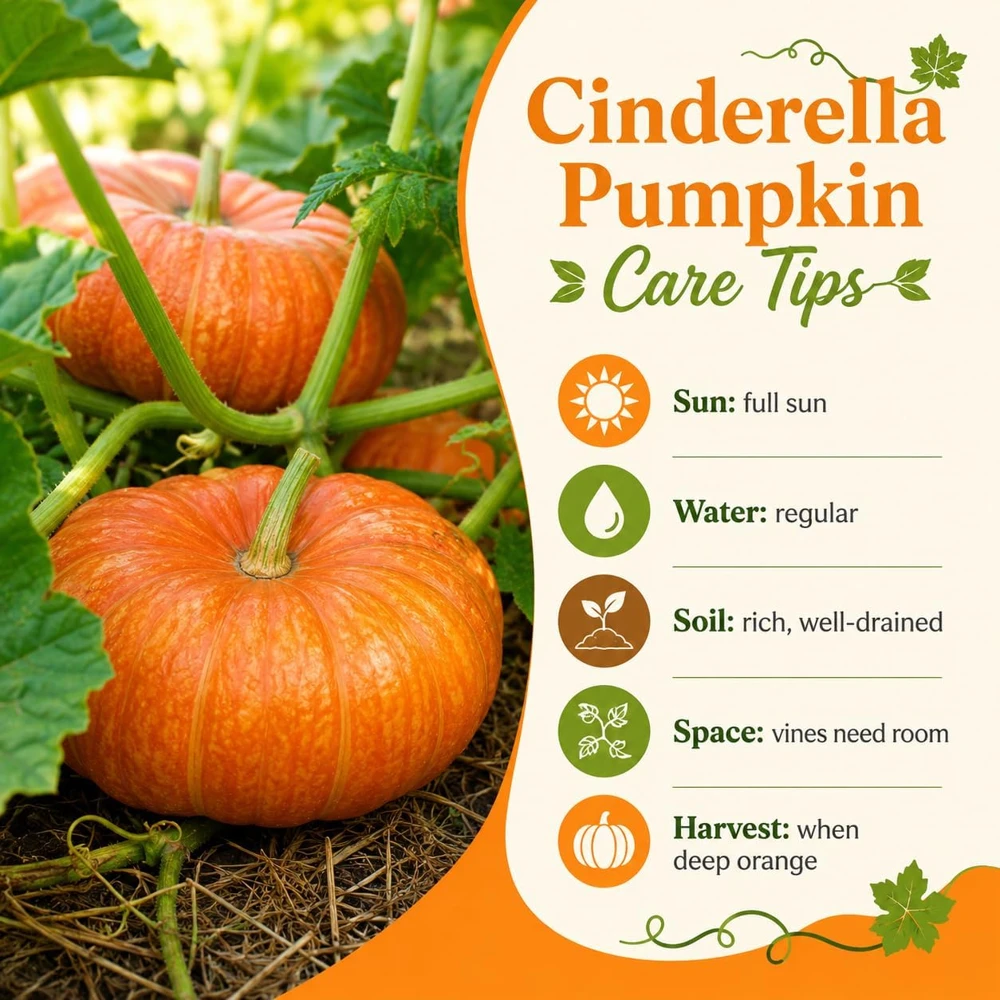
Rich, well-draining soil with organic matter -
Sunlight Exposure
Full sun (6-8 hours daily) -
Expected Planting Period
Late spring to early summer after last frost
Overview
Bring the joy of autumn to your own backyard with our premium pumpkin plant live. This vigorous starter plant, standing 2-4 inches tall, is ready to be transplanted into your home garden, promising a bountiful harvest of delicious winter squash. Perfect for both seasoned gardeners and enthusiastic beginners, growing your own pumpkins is a rewarding experience. Our live pumpkin plants are carefully nurtured to ensure they arrive healthy and ready to thrive, transforming into sprawling vines that produce classic, robust pumpkins. Whether you’re looking to create festive decorations or enjoy fresh, wholesome produce, this pumpkin plant live is your first step towards a successful pumpkin patch.
Pumpkins, scientifically known as Cucurbita pepo, are a staple of fall and a versatile vegetable. They are an annual plant that, with proper care, will provide a generous yield. This particular variety is chosen for its reliability and delicious fruit, making it an excellent addition to any pumpkin vegetable garden. Imagine the satisfaction of harvesting your own pumpkins, knowing they were grown with care right in your own garden.
Key Benefits
Growing your own pumpkin plant live offers numerous advantages, from fresh produce to an engaging gardening experience. These plants are not only productive but also add a unique aesthetic to your garden as they grow and mature.
- Fresh, Organic Produce: Enjoy the unparalleled taste of home-grown pumpkins, free from pesticides and chemicals. You control what goes into your food, ensuring healthy and delicious winter squash for your family. Growing your own means you know exactly where your food comes from.
- Rewarding Gardening Experience: Witnessing the growth of a small pumpkin plant live into a large, fruit-bearing vine is incredibly satisfying, connecting you with nature and the food you eat. It’s a fantastic project for all ages, fostering a sense of accomplishment.
- Versatile Culinary Use: Home-grown pumpkins can be used in a myriad of recipes, from pies and soups to roasted dishes and savory stews. The possibilities are endless with your own fresh harvest, providing healthy meal options.
- Festive Decor: Beyond their culinary value, pumpkins are iconic symbols of autumn and Halloween. Grow your own for carving, decorating, or simply admiring their natural beauty, adding a touch of seasonal charm to your home.
- Educational for Children: Involve children in the gardening process by letting them plant and care for their own pumpkin plant live. It’s a wonderful way to teach them about where food comes from and the cycles of nature, encouraging an appreciation for agriculture.
- Space-Efficient Growth (with training): While pumpkins are vining plants, they can be trained to grow vertically on trellises or supports, making them suitable even for gardens with limited space. This allows you to maximize your yield in smaller areas.
- Nutrient-Rich Food Source: Pumpkins are packed with vitamins, minerals, and antioxidants, contributing to a healthy diet. Growing your own ensures you have access to this nutritious vegetable, promoting well-being.
Plant Care & Growing Tips
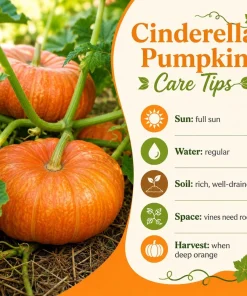
Caring for your pumpkin plant live is relatively straightforward, provided you meet its basic needs. Pumpkins thrive in warm conditions and require consistent attention to watering and sunlight to produce abundant fruit. For optimal growth, choose a location in your garden that receives at least 6-8 hours of direct sunlight per day. Full sun is crucial for fruit development and overall plant health. Prepare your soil by enriching it with compost or other organic matter to ensure good drainage and fertility. A well-draining soil prevents root rot and provides the necessary nutrients for a robust winter squash plant.
Water deeply and consistently, aiming for 1–2 inches (2.5–5 cm) of water per week, especially during dry periods and when fruits are forming. Avoid overhead watering to prevent fungal diseases; instead, water at the base of the plant. As your pumpkin plant grows, it will develop long vines. While often left to sprawl, you can train these vines onto trellises or supports to save space and keep the fruit off the ground. Fertilize with a balanced vegetable fertilizer every few weeks once the plant starts producing flowers and fruit to encourage strong growth and a bountiful harvest. Learning how to grow pumpkin plant successfully involves understanding these fundamental care practices.
Protect your young pumpkin plant live from pests and diseases by regularly inspecting leaves and stems. Common issues include powdery mildew, squash bugs, and cucumber beetles. Organic pest control methods, such as neem oil or insecticidal soap, can be effective. Ensure good air circulation and avoid overcrowding to minimize disease risk. With proper care, your small starter plant will soon transform into a thriving patch, yielding delicious pumpkins for all your culinary and decorative needs. Many gardeners aspire to have a healthy pumpkin vegetable garden, and consistent care is key to achieving this goal.
Size & Details
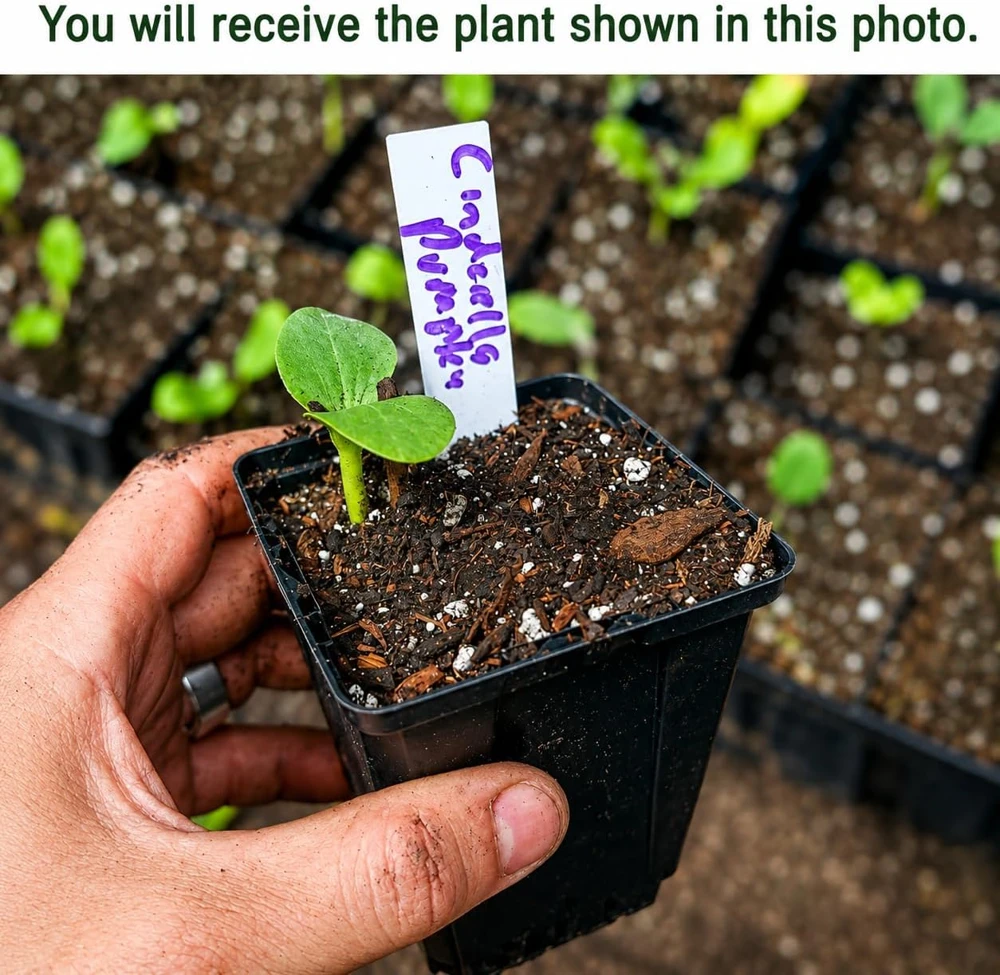
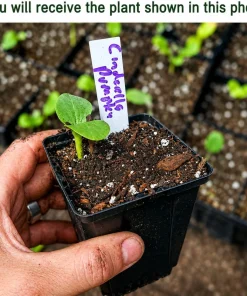
This offering is for a vibrant pumpkin plant live, typically measuring 2-4 inches tall upon arrival. It is a vigorous starter plant, carefully cultivated to ensure it is healthy and ready for transplanting into your garden. Pumpkins are known for their fast growth rate, and this plant will quickly establish itself, developing into sprawling vines that can cover a significant area if not trained. Expect mature pumpkins to be ready for harvest in late summer to early fall, depending on your climate and planting time. The plant ships in a small nursery pot, ensuring its roots are protected and hydrated during transit, making it easy to plant directly upon arrival. This variety is chosen for its reliability in producing classic, robust winter squash.
Frequently Asked Questions
- Q: How big does this pumpkin plant live get? A: While the starter plant is 2-4 inches tall, mature pumpkin vines can spread extensively, often covering 10-20 feet. The actual pumpkins can vary greatly in size depending on the variety, typically ranging from 5 to 20 pounds for common carving and pie pumpkins.
- Q: Is this an indoor or outdoor plant? A: This pumpkin plant live is an outdoor plant. Pumpkins require significant space, full sun, and warm temperatures to thrive and produce fruit, making them unsuitable for indoor cultivation. They are best grown directly in a garden bed.
- Q: How much sunlight does a winter squash plant need? A: Pumpkins need full sun, which means at least 6-8 hours of direct sunlight per day. Adequate sunlight is crucial for flowering, fruit development, and overall plant health, ensuring a successful harvest.
- Q: Is this plant easy to care for? Is it good for beginners? A: Yes, growing pumpkins can be relatively easy for beginners, provided they meet the basic requirements of full sun, consistent water, and rich soil. Learning how to grow pumpkin plant is a rewarding experience for new gardeners.
- Q: What condition will the pumpkin plant live arrive in? A: Your pumpkin plant will arrive as a healthy, vigorous starter plant, 2-4 inches tall, typically in a small nursery pot. It will be carefully packaged to ensure its safety during transit and ready for immediate transplanting into your garden.
- Q: When is the best time to plant this pumpkin tree for planting? A: The best time to plant pumpkins is after all danger of frost has passed in spring, and the soil has warmed up. This typically means late spring to early summer, depending on your USDA hardiness zone.
- Q: Will this pumpkin plant live survive winter in my zone? A: Pumpkins are annual plants, meaning they complete their life cycle in one growing season and will not survive winter frost. They need to be replanted each year.
- Q: Can I train this pumpkin vegetable garden plant vertically? A: Yes, pumpkin vines can be trained to grow vertically on strong trellises or supports. This method is excellent for saving space in smaller gardens and can help keep the fruit off the ground, reducing the risk of rot.
- Q: What type of soil does a pumpkin plant prefer? A: Pumpkins prefer rich, well-draining soil with plenty of organic matter. A slightly acidic to neutral pH (6.0-6.8) is ideal. Amending your soil with compost before planting will greatly benefit your grow pumpkin plant efforts.
- Q: How long until I can harvest pumpkins from this pumpkin tree for planting? A: From the time of planting, pumpkins typically take 90-120 days to mature, depending on the specific variety and growing conditions. You can expect to harvest your pumpkins in late summer or early fall.
Be the first to review “Pumpkin Plant Live – Winter Squash Vegetable for Home Garden, 2-4 Inch Tall”
People Also Viewed
Vegetable Seeds
Golden Pascal Celery Seeds – Heirloom Variety – 100 Seed Pack – Easy to Grow Outdoor Vegetable
Trees
Dwarf Baby Buttons Vine Maple Live Plant – Rare Japanese Maple Tree – #1 Container – 18-24″ Tall
Reviews
There are no reviews yet.