


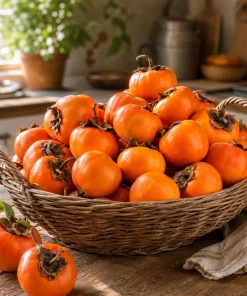
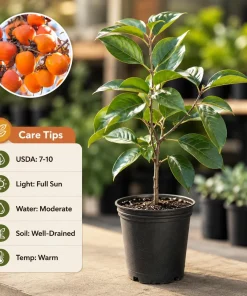
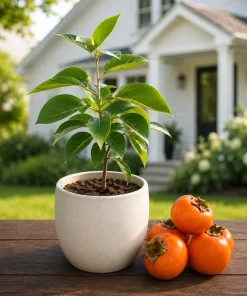
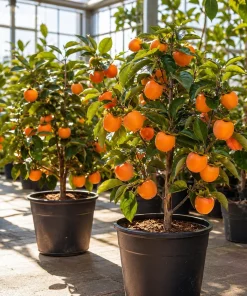
Sweet Persimmon Tree Live Plant, 6-12 Inch Tall, Quart Pot, Fruit Tree for Planting, Dormant
Original price was: $46.99.$21.99Current price is: $21.99.
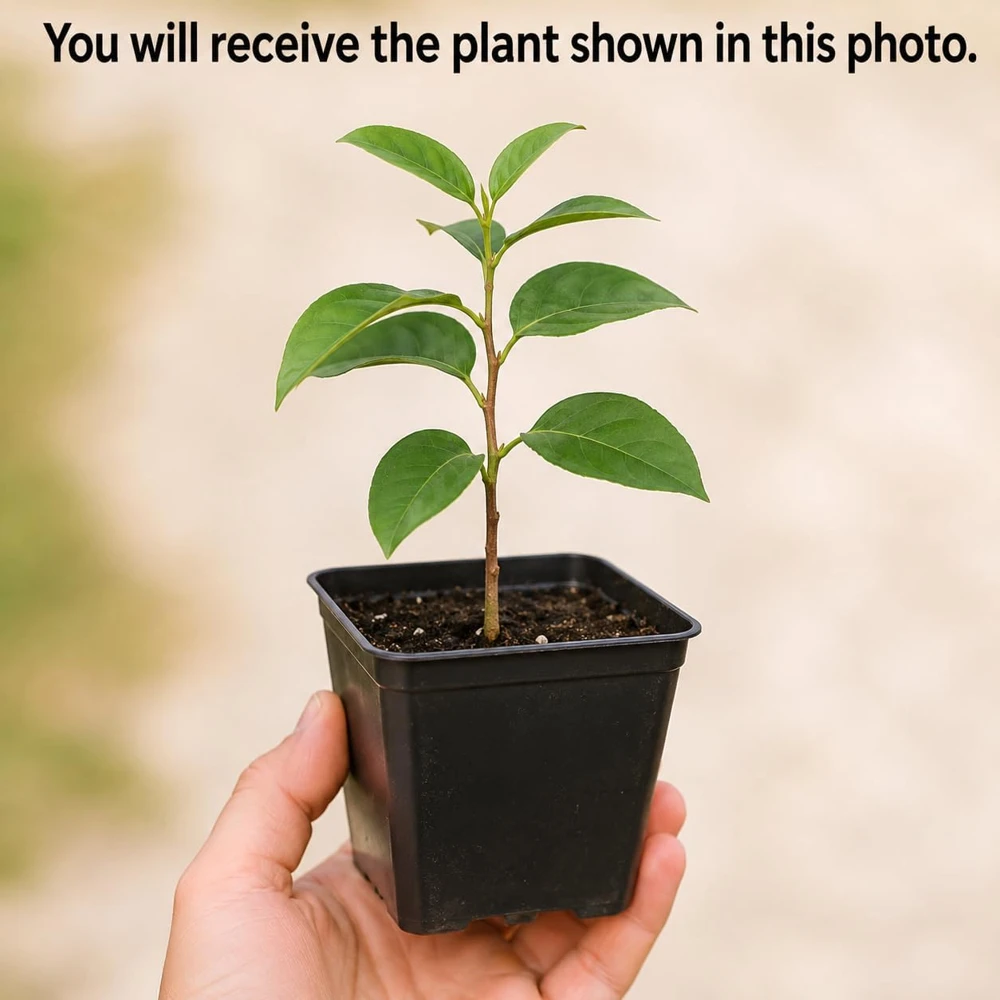
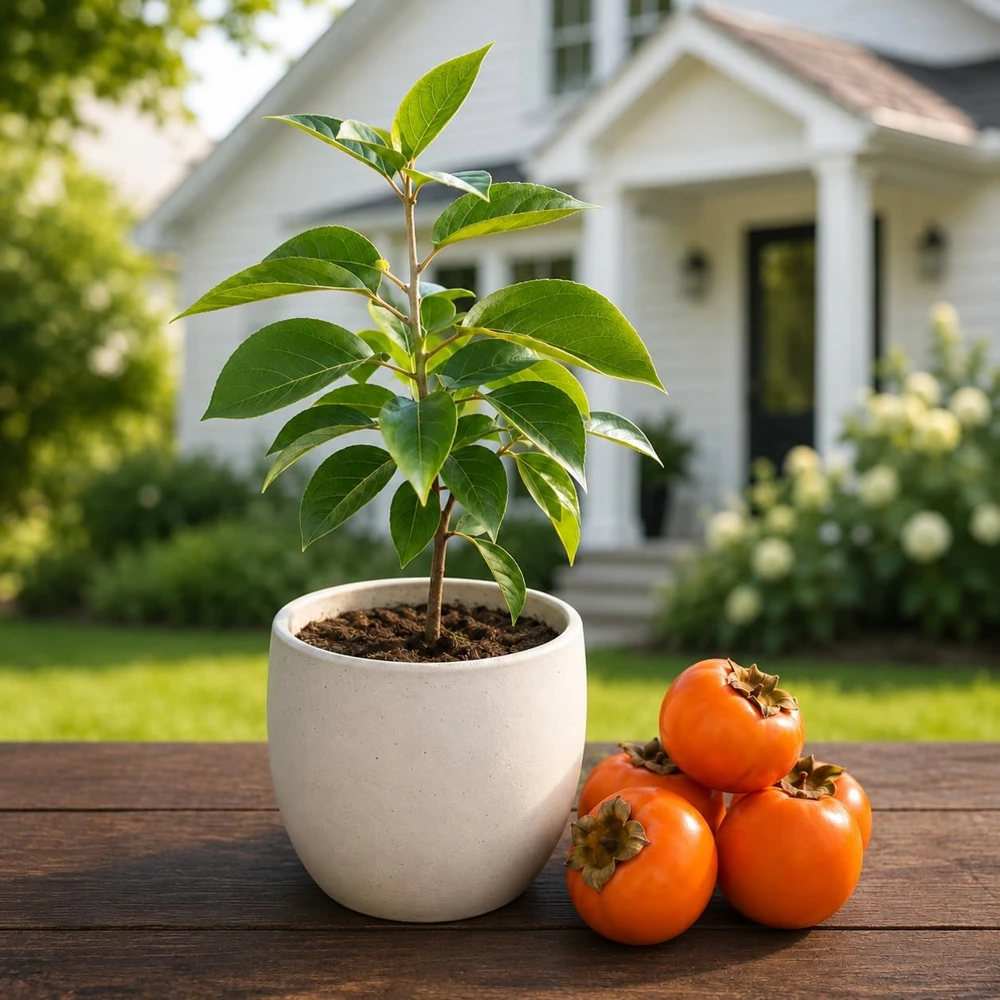
Bring the joy of homegrown fruit to your garden with this sweet persimmon tree live plant. Standing 6-12 inches tall in a quart pot, this young fruit tree is ready for planting. Enjoy its ornamental appeal and future bountiful harvests of sweet, non-astringent persimmons. It enters a natural dormant persimmon tree state in winter, essential for its health.
Estimated arrival
Oct 10
Oct 15 - Oct 17
Oct 20 - Oct 24
Shop With Confidence
30-Day Plant Health Guarantee
Arrives damaged? We’ll replace it free — see our return policy.
Responsive Support
Email us anytime, we reply within 1 business day.
Expert Packaging
Temperature-controlled shipping to protect your plants in transit.
Secure Checkout
Pay safely with Visa, Mastercard, PayPal.
Plant Specifications
-
USDA Hardiness Zone
USDA Zones 4-10 -
Soil Type
Well-draining, slightly acidic to neutral soil -
Sunlight Exposure
Full sun (6-8 hours daily) -
Expected Planting Period
Early spring or fall
Overview
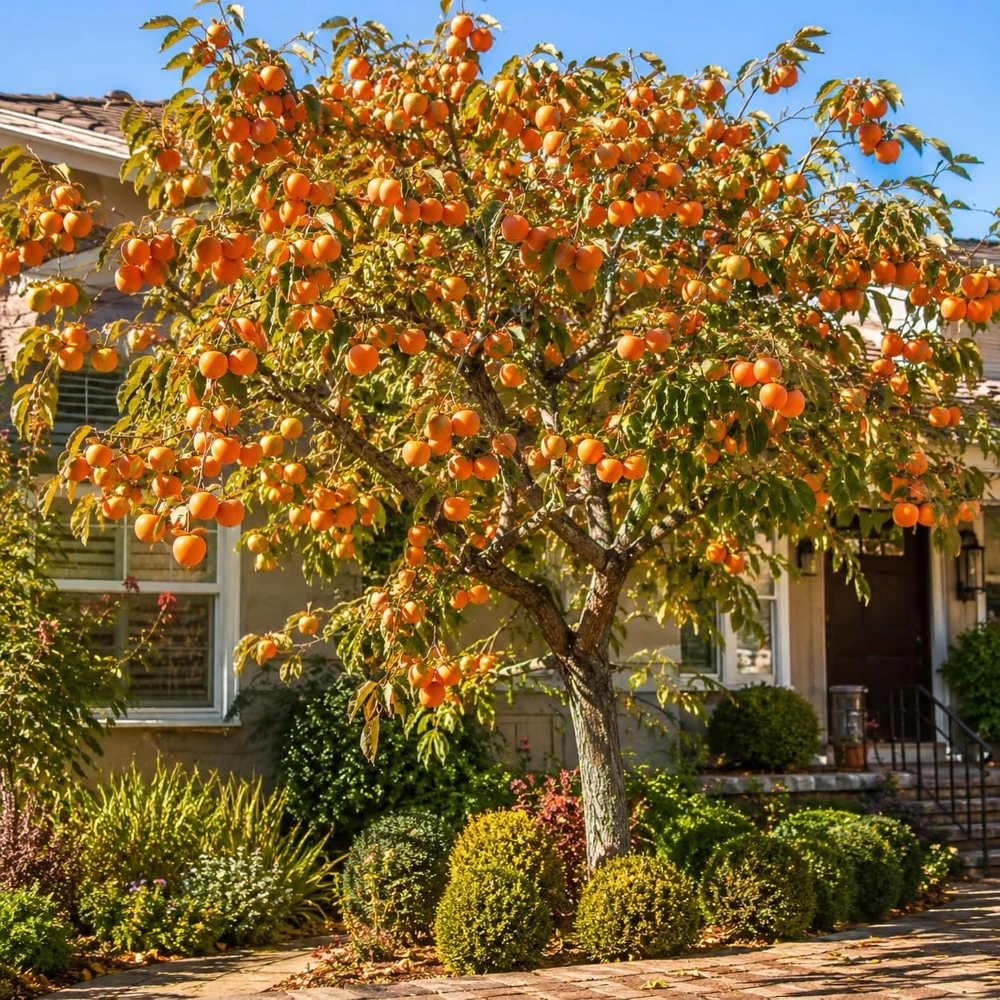
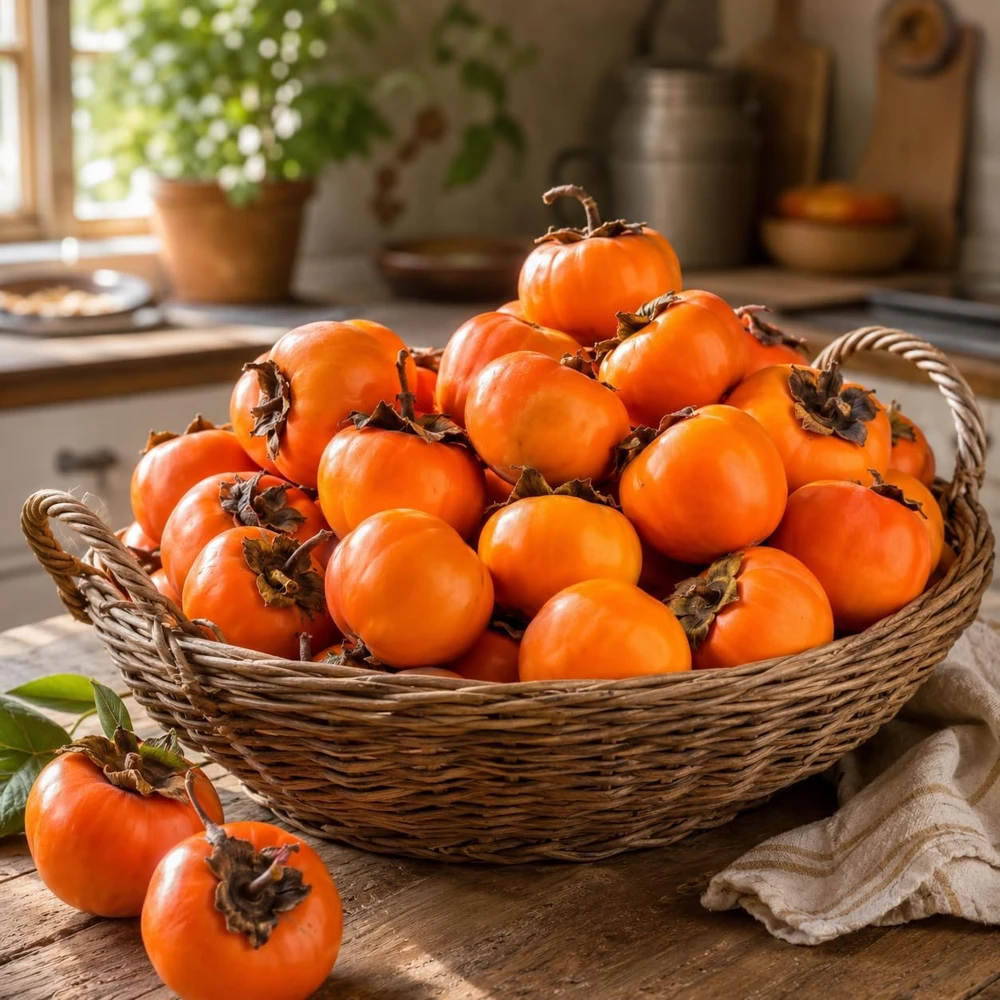
Introduce the delight of homegrown fruit to your landscape with a sweet persimmon tree live plant. This offering provides a healthy, young persimmon tree, typically 6-12 inches tall, carefully cultivated in a quart-sized pot. Known for its delectable, sweet fruit, the persimmon (Diospyros kaki) is a beautiful and productive addition to any garden. This deciduous fruit tree enters a natural dormant state during winter, an essential period for its health and future fruit production. Ready for planting, this tree will establish itself and eventually yield a bountiful harvest of sweet, autumnal fruits, making it a rewarding choice for gardeners and fruit enthusiasts alike. Persimmon trees are not only valued for their fruit but also for their ornamental appeal, boasting attractive foliage that turns vibrant shades in the fall. This particular variety is chosen for its sweet, non-astringent fruit, ensuring a pleasant eating experience. Whether you’re an experienced orchardist or a budding gardener, growing a sweet persimmon tree live plant offers a unique opportunity to enjoy fresh, organic fruit straight from your backyard.
Key Benefits
Investing in a persimmon tree brings a host of advantages to your home and garden. From fresh fruit to ecological benefits, this plant is a versatile choice, offering both beauty and bounty.
- Homegrown Delicious Fruit: Enjoy the rich, sweet flavor of fresh persimmons directly from your garden. Harvesting your own fruit ensures peak ripeness and superior taste compared to store-bought varieties, providing a truly unique culinary experience.
- Ornamental Value: Beyond its fruit, the persimmon tree offers significant aesthetic appeal with its lush green leaves and stunning fall color, adding beauty and visual interest to your landscape throughout the seasons.
- Adaptable & Resilient: This sweet persimmon tree live plant is suitable for a wide range of climates, thriving in USDA Zones 4-10, making it a robust choice for many gardeners. Its ability to go dormant in winter prepares it for cold temperatures, enhancing its resilience.
- Ecological Contribution: Planting fruit trees like the persimmon contributes to local biodiversity, providing food and habitat for pollinators and other wildlife, enriching your garden ecosystem and supporting a healthier environment.
- Long-Term Investment: A well-cared-for persimmon tree can produce fruit for many years, becoming a valuable and sustainable source of food for your family. Understanding persimmon plant care ensures a long and productive life for your tree, yielding rewards for decades.
- Educational Experience: Growing a fruit tree from a young plant offers a wonderful educational experience for families, teaching about plant life cycles, patience, and the rewards of gardening from seed to harvest.
- Healthy Eating: Persimmons are packed with vitamins, minerals, and antioxidants, offering a healthy and delicious addition to your diet. Cultivating your own ensures fresh, organic produce.
Plant Care & Growing Tips
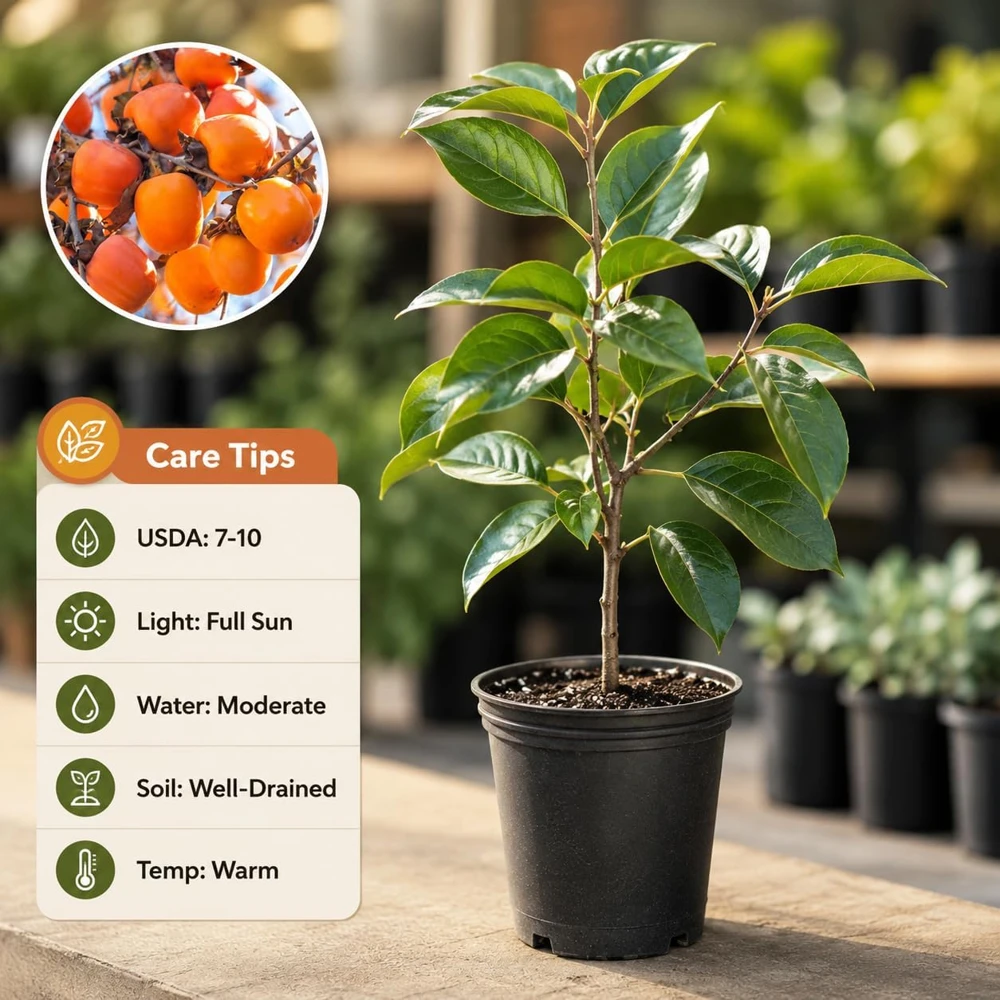
Proper care is essential for a thriving sweet persimmon tree live plant. Understanding its needs will ensure healthy growth and abundant fruit production. Persimmon trees prefer a location that receives full sun, meaning at least 6-8 hours of direct sunlight per day. This is crucial for fruit development and overall plant vigor. Ensure the planting site has well-draining soil to prevent root rot, as persimmons do not tolerate soggy conditions. A slightly acidic to neutral soil pH (6.0-7.0) is ideal. When considering how to grow persimmon tree successfully, site selection is paramount.
When planting, dig a hole twice as wide as the root ball and just as deep. Carefully place the tree, ensuring the top of the root ball is level with the ground. Backfill with soil, gently tamping to remove air pockets, and water thoroughly. During the establishment phase, water deeply and regularly, especially during dry spells. Once established, persimmon trees are relatively drought-tolerant but benefit from consistent moisture during fruit development. Fertilize in early spring with a balanced fruit tree fertilizer. Pruning should be done in late winter or early spring to shape the tree, remove dead or crossing branches, and encourage better fruit production. This dormant persimmon tree will require less active care in winter, but protection from harsh winds or extreme cold may be beneficial in colder zones. For those wondering, “Is this a fruit tree for zone 4?” Yes, this variety is resilient across a broad range of USDA zones, including Zone 4, due to its natural dormancy.
Size & Details
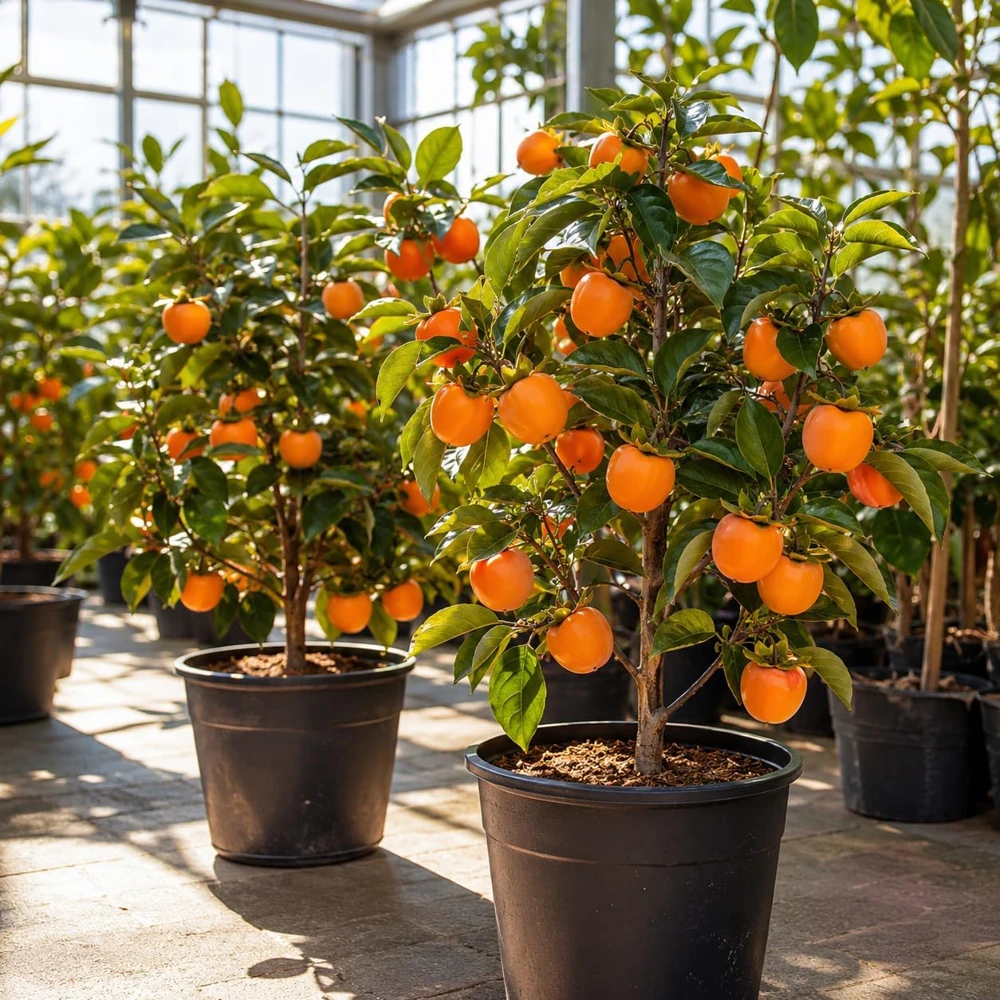
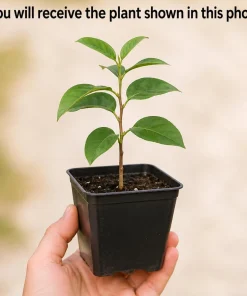
This offering includes one sweet persimmon tree live plant, typically measuring between 6 to 12 inches tall from the top of the soil to the tip of its highest branch. Each plant is carefully grown and shipped in a quart-sized pot, providing a healthy root system ready for transplanting into your garden or a larger container. Persimmon trees are moderate growers, reaching mature heights of 20-30 feet with a similar spread over many years, though they can be kept smaller with proper pruning. Expect fruit production to begin within 3-5 years after planting, with increasing yields as the tree matures. This deciduous tree will arrive in a dormant state during cooler months, which is completely normal and healthy, ensuring it’s ready to burst with new growth in spring.
Frequently Asked Questions
- Q: How big does this sweet persimmon tree live plant get? A: This young plant is 6-12 inches tall upon arrival. Mature persimmon trees can reach 20-30 feet tall and wide, but their size can be managed with pruning.
- Q: What size pot does it come in? A: The sweet persimmon tree live plant is shipped in a quart-sized nursery pot, providing ample space for its initial root development.
- Q: Is this an indoor or outdoor plant? A: Persimmon trees are outdoor fruit trees. They require full sun and space to grow, making them unsuitable for long-term indoor cultivation.
- Q: How much sunlight does it need? A: For optimal growth and fruit production, your persimmon tree needs at least 6-8 hours of direct sunlight per day.
- Q: Is this plant easy to care for? A: With proper initial planting and understanding persimmon plant care basics, these trees are relatively low-maintenance once established, making them a rewarding choice for gardeners.
- Q: What condition will it arrive in? A: During fall and winter, the plant will arrive as a dormant persimmon tree, appearing to have no leaves. This is a natural and healthy state, indicating it’s ready for spring growth.
- Q: When is the best time to plant? A: The best time to plant a persimmon tree is in early spring or fall, allowing the roots to establish before extreme temperatures.
- Q: Will it survive winter in my zone? A: This variety is a robust fruit tree for zone 4 through 10. Its natural dormancy allows it to withstand colder temperatures, though protection in extreme conditions is always beneficial.
- Q: How long until it produces fruit? A: You can typically expect your sweet persimmon tree live plant to begin producing fruit within 3-5 years after planting, with yields increasing as the tree matures.
- Q: What type of soil is best for persimmons? A: Persimmon trees prefer well-draining soil with a slightly acidic to neutral pH (6.0-7.0). Avoid soggy conditions to prevent root rot.
Be the first to review “Sweet Persimmon Tree Live Plant, 6-12 Inch Tall, Quart Pot, Fruit Tree for Planting, Dormant”
People Also Viewed



Reviews
There are no reviews yet.