
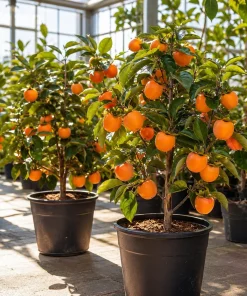
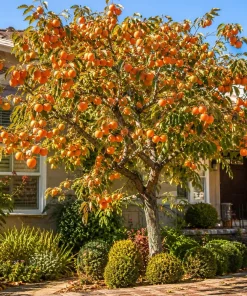
Sweet Persimmon Live Plant – 6-12 Inch Tall Tree in Quart Pot – Outdoor
Original price was: $46.99.$21.99Current price is: $21.99.
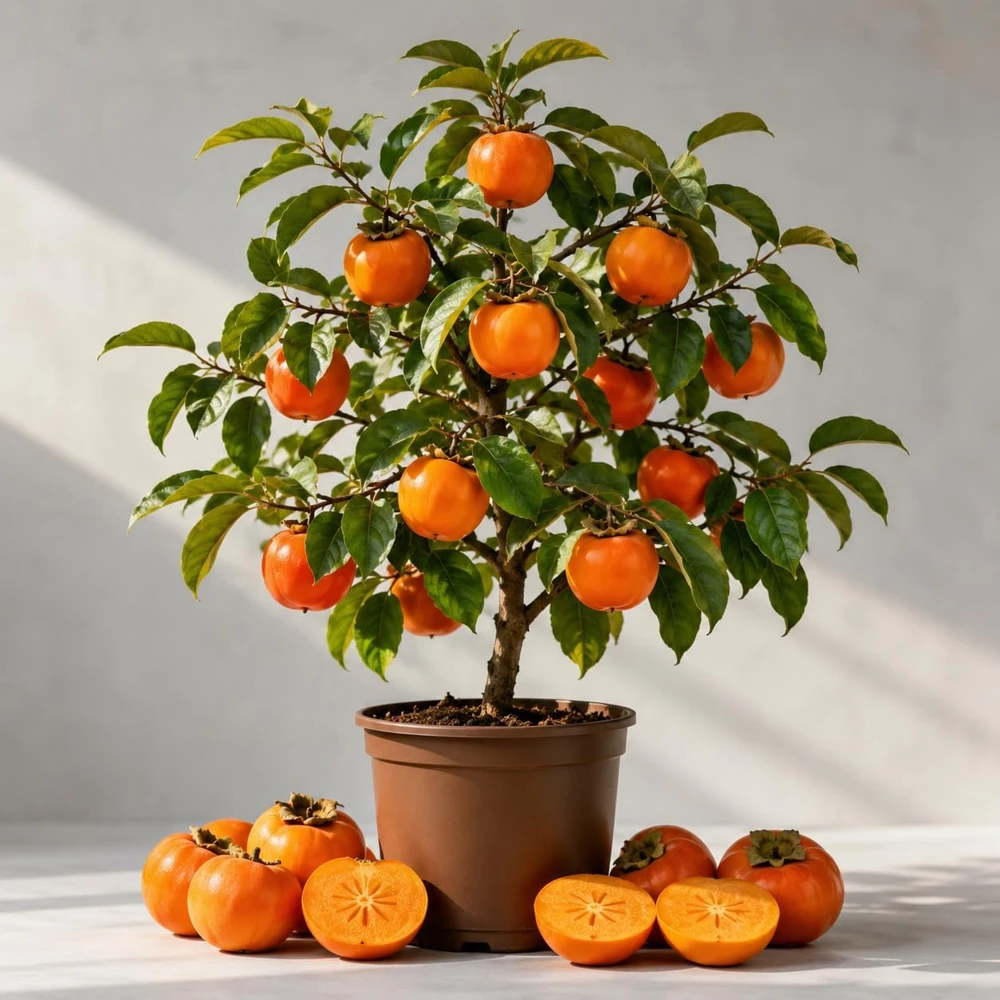
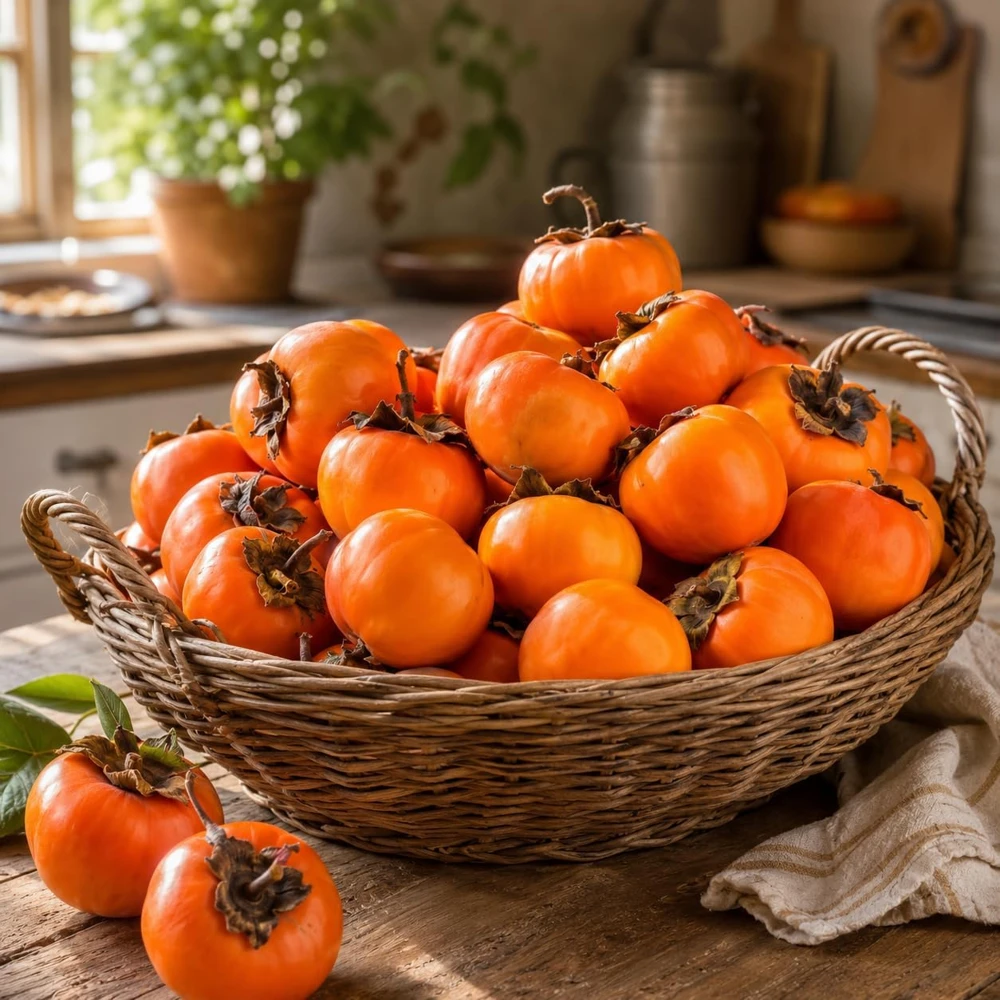
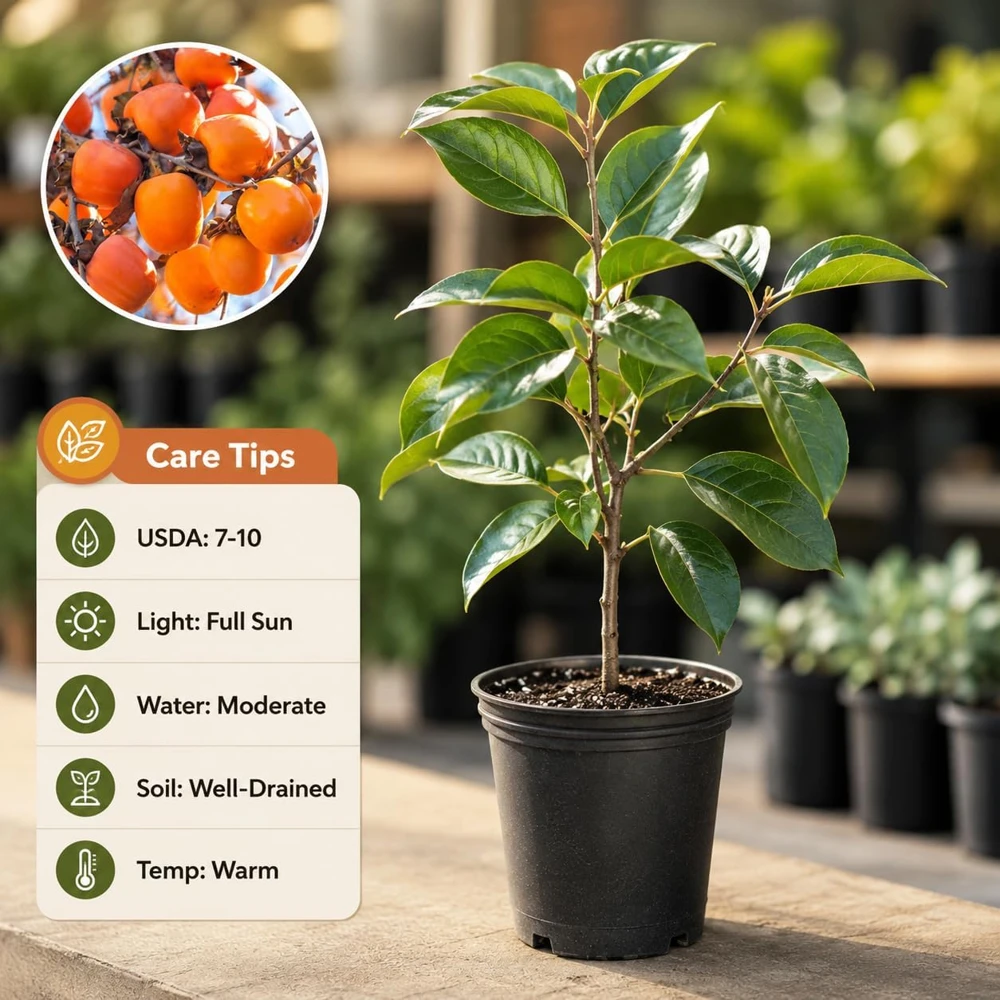
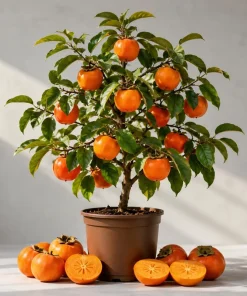
Bring the joy of home-grown fruit to your garden with this vibrant persimmon live plant. This young sweet persimmon tree, 6-12 inches tall and well-rooted in a quart pot, is ready for planting. Enjoy delicious, nutrient-rich fruit and beautiful fall foliage, making it a rewarding addition to any edible landscape.
Estimated arrival
Oct 10
Oct 15 - Oct 17
Oct 20 - Oct 24
Shop With Confidence
30-Day Plant Health Guarantee
Arrives damaged? We’ll replace it free — see our return policy.
Responsive Support
Email us anytime, we reply within 1 business day.
Expert Packaging
Temperature-controlled shipping to protect your plants in transit.
Secure Checkout
Pay safely with Visa, Mastercard, PayPal.
Plant Specifications
-
USDA Hardiness Zone
USDA Zones 4-10 -
Soil Type
Well-draining sandy loam or loamy soil -
Sunlight Exposure
Full sun (6-8 hours daily) -
Expected Planting Period
Early spring or fall
Overview
Introduce the delight of fresh, home-grown fruit to your garden with this vibrant persimmon live plant. This young sweet persimmon tree is ready for planting, offering the promise of delicious, nutrient-rich fruit in the coming seasons. Known botanically as Diospyros kaki, the persimmon is cherished for its beautiful foliage, ornamental appeal, and, most importantly, its sweet, flavorful fruit. This specimen arrives well-rooted in a quart pot, ensuring a strong start in your garden. Whether you’re an experienced gardener or just starting your edible landscape, this persimmon tree is a rewarding addition. Our persimmon live plant is carefully nurtured to thrive. It’s a robust specimen, typically 6-12 inches tall, making it easy to handle and plant. Persimmons are a fantastic choice for temperate climates, providing seasonal beauty and a bountiful harvest. They are relatively low-maintenance once established, offering a long-term investment in your home’s edible landscape. Cultivating your own persimmon allows you to enjoy fresh, organic fruit right from your backyard, a truly satisfying experience.
Key Benefits
Adding a persimmon live plant to your garden offers numerous advantages, from its aesthetic appeal to the delicious fruit it produces. This sweet persimmon tree is a versatile and valuable addition to any home orchard or garden space, promising years of beauty and bounty.
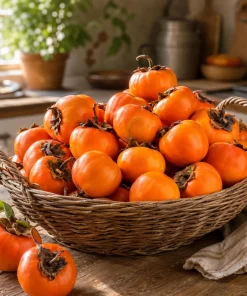
- Delicious Fruit Production: Enjoy a harvest of sweet, flavorful persimmons directly from your own tree. These fruits are perfect for fresh eating, baking, or preserves, offering a unique taste and texture. Growing your own ensures you have access to fresh, organic produce.
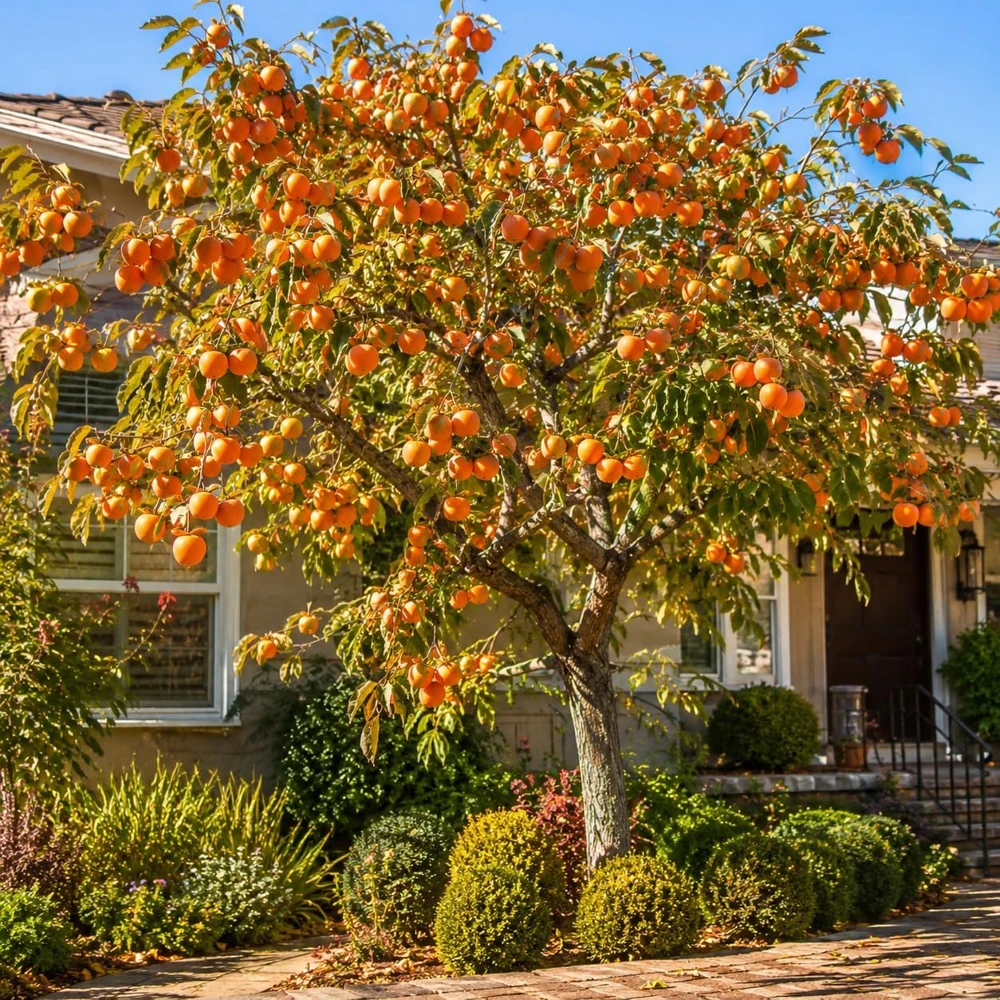
- Ornamental Garden Feature: Beyond its fruit, the persimmon tree provides significant visual appeal. Its lush green leaves turn brilliant shades of red, orange, and yellow in the fall, making it a stunning landscape plant. It adds seasonal interest to any garden.
- Hardy and Adaptable: This particular persimmon variety is well-suited for a wide range of climates, thriving in USDA Zones 4-10. This adaptability makes it a reliable choice for many gardeners looking to plant persimmon trees in various regions.
- Easy to Grow for Beginners: Persimmon trees are generally low-maintenance once established. They require minimal fuss compared to some other fruit trees, making them an excellent option for those new to fruit tree cultivation and an excellent choice for persimmon tree care.
- Nutrient-Rich Harvest: Persimmons are packed with vitamins, minerals, and antioxidants, contributing to a healthy diet. Growing your own ensures you have access to fresh, organic produce right at your fingertips.
- Attracts Wildlife: The fruits can attract beneficial wildlife, such as birds, adding ecological diversity to your garden environment. It creates a lively ecosystem.
- Long Lifespan: A well-cared-for sweet persimmon tree can produce fruit for many decades, becoming a lasting feature of your landscape and a generational asset.
Plant Care & Growing Tips
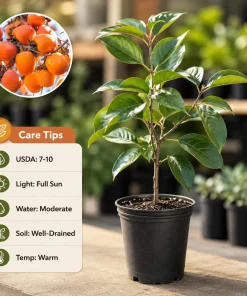
Caring for your persimmon live plant is straightforward, especially with the right guidance. To ensure your sweet persimmon tree flourishes, pay close attention to its needs for sunlight, water, soil, and temperature. This particular variety is quite resilient, making it a rewarding plant to grow. Persimmon trees thrive in full sun, requiring at least 6-8 hours of direct sunlight daily to produce the best fruit. Choose a location in your garden that receives ample sun exposure throughout the day. While they can tolerate some partial shade, fruit production may be reduced. During the establishment phase, water your young persimmon live plant deeply and regularly. The soil should remain consistently moist but not waterlogged. Once established, persimmon trees become more drought-tolerant, but still benefit from deep watering during dry spells. Persimmons prefer well-draining soil with a pH between 6.0 and 7.0. A sandy loam or loamy soil enriched with organic matter is ideal. Avoid heavy clay soils that retain too much moisture. These trees are hardy in USDA Zones 4-10, meaning they can tolerate a wide range of temperatures. They are dormant in winter and can withstand cold temperatures when established. Fertilize in early spring with a balanced fertilizer, avoiding high-nitrogen formulas which can promote foliage growth over fruit production. Common problems like powdery mildew or fruit drop can often be managed with proper air circulation, watering, and pruning. Consistent persimmon tree care will ensure a healthy and productive plant.
Size & Details
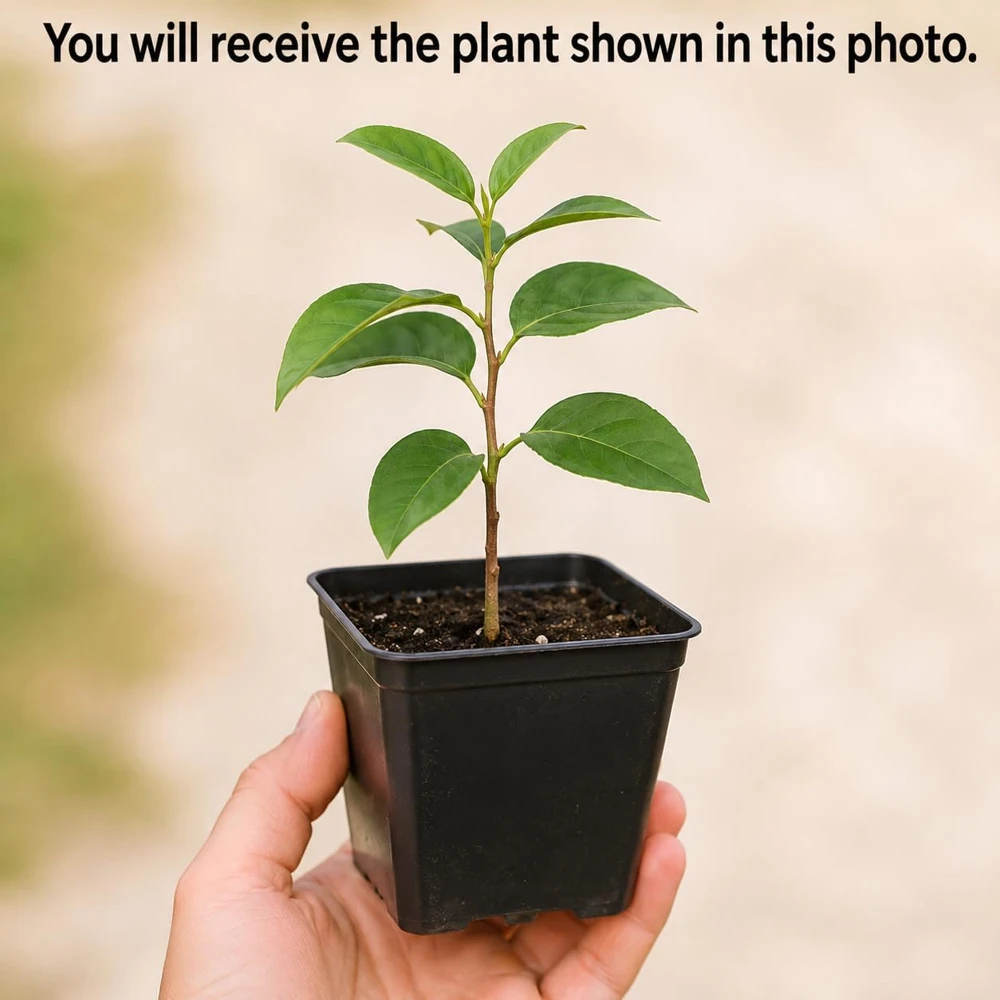
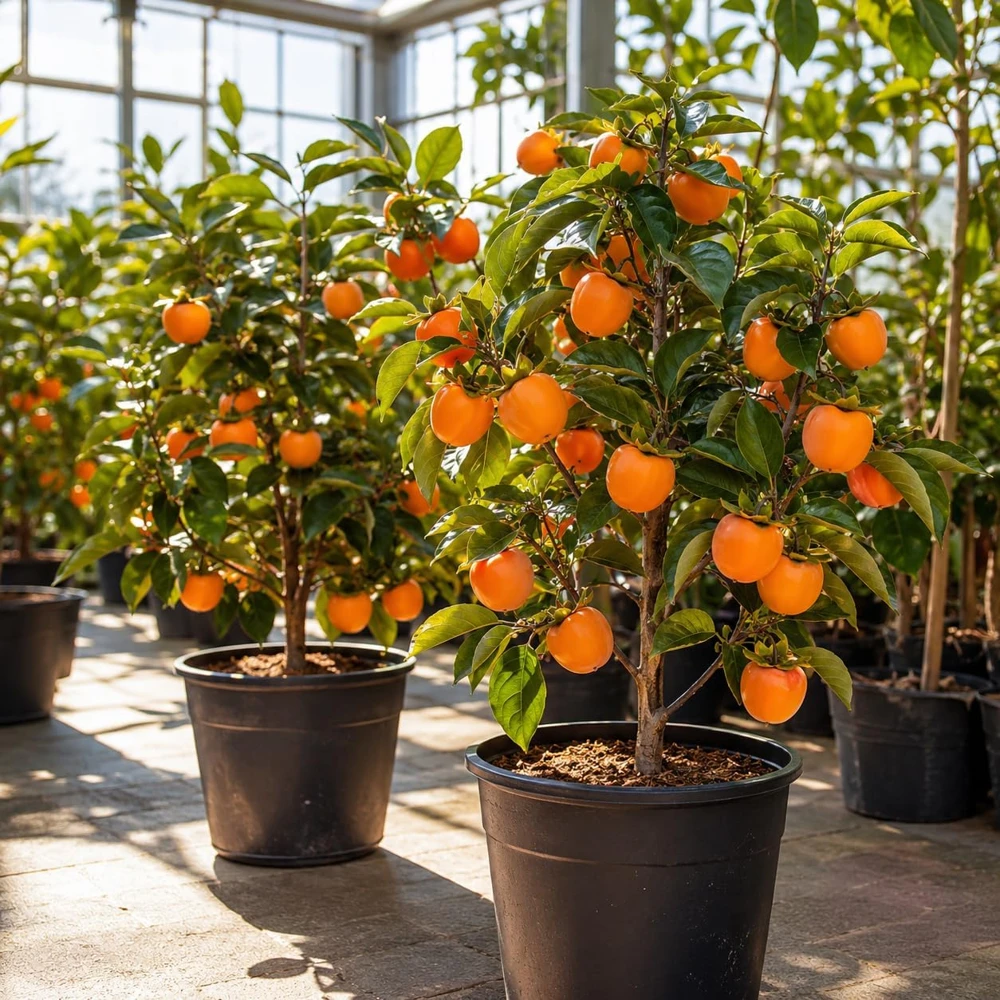
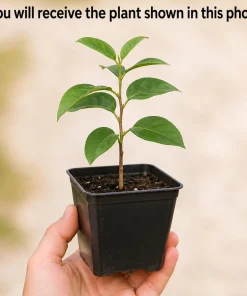
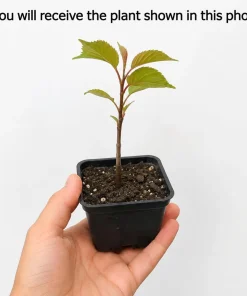
This persimmon live plant is a young, vigorous specimen, typically arriving 6-12 inches tall from the top of the soil. It is well-rooted and established in a quart-sized nursery pot, providing a robust foundation for transplanting into your garden. While dormant in winter, the plant will emerge with new growth in spring, ready to thrive. Persimmon trees have a moderate growth rate, eventually reaching heights of 15-25 feet with a similar spread, depending on variety and growing conditions. Expect your tree to begin producing fruit within 3-5 years after planting, with yields increasing as the tree matures. This long-lived tree will become a cherished part of your landscape for many decades, offering both ornamental beauty and a bountiful harvest. When you buy persimmon plant, you’re investing in future deliciousness.
Frequently Asked Questions
- Q: How big does this persimmon live plant get? A: This young persimmon live plant typically arrives 6-12 inches tall in a quart pot. Mature trees can reach 15-25 feet tall and wide, depending on the variety and growing conditions.
- Q: Is this an indoor or outdoor plant? A: This sweet persimmon tree is primarily an outdoor plant, suited for garden planting. It thrives in full sun and is hardy in USDA Zones 4-10.
- Q: How much sunlight does this sweet persimmon tree need? A: For optimal growth and fruit production, your sweet persimmon tree requires at least 6-8 hours of direct sunlight daily. Choose a sunny spot in your garden.
- Q: Is this plant easy to care for? A: Yes, persimmon trees are generally considered low-maintenance once established, making them a good choice for both experienced and beginner gardeners. Proper persimmon tree care includes adequate sun and water.
- Q: What condition will it arrive in? A: Your persimmon live plant will arrive well-rooted in a quart pot. It may be dormant if ordered during cooler months, which is normal for this tree type.
- Q: When is the best time to plant persimmon? A: The best time for planting persimmon trees is typically in early spring or fall when temperatures are moderate. This allows the roots to establish before extreme weather.
- Q: Will it survive winter in my zone? A: This persimmon variety is hardy in USDA Zones 4-10. If you are within these zones, your tree should successfully overwinter once established.
- Q: How long until it produces fruit? A: You can typically expect your persimmon tree to start producing fruit within 3-5 years after planting, with yields increasing as the tree matures.
- Q: What kind of soil is best for planting persimmon trees? A: Persimmon trees prefer well-draining soil with a pH between 6.0 and 7.0. A sandy loam or loamy soil enriched with organic matter is ideal.
- Q: Why should I buy persimmon plant for my garden? A: When you buy persimmon plant, you’re investing in a beautiful ornamental tree that provides delicious, nutritious fruit, enhances garden biodiversity, and offers long-term satisfaction.
Be the first to review “Sweet Persimmon Live Plant – 6-12 Inch Tall Tree in Quart Pot – Outdoor”
People Also Viewed

Reviews
There are no reviews yet.