

Dappled Willow Live Plant – Salix integra ‘Hakuro Nishiki’ – 6-12 Inch Tall in 2.5″ Pot – Outdoor Shrub
Original price was: $39.99.$24.99Current price is: $24.99.
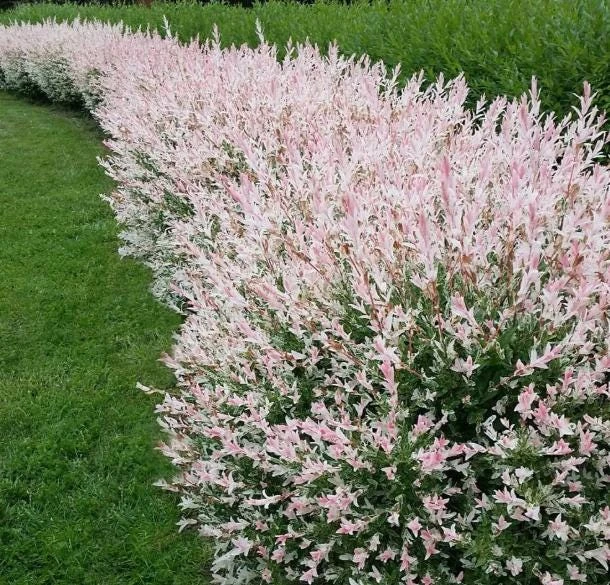
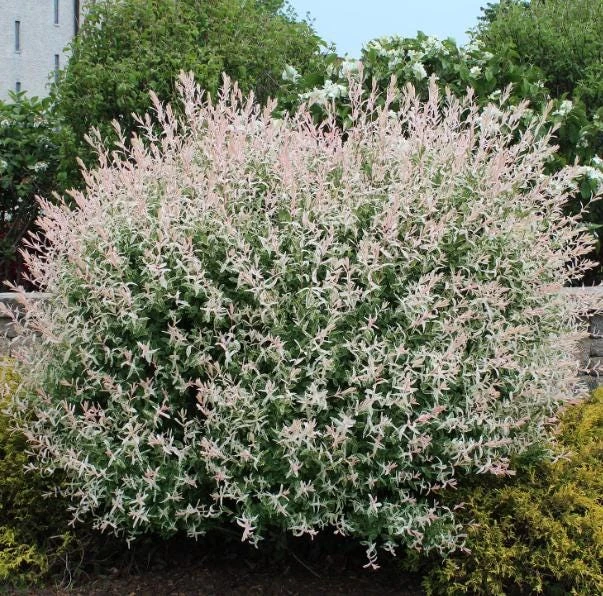
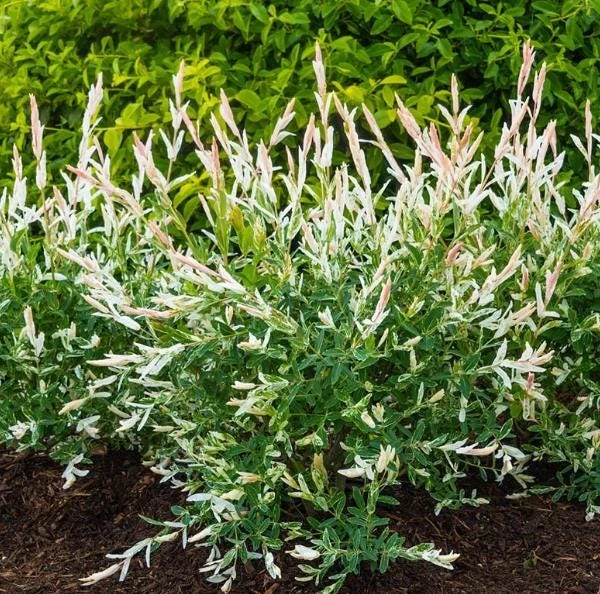
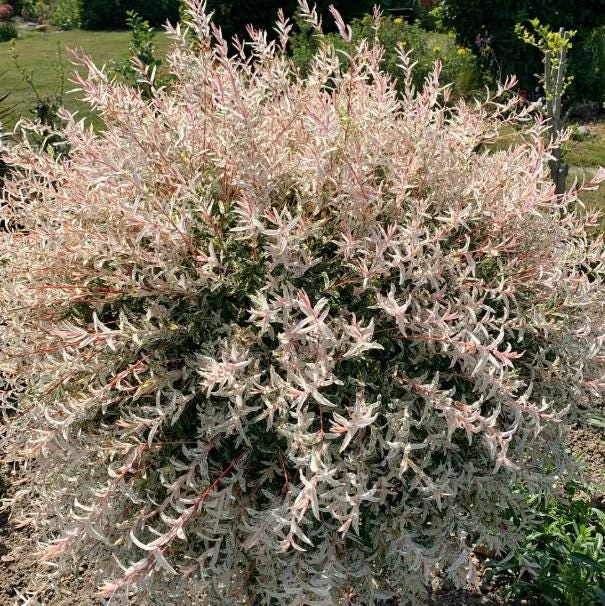
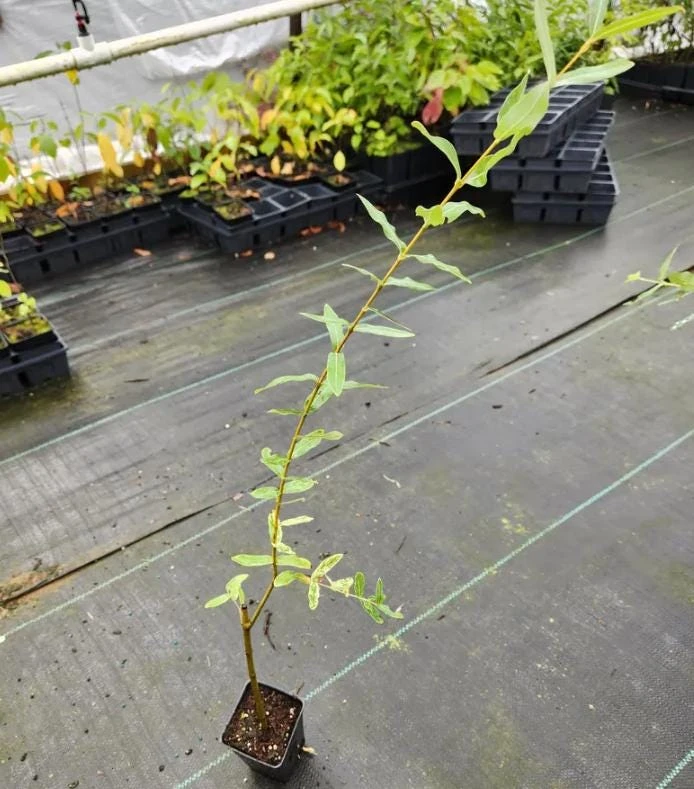
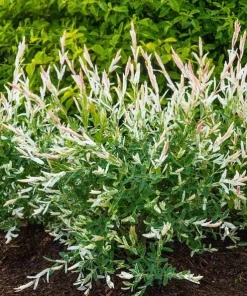
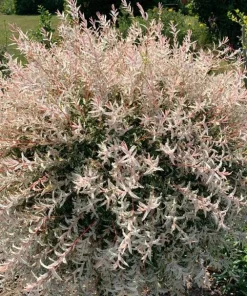
Introduce a vibrant dappled willow live plant to your garden. This Salix integra ‘Hakuro Nishiki’ features stunning pink, white, and green variegated foliage, offering continuous visual interest as an outdoor ornamental plant. Arrives 6-12 inches tall in a 2.5-inch pot, ready to thrive.
Estimated arrival
Oct 10
Oct 15 - Oct 17
Oct 20 - Oct 24
Shop With Confidence
30-Day Plant Health Guarantee
Arrives damaged? We’ll replace it free — see our return policy.
Responsive Support
Email us anytime, we reply within 1 business day.
Expert Packaging
Temperature-controlled shipping to protect your plants in transit.
Secure Checkout
Pay safely with Visa, Mastercard, PayPal.
Plant Specifications
-
USDA Hardiness Zone
USDA zones 4-9 -
Soil Type
Well-draining, consistently moist, loamy soil -
Sunlight Exposure
Full sun to partial shade -
Expected Planting Period
Spring to early fall
Overview
Introduce a splash of vibrant color and unique texture to your garden with the stunning dappled willow live plant. Known botanically as Salix integra ‘Hakuro Nishiki’, this deciduous shrub is a true showstopper, celebrated for its distinctive variegated foliage. The leaves emerge in spring with a beautiful blend of pink, white, and green, creating a dynamic, dappled effect that brightens any landscape. As the seasons progress, the colors deepen, offering continuous visual interest throughout the growing season. This particular offering is for a healthy dappled willow live plant, measuring 6 to 12 inches tall and established in a 2.5-inch pot. The Salix integra ‘Hakuro Nishiki’ is a versatile ornamental plant, perfect for hedges, borders, or as a standalone specimen. It typically arrives dormant in winter, ready to burst into life with its characteristic vibrant display as temperatures rise.
Its graceful, arching branches contribute to an elegant form that can be pruned into various shapes, from a compact shrub to a small, multi-stemmed tree. Whether you’re an experienced gardener or just starting, the easy-to-grow nature and captivating beauty of this variegated willow plant make it an excellent choice for enhancing your outdoor space.
Key Benefits
The dappled willow live plant offers a multitude of benefits, making it a highly desirable addition to any garden or landscape. Its unique aesthetic and robust nature contribute to a beautiful and thriving environment, providing continuous joy from spring through fall.
- Stunning Variegated Foliage: The primary appeal of the dappled willow live plant is its vibrant foliage, which displays an exquisite mix of pink, white, and green. This dynamic coloration provides continuous visual interest from spring through fall, ensuring your garden always looks lively and fresh.
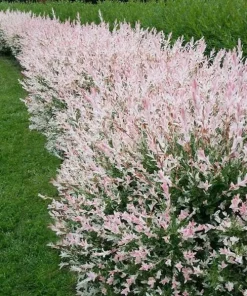
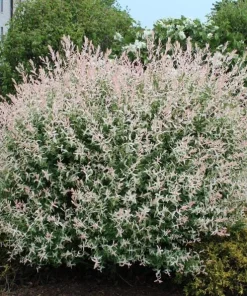
- Versatile Landscaping Use: This shrub can be used in various garden settings. It makes an excellent specimen plant, a colorful hedge, or can be incorporated into mixed borders. Its adaptability allows for creative landscaping designs, making it a fantastic outdoor ornamental plant.
- Graceful Form and Texture: With its slender, arching branches, the dappled willow adds a soft, flowing texture to the garden. This elegant form can be maintained through pruning, allowing you to shape it to fit your specific design needs.
- Relatively Low Maintenance: Once established, the Salix integra ‘Hakuro Nishiki’ requires minimal care. It tolerates a range of soil types and is generally pest and disease resistant, making it suitable for busy gardeners.
- Fast Growing: This shrub is known for its relatively fast growth rate, quickly filling in spaces and providing a substantial presence in the garden. This means you won’t have to wait long to enjoy its full beauty.
- Attracts Pollinators: While primarily grown for its foliage, the dappled willow’s early spring catkins can provide a food source for early emerging pollinators, contributing to local biodiversity.
- Hardy and Resilient: Tolerant of various conditions within its USDA zones, this variegated willow plant is quite hardy and can withstand different weather patterns, ensuring long-term enjoyment.
Plant Care & Growing Tips
Proper care is essential to ensure your dappled willow live plant thrives and displays its most vibrant colors. This deciduous shrub is relatively easy to care for, but understanding its specific needs will help it flourish. For optimal growth and coloration, the dappled willow prefers a location with full sun to partial shade. Full sun encourages the most intense pink and white variegation in the leaves, while partial shade can help prevent leaf scorch in hotter climates, especially in warmer zones. Aim for at least 6 hours of direct sunlight daily for best results.
When it comes to watering, the Salix integra ‘Hakuro Nishiki’ prefers consistently moist soil, especially during its establishment period. Do not allow the soil to dry out completely. Well-draining soil is crucial to prevent root rot. A good quality, loamy soil enriched with organic matter will provide the ideal environment. Fertilize in early spring with a balanced, slow-release granular fertilizer to support vigorous growth and vibrant foliage. Pruning is key to maintaining its shape and encouraging new, colorful growth; prune in late winter or early spring before new growth appears. Understanding dappled willow care is straightforward, making it a rewarding addition to any landscape.
This hardy plant is generally resistant to pests and diseases. Monitor for common issues like aphids or powdery mildew, though they are rarely severe. The dappled willow is tolerant of various conditions within its recommended USDA hardiness zones, making it a robust and reliable choice for many gardeners. Proper mulching can help retain soil moisture and regulate soil temperature, further aiding in the plant’s health and vitality.
Size & Details
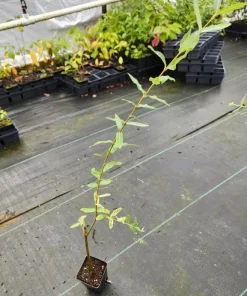
This offering includes one healthy dappled willow live plant, measuring between 6 to 12 inches tall from the base of the soil to the tip of the plant. It is established in a 2.5-inch nursery pot, providing a strong root system for transplanting. The variegated willow plant is known for its relatively fast growth rate, quickly reaching a mature height of 4-6 feet and a similar spread, though it can be maintained smaller with regular pruning. It typically arrives dormant during winter months, which is a natural state for this deciduous shrub, ensuring it is ready to burst forth with vibrant new growth in spring. Expect a graceful, arching form that adds elegance to any garden design.
Frequently Asked Questions
- Q: How big does this plant get? A: The dappled willow live plant typically grows to a mature height and spread of 4-6 feet, but its size can be easily managed with regular pruning to suit your garden space.
- Q: What condition will the plant arrive in? A: Your Salix integra ‘Hakuro Nishiki’ will arrive as a healthy, established plant in a 2.5-inch pot, measuring 6 to 12 inches tall. If ordered during colder months, it may arrive dormant, which is normal for this deciduous species.
- Q: How much sunlight does it need? A: For the most vibrant pink and white variegation, the dappled willow thrives in full sun (at least 6 hours of direct sunlight). It can tolerate partial shade, especially in hotter climates, but coloration may be less intense.
- Q: Is this an indoor or outdoor plant? A: This is primarily an outdoor ornamental plant, ideally suited for garden beds, borders, or as a specimen shrub. While it could temporarily be kept indoors in very specific conditions, it is not a typical houseplant.
- Q: Is this plant easy to care for? A: Yes, the dappled willow is considered relatively low maintenance once established. Basic dappled willow care involves consistent moisture, good drainage, and annual pruning to maintain its shape and encourage new growth.
- Q: When is the best time to plant? A: The best time to plant your dappled willow is in spring or early fall, allowing it ample time to establish its root system before extreme temperatures.
- Q: Will it survive winter in my zone? A: The dappled willow is quite hardy and typically thrives in USDA hardiness zones 4 through 9, capable of withstanding cold winter temperatures within this range.
- Q: Can I prune this plant to keep it small? A: Absolutely. The variegated willow plant responds very well to pruning. You can prune it in late winter or early spring to maintain a desired size and shape, which also encourages more vibrant new growth.
- Q: What kind of soil does it prefer? A: This plant prefers consistently moist, well-draining soil. A loamy soil enriched with organic matter is ideal for optimal growth and health.
- Q: Does this plant attract pollinators? A: While primarily grown for its foliage, the dappled willow produces small catkins in early spring that can provide an early food source for emerging pollinators.
Be the first to review “Dappled Willow Live Plant – Salix integra ‘Hakuro Nishiki’ – 6-12 Inch Tall in 2.5″ Pot – Outdoor Shrub”
People Also Viewed


Reviews
There are no reviews yet.