

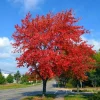
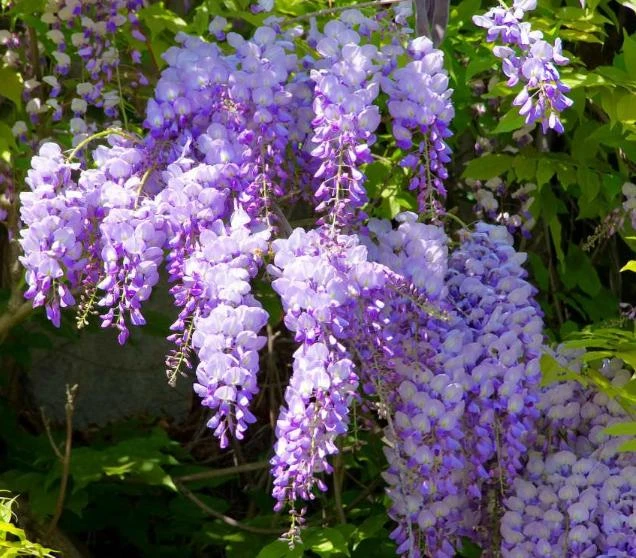
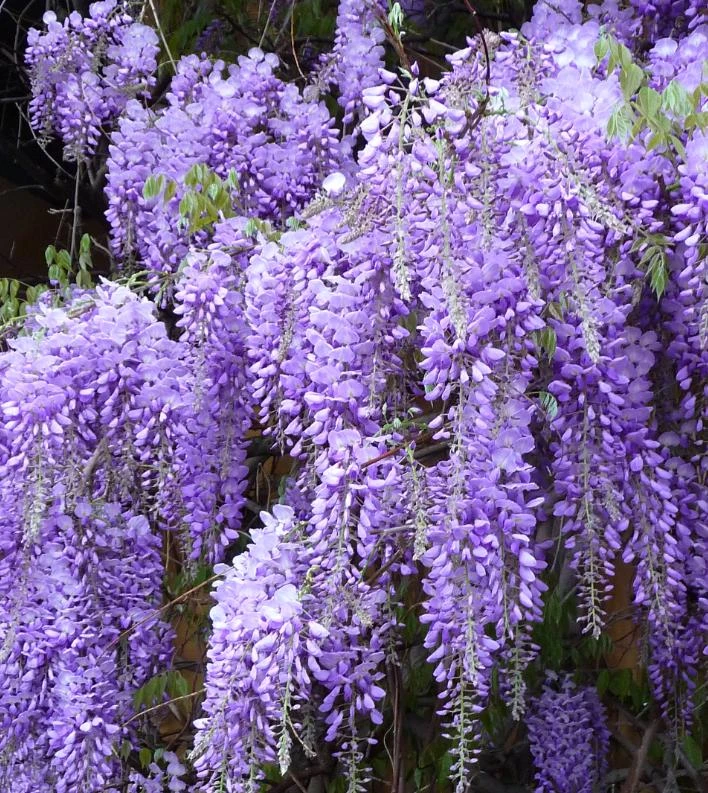
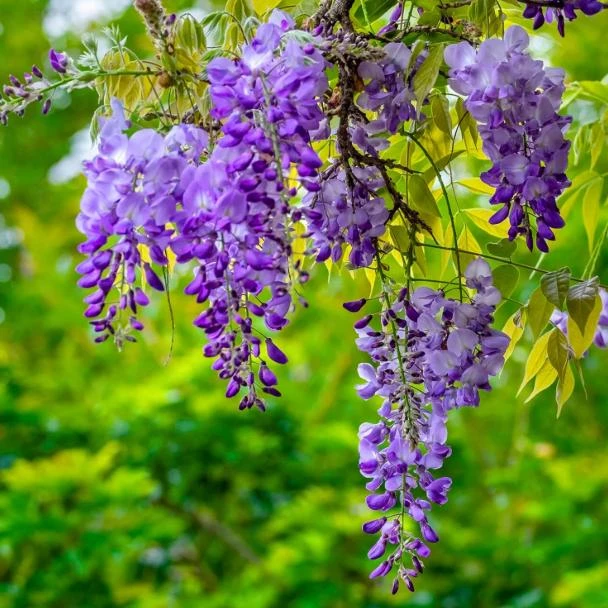
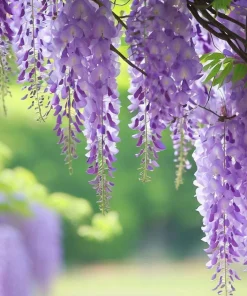
Purple Wisteria Tree Live Plant Set – 2 Dormant 6-8 inch Tall, 4 inch Pot, Outdoor
Original price was: $57.99.$42.99Current price is: $42.99.
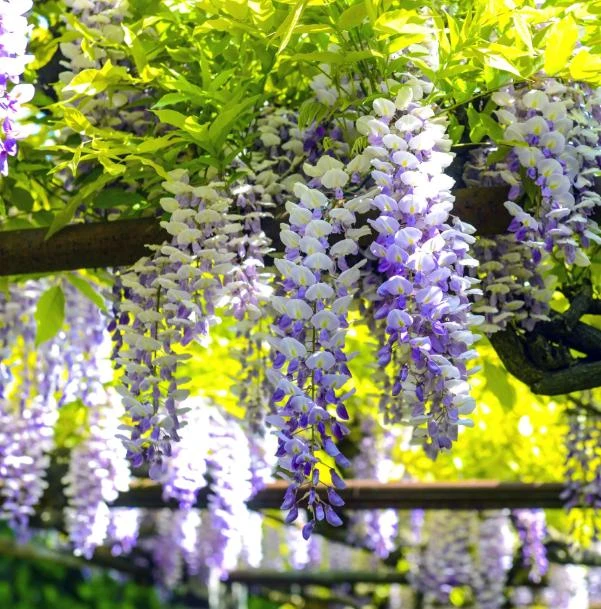
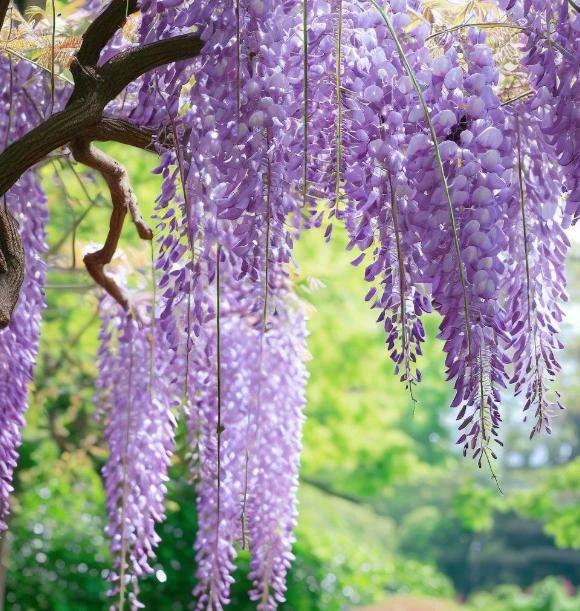
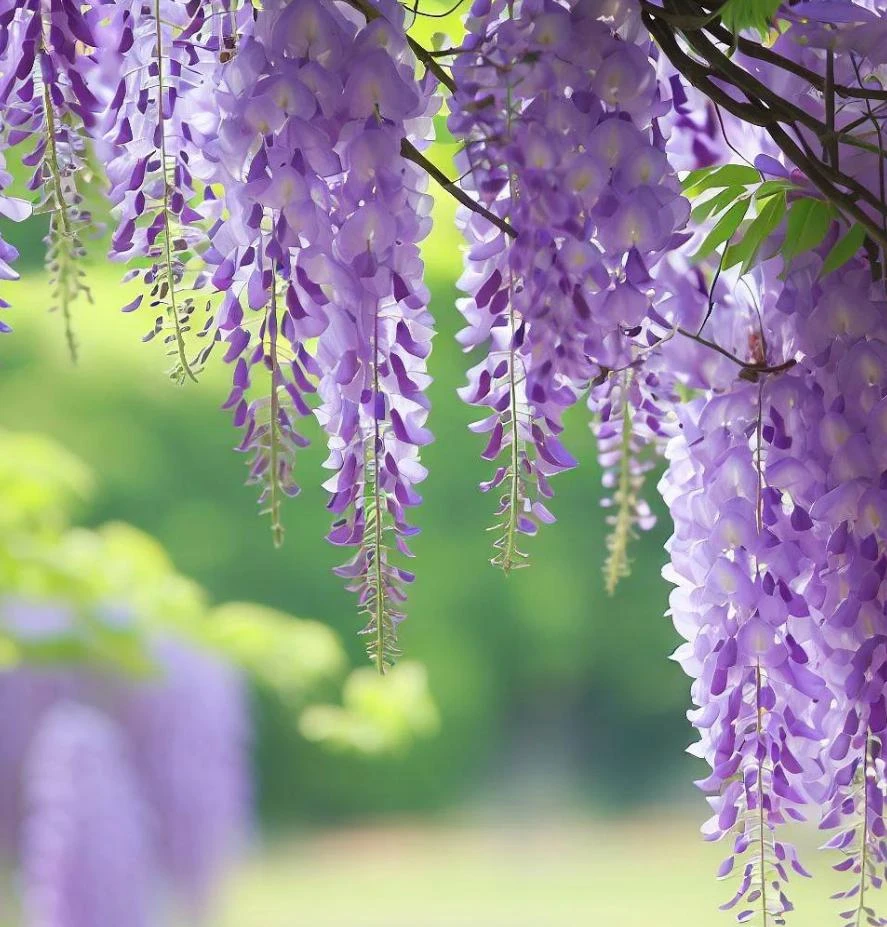
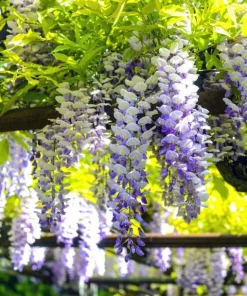
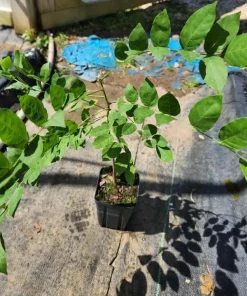
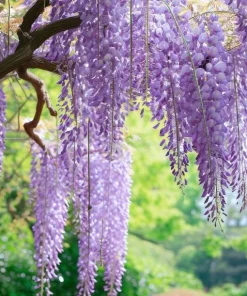
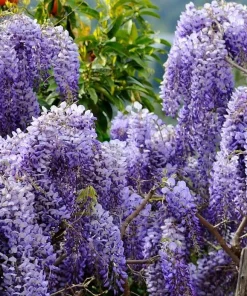
Enhance your outdoor space with this set of two purple wisteria tree live plants. These ornamental trees, 6 to 8 inches tall in 4-inch pots, are dormant in winter but will burst with spectacular cascading purple blooms in spring. An elegant focal point for any garden.
Estimated arrival
Oct 10
Oct 15 - Oct 17
Oct 20 - Oct 24
Shop With Confidence
30-Day Plant Health Guarantee
Arrives damaged? We’ll replace it free — see our return policy.
Responsive Support
Email us anytime, we reply within 1 business day.
Expert Packaging
Temperature-controlled shipping to protect your plants in transit.
Secure Checkout
Pay safely with Visa, Mastercard, PayPal.
Plant Specifications
-
USDA Hardiness Zone
5-9 -
Soil Type
Well-draining loamy soil -
Sunlight Exposure
Full sun (6-8 hours daily) -
Expected Planting Period
Early spring to early summer
Overview
Transform your outdoor living space with this exquisite purple wisteria tree live plant set. Celebrated for their breathtaking beauty, wisteria trees are ornamental, tree-shaped forms of the wisteria vine, offering a spectacular display of dramatic cascading flower clusters. This set includes two healthy plants, typically measuring 6 to 8 inches tall and supplied in 4-inch pots. During the winter months, these plants enter a dormant state, appearing without leaves, which is a natural and healthy part of their growth cycle. As spring arrives, they will awaken to produce their iconic purple blooms, making them a captivating addition to any landscape. The sculptural trunk and rounded canopy of a wisteria flowering tree create an elegant focal point, perfect for gardens, patios, and various landscape designs. Whether you’re a seasoned gardener or just starting, these magnificent plants promise to bring unparalleled charm and fragrance to your home.
These purple wisteria tree live plants are carefully cultivated to ensure robust growth and prolific flowering. Their unique growth habit makes them ideal for various garden applications, from standalone specimens to trained features on pergolas or arbors. The vibrant purple flowers not only add visual appeal but also attract beneficial pollinators, contributing to a healthy garden ecosystem. Prepare to be enchanted by the timeless beauty and fragrant blossoms these wisteria trees will bring to your landscape year after year.
Key Benefits
Adding a purple wisteria tree live plant to your garden provides numerous advantages beyond its obvious beauty. These trees are not only visually stunning but also offer a delightful sensory experience. Here are some key benefits:
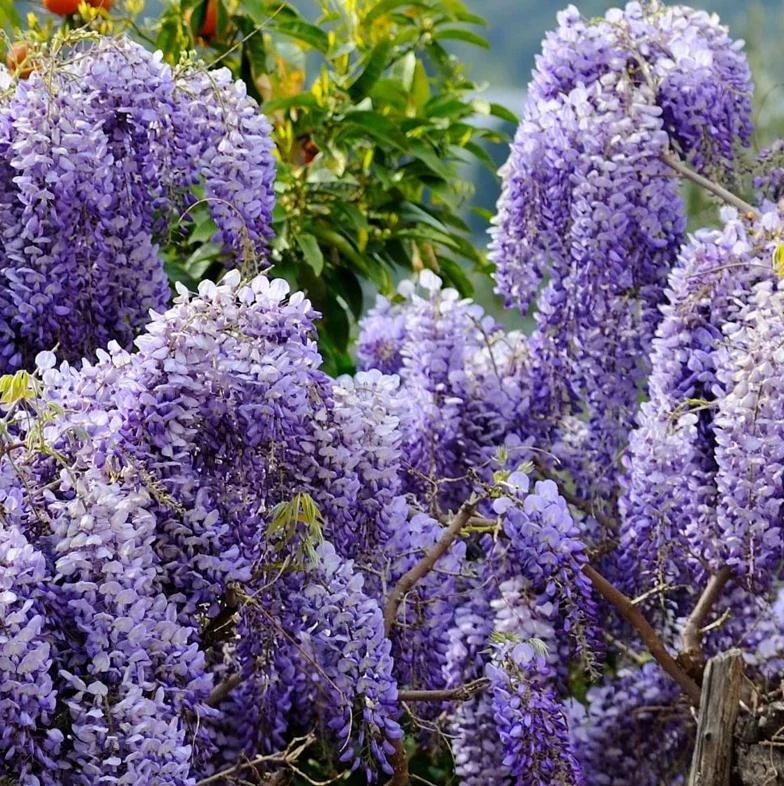
- Spectacular Floral Display: Enjoy an abundance of long, fragrant, cascading purple flower clusters that create a truly dramatic and unforgettable visual impact in spring and early summer. The sheer volume and vibrant color of the blooms are unparalleled, making your wisteria for garden a true showstopper.
- Elegant Landscape Focal Point: With their distinctive sculptural trunks and rounded canopies, these wisteria trees for garden serve as an elegant and sophisticated focal point, drawing the eye and enhancing the aesthetic appeal of any outdoor area. They provide vertical interest and a touch of classic charm.
- Attracts Pollinators: The fragrant flowers are a magnet for bees, butterflies, and other beneficial pollinators, contributing to the biodiversity and health of your garden ecosystem. This natural interaction enhances the vitality of your outdoor space.
- Moderate Maintenance: Once established, wisteria tree care is relatively straightforward, primarily requiring full sun and well-draining soil to thrive and produce abundant blooms. Their resilience makes them a rewarding choice for many gardeners.
- Drought Tolerance: While moderate watering is needed, established wisteria plants show good resilience to periods of drought, making them a robust choice for various climates within their hardiness zones. This reduces the need for constant attention.
- Long-Lived Beauty: Wisteria trees are known for their longevity, providing many years of beautiful blooms and structural interest to your garden. A well-cared-for purple wisteria tree live plant can become a cherished part of your landscape for decades, growing more impressive with age.
- Versatile Design Element: Ideal for pergolas, arbors, or as standalone specimens, their adaptable growth habit allows for creative landscaping possibilities, adding vertical interest and shade. This versatility makes them suitable for various garden styles.
Plant Care & Growing Tips
Proper wisteria tree care is essential to ensure your plants thrive and produce their magnificent blooms. Wisteria trees require specific conditions to flourish. They demand full sun exposure, meaning at least 6-8 hours of direct sunlight daily. This is crucial for optimal flowering; insufficient light will result in poor bloom production. Plant your wisteria in well-draining loamy soil. While adaptable, they prefer a rich, fertile substrate. Ensure the soil does not become waterlogged, as this can lead to root rot. Moderate watering is recommended, especially during dry spells and the plant’s establishment phase. Check the soil moisture regularly, allowing the top inch or two to dry out between waterings. During the winter, the dormant wisteria plant will appear without leaves, which is normal and healthy.
These plants are hardy in USDA Zones 5 to 9, tolerating a range of temperatures. Ideal growing temperatures are between 60°F and 85°F. Fertilize your purple wisteria tree live plant in early spring before new growth appears, using a balanced slow-release fertilizer or one with a higher phosphorus content to encourage blooming. Pruning is vital for wisteria; summer pruning helps control growth and promotes flower bud formation, while winter pruning shapes the plant and removes dead wood. Watch for pests like aphids or scale and treat with appropriate organic solutions if necessary. With consistent care, your wisteria will reward you with an abundance of stunning flowers.
Size & Details
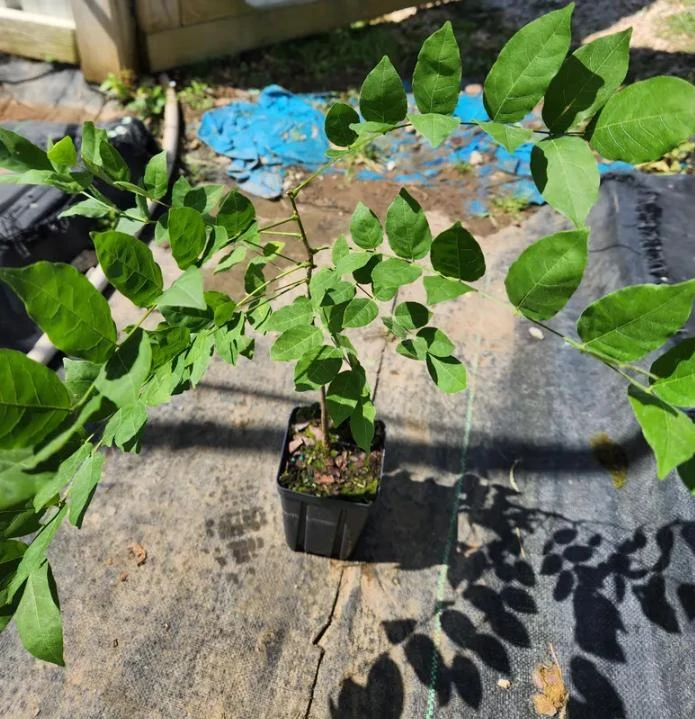
This offering includes two healthy purple wisteria tree live plants, each typically measuring 6 to 8 inches tall from the top of the soil. They are supplied in individual 4-inch nursery pots, providing a robust root system ready for transplanting into your garden. These young trees are in a dormant state during colder months, which is natural and ensures they establish well and burst into growth in spring. Wisteria is known for its moderate to fast growth rate once established, quickly developing its characteristic sculptural trunk and rounded canopy. Expect to see significant growth and the first magnificent purple blooms within a few years of planting, with the display becoming more spectacular with each passing season.
The mature size of a wisteria flowering tree can vary, but they generally reach heights of 10 to 25 feet with a spread of 10 to 15 feet, depending on pruning and growing conditions. The plants will arrive securely packaged to ensure their health during transit, ready for their new home in your garden. They are ideal for creating a stunning visual impact as a standalone specimen or for training on a sturdy support structure.
Frequently Asked Questions
- Q: How big will these wisteria trees get? A: These purple wisteria tree live plants are currently 6 to 8 inches tall. At maturity, they can reach heights of 10 to 25 feet with a spread of 10 to 15 feet, depending on growing conditions and pruning.
- Q: Are these plants suitable for growing in pots? A: While they can be grown in large containers, wisteria trees generally thrive best when planted directly in the ground where their roots have ample space. If container growing, choose a very large pot and ensure good drainage.
- Q: When will my wisteria tree bloom? A: These young dormant wisteria plants will typically begin blooming within 2-5 years of planting, with the most prolific blooms occurring in spring and early summer once the plant is well-established.
- Q: What kind of sunlight does a wisteria tree need? A: Wisteria trees require full sun exposure, meaning at least 6-8 hours of direct sunlight daily, to ensure optimal growth and abundant flowering.
- Q: Is wisteria tree care difficult? A: Once established, wisteria trees are relatively low-maintenance. Key care aspects include proper pruning, full sun, and well-draining soil.
- Q: What should I do when my wisteria arrives dormant? A: Receiving a dormant wisteria plant is normal, especially in cooler months. Plant it as usual, provide adequate water, and it will begin to leaf out and grow when spring arrives.
- Q: Can I grow a wisteria for garden in USDA Zone 5? A: Yes, these wisteria trees are hardy in USDA Zones 5 to 9, making them suitable for a wide range of climates. Ensure they have protection from extreme winter winds in colder zones.
- Q: How often should I water my wisteria tree? A: Water moderately, especially during dry spells and the establishment phase. Allow the top inch or two of soil to dry out between waterings to prevent root rot.
- Q: Will this wisteria flowering tree attract pollinators? A: Yes, the fragrant and abundant purple blooms of the wisteria tree are a magnet for bees, butterflies, and other beneficial pollinators, enhancing your garden’s biodiversity.
- Q: What type of soil is best for wisteria? A: Wisteria prefers well-draining loamy soil that is rich and fertile. Good drainage is crucial to prevent waterlogging.
Be the first to review “Purple Wisteria Tree Live Plant Set – 2 Dormant 6-8 inch Tall, 4 inch Pot, Outdoor”
People Also Viewed







Reviews
There are no reviews yet.