
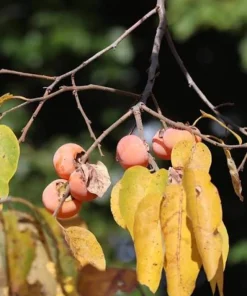
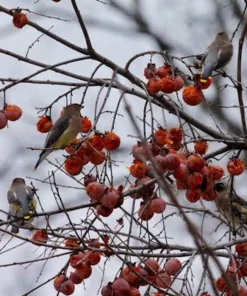
American Persimmon Tree Live Plant 12-24in Potted Sapling Native Fruit
Original price was: $67.99.$52.99Current price is: $52.99.
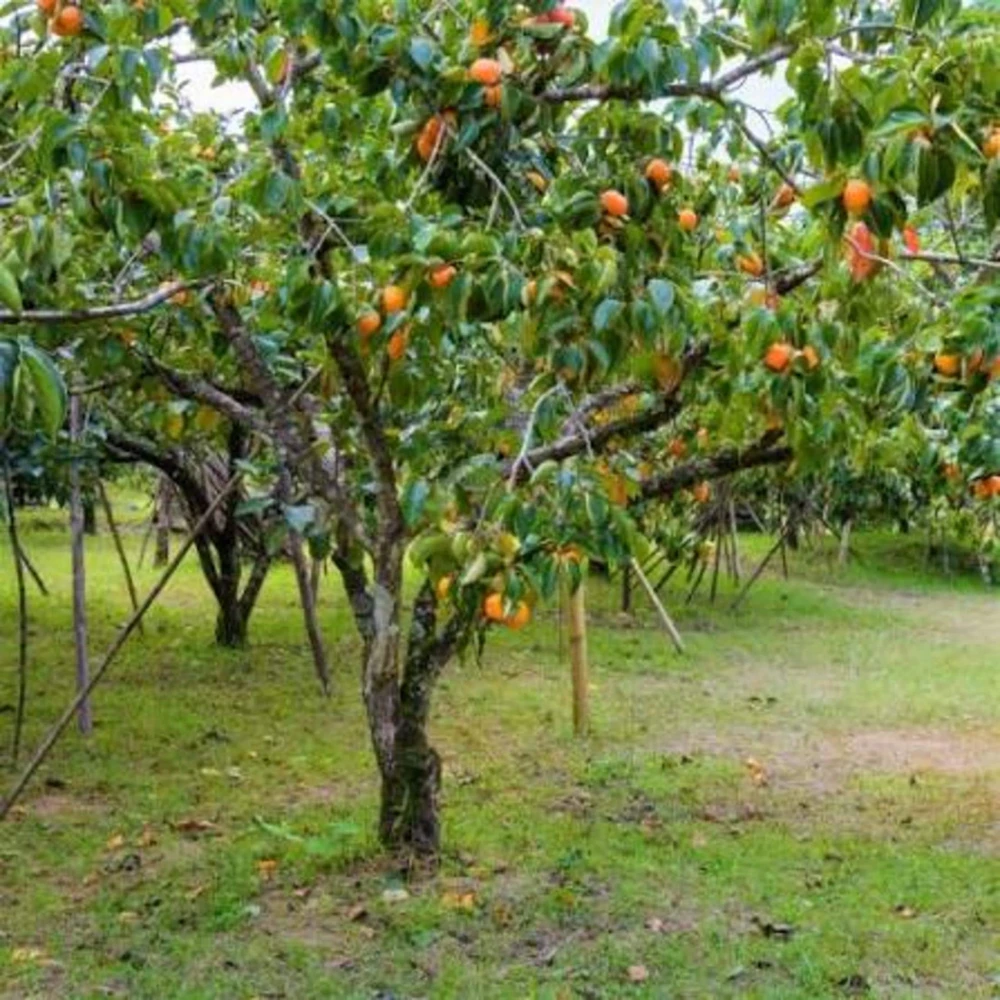
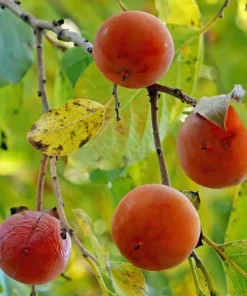
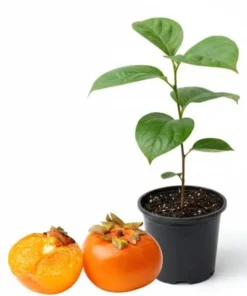
Bring the beauty of a native fruit tree to your landscape with an American Persimmon Tree. This 12-24 inch potted sapling (Diospyros virginiana) is ready to plant, offering sweet autumn fruit and stunning fall color.
Estimated arrival
Oct 10
Oct 15 - Oct 17
Oct 20 - Oct 24
Shop With Confidence
30-Day Plant Health Guarantee
Arrives damaged? We’ll replace it free — see our return policy.
Responsive Support
Email us anytime, we reply within 1 business day.
Expert Packaging
Temperature-controlled shipping to protect your plants in transit.
Secure Checkout
Pay safely with Visa, Mastercard, PayPal.
Plant Specifications
-
USDA Hardiness Zone
USDA Zones 4–9 -
Soil Type
Well-draining soil -
Sunlight Exposure
Full sun to partial shade -
Expected Planting Period
Spring to early summer or early fall
Overview
Cultivate a piece of American heritage in your own backyard with a healthy American Persimmon Tree. This listing is for a live, potted sapling of Diospyros virginiana, a revered native fruit tree celebrated for its distinctive sweet autumn fruit and striking ornamental value. Measuring 12-24 inches tall, this young tree is carefully grown and well-rooted, making it ideal for smooth transplantation into your garden or a larger container. The American Persimmon Tree is not only a source of delicious, apricot-like fruit but also a beautiful addition to any landscape, providing vibrant orange fall foliage and attracting local wildlife. Embrace sustainable gardening by adding this resilient and rewarding plant to your collection.
The American Persimmon Tree is a deciduous tree native to the eastern United States, known for its adaptability and hardiness. Its fruit ripens in the fall, becoming incredibly sweet and flavorful after the first frost. Beyond its edible bounty, the tree offers significant ecological benefits, supporting pollinators and birds. This particular sapling is ready to establish quickly, promising years of enjoyment and a bountiful harvest. Understanding persimmon tree care is straightforward, making it a great choice for both novice and experienced gardeners seeking to grow a unique fruit-bearing specimen.
Key Benefits
Adding an American Persimmon Tree to your garden provides a wealth of advantages, from its delicious harvest to its ecological contributions. This versatile tree is a true asset to any outdoor space.
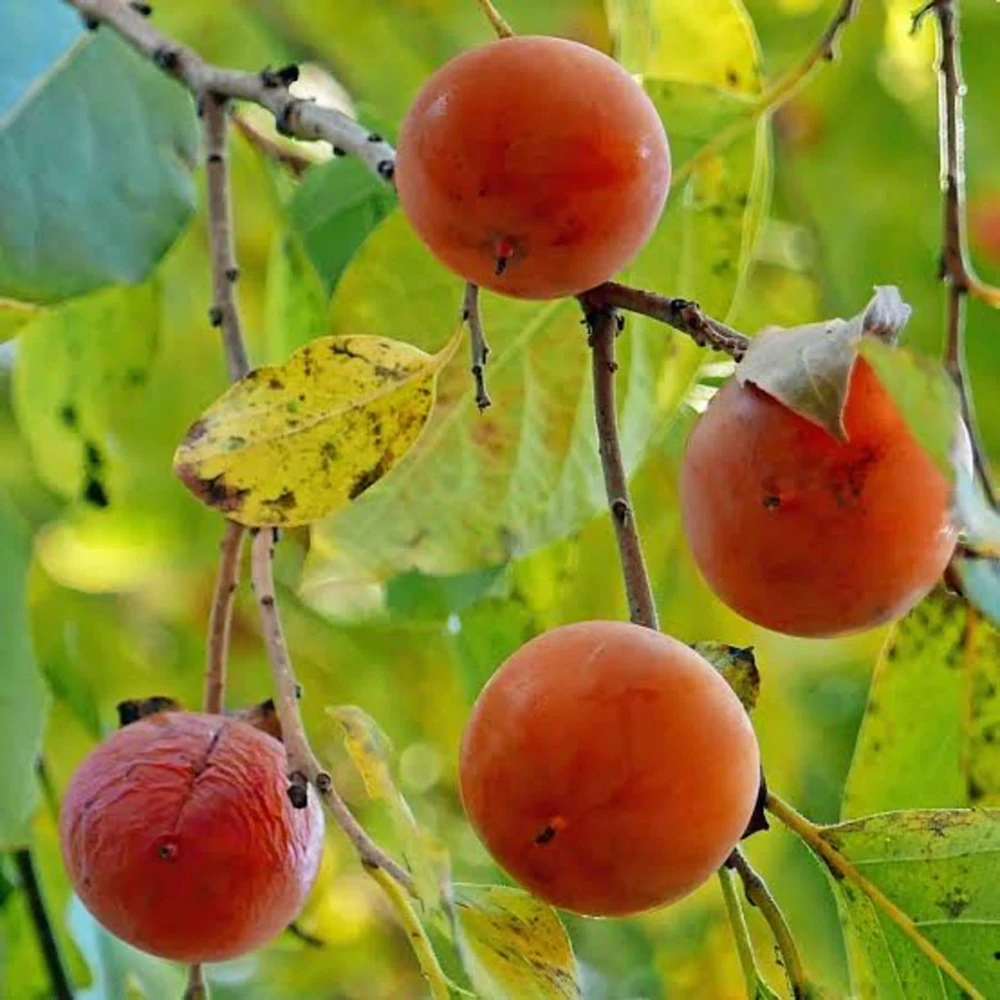
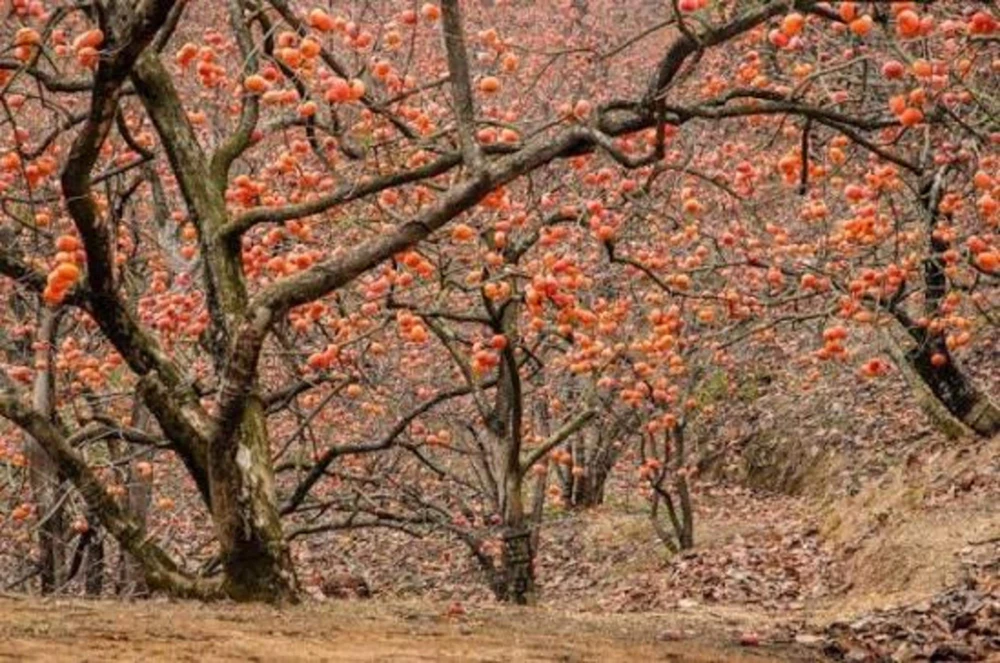
- Delicious Native Fruit: Enjoy the exceptionally sweet, apricot-like fruit of the American Persimmon Tree. These unique fruits ripen in autumn, offering a delightful and healthy treat directly from your garden. They are perfect for fresh eating, baking, or making preserves.
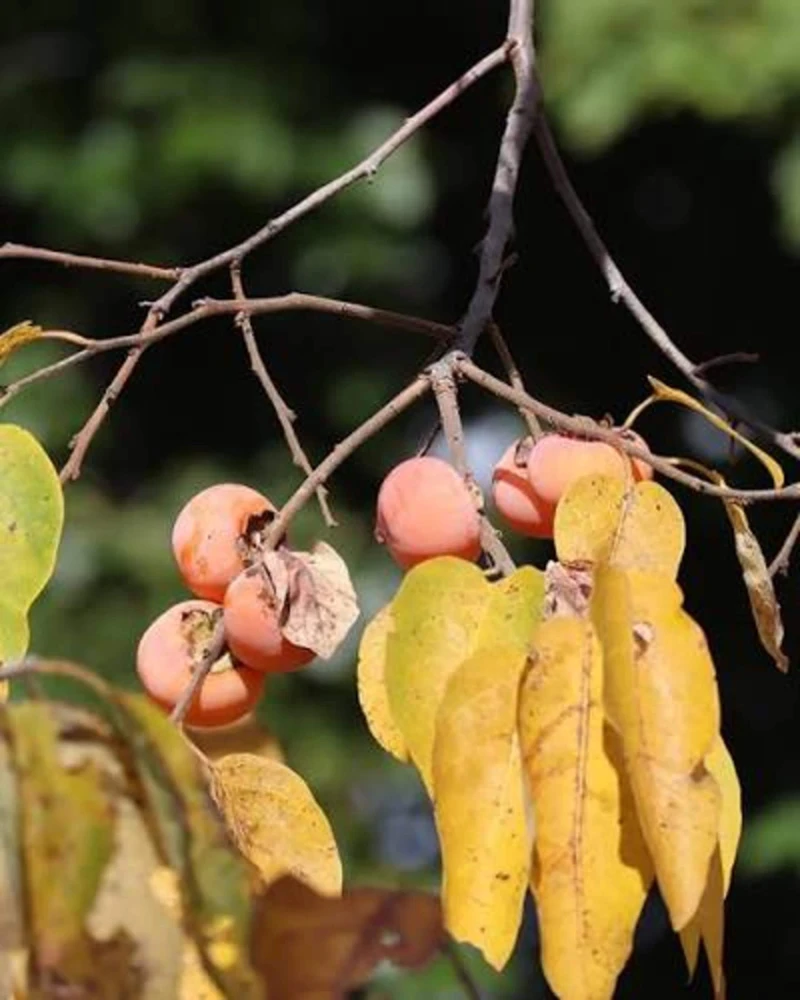
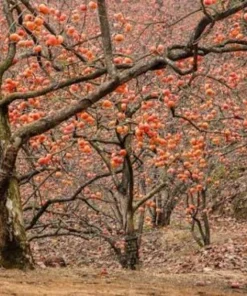
- Stunning Fall Foliage: Beyond its fruit, the tree boasts vibrant orange and red fall leaves, providing a spectacular seasonal display that enhances your landscape’s aesthetic appeal. This makes it an excellent ornamental choice.
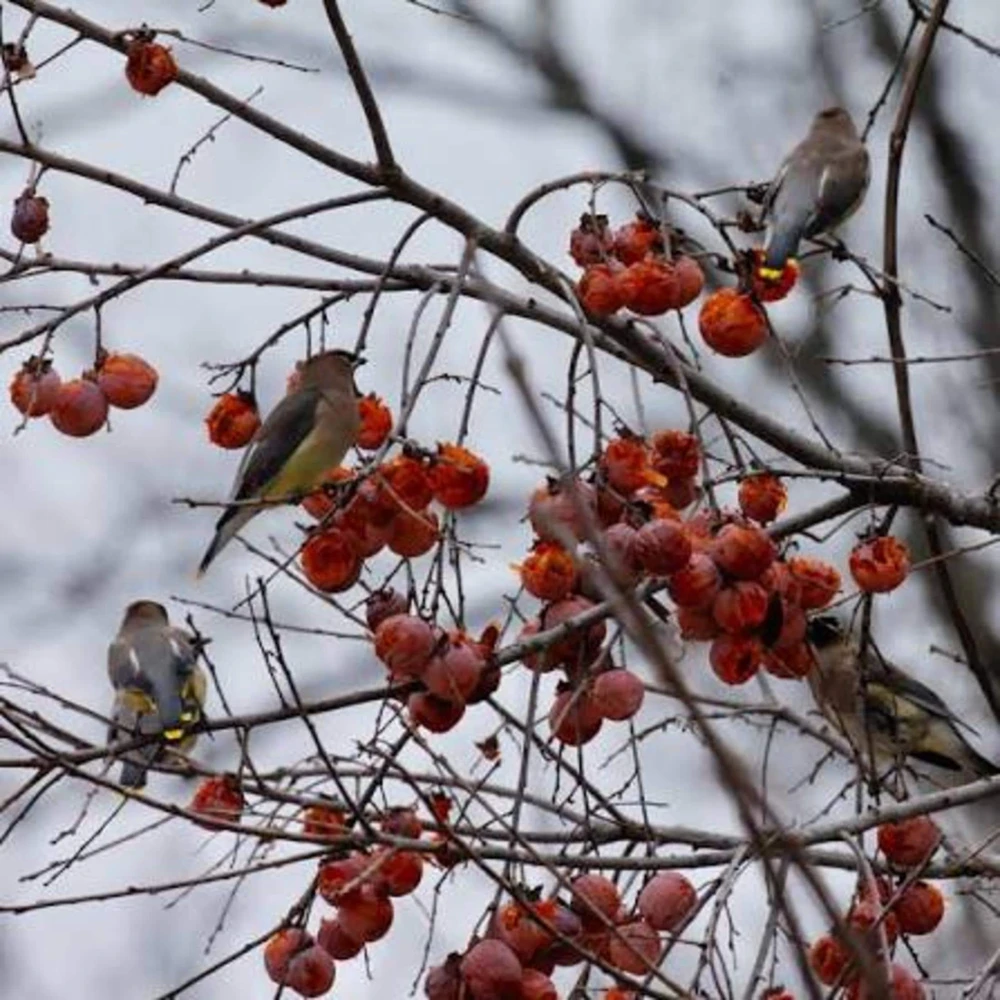
- Wildlife Attractor: The fruit and flowers are highly attractive to local wildlife, including birds, deer, and various pollinators like bees, contributing to a healthy and biodiverse ecosystem in your yard.
- Hardy and Adaptable: The Diospyros virginiana is a robust native species, highly adaptable to a wide range of soil types and climates within its hardiness zones. It’s known for its resilience and ability to thrive with minimal fuss.
- Low Maintenance: Once established, the American Persimmon Tree requires relatively little maintenance, making it an easy-care option for busy gardeners. Its natural resistance to many pests and diseases further simplifies its upkeep.
- Long-Term Investment: A well-cared-for native fruit tree can live for many decades, providing a continuous supply of fruit and beauty for generations to come, making it a valuable long-term investment for your property.
- Ecological Benefits: As a native species, it supports local ecosystems and requires less water and intervention than many non-native alternatives, promoting a more sustainable gardening practice.
Plant Care & Growing Tips
Caring for your American Persimmon Tree is relatively straightforward, ensuring it thrives and produces abundant fruit. This hardy native fruit tree is known for its resilience, but providing optimal conditions will lead to the best growth and yield. For successful establishment and long-term health, consider its specific needs for sunlight, soil, water, and climate. Consistent persimmon tree care will reward you with beautiful foliage and delicious fruit for many years.
The American Persimmon Tree prefers full sun to partial shade, meaning it needs at least 6 hours of direct sunlight per day for optimal fruit production. While it can tolerate some shade, more sun generally leads to a sweeter and more abundant harvest. It thrives in well-draining soil, adaptable to various types including clay, loam, and sand, as long as drainage is good. Water regularly during the first year of planting to help establish a strong root system. Once established, it is fairly drought-tolerant but will benefit from supplemental watering during prolonged dry spells, especially when fruit is developing. Ensure the soil remains consistently moist but never waterlogged.
This species is highly cold-hardy, thriving in USDA Zones 4 through 9. Fertilize annually in early spring with a balanced slow-release fertilizer designed for fruit trees, following package instructions. Pruning can be done in late winter or early spring to remove dead or crossing branches, maintain a desirable shape, and encourage better fruit production. Young trees may benefit from staking to ensure straight growth. Watch for common pests like leaf spot or scale, though the Diospyros virginiana is generally quite resistant. With proper persimmon tree care, you’ll enjoy a robust and productive tree.
Size & Details
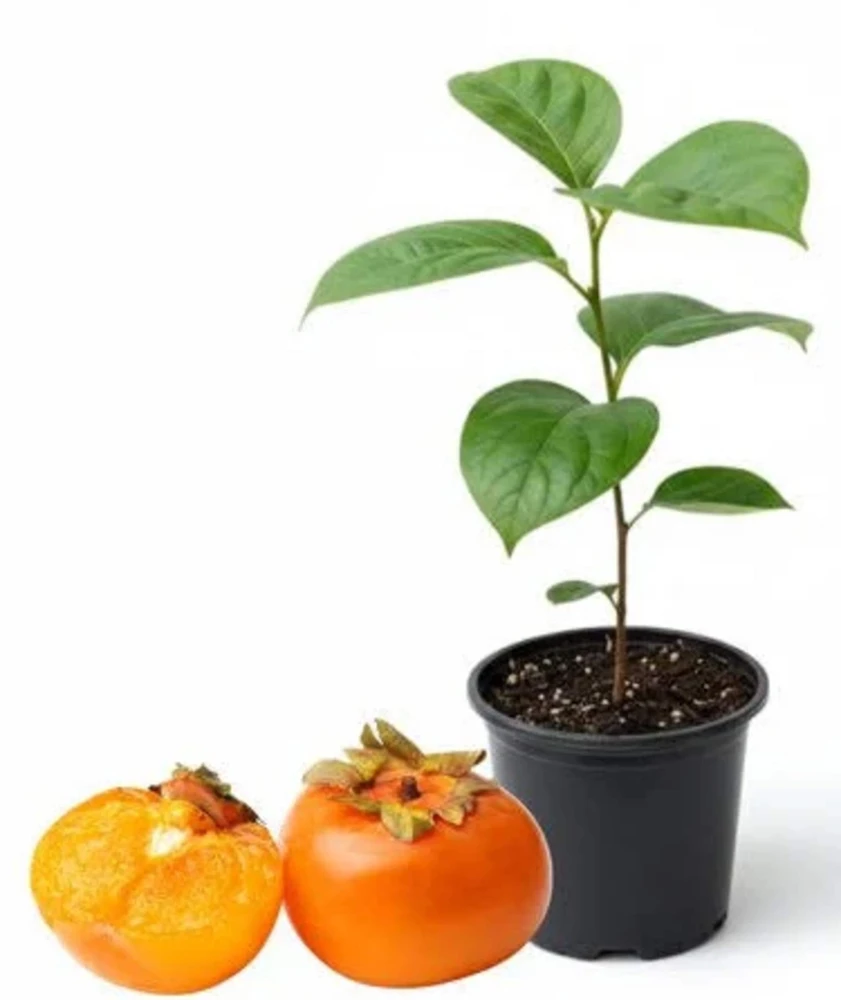
This offering is for one healthy, live American Persimmon Tree sapling, specifically Diospyros virginiana. The sapling measures approximately 12 to 24 inches tall, measured from the base of the stem to the top of the plant. It is carefully grown and shipped in a pot with an established root system, ensuring a smooth transition when you plant it in your garden. The container provides a stable environment for the young tree during transit and until planting.
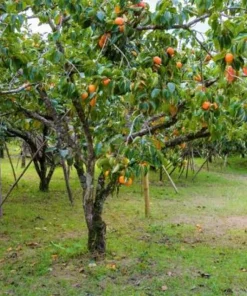
Mature American Persimmon Tree specimens can reach heights of 30 to 50 feet, with a spread of 20 to 35 feet, forming an attractive rounded canopy. However, they are easily pruned to maintain a smaller, more manageable size if desired, making them suitable for various garden spaces. The tree exhibits a moderate growth rate, typically adding 12-24 inches in height per year under ideal conditions. Expect the tree to begin producing fruit within 3-5 years after planting, with increasing yields as it matures. Its robust nature and established root system make this native fruit tree an excellent choice for immediate planting and long-term enjoyment.
Frequently Asked Questions
- Q: How big does this American Persimmon Tree get? A: This sapling is currently 12-24 inches tall. Mature American Persimmon Trees can reach 30-50 feet in height, but they can be pruned to maintain a smaller size.
- Q: Is this an indoor or outdoor plant? A: The American Persimmon Tree is an outdoor tree. It is a hardy native fruit tree that thrives in USDA Zones 4-9 and requires space to grow and produce fruit.
- Q: How much sunlight does it need? A: For best fruit production and overall health, the Diospyros virginiana needs full sun, meaning at least 6 hours of direct sunlight per day. It can tolerate partial shade, but fruit yield may decrease.
- Q: Is this plant easy to care for? A: Yes, once established, the American Persimmon Tree is relatively low-maintenance. It’s known for its hardiness and adaptability, making persimmon tree care manageable for most gardeners.
- Q: What condition will it arrive in? A: Your American Persimmon Tree sapling will arrive healthy and well-rooted in a pot, ready for planting. We take great care in packaging live plants to ensure their safe arrival.
- Q: When is the best time to plant this tree? A: The best time to plant your potted native fruit tree is in early spring or early fall when temperatures are moderate. This allows the roots to establish before extreme heat or cold.
- Q: How long until it produces fruit? A: Typically, an American Persimmon Tree sapling will begin to produce fruit within 3-5 years after planting, with larger harvests as the tree matures.
- Q: Will it survive winter in my zone? A: The Diospyros virginiana is cold-hardy and will survive winter in USDA Zones 4-9. Ensure it is planted in a suitable location for your specific zone.
- Q: What type of soil does the American Persimmon Tree prefer? A: This native fruit tree is adaptable to various soil types but prefers well-draining soil. It can tolerate clay, loam, or sandy soils as long as they don’t remain waterlogged.
- Q: Is the fruit edible directly from the tree? A: Yes, the fruit of the American Persimmon Tree is edible. It is best eaten after it has softened and often after the first frost, which removes its astringency and enhances its sweetness.
Be the first to review “American Persimmon Tree Live Plant 12-24in Potted Sapling Native Fruit”
People Also Viewed
Flower Seeds
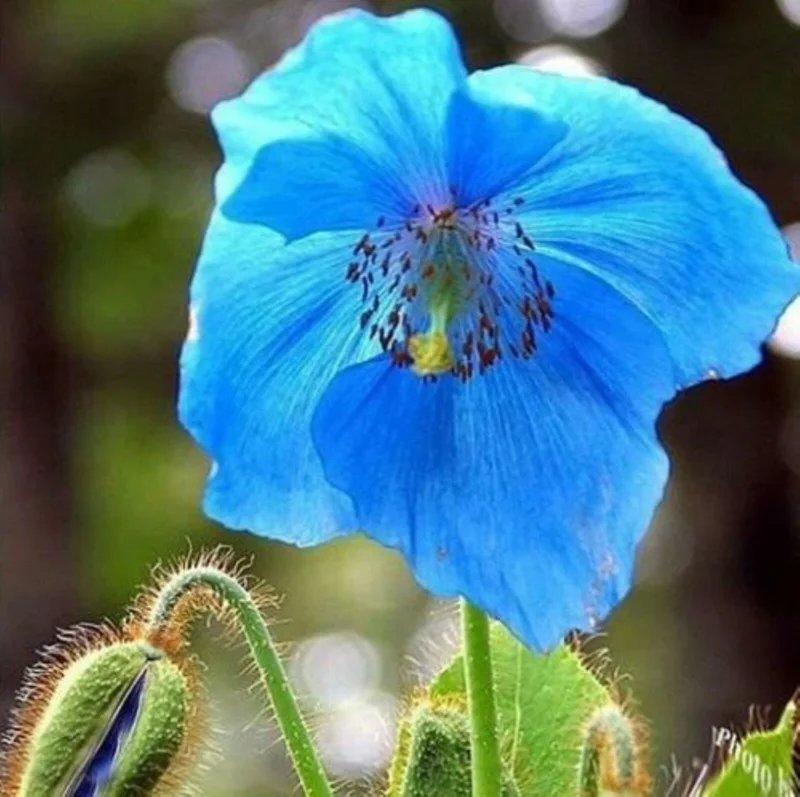
Himalayan Blue Poppy Seeds – Meconopsis Perennial Flowering – 200 Seeds – Indoor & Outdoor

Vegetable Seeds
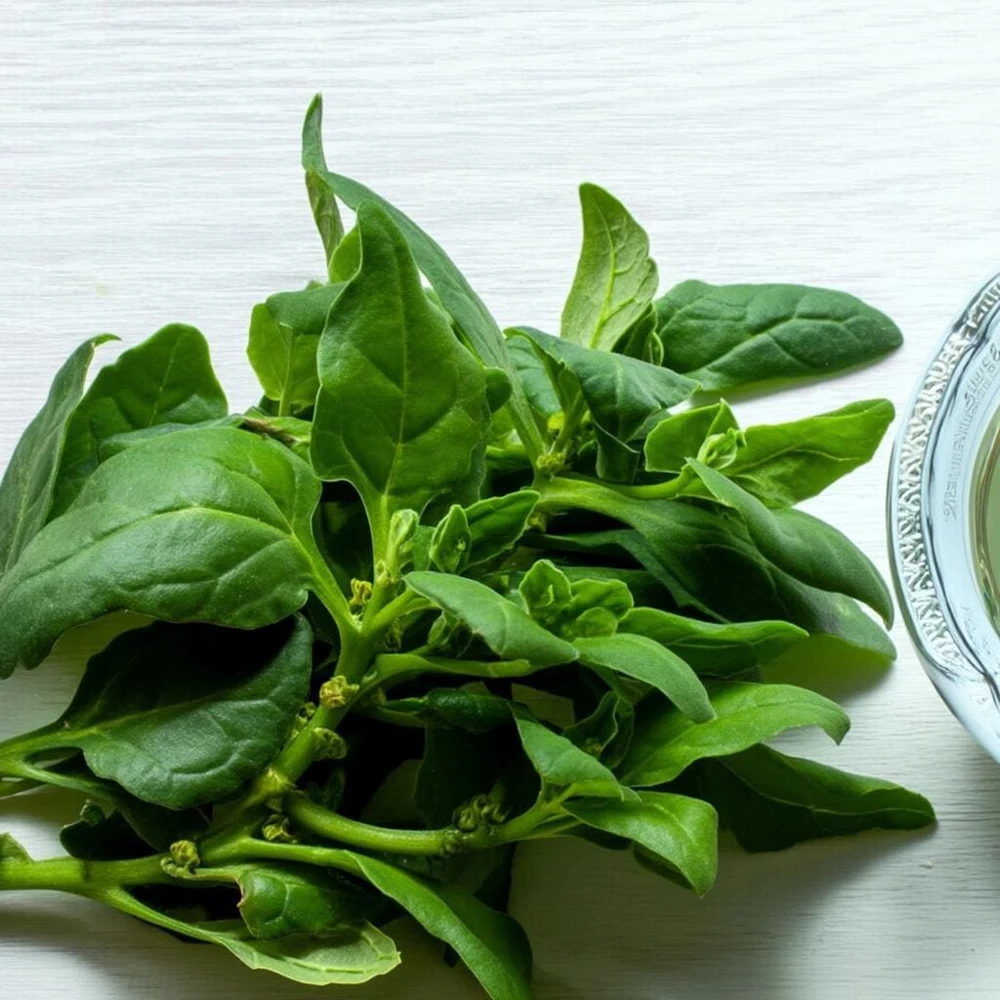
New Zealand Spinach Seeds – 50 Count – Heat-Tolerant Vegetable
Reviews
There are no reviews yet.