
2 Black Chokeberry Live Plant Aronia Melanocarpa 8-12in Tall in Pot Outdoor Shrub
Original price was: $55.99.$40.99Current price is: $40.99.
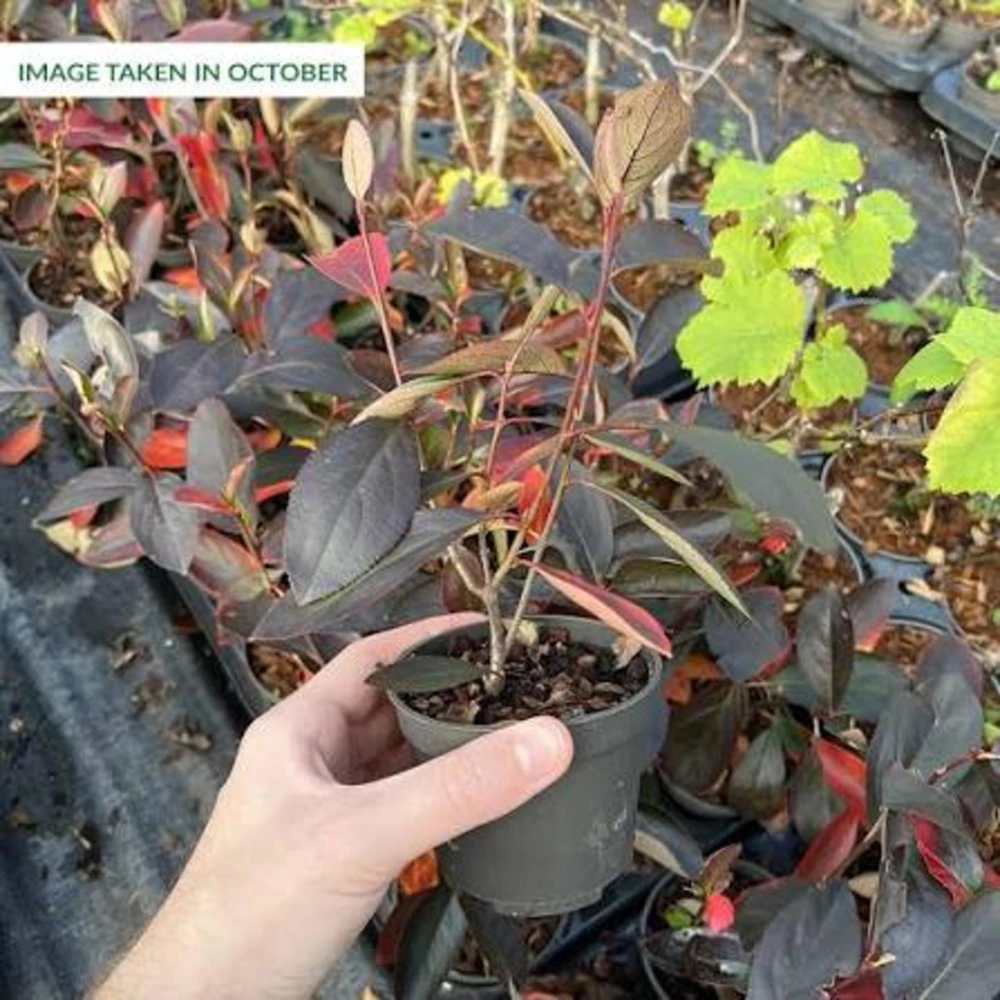
Bring native beauty and nutrient-packed superfoods to your garden with this 2-pack of healthy, established black chokeberry live plant. Each aronia melanocarpa shrub is 8-12 inches tall and shipped in its pot for optimal health. Perfect for landscaping, privacy hedges, and wildlife gardens, offering showy white flowers, antioxidant-rich berries, and brilliant fall foliage.
Estimated arrival
Oct 10
Oct 15 - Oct 17
Oct 20 - Oct 24
Shop With Confidence
30-Day Plant Health Guarantee
Arrives damaged? We’ll replace it free — see our return policy.
Responsive Support
Email us anytime, we reply within 1 business day.
Expert Packaging
Temperature-controlled shipping to protect your plants in transit.
Secure Checkout
Pay safely with Visa, Mastercard, PayPal.
Plant Specifications
-
USDA Hardiness Zone
USDA Zones 3-8 -
Soil Type
Well-draining, loamy soil -
Sunlight Exposure
Full sun to partial shade -
Expected Planting Period
Spring or Fall
Overview
Introduce a versatile and resilient addition to your landscape with this 2-pack of black chokeberry live plant (Aronia melanocarpa). These healthy, established plants are shipped in their pots, ensuring their root systems remain intact and undisturbed, which significantly enhances their survival rate and eases their transition into your garden. The black chokeberry live plant is a multi-season superstar, offering ornamental beauty, ecological benefits, and a harvest of nutrient-dense berries. This native shrub is an excellent choice for gardeners seeking a plant that thrives with minimal fuss while providing continuous interest throughout the year. Its robust nature makes it an ideal selection for various garden styles, from formal landscaping to naturalized wildlife habitats, making it a truly rewarding investment for any outdoor space.
Key Benefits
The black chokeberry live plant offers a multitude of advantages, making it a highly desirable choice for any garden. Its unique characteristics provide both aesthetic appeal and practical benefits.
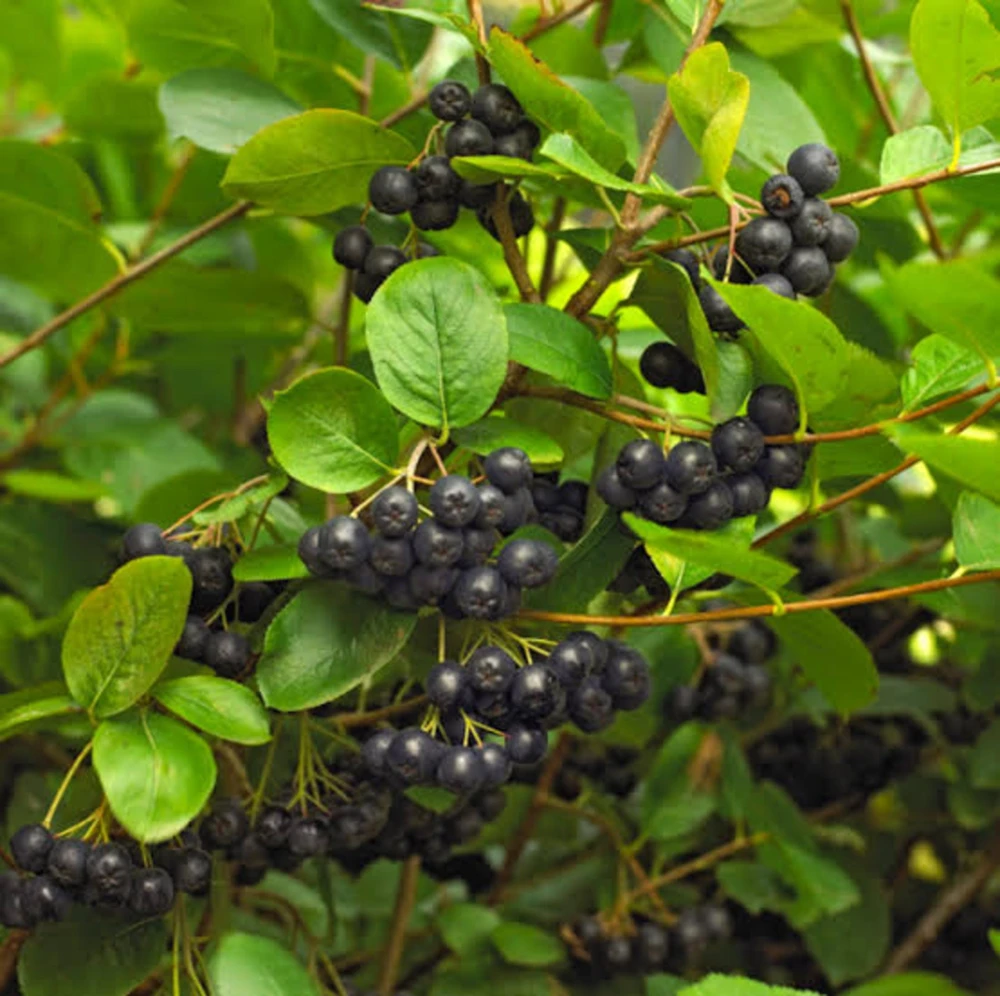
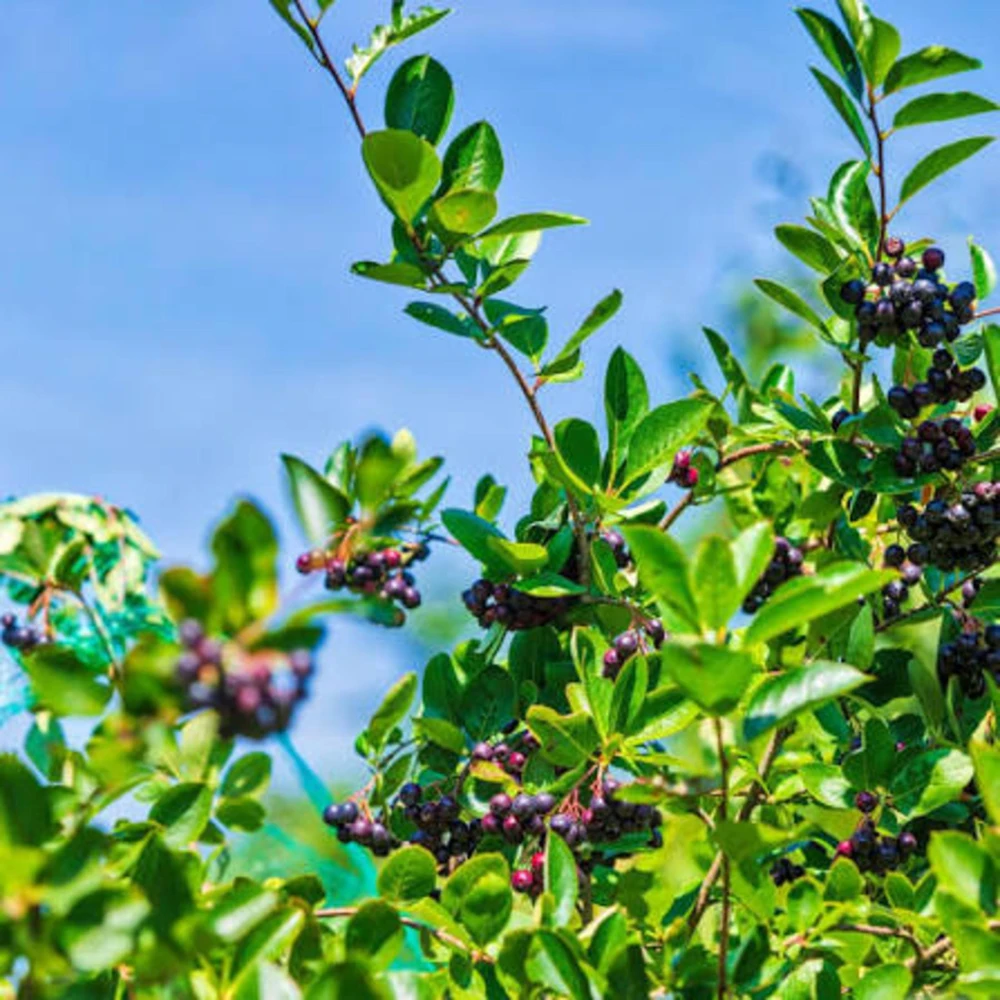
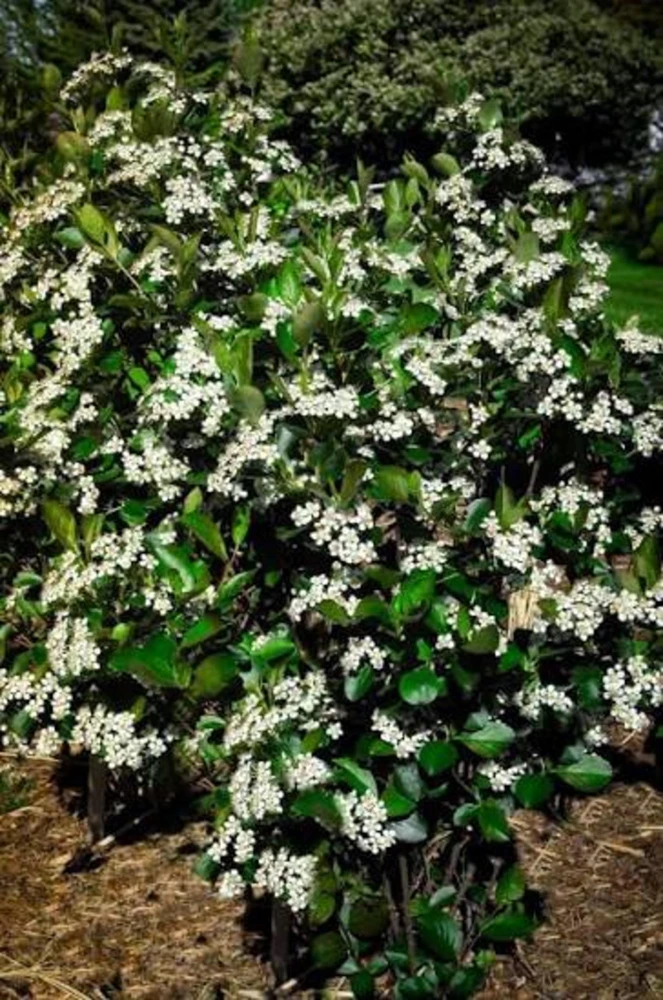
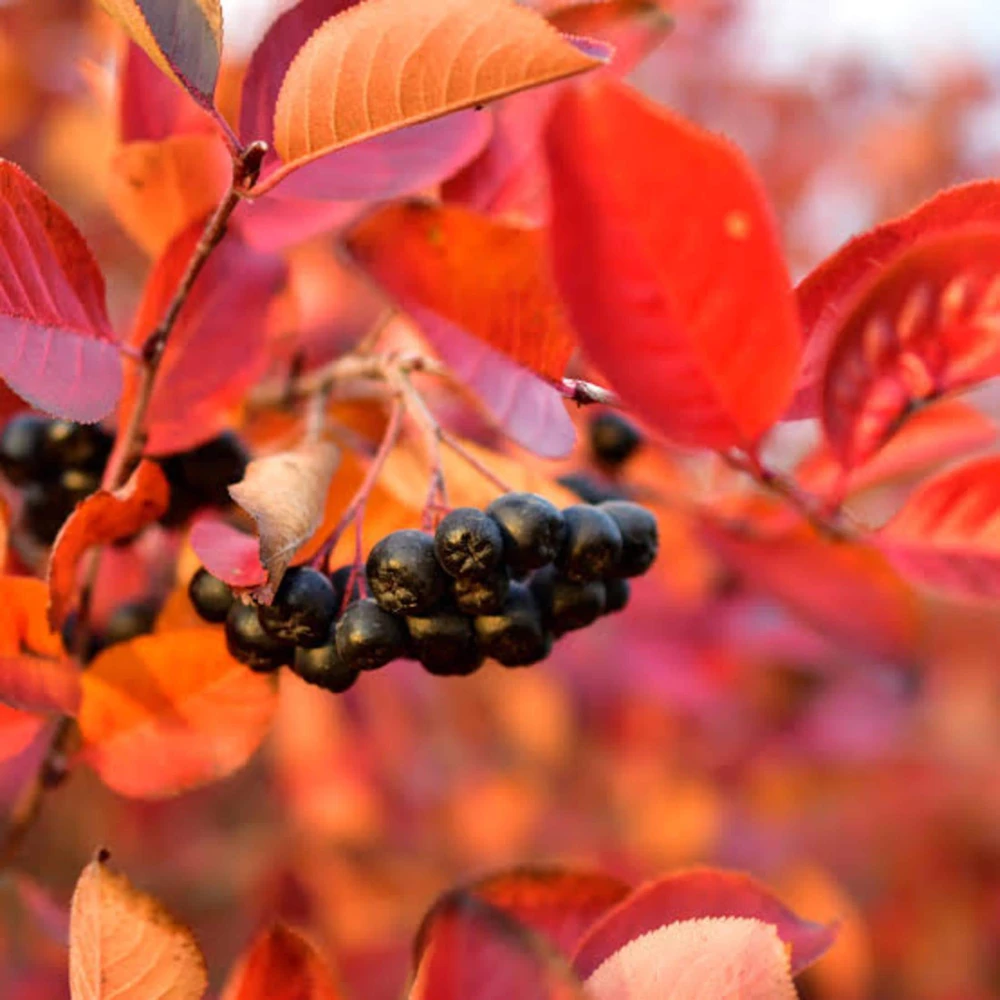
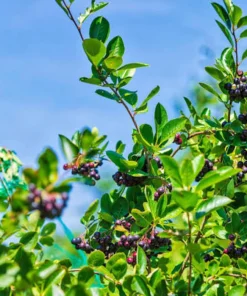
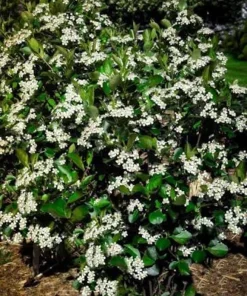
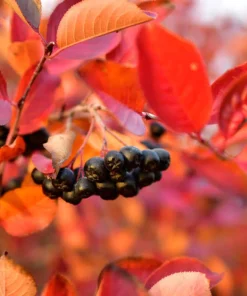
- Multi-Seasonal Interest: Enjoy a continuous display of beauty from spring to fall. In spring, the plant bursts with clusters of showy white flowers that are highly attractive to pollinators. By late summer, it produces heavy yields of deep purple-black berries. In autumn, the foliage transforms into a brilliant, fiery red, providing stunning visual appeal to your landscape.
- Nutrient-Dense Berries: The deep purple-black berries are famous for their exceptionally high antioxidant levels, making them a true superfood. These edible berries can be used in jams, jellies, juices, and other culinary creations, offering a healthy and delicious harvest.
- Cold Hardy & Resilient: The aronia melanocarpa shrub is extremely cold hardy, thriving in USDA Zones 3-8. This resilience ensures it can withstand harsh winter conditions and bounce back year after year, making it a reliable choice for diverse climates.
- Attracts Wildlife: The flowers attract essential pollinators like bees and butterflies, while the berries provide a valuable food source for birds and other wildlife, enhancing biodiversity in your garden.
- Versatile Landscaping: Its adaptable nature makes it perfect for various landscaping uses. Plant it as a specimen shrub, incorporate it into mixed borders, create an attractive privacy hedge, or establish a dedicated wildlife garden. The mature size of 3-6 feet tall and wide allows for flexible placement.
- Easy to Grow: Known for its low-maintenance requirements, the chokeberry plant care is straightforward. It tolerates a range of soil conditions and once established, is relatively drought-tolerant, making it suitable for both experienced and novice gardeners.
- Erosion Control: Due to its strong root system and spreading habit, the edible berry bush can be effective in stabilizing soil on slopes and preventing erosion, contributing to a healthier garden ecosystem.
Plant Care & Growing Tips
Proper care ensures your black chokeberry live plant thrives and produces abundant berries and vibrant foliage. These shrubs are known for their resilience, but a little attention to their needs will yield the best results. The aronia melanocarpa shrub prefers a location with full sun to partial shade. While it can tolerate some shade, full sun exposure (at least 6 hours of direct sunlight daily) will result in the most prolific berry production and the most intense fall foliage color. For indoor cultivation, ensure it receives ample bright light, ideally near a south-facing window or with supplemental grow lights, although it is primarily an outdoor plant.
When it comes to watering, the black chokeberry live plant prefers consistently moist, but not waterlogged, soil. Water deeply once or twice a week, especially during dry spells and in its first year of establishment. Once mature, it becomes more drought-tolerant. Well-draining soil is crucial to prevent root rot. A loamy, slightly acidic to neutral soil (pH 5.0-7.0) is ideal. Amending heavy clay soils with organic matter like compost can improve drainage and aeration. Regarding temperature, this is a cold hardy chokeberry, thriving in USDA Zones 3-8, meaning it can withstand winter temperatures well below freezing. Fertilize annually in early spring with a balanced, slow-release granular fertilizer formulated for shrubs. Common problems include occasional leaf spot or powdery mildew, which can often be managed by ensuring good air circulation and avoiding overhead watering.
Pruning is generally minimal for the black chokeberry live plant. Remove any dead, damaged, or crossing branches in late winter or early spring before new growth emerges. You can also thin out older, less productive stems from the base every few years to encourage new growth and maintain plant vigor. This simple chokeberry plant care routine will help your shrub remain healthy and productive for many years.
Size & Details
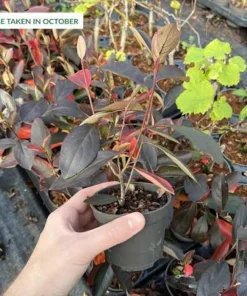
Each order includes two healthy black chokeberry live plant specimens, arriving in their individual pots. The plants measure approximately 8-12 inches tall from the base of the plant, providing a robust starter size for immediate planting. They are shipped in-pot with an established soil and root system, which significantly minimizes shipping stress and promotes a higher survival rate compared to bare-root plants. The aronia melanocarpa shrub typically grows to a mature size of about 3-6 feet tall and 3-6 feet wide, forming a dense, rounded bush. These plants are known for a moderate growth rate, establishing well within a few seasons. Expect the first significant berry yields within 2-3 years after planting, with full maturity and production achieved around 5 years. This edible berry bush is a long-lived plant, providing years of beauty and harvest.
Frequently Asked Questions
- Q: How big does this black chokeberry live plant get? A: The black chokeberry live plant typically grows to a mature size of about 3-6 feet tall and 3-6 feet wide, forming a dense, rounded shrub. Its ultimate size can depend on growing conditions and pruning.
- Q: What size pot does it come in? A: Each black chokeberry live plant arrives in its own pot, ensuring the root system is protected and undisturbed during transit, which aids in successful transplanting. The exact pot size is suitable for the current plant height of 8-12 inches.
- Q: Is this an indoor or outdoor plant? A: The aronia melanocarpa shrub is primarily an outdoor plant, highly valued for landscaping and its cold hardiness. It thrives in outdoor garden settings.
- Q: How much sunlight does it need? A: This cold hardy chokeberry prefers full sun to partial shade. For the best berry production and most vibrant fall foliage, aim for at least 6 hours of direct sunlight per day.
- Q: Is this plant easy to care for? A: Yes, the black chokeberry live plant is considered relatively easy to care for. It’s known for its resilience and adaptability to various soil types and once established, becomes quite drought-tolerant, making chokeberry plant care straightforward.
- Q: What condition will it arrive in? A: Your black chokeberry live plant will arrive alive and healthy, carefully grown and shipped in its pot with its root system intact and undisturbed. This method ensures a higher survival rate and faster establishment in your garden.
- Q: Can I eat the berries from this edible berry bush? A: Yes, the berries of the black chokeberry live plant are edible and are known for their exceptionally high antioxidant levels. They have a tart flavor and are often used in jams, jellies, juices, and baked goods.
- Q: When is the best time to plant a black chokeberry? A: The best time to plant a black chokeberry live plant is in spring or fall when temperatures are moderate. This allows the plant to establish its root system before extreme heat or cold.
- Q: Will it survive winter in my zone? A: Absolutely! The aronia melanocarpa shrub is extremely cold hardy and thrives in USDA Zones 3-8, meaning it is well-suited to survive harsh winter conditions in these regions.
- Q: What type of soil does it prefer? A: The black chokeberry live plant prefers well-draining soil, ideally a loamy, slightly acidic to neutral soil. Amending with organic matter can improve drainage and fertility.
Be the first to review “2 Black Chokeberry Live Plant Aronia Melanocarpa 8-12in Tall in Pot Outdoor Shrub”
People Also Viewed

Houseplants
Reviews
There are no reviews yet.