
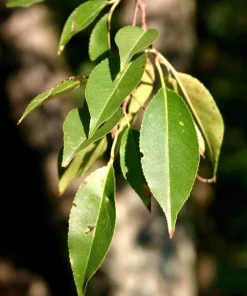
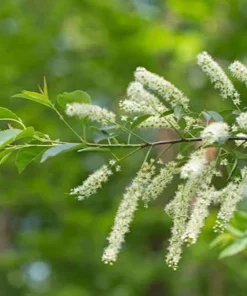
Black Cherry Tree Live Plant – 2 Potted Saplings (Prunus serotina) 8-12in Tall
Original price was: $55.99.$40.99Current price is: $40.99.
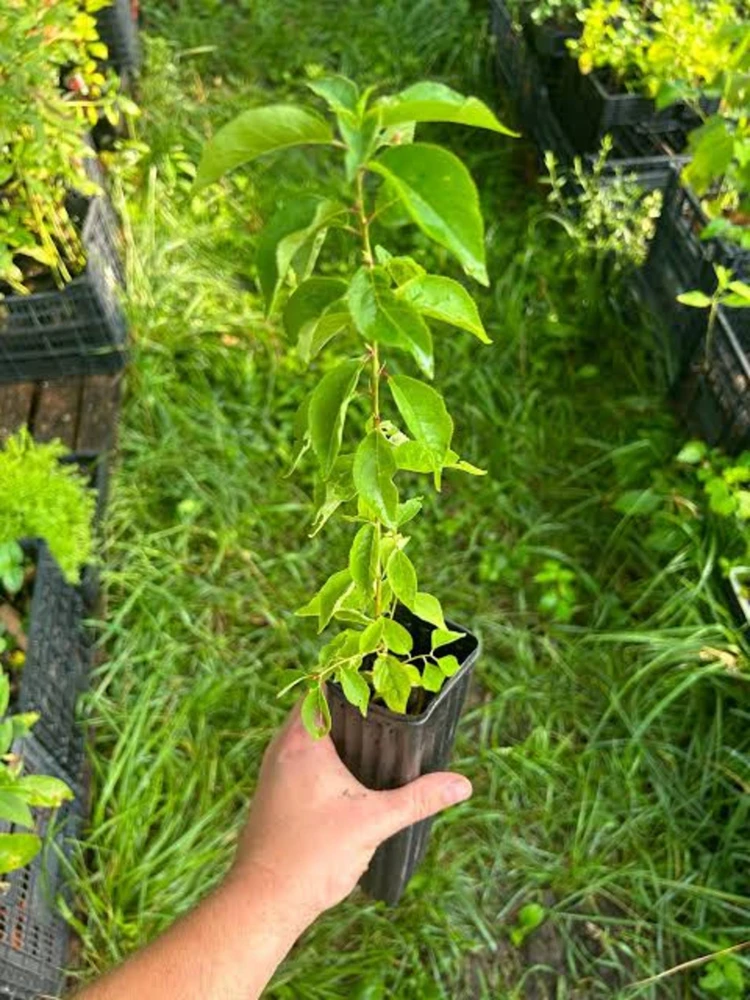
Bring ecological value and natural beauty to your landscape with this black cherry tree live plant. You receive two healthy, actively growing prunus serotina sapling, 8-12 inches tall, rooted in pots, ready for planting. A resilient native fruit tree for garden, perfect for attracting wildlife and adding seasonal interest.
Estimated arrival
Oct 10
Oct 15 - Oct 17
Oct 20 - Oct 24
Shop With Confidence
30-Day Plant Health Guarantee
Arrives damaged? We’ll replace it free — see our return policy.
Responsive Support
Email us anytime, we reply within 1 business day.
Expert Packaging
Temperature-controlled shipping to protect your plants in transit.
Secure Checkout
Pay safely with Visa, Mastercard, PayPal.
Plant Specifications
-
USDA Hardiness Zone
USDA Zones 3-9 -
Soil Type
Well-draining, moist, fertile loam -
Sunlight Exposure
Full sun to partial shade -
Expected Planting Period
Year-round (when ground is not frozen)
Overview
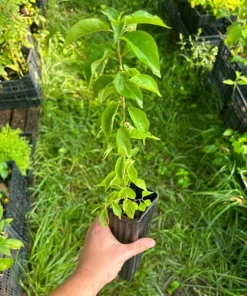
Add a powerhouse of ecological value and natural beauty to your landscape with our black cherry tree live plant. This offering includes two healthy, actively growing saplings of Prunus serotina, commonly known as the Wild Black Cherry or Black Cherry tree. These young trees are shipped rooted securely in their growing pots, typically measuring 8 to 12 inches tall, ready to be planted directly into your yard or transitioned into a larger container. The prunus serotina sapling is a resilient native species, making it an excellent choice for sustainable gardening and attracting local wildlife. Unlike bare root trees, these potted saplings can be planted at almost any time of the year with virtually zero transplant shock, ensuring a smoother establishment in your garden.
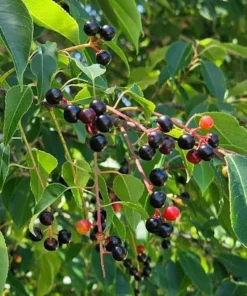
The native fruit tree for garden is celebrated for its rapid growth and adaptability to various soil conditions. It’s a cornerstone species in many North American ecosystems, providing food and habitat for a wide array of creatures. Choosing a black cherry tree live plant means investing in a piece of natural heritage that will flourish and contribute to biodiversity for years to come. Its distinctive bark, vibrant foliage, and edible fruit make it a truly remarkable specimen for any landscape.
Key Benefits
Our black cherry tree live plant offers a multitude of benefits, making it an exceptional addition to any garden or naturalized area. These trees provide not just aesthetic appeal but also significant environmental contributions.
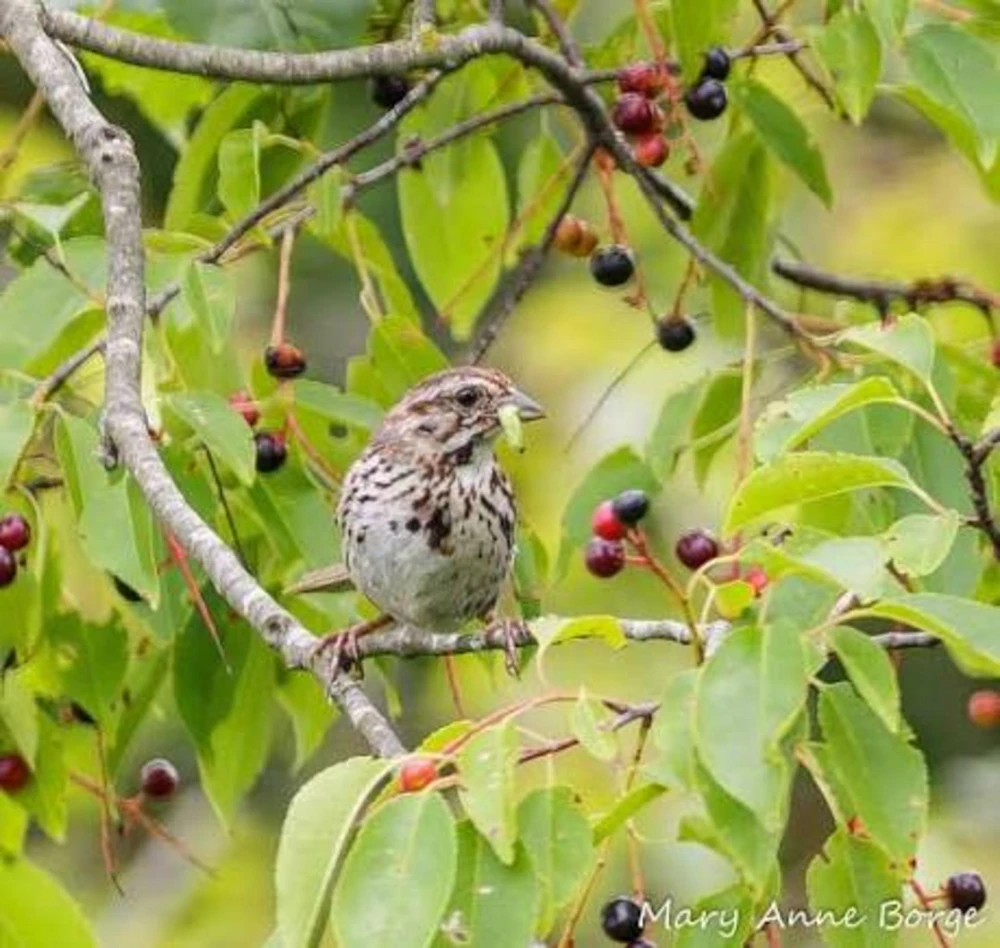
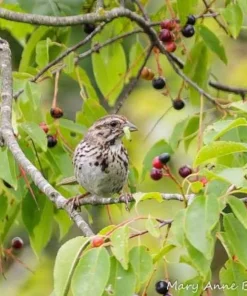
- Ecological Superstar: This prunus serotina sapling supports hundreds of native butterfly, moth, and bird species with its pollen, leaves, and fruit, making it an essential component of a thriving ecosystem.
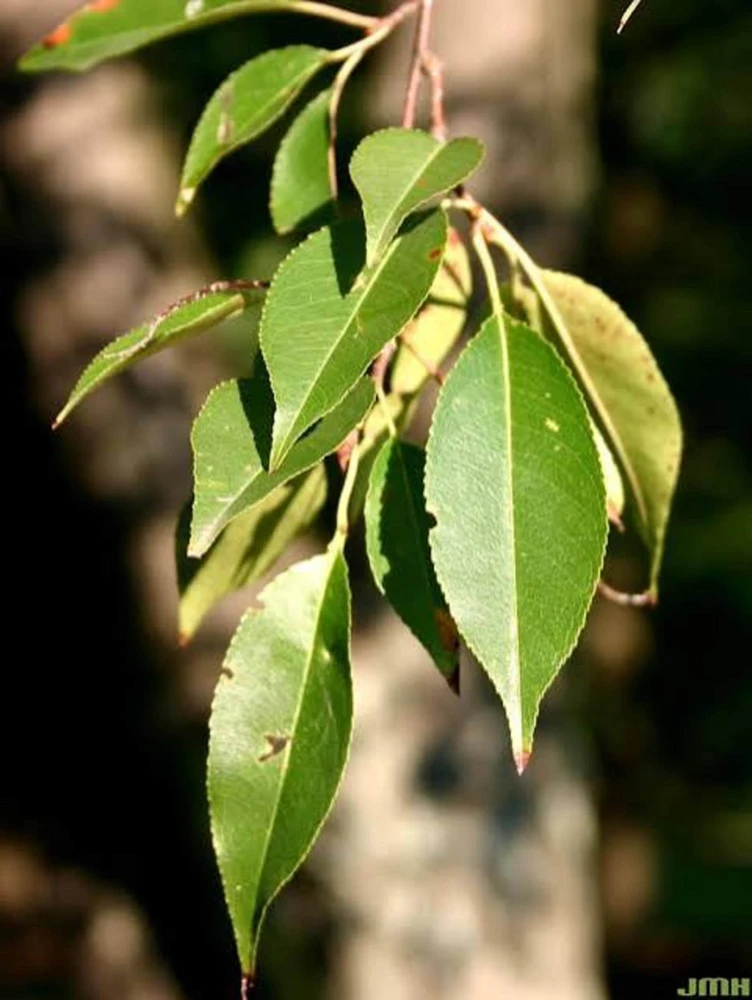
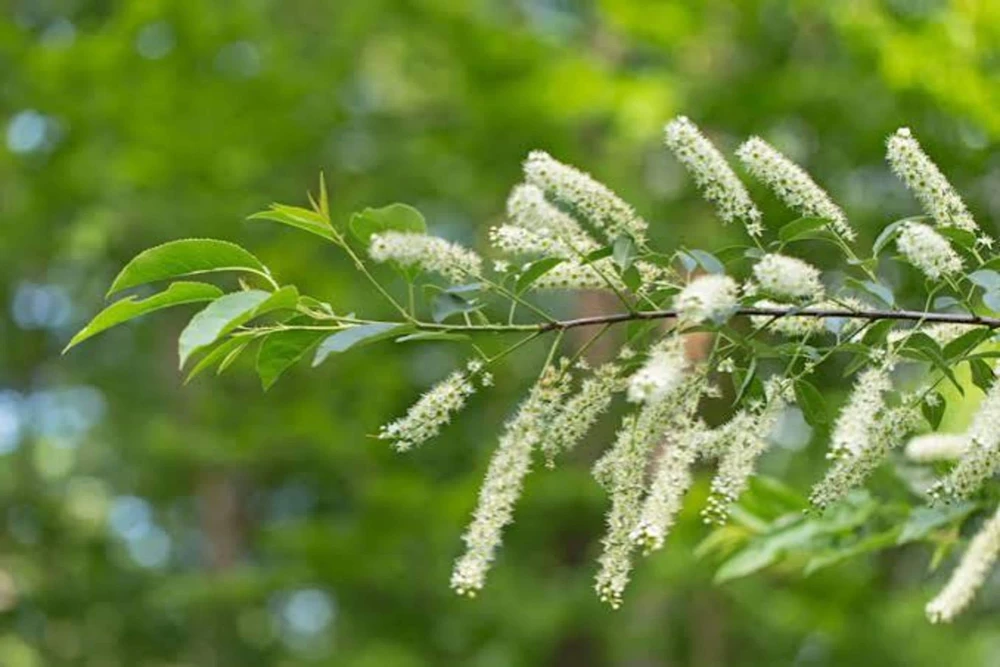
- Seasonal Beauty: Enjoy cascading white flower clusters in spring, followed by glossy green summer leaves that turn a striking yellow-orange in autumn, providing year-round visual interest.
- Native & Resilient: As a native fruit tree for garden, it is well-adapted to local climates and soils, requiring less maintenance once established and contributing to local biodiversity.
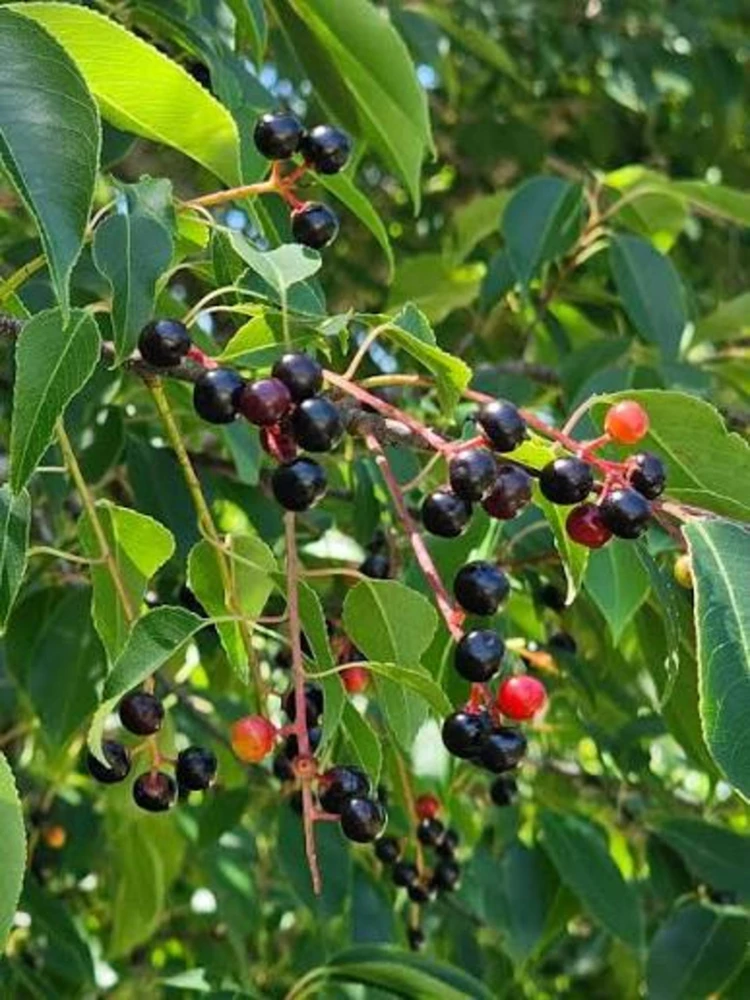
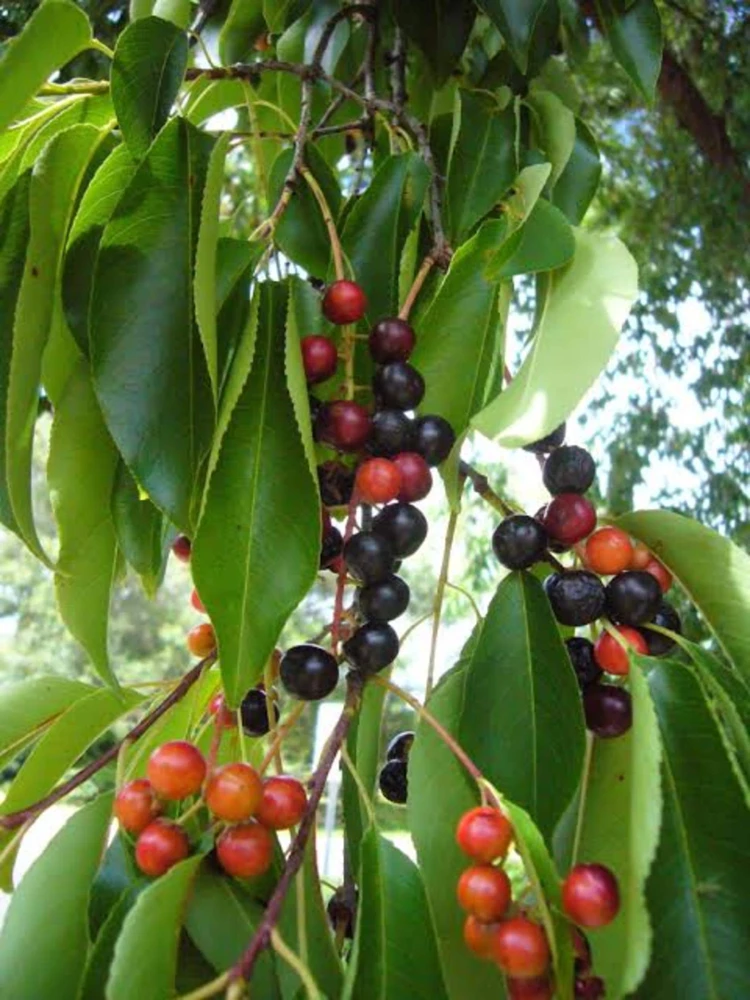
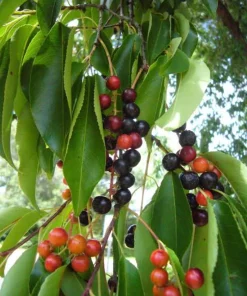
- Wildlife Attractor: The small, dark fruits are a favorite food source for numerous bird species and small mammals, enhancing your garden’s appeal to local fauna.
- Prized Timber: Highly valued for its rich, warm reddish-brown wood, the black cherry tree is an excellent investment tree for larger properties, adding long-term value.
- Low Transplant Shock: Shipped in its growing pot, this black cherry tree live plant experiences minimal stress during planting, leading to higher success rates compared to bare root varieties.
- Air Purification: Like all trees, it contributes to cleaner air by absorbing carbon dioxide and releasing oxygen, making your environment healthier.
Plant Care & Growing Tips
Caring for your black cherry tree live plant is straightforward, especially since it’s a native species well-suited to many North American environments. These trees thrive in full sun to partial shade, meaning they prefer at least 6 hours of direct sunlight per day, but can tolerate some afternoon shade in hotter climates. When planting your prunus serotina sapling, choose a location with well-draining soil. While adaptable to various soil types, they prefer moist, fertile loams with a slightly acidic to neutral pH. Avoid waterlogged areas, as this can lead to root rot.
Initial watering is crucial for establishment. Water deeply and regularly after planting, especially during dry spells, to encourage strong root development. Once established, the black cherry tree live plant is moderately drought-tolerant, but consistent moisture will promote optimal growth and fruit production. Fertilization is generally not necessary for established trees in good soil, but a balanced, slow-release fertilizer can be applied in early spring for young trees or those in poor soil. Ensure the fertilizer is formulated for trees and follow package instructions carefully.
The Black Cherry tree is hardy in USDA zones 3-9, making it suitable for a wide range of climates. Pruning should be done in late winter or early spring while the tree is dormant. Focus on removing dead, damaged, or crossing branches to maintain a strong structure and promote air circulation. This proactive care helps prevent common diseases and ensures your ecological value tree remains healthy and vigorous. Watch out for common pests like tent caterpillars, which can be managed with organic sprays or manual removal when infestations are small.
Size & Details
This offering includes two black cherry tree live plant saplings, each typically measuring 8-12 inches in height from the top of the soil line. They are shipped rooted securely in their individual growing pots, ensuring they arrive healthy and ready for planting. The size at arrival makes them easy to handle and transplant. As a fast-growing species, your prunus serotina sapling will quickly establish itself and begin to add significant presence to your landscape.
Mature Black Cherry trees can reach impressive heights of 50-80 feet with a spread of 30-50 feet, developing a broad, rounded crown. They are known for their relatively rapid growth rate, often gaining 1-2 feet per year under ideal conditions. The small, dark fruits typically appear in mid to late summer, following the spring bloom. Expect your native fruit tree for garden to begin fruiting within 5-10 years of planting, providing a valuable food source for wildlife and an attractive feature for your property.
Frequently Asked Questions
- Q: How big does this black cherry tree live plant get? A: At maturity, a Black Cherry tree can reach heights of 50-80 feet with a spread of 30-50 feet, forming a majestic, rounded canopy. The saplings you receive will be 8-12 inches tall.
- Q: What size pot does the prunus serotina sapling come in? A: Each prunus serotina sapling is shipped rooted securely in its own growing pot, typically a standard nursery pot suitable for its current size, ready for transplanting.
- Q: Is this an indoor or outdoor plant? A: The black cherry tree live plant is an outdoor tree, best suited for planting directly in the ground in your garden or a very large container for a temporary period.
- Q: How much sunlight does it need? A: Black Cherry trees thrive in full sun to partial shade, ideally receiving at least 6 hours of direct sunlight daily for optimal growth and fruit production.
- Q: Is this plant easy to care for? A: Yes, as a native species, the black cherry tree live plant is relatively easy to care for once established, requiring minimal maintenance beyond initial watering and occasional pruning. It’s an excellent choice for those looking for an ecological value tree.
- Q: What condition will it arrive in? A: Your black cherry tree live plant saplings are guaranteed to arrive alive and healthy, carefully packaged to minimize stress during transit. Minor leaf drop or stress is normal and they recover quickly.
- Q: When is the best time to plant a native fruit tree for garden? A: Potted saplings, like this native fruit tree for garden, can be planted almost any time of year when the ground is not frozen, though spring and fall are generally ideal for establishment.
- Q: Will it survive winter in my zone? A: The Black Cherry tree is hardy in USDA Zones 3-9, meaning it can tolerate a wide range of winter temperatures across most of the United States.
- Q: What type of soil does a black cherry tree care for? A: For optimal black cherry tree care, plant in well-draining soil. It tolerates various soil types but prefers moist, fertile loams with a slightly acidic to neutral pH.
- Q: How long until it produces fruit? A: Your black cherry tree live plant typically begins to produce fruit within 5-10 years of planting, with production increasing as the tree matures.
Be the first to review “Black Cherry Tree Live Plant – 2 Potted Saplings (Prunus serotina) 8-12in Tall”
People Also Viewed
Flower Plants
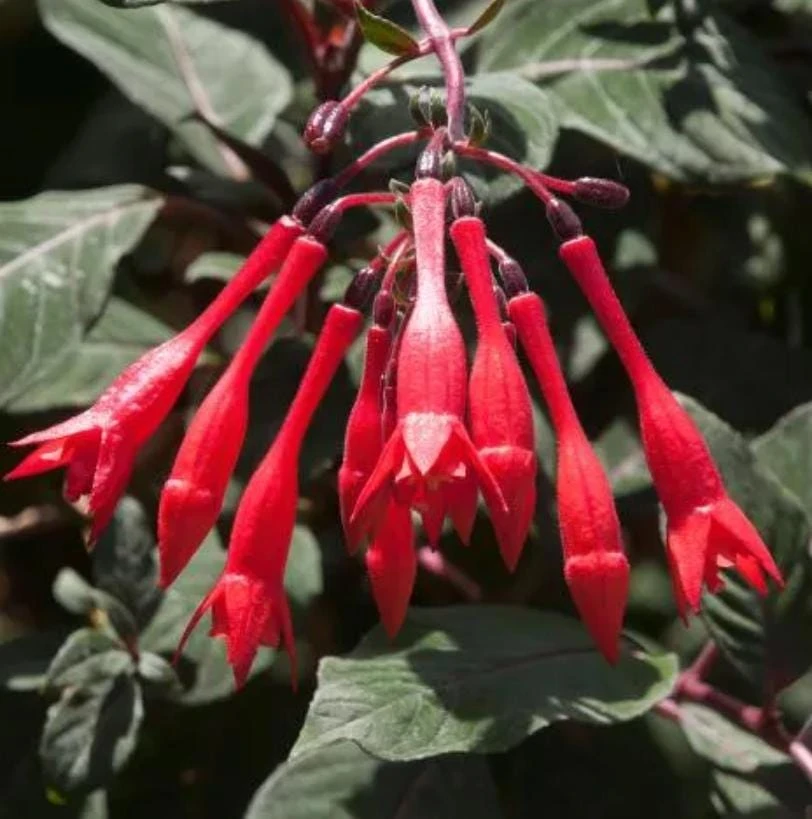
Gartenmeister Fuchsia Live Plant – 2 Pack, 5″ Pot, Red-Orange Flowering Ornamental for Shade
Reviews
There are no reviews yet.