
White Mulberry Tree Live Plant – Morus alba, 8-12in Sweet Fruit Bearing
Original price was: $66.99.$51.99Current price is: $51.99.
Cultivate your own delicious harvest with this white mulberry tree live plant. Known for its exceptionally sweet, honey-flavored, non-staining berries, this Morus alba is a fast-growing addition to any backyard orchard or permaculture garden. Perfect for fresh eating or attracting wildlife.
Estimated arrival
Oct 10
Oct 15 - Oct 17
Oct 20 - Oct 24
Shop With Confidence
30-Day Plant Health Guarantee
Arrives damaged? We’ll replace it free — see our return policy.
Responsive Support
Email us anytime, we reply within 1 business day.
Expert Packaging
Temperature-controlled shipping to protect your plants in transit.
Secure Checkout
Pay safely with Visa, Mastercard, PayPal.
Plant Specifications
-
USDA Hardiness Zone
USDA Zones 4-9 -
Soil Type
Well-draining, loamy soil -
Sunlight Exposure
Full sun -
Expected Planting Period
Spring to early summer
Overview
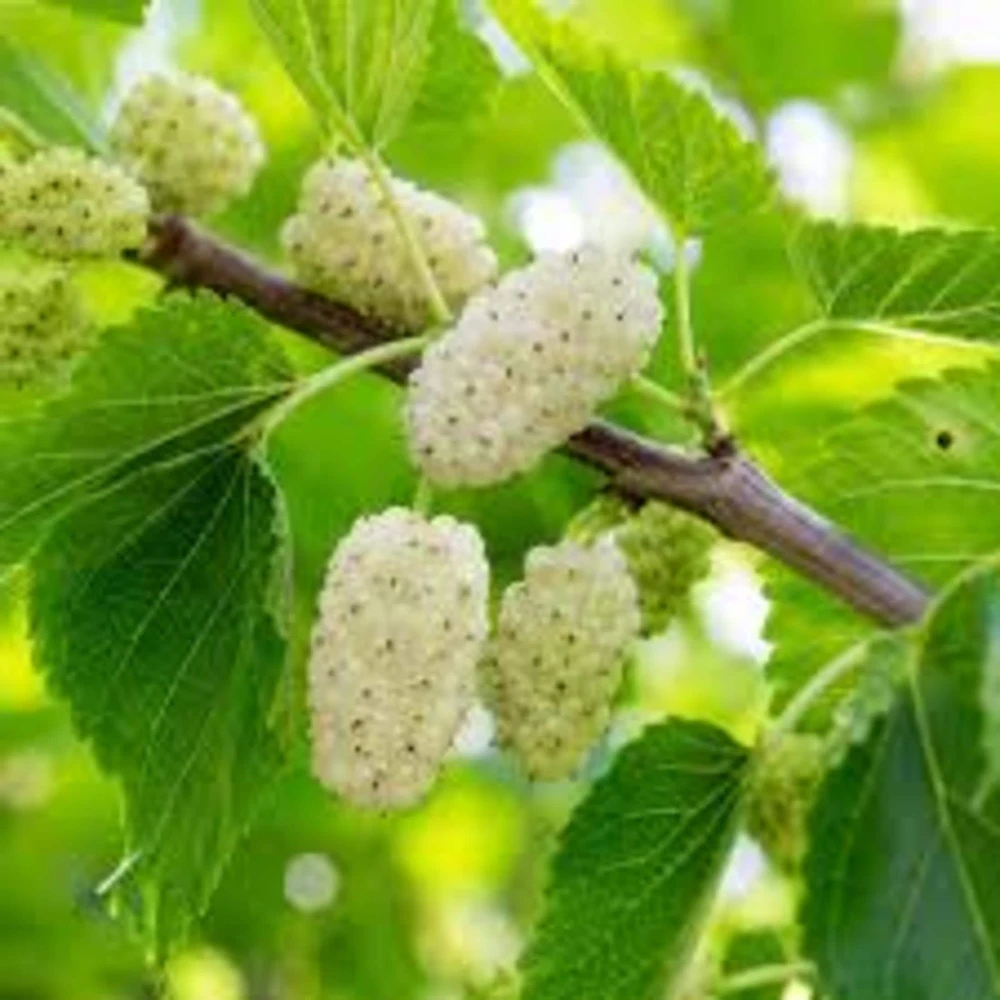
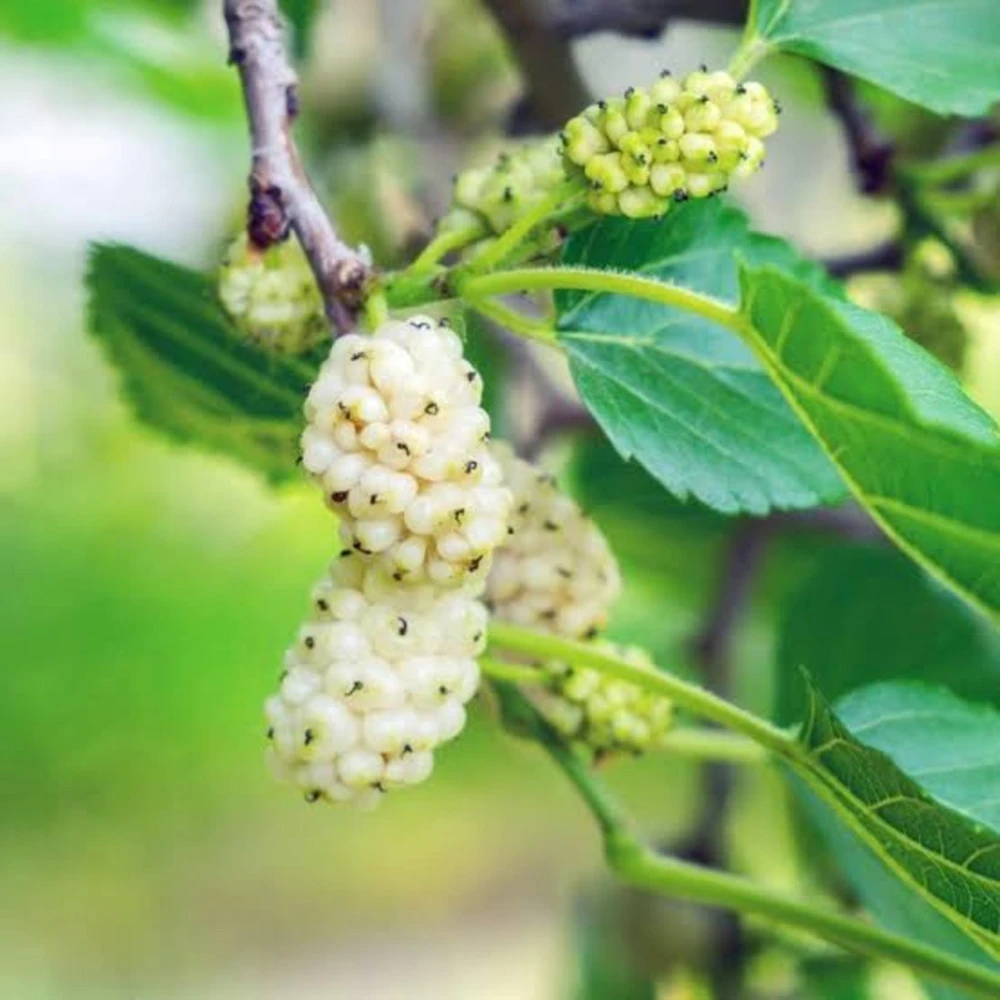
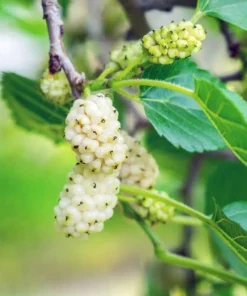
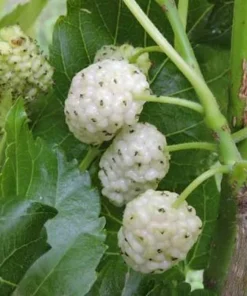
Bring the joy of homegrown fruit to your landscape with a white mulberry tree live plant. This offering includes a healthy Morus alba specimen, ready to establish in your garden. The white mulberry tree live plant is highly esteemed for its rapid growth and abundant yield of uniquely sweet, honey-flavored berries. Unlike its red and black counterparts, the ripe white-to-pink fruits of the Morus alba tree do not stain hands, clothing, or pavement, making it a clean and desirable choice for any setting. Beyond its delicious fruit, this versatile tree also serves as the primary food source for silkworms and provides excellent high-protein forage for backyard poultry, making it a valuable asset for homesteads and permaculture designs.
Each white mulberry tree live plant is shipped deeply rooted in its pot, ensuring it arrives ready to thrive. These young trees are ideal for aspiring gardeners and seasoned orchardists alike, offering a rewarding cultivation experience and a bountiful harvest. Whether you’re looking to add a unique fruit tree to your collection, support local wildlife, or engage in sustainable practices, the Morus alba tree is an excellent choice. Its adaptability and low maintenance requirements make it a suitable option for a wide range of climates and soil conditions, promising a sweet reward for years to come.
Key Benefits
The white mulberry tree live plant offers a multitude of advantages for the home gardener, transforming your outdoor space into a productive and beautiful oasis. Its unique characteristics make it a standout choice for various applications.
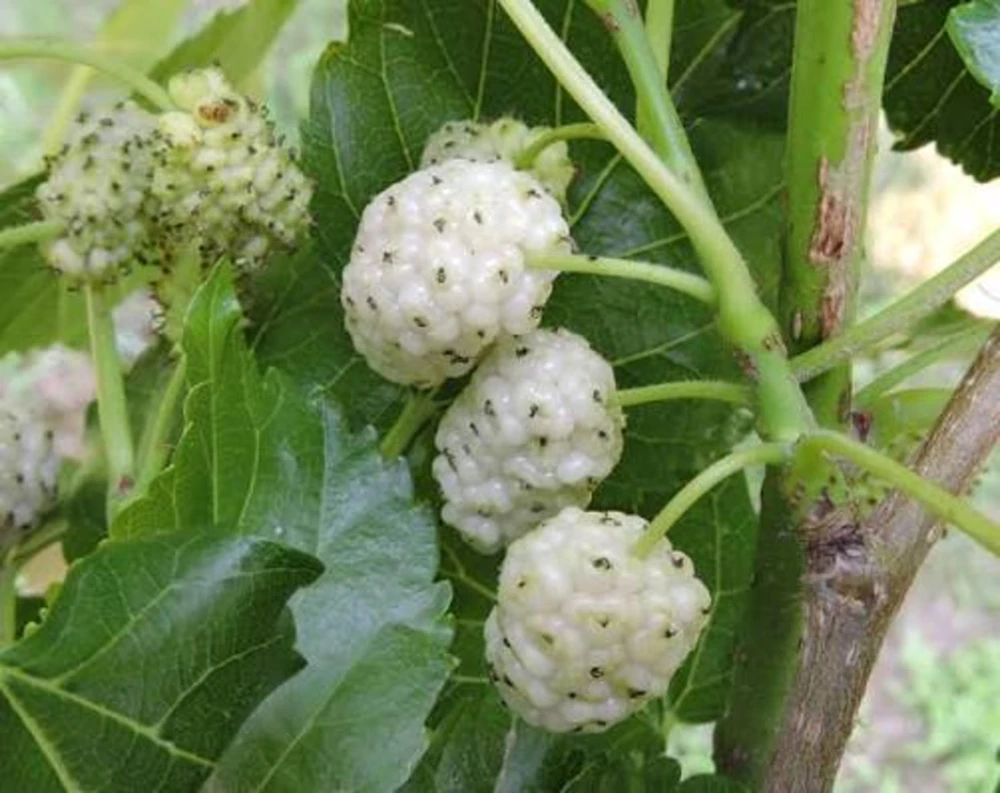
- Delicious, Non-Staining Fruit: Enjoy an abundance of exceptionally sweet, honey-flavored berries that ripen to a beautiful white or pink hue. Unlike other mulberries, these fruits are non-staining, meaning no messy clean-up on hands, clothes, or sidewalks. Perfect for fresh eating, jams, or desserts.
- Fast Growth Rate: The Morus alba tree is known for its vigorous and rapid growth, allowing you to establish a productive fruit-bearing tree in your garden relatively quickly. This ensures you’ll be enjoying harvests sooner rather than later.
- Versatile Use: Beyond its culinary appeal, the white mulberry is also the essential food source for raising silkworms, offering a unique educational or hobby opportunity. It also provides excellent high-protein forage for backyard poultry, contributing to a self-sufficient ecosystem.
- Adaptable and Resilient: This tree is remarkably adaptable to various soil types and growing conditions, making it a robust choice for many climates. Its resilience contributes to its ease of care, making it a great option for both novice and experienced gardeners.
- Attracts Wildlife: The sweet berries are a natural magnet for birds and other beneficial wildlife, enhancing biodiversity in your garden and providing a natural food source for local fauna. This can be a delightful aspect of growing mulberry tree in your yard.
- Low Maintenance: Once established, the white mulberry tree live plant requires minimal care, making it a hassle-free addition to your landscape. It’s a forgiving tree that rewards with consistent harvests with relatively little effort.
- Ideal for Permaculture: With its fast growth, fruit production, and ability to support silkworms and poultry, the Morus alba tree is an excellent component for permaculture gardens and sustainable homesteads, contributing to a self-sustaining environment.
Plant Care & Growing Tips
Caring for your white mulberry tree live plant is straightforward, ensuring years of delicious fruit and beautiful foliage. These trees are quite resilient, but providing optimal conditions will maximize their growth and productivity. For successful growing mulberry tree, consider the following guidelines.
Sunlight Requirements: White mulberries thrive in full sun, meaning they need at least 6-8 hours of direct sunlight per day. While they can tolerate partial shade, fruit production may be reduced. When planting, choose a location in your garden that receives ample sun exposure throughout the day. Watering Schedule: During the first year after planting, regular watering is crucial to help the tree establish a strong root system. Water deeply 2-3 times a week, especially during dry spells, ensuring the soil remains consistently moist but not waterlogged. Once established, white mulberries are relatively drought-tolerant, but supplemental watering during prolonged dry periods will benefit fruit development. Soil Type and Drainage: This Morus alba tree prefers well-draining soil with a pH between 6.0 and 7.0. While adaptable to various soil types, rich, loamy soil amended with organic matter will promote the best growth. Ensure the planting site has good drainage to prevent root rot.
Temperature Range and USDA Hardiness Zone: White mulberries are quite hardy and generally thrive in USDA Zones 4-9. They can tolerate a wide range of temperatures, from cold winters to hot summers. Protect young trees from extreme cold snaps in their first few years. Fertilization: Fertilize your white mulberry tree live plant in early spring with a balanced, slow-release fertilizer or a granular fruit tree formula. Follow the product instructions for application rates. Avoid over-fertilizing, especially with high-nitrogen fertilizers, which can promote leafy growth at the expense of fruit production. Common Problems and Solutions: White mulberries are generally pest and disease resistant. However, watch out for common issues like powdery mildew or aphids. Good air circulation and proper watering practices can prevent most fungal diseases. For pests, organic insecticidal soaps can be effective. Prune your tree in late winter or early spring to remove dead or diseased branches, improve air circulation, and shape the tree for better fruit accessibility.
Size & Details
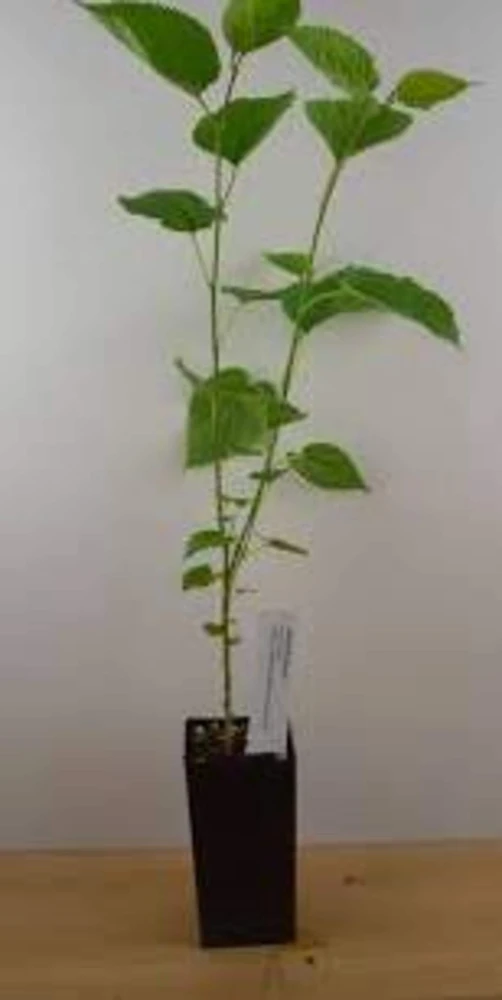
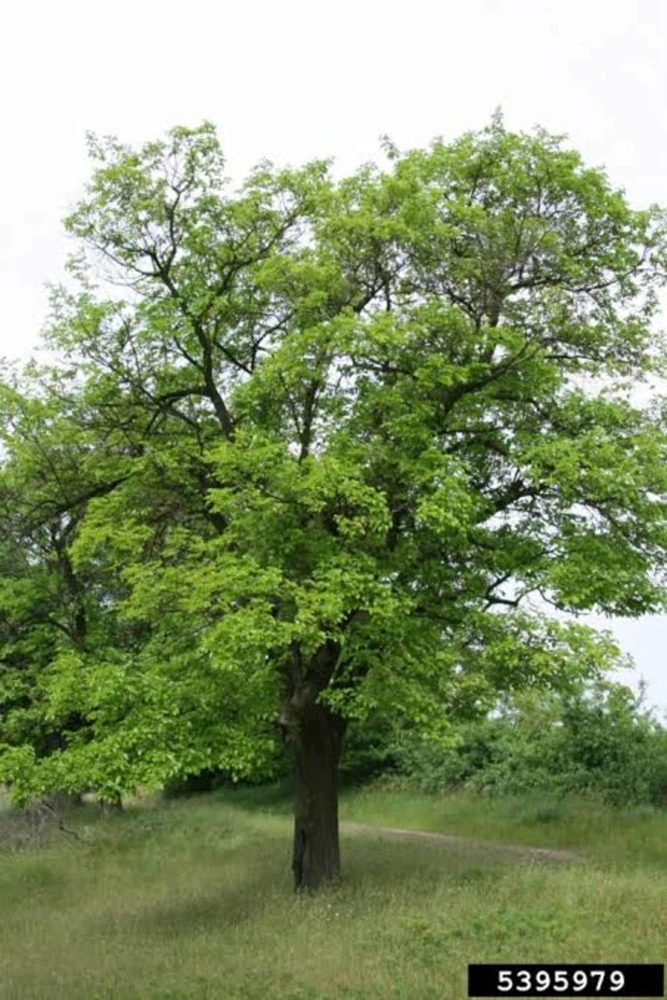
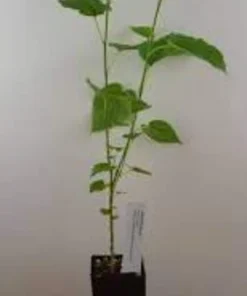
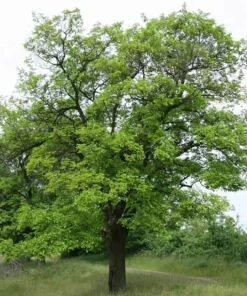
This offering is for a white mulberry tree live plant, typically ranging from 8-12 inches in height upon arrival, potted in a nursery container. These starter trees are well-rooted and developed to ensure a smooth transition to your garden. The Morus alba tree is known for its vigorous growth, and with proper care, it can reach mature heights of 20-30 feet, often with a similar spread, forming a beautiful, rounded canopy. However, it can be pruned to maintain a smaller, more manageable size for backyard orchards or smaller spaces. Expect your tree to begin bearing fruit within 2-3 years of planting, with increasing yields as it matures.
The plants are shipped in their pots to minimize transplant shock and ensure they arrive healthy and ready for planting. The quick establishment and rapid growth of this sweet fruit bearing tree mean you can look forward to enjoying its delicious harvest relatively soon. The mature size and growth habit make it an excellent choice for a shade tree that also provides a bounty of fruit, making it a highly functional and aesthetic addition to your landscape. Consider the eventual size when selecting a planting location to provide ample space for its growth.
Frequently Asked Questions
- Q: How big does this white mulberry tree live plant get? A: With proper care, a white mulberry tree can reach mature heights of 20-30 feet with a similar spread. However, it can be pruned to maintain a smaller, more manageable size for home gardens.
- Q: What size pot does it come in? A: The white mulberry tree live plant is typically shipped in a 3.5-inch nursery pot, deeply rooted and ready for transplanting into your garden or a larger container.
- Q: Is this an indoor or outdoor plant? A: The Morus alba tree is primarily an outdoor plant, thriving in garden settings where it can receive full sun and develop into a mature fruit-bearing tree. It is not typically grown as a houseplant.
- Q: How much sunlight does it need? A: For optimal growth and fruit production, this sweet fruit bearing tree requires full sun, meaning at least 6-8 hours of direct sunlight per day.
- Q: Is this plant easy to care for? A: Yes, the white mulberry tree is considered relatively easy to care for, especially once established. It’s adaptable and resilient, making it suitable for gardeners of all experience levels who are interested in growing mulberry tree.
- Q: What condition will it arrive in? A: Your white mulberry tree live plant will arrive deeply rooted in its pot, carefully packaged to ensure it reaches you in healthy condition, ready to thrive in your garden.
- Q: How long until it blooms and fruits? A: White mulberry trees typically begin to bear fruit within 2-3 years after planting, with fruit production increasing significantly as the tree matures.
- Q: When is the best time to plant a Morus alba tree? A: The best time to plant a white mulberry tree is in early spring or fall, allowing it to establish its root system before extreme summer heat or winter cold.
- Q: Will it survive winter in my zone? A: The white mulberry tree is hardy and can survive winters in USDA Zones 4-9. It is quite tolerant of cold temperatures once established.
- Q: What’s the minimum temperature this tree can tolerate? A: Established white mulberry trees can tolerate winter temperatures down to approximately -20°F (-29°C), making it suitable for a wide range of climates.
Be the first to review “White Mulberry Tree Live Plant – Morus alba, 8-12in Sweet Fruit Bearing”
People Also Viewed

Houseplants
Set of 2 Purple Alocasia Elephant Ear Live Plants, 4-8 Inch Tall Tropical Foliage for Indoor/Outdoor

Reviews
There are no reviews yet.