
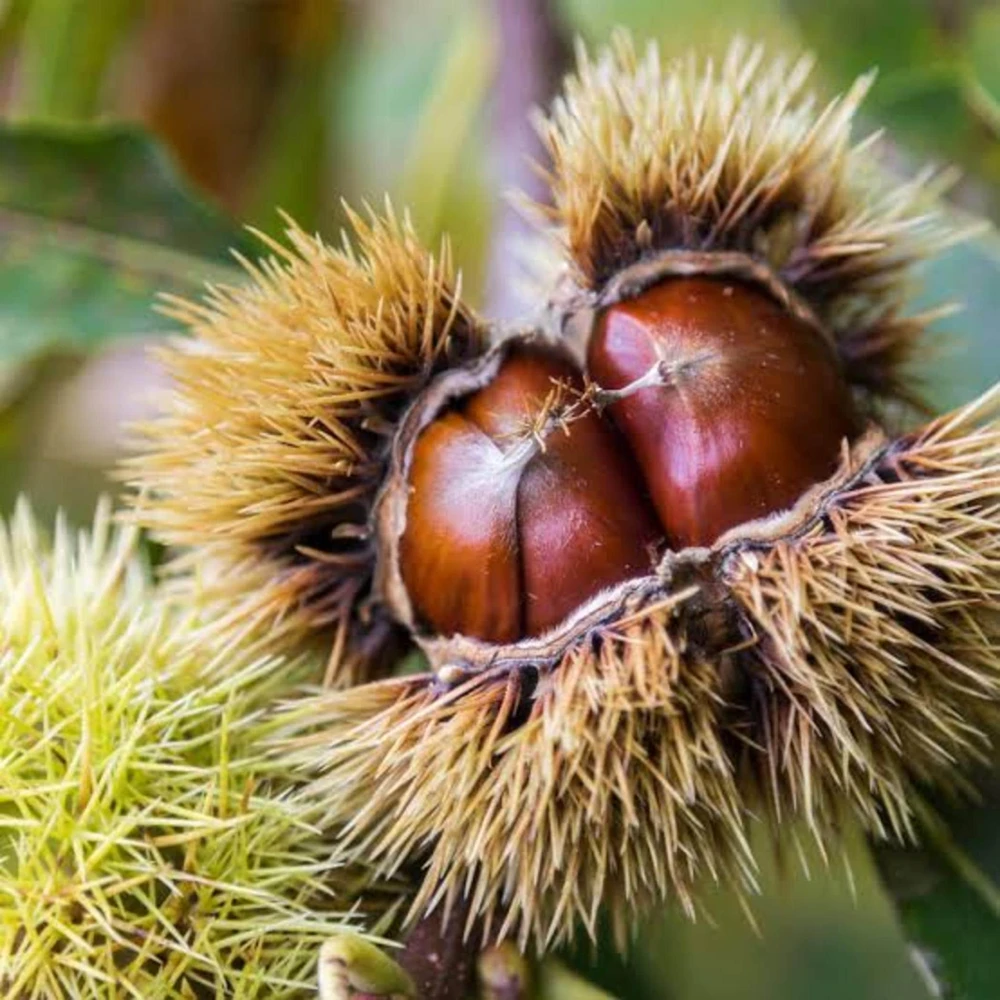
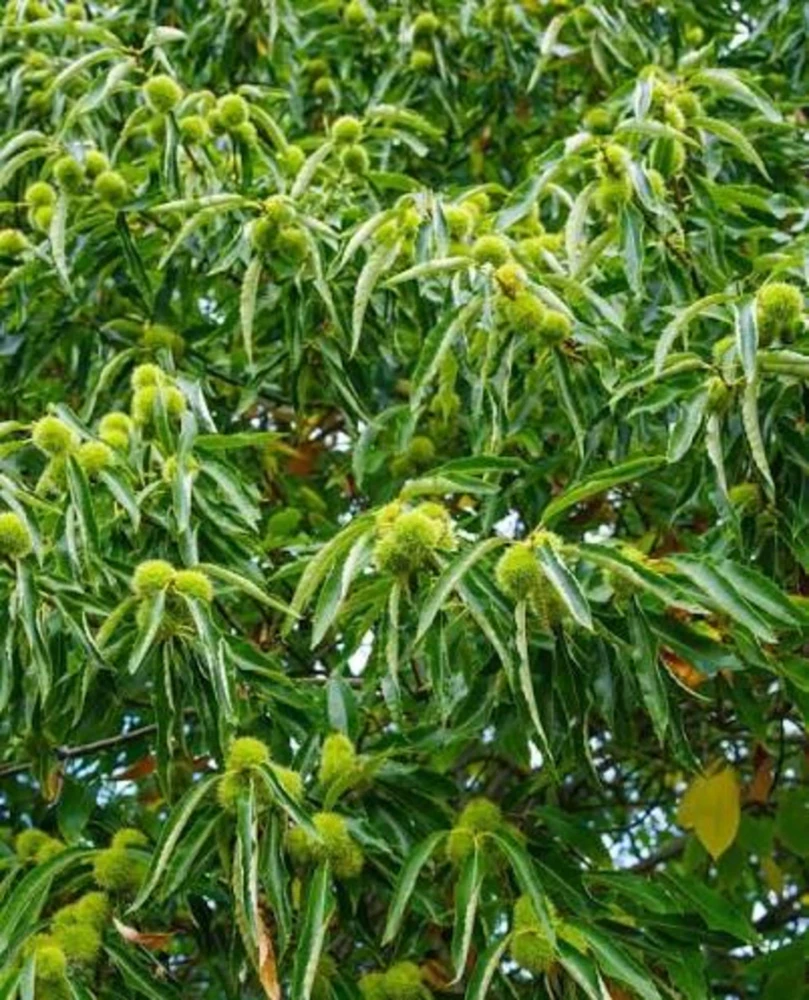
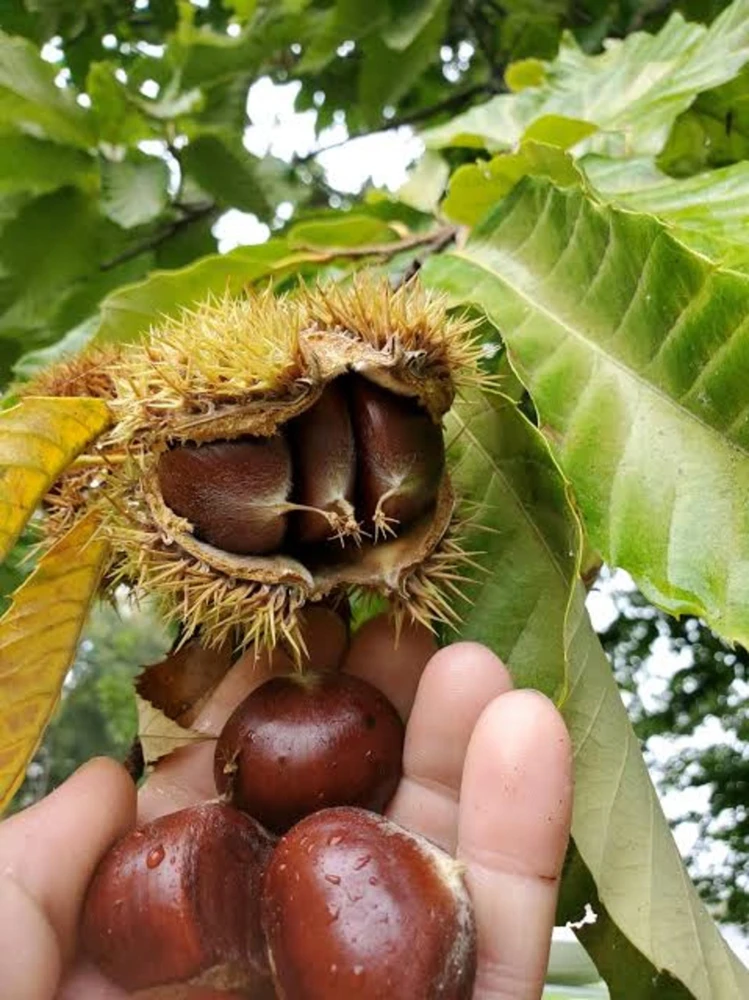
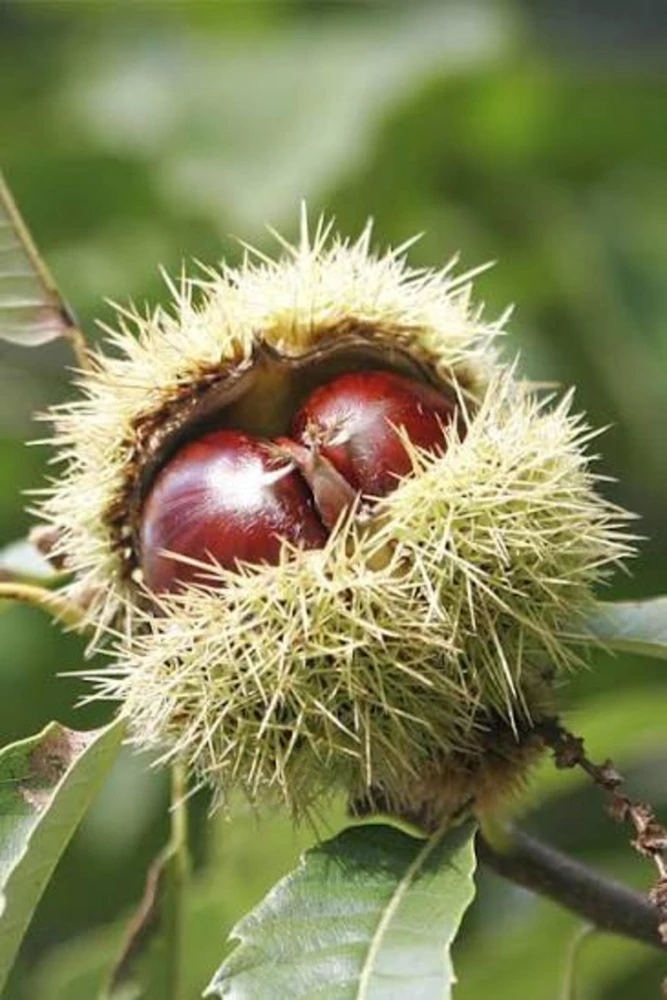
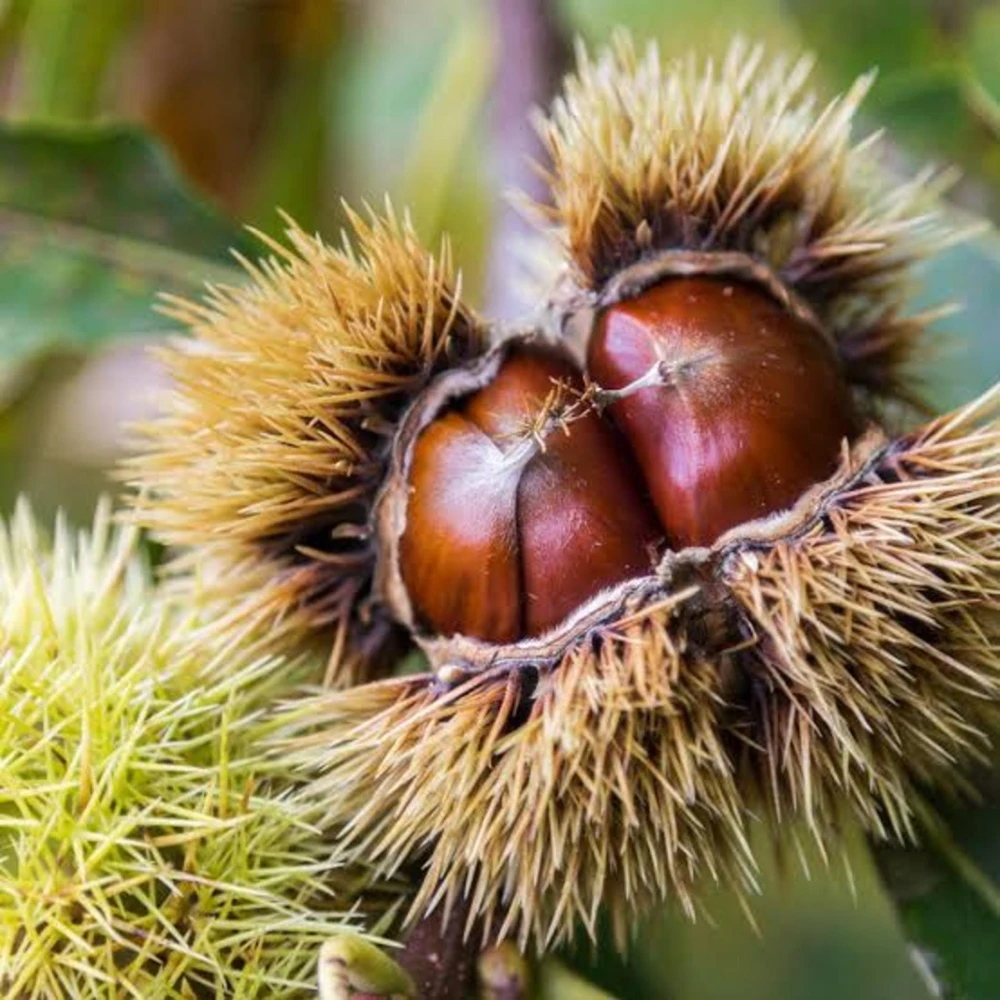
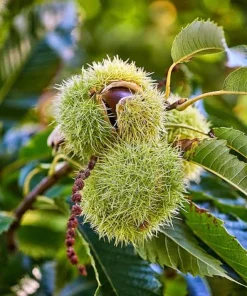
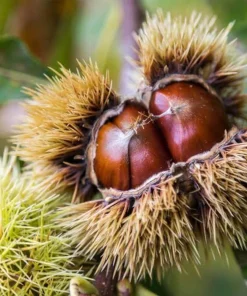
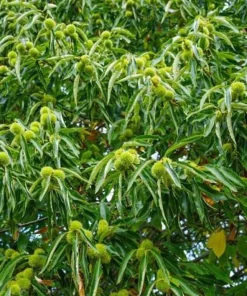
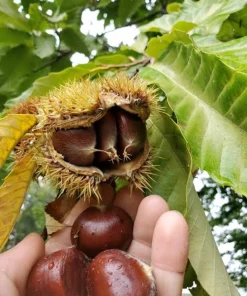
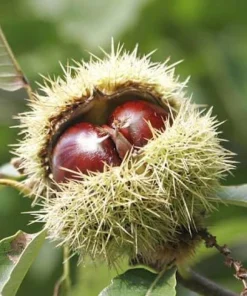
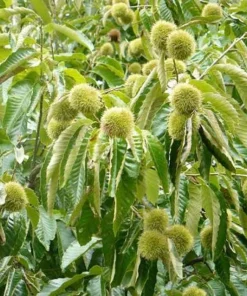
Chinese Chestnut Tree Live Plant 8-12in Potted Castanea Mollissima Fast Growing Nut Tree
Original price was: $53.99.$38.99Current price is: $38.99.
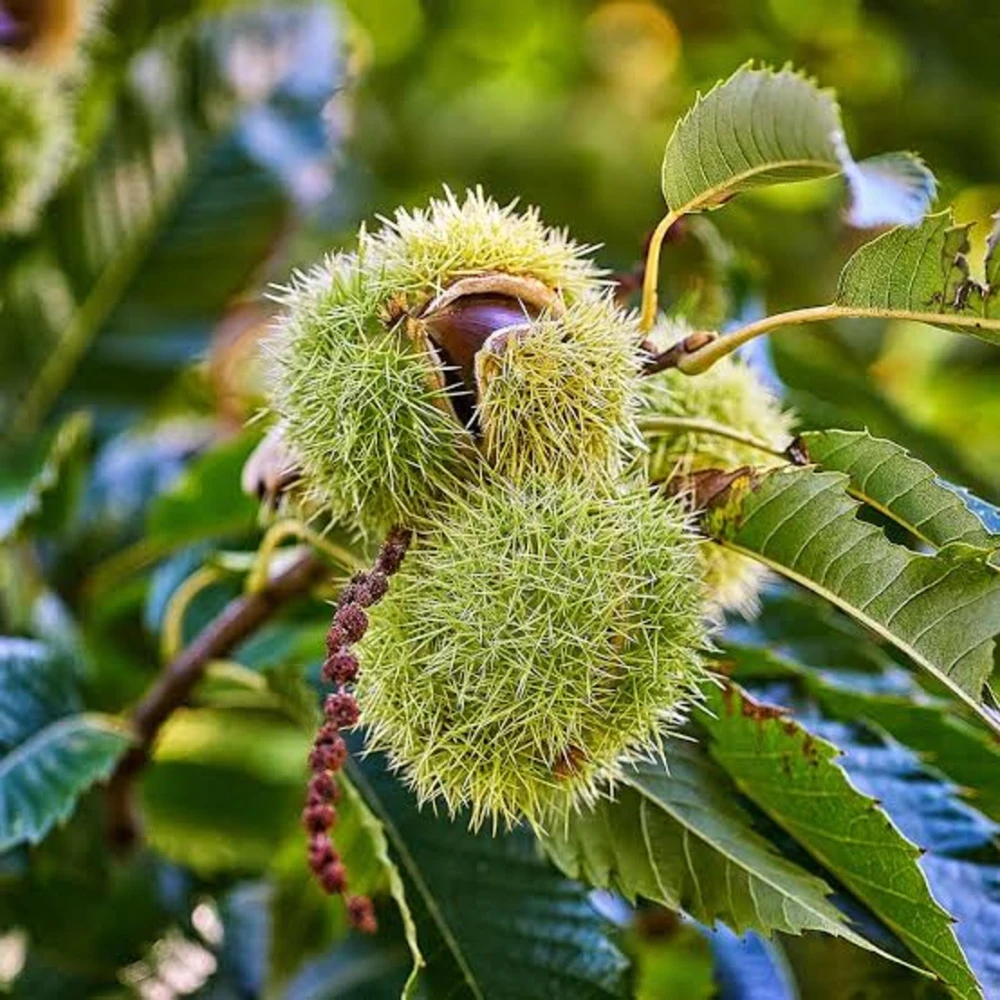
Cultivate a thriving nut orchard with this Chinese Chestnut Tree live plant. This fast growing nut tree, Castanea mollissima, is prized for its sweet, delicious nuts and excellent blight resistance. Perfect for any backyard orchard tree or edible landscape.
Estimated arrival
Oct 10
Oct 15 - Oct 17
Oct 20 - Oct 24
Shop With Confidence
30-Day Plant Health Guarantee
Arrives damaged? We’ll replace it free — see our return policy.
Responsive Support
Email us anytime, we reply within 1 business day.
Expert Packaging
Temperature-controlled shipping to protect your plants in transit.
Secure Checkout
Pay safely with Visa, Mastercard, PayPal.
Plant Specifications
-
USDA Hardiness Zone
USDA Zones 4-8 -
Soil Type
Well-draining, slightly acidic to neutral soil -
Sunlight Exposure
Full sun (6-8 hours direct light) -
Expected Planting Period
Spring or Fall
Overview
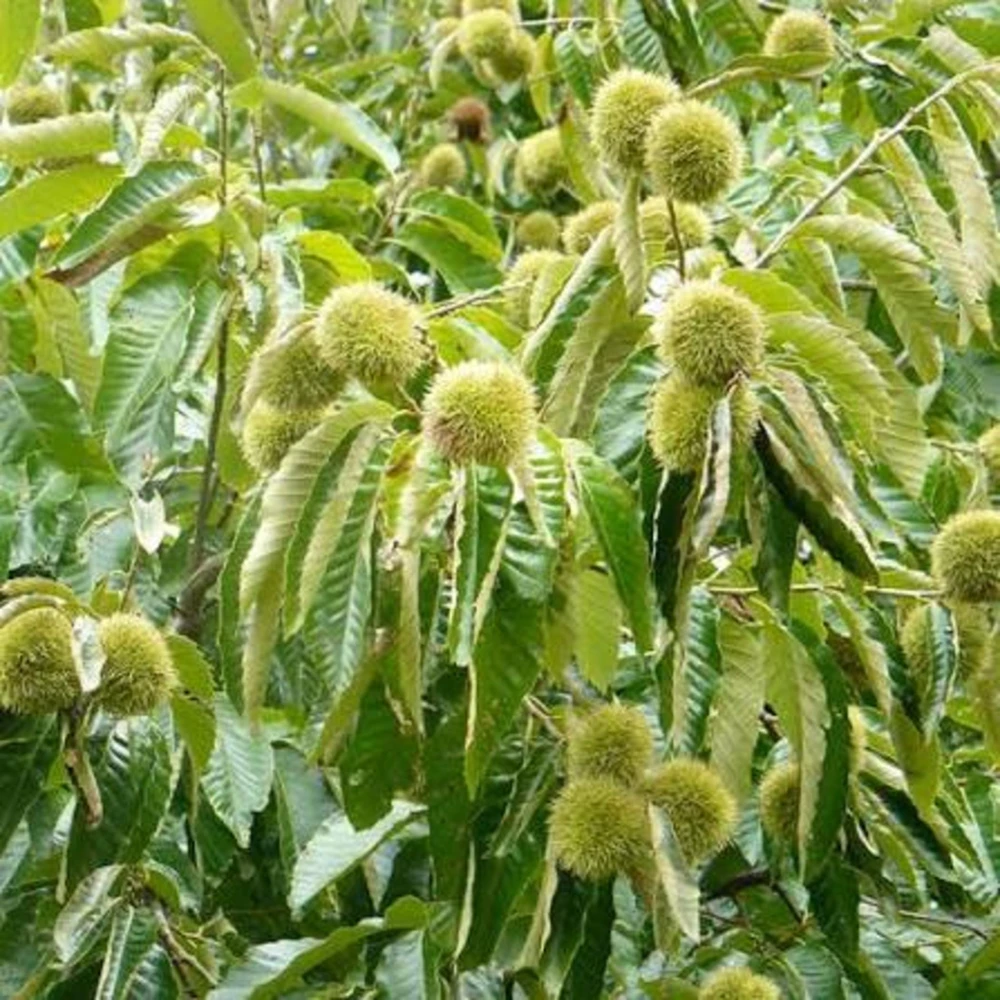
Cultivate your own abundant harvest with a premium Chinese Chestnut Tree live plant. This remarkable species, scientifically known as Castanea mollissima, is renowned for its delicious, sweet nuts and impressive resilience. Unlike many traditional American chestnuts, the Chinese Chestnut Tree live plant offers superior blight resistance, making it an ideal choice for growers seeking a reliable and productive nut-bearing tree. Whether you’re establishing a permaculture homestead, expanding an existing orchard, or simply adding a valuable specimen to your backyard, this tree provides both aesthetic beauty and a bountiful yield. Our healthy saplings are nursery-grown, ensuring they arrive well-established and ready to thrive in your landscape, minimizing transplant shock and promoting immediate growth.
The Castanea mollissima is celebrated not only for its edible nuts but also for its beautiful, spreading canopy, providing ample shade and enhancing the visual appeal of any outdoor space. It’s a dual-purpose addition that contributes significantly to ecological diversity and food production. This fast growing nut tree quickly establishes itself, allowing you to enjoy fresh, homegrown chestnuts sooner. Its adaptability to various climates and soil types makes it a versatile choice for many regions across the United States, bringing the joy of nut harvesting to your property.
Key Benefits
Investing in a Chinese Chestnut Tree live plant offers a multitude of advantages for both the home gardener and the serious orchardist. You’ll enjoy the satisfaction of growing your own food and contributing to a sustainable environment.
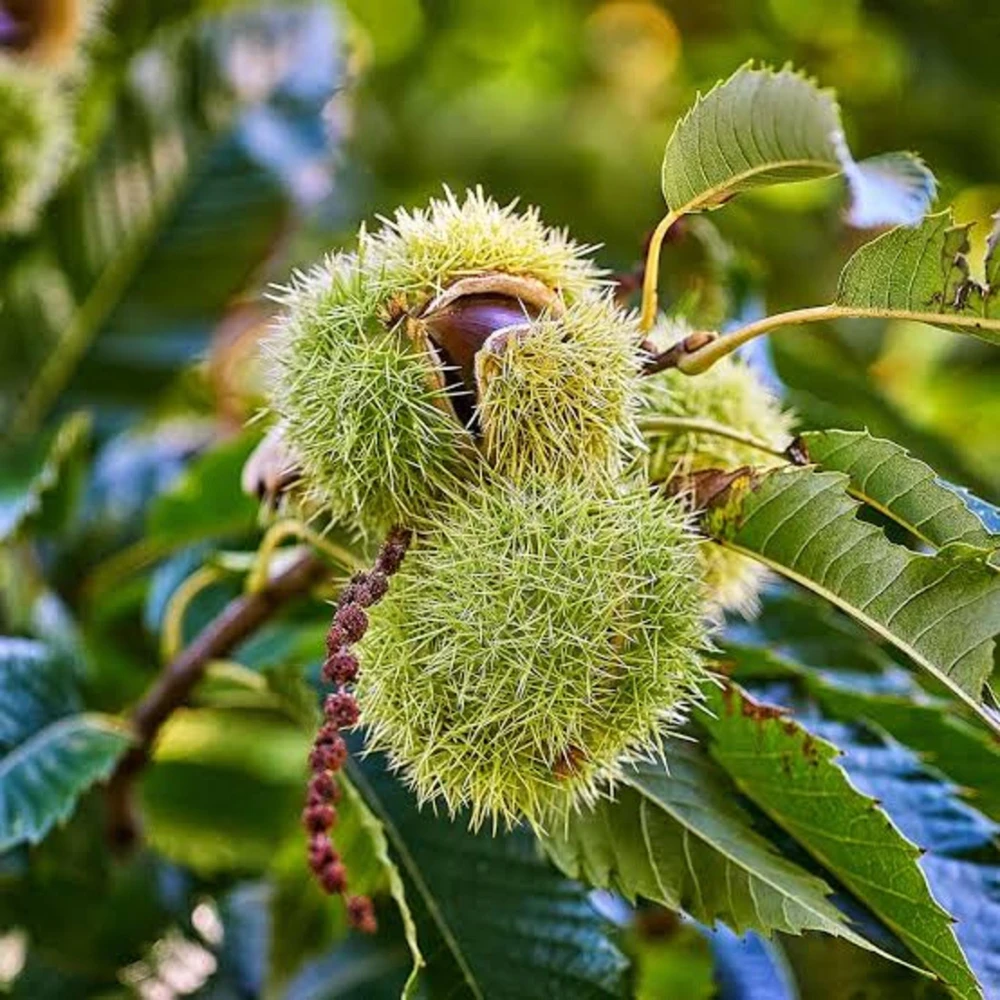
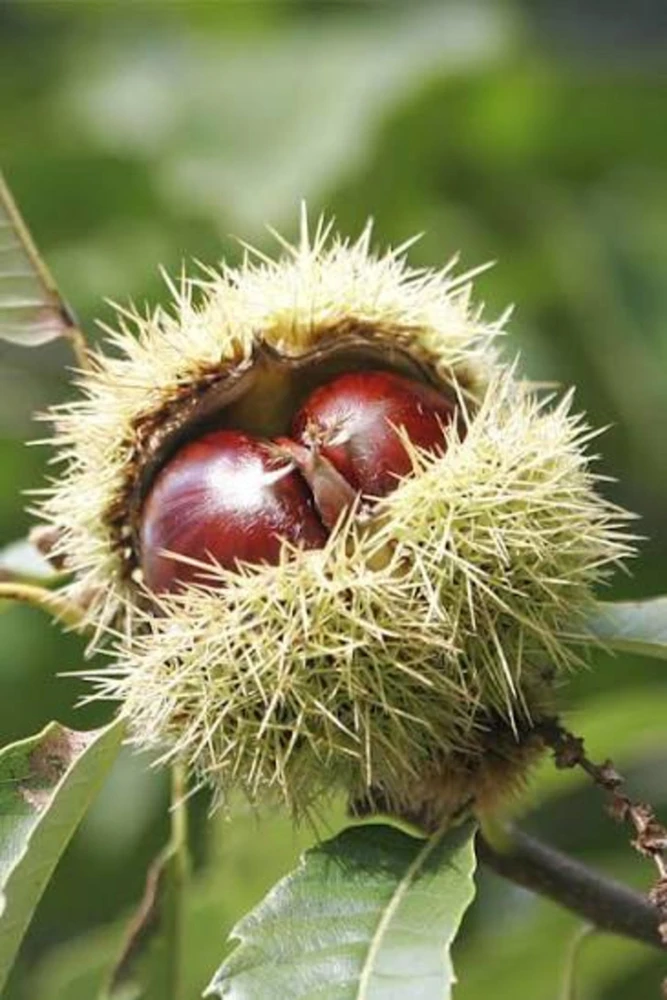
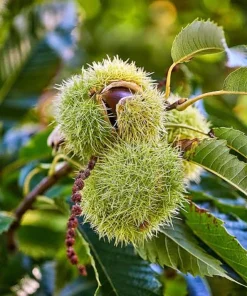
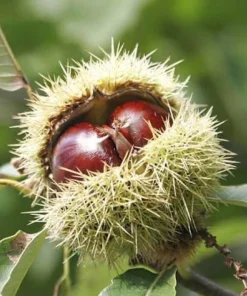
- Delicious & Nutritious Harvest: Produce sweet, flavorful chestnuts that are excellent for roasting, baking, or eating fresh. These nuts are a healthy source of protein and essential nutrients, offering a superior taste profile compared to many other chestnut varieties.
- Exceptional Blight Resistance: This variety is highly regarded for its natural resistance to chestnut blight, a devastating disease that has impacted native American chestnuts. This resilience ensures a healthier, more productive tree with less maintenance.
- Fast Growth & Productivity: As a fast growing nut tree, the Chinese Chestnut establishes quickly and begins bearing nuts within a few years, providing a quicker return on your gardening investment compared to slower-growing species.
- Beautiful Landscape Specimen: Beyond its edible bounty, the Chinese Chestnut develops a gorgeous, spreading canopy, making it a stunning shade tree and an attractive focal point in any garden or landscape design.
- Cold Hardy & Adaptable: Known for its robust nature, the Castanea mollissima is cold hardy and adapts well to a range of climates, making it suitable for many USDA zones and various environmental conditions.
- Ecosystem Support: Provides valuable food and habitat for wildlife, contributing to the biodiversity of your property and supporting local ecosystems. It’s an excellent choice for a backyard orchard tree that benefits more than just humans.
- Sustainable Food Source: Growing your own chestnuts reduces reliance on commercial food systems and offers a sustainable, perennial source of high-quality nuts for your family for years to come.
Plant Care & Growing Tips
Caring for your Chinese Chestnut Tree live plant is straightforward, especially when provided with the right conditions from the start. These trees thrive with proper attention to their environmental needs, ensuring a healthy and productive life. For optimal growth, choose a planting site that receives at least 6-8 hours of direct sunlight daily. Full sun exposure is crucial for robust growth and abundant nut production. While young trees may tolerate some partial shade, mature trees perform best in open, sunny locations.
When it comes to watering, consistent moisture is key, especially during the first few years after planting. Water deeply and regularly, ensuring the soil remains moist but not waterlogged. Once established, the Castanea mollissima becomes more drought-tolerant, but supplemental watering during dry spells will benefit nut development. Well-draining soil is paramount; these trees do not tolerate heavy, waterlogged conditions. A slightly acidic to neutral soil pH (around 5.5 to 7.0) is ideal. Amend heavy clay soils with organic matter like compost or aged manure to improve drainage and fertility. For fertilization, a balanced slow-release fertilizer can be applied in early spring, following package instructions. Avoid over-fertilizing, as this can lead to excessive foliage growth at the expense of nut production.
The blight resistant chestnut is generally hardy in USDA Zones 4-8. Protect young trees from harsh winter winds in colder zones. Pruning should focus on developing a strong central leader and removing any dead, damaged, or crossing branches. This promotes good air circulation and light penetration, which are vital for a healthy, productive fast growing nut tree. Monitor for common pests like Japanese beetles or borers, and address any issues promptly with appropriate organic or chemical controls. With proper care, your Chinese Chestnut Tree live plant will flourish and provide many years of delicious harvests.
Size & Details
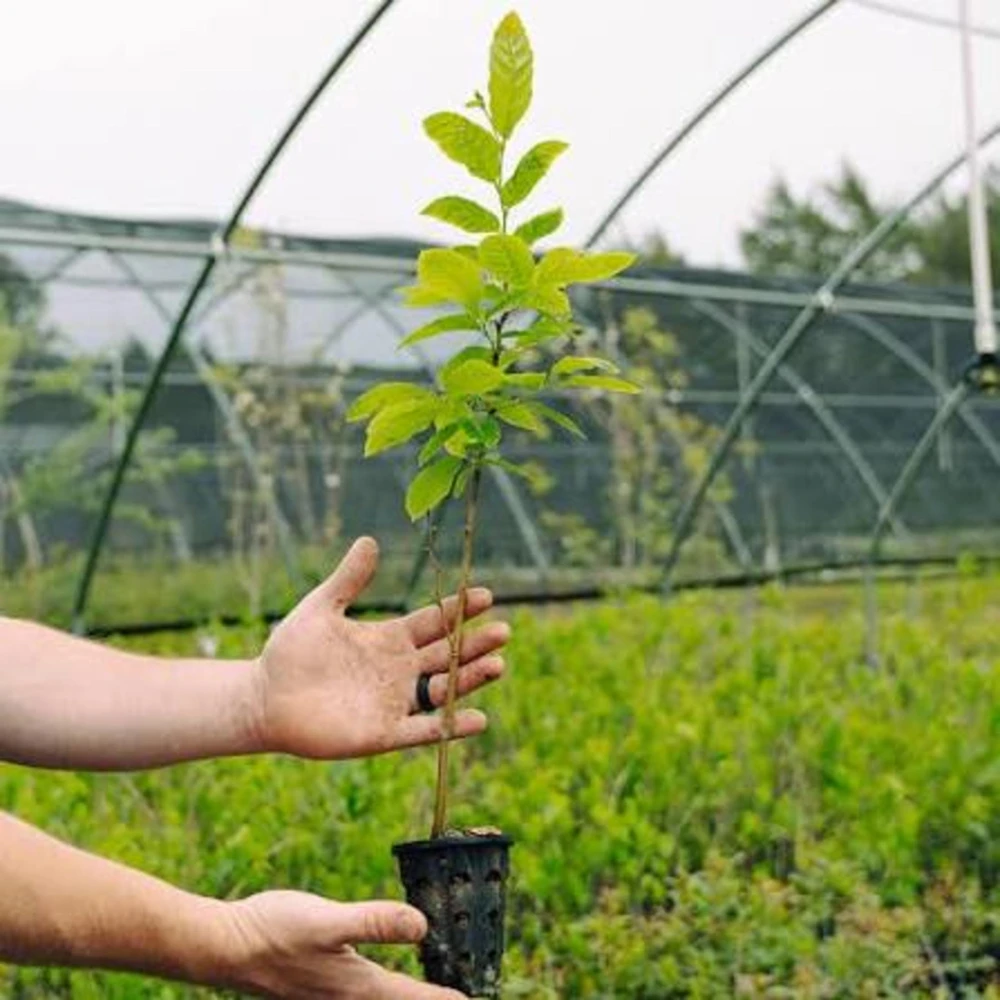
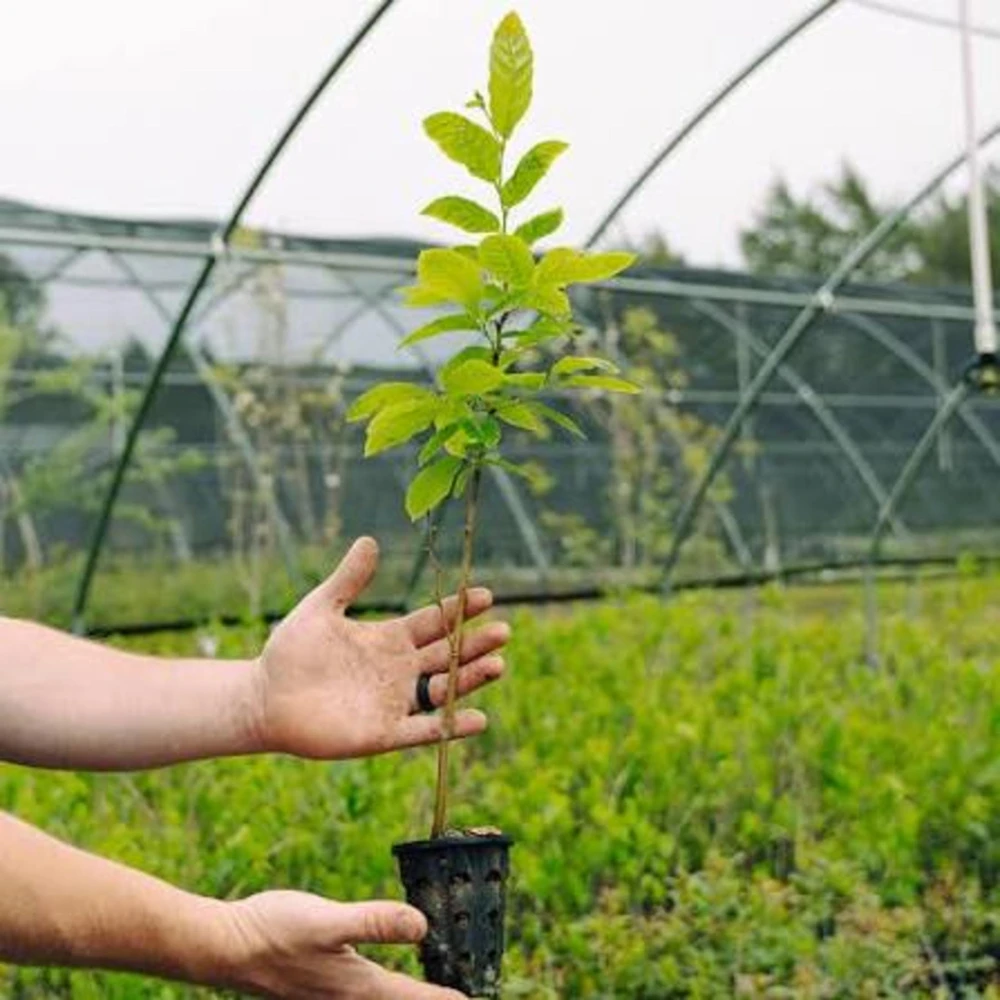
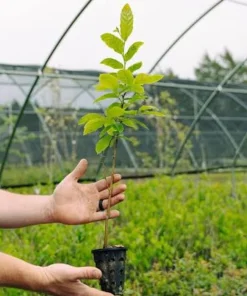
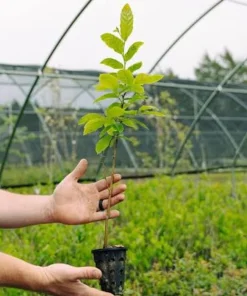
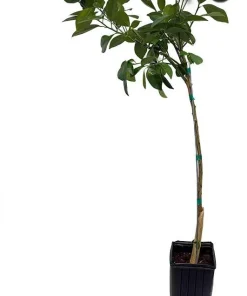
Each Chinese Chestnut Tree live plant arrives as a healthy, well-established sapling, typically measuring 8-12 inches in height. These young trees are provided in starter pots, ensuring a robust root system and minimizing transplant shock upon arrival. This allows your tree to immediately focus its energy on growth once planted in its permanent location. The Castanea mollissima is known for its relatively fast growth rate, often reaching heights of 20-40 feet at maturity with a similar spread, creating a magnificent canopy. Expect the first nuts to appear within 3-5 years under ideal growing conditions, with production increasing significantly as the tree matures. This makes it an excellent long-term investment for a productive backyard orchard tree. The ultimate size and yield will depend on planting conditions, climate, and care provided.
Frequently Asked Questions
- Q: How big does this plant get? A: A mature Chinese Chestnut Tree live plant typically reaches heights of 20-40 feet with a similar spread, forming a large, attractive canopy. Its size can vary based on growing conditions and pruning.
- Q: What size pot does it come in? A: Your Chinese Chestnut Tree live plant will arrive well-established in a starter pot, ensuring the root system is protected and ready for transplanting into your garden or a larger container.
- Q: Is this an indoor or outdoor plant? A: The Chinese Chestnut is an outdoor tree, best suited for planting directly in the ground where it can grow to its full potential as a fast growing nut tree. It requires ample space and sunlight.
- Q: How much sunlight does it need? A: This tree thrives in full sun, requiring at least 6-8 hours of direct sunlight per day for optimal growth and nut production.
- Q: Is this plant easy to care for? A: Yes, the Chinese Chestnut Tree live plant is relatively easy to care for once established, especially given its natural resistance to blight. It requires consistent watering in its early years and well-draining soil.
- Q: What condition will it arrive in? A: Your sapling will be nursery-grown and shipped healthy, well-rooted, and carefully packaged to ensure it arrives in excellent condition, ready for planting.
- Q: How long until it produces nuts? A: Under good growing conditions, your Castanea mollissima can begin producing nuts within 3-5 years after planting, with yields increasing as the tree matures.
- Q: Will it survive winter in my zone? A: The blight resistant chestnut is cold hardy and generally thrives in USDA Zones 4-8. It can withstand typical winter conditions within these zones.
- Q: What type of soil does it prefer? A: This tree prefers well-draining, slightly acidic to neutral soil (pH 5.5-7.0). Avoid heavy clay soils that retain too much moisture.
- Q: Why choose a blight resistant chestnut? A: Choosing a blight resistant chestnut ensures your tree has a much higher chance of survival and productivity compared to blight-susceptible varieties, making it a more reliable choice for a backyard orchard tree.
Be the first to review “Chinese Chestnut Tree Live Plant 8-12in Potted Castanea Mollissima Fast Growing Nut Tree”
People Also Viewed
Vegetable Seeds
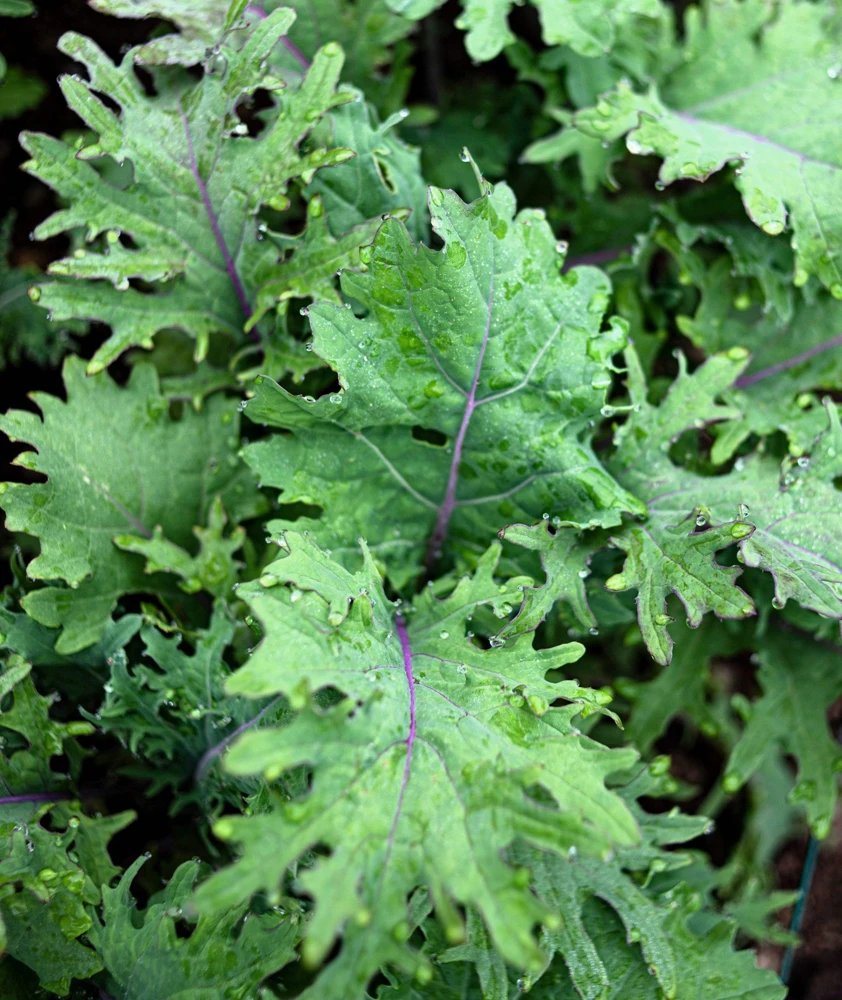
500 Red Russian Kale Seeds – Brassica Oleracea Vegetable Seeds
Reviews
There are no reviews yet.