
Catmint Live Plant – Nepeta Perennial Herb, Pollinator Friendly, 1 Gallon Pot
Original price was: $78.99.$58.99Current price is: $58.99.
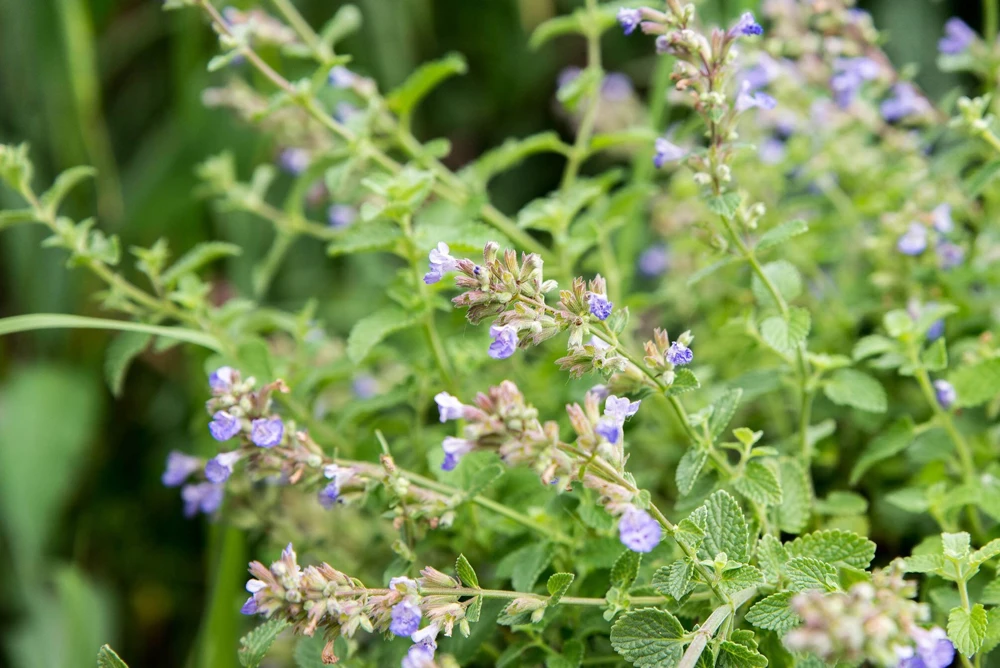
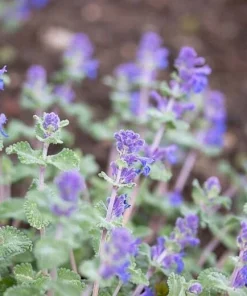
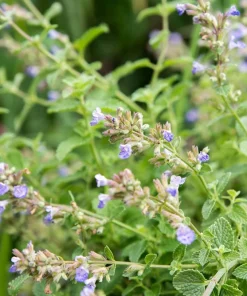
Enhance your garden with a beautiful catmint live plant. This fragrant nepeta perennial herb features lovely periwinkle blue flowers and attracts beneficial pollinators. Easy to grow and low maintenance, it’s perfect for borders, rock gardens, or containers.
Estimated arrival
Oct 10
Oct 15 - Oct 17
Oct 20 - Oct 24
Shop With Confidence
30-Day Plant Health Guarantee
Arrives damaged? We’ll replace it free — see our return policy.
Responsive Support
Email us anytime, we reply within 1 business day.
Expert Packaging
Temperature-controlled shipping to protect your plants in transit.
Secure Checkout
Pay safely with Visa, Mastercard, PayPal.
Plant Specifications
-
USDA Hardiness Zone
3-8 -
Soil Type
Well-draining soil -
Sunlight Exposure
Full sun, Partial sun -
Expected Planting Period
Spring to early summer
Overview
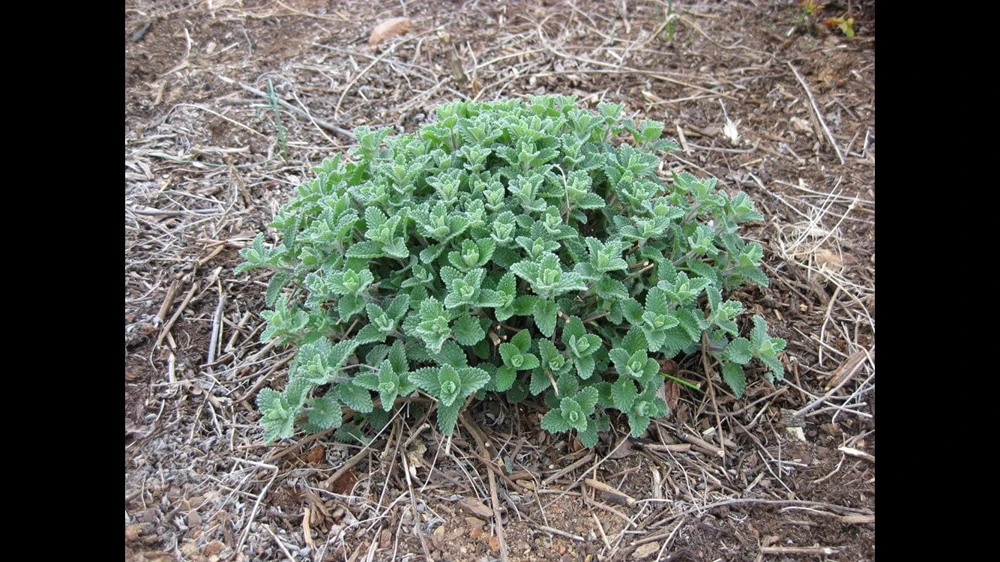
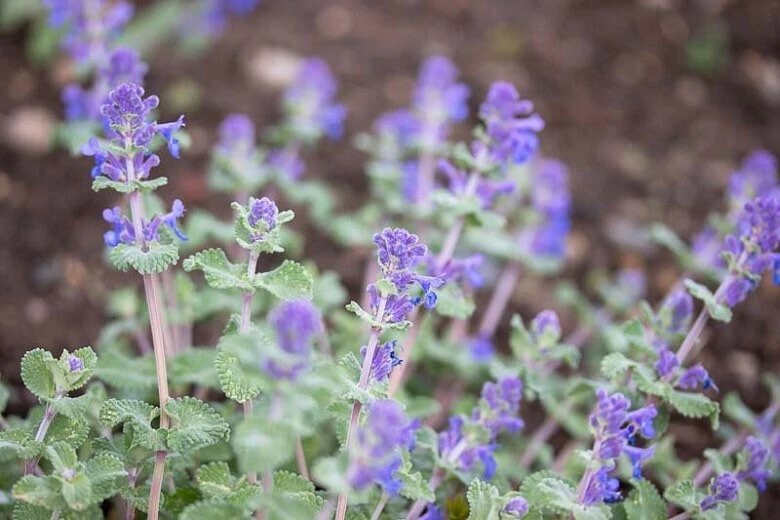
Introduce a touch of elegance and a haven for beneficial insects to your garden with this vibrant catmint live plant. Known botanically as Nepeta, this charming perennial herb is celebrated for its ease of care, delightful fragrance, and abundant blooms. A member of the mint family, Catmint is a robust and resilient plant, making it an excellent choice for both novice and experienced gardeners. Its slightly aromatic gray-green foliage creates a delicate, lacy appearance, forming a compact, mounding habit. In early summer, the plant erupts with spikes of sensational periwinkle blue flowers, which continue to provide repeat blooms throughout the season. Beyond its aesthetic appeal, this nepeta perennial herb is a magnet for pollinators, including bees and butterflies, contributing to a healthy garden ecosystem. Whether you’re looking to create a showy groundcover, add a lovely rock garden accent, or simply enjoy its beauty in containers, catmint is a versatile and rewarding addition.
Key Benefits
Adding a catmint live plant to your landscape offers a multitude of advantages, transforming your outdoor space into a vibrant and fragrant sanctuary. This remarkable plant is not only beautiful but also incredibly beneficial and easy to manage:
-
Attracts Pollinators: Catmint is a highly effective pollinator friendly plant, drawing in bees, butterflies, and other beneficial insects to your garden. This not only enhances biodiversity but also supports the pollination of other plants in your yard.
-
Low Maintenance & Easy Growing: This perennial herb is remarkably resilient and requires minimal care once established. It tolerates a range of conditions and is known for its ability to thrive with little intervention, making it perfect for busy gardeners or those new to gardening.
-
Extended Bloom Season: Enjoy beautiful periwinkle blue flower spikes from early summer, with continuous repeat blooms throughout the growing season. This ensures long-lasting color and interest in your garden.
-
Fragrant Foliage: The slightly aromatic gray-green foliage of catmint releases a pleasant scent, especially when brushed against. This adds another sensory dimension to your garden experience.
-
Drought Tolerant: Once established, catmint is highly drought-tolerant, requiring less water than many other flowering plants. This makes it an excellent choice for water-wise gardening and arid climates.
-
Versatile Landscape Use: Its compact mound and cascading habit make it ideal for various applications. Use it as a showy groundcover, along borders, in rock gardens, or as a striking accent in containers and hanging baskets.
-
Pest and Disease Resistant: Catmint is known for its strong resistance to most common garden pests and diseases, ensuring a healthy and vibrant plant with fewer concerns.
Plant Care & Growing Tips
Understanding proper catmint plant care is essential for ensuring your catmint live plant thrives and provides abundant blooms. This perennial is exceptionally easy to grow, but a few key practices will help it reach its full potential. Catmint prefers a location with full sun to partial sun, meaning it should receive at least 6 hours of direct sunlight daily for optimal flowering. While it can tolerate some shade, too little sun may result in leggy growth and reduced bloom production. Good air circulation is also important to prevent fungal issues.
When it comes to watering, catmint is quite tolerant of dry conditions once established. Allow the soil to dry slightly between waterings, especially during hot, dry spells. Overwatering can lead to root rot, so ensure your plant is in well-draining soil. For soil type, catmint is not particularly fussy but performs best in average, well-drained soil. It tolerates a range of soil pH levels. This plant is hardy in USDA zones 3-8, making it suitable for a wide array of climates. It can quickly reach 2 ft. tall and spread 2 to 3 ft. wide, forming a beautiful, billowy mound.
Fertilization is generally not heavily required for catmint, especially if planted in fertile soil. An annual application of a balanced, slow-release granular fertilizer in spring can encourage vigorous growth and blooming, but avoid over-fertilizing, which can lead to excessive foliage at the expense of flowers. Pruning is key to encouraging repeat blooms and maintaining a tidy appearance. Shear back the spent flower spikes after the first flush of blooms to encourage a second, and sometimes third, wave of flowers. A more significant cutback in late fall or early spring can help rejuvenate the plant. Understanding how to ensure healthy growing catmint will lead to a rewarding garden experience.
Size & Details
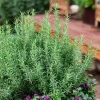
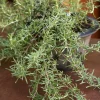
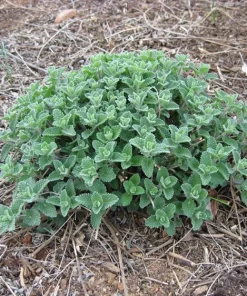
This catmint live plant is shipped as a fully rooted plant in a 1-gallon trade pot. While the plant you receive may vary in size depending on the time of year, availability, and weather conditions, it is robust and ready to establish in your garden. The plants are typically rooted in containers that measure approximately 6 inches high with a 6-inch circumference. Catmint quickly reaches a mature size of about 2 feet tall, spreading 2 to 3 feet wide, creating a substantial and impactful presence in your landscape. Expect this herbaceous perennial to begin flowering in early summer, with repeat blooms extending throughout the season, providing continuous color and fragrance. The plant in the picture represents a fully mature specimen, illustrating the growth potential of the plant you will receive.
Frequently Asked Questions
-
Q: How big does this catmint live plant get? A: This catmint variety typically grows to a height of about 2 feet and spreads 2 to 3 feet wide, forming a compact, billowy mound of foliage and flowers. Its rapid growth makes it an excellent choice for quickly filling in garden spaces.
-
Q: Is this an indoor or outdoor plant? A: Catmint is primarily an outdoor perennial plant, thriving in garden beds, borders, and containers. While it can be grown indoors temporarily, it prefers the conditions of an outdoor environment for optimal growth and flowering.
-
Q: How much sunlight does this nepeta perennial herb need? A: Catmint thrives in full sun to partial sun. For the best flowering performance, aim for at least 6 hours of direct sunlight per day. It can tolerate some afternoon shade in hotter climates.
-
Q: Is this plant easy to care for? A: Yes, catmint is known for being an extremely easy-growing plant with few pests or problems. It’s an excellent choice for beginners and those seeking a low-maintenance yet beautiful addition to their garden. Proper catmint plant care is straightforward.
-
Q: What condition will the plant arrive in? A: Your catmint live plant will arrive fully rooted in a 1-gallon trade pot. While we take great care in packaging, some minor leaf damage can occur during transit. Rest assured, the plant is healthy and ready for planting.
-
Q: How long until it blooms? A: Catmint typically begins to bloom in early summer, with repeat blooms throughout the season, especially if deadheaded. The exact timing can vary slightly based on climate and specific growing conditions.
-
Q: Will it survive winter in my zone? A: Catmint is hardy in USDA zones 3-8. If you are within these zones, your plant should successfully overwinter and return in the spring. In colder zones, it may need winter protection or be treated as an annual.
-
Q: Can I use this plant for growing catmint as a groundcover? A: Absolutely! Its spreading habit and billowy foliage make it an excellent choice for creating a showy, water-wise groundcover. It also looks lovely cascading off walls or container edges.
-
Q: Is catmint attractive to cats? A: Yes, some cats are attracted to catmint, similar to catnip, which is a related plant. However, not all cats react to it. It’s generally considered safe for cats if they nibble on it.
-
Q: What is the best soil for growing catmint? A: Catmint prefers average, well-draining soil. It is adaptable to various soil types, but good drainage is crucial to prevent root issues. Avoid heavy, waterlogged soils.
Be the first to review “Catmint Live Plant – Nepeta Perennial Herb, Pollinator Friendly, 1 Gallon Pot”
People Also Viewed
Flower Plants
Madagascar Hibiscus Moscheutos Mallow Starter Live Plant – Rose Mallow – Indoor & Outdoor

Reviews
There are no reviews yet.