
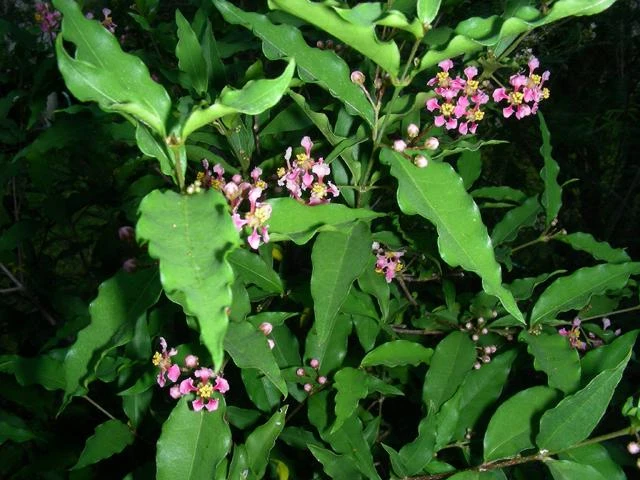
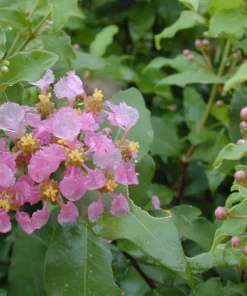
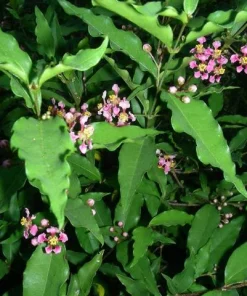
Dwarf Barbados Cherry Live Plant – Malpighia punicifolia Tropical Fruit Shrub, 1 Gallon Pot
Original price was: $75.99.$55.99Current price is: $55.99.
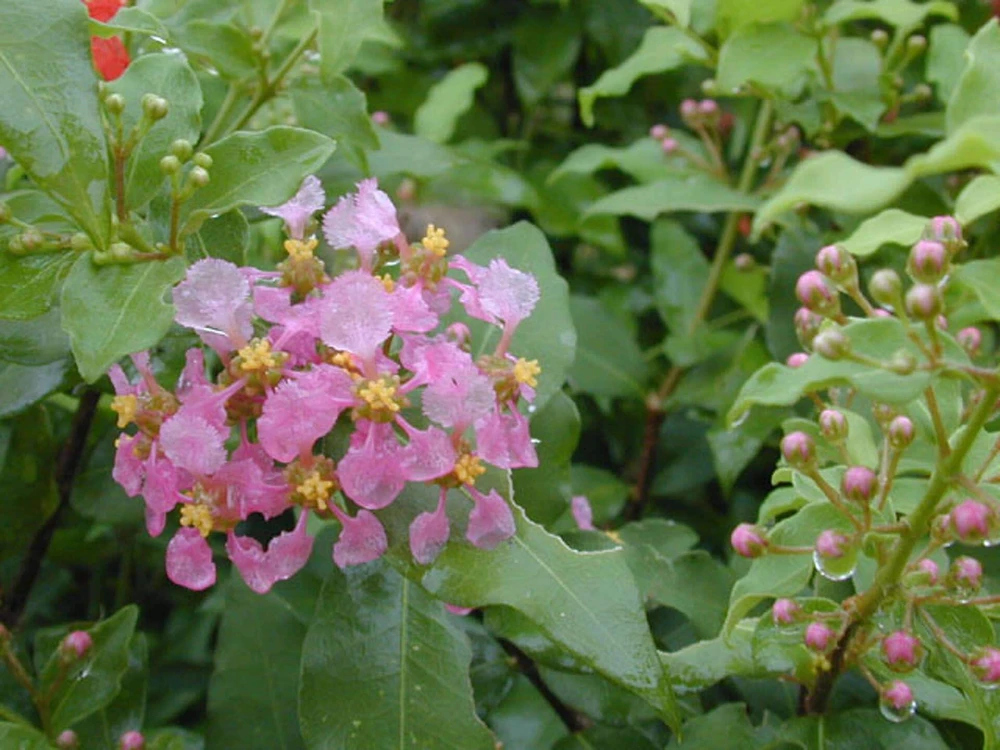
Bring home a dwarf Barbados cherry live plant, a beautiful and productive tropical fruit shrub. This Malpighia punicifolia variety offers charming pink flowers and delicious, vitamin C-rich red fruits. Perfect for edible landscapes, patio pots, or as an accent plant.
Estimated arrival
Oct 10
Oct 15 - Oct 17
Oct 20 - Oct 24
Shop With Confidence
30-Day Plant Health Guarantee
Arrives damaged? We’ll replace it free — see our return policy.
Responsive Support
Email us anytime, we reply within 1 business day.
Expert Packaging
Temperature-controlled shipping to protect your plants in transit.
Secure Checkout
Pay safely with Visa, Mastercard, PayPal.
Plant Specifications
-
USDA Hardiness Zone
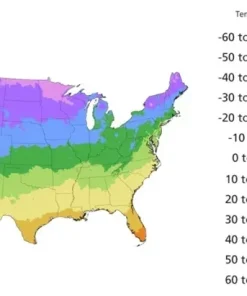
USDA Zones 9-11 -
Soil Type
Well-drained soil (sandy, loamy, clay) -
Sunlight Exposure
Full sun to part shade -
Expected Planting Period
Year-round in warm climates; spring after last frost elsewhere
Overview
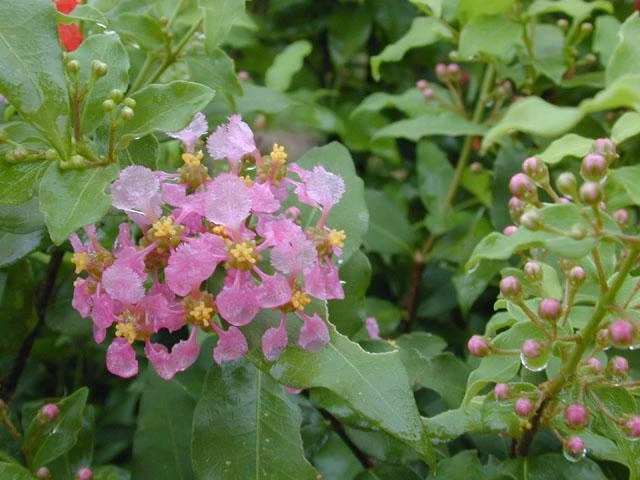
The dwarf Barbados cherry live plant (Malpighia punicifolia, also known as Malpighia glabra) is a delightful addition to any garden or patio, celebrated for its ornamental beauty and delicious, highly nutritious fruit. This tropical fruit shrub, often referred to as Acerola or Wild Crapemyrtle, produces small, delicate pink flowers that bloom periodically from spring through fall, followed by bright red, tart-tasting fruits. These 1-inch drupes are renowned for their exceptionally high vitamin C content, making them a popular choice for fresh consumption, juices, and preserves. Our dwarf Barbados cherry live plant comes fully rooted in a 1-gallon pot, ready to thrive in its new home. It’s a versatile plant that can be grown as a compact shrub or even as a small tree in warmer climates, providing both aesthetic appeal and a bountiful harvest.
This Malpighia punicifolia shrub is native to a wide range from south Texas through Central and South America, indicating its preference for warm, sunny conditions. Its ability to adapt to various soil types, coupled with its relatively low maintenance requirements, makes it an excellent choice for both experienced gardeners and those new to growing tropical fruits. The plant’s dense foliage can also serve as an attractive screening hedge, adding privacy and lush greenery to your outdoor space. Whether you’re looking to cultivate your own superfood source or simply enhance your landscape with a beautiful, flowering shrub, the dwarf Barbados cherry live plant offers a rewarding gardening experience.
Key Benefits
Cultivating a dwarf Barbados cherry live plant offers a multitude of advantages, from its aesthetic appeal to its health-boosting fruits. This resilient and attractive shrub is more than just a pretty face; it’s a valuable addition to a sustainable and beautiful garden.
- Nutrient-Rich Fruit Production: The primary benefit of this tropical fruit shrub is its abundant yield of bright red, tart fruits. These ‘acerola cherries’ are exceptionally high in Vitamin C, often surpassing oranges in nutritional value, making them a powerful natural supplement for your diet.
- Extended Blooming Season: Enjoy continuous visual interest with small pink flowers appearing periodically from April to October. These delicate blooms add a touch of charm and color to your garden for many months.
- Attracts Beneficial Wildlife: The flowers serve as a valuable nectar source for adult butterflies, while the ripe fruits are quickly gobbled up by birds, contributing to a vibrant and healthy ecosystem in your yard.
- Versatile Landscape Use: The dwarf Barbados cherry live plant can be utilized in various ways – as an attractive specimen plant, a dense screening hedge for privacy, or even as a unique patio pot plant. Its adaptability makes it suitable for diverse garden designs.
- Drought Tolerance: Once established, this plant exhibits good drought tolerance, requiring only medium water use. This makes it a more sustainable choice for regions with water concerns.
- Low Maintenance & Resilient: Known for its hardiness, the Malpighia punicifolia shrub is relatively easy to care for, thriving in a range of well-drained soils and tolerating various conditions once established.
- Edible Landscape Potential: Integrate this plant into an edible landscape design, where both its beauty and its delicious, healthful fruits can be enjoyed, providing a functional and attractive garden element.
Plant Care & Growing Tips
Caring for your dwarf Barbados cherry live plant is relatively straightforward, especially given its hardy nature. To ensure optimal growth and fruit production, understanding its basic needs for sunlight, water, and soil is crucial. This tropical fruit shrub thrives in conditions that mimic its native warm climate. For sunlight, it prefers full sun to part shade. In hotter climates, some afternoon shade can be beneficial to protect it from intense heat, but generally, at least 6 hours of direct sunlight will encourage the best flowering and fruiting. Place it in a location where it receives ample light throughout the day.
When it comes to watering, the Barbados cherry plant care routine involves medium water use. It prefers well-drained soil and can tolerate periods of dryness once established. Avoid overwatering, as this can lead to root rot. Allow the top few inches of soil to dry out between waterings. During prolonged dry spells or in very hot weather, more frequent watering may be necessary, especially for plants in containers. The plant is adaptable to a variety of soil types, including sandy, sandy loam, medium loam, clay loam, and clay, provided the soil is well-drained. It also tolerates limestone soils. Fertilize with a balanced slow-release fertilizer during the growing season (spring and summer) to support its vigorous growth and fruit development. Pruning can be done to maintain shape, size, and encourage bushiness or to remove dead or damaged branches. The USDA hardiness zone for this plant is typically 9-11, meaning it can tolerate mild winters but may require protection or be grown as an annual in colder regions.
While generally robust, monitoring for common pests and diseases is part of good Barbados cherry plant care. Ensure good air circulation and avoid overhead watering to minimize fungal issues. If growing in a container, ensure adequate drainage holes. The plant can be quite resilient, making it a good choice for gardeners looking for a productive yet relatively low-maintenance fruit-bearing shrub. The acerola cherry plant is known to keep its leaves in mild winters, adding evergreen appeal to the landscape. Remember that while deer are not typically attracted to it, birds and butterflies will readily enjoy its fruits and nectar.
Size & Details
Our dwarf Barbados cherry live plant is shipped fully rooted in a 1-gallon trade pot, a standard nursery container measuring approximately 6 inches high with a 6-inch circumference. While these trade pots are commonly referred to as 1-gallon, they typically hold about 0.664 gallons of soil, providing ample space for the young plant’s root system to establish. Upon arrival, the plant will be a healthy, actively growing specimen, ready for transplanting into a larger pot or directly into your garden. The actual size of the plant may vary depending on the time of year, availability, and weather conditions, but it will be a viable, strong start to your own tropical fruit shrub.
In terms of mature size, the Malpighia punicifolia shrub typically grows as a shrub up to about 9 feet tall. With optimal conditions and age, it can sometimes mature into a small tree, reaching heights of up to 18 feet. However, as a dwarf variety, it tends to remain more compact, making it suitable for smaller gardens, containers, or where space is a consideration. The plant’s growth rate is moderate, and with proper care, you can expect it to begin flowering and fruiting within a year or two of planting. The bright red, 1-inch fruits usually appear about one month after the pink flowers bloom, providing a consistent harvest throughout its extended season.
Frequently Asked Questions
- Q: How big does this plant get? A: The dwarf Barbados cherry live plant typically grows as a shrub up to 9 feet tall, but it can sometimes reach up to 18 feet as a small tree in ideal conditions. Its growth can be managed with pruning.
- Q: What size pot does it come in? A: Your tropical fruit shrub will arrive fully rooted in a 1-gallon trade pot, which measures 6 inches high and has a 6-inch circumference, ready for planting.
- Q: Is this an indoor or outdoor plant? A: This plant is primarily an outdoor plant in USDA Zones 9-11. In colder climates, it can be grown in a container and brought indoors during winter or treated as an annual.
- Q: How much sunlight does it need? A: The Barbados cherry plant care requires full sun to part shade. It generally needs at least 6 hours of direct sunlight per day for the best flowering and fruiting.
- Q: Is this plant easy to care for? A: Yes, the Malpighia punicifolia shrub is considered relatively easy to care for, especially once established. It’s quite resilient and adaptable to various conditions.
- Q: What condition will it arrive in? A: Your acerola cherry plant will arrive as a healthy, fully rooted live plant in its nursery pot, carefully packaged to ensure its safe journey.
- Q: Can I eat the fruits? A: Absolutely! The fruits, often called acerola cherries, are edible and highly prized for their tart flavor and exceptional vitamin C content.
- Q: How long until it blooms and fruits? A: With proper care, your dwarf Barbados cherry can begin to bloom and set fruit within one to two years of planting. Flowers appear from April to October, with fruits following about a month later.
- Q: Will it survive winter in my zone? A: It is hardy in USDA Zones 9-11. If you are in a colder zone, you will need to protect it from frost or grow it as a container plant that can be moved indoors during winter.
- Q: What type of soil does it prefer? A: This plant thrives in well-drained soil and is adaptable to various types, including sandy, loamy, and clay soils, as long as drainage is good.
Be the first to review “Dwarf Barbados Cherry Live Plant – Malpighia punicifolia Tropical Fruit Shrub, 1 Gallon Pot”
People Also Viewed
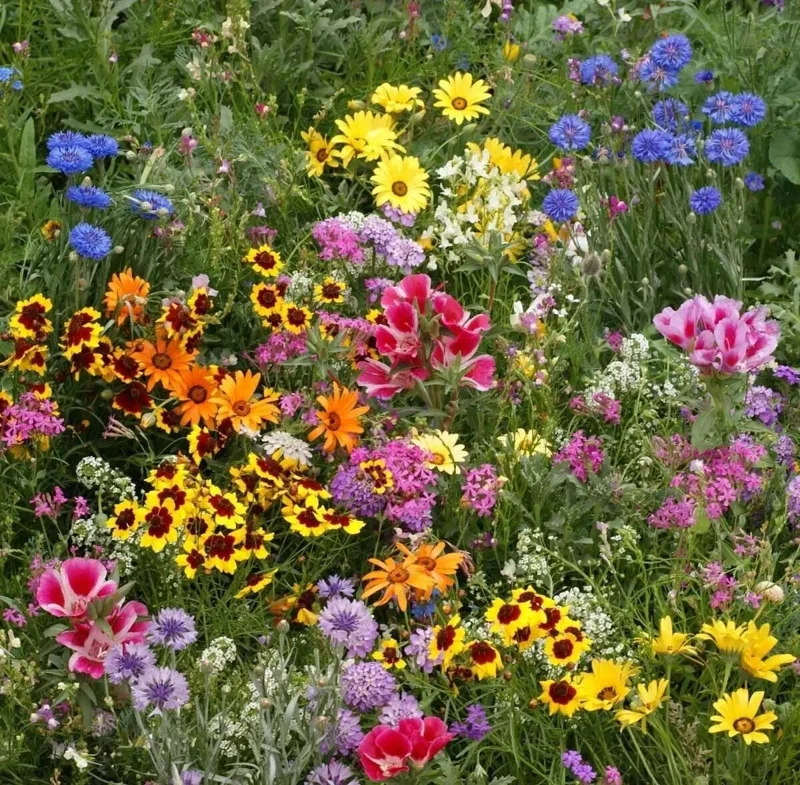
Flower Seeds
Late Bloomer Wildflower Mix Seeds – 35+ Autumn Flowers, Fall Bloom, Multicolor, Outdoor
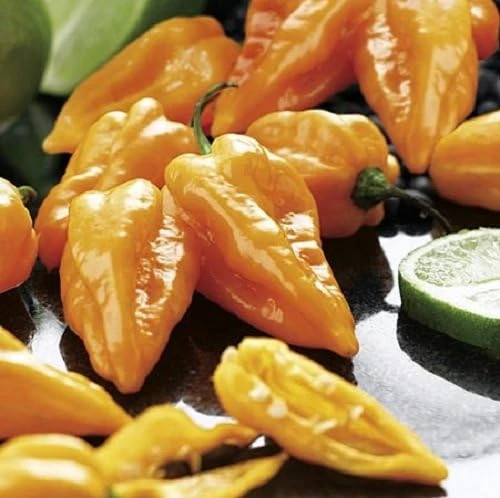
Vegetable Seeds
Magnum Orange Habanero Pepper Seeds – 20 Count – High Yield, Hot
Reviews
There are no reviews yet.