

Thimbleberry Live Plant – 3-4″ Tall, 5″ Pot – Native Edible Berry Shrub for Shade
Original price was: $56.99.$36.99Current price is: $36.99.
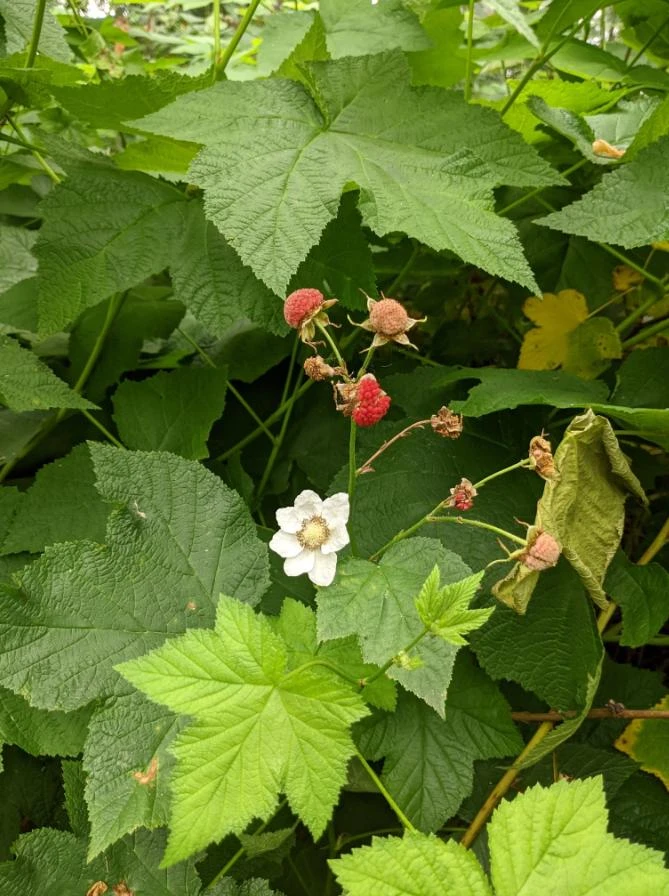
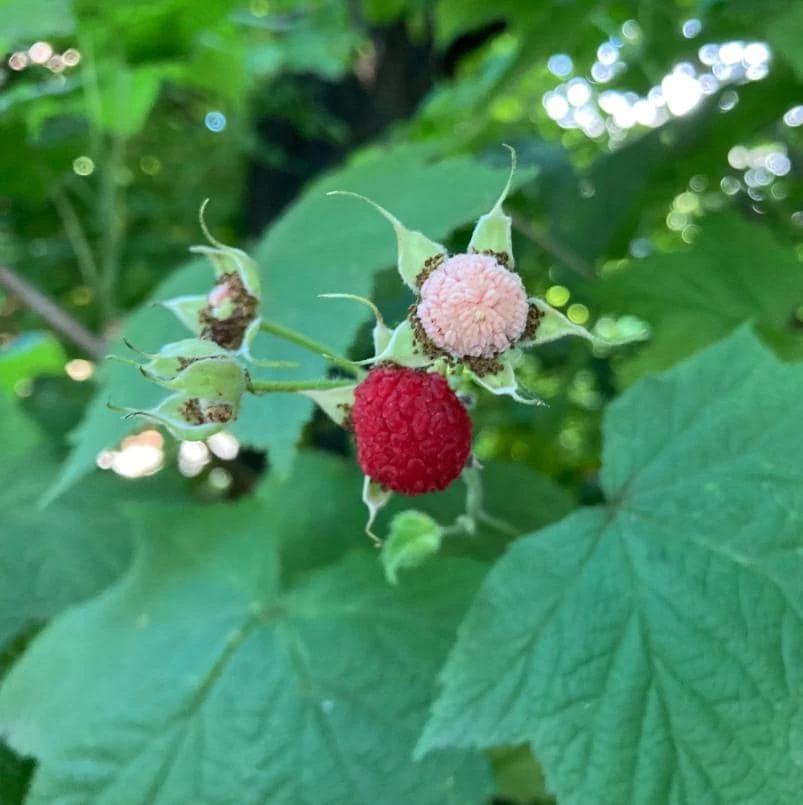
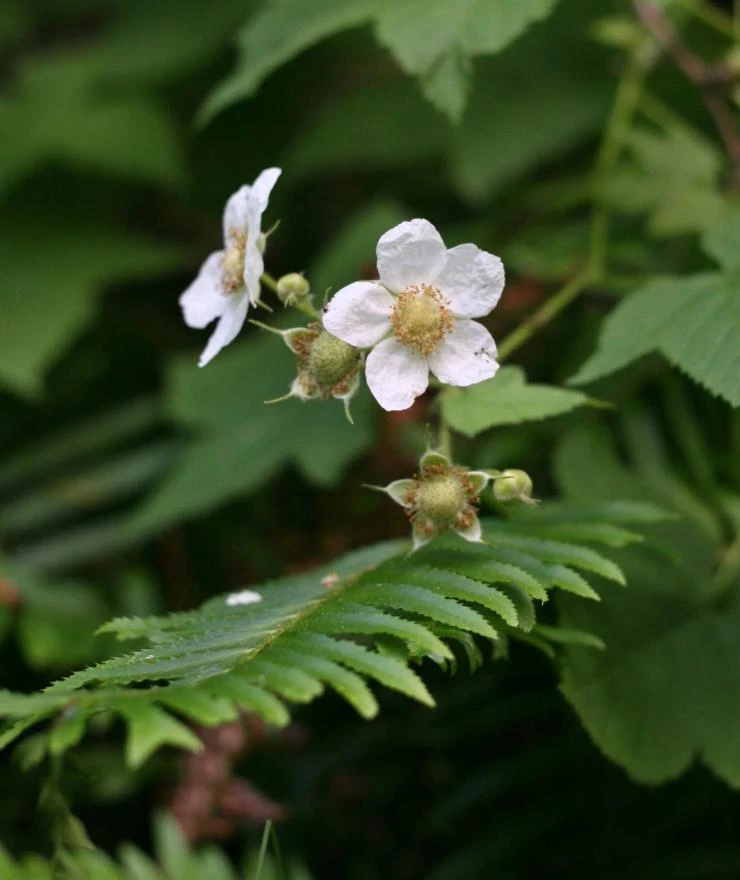
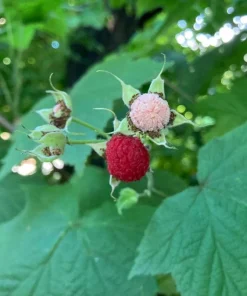
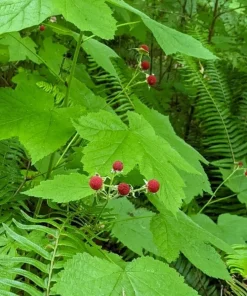
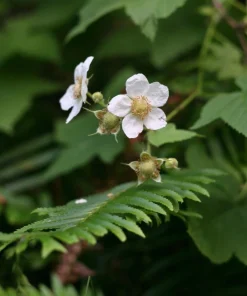
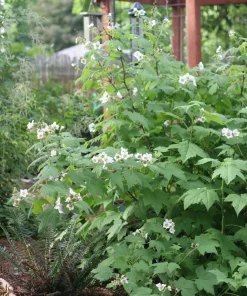
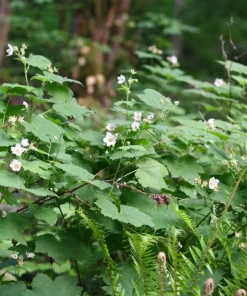
Bring a unique native touch to your garden with a thimbleberry live plant. This deciduous shrub, also known as Rubus parviflorus, features large maple-like leaves and produces soft, edible red berries. Ideal for partial to full shade, it’s perfect for woodland gardens and attracting wildlife.
Estimated arrival
Sep 29
Oct 04 - Oct 06
Oct 09 - Oct 13
Shop With Confidence
30-Day Plant Health Guarantee
Arrives damaged? We’ll replace it free — see our return policy.
Responsive Support
Email us anytime, we reply within 1 business day.
Expert Packaging
Temperature-controlled shipping to protect your plants in transit.
Secure Checkout
Pay safely with Visa, Mastercard, PayPal.
Plant Specifications
-
USDA Hardiness Zone
USDA Zones 3-8 -
Soil Type
Rich, organic, moist, well-draining soil -
Sunlight Exposure
Partial shade to full shade -
Expected Planting Period
Spring to early fall
Overview
Cultivate a piece of native North American wilderness in your own backyard with this exquisite thimbleberry live plant. Known botanically as Rubus parviflorus, the thimbleberry is a charming deciduous shrub celebrated for its ornamental appeal and delicious fruit. This particular offering provides you with one healthy live plant, approximately 3-4 inches tall, nestled in a 5-inch nursery pot, ready for transplanting. Thimbleberry plants are a fantastic addition to any garden, especially those aiming for a naturalized aesthetic or woodland theme. Its robust growth habit, combined with its preference for shadier spots, makes it a versatile choice for areas where other fruit-bearing plants might struggle. Experience the joy of growing your own native berries and enjoying the lush foliage this unique shrub provides.
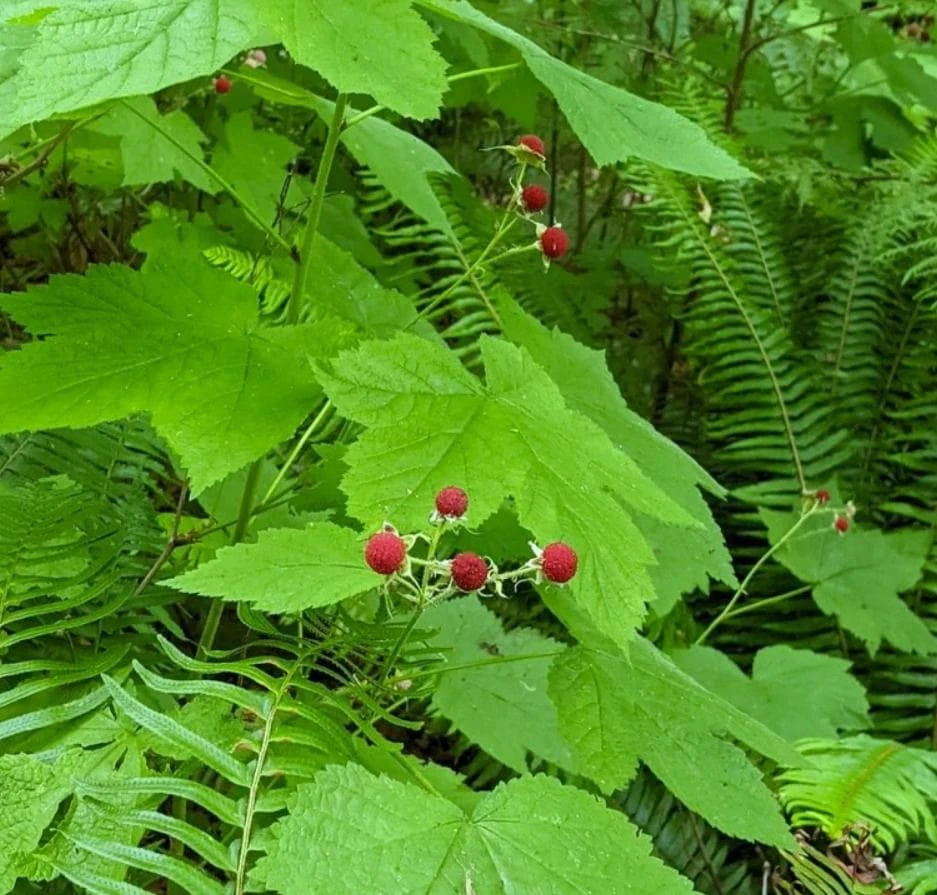
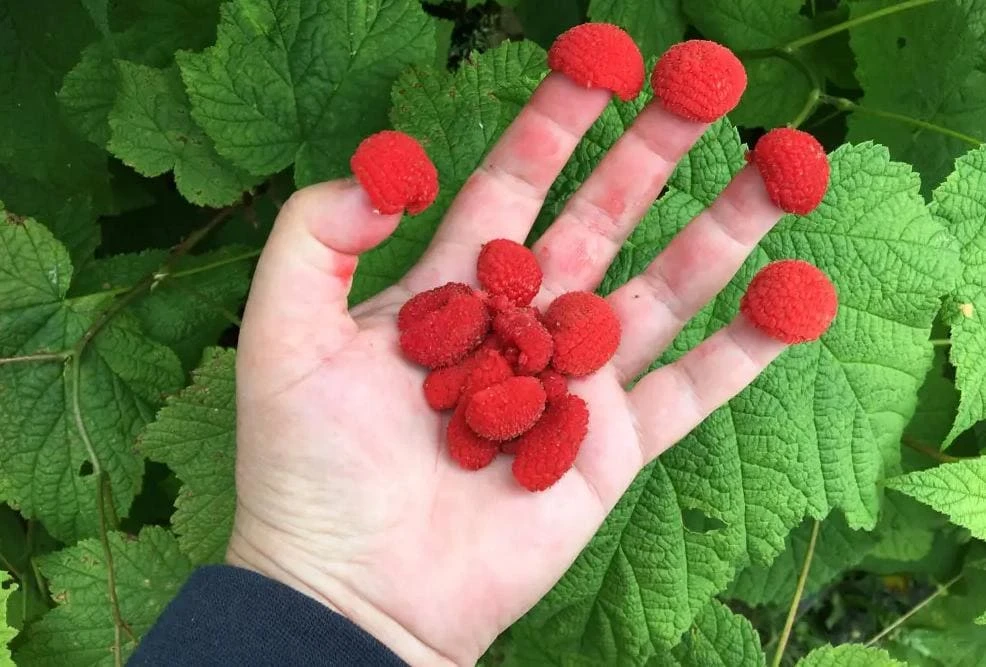
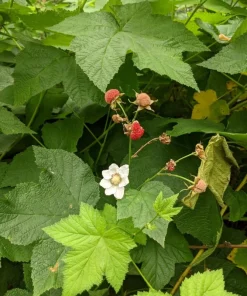
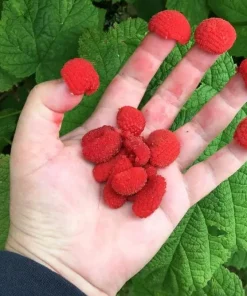
The thimbleberry live plant is more than just a fruit producer; it’s a multi-seasonal interest plant. In spring, it unfurls its distinctive large, soft, maple-like leaves, creating a lush, almost tropical feel. By summer, delicate white flowers emerge, followed by the characteristic soft red berries that resemble a thimble, hence its name. These berries are not only edible and sweet but also highly valued by wildlife, making this plant an excellent choice for supporting local ecosystems. Whether you’re an experienced gardener looking to expand your native plant collection or a beginner seeking a resilient and rewarding shrub, the thimbleberry is an outstanding choice that offers both beauty and bounty.
Key Benefits
Adding a thimbleberry live plant to your landscape offers a multitude of advantages, blending aesthetic appeal with ecological benefits and culinary delights. This native shrub is a true garden asset.
- Produces Edible Berries: Enjoy sweet, soft red berries directly from your garden. Thimbleberries are delicious fresh, in jams, or baked goods, offering a unique flavor profile distinct from other common berries. Growing your own ensures organic, fresh fruit.
- Attracts Pollinators and Wildlife: The delicate white flowers are a magnet for bees and other beneficial pollinators, contributing to garden biodiversity. The berries provide a valuable food source for birds and small mammals, enhancing your garden’s wildlife appeal.
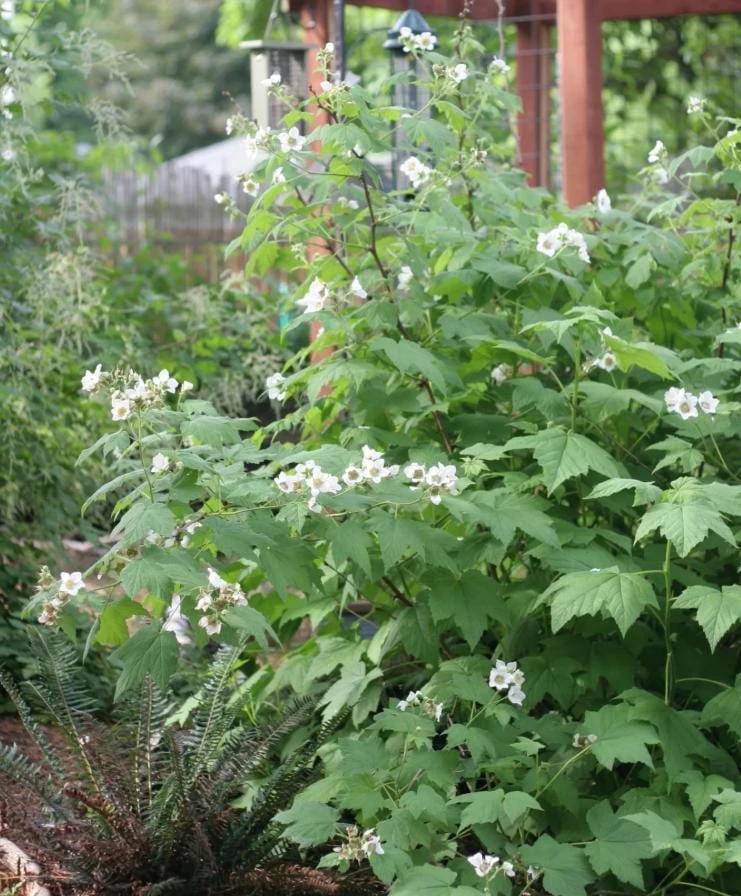
- Beautiful Foliage: The large, soft, maple-like leaves create a striking visual impact with their lush, tropical-like texture. They provide excellent ground cover and add a unique structural element to garden beds, especially in shaded areas.
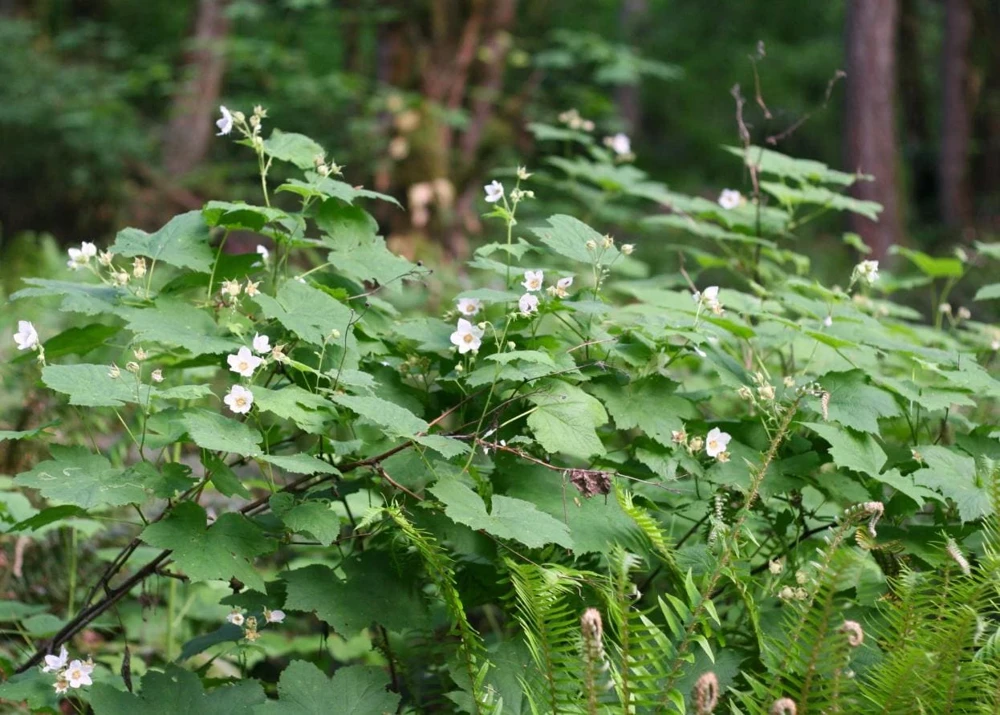
- Shade Tolerant: Unlike many fruit-bearing plants that demand full sun, the thimbleberry thrives in partial to full shade, making it ideal for woodland gardens, under tree canopies, or along north-facing walls where other plants might falter.
- Native and Resilient: As a native species, this native berry shrub is well-adapted to local climates and soils, requiring less intervention once established. It’s naturally resistant to many common pests and diseases, making it a low-maintenance choice.
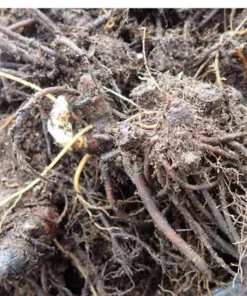
- Erosion Control: Its spreading root system can help stabilize soil on slopes or in areas prone to erosion, making it a functional as well as beautiful planting choice for challenging spots.
- Low Maintenance: Once established, thimbleberry plants are relatively self-sufficient. They don’t demand constant attention, making them perfect for busy gardeners or those looking for an easy-care, rewarding plant.
Plant Care & Growing Tips
Caring for your thimbleberry live plant is straightforward, especially since it’s a resilient native species. Understanding its basic needs will ensure vigorous growth and abundant fruit production. Upon arrival, gently unpack your plant and prepare for transplanting. Choose a location in your garden that receives partial shade to full shade. While it can tolerate some morning sun, protection from intense afternoon sun is crucial, especially in warmer climates. Ideal spots include woodland edges, under deciduous trees, or on the north side of buildings. Ensure the chosen site has good air circulation to prevent fungal issues.
Soil is a key factor for a thriving edible thimbleberry plant. Thimbleberries prefer rich, organic, and consistently moist, well-draining soil. Amend heavy clay soils with compost or other organic matter to improve drainage and fertility. Sandy soils will benefit from added compost to enhance moisture retention. Once planted, water thoroughly to settle the soil around the roots. During its establishment phase, which can last for the first year, keep the soil consistently moist but never waterlogged. Regular watering is important during dry spells, particularly when the plant is fruiting. Established plants are more tolerant of brief dry periods but will perform best with consistent moisture.
Fertilization is generally light for Rubus parviflorus. A balanced, slow-release granular fertilizer applied in early spring can support healthy growth and fruit development. Avoid over-fertilizing, as this can lead to excessive foliage growth at the expense of berries. Pruning is best done after fruiting in late summer or early fall. Remove any old, weak, or dead canes at the base to encourage new, vigorous growth and better air circulation. Thimbleberry is cold-hardy and typically requires no special winter protection in its native zones. Monitor for common issues like powdery mildew in humid conditions; ensuring good air circulation and appropriate spacing can help prevent this. With these simple care steps, your thimbleberry live plant will flourish for years to come.
Size & Details
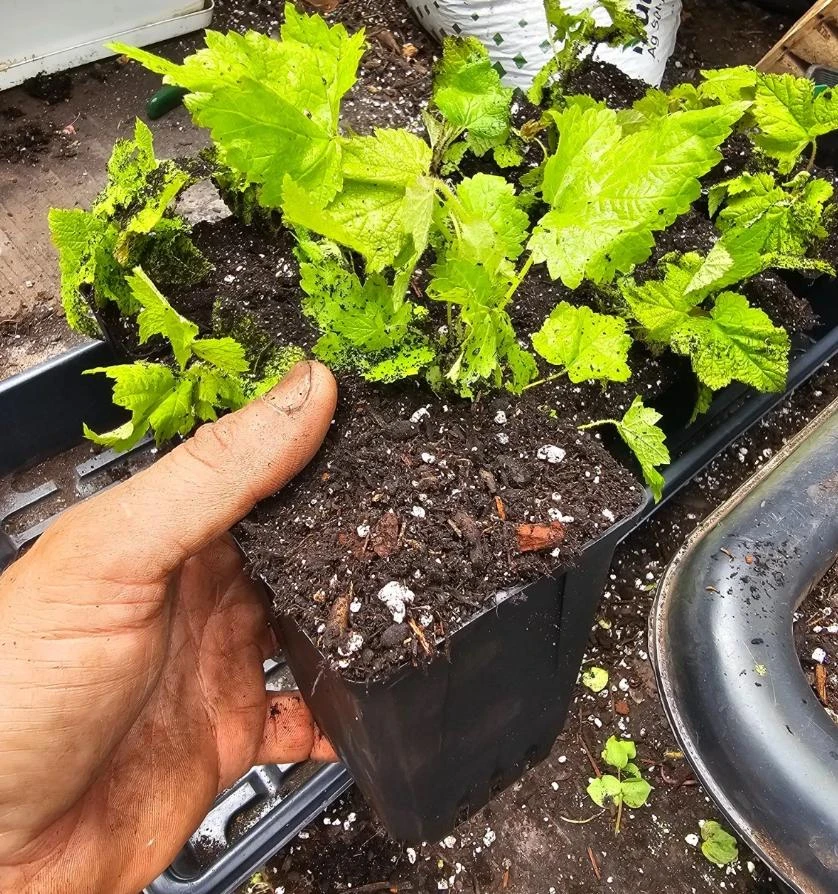
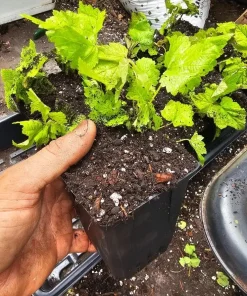
This offering is for one healthy thimbleberry live plant, shipped in a 5-inch nursery pot. At the time of shipping, the plant will be approximately 3-4 inches tall. Please note that plant height is an estimate and can vary slightly due to natural growth patterns and individual plant characteristics. The 5-inch pot size refers to the container the plant is growing in, indicating a well-developed root system ready for transplanting into your garden or a larger container. These are young, starter plants, and will require a period of establishment in their new environment.
The thimbleberry is a deciduous perennial shrub, meaning it will lose its leaves in the fall and regrow them in the spring. Its mature size can reach 3-8 feet tall and wide, forming dense thickets over time. It has a moderate growth rate, establishing itself well within the first few seasons. Expect your plant to begin producing berries within 1-2 years of planting, with production increasing as the plant matures. It’s a robust and long-lived addition to the landscape, providing years of enjoyment and ecological benefits. This native berry shrub is an investment that matures beautifully over time.
Frequently Asked Questions
- Q: How big does this thimbleberry live plant get? A: At shipping, the plant is approximately 3-4 inches tall in a 5-inch pot. When mature, thimbleberry shrubs typically grow to be 3-8 feet tall and equally wide, forming a dense, spreading bush.
- Q: Is this an indoor or outdoor plant? A: The thimbleberry live plant is an outdoor shrub. It is best suited for planting in garden beds, woodland areas, or naturalized landscapes, thriving in partial to full shade conditions outdoors.
- Q: How much sunlight does it need? A: Thimbleberries prefer partial shade to full shade. They can tolerate some morning sun but should be protected from intense afternoon sun, especially in hot climates, to prevent leaf scorch.
- Q: Is this plant easy to care for? A: Yes, the edible thimbleberry plant is considered relatively easy to care for, especially as it is a native species. Once established, it requires consistent moisture but is otherwise low-maintenance, needing only occasional pruning.
- Q: What condition will it arrive in? A: Your thimbleberry plant will arrive as a healthy, young live specimen, carefully packaged in its 5-inch nursery pot. We take great care to ensure it reaches you in optimal condition, ready for transplanting.
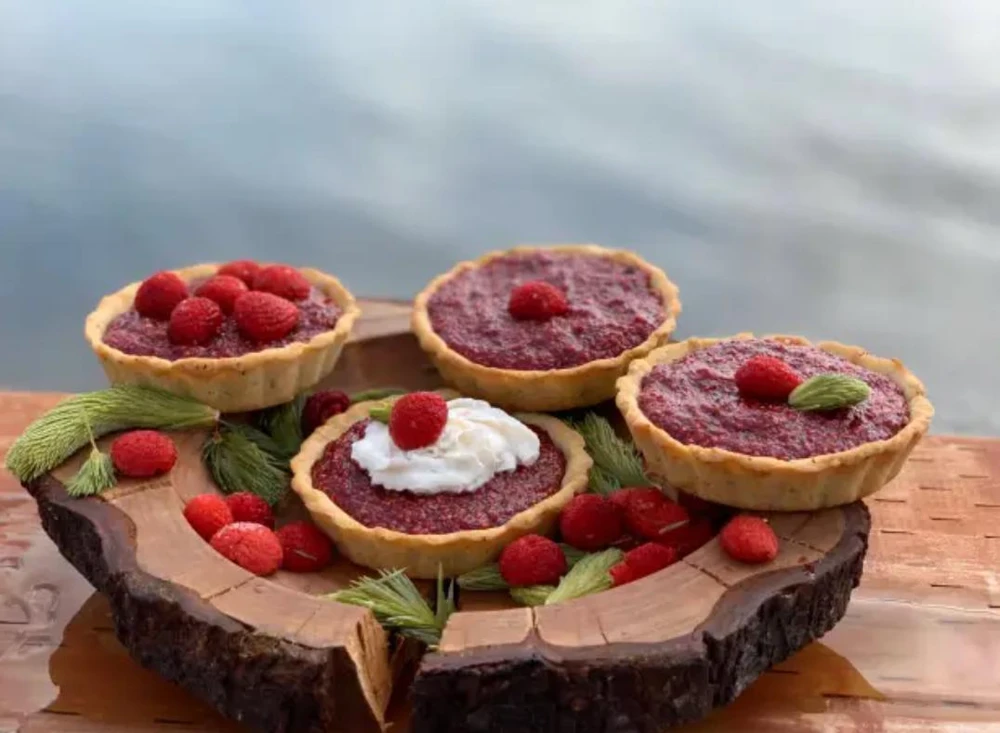
- Q: Can I use thimbleberry in cooking? A: Absolutely! The soft red berries produced by the Rubus parviflorus are edible and delicious. They can be enjoyed fresh, used in pies, jams, jellies, or as a topping for desserts.
- Q: When is the best time to plant this native berry shrub? A: The best time to plant your thimbleberry is in spring or early fall. This allows the plant sufficient time to establish its root system before extreme summer heat or winter cold sets in.
- Q: Will it survive winter in my zone? A: Thimbleberry is a very cold-hardy native shrub, typically hardy in USDA Zones 3-8. It naturally goes dormant in winter and requires no special protection in these zones.
- Q: What kind of soil does it prefer? A: This plant thrives in rich, organic, moist, and well-draining soil. It benefits from soil amended with compost or other organic matter to improve fertility and drainage.
- Q: How long until it produces berries? A: You can typically expect your thimbleberry live plant to start producing berries within 1-2 years after planting, with production increasing as the plant matures and establishes itself.
Be the first to review “Thimbleberry Live Plant – 3-4″ Tall, 5″ Pot – Native Edible Berry Shrub for Shade”
People Also Viewed
Reviews
There are no reviews yet.