
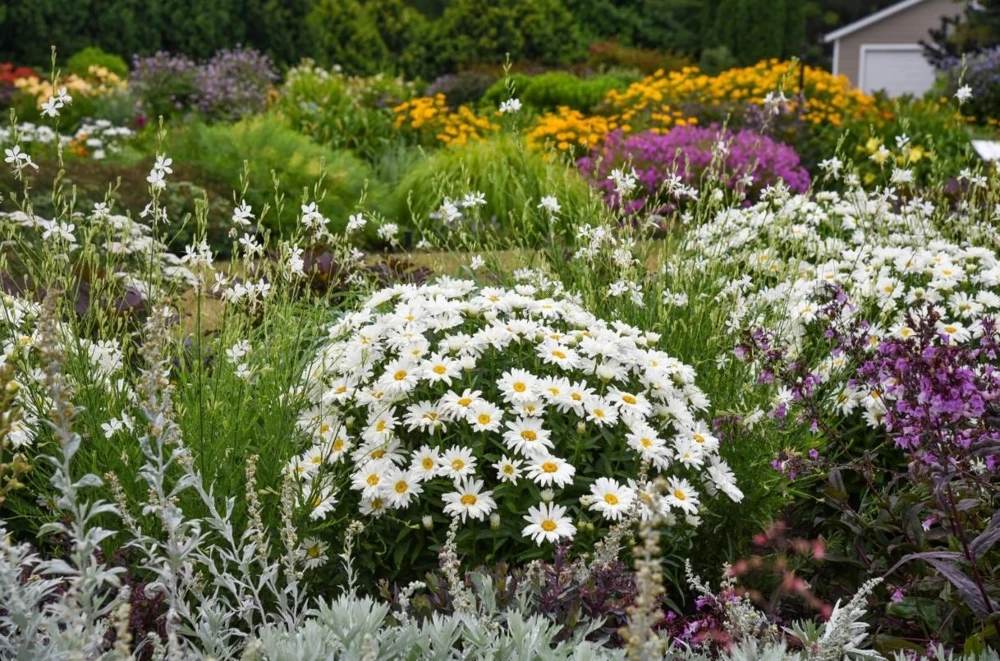
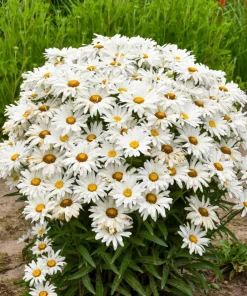
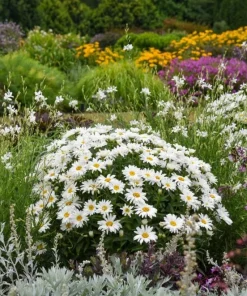
Shasta Daisy Live Plant – 3 inch Pot – Perennial White Flowers – Outdoor Garden
Original price was: $45.99.$25.99Current price is: $25.99.
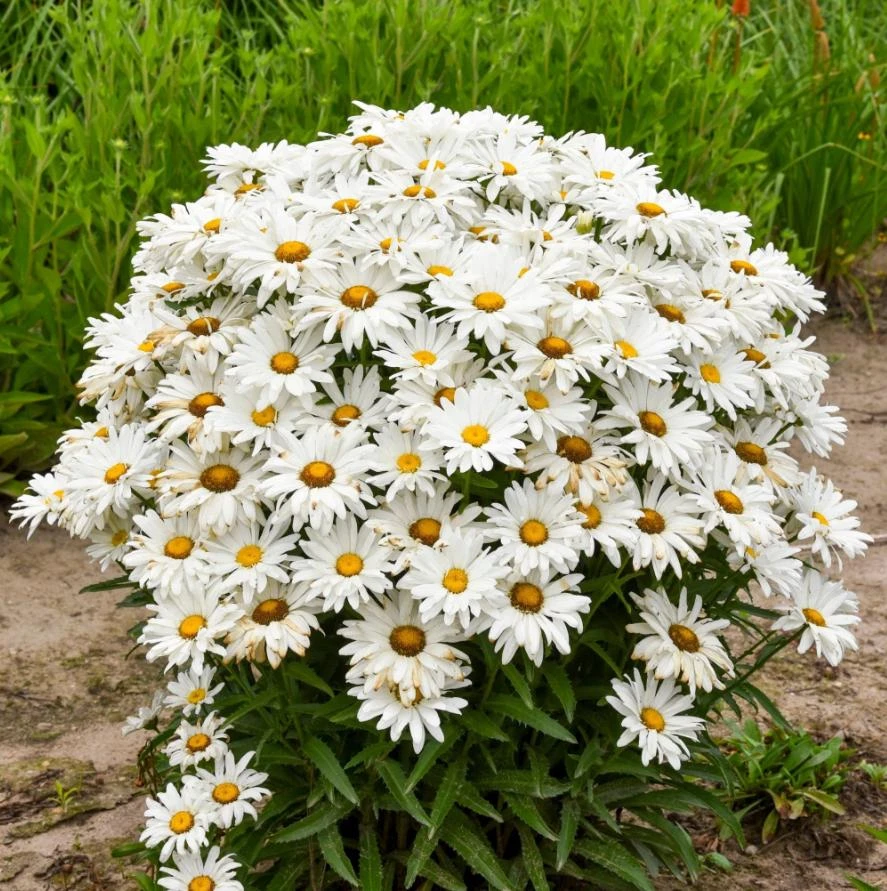
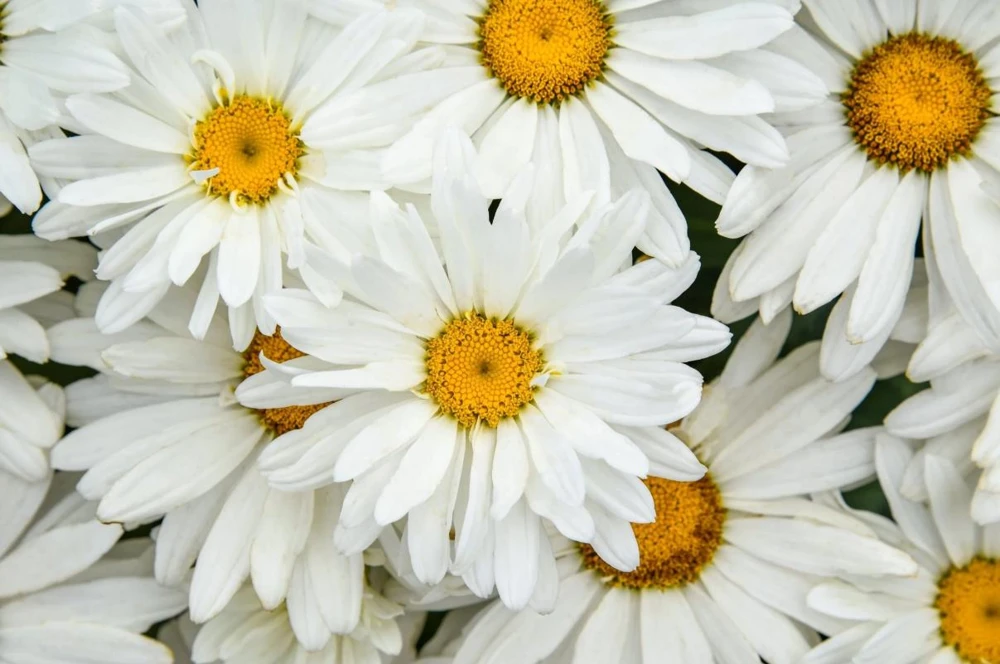
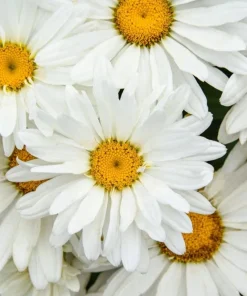
Add timeless beauty to your outdoor space with this live Shasta Daisy plant in a 3-inch nursery pot. Known for its cheerful white petals and sunny yellow centers, this perennial white daisy is a garden classic. Easy to grow and long-blooming, it’s perfect for garden beds, borders, and cottage gardens.
Estimated arrival
Sep 29
Oct 04 - Oct 06
Oct 09 - Oct 13
Shop With Confidence
30-Day Plant Health Guarantee
Arrives damaged? We’ll replace it free — see our return policy.
Responsive Support
Email us anytime, we reply within 1 business day.
Expert Packaging
Temperature-controlled shipping to protect your plants in transit.
Secure Checkout
Pay safely with Visa, Mastercard, PayPal.
Plant Specifications
-
USDA Hardiness Zone
USDA Zones 5-9 -
Soil Type
Well-draining soil -
Sunlight Exposure
Full sun -
Expected Planting Period
Spring to early summer
Overview
Introduce classic elegance to your garden with a vibrant live Shasta Daisy plant. This popular perennial, botanically known as Leucanthemum × superbum, is celebrated for its iconic bright white petals surrounding a cheerful yellow center. Shipped as a healthy starter plant in a 3-inch pot, it’s ready to bring its radiant charm to your outdoor landscape. The Shasta Daisy is a garden staple, beloved for its ability to provide continuous blooms throughout the growing season, creating a fresh and inviting atmosphere. It’s an ideal choice for gardeners seeking reliable, low-maintenance flowering plants that offer both beauty and resilience.
This particular offering provides a robust young specimen, ensuring a strong start in your garden. Whether you’re looking to fill a new flower bed, enhance an existing border, or add a touch of cottage garden allure, this live Shasta Daisy plant is a perfect selection. Its bright, clean appearance makes it a versatile companion for many other garden perennials and annuals, creating stunning visual contrasts and harmonious displays. Expect a cheerful display that brightens any sunny spot.
Key Benefits
Choosing a live Shasta Daisy plant for your garden offers numerous advantages, combining ease of care with spectacular visual appeal. These resilient flowers are more than just pretty faces; they are dependable performers that enhance any outdoor setting.
- Long-Lasting Blooms: Enjoy abundant, classic white daisy flowers with sunny yellow centers from late spring through fall. Deadheading spent blooms encourages even more continuous flowering, extending the season of beauty in your garden.
- Easy to Grow: This outdoor flowering plant is remarkably low-maintenance once established. It tolerates a range of soil conditions and is relatively drought-tolerant, making it suitable for both novice and experienced gardeners.
- Versatile Garden Use: Shasta Daisies are perfect for a variety of landscaping applications. Use them in perennial borders, cottage gardens, cutting gardens, mass plantings, or even in larger containers to create stunning visual impact.
- Attracts Pollinators: The bright, open blooms are a magnet for beneficial insects like bees and butterflies, contributing to a healthier and more vibrant garden ecosystem.
- Classic Aesthetic Appeal: The crisp white and yellow colors provide a timeless, clean look that complements almost any garden style, from formal to rustic. It’s a true symbol of summer.
- Cold Hardy Perennial: As a perennial, the Shasta Daisy returns year after year, providing reliable beauty without the need for annual replanting in appropriate zones.
- Excellent Cut Flower: The sturdy stems and long-lasting blooms make Shasta Daisies a fantastic choice for fresh floral arrangements, bringing the joy of your garden indoors.
Plant Care & Growing Tips
Caring for your live Shasta Daisy plant is straightforward, ensuring years of beautiful blooms with minimal effort. These plants thrive when given the right conditions, primarily focusing on sunlight and well-drained soil. Upon arrival, gently acclimate your plant to its new environment before transplanting. The ideal time for planting is in spring or early summer, allowing the plant ample time to establish its root system before extreme weather.
Sunlight: Shasta Daisies require full sun to perform their best, meaning at least 6 hours of direct sunlight per day. In very hot climates, some afternoon shade can be beneficial to prevent scorching, but generally, more sun equals more blooms. Position your outdoor flowering plant in the brightest spot in your garden.
Watering: Water regularly during the establishment period, typically the first few weeks after planting, to keep the soil consistently moist but not waterlogged. Once established, Shasta Daisies are moderately drought-tolerant but will benefit from deep watering during prolonged dry spells. Allow the top inch or two of soil to dry out between waterings.
Soil: These plants prefer well-draining soil and are adaptable to various soil types, including loamy, sandy, or clay soils, as long as drainage is good. Poorly drained soil can lead to root rot. Amending heavy clay soils with organic matter like compost can significantly improve drainage and overall plant health. Ensure your Shasta Daisy care routine includes proper soil preparation.
Temperature & Hardiness: Shasta Daisies are cold-hardy perennials, generally thriving in USDA Zones 5-9. They can tolerate a wide range of temperatures, from frosty winters to warm summers. No special winter protection is typically required in these zones, as they naturally go dormant in colder months and re-emerge in spring.
Fertilization: A light application of balanced granular fertilizer in early spring, as new growth emerges, will support strong blooming throughout the season. Avoid over-fertilizing, which can promote leafy growth at the expense of flowers. A little compost worked into the soil annually can also provide sufficient nutrients.
Pruning: Deadhead spent flowers regularly to encourage continuous blooming and maintain a tidy appearance. In late fall, after the first hard frost, you can cut back the foliage to about 2-3 inches above the ground. This helps to invigorate the plant for the following spring and is a key part of effective Shasta Daisy care.
Size & Details
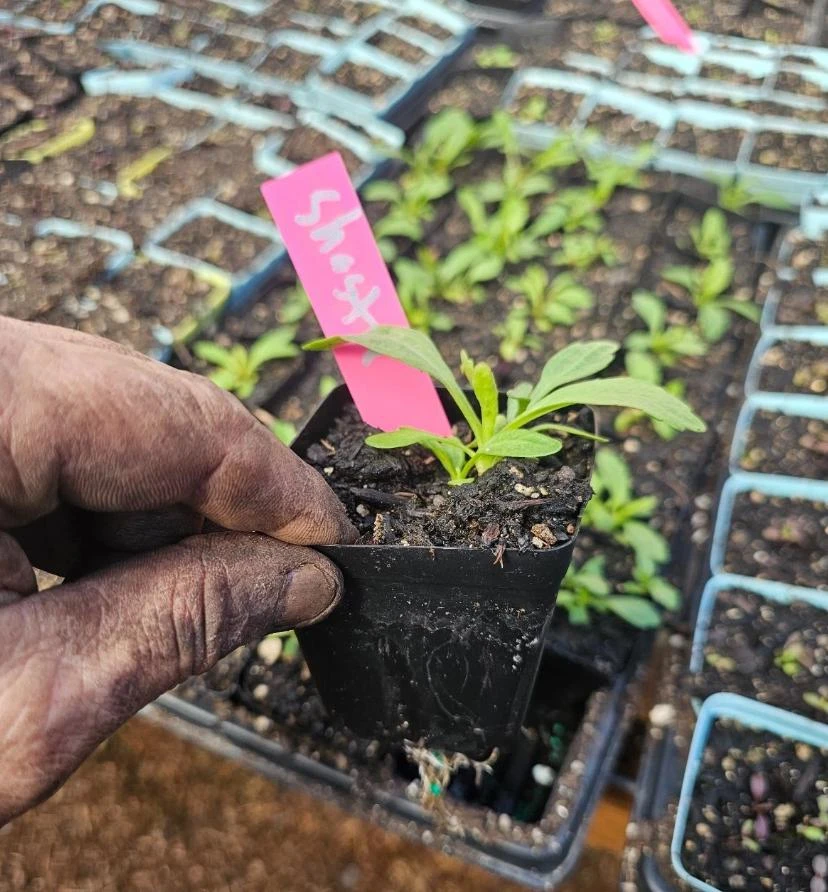
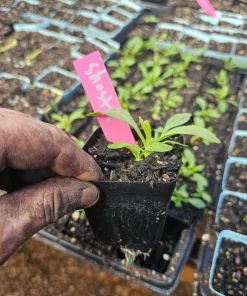
This offering includes one healthy live Shasta Daisy plant, carefully nurtured in an individual 3-inch nursery pot. The pot size refers to the diameter of the container, indicating a well-developed root system ready for transplanting into your garden. At shipping, the plant is a small starter size, perfect for establishing robust growth in its new home. While photos may depict mature plants for illustrative purposes, your shipped plant will be a younger specimen, ensuring it adapts well to your specific growing conditions.
Once established, Shasta Daisies typically grow to a height of 1-3 feet and spread about 1-2 feet wide, forming attractive clumps of foliage and flowers. They have a moderate growth rate, quickly filling out garden spaces. Expect your plant to begin producing its characteristic bright white daisy blooms with yellow centers from late spring to early summer, continuing well into fall with proper deadheading. This perennial will return reliably year after year, growing larger and more floriferous with each passing season, providing long-term ornamental value to your landscape.
Frequently Asked Questions
- Q: How big does this plant get? A: This live Shasta Daisy plant is shipped in a 3-inch pot. Once mature and established in your garden, it typically grows to be about 1 to 3 feet tall and spreads 1 to 2 feet wide, forming a lovely clump of foliage and flowers.
- Q: Is this an indoor or outdoor plant? A: The Shasta Daisy is primarily an outdoor plant. It thrives in full sun and is a hardy perennial suitable for garden beds, borders, and outdoor containers. It is not typically grown as an indoor houseplant.
- Q: How much sunlight does it need? A: For optimal growth and abundant flowering, your live Shasta Daisy plant requires full sun, which means at least 6 hours of direct sunlight per day. Less sun may result in fewer blooms and leggy growth.
- Q: Is this plant easy to care for? A: Yes, Shasta Daisies are considered very easy to care for. They are low-maintenance perennials that are relatively drought-tolerant once established and adapt to various soil conditions, making them excellent for beginners.
- Q: What condition will it arrive in? A: Your live Shasta Daisy plant will arrive as a healthy, young starter plant in a 3-inch nursery pot. We take great care in packaging to ensure it reaches you in the best possible condition, ready for transplanting.
- Q: How long until it blooms? A: If planted in spring, your Shasta Daisy may bloom in its first year, typically from late spring through summer. Established plants will reliably bloom each year, often for several months with proper care like deadheading.
- Q: Will it survive winter in my zone? A: Shasta Daisies are cold-hardy perennials generally suited for USDA Zones 5-9. In these zones, they will go dormant in winter and reliably return in spring without special protection. If you are outside these zones, winter protection may be needed.
- Q: What kind of soil does it prefer? A: This outdoor flowering plant prefers well-draining soil. It can tolerate a range of soil types, including loamy, sandy, or clay, as long as the drainage is good. Amending with compost can improve soil structure.
- Q: Is this a perennial white daisy? A: Yes, the Shasta Daisy is a classic perennial white daisy. This means it will return year after year, providing consistent beauty in your garden without needing to be replanted annually.
- Q: Can I use these flowers for cutting? A: Absolutely! Shasta Daisies make excellent cut flowers. Their sturdy stems and long-lasting blooms are perfect for creating beautiful indoor arrangements, bringing the joy of your garden inside.
Be the first to review “Shasta Daisy Live Plant – 3 inch Pot – Perennial White Flowers – Outdoor Garden”
People Also Viewed
Trees
Pin Oak Live Tree (Quercus palustris) – Fast Growing Shade Tree, 12-18″ Tall in 3.5″ Pot, Outdoor
Houseplants
Sweetheart Hoya Live Plant 4-6 Inch Tall – Heart Shaped Leaf Houseplant, Easy Care Indoor Potted
Reviews
There are no reviews yet.